FEASIBILITY STUDY OF A HOME-BASED EXERCISE INTERVENTION PROGRAM FOR PATIENTS WITH METASTATIC CASTRATION-RESISTANT PROSTATE CANCER
RECEIVING ANDROGEN-DEPRIVATION THERAPY
Jackson Luke Carver
A thesis submitted to the faculty at the University of North Carolina at Chapel Hill in partial fulfillment of the requirements for the degree of Master of Arts in the Department of Exercise
and Sport Science (Exercise Physiology) in the College of Arts and Sciences
Chapel Hill 2018
Approved by:
iii ABSTRACT
Jackson Luke Carver: Feasibility Study of a Home-based Exercise Intervention Program for Patients with Metastatic Castration-Resistant Prostate Cancer Receiving Androgen-Deprivation
Therapy
(Under supervision of Erik Hanson)
Purpose: To assess the feasibility of home-based exercise in men with metastatic
iv
ACKNOWLEDGEMENTS
v
TABLE OF CONTENTS
ABSTRACT ... iii
ACKNOWLEDGEMENTS ... iv
LIST OF TABLES ..........vii
LIST OF FIGURES ... viii
LIST OF ABBREVIATIONS ... ix
CHAPTER I: INTRODUCTION ... 1
Cancer ... 1
Exercise in PCa ... 2
Study Rationale and Purpose ... 4
Research Questions ... 5
Research Hypotheses ... 5
Limitations ... 6
Delimitations ... 6
Significance ... 6
CHAPTER 2: REVIEW OF THE LITERATURE... 7
Cancer ... 7
Prostate Cancer (PCa)... 8
ADT ... 9
Nutrition and Physical Activity Guidelines for Cancer Patients ... 10
Exercise in PCa ... 12
CHAPTER 3: METHODS ... 18
Participants ... 18
Patient Reported Outcomes ... 19
Body Composition ... 20
Physical Function ... 20
Cardiorespiratory Fitness ... 21
vi
CHAPTER 4: RESULTS ... 26
Patient Recruitment ... 26
Exercise Adherence ... 28
Patient Reported Outcomes ... 33
Body Composition ... 34
Physical Function ... 34
Muscle Function ... 34
Cardiorespiratory Fitness ... 35
CHAPTER 5: DISCUSSION ... 36
APPENDIX A ... 44
APPENDIX B ... 58
APPENDIX C ... 65
APPENDIX D ... 83
APPENDIX E ... 84
APPENDIX F ... 85
vii
LIST OF TABLES
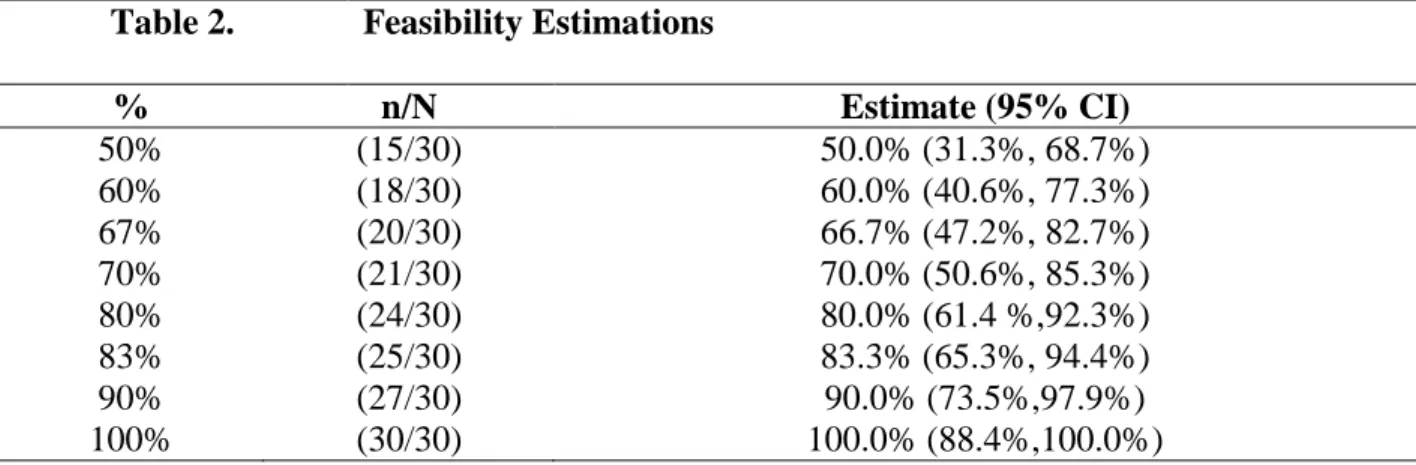
Table 1. Summary of Home-Based Exercise Intervention ...24
Table 2. Feasibility Estimations ...25
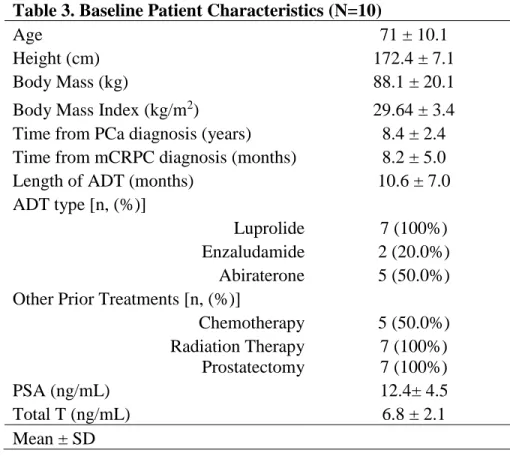
Table 3. Patient Characteristics...28
Table 4. Walking Exercise Adherence ...29
Table 5. Resistance Training Adherence ...30
Table 6. Adherence to Specific Exercises ...32
viii
LIST OF FIGURES
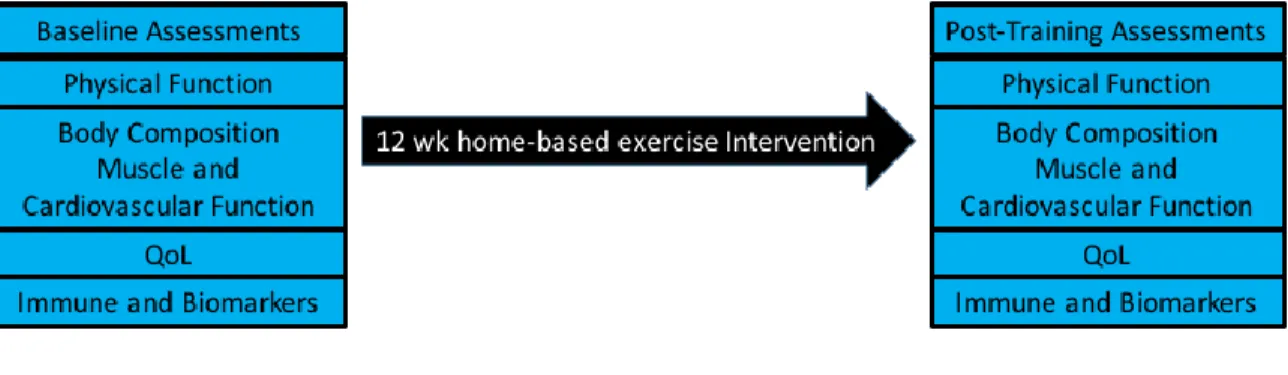
Figure 1. Study Design ...19
Figure 2. Consort Diagram ...27
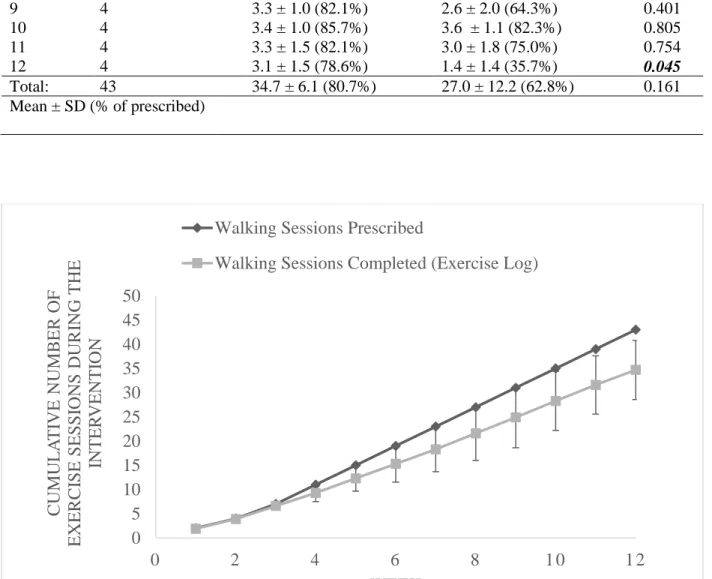
Figure 3. Cumulative Walking Sessions...29
ix
LIST OF ABBREVIATIONS
PCa- Prostate Cancer
ADT- Androgen Deprivation Therapy
CRPC- Castrate-Resistant Prostate Cancer
mCRPC- metastatic Castrate-Resistant Prostate Cancer
QoL- Quality of Life
VO2- Volume oxygen consumed
VO2 peak- Volume of oxyen consumed at maximal intensity aerobic activity
1 RM- One repetition maximum
SPPB- Short Physical Performance Battery BCa- Breast Cancer
1
CHAPTER I: INTRODUCTION
Cancer
Cancer is the second leading cause of death in the United States (following cardiovascular disease) and is projected to become the number one cause of death by 2020 (Herron 2016). Nearly 40% of people in the United States are expected to be diagnosed with cancer at some point in their lifetime. While death rates and age-adjusted incidence for most types of cancer have been declining, the number of new cancer diagnoses each year of most forms of cancer are projected to increase with an aging population (Weir 2015). More people are now living with cancer than ever before. This has created a new challenge for oncologists and researchers to find ways to alleviate negative side effects of life-saving treatments for cancer patients.
2
are several adverse effects that include loss of lean mass (Hanson 2011, Galvao 2008, Grossman 2011, Smith 2012) female-pattern fat distribution (Hanson 2011, Galvao 2008, Grossman 2011, insulin resistance (Hanson 2011, Grossman 2011) chronic fatigue (Hanson 2011, Grossman 2011), and loss of physical function (Hanson 2011, Galvao 2008, Grossman 2011). As the disease progresses (mean of 2-3 years after onset of ADT) (Karantanos 2013), tumors metastasize and often become “castration resistant,” and will grow despite the lower levels of circulating androgens (Jung Kang Jin 2011). This indicates a worse prognosis for the patient and a mean survival time between 16 and 18 months (Amaral 2012). The standard of care for castration-resistant prostate cancer (CRPC) and metastatic castration-resistant prostate cancer (mCRPC) involves a secondary form of androgen deprivation, sometimes called “super castration,” (Pezaro 2013) which almost completely limits production of endogenous androgens or androgen receptors and limits intratumoral androgen activity that sustains the tumor cells (Karantanos 2013, Jung Kang Jin 2011). This may limit disease progression, but may also exacerbate the side effects of ADT promoting dramatic negative effects on body composition, increasing risk factor profile for the development of cardiovascular and metabolic disease; all impacting the quality of life (QoL) of the patient (Pezaro 2013, Wall 2015). As ADT is often used indefinitely, patients will be affected by these side effects of treatment for the remainder of their lives. With men living longer while undergoing treatments such as ADT, finding ways to alleviate the struggles associated with survivorship are paramount.
Exercise in PCa
3
Resistance training, has been shown to have a positive effect on lean mass, body composition, strength, level of fatigue, and physical function in men with PCa on ADT (Galvao 2006, w, Hanson 2013, Hanson 2011, Hanson 2016, Tomlinson 2014). It is clear that resistance training is beneficial to PCa survivors, particularly improving measures which decline as a result of ADT. There is also evidence that aerobic exercise can be beneficial to PCa patients, offering unique benefits aside from those associated with resistance training (particularly improving cardiorespiratory fitness) (Galvao 2010, Wall 2017). PCa patients stand to gain a variety of benefits from a combined exercise program. Recent evidence has also arisen that has shown that these benefits can be achieved even in later stages of disease. Cormie et al (2013) recently found resistance training to be safe and well-tolerated in PCa patients with bone metastases, a population in which exercise has been relatively contraindicated due to potential risk for fractures and skeletal injury. In addition to being well-tolerated, the exercise-group also showed gains in strength (11%), 6-m rapid and usual walk times (12%), and lean mass (3%). This study provides evidence that an exercise intervention can safely offer significant benefits to patients with advanced disease (who may be in the most need of exercise-related health benefits). Galvao (2017) has also provided evidence that exercise provides many of the same benefits in men with CRPC, opening the door for further exploration into exercise interventions in this population that are more feasible to patients who are unable to participate in supervised in-center programs.
4
barriers to exercise, particularly those with mCRPC. Many exercise interventions can be difficult or impossible for patients to complete due to needs for equipment, travel, or supervision (Sheill 2018, Clifford 2017). Aside from the benefits of the exercise intervention alone, there is evidence that PCa patients dramatically reduce their level of physical activity as their disease progresses, creating a “vicious cycle” in which the avoidance of physical activity leads to further decreases in QoL and physical function (Hanson 2011). Thus, finding an effective exercise program for mCRPC patients to follow is critical to maximizing patient physical function and QoL across the remainder of the lifespan.
Study Rationale and Purpose
Because exercise may be particularly burdensome to patients with mCRPC because of both the disease and side effects of treatment, it is important that exercise programs avoid adding additional burden while still being effective at improving their health. It is also important to develop programs which are available to the majority of mCRPC patients and are feasible to complete. One proposed solution to these problems is using home-based exercise, which has been successfully used in breast cancer survivors (Spector 2014). Home-based exercise may be an effective solution for mCRPC patients that otherwise do not have access to resources required for other exercise programs and may also give the patient more freedom as to when to complete the exercise. Currently, as no home-based exercise interventions have been performed in these patients, it is unclear as to whether a home-based exercise program is feasible for men with mCRPC.
5
to them, and 2) to determine the completion rates. A secondary objective was to examine changes in body composition, strength, physical function, aerobic capacity, QoL, depression, and fatigue before and after the exercise intervention.
Research Questions
1. What percentage of mCRPC patients undergoing ADT that are eligible and asked to participate in a 12-week home-based combined resistance training and aerobic exercise program will enroll in the program?
2. What percentage of mCRPC patients undergoing ADT who complete baseline testing will adhere to at least 75% of the prescribed exercise sessions and complete post-testing at the end of the intervention?
3. Does a 12-week combined resistance and aerobic exercise program produce any improvements in body composition, strength, physical function, aerobic capacity, QoL, depression, or fatigue?
Research Hypotheses
1. The research team will be able to recruit fifteen mCRPC patients undergoing ADT referred to a free 12-week combined resistance and aerobic exercise program will enroll.
2. Greater than two thirds (67%) of participants who enroll in a 12-week combined resistance and aerobic exercise program will adhere to at least 75% of the prescribed exercise sessions complete baseline and post-testing.
6 Limitations
1. The use of multiple exercise tests per session may result in less-than-maximal performance on some tests, though the order of the tests were arranged to minimize this effect.
2. There is no control group in this study.
3. Participants cannot be monitored during their resistance training sessions.
Delimitations
1. Participants completed all baseline and post-intervention tests in a single session in order to limit participant burden and encourage participation.
2. Only mCRPC patients undergoing ADT with total testosterone < 50 ng/dl will be eligible to participate.
Significance
This study provides insight into the adherence of a home-based exercise program by men with mCRPC. If home-based exercise program proves to be feasible in this population, other exercise interventions may be designed to target specific physiological deficits that occur with ADT in these patients. This study provides the research team with the opportunity to speak with the subjects weekly to improve adherence and to assess barriers that may have hindered successful completion of the program. While a few studies examining exercise interventions in this metastatic prostate cancer patients (Cormie 2013, Galvao 2017), this study expands current knowledge by utilizing a home-based approach in patients with advanced disease. The
7
CHAPTER 2: REVIEW OF THE LITERATURE
Cancer
8
for cancer survivors to maintain quality of life and physical function is paramount, and will only increase over the foreseeable future.
Prostate Cancer (PCa)
Over 164,000 men are expected to be diagnosed with PCa in 2018 alone, accounting for almost one fifth of all new cancer diagnoses among men in 2018 (Siegel 2018). While PCa incidence has been rapidly decreasing since 2008, this has been largely attributed to changes in prostate specific antigen (PSA) testing guidelines (Siegel 2018). Even with this sharp decline, PCa still has been the most common malignant cancer diagnosed among men, and the number of PCa survivors in the United States will continue to grow for years to come. A number of treatments have been developed for PCa, allowing for PCa patients to live longer than people with many other types of cancer. Common PCa treamtents include hormone therapy (ADT), chemotherapy, radiation therapy, and prostatectomy. Most patients will undergo multiple forms of treatment over the course of the disease, with some therapies (particularly ADT) being a recurring part of the patient’s treatment plan. Because of this, the relative stage of PCa is often characterized by its responsiveness to hormone therapy (recurring elevations in PSA level despite ADT result in the disease being labeled CRPC).
9
and treatment side effects for each stage of the disease. As PCa continues to be detected earlier and treatment plans become more aggressive from the time of diagnosis, managing side effects of these aggressive treatments will become increasingly important to maximize patient QoL.
ADT
ADT is one of the core treatments used for PCa and includes a variety of drugs to block androgen production or androgen receptor function. PCa tumors are initially dependent upon androgens to progress and are considered “hormone sensitive.” ADT has been shown to improve patient survival time, and it is often used indefinitely in the United States (Merseburger 2015, Ludwig 2015). In fact, ADT remains a staple therapy even after the disease has progressed to its hormone insensitive state, and indefinite use of ADT is even more common in these patients (Jung Kang Jin 2011, Merseburger 2015). It has recently been found that tumor progression in this state is largely due to an upregulation of intratumoral androgen signaling, allowing further proliferation (Jung Kang Jin 2011, Karantanos 2013). There are several proposed mechanisms in which this occurs, but it is not yet completely understood. ADT in this stage is a palliative treatment, and advancement to CRPC is considered inevitable in the progression of the disease.
10
age-matched healthy men and heterogeneity between ADT duration and pre-exiting cardiovascular disease in patients between studies (Zareba 2016). Furthermore, the recent development of ADT medications (such as abiraterone or enzalutamide) that can reduce circulating testosterone levels to “super-castration” levels leads to more dramatic side effects related to androgen deprivation. For example, Pezaro et al (2013) found that men beginning abiraterone therapy experienced a mean percent loss in muscle mass between 2.8% and 4.3% (depending on BMI) in the first six months of treatment with abiratrone, which occurred after previous ADT or surgical castration. Smith and colleagues (2012) found that other medications Given that medications such as abiraterone are becoming more widely used earlier in treatment (Rove 2014) and their potential indefinite use (well beyond six months), it is clear that there will be an increase in an already strong demand for ways to mitigate losses in lean mass and physical function in PCa survivors.
Nutrition and Physical Activity Guidelines for Cancer Patients
11
cases in the future (Rock 2012). There is mounting evidence that body composition and metabolic markers serve as independent predictors of survival and cancer-specific survival in patients with various types (Rock 2012, Van Eckert 2015), meaning that optimizing lifestyle factors may have a direct influence on survival rates for patients of various cancer types. This may prove difficult for patients to do- many of the recommendations made by the guidelines are ambiguous, and effectively following the guidelines may be difficult for cancer survivors. Improving the clarity of the guidelines for cancer patients of all types will allow patients to better adhere to them and possibly improve their own survival time.
12
and throughout treatment (Rock 2012). Exercise prescriptions that are effective and available to patients undoubtedly can help maximize the patient’s treatment.
Exercise in PCa
13
observed that resistance training can have significant positive effects on body composition and insulin sensitivity, both of which have been shown to have positive effects on overall survival.
Aside from improvements in objectively measured strength, endurance, body composition, and physical function, improvement in patient reported outcomes such as QoL has also been the target of exercise interventions. There is evidence that physical function and body composition both correlate with health-related QoL in cancer patients (Van Eckert 2015), both of which are dramatically affected by PCa and ADT (Dacal 2006). Exercise interventions have shown success in improving patient QoL, sometimes to a greater extent than objectively measured strength, endurance, and body composition (Galvao 2017). This may indicate that some interventions may have had a greater impact on overall patient QoL than can be attributed to gains in functional status. Interestingly, few studies list QoL as a primary outcome, though questionnaires are frequently used to measure the change in QoL over the course of the intervention. In the meta-analysis by Keilani et al. (2017) examining the effects of resistance training in PCa patients, while notable improvements in strength and body composition were found, there was insufficient data to determine the effect on QoL, partly due to varying assessment methods., Because resistance training may be used as an adjuvant therapy for the remainder of the patient’s life in order to ameliorate the effects of ADT, more work should be done to clarify what factors resistance training may affect besides strength and physical function in order to maximize the benefit to the patient.
14
15
example, studies utilizing exercise interventions in CRPC patients have used machines which limit speed and force development, and have had trained staff supervising the patient for the duration of each exercise session (Cormie 2013, Galvao 2017). While this may be ideal for maximizing the safety of the exercise program, it may not be possible for every CRPC patient to have access to a trained staff, or to travel to a facility with the appropriate equipment for each exercise session. Commercial gyms may allow for some alleviation of this problem, but some geographic areas may have limited access to commercial facilities. Patients may also be unwilling or uncomfortable exercising in public, which could limit the number of patients who will complete an exercise intervention. It would undoubtedly be difficult to supply each CRPC patient with comparable resources to those that have been provided in exercise intervention studies in the past (van Waart 2017).
16
program had relatively poor adherence to the program, with 30% (n= 6, N= 20) of autologous transplant patients and 35% (n=7, N=20) of allogenic patients completing more than 75% of possible exercise sessions, and the median number of sessions completed for both groups were under 50%. The authors attributed the adherence rates partially due to the high-intensity of the intervention and difficulties with accurate tracking of adherence to the intervention. Despite the relatively low adherence, the authors still found significant improvements in 6-minute walk distance and VO2, peak in the allogenic transplant group, indicating that the intervention was effective even with less-than-ideal participation. Spector (2014) et al also found that a combined resistance and aerobic exercise program improved cardiopulmonary capacity (mean improvement of 2 mL/kg/min) and objective measures of physical activity in breast cancer patients (Spector 2014). Adherence to the home-based portion of exercise interventions also may differ from adherence in the facility-based portion in exercise programs that incorporate session both at home and a research facility. The exercise group in the study conducted by Winters-Stone et al (2015) used a combined program involving some home-based exercise sessions and some laboratory-based exercise sessions- adherence to the laboratory sessions was 83% while adherence to home exercise sessions were 49%. Reasons for the differences in adherence are unclear and warrants further explanation. Despite some differences in adherence, there is evidence that home-based exercise can provide clinically meaningful benefits to cancer patients, and home-based exercise may offer solution to many of the barriers to exercise that face men with mCRPC. More research can potentially help overcome some of the current limitations of home-based exercise and expand the benefits of training to more PCa patients.
17
accelerometers to track data, but these have had a limited ability to store information, limiting how much information can be captured across the intervention (Spector 2014, Loprizini 2014). Other studies have utilized patient-reported exercise levels recorded on exercise logs (Johansson 2014). Exercise logs do not have the same level of accuracy as other adherence-measuring techniques when examining individual adherence rates (Dishman 1994, Wilbur 2005, Frost 2017). Activity trackers have provided a promising new way to quantify levels of physical activity away from a research facility. Several of these trackers have been shown to produce valid and useful data (Le 2017, Evenson 2015, Parastoo 2017, Stahl 2016, Wahl 2017) and also allow for information to be recorded and accessible to researchers each time the device is synced to the cloud (Phillips 2018). Recent studies have provided evidence that many of these trackers can provide reliable information when used correctly, particularly tracking heart rate and steps (Parastoo 2017, Wahl 2017). The ability to objectively measure activity levels away from the research facility has allowed for better-quality data to be obtained when examining home-based physical activity programs. These trackers have opened the door for more accurate home-based activity measures and may provide improvements in the validity of home-based exercise data.
18
CHAPTER 3: METHODS
Participants
Eligible participants for this study had been diagnosed with metastatic castration-resistant prostate cancer (mCRPC), were receiving ADT, had a total testosterone less than 50 ng/dL within 4 weeks of enrollment, and were deemed capable of participating in moderate-to-vigorous physical activity by their referring physician. Participants were excluded if they were engaged in regular exercise totaling greater than 90 minutes per week or greater than three 30-minute sessions weekly (including strength training, aerobic training, or walking for six months prior to being contacted), undergoing chemotherapy, or had an uncontrolled cardiovascular or respiratory disease. Potential participants were referred to the research team by their medical oncologist. Referred patients were screened by the research team via telephone to determine their initial eligibility. Patients that met the initial screening criteria and were interested in the study then completed a more thorough medical history to confirm eligibility. Prostate-specific antigen (PSA) levels, testosterone levels, date of diagnosis, and treatment history were extracted from the medical records during this process. Participants provided written informed consent upon explanation of study procedures at baseline testing, and the intervention began immediately following baseline testing.
Design and Procedures
19
to provide support and encourage compliance throughout the intervention. Deviations from the exercise protocol were recorded to identify the most prominent barriers to exercise.
Figure 1. Study Design.
Patient Reported Outcomes
20 Body Composition
Lean mass, fat mass, and bone mineral content were assessed using a whole-body dual-energy x-ray absorptiometry (DXA) scan (Discovery, Hologic, Marlborough, MA, USA). All scans were measured by the same trained densiometrist.
Physical Function
Physical function was assessed with simulated activities of daily living, as described previously (Hanson 2013, 2017). Tests included the 6m rapid walk test, 2.44m timed up and go test, timed chair stands, a stair climb task and 400m walk test. Participants completed a practice trial of each test (except for the 400m walk) before a measured trial to familiarize them with each task. Participants were given two measured attempts to complete each test, except for the 400 m walk, which will only be completed once. Participants were given 30 seconds of rest between attempts. In addition, the short physical performance battery (SPPB), which is comprised of 5 chair stands, 2.44m usual walk, and 10 second balance tests), was performed as described by Guarlnik 1994. Participants were given two attempts to complete each test in the battery and a composite score from 0-12 was determined, with higher scores indicating higher function.
Muscle Function
21
trials, in which they were asked to extend their knee at 50%, 75%, and then 90% of their perceived maximal effort against the dynamometer. Participants were given one minute of rest between each trial for the familiarization trials and the maximal-effort trials. Participants attempted to extend their knee as quickly and forcefully as possible for five seconds. At least three maximal effort trials were performed for each participant. If the highest value was obtained on the third maximal trial, additional repetitions were performed until a lower value is obtained.
Maximal isotonic strength was recorded as the heaviest weight that could be lifted one time through a full range of motion and was be recorded for both chest press and leg press as used previously (Hanson 2013). Participants completed two practice trials in which they used a minimal weight and performed five repetitions. Participants then lifted progressively heavier weights for a single repetition until failure, resting one minute between attempts. The highest amount they are able to lift was recorded as their maximal strength. After two minutes of seated rest, participants completed a repetition test using a resistance set to 70% of their maximal strength for as many consecutive repetitions as possible without stopping (a pause of longer than one second between repetitions was deemed the end of the test). This will be recorded as their muscular endurance.
Cardiorespiratory Fitness
22
the patient sit stationary in a chair as respiratory gases were collected. The test was composed of two-minute stages in which participants begin by walking slowly on the treadmill, and either speed, grade, or both were increased in the subsequent stage. The participant’s heart rate was measured continuously throughout the test and recorded on a testing form each minute. The participant’s rate of perceived exertion (RPE) was measured in each stage thirty-seconds prior to the initiation of the subsequent stage. Participants continued the test to fatigue.VO2 peak was recorded as the highest 15-second average of VO2 values and were used as a marker of aerobic fitness.
Exercise Intervention
23
their exercise program. Participants were asked to record all intervention activities in an exercise log, which was provided in the booklet along with the illustrations of resistance exercises and stretches. Participants were also given a wrist based physical activity tracker (Garmin vivosmart HR, Garmin, Olathe, Kansas, US) to wear throughout the trial. The tracker is capable of recording heart rate, activity minutes, activity duration, steps, and distance traveled, and a member of the research team synced the watch to an online account so that this information could be extracted during the 12-week trial. Participants were shown how to sync the physical activity tracker to the online account with a computer or smart phone so that information obtained from the tracker was visible to the research team. Participants were asked to sync the information regularly (at least once per week).
24 Statistical Analysis
All statistical analysis was completed using SPSS version 24 (SPSS, INC., Durham, NC, USA). The α level was set a priori to α=0.05 for tests for significant differences. Descriptive statistics were reported as mean ± standard deviation. The research team established a priori that home-based exercise would be deemed feasible in this population if greater than 67% of men who completed baseline testing also completed post-testing and completed at least 75% of the prescribed exercises. Differences between the number of walking sessions observed by the Garmin vivosmart HR device and the number of sessions reported in exercise logs by participants were measured using two-sample t-tests; these were performed to compare differences in each week of the intervention as well as the total number of walking sessions throughout the intervention. Differences between the adherence rate of specific exercises in the program and the mean
Table 1. Summary of Home-Based Exercise Intervention
Walking Resistance Training
Week
Sessions per Week
Duration (min)
Intensity
(%HRR)
Sessions per Week
Sets per Session
1 2 15 40-50 1 1
2 2 15 40-50 2 1
3 3 20 50-60 2 2
4 4 30 50-60 3 2
5 4 22 50-60 3 2
6 4 22 50-60 3 2
7 4 25 55-65 3 2
8 4 25 55-65 3 2
9 4 25 55-65 3 2
10 4 30 55-65 3 3
11 4 30 55-65 3 3
25
adherence to the resistance training prescription were compared using a one-sample t-test. Changes in QoL and physiological parameters were measured using paired-samples t-tests.
Table 2. Feasibility Estimations
% n/N Estimate (95% CI)
50% (15/30) 50.0% (31.3%, 68.7%)
60% (18/30) 60.0% (40.6%, 77.3%)
67% (20/30) 66.7% (47.2%, 82.7%)
70% (21/30) 70.0% (50.6%, 85.3%)
80% (24/30) 80.0% (61.4 %,92.3%)
83% (25/30) 83.3% (65.3%, 94.4%)
90% (27/30) 90.0% (73.5%,97.9%)
26
CHAPTER 4: RESULTS
Patient Recruitment
27 Figure 2. Consort Diagram.
Referred to Study
(n=32)
Completed Baseline Testing
(n=13)
Excluded
(n=13)
Declined Participation (n=8)
Unable to contact (n=5)
Completed Post Testing
(n=7)
Did not Complete
(n=6)
Health Deterioration (n=2)
Unwilling to continue (n=1)
Currently Enrolled (n=3)
Eligible
(n=26)
Ineligible
28 Exercise Adherence
The mean number of sessions completed was 34.9 (80.7% of prescribed) for walking
(Table 4) and 27.3 (85.3% of prescribed) for resistance training (Table 5) according to the exercise logs.
The mean number of cumulative exercise sessions completed for both aerobic (walking) training and RT
were plotted against the number of cumulative exercise sessions prescribed for the respective type of
training (Figure 2 and 3). For both types of exercise, they did not appear to be a point in time during the
intervention at which adherence to prescribed exercise decreased significantly. The mean number of days
in which Garmin vivosmart HR data was extracted was 68.7 ± 9.2 (81.8 ± 11.0%) days for each participant. Table 3. Baseline Patient Characteristics (N=10)
Age 71 ± 10.1
Height (cm) 172.4 ± 7.1
Body Mass (kg) 88.1 ± 20.1
Body Mass Index (kg/m2) 29.64 ± 3.4
Time from PCa diagnosis (years) 8.4 ± 2.4 Time from mCRPC diagnosis (months) 8.2 ± 5.0
Length of ADT (months) 10.6 ± 7.0
ADT type [n, (%)]
Luprolide 7 (100%) Enzaludamide 2 (20.0%)
Abiraterone 5 (50.0%) Other Prior Treatments [n, (%)]
Chemotherapy 5 (50.0%) Radiation Therapy 7 (100%)
Prostatectomy 7 (100%)
PSA (ng/mL) 12.4± 4.5
Total T (ng/mL) 6.8 ± 2.1
29
Table 4. Walking Adherence by Exercise Log and vivosmart HR (n=7)
Week
Sessions Prescribed per week
Mean Sessions
Completed (exercise log)
Mean Sessions
Observed (vivosmart HR) P Value
1 2 1.9 ± 0.4 (92.9%) 0.9 ± 0.7 (42.9%) 0.006
2 2 2.0 ± 0.0 (100%) 2.0 ± 1.2 (100%) 1.000
3 3 2.7 ± 0.5 (90.5%) 1.4 ± 1.4 (47.6%) 0.040
4 4 2.7 ± 1.5 (67.9%) 2.0 ± 1.6 (50%) 0.410
5 4 3.0 ± 1.2 (75.0%) 2.9 ± 1.2 (71.4%) 1.000
6 4 3.0 ± 1.4 (75.0%) 3.0 ± 1.6 (75.0%) 0.870
7 4 3.0 ± 1.6 (75.0%) 2.1 ± 1.9 (53.6%) 0.378
8 4 3.3 ± 1.1 (82.1%) 2.1 ± 1.6 (53.6%) 0.143
9 4 3.3 ± 1.0 (82.1%) 2.6 ± 2.0 (64.3%) 0.401
10 4 3.4 ± 1.0 (85.7%) 3.6 ± 1.1 (82.3%) 0.805
11 4 3.3 ± 1.5 (82.1%) 3.0 ± 1.8 (75.0%) 0.754
12 4 3.1 ± 1.5 (78.6%) 1.4 ± 1.4 (35.7%) 0.045
Total: 43 34.7 ± 6.1 (80.7%) 27.0 ± 12.2 (62.8%) 0.161
Mean ± SD (% of prescribed)
Figure 3. Mean number of cumulative walking sessions completed by participants during the
course of the 12-week intervention as reported on the participant’s exercise log plotted against the cumulative number of walking sessions prescribed. Data is reported as mean ± standard deviation.
0 5 10 15 20 25 30 35 40 45 50
0 2 4 6 8 1 0 1 2
CUMU L A TI V E N U MB ER O F EX ERC IS E S ES S ION S DU R ING TH E INT ER VE NT IO N WEEK Walking Sessions Prescribed
30
Table 5. Resistance Training Adherence (n=7)
Week
Prescribed Sessions
Completed Sessions
1 1 1.0 ± 0.0 (100.0%)
2 2 1.9 ± 0.4 (92.9%)
3 2 2.0 ± 0.0 (100.0%)
4 3 2.4 ± 0.8 (81.0%)
5 3 2.1 ± 0.7 (71.4%)
6 3 2.3 ± 1.0 (76.2%)
7 3 2.3 ± 0.5 (76.%)
8 3 2.7 ± 0.5 (90.%)
9 3 2.9 ± 0.4 (95.2%)
10 3 2.1 ± 0.7 (71.4%)
11 3 2.9 ± 0.4 (95.2%)
12 3 2.79 ± 0.5 (90.5%)
Total 32 27.3 ± 4.0 (85.3%)
31
Figure 4. Mean number of cumulative RT sessions completed by participants during the course of
the 12-week intervention as reported on the participant’s exercise log plotted against the cumulative number of R sessions prescribed. Data is reported as mean ± standard deviation.
0 5 10 15 20 25 30 35
0 2 4 6 8 1 0 1 2
C UMU L A TI VE NU MB ER OF R T S ES S ION S DU R ING TH E I NT ER VE NT ION WEEK RT Sessions Prescribed
32 Table 6. Adherence to Specific Exercises (n=7)
Mean Percent of
Exercise Sessions Completed P-value
Lateral Raise 85.3% ± 11.7% 0.50
Front Raise 85.3% ± 11.7% 0.50
Pushup (wall, bench, floor) 85.3% ± 11.7% 0.50
Chest Press 85.3% ± 11.7% 0.50
Bent Row 84.2% ± 11.7% 0.49
Bicep Curl 85.3% ± 11.7% 0.50
Tricep Extension 85.3% ± 11.7% 0.50
Chair Stand 85.3% ± 11.7% 0.50
Knee Ext 85.3% ± 11.7% 0.50
Hamstring Curl 85.3% ± 11.7% 0.50
Calf Raise 75.0% ± 27.9% 0.19
Bridge 56.0% ± 37.6% 0.05
Crunch 58.0% ± 35.8% 0.06
Side Crunch 58.0% ± 35.8% 0.06
Reverse Crunch 56.0% ± 37.6% 0.05
Mean ± SD. Comparison of completion rate of individual exercises to mean session completion rate (85.3%)
33
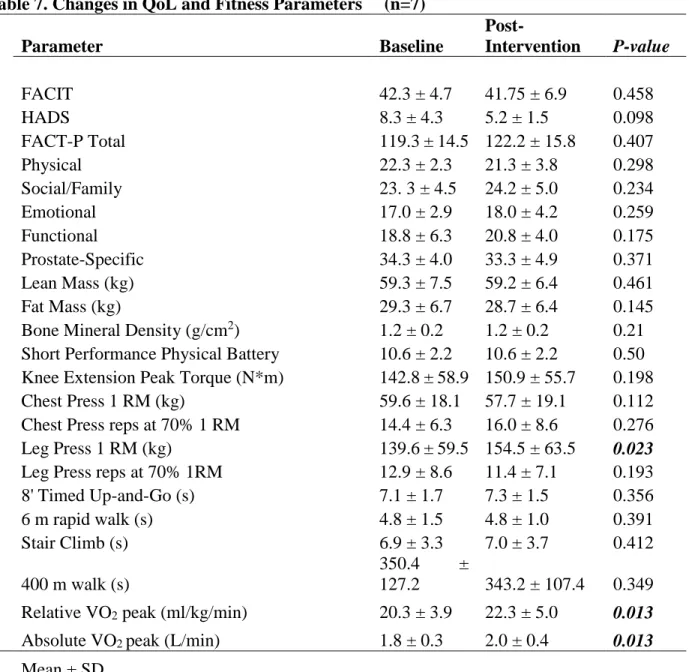
Table 7. Changes in QoL and Fitness Parameters (n=7)
Parameter Baseline
Post-Intervention P-value
FACIT 42.3 ± 4.7 41.75 ± 6.9 0.458
HADS 8.3 ± 4.3 5.2 ± 1.5 0.098
FACT-P Total 119.3 ± 14.5 122.2 ± 15.8 0.407
Physical 22.3 ± 2.3 21.3 ± 3.8 0.298
Social/Family 23. 3 ± 4.5 24.2 ± 5.0 0.234
Emotional 17.0 ± 2.9 18.0 ± 4.2 0.259
Functional 18.8 ± 6.3 20.8 ± 4.0 0.175
Prostate-Specific 34.3 ± 4.0 33.3 ± 4.9 0.371
Lean Mass (kg) 59.3 ± 7.5 59.2 ± 6.4 0.461
Fat Mass (kg) 29.3 ± 6.7 28.7 ± 6.4 0.145
Bone Mineral Density (g/cm2) 1.2 ± 0.2 1.2 ± 0.2 0.21 Short Performance Physical Battery 10.6 ± 2.2 10.6 ± 2.2 0.50 Knee Extension Peak Torque (N*m) 142.8 ± 58.9 150.9 ± 55.7 0.198
Chest Press 1 RM (kg) 59.6 ± 18.1 57.7 ± 19.1 0.112
Chest Press reps at 70% 1 RM 14.4 ± 6.3 16.0 ± 8.6 0.276
Leg Press 1 RM (kg) 139.6 ± 59.5 154.5 ± 63.5 0.023
Leg Press reps at 70% 1RM 12.9 ± 8.6 11.4 ± 7.1 0.193
8' Timed Up-and-Go (s) 7.1 ± 1.7 7.3 ± 1.5 0.356
6 m rapid walk (s) 4.8 ± 1.5 4.8 ± 1.0 0.391
Stair Climb (s) 6.9 ± 3.3 7.0 ± 3.7 0.412
400 m walk (s)
350.4 ±
127.2 343.2 ± 107.4 0.349 Relative VO2 peak (ml/kg/min) 20.3 ± 3.9 22.3 ± 5.0 0.013
Absolute VO2 peak (L/min) 1.8 ± 0.3 2.0 ± 0.4 0.013
Mean ± SD
Patient Reported Outcomes
34 Body Composition
There were no significant changes in body composition after the exercise intervention. The greatest change was observed in fat mass (-2.0%).
Physical Function
There was no significant change in SPPB score, with some participants marginally improving or declining. One participant improved their score by two points, but none of the other participants experienced a change of greater than one point.
There were no significant changes in other physical function tests performed. The greatest percent change was in the 400 m walk (-2.1%). The mean time to complete the TUG and stair climb increased after the intervention, while the 400 m walk and 6 m rapid walk times decreased (improved). There was a great deal of variance in performance change for each of the tests performed.
Muscle Function
35 Cardiorespiratory Fitness
36
CHAPTER 5: DISCUSSION
This study is the first to examine a 12-week home-based exercise intervention in mCRPC undergoing ADT. This intervention had enrollment rates similar to other studies in this population, and 70% of participants who enrolled also completed the intervention while also adhering to greater than 80% of all prescribed aerobic and resistance training sessions. This exceeded the adherence goal for this preliminary study and supported our hypothesis that home-based exercise is feasible for men with mCRPC undergoing ADT. Additionally, cardiorespiratory capacity and maximal lower body leg strength significantly increased with training. These findings suggest that men with mCRPC are capable and willing to complete exercise at home, potentially opening up a new avenue to improve patient health and QoL in areas in which supervised exercise may not be feasible.
37
shown to be related to high levels of adherence in home-based exercise (Jansons 2017). The resistance training for the current study was 12-15 repetitions per exercise and walking was prescribed from 40-65% of heart rate reserve, both of which are moderate exercise intensities, and may have contributed to the high adherence rates we observed. Moreover, information obtained from the vivosmart HR activity tracker also allowed for the research team to have informed conversations about the patient’s level of physical activity during the weekly phone conversations and to intervene if participant motivation appeared to decrease. Little is known on the ability of wearable activity trackers to improve adherence to home-based exercise in clinical populations (Hartman 2018, Phillips 2017), let alone in terminal cancer patients, and these interventions have not explored whether or not there is a synergistic effect of the activity tracker and weekly contact with participants. It has been suggested that there may be an additive benefit of a wearable activity tracker and behavioral interventions such as counseling (Nguyen 2017, Naumann 2011, but little work has been done in this field to date, and the results thus far have found varying levels of success in these types of interventions (Zhang 2017) (Phillips 2017) The level of adherence to the exercise intervention in this study may warrant additional research into this combined strategy of activity tracking alongside weekly contacts with patients.
-
38
-
39
While participants were able to complete a high percentage of exercise sessions, not all exercises were completed at the same rate in these sessions (Table 6). Participants reported the lowest adherence for abdominal and core exercises This finding emphasizes the importance of exercise selection in designing effective exercise programs for men with mCRPC, as prescribing exercises that these men can/will not perform will decrease self-efficacy and limit the benefit of the exercise program. The lower adherence to the core training may limit the increases in upper or lower body strength from transferring to improved physical function. PCa preferentially metastasizes to the pelvis and spine over other bones in the body, potentially contributing to the added difficulty in completing these exercises (Kahki 2013, Gandaglia 2014). Other studies analyzing resistance exercise in men with mCRPC have avoided excessively loading tissues with PCa metastases (Galvao 2017, Cormie 2013). While it is impossible to know without determining metastases locations in our participants, there may be a relationship with home-based exercise adherence and location of bone metastases in this population. The relationship between improvements in strength/physical function, site of bone metastases, and exercise adherence may warrant further explanation and be integral in optimizing exercise prescription in this population.
-
40
work (Galvao 2017, Cormie 2013) leads us to hypothesize that metastatic prostate cancer patients may be physically able to partake in larger training volumes or greater training intensities, even in the home-based setting. This may allow for greater improvements in muscle strength, physical function, and ultimately QoL.
Cardiorespiratory fitness (p=0.013) and maximal leg strength (p=0.023) were the only physiological markers to significantly change after the exercise intervention. Previous work in men with metastatic PCa has found 11 and 8% improvements in maximal strength in the lower extremity as a result of resistance training (Cormie 2013, Galvao 2017), which is comparable to the 10.7% improvement in leg strength observed in this study. Interestingly, the improvements observed in cardiorespiratory fitness were not observed in the 400 m walk test, despite the 400 m walk being known to correlate well with VO2 peak and has been used as a surrogate marker for cardiorespiratory fitness in this population (Keilani 2017) (Galvao 2006). The exact reason for this is unclear, but it may result from the lack of a familiarization session in this study or the difference in the variance of 400 m walk scores compared to VO2 scores. Studies have conflicting results on the ability of exercise to improve body composition during ADT (Galvao 2006, 2010; Hanson 2013; Winter-Stone 2015) or objective measures of physical function in these patients (Galvao 2017; Winters-Stone 2016) and the lack of significant changes in lean or fat mass support our hypothesis. It is worth noting that, while only VO2 and leg press 1 RM significantly improved, there were no tests in which participants performed significantly worse at post-testing than at baseline. Given the harsh nature of mCRPC and its treatment, this may still be seen as a potential positive outcome for these individuals.
-
41
caution and limited the use of baseline and post-testing 1-RM chest press due to lesions in potentially dangerous areas. There were no adverse events related to upper-body 1-RM or endurance testing, suggesting that strength testing using a chest press machine appears safe in this population, though the generizability of this finding is limited by a small initial sample size.
Unlike maximal lower body strength, maximal upper body strength was unchanged after the intervention. Reasons for this are unclear, as generally speaking, resistance training has been highly effective in improving strength in PCa populations (Hanson 2016). We speculate that the increased use of lower extremity muscles from the walking sessions supported strength development, or that the lower extremity exercises (particularly the chair stands/squats) provided a more effective overload compared to the upper body exercises at improving strength. Given that the tests for muscular endurance at baseline were used with 70% of the 1-RM used at baseline, the decrease in endurance may be attributable to the difference in absolute weight lifted from baseline.
-
42
treatment. This study, and future work in this field, will open the door to allow mCRPC patients to have increasingly more control over their own health and treatment symptoms, improving the patient’s ability to avoid sacrificing quality or quantity in their last months.
This study had several strengths. Weekly contact was made with each participant enrolled in this study, which has been shown to increase adherence to exercise programs (Jansons 2017). These contacts both allowed the research team to intervene when adherence may have dropped and to answer any questions that patients had in a timely manner. Participants in this study were contacted frequently by the same researcher, allowing for a strong rapport to be created. This study is ongoing and will be recruiting participants from three different centers (UNC Chapel Hill, Duke University, and Wake Forest University), enabling the research team to recruit broadly from the state of North Carolina. The exercise intervention used in this study generally allowed for strong rates of adherence, as exercise bands are portable and the aerobic portion of the program could be completed as long as participants were able to walk. This program gave control of the absolute level of resistance used and of the time in which exercise sessions were completed to the participants. This likely helped adherence rates, as self-efficacy has been deemed a strong predictor of exercise adherence in both PCa and BCa patients (Pinto 2009) (Craike 2016).
-
43
of the observed changes do not differ significantly from what would be expected from this population. Another limitation was the lack of a familiarization session before the baseline testing session. However, practice trials were performed and patients verbally confirmed they were comfortable with each activity before testing. Because patients came to our facility from all across the state of North Carolina, testing was completed in a single session and residual fatigue from previous tests may have been a possible confounder. the decision to limit the amount of patient burden was made in order to maximize recruitment and the likelihood that participants would enroll.
44 APPENDIX A
LCCC 1613 Pilot Study: Feasibility of of a Home-Based Exercise Intervention Program for Patients with Metastatic Castration-Resistant Prostate Cancer
Exercise Booklet
Whole Body Stretch – stretching should be done after a 5 – 10 minute warm-up with aerobic exercise (for example, a brisk walk) or gentle movement. Do not aggressively stretch cold muscles.
1.Neck (Hold 10-15 sec each side)
2.(Hold stretch 10-15sec)
45
3.Chest/ Shoulder (Hold stretch 10-15 each side)
4.Back (Hold stretch 10-15 sec)
5.Scapula (Hold stretch 10-15 sec)
6.Quads (Hold stretch 10-15 sec)
-
46
7.Hamstrings (Hold 10-15 sec each leg)
8.Calves (Hold 10-15 sec each leg)
-
47
Upper Body Shoulders
1a. Lateral Raises (1-3 sets / 10 - 15 repetitions)* – start position
1b. Lateral Raises – end at shoulder height
2a. Front Raises – start position
2b. Front Raises – end at shoulder height
-
48
Weight Training Exercises – Upper Body - Chest
3a. Wall Pushup – starting position
3b. Wall Pushup – lower yourself towards the wall keeping your body straight.
4. Bench Pushup
5. Floor – Modified Pushup
-
49
6a. Chest Press – starting position
50
Upper Body – Back
7a. Bent Row – Keep your back straight and head in-line with spine.
7b. Bent Row – Pull back keeping elbows in towards body and shoulder blades slide toward each other.
51 Upper Body Arms 8a. Arm Curls (you can also use a dumbbell, or canned food).
8b. Arm curls - You can do both arms or alternate each arm (1-3 sets / 12
repetitions).
52
9a. Tricep – Front Arm Stretch – start position
9b. Tricep – Front Arm Stretch – end position
53
Lower Body
10a. Chair Squats – start standing or sitting. 1- 3 sets / 15 repetitions.
10b. Chair Squat – slow controlled sitting in and standing up from the chair.
11. More advanced squat exercises if you have an exercise ball at home or ….
12. …it can be done freestanding but be very careful of form. Do not let your knees go past your toes. Only go to 90 degrees maximum when squatting.
54 13a. Chair leg raises (start without band or use low resistance with band and increase resistance as you get stronger).
13b. Chair leg raise – lift leg up but do not lock the knee or hyperextend.
14a. Hamstring curls (can be done without a band depending on fitness level).
14b. Hamstring curls with band.
55 15. Calf Raises. Start standing then rise up on your toes squeezing the calf muscle for a few seconds then release and come back down. Repeat 1-3 sets / 15-20 repetitions.
Weight Training Exercises – Core (Abdominals)
For core exercises, perform 1 - 3 sets of each exercise. 12 - 20 repetitions per set for each exercise.
1a. Bridge (works gluteus, abdominal and lower back muscles).
1b. Bridge – squeeze your glutes and
hamstrings and raise up and hold for a count of 4 then lower back down to the floor. Repeat.
56
2a. Crunches – start with knees bent as shown, arms crossed over chest or hands behind head.
2b. Crunches- contract abs and lift shoulders off floor then lower back down.
3a. Obliques – start with ankle on knee and opposite arm bent by head.
3b. Obliques – contract abs, lift shoulders off floor and twist elbow towards opposite knee.
57 4a. Lower Abdominals – Reverse Crunch – start with legs raised and bent to 90 degrees at knee and hip joints.
4b. Reverse Crunch – bring knees toward chest and hips can lift slightly off floor, return to start position.
58 APPENDIX B
University of North Carolina at Chapel Hill Consent to Participate in a Research Study
Adult Participants
Consent Form Version Date: 26 October 2017
IRB Study # 16-2427
Title of Study: Feasibility Study of a Home-based Exercise Intervention Program for Patients
with Metastatic Castration-Resistant Prostate Cancer Receiving Androgen-Deprivation Therapy (ADT)
Principal Investigator: Erik Hanson
Principal Investigator Department: Exercise and Sport Science
Principal Investigator Phone number: (919) 962-0816
Principal Investigator Email Address: [email protected]
Co-Investigators: Paul Godley, Young Whang, William Wood, Tracy Rose, Claudio Battaglini,
Allison Deal, William Kim, Mary Dunn, Matthew Milowsky, Ethan Basch, Rhonda Bitting, Alexander Lucas, Stacy Harpe-Hall, Michelle Gordon
_________________________________________________________________ What are some general things you should know about research studies?
You are being asked to take part in a research study. To join the study is voluntary. You may choose not to participate, or you may withdraw your consent to be in the study, for any reason, without penalty.
Research studies are designed to obtain new knowledge. This new information may help people in the future. You may not receive any direct benefit from being in the research study. There also may be risks to being in research studies. Deciding not to be in the study or leaving the study before it is done will not affect your relationship with the researcher, your health care provider, or the University of North Carolina-Chapel Hill (UNC-CH). If you are a patient with an illness, you do not have to be in the research study in order to receive health care.
Details about this study are discussed below. It is important that you understand this information so that you can make an informed choice about being in this research study.
You will be given a copy of this consent form. You should ask the researchers named above, or staff members who may assist them, any questions you have about this study at any time.
What is the purpose of this study?
59
a 12-week home-based exercise intervention to be conducted in men with metastatic castration resistant prostate cancer (mCRPC) receiving androgen deprivation therapy (ADT). We will examine if the home-based intervention can alter body composition (i.e., lean mass component), muscle strength, cardiovascular fitness, physical function, and quality of life. We will also explore the effects of the exercise training on biomarkers of inflammation-hormonal status (e.g., pro-inflammatory cytokines, anti-pro-inflammatory cytokines, and testosterone) and their potential association with changes in body composition and muscle, physical, and cardiovascular function. You are being asked to be in the study because you have metastatic castration resistant prostate cancer.
To be eligible for the study, you need to be able to engage safely in moderate exercise as determined by your treating physician and you will also need access to a computer or a smart phone for syncing and uploading physical activity data.
Are there any reasons you should not be in this study?
You should not be in this study if you are currently 1) receiving chemotherapy, 2) if you have a history of bone fractures or any condition (such as bone, muscle, joint) that causes severe pain on exertion, 3) have active cardiovascular disease or any acute or chronic respiratory conditions that may make exercise unsafe, or 4) you are already performing exercise such as strength training, aerobic training, or walking on 3 or more days per week (or 90 minutes total per week).
How many people will take part in this study?
There will be approximately 30 people in this research study. How long will your part in this study last?
Your time of involvement will be approximately 12-14 weeks. You will be asked to come to the Department of Exercise and Sport Science at the UNC-CH on two occasions, at the beginning of the study and after the 12-week exercise intervention. For each visit to the Department, you will be there approximately 2-3 hours.
What will happen if you take part in the study?
60
All assessment-testing procedures will be done twice, once before a 12-week home-based exercise intervention and once afterwards. These procedures will require you do or undergo the following;
Body Composition determinationto measure lean and fat mass and bone mineral
density using dual-energy x-ray absorptiometry (DXA) scanner. Additionally, to look at muscle size and quality, you will have an ultra-sound of the quadriceps muscles of your leg.
Muscle strength, power, and endurance will be assessed using several different
techniques. Upper and lower body muscle strength will be assessed on the chest press, knee extension, and leg press. This will involve lifting weights on a machine (you will be supervised). Muscle endurance will be determined using a repetitions test. Specifically, knee extensor muscle power will be assessed on an isokinetic dynamometer. This dynamometer device places you in a seated position with one of your legs attached to a lever arm. The use of this device will involve extending your leg as quickly as possible against a resistance load based on your maximal strength levels.
Cardiopulmonary function (aerobic fitness) will be assessed using a graded
exercise test on a treadmill. You will begin the test walking slowly on the treadmill and every two minutes, the grade and speed of the treadmill will be increased in a progressive manner until fatigue occurs. Respiratory gases will be collected throughout the test and analyzed to determine oxygen utilization and carbon dioxide production.
Mobility functionality will be assessed using standard activities of daily living
including the 6 meter walk test, the timed up and go test (you are timed to see how long it takes to rise from a chair, walk three meters, turn around, walk back to the chair, and sit down), 5 chair stands, stair climb tasks (you will be asked to climb a 10-stair flight of stairs twice as fast as you can safely), and the 400m walk test.
Questionnaires that examine aspects of your “Quality of Life” and diet will need
to be completed by you. Specifically, this will involve the following:
o FACIT Fatigue scale is a short questionnaire that uses a rating scale that
goes from 0 (no fatigue) to 10 (severe fatigue). It assesses the fatigue level in the last 7 days,
o Hospital Anxiety and Depression (HADS) Questionnaire is a short
questionnaire specific to depression.
o Functional Assessment of Cancer Therapy-Prostate is a 3 page form
assessment asking questions about daily activities and quality of life.
o 24 Hour Dietary Recall where you will record all of your food and
beverage intake over the 24-hour period prior to testing.
Blood samples will be obtained to examine hormone levels and markers of
61
The exercise intervention will consist of a combination of aerobic (cardiovascular exercise) and
strength training (emphasis of the intervention) ~3 times per week for 12 weeks with each session lasting ~1 hour. These sessions will take place at your home. You will be given an exercise training log to use for recording your exercise and you will receive an activity monitor to wear which will record heart rate, activity minutes, and calories burned throughout the study period. You will still be asked to record their exercise activity in their exercise training log. The duration of the aerobic exercise in each session per week will be 15-30 minutes. The strength training portion of each session will include different exercises. The upper body strength exercises will include lateral and front raises, wall or modified floor push-ups, chest press, bent row, arm curls, and triceps stretches. Lower body strength exercises will include chair squats, chair leg raises, hamstring curls, and calf raises. Core exercises will include bridge, crunches, reverse crunches, and obliques. Upper and lower body exercises will be done with elastic resistance bands. All exercises will be demonstrated to you during your initial exercise testing sessions. You will be also instructed on how to do stretching exercises after your aerobic training sessions. You will also be given an exercise training workbook that will include weekly exercise logs, your exercise training plan, and illustrations of resistance exercises and stretches. If you have any questions regarding the exercise training, you will be able to ask the research assistants that will be contacting you on a weekly basis to check on your progress with the exercise training.
What are the possible benefits from being in this study?
Research is designed to benefit society by gaining new knowledge. This study is trying to gain knowledge relative to prostate cancer, one of the most commonly diagnosed cancers among men and the second leading cause of cancer related deaths in men in the United States. Unlike cancers arising from other organs such as lung and pancreas cancer, the life expectancy for patients with advanced prostate cancer is measured in years. Thus, side effects of treatment that impact on quality of life are extremely important to consider in men with prostate cancer. The loss of testosterone (through androgen deprivation therapy (ADT)) is associated with many side effects including those related to negative changes in body composition (increase fat mass, loss of muscle mass), male menopause symptoms including hot flashes, loss of sexual drive, osteoporosis, high cholesterol, cardiovascular disease and diabetes, and severe fatigue. These side-effects, if not treated, may contribute to the development of other co-morbidities as well as lead to an inability to function at pre-cancer levels with the potential for a major impact on quality of life.
The benefit to you from being in this study is that some of these side effects may be lessened after completing the exercise intervention. You will also obtain information about your current fitness levels and body composition.
What are the possible risks or discomforts involved from being in this study? Potential risks from involvement in this study are as follows:
Exercise testing and training - In the unlikely event of injury during the fitness
assessments portion of this study, such as muscle distensions and joint trauma, medical professionals on the research team will provide the appropriate care. Also, you will only be enrolled if your physician feels you are healthy enough to participate.
Bone fractures – There is a minimal risk of suffering a bone fracture through the
62
an occurrence during exercise testing, medical professionals on the research team will provide the appropriate care. Also, you will only be enrolled if your physician feels your bone mineral content (health) is appropriate for participation.
Ultrasound - There are no anticipated safety concerns associated with the use of ultrasound
machine.
Blood draws - There is a minimal risk of bruising or infection from the blood draw
procedure. To lessen this risk, only trained phlebotomists will be taking your blood.
DXA Scan - This research study involves exposure to radiation from 2 DXA scans. Please
note that this radiation exposure is not necessary for your medical care and is for research purposes only.
For comparison, the average person in the United States receives a radiation exposure of 0.3 rem (or 300 mrem) per year from natural background sources, such as from the sun, outer space, and from radioactive materials that are found naturally in the earth’s air and soil. The dose that you will receive from participation in this research study is less than amount you receive from these natural sources in one year.
The amount of radiation you will receive in this study has a minimal risk and is below the dose guideline established by The University of North Carolina Radiation Safety Committee for research subjects.
There may be uncommon or previously unknown risks. You should report any problems to the researcher.
What if we learn about new findings or information during the study?
You will be given any new information gained during the course of the study that might affect your willingness to continue your participation.
How will information about you be protected?
The privacy and the confidentiality of your information are important. Procedures for protecting the privacy and confidentiality of such information are as follows:
Your information and records will be kept locked in a file cabinet, in a locked office.
Only members of the research team will have access to your information.
Only coded ID numbers will be used, and the linkage of identifiers (code and your name) will be kept in separate files such that your personal information is not readily identifiable. Participants will not be identified in any report or publication about this study. Although every effort will be made to keep research records private, there may be times when federal or state law requires the disclosure of such records, including personal information. This is very unlikely, but if disclosure is ever required, the UNC-CH will take steps allowable by law to protect the privacy of personal information. In some cases, your information in this research study could be reviewed by representatives of the University, research sponsors, or government agencies (for example, the FDA) for purposes such as quality control or safety.