TRAIT-BASED VARIATION IN HOST CONTRIBUTION TO PATHOGEN TRANSMISSION
Miranda E. Welsh
A dissertation submitted to the faculty at the University of North Carolina at Chapel Hill in partial fulfillment of the requirements for the degree of Doctor of Philosophy in the Curriculum
for the Environment and Ecology.
Chapel Hill 2016
Approved by:
Charles E. Mitchell
John F. Bruno
William A. Hoffmann
Aaron Moody
ABSTRACT
Miranda E. Welsh: Trait-based variation in host contribution to pathogen transmission (Under the direction of Charles E. Mitchell)
Host competence defines a host’s potential to transmit disease, and, from the perspective
of a pathogen, a good host is a competent one. Highly competent hosts boost transmission,
increase the size of epidemics, and promote emergence in new host populations. From a host’s
perspective, competent hosts increase disease risk, and control efforts are more successful when
competent hosts can be rapidly identified and targeted. Competence varies widely both within
and among host species, and this variation is generally quantified observationally, on a
case-by-case basis. While locally effective, this approach limits our ability to successfully control
pathogens that emerge in new hosts or novel conditions.
To this end, I tested whether the functional traits of hosts can predict host competence.
These traits include host physiological, morphological, and life-history characteristics. I focused
on functional traits for two reasons: 1) several functional traits have demonstrated effects on
host-pathogen or host-vector interactions, and 2) functional traits have provided a useful
framework for developing general, predictive models of ecological processes in both simple and
complex systems (e.g., competition, community assembly). In developing and testing trait-based
models of host competence, my overarching goal was to contribute to a mechanistic
understanding of disease processes and to promote synthesis across models of disease and
Across 23 hosts of a generalist, vector-borne pathogen, hosts functional traits covaried
along a single, general axis of ecological strategy. This axis ran from traits associated with slow
growth and resource conservation to traits associated with fast growth and resource acquisition.
As hosts became more fast-growing along this axis, they became more likely to acquire and
transmit pathogen infection, but they were also more impacted by infection. This suggests that
fast-growing hosts contribute disproportionately to transmission, but slow-growing hosts may
encourage pathogen persistence. Trait-based models of competence could become less accurate
in two cases: 1) when applied at the individual instead of the species level, and 2) when hosts
were exposed to novel environments. Combined, my results demonstrate the potential for
trait-based approaches to improve forecasts of pathogen transmission and emergence, and also
ACKNOWLEDGEMENTS
The author would like to thank Marty Dekkers for his assistance in performing the
experiments and for being awesome, Dr. Alison Power, for providing vector and virus stock, and
Dr. Eric Seabloom and Dr. Elizabeth Borer, for providing host plant seeds. Funding provided by
the National Science Foundation (DEB-0923671), and the NSF/NIH joint program in the
Ecology and Evolution of Infectious Diseases (DEB-1015909). Support for J.P.C. was also
TABLE OF CONTENTS
LIST OF TABLES...ix
LIST OF FIGURES...xi
LIST OF ABBREVIATIONS...xii
CHAPTER 1: HOST LIFE HISTORY AND DEFENSE AGAINST PATHOGENS AND PARASITES...1
Introduction...1
Box 1: Definitions...2
Defense via resistance...2
Defense via tolerance...12
Defense via acquired immunity...18
References...24
CHAPTER 2: THE ROLE OF HABITAT FILTERING IN THE LEAF ECONOMICS SPECTRUM AND PLANT SUSCEPTIBILITY TO PATHOGEN INFECTION…...………....29
Introduction……….………...………....29
Materials and Methods………....………...33
Results………...………...38
Discussion...40
Tables...46
Figures...58
CHAPTER 3: A SINGLE AXIS OF PLANT HOST TRAITS EXPLAINS
MULTIPLE COMPONENTS OF HOST COMPETENCE...68
Introduction………...……….……….………...68
Materials and Methods………...……….………..….………....71
Results………...……….………..………...79
Discussion...80
Tables...84
Figures...99
References...105
CHAPTER 4: TRAIT-BASED VARIATION IN PATHOGEN IMPACT ACROSS HOSTS AND ENVIRONMENTS...111
Introduction………...………...………...111
Materials and Methods………...…...………..115
Results………...……..………...125
Discussion...127
Tables...132
Figures...139
LIST OF TABLES
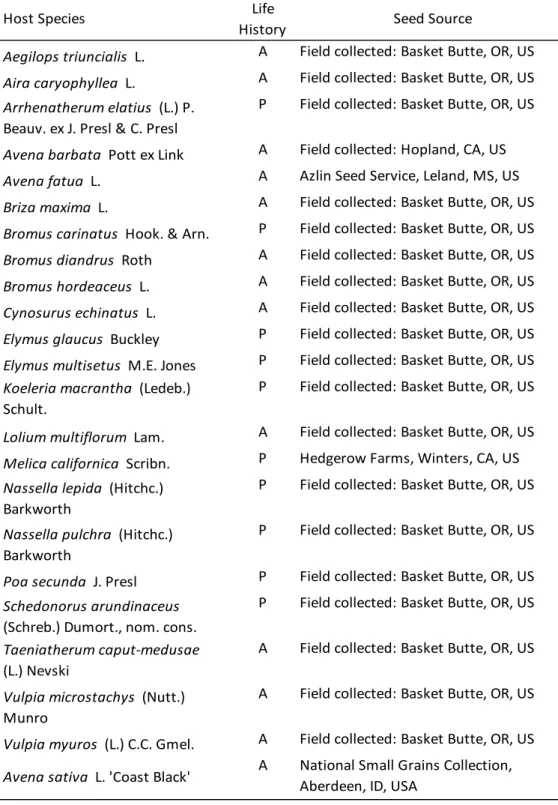
Table 2.1 - Host identities, life history, provenance, and seed source...46
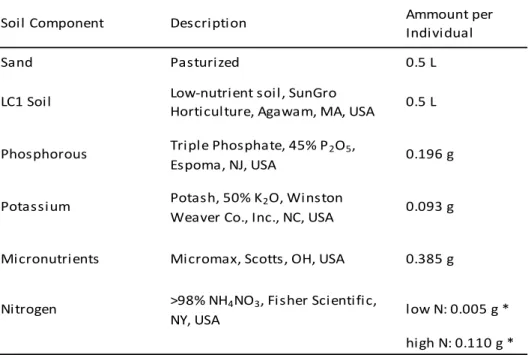
Table 2.2 - Potting medium and nitrogen treatment...47
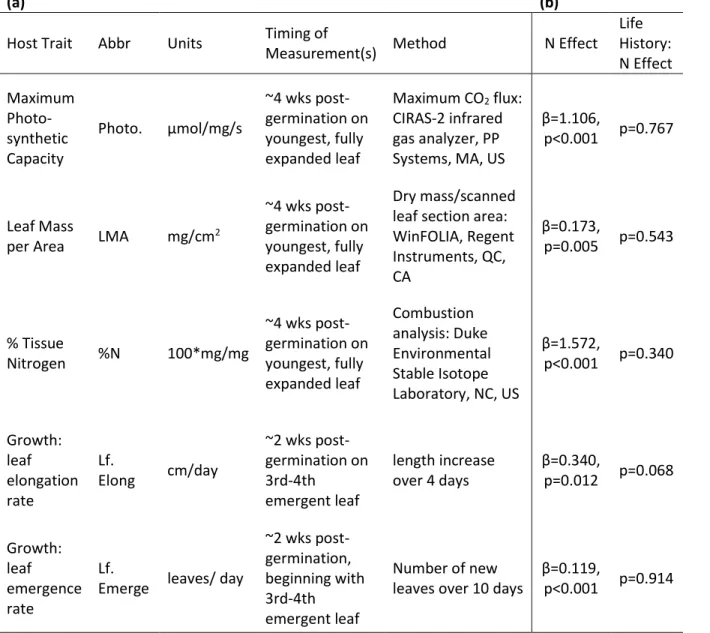
Table 2.3 - List of host traits, abbreviations, units, and measurement methods...48
Table 2.4 - Principal components analyses of host traits in three scenarios of habitat filtering by life history and nitrogen supply…...49
Table 2.5 - Performance of logistic models of susceptibility in three scenarios of habitat filtering by life history and nitrogen supply………...50
Table 2.6 - Logistic regressions of host susceptibility in three scenarios of habitat filtering by life history and nitrogen supply...51
Table 2.7 - AICc model selection tables...52
Table 2.8 - Principal components analyses of host traits in two scenarios of habitat filtering by provenance and nitrogen supply………...55
Table 2.9 - Logistic regressions of host susceptibility in two scenarios of habitat filtering by provenance and nitrogen supply………...56
Table 2.10 - Performance of logistic models of susceptibility in two scenarios of habitat filtering by provenance and nitrogen supply...…...57
Table 3.1 - Host identities, life history, and seed source...84
Table 3.2 - Potting medium and nitrogen treatment...85
Table 3.3 - List of host traits, abbreviations, units, and measurement methods...86
Table 3.4 - Principal components analyses of host traits...87
Table 3.5 - Coefficients and model performance of individual-level models...88
Table 3.6 - Coefficients and model performance of species-level models...89
Table 3.7 - Performance and accuracy of logistic and linear models...90
Table 3.8 - Individual-level AICc model selection tables...91
Table 3.10 - Blomberg’s K tests...98
Table 4.1 - Hypotheses of intraspecific variation in tolerance...132
Table 4.2 - Trait-based hypotheses of interspecific variation in tolerance...132
Table 4.3 - Host identities, life history, and seed source...133
Table 4.4 - Potting medium and nitrogen treatment...134
Table 4.5 - Host characteristics and measurement methods...134
Table 4.6 - Calculated variables, method of calculation, and units……...135
Table 4.7 - Number of individuals included in each analysis...136
Table 4.8 - Effects of species mean trait values on tolerance...138
LIST OF FIGURES
Figure 2.1 - Hypothesized effects of habitat filtering on the strength
of the Leaf Economics Spectrum...58
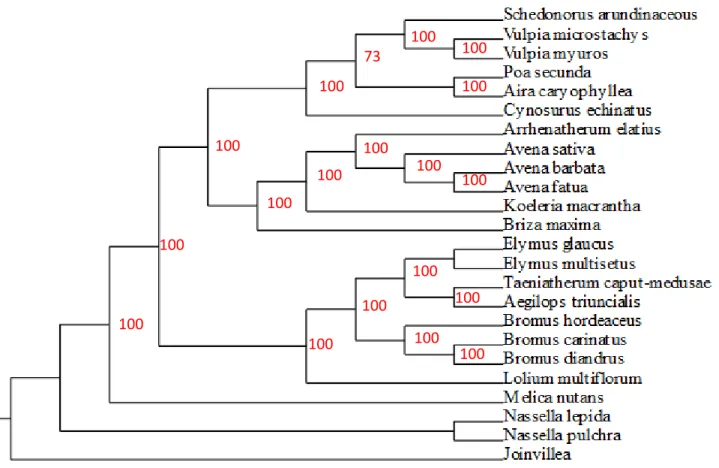
Figure 2.2 - Phylogeny used in the phylogenetic analyses...59
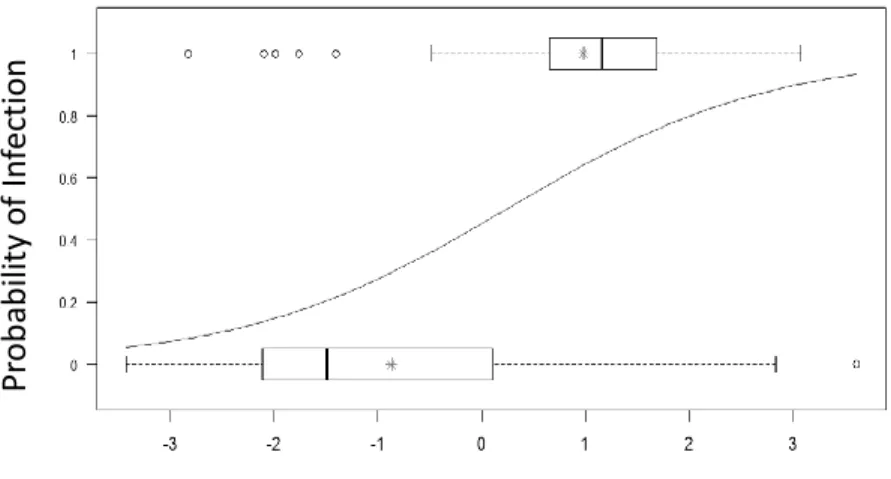
Figure 2.3 - Predicted and observed probability of infection in the completely filtered scenario……….60
Figure 2.4 - Relative variable importance of each host trait in models of host susceptibility...61
Figure 3.1- Standard curves used to calculate relative viral titer...99
Figure 3.2 - Phylogeny used in the phylogenetic analyses...100
Figure 3.3 - Individual- and species-level models of susceptibility, infectiousness, viral titer, and vector reproduction...101
Figure 3.4 - Relative variable importance of each host trait in individual- and species-level models………...103
Figure 4.1 - Standard curves used to calculate relative viral titer...139
Figure 4.2 - Phylogeny used for all phylogenetic analyses...140
Figure 4.3 - Structural and measurement components of the structural equation model...141
Figure 4.4 - Effects of nitrogen supply on relative growth rate and tolerance...142
Figure 4.5 - Phylogenetic generalized least squares relationship between the responses of tissue C:N ratio and tolerance to increasing nitrogen supply…...142
Figure 4.6 - Phylogenetic generalized least squares relationships between host tolerance and host resistance or tissue nitrogen concentration...143
Figure 4.7 - Confirmatory factor analysis of host developmental tempo...143
LIST OF ABBREVIATIONS
AIC Akaike information criterion
ANOVA Analysis of variance
BYDV Barley yellow dwarf virus
CFA Confirmatory factor analysis
CFI Comparative fit index
C:N Carbon:nitrogen ratio
CBO Coast Black Oat (Avena sativa var.)
ELISA Enzyme-linked immunosorbent assay
GDTs Growth-defense tradeoffs
GRM Growth rate model
HDT Host developmental tempo
HREC Hopland Research and Extension Center (University of California)
Lf. Elong Leaf elongation rate
Lf. Emerge Leaf emergence rate
LMA Leaf mass per area
LES Leaf economics spectrum
LRH Limiting resource hypothesis
%N Percent tissue nitrogen
PCA Principal component analysis
PC1 Principal component one
PGLS Phylogenetic generalized least squares
RMF Root mass fraction
RGR Relative growth rate
RVI Relative variable importance
SEM Structural equation model
TLI Tucker-Lewis index
CHAPTER 1: HOST LIFE HISTORY AND DEFENSE AGAINST PATHOGENS AND PARASITES
Introduction
Several disciplines have proposed that host lifespan is a strong driver and correlate of
defense evolution. Evolutionary biology, epidemiology, and ecology have all considered the
effects of host lifespan on the costs, benefits, and resulting evolution of host defense against
pathogens. Yet a cross-disciplinary consensus as to the direction of these effects has yet to
emerge. Host defense against pathogens can take three primary forms: resistance, tolerance, and
acquired immunity (Box1). Three main theoretical frameworks have developed formal
predictions for relationships between host lifespan and defense: life history, plant defense, and
epidemiology. Previous syntheses have either focused on a single theoretical framework
(Michalakis and Hochberg 1994, Agnew et al. 2000, Stamp 2003, Nunez-Farfan et al. 2007) or a
single form of defense (Rosenthal and Kotanen 1994, Strauss and Agrawal 1999, Lochmiller and
Deerenberg 2000, Stowe et al. 2000). Here, we synthesize theoretical expectations and empirical
evidence for correlated evolution in host lifespan and defense against pathogens. To develop
general patterns and test fundamental principles, we synthesize across theoretical frameworks
and across forms of defense. For each form of defense, we review predictions from the three
theoretical frameworks and weigh the empirical evidence for each predicted relationship between
host lifespan and defense investment. For each defense, we conclude with suggestions for future
work. Our over-arching goals are to clarify the current state of progress, and to highlight the
Box 1. Definitions
Correlated evolution: positively or negatively correlated evolutionary change in two traits within a single host population due to direct or indirect causal mechanisms
Parasite/pathogen: a natural enemy that attacks a single host per life history stage (Lafferty and Kuris 2002). Terms are used interchangeably here.
Defense: any or all of resistance, tolerance, and acquired immunity
Resistance: any host defense that reduces host probability of pathogen or parasite infection
Tolerance: any host defense that reduces the fitness effects of parasitism. Also, the reaction norm of fitness across a parasite load gradient (Stowe 1998)
Acquired immunity: also, ‘adaptive immunity’, a defense that reduces hosts’ probability of pathogen/parasite reinfection via immunological memory.
Defense via resistance
Life History theory
In life history theory, the evolution of lifespan is determined by a balance between two
opposing selection forces: 1) selection for shorter lifespans as exposure to natural enemies and
the probability of mortality increases with age, and 2) selection for longer lifespans to allow for
greater reproductive output. Predicted relationships between lifespan and resistance investment
are contingent upon the ontogenetic expression of resistance. If resistance investment remains
constant or increases with age, it slows the accumulation of sources of mortality. Relative to
juveniles, this serves to decrease the mean or variance of adult mortality and increase the
reproductive value of adults, which selects for longer lifespans. Conversely, if resistance
investment decreases with age, the mean or variance of adult mortality increases relative to
juveniles, which selects for shorter lifespans (Roff 1992, Stearns 1992, Agnew et al. 2000). At
any lifespan, selection for resistance should be minimal when parasites attack older hosts
of selection acting on lifespan, and thus the predicted correlation between lifespan and resistance
investment.
The evolution of shorter lifespans can also be considered an alternative to costly or
constrained resistance evolution (Minchella 1985, Hochberg et al. 1992), as shorter lifespans
minimize the accumulating fitness costs of parasitism (Minchella 1985, Adamo 1999). If
resistance is comparatively costly or there is little variation for resistance, the introduction of
new parasites or increases in parasite virulence may select for earlier host reproduction and
shorter lifespans (Minchella 1985). In this scenario, decreased lifespan and increased resistance
investment are redundant strategies of maintaining fitness, and positive correlations between
lifespan and resistance investment are expected.
Epidemiological theory
In epidemiological theory, there are conceptual arguments for both high and low levels of
resistance in long-lived hosts. Correlated evolution of lifespan and resistance is expected via both
direct and indirect, or pathogen-mediated, mechanisms. Directly, resistance may have costs in
terms of growth rate, such that increasing resistance necessitates a longer lifespan to maintain
reproductive effort (Boots and Bowers 2004, Miller et al. 2007). Long-lived hosts that suffer
repeated pathogen attack may invest more in resistance due to a greater potential benefit (van der
Meijden et al. 1988, Hochberg et al. 1992), or resistance may increase fitness more in short-lived
organisms with only one chance at reproduction and a greater potential cost of parasitism (van
der Meijden et al. 1988). As in life-history theory, increased resistance and decreased lifespan
could be redundant in terms of pathogen evasion (Hochberg et al. 1992). Indirectly, changes in
resistance investment or lifespan can alter pathogen dynamics, which then feedback to alter
stronger in populations of long-lived hosts where the threshold transmission rate for pathogen
establishment is lower, which increases the probability of pathogen introduction (Anderson and
May 1982). On the other hand, selection for resistance may be weaker in long-lived hosts with
low intrinsic birth rates, which can reduce pathogen persistence because susceptible hosts are
replaced at a lower rate. Epidemiological theory has used dynamic host-pathogen models to
predict which of the above outcomes is most likely, and under what conditions.
In the simplest model, with single, homogenous host and pathogen populations and no
host recovery, the equilibrium fraction of infected hosts, and thus the risk of infection, increased
with host lifespan. Increased host longevity increased the infection rate of susceptible hosts
relative to the loss of susceptibles from natural mortality (Kirchner and Roy 1999). Because
infection risk is higher in long-lived populations, selection for resistance should be stronger.
Note, however, that the above model did not explicitly deal with resistance evolution, but with
the effect of host lifespan on disease dynamics. Predictions are largely the same, however, in a
model with a heterogeneous, recovering host population that explicitly considered the fitness of
host genotypes varying in resistance. Again, resistant genotypes were increasingly favored as
host lifespan increased due to higher equilibrium pathogen prevalence, except when pathogen
virulence was very low. When it was, resistance investment decreased with host lifespan because
the costs of resistance outweighed the mild fitness consequences of attack (Miller et al. 2007).
In addition to parasite virulence, host population structure is predicted to influence the
evolution of lifespan and resistance. Carlsson-Graner and Thrall (2006) examined the evolution
of resistance in a spatially explicit metapopulation model of three host strains (no, intermediate,
and high resistance) infected by a genetically uniform, sterilizing pathogen. In very short-lived
regardless of habitat patchiness, host dispersal, or disease prevalence. In longer-lived hosts, the
equilibrium frequency of resistance increased with increasing host dispersal and pathogen
transmission. They suggest that, in a metapopulation context, a cost of resistance in terms of
decreased reproduction may be greater for short-lived hosts, where high reproduction and
dispersal can be essential for regional persistence. This creates a resistance-colonization tradeoff,
whereby short-lived or isolated hosts experience higher costs of resistance. When hosts are
long-lived or populations are more connected, the costs of resistance are lower because local and
regional dynamics depend less on dispersal, and resistance is predicted to evolve to higher levels
(Carlsson-Graner and Thrall 2006).
Plant defense theory
Predictions of correlated lifespan-defense evolution from plant defense theory are based
mostly on some form of growth-defense tradeoff. Mass-specific growth rates generally scale
allometrically with lifespan across both plant and animal taxa (Lindstedt and Calder 1976,
Garnier 1992, West et al. 1997, Brown et al. 2004, Savage et al. 2004, Atanasov 2005, Speakman
2005, Atanasov 2007, Marbà et al. 2007, Lovegrove 2009), and here we will assume that, all
else being equal, increases in growth rate correspond to decreases in lifespan. In addition, we
confine our discussion to theories of plant resistance evolution and do not consider theories of
plastic resistance expression. Theories of plant resistance evolution include the Optimal Defense
(Rhoades 1979), Growth Rate (Coley et al. 1985), and Growth-Differentiation Balance (Herms
and Mattson 1992) hypotheses, but exclude the Carbon:Nutrient Balance and similar hypotheses
(Bryant et al. 1983, Stamp 2003).
Relative to life history theory, plant defense theory is more explicit about sources of
and benefits are predicted to vary with pathogen pressure (Herms and Mattson 1992, Stamp
2003). At a given resource supply rate, the Optimal Defense hypothesis predicts that resistance
investment will increase with pathogen pressure, which increases with the temporal apparency of
hosts and therefore lifespan. This positive correlation between lifespan and resistance investment
may be further reinforced by a cost of resistance in terms of growth rate (Rhoades and Cates
1976, Rhoades 1979). Across resource supply rates, resistance is predicted to be more costly in
low-resource environments, and resistance investment is expected to decrease, regardless of
lifespan (Rhoades 1979, Herms and Mattson 1992, Stamp 2003). In contrast, the Growth Rate
hypothesis predicts high levels of resistance in low-resource environments. When growth is
resource-limited, the turnover of plant tissue is slow and regrowth of tissue lost to pathogens is
costly. Thus, the benefits of resistance and therefore resistance investment are predicted to be
greater in low-resource environments (Coley et al. 1985, Stamp 2003). At a given resource
supply rate, the costs of resistance are predicted to increase with growth rate when the proportion
of photosynthate allocated to resistance is constant across hosts (Gulmon and Mooney 1986).
Thus, the Optimal Defense and Growth Rate hypotheses both predict a negative relationship
between growth rate and resistance investment and thus a positive relationship between lifespan
and resistance within resource environments. They make opposite predictions regarding
resistance investment along resource gradients.
The Growth-Differentiation Balance hypothesis includes arguments from both the
Optimal Defense and Growth Rate hypotheses, and considers resource competition and enemy
pressure to be the main selective forces driving defense evolution. In this hypothesis, defense
investment is determined by a carbon allocation tradeoff between growth and differentiation (i.e.,
environmentally contingent, as the environment dictates the relative importance of competition
and enemy pressure as selective forces. At very low resource availability, growth and
photosynthesis are both limited, neither competition nor enemy pressure are very intense, and
plants are predicted to invest preferentially in storage and maintenance structures over resistance.
At intermediate resource availability, growth is more limited than photosynthesis, competition is
less of a selective force than enemy pressure, and plants are expected to allocate excess carbon to
resistance. At high resource availability, neither growth nor photosynthesis are limited, the
selective force of competition is strong relative to enemy pressure, and plants are expected to
invest in resource pre-emption over storage or resistance (Herms and Mattson 1992, Stamp
2003). Thus, the Growth-Differentiation Balance hypothesis predicts a hump-shaped relationship
between growth rate or lifespan and resistance investment across resource environments.
Because it assumes that variation in inherent growth rate across species is due to adaptation to
different resource environments (Stamp 2003), it also implicitly predicts a hump-shaped
relationship between growth rate or lifespan and resistance investment when species with
varying growth rates occupy a common resource environment.
Evolution of resistance in hosts with acquired immunity
Thus far, we have considered correlated evolution in lifespan and innate resistance in
organisms that do not also possess acquired immunity. The evolution of resistance when
organisms do possess acquired immunity has only been considered in epidemiological theory.
Predictions of correlated lifespan-resistance evolution tend to be qualitatively similar whether
hosts possess immunity or not, especially if immunity can be lost over time. When immunity
wanes, equilibrium pathogen prevalence, and thus selection for resistance, is still expected to
susceptible-infected-immune model in which hosts varied in innate resistance, Anderson and May (1982)
predicted that equilibrium pathogen prevalence and the fitness of resistant individuals would
increase with generation time relative to lifespan. Thus, populations that delayed reproduction
were expected to invest more in resistance, even if they were completely immune upon recovery.
Some models predict more complicated patterns of resistance investment with lifespan when
immunity is permanent or near permanent. In one, equilibrium pathogen prevalence and selection
for resistance initially increased with lifespan, but did not continue to increase beyond
intermediate lifespans. At intermediate lifespans, a large proportion of the population had been
infected and developed immunity, even when resistance was high. At this point, the fitness
benefits of investing in reproduction started to outweigh those of investing in resistance, and the
relationship between lifespan and resistance investment was parabolic (Miller et al. 2007).
Theoretical summary
In life-history theory, the benefits of resistance are in terms of changes to the ontogeny of
mortality, which drive lifespan evolution. If resistance evolution is comparatively costly or
constrained, the evolution of decreased lifespan is expected in response to increasing parasite
pressure. Investment in resistance, or lack thereof, therefore determines the direction of selection
acting on lifespan. In both cases, pathogen pressure is the ultimate driver of both direct and
indirect (via resistance evolution) selection on lifespan. Epidemiological models confirm that
pathogen pressure, and thus the benefits of resistance, will generally be greater in long-lived
hosts. Long-lived hosts are therefore predicted to invest more in resistance, with some exceptions
due to pathogen virulence, host population structure, and acquired immunity. Plant defense
theory explicitly considers both the costs and benefits of resistance, and argues that both of these
life-history and epidemiological theory both predict positive lifespan-resistance relationships across
species or populations. Within resource environments, plant defense theory predicts either a
positive or hump-shaped relationship between lifespan and resistance investment, but predictions
are more varied across resource environments.
Empirical tests
Empirical evidence for correlated evolution in lifespan and resistance comes from
comparative studies and artificial or natural selection experiments. Comparative studies are the
most numerous, and suggest patterns of correlated evolution, but selection experiments are
stronger tests of a causal relationship. Reviewing invertebrate life history evolution in response
to parasitism, Michalakis and Hochberg (1994) showed that, in the absence of resistance,
parasitism can select for either increased or decreased lifespan depending on the ontogeny of
attack, as predicted by life-history theory. Comparative common garden experiments have
demonstrated negative relationships between host growth or maturation rates and resistance in
lettuce cultivars differing only in the presence of a resistance gene (Bergelson 1994); radish
cultivars varying in resistance expression (Hoffland et al. 1996); populations of Urtica dioica
with different histories of parasitism by a parasitic plant (Koskela 2002); and in snail populations
with varying trematode parasite prevalence (Lafferty 1993, Fredensborg and Poulin 2006).
Because growth rate and lifespan generally scale allometrically, these results support a positive
correlation between lifespan and resistance investment. Across Daphnia populations, however,
there was no correlation between resistance to a sterilizing bacterial pathogen and host
maturation rate (Little et al. 2002). In addition, a phylogenetically controlled analysis of
milkweed species found no evidence for a relationship between host growth rate and resistance
In some cases, resistance and longevity may be linked on the molecular level. In
nematodes, increased expression of the transcription factor DAF-2 increased growth but
decreased resistance expression (van den Berg et al. 2006). Increased expression of the
Accelerated Cell Death-6 allele in Arabidopsis thaliana increases resistance to a range of
bacterial and fungal pathogens but decreases growth rate (Todesco et al. 2010). In all of the
aforementioned experiments, resource availability was the same for all individuals or statistically
controlled for. Thus, within a given resource environment, there is moderate support for a
positive relationship between lifespan and resistance investment. Even across resource
environments, growth rate was negatively correlated with the proportion of net plant production
allocated to resistance chemicals in three species of tropical trees (Kurokawa et al. 2004). When
belowground resource availability was experimentally varied, differences in growth rate between
resistant and susceptible lettuce cultivars were greatest at low resource availability (Bergelson
1994). This supports resource allocation tradeoffs as a mechanism of lifespan-resistance
relationships (Bergelson 1994), contingent on the resource environment, as plant defense theory
posits.
Artificial and natural selection experiments offer equivocal support for correlated
evolution in host lifespan and resistance. Both moth and bacterial hosts evolved increased
resistance when reared in the presence of pathogens for several generations, and resistant lines
developed or grew more slowly than unexposed lines (Boots and Begon 1993, Lohse et al. 2006).
Comparing unselected lines of the herbaceous plant host Brassica rapa to lines selected for
resistance to two fungal pathogens, growth rate decreased with increased resistance to one
pathogen but not the other (Mitchell-Olds and Bradley 1996). When lines of Drosophila
in lifespan between selected and unselected lines, though resistant females produced fewer eggs
(Luong and Polak 2007). In yellow dung flies (Scathophaga stercoraria), lines selected for
chemical resistance to intercellular parasites had shorter lifespans, but only in low resource
conditions (Schwarzenbach and Ward 2006). These results suggest that correlations between
lifespan and resistance investment may depend on pathogen and environmental characteristics. In
addition to artificial selection experiments, observations of natural selection have also been used
to test for a correlations between lifespan and resistance. Because invasive species often have
fewer pathogens in their introduced range, invasions offer a convenient but uncontrolled means
of testing whether lifespan or growth rate responds when the strength of selection for defense
declines. Two introduced plants, a naturalized herb and an invasive tree, allocated less to
resistance and more to growth when compared to native genotypes in a common garden
(Siemann and Rogers 2001, Blair and Wolfe 2004). As with the evidence from comparative
studies, the results of artificial and natural selection experiments tend to support a positive
relationship between lifespan and resistance. Those that don’t find a relationship between
lifespan and resistance suggest that resistance investment may tradeoff with other host
life-history characteristics, like reproduction, or that the strength of resistance tradeoffs is
environmentally contingent.
Combined, there is empirical support for the general prediction of positively correlated
evolution in host lifespan and resistance investment from life history, epidemiological, and plant
defense theories. There are exceptions, however, and theory suggests that these may arise when
factors such as pathogen virulence, environmental resource availability, and host immunity are
uncontrolled for. Future investigations of host lifespan and resistance investment should control
investment across species adapted to varying resource environments, or selection experiments in
which resource availability is factorially manipulated, could test the hypotheses of plant defense
theory that resource availability interacts as a driver of lifespan and resistance evolution. To test
the epidemiological and life history theory hypotheses regarding the contingency of
lifespan-resistance relationships on pathogen virulence or the ontogeny of attack, studies could
investigate lifespan-resistance relationships in reference to parasites varying in these
characteristics.
Defense via tolerance
Life History Theory
Life history theory predicts both positive and negative correlations between host lifespan
and tolerance. On the one hand, tolerance mechanisms don’t slow the accumulation of pathogens
and other sources of mortality with age. As such, they may be more effective at increasing
survival in young age classes, which is expected to select for shorter lifespans (Stearns 1992). On
the other hand, tolerance may be one of three strategies (tolerance, resistance, and life-history
change) for reducing the fitness effects of pathogens. If tolerance is costly or there is little
variation for it in a population, hosts are predicted to evolve either shorter lifespans or greater
resistance in order to maintain fitness (Minchella 1985, Adamo 1999). When shorter lifespans
are an alternative to tolerance, life history theory predicts a positive correlation between host
lifespan and tolerance.
Epidemiological theory
In epidemiological models, resistance acts to decrease a host’s probability of infection
and pathogen transmission, whereas tolerance acts to decrease the negative effects of infection
model predictions of tolerance investment with varying host lifespan mirror those of resistance.
Again, because long-lived hosts are expected to encounter a larger number and diversity of
pathogens, and incur a larger cost of parasitism, the optimal investment in tolerance is predicted
to increase with host lifespan (Anderson and May 1982, Miller et al. 2007). While resistance
genes are often predicted to be polymorphic, tolerance is expected to evolve only to fixation. As
a resistance gene spreads through a population, pathogen transmission decreases. This decreases
selection for resistance and prevents resistance genes from becoming fixed. Tolerance decreases
the fitness consequences of infection but does not affect the probability of becoming infected.
Tolerant hosts may even harbor greater pathogen populations or survive longer while infected.
As a result, pathogen transmission increases as a tolerance genes spread through a population,
which increases selection for tolerance and drives tolerance genes to fixation (Roy and Kirchner
2000, Miller et al. 2007). While investment in tolerance is expected to increase with lifespan,
observed levels of tolerance are expected to be nonexistent for short-lived organisms, high for
long-lived organisms, and either high or nonexistent for organisms of intermediate lifespan
(Miller et al. 2007).
Virulence is generally thought of as a characteristic of parasites, but the effect of
infection on host fitness is also determined by tolerance. Theoretical investigations of parasite
virulence and host life-history coevolution model changes in parasite virulence by varying the
fecundity or survival of infected hosts, but this variation could also originate from differences in
host tolerance. Because the theoretical treatment of virulence actually involves two different
biological mechanisms, models of variation in host lifespan with pathogen virulence can also be
interpreted as variation in lifespan with tolerance. For directly transmitted pathogens, moderate
early reproduction and decreased lifespan (Hochberg et al. 1992, Restif et al. 2001, Gandon et al.
2002). When epidemiological feedbacks are considered, large decreases in tolerance can also
select for longer lifespans. When tolerance is very low and the effects of infection are severe,
pathogens have short effective transmission periods and epidemics cause severe mortality but die
out quickly. Thus, an equally fit host strategy at very low tolerance is to mature slowly, allowing
for increased reproductive output in individuals that survive short epidemics (Koella and Restif
2001, Restif et al. 2001). For pathogens with free-living environmental stages, decreased
tolerance is only expected to select for shorter lifespans because epidemics do not fade out
quickly (Restif et al. 2001). With few exceptions, then, models of pathogen virulence also predict
that tolerance will increase with host lifespan.
Plant defense theory
Components of tolerance are associated with plant growth rate (Strauss and Agrawal
1999, Stowe et al. 2000, Tiffin 2000), and selective factors other than natural enemies may be
acting on growth rate (Coley et al. 1985, Rosenthal and Kotanen 1994, Nunez-Farfan et al.
2007). According to the Growth Rate hypothesis, increased resource availability will select for
increased growth rate, which decreases the proportional cost of replacing lost or damaged tissue.
If lifespan decreases with growth rate, the costs of tolerance are lower in short-lived hosts. In
other words, short-lived hosts may be getting many tolerance traits virtually cost free, as a
byproduct of being fast-growing (Coley et al. 1985, Stamp 2003). With the same logic, the
Growth-Differentiation balance hypothesis predicts that fast-growing plants will have little
resistance to, but be more tolerant of, enemy damage (Herms and Mattson 1992). This
hypothesis assumes that relative growth rate increases asymptotically with environmental
Mattson 1992, Stamp 2003). Because lifespan and growth rate scale allometrically, a negative
correlation between lifespan and tolerance is predicted. Thus, these two hypotheses expect
tolerance to be greatest in fast-growing, short-lived individuals, but as a byproduct of lifespan
evolution in response to resources and competition, not a direct consequence of it.
The Optimal Defense hypothesis largely pertains to the evolution of resistance and does
not make explicit predictions concerning the evolution of tolerance. However, if tolerance is
considered a defense, with associated tradeoff costs, then, as with resistance, the Optimal
Defense hypothesis would predict a negative relationship between growth rate and tolerance
(Rhoades 1979, Stamp 2003). If lifespan and temporal apparency decrease with growth rate,
tolerance investment is expected to increase with lifespan. As with lifespan in life-history theory,
plant growth rate can also be considered an evolutionarily labile trait, increasing in response to
high enemy damage in order to reproduce early and limit pathogen-induced fitness loss. If there
is little variation for tolerance in a population, growth is expected to increase with increasing
enemy pressure (Kirkwood 1981, Belsky et al. 1993). As with resistance, this scenario would
produce a positive relationship between host lifespan and tolerance, because tolerance and
increased growth rate are redundant strategies.
Evolution of tolerance in hosts with acquired immunity
As with resistance, only epidemiological theory has considered the evolution of tolerance
when hosts can also become immune to reinfection. Again, the predictions of correlated
tolerance-lifespan evolution are qualitatively similar for hosts that lack immunity and hosts in
which immunity wanes over time (van Boven and Weissing 2004, Miller et al. 2007). Tolerance
investment is expected to increase with lifespan, and tolerance genes are expected to become
and Weissing 2004, Miller et al. 2007). If immunity is very long lasting or permanent, hosts with
intermediate lifespans are expected to evolve complete tolerance more often than hosts with long
or short lifespans. In this case, pathogen prevalence initially increases with host lifespan, which
increases selection for tolerance. As host lifespan increases further, the increasing proportion of
immune individuals eventually causes disease prevalence to decrease, which decreases selection
for tolerance (Miller et al. 2007).
Theoretical summary
Both within and among theories, predictions for the evolution of host tolerance with
lifespan are not as consistent as those of resistance with lifespan. Both life-history and plant
defense theory present rationale for either positive or negative relationships between host
tolerance and lifespan. Epidemiological theory also predicts both positive and negative
relationships between tolerance and lifespan, but it makes explicit predictions about when each
relationship will be observed. If there is little potential for tolerance evolution or parasite
virulence is high, one of two equally fit host strategies is for hosts that survive short epidemics to
mature slowly and invest in later reproduction. In this case, hosts with little tolerance are
expected to have shorter lifespans. In all other cases, epidemiological theory predicts that
long-lived hosts will evolve tolerance more often than short-long-lived hosts.
Empirical tests
Though the evidence is sparse, correlated evolution of host lifespan and tolerance is
suggested by comparative studies and laboratory selection experiments. Comparing populations
of Urtica dioica with varying histories of parasitism by a parasitic plant, parasitized populations
flowered significantly later and were less tolerant of, but more resistant to, infection (Koskela
negative relationship between lifespan and tolerance. In this system, rapidly developing
mosquitoes were more tolerant of infection, became smaller adults, and had shorter lifespans
(Koella et al. 2009). When mosquito lines were selected for early or late pupation, parasite
induced mortality increased with age at pupation and later pupating individuals lived longer. This
increase in mortality was attributed to a decrease in host tolerance, as there was no effect of host
selection on pathogen load (Koella and Agnew 1999). These results suggest that components of
tolerance are associated with growth rate, as plant defense theory posits. In mosquitoes, tolerance
and shorter lifespans do not seem to be redundant strategies of mitigating the fitness effects of
parasitism. Rather, increased growth rate is a potential mechanism of tolerance, which suggests a
reassessment the assumption that tolerance has a cost in terms of growth rate, which is common
in theoretical models. While a few studies support a role of host growth rate and lifespan in the
evolution of tolerance, tolerance is not consistently associated with growth rate across studies:
among 36 species of milkweed, Agrawal and Fishbein (2008) found no support for a relationship
between host growth rate and tolerance after controlling for the phylogenetic relatedness of
hosts.
When compared to resistance, the evolution of tolerance is understudied. Current
evidence weakly supports a negative relationship between tolerance and lifespan and a positive
relationship between tolerance and growth rate. As with resistance, empirical work lags behind
the theoretical, especially in terms of testing the specific predictions of epidemiological and plant
defense theory. If tolerance and growth rate evolution are both influenced by environmental
resource availability, as plant defense theory predicts, then comparative studies across hosts
adapted to varying resource conditions should find positive correlations between resource
response to pathogens with varying virulence, or lifespan evolution when there is little variation
for tolerance, could test the prediction from epidemiological theory that virulent pathogens can
select for long-lived, intolerant hosts. In contrast to resistance, the strategy of host tolerance is
not expected to create a coevolutionary arms race between hosts and pathogens (Roy and
Kirchner 2000). Because of its potential evolutionary stability, selection for tolerance in
domestic animal hosts, and therapies to increase human tolerance, are just beginning to be
investigated (Schneider and Ayres 2008). To understand the consequences of these applications,
empirical tests of the theoretically proposed mechanisms and consequences of tolerance
evolution are essential.
Defense via acquired immunity
Epidemiological theory
Only epidemiological theory explicitly considers correlated evolution in host lifespan and
acquired immunity. Rationale exists for both higher and lower immune investment in long-lived
hosts. On the one hand, long-lived hosts are more likely to encounter specific parasites several
times (Medzhitov and Janeway 1997, Boots and Bowers 2004, Miller et al. 2007), and acquired
immunity may be less costly than innate resistance or tolerance. While the costs of maintaining
an immune system can be considerable, the costs of immune function are only fully realized
when parasites are encountered. Innate mechanisms of defense may be more costly in long-lived
hosts because they generally have larger body sizes, and the costs of maintaining defense in the
absence of infection scale exponentially with body size (Rolff and Siva-Jothy 2003). Acquired
immunity may have evolved to ameliorate these costs (Medzhitov and Janeway 1997, Rolff and
Siva-Jothy 2003). Alternatively, the rate at which new susceptibles enter a population is higher
selecting for increased investment in acquired immunity in short-lived hosts (van Boven and
Weissing 2004).
In a dynamic host pathogen model, Miller et al. (2007) investigated evolutionarily stable
levels of immune investment in hosts of varying lifespan, and resulting predictions were
contingent upon whether immunity could be lost. If it could be lost, investment in immunity was
predicted to increase with host lifespan. If immunity was permanent, immune investment was
predicted to increase with lifespan up to a point, after which equilibrium parasite prevalence
became so low that selection for immunity was weak. At extremely long lifespans, the optimal
investment in permanent immunity was eventually none (Miller et al. 2007). This model dealt
with the evolution of acquired immunity in response to a single parasite. As host lifespan
increases, hosts may encounter a larger diversity of parasites, increasing the benefit of innate and
nonspecific defenses. Thus, high investment in acquired immunity in long lived hosts may not
necessarily correspond to low investment in innate mechanisms of defense when parasite
diversity is high (Miller et al. 2007). Using a similar approach, Boots and Bowers (2004)
predicted that selection for acquired immunity would also depend on pathogen characteristics. In
their model, acquired immunity was most likely to evolve in response to pathogens with high
transmission rates and intermediate virulence. Under these conditions, hosts often recovered
from an initial infection and the probability of reinfection was high, so there was a strong fitness
benefit of acquired immunity (Boots and Bowers 2004). In sum, epidemiological theory predicts
increasing investment in acquired immunity with host lifespan, contingent upon immunity loss
Empirical tests
One comparative study support the prediction of increasing investment in acquired
immunity with host lifespan. Across bird species, adult cell-mediated immunocompetence was
positively correlated with a life history axis representing decreasing developmental rate and
increasing longevity, body size, survival rate, after controlling for ecological and environmental
correlates (Tella et al. 2002). There is also some support for a tradeoff between growth and
immunity, which is one mechanism for a positive relationship between lifespan and immunity.
Several studies have observed declining immunocompetence with starvation and metabolic
upregulation in response to an immune challenge, which suggests that immunity is energetically
costly (Lochmiller and Deerenberg 2000). Accordingly, immune activation resulted in reduced
growth rate among great tit nestlings (Tschirren and Richner 2006). Compared to mice with
normal immune function, engineered mice lacking B and T cells had higher metabolic rates,
which suggests that the upregulation of innate defenses may be even more costly than the
maintenance of acquired immunity (Raberg et al. 2002). Whether these short-term phenotypic
costs actually manifest in correlated evolution of lifespan and immune investment has yet to be
demonstrated. Immune activation is clearly costly, but a cost of immune system maintenance has
yet to be demonstrated, as does a consequence of these costs in terms of correlated evolution.
There is some support for the hypothesis that acquired immunity mitigates what would be a
greater cost of innate immunity, but whether this cost increases with lifespan is unknown.
Further knockout experiments in longer-lived vertebrates, where the relative degree of metabolic
up regulation is compared, could assess these costs. Artificial selection experiments in which the
response of immunocompetence to selection on host lifespan is observed could also be used to
The prediction that relationships between lifespan and immune investment will vary with
the loss rate of immunity would be difficult to test, especially considering that immune duration
can vary both within hosts, in response to different pathogens, and between hosts. Comparative
studies in a system where hosts vary in lifespan and immune duration to a shared pathogen
would be a good first step. Epidemiological theory also predicts that immune investment will
vary with pathogen transmission rate, and therefore transmission rate should be controlled for, as
much as is possible, in comparative and experimental tests of relationships between lifespan and
immune investment. Observed decreases in immunocompetence with decreasing resource
availability suggest that the costs of immune system maintenance may be environmentally
contingent, and resource availability may influence the costs of acquired immunity (Lochmiller
and Deerenberg 2000, Ricklefs and Wikelski 2002). To test the relative effects of lifespan and
resource availability on immune investment, phylogenetic studies could use a generalist
pathogen to compare the variation in immune response explained by host life history vs.
environmental characteristics.
Summary
The evolution of defense, in any form, will be driven by several factors, one of them
being host lifespan. Reciprocally, the evolution of lifespan can be driven by the evolution, loss or
gain, of defense against pathogens. Life-history theory predicts that the direction of correlated
lifespan-defense evolution will depend on how defenses affect the ontogeny of pathogen attack
(Roff 1992, Stearns 1992), and the relative costs, benefits, and potential for defense versus
lifespan evolution in response to parasitism (Minchella 1985, Hochberg et al. 1992).
Epidemiological theory adds additional contingencies to these predictions, in the form of parasite
structure (Carlsson-Graner and Thrall 2006), and the duration of immunity in hosts that also
possess acquired immunity (Miller et al. 2007). Plant defense theory adds resource availability as
yet another interacting driver of correlated growth rate, lifespan, and defense evolution (Rhoades
1979, Herms and Mattson 1992, Stamp 2003). Regardless of what they consider to be the cause,
all three bodies of theory predict that resistance investment will generally be positively
correlated with lifespan, and negatively correlated with growth rate. Predictions of correlated
evolution in lifespan and tolerance are less consistent across theories. In life history and
epidemiological theory, arguments exist for both positive and negative relationships between
lifespan and tolerance. Opposing predictions arise from differences in the assumed cost function
of tolerance with lifespan, and also from differences in the treatment of epidemiological
feedbacks across models. In epidemiological theory, investment in acquired immunity is
generally expected to increase with host lifespan. Empirical evidence tends to support the
predicted, positive correlation between host lifespan and resistance investment. More
speculatively, the limited available evidence also supports the predicted, negative correlation
between host lifespan and investment in tolerance, and the predicted positive correlation between
lifespan and investment in acquired immunity. Whether these relationships are indeed contingent
on pathogen characteristics and resource availability has not been investigated empirically. We
suggest several strategies for more extensively testing theoretical predictions, as well as
investigating interacting drivers and contingencies in defense evolution.
Implications
The evolution of host defense against pathogens is often correlated with host lifespan.
Lifespan and defense investment can exert reciprocal selection pressures, either directly via host
lifespans has the potential to result in correlated changes in defense, and selection for increased
defense may also alter host lifespan. In addition, disease eradication, disease emergence, and any
other change to the selection regime driving defense evolution could result in correlated
life-history evolution. Environmental resource availability and the characteristics of specific
pathogens may interact with host lifespan to drive defense evolution, and predictions of
correlated lifespan-defense evolution are often contingent on these factors. Without a more
thorough understanding of evolutionarily correlated traits and the mechanisms behind these
correlations, the outcomes of artificial selection and anthropogenic changes to natural selection
regimes, for either lifespan or defense, may surprise us. One thing to note is that many of the
theoretical models described here deal with the evolution of defense in response to specialist
pathogens in a single host population. In host populations where generalist pathogen
transmission is maintained by reservoir hosts, the predictions of single-host, single-pathogen
models may not hold. This situation would be similar to the evolution of tolerance to pathogens
with an environmental reservoir. Because host lifespan is disconnected from pathogen
persistence, correlated evolution may not be observed (Restif et al. 2001), or it may occur in
directions opposite those predicted by single-host, single-pathogen models. The evolution of
defense in response to generalist pathogens in complex host communities deserves further
REFERENCES
Adamo, S. A. 1999. Evidence for adaptive changes in egg laying in crickets exposed to bacteria and parasites. Animal Behavior 57:117-124.
Agnew, P., J. C. Koella, and Y. Michalakis. 2000. Host life history responses to parasitism. Microbes and Infection 2:891-896.
Agrawal, A. A., and M. Fishbein. 2008. Phylogenetic escalation and decline of plant defense strategies. Proceedings of the National Academy of Sciences 105:10057-10060.
Anderson, R. M., and R. M. May. 1982. Infectious Diseases of Humans: Dynamisc and Control. Oxford University Press, Oxford.
Atanasov, A. T. 2005. The linear alometric relationship between total metabolic energy per life span and body mass of poikilothermic animals. Biosystems 82:137-142.
Atanasov, A. T. 2007. The linear allometric relationship between total metabolic energy per life span and body mass of mammals. Biosystems 90:224-233.
Belsky, A. J., W. P. Carson, C. L. Jensen, and G. A. Fox. 1993. Overcompensation by plants: herbivore optimization or red herring? Evolutionary Ecology 7:109-121.
Bergelson, J. 1994. The effects of genotype and the environment on costs of resistance in lettuce. American Naturalist 143:349-359.
Blair, A. C., and L. M. Wolfe. 2004. The evolution of an invasive plant: an experimental study with Silene latifolia. Ecology 85:3035-3042.
Boots, M., and M. Begon. 1993. Trade-offs with resistance to a granulosis virus in the Indian meal moth, examined by a laboratory evolution experiment. Functional Ecology 7 :528-534.
Boots, M., and R. G. Bowers. 2004. The evolution of resistance through costly acquired immunity. Proceedings: Biological Sciences 271:715-723.
Brown, J. H., J. F. Gillooly, A. P. Allen, V. M. Savage, and G. B. West. 2004. Toward a Metabolic Theory of Ecology. Ecology 85:1771-1789.
Bryant, J. P., F. S. Chapin, and D. R. Klein. 1983. Carbon/nutrient balance of boreal plants in relation to vertebrate herbivory. Oikos 40:357-368.
Carlsson-Graner, U., and P. H. Thrall. 2006. The impact of host longevity on disease transmission: host-pathogen dynamics and the evolution of resistance. Evolutionary Ecology Research 8:659-675.
Fredensborg, B. L., and R. Poulin. 2006. Parasitism shaping host life-history evolution: adaptive responses in a marine gastropod to infection by trematodes. Journal of Animal Ecology
75:44-53.
Gandon, S., P. Agnew, and Y. Michalakis. 2002. Coevolution between parasite virulence and host life-history traits. American Naturalist 160:374-388.
Garnier, E. 1992. Growth analysis of congeneric annual and perennial grass species. Journal of Ecology 80:665-675.
Gulmon, S. L., and H. A. Mooney. 1986. Costs of defense and their effects on plant productivity.in T. J. Givnish, editor. On the Economy of Plant Form and Function. Cambridge University Press, London.
Herms, D. A., and W. J. Mattson. 1992. The dilemma of plants: to grow or defend. The Quarterly Review of Biology 67:283-335.
Hochberg, M. E., Y. Michalakis, and T. d. Meeus. 1992. Parasitism as a constraint on the rate of life-history evolution. Journal of Evolutionary Biology 5:491-504.
Hoffland, E., G. J. Niemann, J. A. Van Pelt, J. B. M. Pureveen, G. B. Eijkel, J. J. Boon, and H. Lambers. 1996. Relative growth rate correlates negatively with pathogen resistance in radish: the role of plant chemistry. Plant, Cell, and Environment 19:1281-1290. Kirchner, J. W., and B. A. Roy. 1999. The evolutionary advantages of dying young:
epidemiological implications of longevity in metapopulations. The American Naturalist
154:140-159.
Kirkwood, T. B. L. 1981. Repair and its evolution: survival versus reproduction. Pages 165-189
in C. R. Townsend and P. Caplow, editors. Physiological Ecology: An Evolutionary Approach to Resource Use. Sinauer and Associates, Inc., Sunderland, MA.
Koella, J. C., and P. Agnew. 1999. A correlated response of a parasites virulence and life cycle to selection on its host's life history. Journal of Evolutionary Biology 12:70-79.
Koella, J. C., L. Lorenz, and I. Bargielowski. 2009. Microsporidians as evolution-proof agents of malaria control? Advances in Parisitology 68:315-327.
Koella, J. C., and O. Restif. 2001. Coevolution of parasite virulence and host life history. Ecology Letters 4:207-214.
Koskela, T. 2002. Variation in life-history traits among Urtica dioica populations with different history in parasitism by the holoparasitic plant Cuscuta europaea. Evolutionary Ecology
16:433-454.
Lafferty, K. D. 1993. The marine snail, Cerithidea californica, matures at smaller sizes where parasitism is high. Oikos 68:3-11.
Lafferty, K. D., and A. M. Kuris. 2002. Trophic strategies, animal diversity and body size. Trends in Ecology and Evolution 17:507-513.
Lindstedt, S. L., and W. A. Calder. 1976. Body Size and Longevity in Birds. The Condor 78 :91-94.
Little, T. J., H. J. Carius, O. Sakwinska, and D. Ebert. 2002. Competitiveness and life-history characteristics of Daphnia with respect to susceptibility to a bacterial pathogen. Journal of Evolutionary Biology 15:796-802.
Lochmiller, R. L., and C. Deerenberg. 2000. Trade-offs in evolutionary immunology: just what is the cost of immunity? Oikos 88:87-98.
Lohse, K., A. Gutierrez, and O. Kaltz. 2006. Experimental evolution of resistance in
Paramecium caudatum against the bacterial parasite Holospora undulata. Evolution
60:1177-1186.
Lovegrove, B. G. 2009. Age at first reproduction and growth rate are independent of basal metabolic rate in mammals. Journal of Comparative Physiology B: Biochemical, Systemic, and Environmental Physiology 179.
Luong, L. T., and M. Polak. 2007. Costs of resistance in the Drosophila-Macrocheles system: a negative genetic correlation between ectoparasite resistance and reproduction. Evolution
61:1391-1402.
Marbà , N. r., C. M. Duarte, and S. AgustÃ-. 2007. Allometric Scaling of Plant Life History. Proceedings of the National Academy of Sciences of the United States of America
104:15777-15780.
Medzhitov, R., and C. A. Janeway. 1997. Innate immunity: the virtues of a nonclonal system of recognition. Cell 91:295-298.
Michalakis, Y., and M. E. Hochberg. 1994. Parasitic effects on life-history traits: a review of recent studies. Parasite 1:291-294.
Miller, M. R., A. White, and M. Boots. 2007. Host life span and the evolution of resistance characteristics. Evolution 61:2-14.
Minchella, D. J. 1985. Host life-history variation in response to parasitism. Parasitology 90 :205-216.
Nunez-Farfan, J., J. Fornoni, and P. L. Valverde. 2007. The evolution of resistance and tolerance to herbivores. Annual Review of Ecology, Evolution, and Systematics 38:541-566. Raberg, L., M. Vestberg, D. Hasselquist, R. Holmdahl, E. Svensson, and J. Nilsson. 2002. Basal
metabolic rate and the evolution of the adaptive immune system. Proceedings: Biological Sciences 269:817-821.
Restif, O., M. E. Hochberg, and J. C. Koella. 2001. Virulence and age at reproduction: new insights into host-parasite coevolution. Journal of Evolutionary Biology 14:967-979. Rhoades, D. F. 1979. Evolution of plant chemical defense against herbivores in G. A. Rosenthal
and D. H. Janzen, editors. Herbivores: Their Interactions with Secondary Plant Metabolites. Academic Press, New York.
Rhoades, D. F., and R. G. Cates. 1976. Toward a general theory of plant antiherbivore chemistry. Recent Advances in Phytochemistry 10:168-213.
Ricklefs, R. E., and M. Wikelski. 2002. The physiology/life-history nexus. Trends in Ecology & Evolution 17:462-468.
Roff, D. A. 1992. The Evolution of Life Histories: Theory and Analysis. Chapman and Hall, New York.
Rolff, J., and M. T. Siva-Jothy. 2003. Invertebrate ecological immunology. Science 301:472-475. Rosenthal, J. P., and P. M. Kotanen. 1994. Terrestrial plant tolerance to herbivory. Trends in
Ecology and Evolution 9:145-148.
Roy, B. A., and J. W. Kirchner. 2000. Evolutionary dynamics of pathogen resistance and tolerance. Evolution 54:51-63.
Savage, V. M., J. F. Gillooly, J. H. Brown, G. B. West, and E. L. Charnov. 2004. Effects of Body Size and Temperature on Population Growth. The American Naturalist 163:429-441. Schneider, D. S., and J. S. Ayres. 2008. Two ways to survive infection: what resistance and
tolerance can teach us about treating infectious diseases. Nature Reviews: Immunology
8:889-895.
Schwarzenbach, G. A., and P. I. Ward. 2006. Responses to selection on phenoloxidase activity in yellow dung flies. Evolution 60:1612-1621.
Siemann, E., and W. E. Rogers. 2001. Genetic differences in growth of an invasive tree species. Ecology Letters 4:514-518.
Speakman, J. R. 2005. Body size, energy metabolism and lifespan. J Exp Biol 208:1717-1730. Stamp, N. 2003. Out of the quagmire of plant defense hypotheses. Quarterly Review of Biology
Stearns, S. C. 1992. The Evolution of Life Histories. Oxford University Press, Oxford.
Stowe, K. A. 1998. Experimental evolution of resistance in Brassica rapa: correlated responses of tolerance in lines selected for glucosinolate content. Evolution 52:703-712.
Stowe, K. A., R. J. Marquis, C. G. Hochwender, and E. L. Simms. 2000. The evolutionary ecology of tolerance to consumer damage. Annual Review of Ecology and Systematics
31:565-595.
Strauss, S. Y., and A. A. Agrawal. 1999. The ecology and evolution of plant tolerance to herbivory. Trends in Ecology and Evolution 14:179-185.
Tella, J. L., A. Scheuerlein, and R. E. Ricklefs. 2002. Is cell-mediated immunity related to the evolution of life-history strategies in birds? Proceedings: Biological Sciences 269 :1059-1066.
Thompson, J. N. 1982. Interaction and Coevolution. John Wiley and Sons, New York.
Tiffin, P. 2000. Mechanisms of tolerance to herbivore damage: What do we know? Evolutionary Ecology 14:523-536.
Todesco, M., S. Balasubramanian, T. T. Hu, M. B. Traw, M. Horton, P. Epple, C. Kuhns, S. Sureshkumar, C. Schwartz, C. Lanz, R. A. E. Laitinen, Y. Huang, J. Chory, V. Lipka, J. O. Borevitz, J. L. Dangl, J. Bergelson, M. Nordborg, and D. Weigel. 2010. Natural allelic variation underlying a major fitness trade-off in Arabidopsis thaliana. Nature 465 :632-636.
Tschirren, B., and H. Richner. 2006. Parasites shape the optimal investment in immunity. Proc. R. Soc. B 273:1773-1777.
van Boven, M., and F. J. Weissing. 2004. The evolutionary economics of immunity. The American Naturalist 163:277-294.
van den Berg, M. C. W., J. Z. Woerlee, H. Ma, and R. C. May. 2006. Sex-dependent resistance to the pathogenic fungus Cryptococcus neoformans. Genetics 173:677-683.
van der Meijden, E., M. Wijn, and H. J. Verkaar. 1988. Defense and regrowth, alternate plant strategies in the struggle against herbivores. Oikos 51:355-363.
CHAPTER 2: THE ROLE OF HABITAT FILTERING IN THE LEAF ECONOMICS SPECTRUM AND PLANT SUSCEPTIBILITY TO PATHOGN INFECTION1
Introduction
The Leaf Economics Spectrum (LES) is a global axis of leaf trait covariation that is
thought to arise from biophysical constraints, selection against unfit trait combinations, and
gradients in abiotic conditions, which together produce a fundamental tradeoff between two
ecological strategies (Wright et al. 2004; Reich 2014; Donovan et al. 2011). One end of the LES
corresponds to a strategy of resource conservation and longevity, and the other end corresponds
to a strategy of resource acquisition and growth. At the conservative end, ‘slow-return’
phenotypes are slow growing with low photosynthetic rates and tissue nutrient concentrations,
but high leaf mass per area (LMA); at the acquisitive end, ‘quick-return’ phenotypes display the
opposite combination of traits (Leishman et al. 2007; Wright et al. 2004). Globally, 74% of the
log-log covariation in leaf physiological traits can be captured by the single multivariate axis of
the LES (Wright et al. 2004), and the LES has been documented repeatedly across systems and
scales (Wright et al. 2004; Leishman et al. 2007; Diaz et al. 2004; Reich et al. 1999).
The covariation among leaf traits that defines the LES can weaken in at least three
situations. First, at small spatial scales (e.g., within neighborhoods), a lack of diversity can limit
the variation in each trait, which in turn limits covariation among traits (Funk and Cornwell
2013; Messier et al. 2010). Second, in highly homogeneous environments, the narrow range of
environmental conditions can limit trait variation (Funk and Cornwell 2013; Webb et al. 2010),
as a result of habitat filtering (ecological selection against individuals with traits less suited to
tolerate or compete in a given set of environmental conditions; Maire et al. 2012; Kraft et al.
2014). Third, when communities in heterogeneous environments have not been subjected to
habitat filtering, individuals with traits that will eventually be filtered out can temporarily persist,
overwhelming the trait covariation that, among fit individuals, would comprise the LES (Wright
and Sutton-Grier 2012; Donovan et al. 2014).
Ecological selection takes time, and there may be a lag between a change in
environmental conditions and the filtering of traits in communities. One circumstance in which
communities may not yet be filtered to the current environment is in the wake of abiotic
environmental change. While the specifics will vary depending on rates of environmental
change, demographic processes, and colonization, three possible chronological stages of habitat
filtering following environmental change may be: 1) unfiltered, in which environmental change
has just occurred, colonization and filtering have yet to occur, and individuals temporarily persist
in conditions they will eventually be filtered out of, 2) semi-filtered, in which some colonization
and filtering have occurred but the process is still ongoing, so some individuals still persist in
conditions they will eventually be filtered out of, and 3) completely filtered, in which all filtering
has occurred and the community is no longer changing in response to the environment (Jackson
and Sax 2010; Smith et al. 2009). By selecting against functional strategies that deviate from the
LES, habitat filtering may strengthen the trait covariation that comprises the LES (Reich 2014;
Fig. 2.1). Comparative studies have suggested a strong role of ecological selection via habitat