Technological University Dublin Technological University Dublin
ARROW@TU Dublin
ARROW@TU Dublin
Doctoral Science
2019-1
Atmospheric Cold Plasma Interactions With Microbiological Risks
Atmospheric Cold Plasma Interactions With Microbiological Risks
In Fresh Food Processing
In Fresh Food Processing
Apurva PatangeTechnological University Dublin, [email protected]
Follow this and additional works at: https://arrow.tudublin.ie/sciendoc
Part of the Food Biotechnology Commons, and the Food Processing Commons
Recommended Citation Recommended Citation
Patange, A. (2019) Atmospheric Cold Plasma Interactions With Microbiological Risks In Fresh Food Processing. Doctoral thesis, DIT, 2019. doi.org/10.21427/f46k-6k27
This Theses, Ph.D is brought to you for free and open access by the Science at ARROW@TU Dublin. It has been accepted for inclusion in Doctoral by an authorized administrator of ARROW@TU Dublin. For more information, please contact
[email protected], [email protected], [email protected].
This work is licensed under a Creative Commons Attribution-Noncommercial-Share Alike 3.0 License
i
ATMOSPHERIC COLD PLASMA INTERACTIONS
WITH MICROBIOLOGICAL RISKS IN FRESH FOOD
PROCESSING
Apurva Patange
Thesis submitted
to Technological University Dublin, in accordance with the
requirements for the degree of
DOCTOR OF PHILOSOPHY
Supervisors:
Prof. Paula Bourke,
Prof. P. J. Cullen
Technological University Dublin
School of Food Science and Environmental Health
January 2019
ii
Abstract
Atmospheric cold plasma (ACP) is a novel emerging non-thermal technology that has attracted attention as a decontamination tool in several industrial, food and healthcare sectors. This study investigated the anti-microbial efficacy of ACP against microbiological risks associated with fresh foods. Treatment was performed using in-package ‘dry’ ACP technology and plasma functionalised liquid to decontaminate microorganisms, exploring the responses to real and challenging microbiological risks pertinent to both fresh foods themselves as well as the effluents generated from food processing industry. A range of critical control process parameters were investigated with respect to key pathogenic and spoilage microorganisms commonly implicated in the food environment.
The inactivation efficacy of ACP against all applied bacterial strains was depended on applied voltage, treatment time and post treatment storage time (PTST). Greater inactivation was obtained at 80 kV with 24 h of PTST providing greater interaction between the bacteria and the reactive species. Bacterial biofilms were significantly susceptible to ACP. Viable and metabolic active cells in mono and dual biofilms were inactivated within short treatment time. Different inactivation rate was observed, depending on physiological state of the bacteria (planktonic or biofilms, mono or mixed culture). An extended time was required to reduce the challenge mixed culture biofilm formed on lettuce at environmental stress conditions. The study demonstrated that produce storage conditions, such as temperature and storage time had interactive effects on bacterial proliferation, stress response and susceptibility to the ACP treatment, highlighting the importance of preventive measures as key factors for the assurance of microbiological safety of fresh produce. Further, to ascertain the effect of stress conditions on ACP’s bacterial inactivation efficacy, L. monocytogenes and its knockout mutants associated with stress were treated with sub-lethal stress conditions. The gene expression of stress associated genes were significantly increased after 1 min treatment, while long treatment time reduced the gene expression and some cases down-regulated prfA
and gadD3 gene expression. By comparing the response of mutants under ACP exposure to
key processing parameters, the experimental results presented here provide a baseline for understanding the bacterial genetic response and resistance to plasma stress and offers promising insights for optimizing ACP applications.
The impact of the ACP technology on model food surface and wash-water generated from fresh produce processing was also investigated. The ACP treatment reduced microbial load showing similar efficacy as chlorine, providing further advantage of continuously treating the
iii
lettuce wash water. Micro-bubbling along with agitation assisted bacterial detachment and distribution of reactive species, thus increasing bacterial inactivation efficacy from fresh produce and wash water. Liquid media complexity was explored as a factor in cold plasma decontamination efficacy for microbiologically safe effluents from food processing. The high nutritive components in the model effluents exerted a protective effect during treatment, showing higher inactivation in phosphate buffer solution (PBS) than in nutrient rich wastewater effluents. ACP was effective to inactivate principle indicator bacteria (mono and mixed culture planktonic bacteria and spores) from model dairy and meat wastewaters. This study also investigated the eco-toxicological impact of cold plasma treatment of the model wastewater using a range of aquatic bioassays. Differing sensitivities were observed to ACP treated effluents across the different test bio-assays; with greater sensitivity retained to plasma treated meat effluent than dairy effluent. The toxic effects were dependent on concentration and treatment time of the ACP treated effluents.
ACP shows potential as an efficient decontamination approach against bacteria in their most resistant, biofilm or spore form associated with complex and nutritious food products during food production to wastewaters generated by the food industries.
iv
Declaration
I certify that this thesis which I now submit for examination for the award of Doctor of Philosophy, is entirely my own work and has not been taken from the work of others, save to the extent that such work has been cited and acknowledged within the text of my work.
This thesis was prepared according to the regulations for postgraduate study by research of Technological University Dublin and has not been submitted in whole or in part for another award in any other third level institution.
The work reported on in this thesis conforms to the principles and requirements of Technological University Dublin’s guidelines for ethics in research.
TU Dublin has permission to keep, lend or copy this thesis in whole or in part, on condition that any such use of the material or the thesis is duly acknowledged.
Apurva Patange
v
Acknowledgement
I wish to express my gratitude to my supervisors Prof. Paula Bourke and Prof. P. J. Cullen, for offering me the opportunity to join their research group and for their tremendous amount of valuable guidance, expertise and encouragement throughout my PhD research. I would like to extend my sincere thanks to Dr. Daniela Boehm, who kindly shared her knowledge and experience with me and provided valuable suggestions and encouragement during my research.
I would like to thank whole BioPlasma research group, all academic and technical staff in TU Dublin in school of Food science and Environmental health and TU Dublin FOCAS Institute for all assistance and help. I am very grateful to Dr. Peng Lu for his contribution and help for the system design and set up as well as diagnostics of submerged atmospheric cold plasma system. Many thanks to all my dear colleagues and friends in TU Dublin for such a friendly, supportive and efficient working environment.
I would like to acknowledge the financial support from following funding sources; Food Institutional Research Measure (FIRM) administered by Department of Agriculture, Food and the Marine, Ireland (DAFM 13/F/442) and (DAFM 13/F/444).
I wish to convey thanks to all my friends for their constant support and friendship who always gave a smile during my periods of highs and lows. Finally, a very special thanks to my family for their continuouslove, encouragement and support during this research. All this would not have been possible without their support and inspiration.
vi
Table of Contents
Abstract ... ii Declaration... iv Acknowledgement ... v Table of Contents ... vi List of Figures ... ixList of Tables ... xiv
List of Abbreviations ... xvi
Chapter 1 Introduction... 1
1.1 Microbiological challenges associated with fresh-cut and minimally processed produce ... 1
1.2 Microbiological concern associated to food industry wastewater treatment ... 10
1.3 Microbial resistance ... 18
1.4 Current Decontamination technologies... 33
1.5 Atmospheric cold plasma (ACP) ... 39
1.6 Application of Atmospheric cold plasma ... 46
1.7 Research Aim and objectives ... 53
Chapter 2 Methods and Materials... 55
2.1 Microbial strains and growth conditions... 55
2.2 Cell culture ... 57
2.3 Liquid media under investigation ... 58
2.4 Bacterial Biofilm formation on abiotic surfaces ... 61
2.5 Preparation of meat samples ... 62
2.6 Preparation of produce ... 63
2.7 Stress studies ... 64
2.8 Experimental design... 64
2.9 Post treatment analysis ... 71
2.10 Statistical analysis ... 78
Chapter 3 Controlling Brochothrix thermosphacta as a spoilage risk using in-package ACP ... 80
3.1 Effect of the plasma treatment time and post storage time on ACP inactivation efficiency against planktonic cells of B. thermosphacta ... 80
3.2 The effect of nutritive environments on inactivation of B. thermosphacta ... 83
vii
3.4 Effect of ACP treatment on B. thermosphacta biofilms ... 86
3.5 In-package ACP treatment of lamb chop ... 88
3.6 Discussion ... 92
3.7 Conclusions ... 94
Chapter 4 Potential of atmospheric cold plasma treatment for control of bacterial biofilms on fresh produce ... 96
4.1 Effect of critical control parameters on ACP inactivation efficiency ... 96
4.2 Effect of food and storage conditions on ACP bacterial inactivation efficiency ... 101
4.3 Microbial biofilm formation in lettuce broth ... 103
4.4 Effect of ACP treatment on mono-culture bacterial biofilms ... 104
4.5 Effect of ACP treatment on mixed culture bacterial biofilm ... 108
4.6 Effect of ACP on bacterial populations inoculated on lettuce ... 109
4.7 Discussion ... 111
4.8 Conclusion ... 117
Chapter 5 Effect of atmospheric cold plasma on bacterial stress responses and virulence ... 118
5.1 Detection of intracellular ROS in L. monocytogenes after plasma treatment ... 118
5.2 ACP Inactivation efficacy associated with treatment parameters ... 119
5.3 Assessing stress responses to ACP using L. monocytogenes knockout mutants ... 120
5.4 Effects of ACP on L. monocytogenes and prfA mutant biofilms ... 123
5.5 Effect of ACP on gene expression of stress induced genes ... 126
5.6 Discussion ... 127
5.7 Conclusion ... 133
Chapter 6 Efficacy of cold plasma functionalised water for improving microbiological safety of fresh produce and wash water recycling ... 135
6.1 Inactivation of P. fluorescens on fresh lettuce by different plasma treatment methods ... 135
6.2 Antimicrobial effect of micro-bubbling plasma functionalised water on lettuce ... 136
6.3 Wash water analysis ... 142
6.4 Effect of pH... 143
6.5 Chemical analysis ... 145
6.6 Comparison of plasma functionalised water with sodium hypochlorite washing for bacterial reduction on lettuce ... 148
viii
Chapter 7 ACP treatment of wastewater effluents ... 152
7.1 Effect of retention time on bacterial inactivation ... 152
7.2 Effect of voltage level and treatment time on bacterial inactivation efficiency by ACP ... 153
7.3 Effect of the milk fat content on bacterial inactivation with ACP treatment... 156
7.4 Inactivation of mixed culture bacteria from the wastewater effluents ... 158
7.5 Generation of reactive species ... 161
7.6 Inactivation of B. megaterium spores in model dairy and meat wastewater ... 163
7.7 Safety profile of ACP treated wastewater ... 166
7.8 Conclusion ... 172
Chapter 8 Overall Discussion, Conclusions and Future recommendations ... 174
References ... 183
List of Publications ... 244
Conferences ... 245
ix
List of Figures
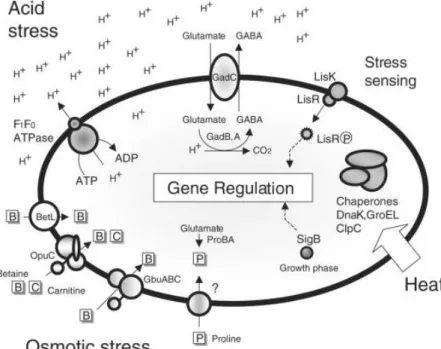
Figure 1.1: A representation of the systems and their proposed roles in stress
protection/adaptation in L. monocytogenes... 30
Figure 1.2: The transition of states of matter on application of energy. ... 39
Figure 1.3: Schematic setup of Plasma Jet... 42
Figure 1.4: Schematic principle of Dielectric Barrier discharge (DBD) ... 43
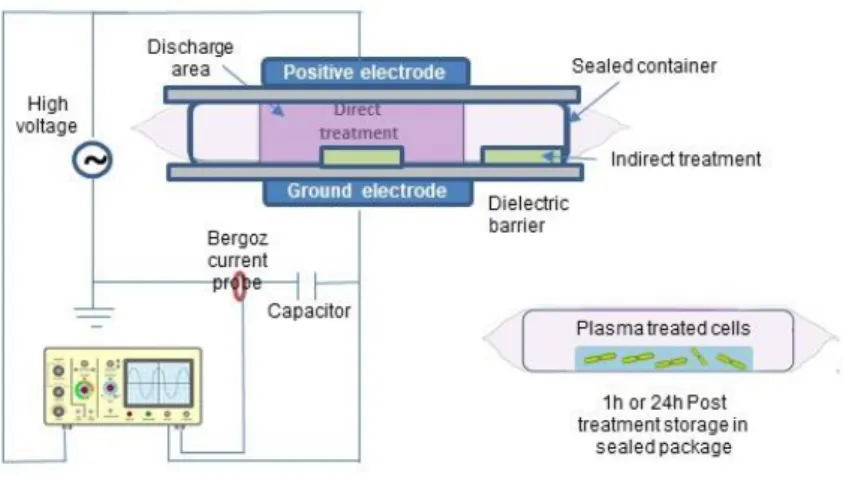
Figure 2.1: Schematic of the experimental setup of the DBD-120 ACP plasma system... 65
Figure 2.2: The experimental setup for treatment of lettuce and wash-water using Submerged DBD-ACP system: (a) system setup, (b) geometry of submerged DBD plasma source and (c) photograph of plasma generated in submerged DBD plasma source. ... 67
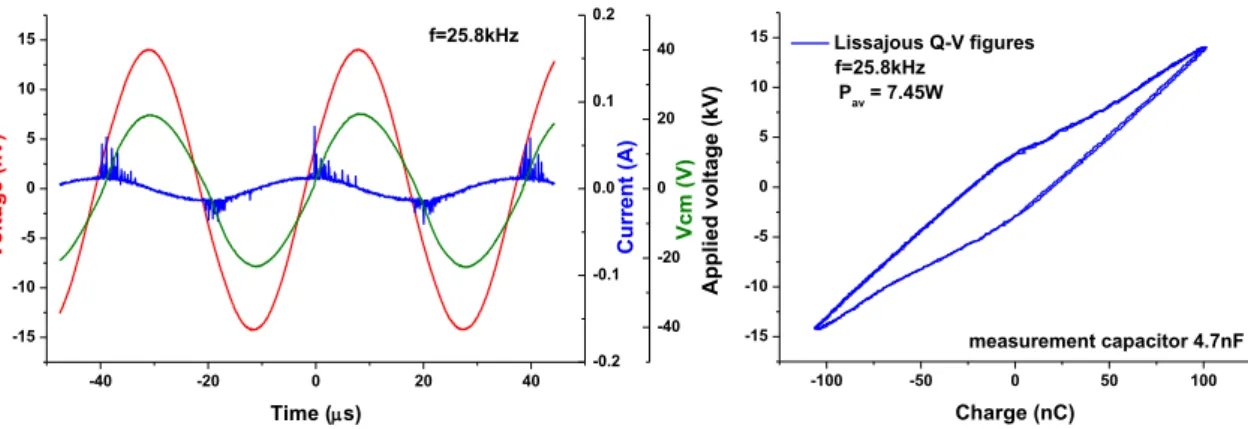
Figure 2.3: (a) Waveforms of applied voltage, discharge total current and voltage across the measurement capacitor, (b) Lissajous Q-V figure for energy consumption measurement in one period of applied voltage ... 68
Figure 3.1: Effect of plasma treatment on stationary phase-B. thermosphacta in PBS at 80 kV with (■) 1 h and (▨) 24 h post treatment storage time (PTST) with treatment time of 15 s, 30 s and 60 s. ... 81
Figure 3.2: Biofilm formation of B. thermosphacta after 24 h & 48 h of incubation at 26 °C quantified by crystal violet assay. ... 85
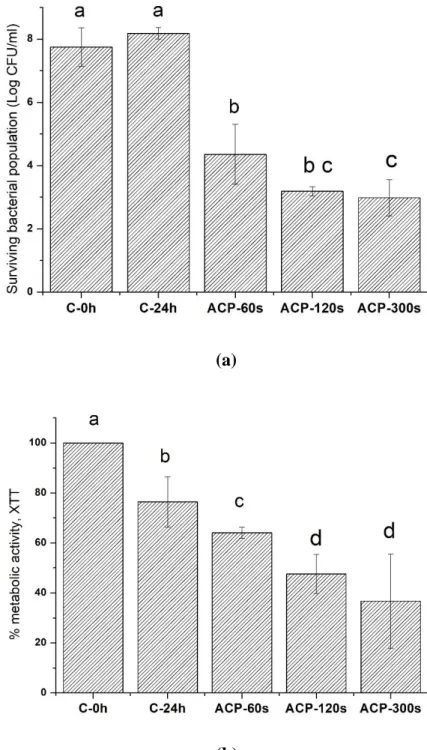
Figure 3.3: Effect of ACP on B. thermosphacta 48 h biofilm formed in 12% beef extract, treated at 80 kV and assessed using (a) plate count method (b) XTT assay. ... 87
x
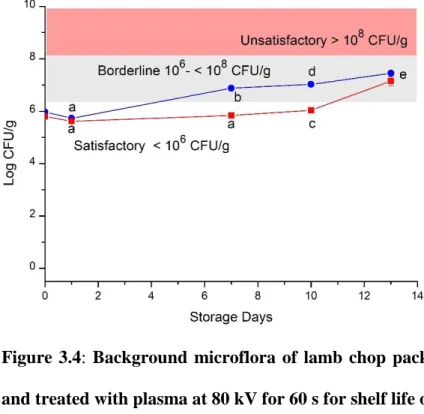
Figure 3.4: Background microflora of lamb chop packaged with 30% CO2 & 70% O2 and treated with plasma at 80 kV for 60 s for shelf life of up to 13 days. ... 89
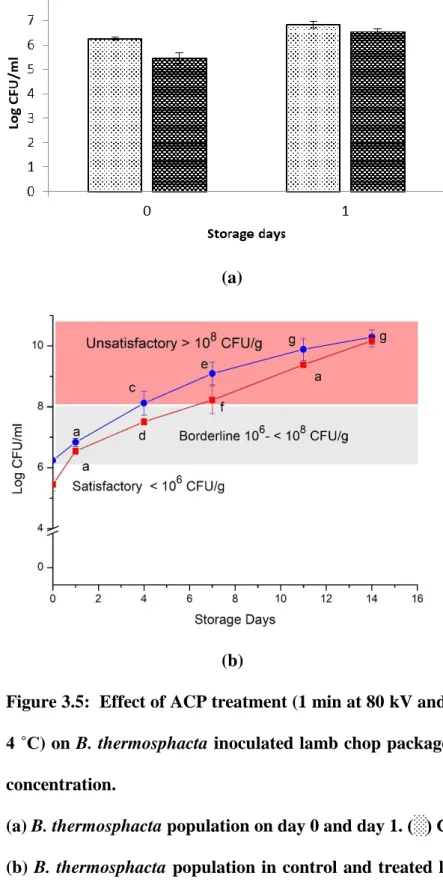
Figure 3.5: Effect of ACP treatment (1 min at 80 kV and 24 h post treatment storage at 4 ˚C)
on B. thermosphacta inoculated lamb chop packaged with 70% O2 and 30% CO2
concentration. ... 90
Figure 4.1: Effect of acid stress and cold shock on the resistance of (A) L. monocytogenes and (B) P. fluorescens to ACP treatment... 102
Figure 4.2: Bacterial biofilm formation after (□) 24 h (▨) 48 h of incubation quantified by crystal violet assay. Vertical bars indicate standard deviations. Column with different letters indicate a significant difference between bacterial strains and biofilm incubation time (p<0.05). ... 103
Figure 4.3: Biofilm formation of dual/mixed culture bacteria. ... 104
Figure 4.4: Surviving populations of 48 h mono-culture biofilm assessed by (a)Plate count (b) XTT assay after 60 s of ACP treatment at 80 kV and 24 h PTST. ... 106
Figure 4.5: Surviving populations of bacterial biofilms after ACP treatment at 80 kV and 24 h PTST assessed by:... 109
Figure 4.6: Effect of ACP on 48 h dual bacterial biofilms of L. monocytogenes and P. fluorescens formed on lettuce at (A) 4 °C and at (B) 15 °C. ... 111
Figure 5.1: L. monocytogenes mutants and parent strain ROS density assay by DCFH. ... 119
Figure 5.2: Effect of ACP on L. monocytogenes EGD-e wild type and its knockout mutant strains. ... 120
xi
Figure 5.3: Impact of prfA on biofilm formation. Biofilm formation by L. monocytogenes EGD-e (WT) and △prfA mutant at 37 ˚C in TSB for 48 h, quantified by (A) plate count and (B) crystal violet assay. ... 124
Figure 5.4: Surviving population of 48 h L. monocytogenes after ACP treatment for 1, 3 and 5 min following 1 h PTST. ... 125
Figure 5.5: Effect of ACP on gene expression of stress related genes in L. monocytogenes EGD-e (WT). ... 127
Figure 6.1: Effect of ACP (▧) with or (■) without agitation on viable counts of P. fluorescens inoculated on lettuce. ... 136
Figure 6.2: Effect of ACP on (a) P. fluorescens (b) L. innocua attached to lettuce leaves for (■) 1 h and (▧) 24 h. Each column represents average bacterial population recovered after ACP treatment. ... 138
Figure 6.3: SEM images of P. fluorescens and L. innocua inoculated on lettuce. The photographs represent attachment of bacteria on lettuce and after ACP treatment. ... 141
Figure 6.4: Survival of (▧) L. innocua and (■) P. fluorescens in the wash water after washing lettuce in plasma functionalised water. ... 143
Figure 6.5: pH value of wash water after DBD-ACP treatment ... 144
Figure 6.6: Bacterial inactivation assay in acidic solutions. L. innocua (107-8 CFU/ml) inoculated on lettuce exposed to different acidic conditions ... 145
xii
Figure 6.7: Concentration of (a) Nitrate and (b) Nitrite reactive species in plasma functionalised water. Experimental conditions: 1, 3, 5 and 10 min treatment at 80 kV with 0 h post treatment storage time. ND: not detectable. Vertical bars indicate standard deviation. Column with different letters indicate a significant difference between different treatment times (p<0.05). ... 146
Figure 6.8: (a) Absorption spectra of Indigo Reagent degradation by submerged DBD-ACP system and (b) Concentrations of dissolved ozone in water generated during plasma exposure time. ... 148
Figure 6.9: Effect of (∎) NaOCl or (●) ACP on inactivation of L. innocua and P. fluorescens on lettuce. Dotted line indicates detection limit (1.0 Log CFU/g). Vertical bars indicate standard deviation. Column with different letters indicate a significant difference between Treatment type (NaOCl, ACP) and treatment time (p<0.05). ... 149
Figure 7.1: Effect of post treatment retention time (0, 5, 10 min) on stationary phase E. coli treated with DBD ACP system for () 30 s and (▨) 60 s and at 80 kV in phosphate buffer solution. ... 153
Figure 7.2: Effect of ACP treatment time on stationary phase () E. coli (◼) E. faecalis and
(⚫) C. perfringens in model (A) dairy (B) meat wastewater treated at 80 kV with post
treatment retention time of 10 min. Dotted line indicates limit of detection (1 Log10 CFU/ml). Vertical bars represent standard deviation. Column with different letters indicate a significant difference between three bacterial samples, their controls and ACP treated samples (p<0.05). ... 155
Figure 7.3: Inactivation of E. coli in stationary phase suspended in model dairy wastewater at different fat content (◼) 0.2 g/L () 2 g/L and (⚫) 4 g/L. ... 157
xiii
Figure 7.4: Inactivation of mixed culture bacterial strains of (◼) C. perfringens (⚫) E. coli
() E. faecalis in stationary phase suspended in model dairy and meat wastewater treated
with ACP treatment at 80 kV. ... 160
Figure 7.5: Generation of (A) Hydrogen peroxide and (B) Nitrate in model dairy wastewater after ACP treatment. (▨) 0.2 g/L (▦) 2 g/L (◼) 4 g/L ... 162
Figure 7.6: Time depended inactivation of stationary phase B. megaterium (⚫) vegetative cells and (◼) spores by ACP treatment at 80 kV. ... 164
Figure 7.7: ACP inactivation of B. megaterium spores suspended in () PBS (◼) model meat wastewater (⚫) model dairy wastewater. ... 165
Figure 7.8: Percentage cytotoxicity of RTG-2 cells after 24 h exposure to model dairy and meat wastewater treated with plasma at 80 kV for 5 and 10 min. ▨ Alamar blue ∎ Neutral
red. Vertical bars represent standard deviation. Column with different letters indicate a significant difference between controls and ACP treated samples (p<0.05). ... 168
Figure 7.9: Percentage cytotoxicity of PLHC-1 cells exposed to different concentrations of model dairy and meat wastewater treated with plasma at 80 kV for 5 and 10 min. ▨ Alamar blue ∎ Neutral red. Column with different letters indicate a significant difference between controls and ACP treated samples (p<0.05). ... 168
Figure 7.10: Percentage mortality or immobilisation after 48 h exposure to model wastewater plasma treated using DBD-120 system at 80 kV for (●) 5 min (∎) 10 min with 10 min of PTRT. ... 170
xiv
List of Tables
Table 1.1: Examples of foodborne illness outbreaks linked to fresh produce from 2011 to
2018... 2
Table 1.2: Estimated values of wastewater generated by Food Industry ... 11
Table 1.3: Summary of common methods of wastewater treatment ... 17
Table 1.4:Wastewater discharge standards in Ireland ... 17
Table 1.5: Factors identified to have an impact on the growth and survival of L. monocytogenes. ... 30
Table 1.6: Applications of non-thermal plasma for inactivation of microorganisms on food matrices. ... 49
Table 2.1: Bacterial strains used in this study... 55
Table 2.2: List of knockout mutants and their characteristics ... 56
Table 3.1: Effect of ACP on B. thermosphacta inactivation in PBS at different voltage levels after 1 h and 24 h PTST ... 82
Table 3.2: Surviving numbers of stationary phase B. thermosphacta in PBS and 3% beef extract after ACP treatment at 80 kV and 24 h post treatment storage time. ... 84
Table 3.3: In-package ozone and carbon monoxide concentration measured inside the sealed trays after plasma treatment at 80 kV ... 91
xv
Table 4.2: ACP inactivation efficacy against planktonic stationary phase bacterial populations, treated at 80 kV with different treatment and post-treatment storage times ... 100
Table 5.1: Influence of cold stress (4 °C) on ACP inactivation efficacy for L. monocytogenes EGD-e (WT) and its mutant strains. ... 122
Table 5.2: Effect of pre-exposure to mild acid condition (pH 4) on ACP inactivation efficacy for L. monocytogenes EGD-e (WT) and mutant strains. ... 123
Table 6.1: Washing lettuce with sterile deionised water with microbubbles and agitation in submerged DBD system without plasma treatment ... 137
Table 7.1: Effect of Atmospheric cold plasma on bacteria inactivation at various applied voltage levels with 10 min Post treatment retention time. ... 154
Table 7.2: EC50 values of ACP treated water wastewater for cytotoxicity test ... 166
xvi
List of Abbreviations
16S Small ribosomal subunit
ACP Atmospheric cold plasma
AI-2 Autoinducer 2
ANOVA Analysis of Variance
ATP Adenosine triphosphate
BE Beef extract
BOD Biological oxygen demand
C56A cysteine replaced by alanine at amino acid 56
CaCl2 Calcium chloride
CFU/ml Colony forming unit per millilitre
COD Chemical oxygen demand
DBD Dielectric barrier discharge
DBP Disinfection by-product
DCFH-DA 2’,7’-dichlorodihydrofluorescein diacetate
DE Dairy effluent
DNA deoxyribonucleic acid
dNTP deoxynucleotide acid
EC50 concentration of toxin required to cause a specified effect on 50% of the test organisms
EPA Environmental protection agency
EPS Extracellular polymeric substances
FI Food Industry
g Gram
xvii HEPES 4-(2-hydroxyethyl)-1-piperazineethanesulfonic acid Hz Hertz K Kelvin KI Potassium iodide kV Kilovolt LB Lettuce broth L Litre Log Logarithm M Molar
MAP Modified atmosphere packaged
ME Meat effluent
mM millimolar
MRD Maximum recovery diluent
NaOCl sodium hypochlorite
OD Optical density
PAW Plasma activated water
PBS Phosphate-buffered saline
PCR Polymerase chain reaction
PLHC-1 Poeciliopsis lucida hepatocellular carcinoma cell PTRT Post treatment retention time
PTST Post treatment storage time qRT-PCR quantitative real-time PCR
QS Quorum sensing
xviii
RNS Reactive nitrogen species
ROS Reactive oxygen species
RONS Reactive oxygen nitrogen species
rpm Revolutions per minute
RTG-2 Rainbow trout gonad cells
SEM scanning electron microscopy
SD Standard deviation
spp species
TSA Tryptic soy agar
US EPA United States Environmental Protection Agency
VNBC Viable but non-culturable
v/v volume per volume
WHO World health organization
WT wild-type
Symbol
∆ deletion mutant °C degrees Celsius σ Sigma (Sig) µm micromolar µl microliter1
Chapter 1 Introduction
1.1Microbiological challenges associated with fresh-cut and minimally processed
produce
The role of fresh vegetables and fruits in a nutritious and healthy diet are well recognised. Hence, significant rise in the consumption of fresh produce for health benefits has occurred with rise in lifestyles and major shifts in consumption trends. Amongst them, the intake of fresh-cut or minimally processed produce has undergone sharp increases. Fresh-cut products are in a raw state, fresh like produce which could be minimally/partially processed without freezing, preservatives, canning, fermentation or acidification process. A Food and Agriculture organization statistical database (FAOSTAT., 2013) report indicated an overall 38% increase in production of fresh fruits and vegetables worldwide between 2000 and 2011. The region of Europe and Central Asia produced 136 million tonnes of vegetables in 2010. However, the incidences of foodborne outbreaks linked to contaminated fresh produce have also increased (Mukherjee et al., 2006) becoming the fourth highest for foodborne illness since 1990 (Varzakas and Arvanitoyannis, 2008). In 2016, a total of 4,786 food-borne outbreaks, including waterborne outbreaks were reported in the EU, resulting in 49,950 cases of illness, 3,869 hospitalisations and 20 deaths (EFSA, 2017). This trend has continued and prevention of contamination in fresh fruits and vegetables as well as fresh produce outbreaks has become a major food safety challenge. Fresh produce remains the leading cause for foodborne illness outbreaks implicating virulent pathogens such as Escherichia coli,
Salmonella typhimurium, Listeria monocytogenes, viruses (Hepatitis A), protozoa
(Cryptosporidium parvum) and increasingly human parasites (Callejón et al., 2015) with E.
coli, L. monocytogenes and Salmonella sp. being the leading cause of the foodborne
2
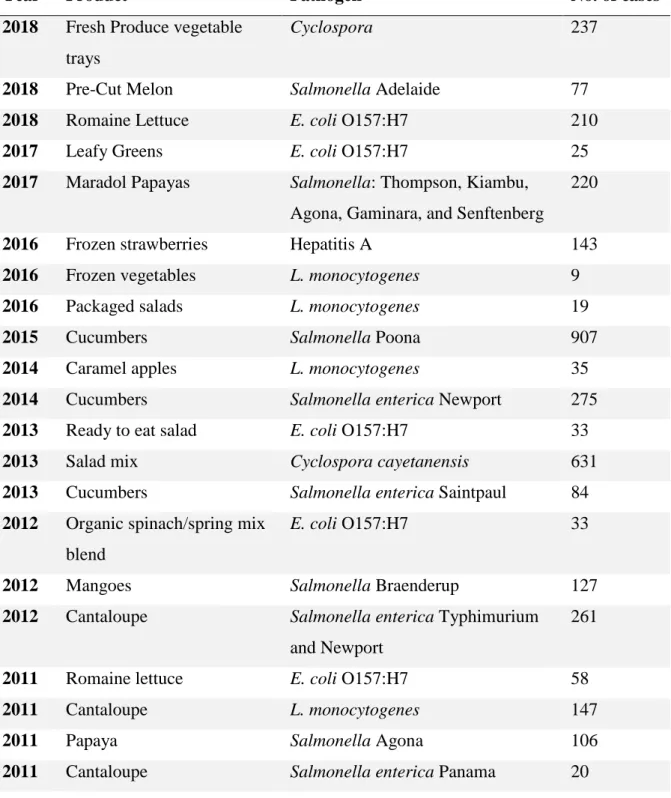
pathogens can lead to severe illnesses, hospitalisation and in some cases even death. Some examples for foodborne illness linked to fresh produce are represented in Table 1.1.
Table 1.1: Examples of foodborne illness outbreaks linked to fresh produce from 2011 to 2018 (source: CDC, 2018)
Year Product Pathogen No. of cases
2018 Fresh Produce vegetable
trays
Cyclospora 237
2018 Pre-Cut Melon Salmonella Adelaide 77
2018 Romaine Lettuce E. coli O157:H7 210
2017 Leafy Greens E. coli O157:H7 25
2017 Maradol Papayas Salmonella: Thompson, Kiambu,
Agona, Gaminara, and Senftenberg
220
2016 Frozen strawberries Hepatitis A 143
2016 Frozen vegetables L. monocytogenes 9
2016 Packaged salads L. monocytogenes 19
2015 Cucumbers Salmonella Poona 907
2014 Caramel apples L. monocytogenes 35
2014 Cucumbers Salmonella enterica Newport 275
2013 Ready to eat salad E. coli O157:H7 33
2013 Salad mix Cyclospora cayetanensis 631
2013 Cucumbers Salmonella enterica Saintpaul 84
2012 Organic spinach/spring mix
blend
E. coli O157:H7 33
2012 Mangoes Salmonella Braenderup 127
2012 Cantaloupe Salmonella enterica Typhimurium
and Newport
261
2011 Romaine lettuce E. coli O157:H7 58
2011 Cantaloupe L. monocytogenes 147
2011 Papaya Salmonella Agona 106
3
Other than pathogenic microorganisms, there are several spoilage organisms that can enter the plant tissue through wounds and cause spoilage. The causative agents for spoilage in fresh produce are Erwinia carotovora, Pseudomonas spp., Xanthomonas campestris, lactic acid bacteria (Leuconostoc mesenteroides), Botrytis, Alternaria, Sclerotinia and Rhizopus, with E.
carotovora and Pseudomonas fluorescens being the most common spoilage causing bacteria,
attacking virtually every vegetable type (Tournas, 2005). Spoilage in general is characterised by soft, watery and slimy appearances which are responsible for tuber rot, soft rot and black rot type of spoilage in vegetables.
The open nature of the fresh produce production process makes it susceptible to multiple sources of contamination. Vectors responsible for transmission of these microbes onto the produce include soil particles, airborne spores, biological amendments and faecal contaminated irrigation water. Fresh produce can get contaminated during growth in field, during harvesting, post-harvest handling or during storage and distribution (Nüesch-Inderbinen and Stephan, 2016; Olaimat and Holley, 2012). Pathogens and spoilage microorganisms can survive for extended periods within the environment and become widely distributed. Under ideal conditions, they colonise, creating lesions and internalising in healthy plant tissue. Internal tissues are rich in nutrients (water activity, aw>0.90) and have neutral pH which provide the microorganism ideal conditions to grow and multiple inside the produce (Barth et al., 2009). During the production of fresh-cut or minimally processed fruits and vegetables, washing has been identified as a potential pathway for dispersion of microorganisms and more specifically E. coli to the end product (Holvoet et al., 2012). Although washing with water or disinfectants helps remove significant number of microbes, the ability to eliminate naturally present microorganisms from fresh produce is limited (Banach et al., 2015). Attachment of pathogens to surfaces and internalisation of pathogens within the plant tissues limits the efficacy of conventional processing and sanitising methods
4
in preventing transmission from contaminated produce. The survival and growth of foodborne pathogens depends on environmental conditions in the field and during storage, microorganism and the produce item involved. Minimally processed fresh produce possess an additional risk of food safety as they are consumed raw fresh produce can serve as a vehicle for many food-borne pathogens to survive and cause human infections (López-Gómez et al., 2018).
Pathogens of concern for fresh food and fresh food processing environment
Listeria species
Listeria spp. are Gram-positive, non-spore forming, non-capsulated, facultative anaerobic
bacteria. The Listeria genus mainly include L. monocytogenes, L. ivanovii, L. innocua, L.
welshimeri, L. seeligeri and L. grayii, however the Listeria spp. has expanded over the past
few decades and currently contains 11 other species (Bertsch et al., 2013; Orsi and Wiedmann, 2016). Of these species, L. monocytogenes (foodborne human pathogen) and L.
ivanovii (animal pathogen) are documented pathogenic strains. L. monocytogenes persist
within the human gastrointestinal tract and are known to cause Listeriosis. It is an important foodborne pathogen of public health and food safety significance. In 2015, the EU reported 2,206 numbers of confirmed cases of Listeriosis in humans and approximately 964 hospitalisations (EFSA, 2017).
L. monocytogenes can be classified into 13 serotypes (Seeliger and Höhne, 1979) ) of which
serotypes 1/2a, 1/2b, 1/2c and 4b are the most frequently isolated from food or food production environments and are primarily responsible for causing Listeriosis (Pan et al., 2009; Swaminathan and Gerner-Smidt, 2007). The commonly used lab strains EGD-e, EGD and 10403S belonging to serovar 1/2a, appear to be increasingly associated with human infections. In 2011, the strains (type 1/2a and 1/2b) were implicated in US multistate cantaloupe-associated listeriosis outbreak which resulted in 147 deaths (McCollum et al.,
5
2013). L. monocytogenes are ubiquitous and can be isolated from soil, wastewater, sewage, a and wide variety of vegetables like lettuce, celery, potatoes, tomatoes, broccoli etc. (Beuchat, 1996). Several studies conducted have indicated the prevalence of L. monocytogenes in fresh-cut produces (Oliveira et al., 2014; Vandamm et al., 2013). It is an important pathogen of concern in fresh produce due to its ability to tolerate a wide pH range (4-9), low water activity (Gandhi and Chikindas, 2007) and also a variety of stress conditions including low temperatures, high salt conditions and gas atmospheres commonly present in modified atmosphere packaging (MAP) (Capozzi et al., 2009). This endows the bacterium capacity to survive in varied food processing and storage conditions. It can not only be found on the food products but also can attach and form biofilms on any food processing equipment (Beresford
et al., 2001). Biofilm forming capacity of L. monocytogenes makes it difficult to control and
eradicate it completely from the fresh produce. Since bacterial cells can easily be transferred from biofilms to food products, biofilms containing pathogenic bacteria such as L.
monocytogenes are of particular concern for food industries.
Escherichia coli
Escherichia coli is a Gram negative, short rod shaped bacteria with cells varying from cocci
to long filamentous structure (Percival et al., 2004). It is a normal facultative anaerobic microflora of the human and animal intestine. Though they are harmless commensals, various E. coli strains have acquired genetic determinants (virulence genes) rendering them pathogenic to humans and animals (Holko et al., 2006). E. coli is the best indicator for faecal contamination of water and food products. Pathogenic E. coli are categorised to specific groups on the basis of serological & virulence characteristics, mechanisms of pathogenicity, clinical symptoms: pathogenic (EPEC), toxegenic (ETEC), entero-haemorrhagic (EHEC), entero-invasive (EIEC), entero-aggregative (EAggEC) (Holko et al., 2006; Percival et al., 2004). The EHEC strain, E. coli O157:H7 has become an important
6
pathogen of concern for the food and dairy industries for its ability to survive and grow at acidic environments (Tsegaye and Ashenafi, 2005) and cause infection at low doses, that is with less than 100 cells (Bitton, 2005). E. coli O157:H7 is reported to survive in acidic foods such as refrigerated apple cider (Besser et al., 1993) and yogurt (Tsegaye and Ashenafi, 2005). It has the ability to cause diverse illnesses such as haemorrhagic colitis, haemolytic uremic syndrome, septicaemia and meningitis (McClure, 2005). Food and water are important sources of transmission for this pathogen. Several outbreaks of E. coli gastroenteritis are associated with contamination in food processing industries including milk (Leedom, 2006), cheese, fresh produces (Critzer and Doyle, 2010), meat (Zhao et al., 2001) and water (Friedman et al., 1999). Reports for infections caused by E. coli has been increasing worldwide (CDC, 2016) which has classified the specific serotype E. coli O157:H7 as a current pathogen of concern.
Salmonella
Salmonella spp. are Gram negative, facultative anaerobic and rod-shaped bacteria. The
Salmonella genus has more than 2700 serotypes identified, and they are all are major concern
to almost all sectors of the food industry. Surveys have indicated the presence of several serotypes responsible for disease in both humans and animals (U.S. Food and Drug Administration, 2015). Poultry, eggs, dairy, fresh fruits and vegetables are commonly implicated sources in Salmonellosis outbreaks. Amongst them is the Salmonella baildon outbreak associated with shredded lettuce, dried tomatoes which was isolated from patients in geographically separate areas of the U.S (FDA, 2016). Salmonella was identified as one of the most frequent cause of foodborne outbreaks with serovars Salmonella enteritidis and
Salmonella typhimurium being most frequently associated with human illness (EFSA, 2015a).
Salmonella spp. are resistant pathogens that can adapt to various environmental stress
7
(optimum pH for growth at 6.5 to 7.5) as well as in environments with high salinity (>2% NaCl) (Montville and Matthews, 2008). They have also been reported to survive under freezing conditions for prolonged periods. Many factors may enhance the prevalence of
Salmonella in foods, which includes: physiological state of the food, water activity (aw),
nutritional state of the foods and serovar specific responses.
Illness caused by Salmonella serotypes range from gastroenteritis to enteric (typhoid) fever, septicaemia and chronic sequelae (Forshell and Wierup, 2006). Epidemiologic evidence has indicated low doses of the bacteria to cause an infection. The virulence plasmids present within the genus may enable the bacteria to rapidly multiple within and host the overcome the host defence mechanisms. Several virulence determinants are responsible for Salmonella spp. to cause disease, such as the genes involved in nutrient synthesis, stress response and cell damage repair.
Bacillus megaterium
The Bacillus genus, part of the Bacillaceae family, is probably the oldest and most diverse
genus of bacteria. B. megaterium is a Gram-positive aerobic spore-forming bacterium, cell ranging in size from 1.5 by 4 μm and is the largest of all Bacilli. They are ubiquitous in nature found widely in almost all habitats including soil, air, lake sediments, water, dried foods as well as extreme environments such as thermal acid water, salt marshes and diseased bee larvae (Vos et al., 2011). Bacillus species spores are dormant and are extremely resistant to environment stress including heat, radiation, desiccation, mechanical disruption and high level of toxic chemicals such as strong oxidisers and pH change agents (Setlow, 2007; Setlow and Johnson, 2013). The spores possess a robust physical barrier and metabolic activity is not influenced by chemically aggressive species. They are also known to play an important role in detoxifying chemicals due to the presence of enzymes in the spore surface layers i.e. in the bacterial spore coat (Henriques and Moran, 2007).
8
As most of the bacterial spores are abundant in the environment, they are a major threat to food safety and public health. Previous studies have indicated the presence of higher concentration of aerobic spore forming bacilli in surface or treated water than Clostridium
perfringens as well as parasite protozoan cysts (Bitton, 2011). Several studies have suggested
the use of Bacillus spores as a surrogate for assessment of water treatment technologies with regards to the removal of Cryptosporidium and Giardia cysts (Nieminski et al., 2000; Rice et al., 1996). Due to distinctive limitations and resistance of bacilli spores to conventional treatment methods, there is need for an effective sterilisation method for complete inactivation and destruction of bacterial spores.
Spoilage bacteria of concern associated with food and food processing environments
Brochothrix thermosphacta
B. thermosphacta is a common food spoilage agent, which grows on raw food, lightly
preserved meat products and meat processing facility surfaces (Nychas et al., 2008). Its ability to survive and grow in the otherwise challenging environments implemented in meat processing and preservation indicate the need for alternative decontamination and control measures. It is a facultative anaerobe able to tolerate growth at variable temperatures of 0-30˚C, pH 5-9 (Collins-Thompson and Rodriguez Lopez, 1980), within water activity range of 0.94–0.99 (Gardner, 1966) and tolerates up to 10% NaCl (Erkmen, 2000; Gribble and Brightwell, 2013). The bacterium displays lipolytic activity also under refrigeration temperature (Nowak et al., 2012) in prepacked and vacuum packed meat products (Gardner, 1966) which helps the bacteria to grow under O2 depletion and in presence of CO2 concentrations (Pin et al., 2002). B. thermosphacta produces volatile compounds such as acetoin, diacetyl (aerobic growth), or lactic acid and ethanol (anaerobic growth) causing flavour deterioration and strong off-odour in meat (Borch et al., 1996; McLean and
9
Sulzbacher, 1953; Stanley et al., 1981). These characteristics reveal why B. thermosphacta is a significant meat coloniser and food spoilage causing bacteria (Ercolini et al., 2006). Globally, B. thermosphacta is addressed as a pre-dominant organism responsible for meat spoilage therefore is of importance for trade of fresh meat products.
Pseudomonas species
Pseudomonas spp. is most frequently reported bacteria genus found in food processing
environments and across all types of foods. Pseudomonas spp. are versatile psychrotrophs commonly associated with spoilage of fresh foods because of their widespread existence in water, soil and vegetation under both optimal as well as refrigeration temperatures. They are frequently introduced into the food processing environment through several routes. Also, they are ubiquitous, they acquire different niches in the production environment with respect to nutrients, temperatures, surface materials, and stress factors (Møretrø and Langsrud, 2017). Four species of Pseudomonas commonly associated with food spoilage are P. fluorescens, P.
corrugata, P. putida and P. marginalis. Soft rots in plant derived food occurs when pectin
that hold plant cells together are degraded by pectic lyases enzyme secreted by P. fluorescens
and P. viridiflava (Rawat, 2015). This results in maceration of the host tissues. Other tissue
degrading enzymes produced by these spp. include cellulases, xylanases, glycoside hydrolases and lipoxygenase (Gross and Cody, 1985; Zhuang et al., 1994). They are capable of synthesising enzymes even under refrigeration temperatures and cause food spoilage.
Pseudomonas spp. are of great importance amongst products that are stored at low
temperatures. They grow and multiply continuously in refrigerated products causing putrefactive odours and slime (Raposo et al., 2017). Pseudomonas spp. are also characterised as quick and thick biofilm producers. Biofilm formation is relatively extensive in
Pseudomonas at temperatures relevant to food production; studies by Liu et al. (2015)
10
and 10 °C) than at higher temperature (30 °C). Pseudomonas spp. are also highly capable of competing with other food associated microbes; several characteristics of Pseudomonas spp. explain its dominance and persistence in combination with other bacteria (Langsrud et al., 2016). Studies have revealed P. fluorescens interactions with other bacterial strains such as
L. monocytogenes which leads to increased colonisation and resistance of this pathogenic
bacterium from disinfection and sanitising agents (Carpentier and Chassaing, 2004). Similarly, a mixed biofilm of P. fluorescens and B. cereus demonstrated increased tolerance to surfactant and aldehyde when cultivated in a rotating stainless-steel device for 7 days (Simões et al., 2009). Resistance against these disinfection agents makes the bacterium of great concern in food processing industry.
1.2Microbiological concern associated to food industry wastewater treatment
In most food industries, water is the most used raw material for the production of high value products. They are the major consumer of Earth’s fresh water; with more than 66% of the fresh water abstractions worldwide go towards food production (Kirby et al., 2003). Water plays a vital role in the food industry with large volumes of wastewater from various processing steps including cooling, heating, extraction, reaction by-products, washing, cleaning, sanitisation and various steps in the manufacturing of food products themselves. Food processing industries are one the largest source of wastewaters, with a trend of increasing volumes being produced (Valta et al., 2015). The physical and chemical properties of the effluents derived from the food sector vary in line with the product type, manufacturing subsets, applied process and the capacity of the plant. The main contaminants are microorganisms, sanitising products, pesticides, metals, nutrients (proteins, carbohydrates, fats, minerals), organic and inorganic materials, with high variation in pH (Bustillo-Lecompte et al., 2013; Gough et al., 2000; Perle et al., 1995). Industrial wastewater is difficult to characterise, as the quality and quantity of wastewater produced by a particular
11
industry depends on the type of the processing plant, plant size and processing step involved (Bustillo-Lecompte et al., 2014; Cristian, 2010). It may vary according to processes, season and related products.
According to report by World Water Assessment Programme (WWAP., 2012), about 80% of wastewater is released into the environment with inadequate treatment which further contributes to degradation of water quality. Consequence of releasing untreated/inadequately treated water into the environment include direct impact on human health, environment (water bodies and its ecosystem) and subsequently affecting economic activities such as industrial production, fisheries, aquaculture and tourism (Hernández-Sancho et al., 2015). The average values of wastewater generated by the major food processing sectors reported are given in the Table 1.2. The general requirements for discharges from urban wastewater treatment plants are 25 mg/L for Biological oxygen demand (BOD), 125 mg/L for Chemical oxygen demand (COD) and Total suspended solids of 35 mg/L (The Council of the European Communities, 1991) .
Table 1.2: Estimated values of wastewater generated by Food Industry
Industry type TOC
(mg/L) COD (mg/L) BOD (mg/L) pH Dairy productsa 850-1300 1400-3000 1100-1800 6.9-7.5
Meat and Poultryb 50–1750 500-16,000 2-7 4.9–8.1
Vegetables, fruitsc 249-420 919-3700 860-3200 4.6-7.9 a(Shete and Shinkar, 2013), b(Bustillo-Lecompte and Mehrvar, 2017),
12
Food industry (FI) and their characterisation Dairy Industry
The dairy industry is one of the largest sources of the wastewater effluents in regard to the volume of the water consumption by the industry. A typical European dairy generates approximately 50 m3 wastewaters per day. The main liquid waste types (e.g. product residue and waste generated from cleaning) and the quantities of their key pollution indicators (BOD, COD, suspended solids, total nitrogen, total phosphate, and total oils, fats and greases) in Europe are documented Annual Environmental Reports on Environmental Protection Agency (EPA) website (Valta et al., 2015). Most of the waste generated in dairy industry is liquid which comprises of volatile milk constituents, fats and proteins of milk and milk products being processed. The need for water in the dairy industry is huge; water is used throughout all steps such as sanitisation, heating, cooling milk processing, cleaning and packaging (Barbera and Gurnari, 2018). In general, the composition of dairy wastewater is correlated to BOD and COD values representing the high organic content (Shete and Shinkar, 2013). These effluents have different characteristics depending on the final products; generated volume and based on the processing plant. Each division produces a characteristic composition of wastewater depending on the product produced (cheese, butter, milk powder, yogurt). The range of production of wastewater is highly influenced by management practices and the design of the plant.
Milk and milk products can harbour a variety of microorganisms and can be important sources of foodborne pathogens. The presence of these pathogens is due to its contact with its source, that is the dairy environments and excretion from the farm animals (Oliver et al., 2005). There are major concerns over the contamination with soil, water and air when they come in contact with solid or liquid surface. With a notable concentration of organic matter and pathogens these effluents may create serious burdens on the industry treatment systems.
13
Meat processing industry
Meat processing industry produce large volumes of wastes mainly produced from slaughtering of animals, cleaning and sanitisation of equipment, slaughter house facilities and meat processing units. Preparation of meat products is a multi-stage process that generates wastewater after each respective step. The meat industry uses 24% of the total freshwater to that consumed by food and beverage industry (FAO, 2013). Over the past few years, the global meat industry has increased and is projected to see a doubling of production (FAO, 2013).
Meat wastewater compositions vary significantly depending on the industrial process and specific water consumption. The effluent from the meat industries contains heavy loads of organic wastes like blood, loose meat, soluble proteins, fats, greases, oils and solid wastes. They may also contain high concentrations of nitrogen, phosphorous and Total Suspended Solids (TSS); which may cause deoxygenation of water bodies and contamination of ground water (US EPA, 2004). Wastewater from slaughter houses is considered as the most harmful wastewater for environment by the US EPS. Release of these effluents into the environment causes deleterious effect on aquatic life as well as effect on the water quality thus impacting further reusability of water.
Fresh produce effluent
Water is critical for the fresh produce industry, most of the products are washed, cooled, or transported using water. Most of the food processing involves cleaning, trimming, shredding, slicing, washing, drying and packaging (Yildiz, 1994). The washing with water is a common preliminary step used to remove soil, debris, exudates, microorganism from fresh fruits and produces. Like in the case of minimally processed food products, fresh produce are cleaned, washed, cut, packed and sold as ready to eat foods. The entire treatment and packaging cycle for these products relies on the use of water. Difference in water quality produced can be
14
found in different commodities and postharvest operations of fresh and fresh-cut produce (S. Van Haute et al., 2015). The wastewater resulting from these washes contain high concentrations of organic matter including carbohydrates and minerals depending on the raw material processed or time of the year. Differences in the microbial population load can be observed due to the seasonal nature of the processed commodities (Valta et al., 2016).
In case of the fresh and fresh-cut products, wash water after contact with the raw produce and after rinsing and washing are important source of organic compounds, pesticides, and bacteriological contamination (Gil and Allende, 2018). The high organic content of the wash water potentially encourages growth of microbial populations. Washing has been identified as a potential pathway for dispersion of microorganisms during fresh produce processing, and if a pathogen is present in this water, they can be distributed on the end product via cross contamination (Holvoet et al., 2012). In many countries for economic and environmental reasons, water re-use has become a valuable practice in fresh produce industry (US Environmental Protection Agency, 2012). However, water and wastewater utilisation, costs of treatment and disposal guidelines remains a critical factor for sustainable use of water.
Pathogens of relevance related to wastewater treatment
Apart from high organic loads, pathogenic microorganisms are widely found in the wastewater effluents released from the food industry. Such environments are an ideal place for the growth of both pathogenic and spoilage microorganisms. The key sources of contamination can be from the farms (the environment itself: soil, water, human contact), collection and process equipment on the farm and in the industry. Several previous studies have shown significant microbial concentrations and potential presence of pathogens in the food processing industrial environment (McGarvey et al., 2004; Parkar et al., 2015). A wide range of microbial profiles are present in food industry effluent like Cryptosporidium,
15
Bacillus species etc. Entry of foodborne pathogens via contaminated food and milk products
into the dairy-food processing plant leads to persistence and establishment of pathogens in the form of biofilms or bacterial endospores/spores. Inadequate processing and treatment of these effluents may lead to survival of these pathogens and result in public health concerns. The primary concern with food industry waste is the organic load present which may act as food sources for microbial growth. Microorganisms therefore, continue to grow and proliferate rapidly causing a significant rise in biological oxygen demand (BOD), chemical oxygen demand (COD) and total suspended solids (TSS) content in industrial wastewaters. Water reuse has been gaining momentum as an alternative reliable source of fresh waters for food processing industries (WWAP, United Nations World Water Assessment Programme, 2017). Environmental and public health risk is an important aspect of water re-use; cleaning and effective treatment is therefore important to guarantee quality and safety of the recycled water. If the water is inadequately treated, they can promote cross-contamination; affect the entire food processing plants as well as the food end products. The presence of bacteria in the water source is of utmost concern due to their virulence which poses a serious threat to public health. Pathogenic bacteria derived from food processing industries are exposed to several high doses of chemical and antibiotics which might additionally benefit the bacteria in gaining resistance (Capita and Alonso-Calleja, 2013).
Current Treatment measures
The importance of treating wastewaters from the food industry has become an important process particularly given the number of contaminants and volume of wastewaters discharged from these industries. In almost all the treatment processes, the approach is more oriented towards protection of the environment rather than conserving and reuse of the treated water. Several R&D activities are implemented in industries to reduce the environment pollution and discharge of effluent waters by adopting advanced technologies. Industries are
16
continuously seeking to implement advanced innovative methods to combat the environmental impact of the wastewaters discharged.
In practice, there are several treatment methods that are applied to wastewater effluents from food processing industries. The contaminants in wastewaters released from major food sectors include suspended solids, organic/inorganic materials, toxins and vaccines, BOD and COD components and microorganisms (Barbera and Gurnari, 2018). Primary treatment is aimed in reducing the large particles such as grits, floatables, grease, settable suspended solids which could influence the proper functioning of a water treatment plant. The physical treatments used at this stage namely filtration and sedimentation remove suspended solids and BOD with organic and inorganic matter from the wastewaters (EPA, 1997). Water disinfection technology is applied at the final stage of the water treatment process, before releasing it into the water body. The main goal of the disinfection is to prevent large concentrations of microorganisms and other suspended particles that survived previous treatment from reaching waterways (Spellman, 2014). The selected application treatment method primarily depends on nature and physiological properties of the wastewater. An optimum and effective disinfection method is difficult to select because of the limitations that some treatments may represent when eliminating microorganism of public risk, coupled with the potential for the introducing disinfection by-products (DBP’s) that may have formed or accumulated through the treatment process (Spellman, 2014). There are various traditional methods applied for wastewater treatment, each system having their own advantages and disadvantages. Some of the common disinfection methods employed at various stages in food industry are summarised in Table 1.3.
17
Table 1.3: Summary of common methods of wastewater treatment
Treatment operations Performance Reference
Electrocoagulation BOD by 27.02% and TSS by 85.7%
(Zuhria et al., 2018)
UV Photolysis and Ozonation 64% COD reduction (Jing and Cao, 2012) Advanced oxidation process 76.70-90.70 % COD reduction ( Karagozoglu, 2014) Gamma radiation 38.65-85.75 % BOD removal (Melo et al., 2008)
Ultrafiltration >99.8% for TOC and >99.5% for lactose
(Vourch et al., 2008)
Ozonation 88 % COD removal, 68% BOD (Martínez et al., 2011) Ultraviolet radiation <12 mJ/cm2 for a 4 Log10
reduction in bacterial inactivation
(Rose and O’Connell, 2009)
PAC: Polyaluminum chloride; BOD: Biological oxygen demand; COD: Chemical oxygen demand; TOC: Total organic carbon
Ultimately the selection of an appropriate treatment process depends on the characteristics of the wastewaters as well as specific regulations. Wastewater discharge standards in Ireland follow European wastewater legislations as shown in Table 1.4.
Table 1.4:Wastewater discharge standards in Ireland (EPA., 2013)
Parameters Concentration (mg/L) Minimum reduction (%)
BOD5 without nitrification 25 70-90
COD 125 75
TSS 35 90
TP 1 - 2 80
TN 10 - 15 70-80
BOD: Biological oxygen demand; COD: Chemical oxygen demand; TSS: Total organic carbon; TP: Total phophorous; Total Nitrogen: Total nitrogen
18
Previous studies with treatment technologies have demonstrated the effective removal of organic matter but were not capable of completely eliminating emerging contaminants such as neurotoxins, trichloroethene and resistant microorganism from the wastewaters. Traditional treatment methods could be limited by a number of factors such as high energy consumption, climate, temperature, higher retention time, larger volume reactors, higher contaminants level and resistance of the microorganisms to certain chemicals. Another disadvantage of some these treatment methods are the toxic disinfection by-products which are formed when disinfectants react with certain reactants present in the water effluent such as Trihalomethanes (Van Haute et al., 2013) which is a major risk to environment and public health. Further details on current decontamination method applied in food industry for treatment of food products and wastewater generated is discussed in Section 1.4.
1.3Microbial resistance
Bacterial Internalisation
An important factor associated with fresh produce contamination and increased resistance of bacteria to antimicrobials is the ability of bacteria to internalise inside plant tissue. Bacterial pathogens may enter fresh produce through both natural (intercellular tissues, stomata, lenticels, lateral junction of roots) and damaged (wounds, cuts) tissue sites (Erickson, 2012). These habitats provide stress protective niches for bacteria which also serve as rich sources of water and nutrients (Yaron and Römling, 2014). Fresh produce can become contaminated by pathogenic bacteria at any point along the farm-to-table food chain (production, harvesting, processing, packaging and handling). Several studies have shown that human pathogens can enter the stomata and cut edges of the fresh produce. Internalisation of E.coli and L.
monocytogenes was found within core tissues and in the stomata of spinach and lettuce
19
intercellular spaces of the spongy mesophyll and vascular tissue (Saldaña et al., 2011). A number of factors influence the likelihood of internalisation of pathogenic bacteria within the plant such as strain/serotype of the bacteria, their concentration, plant type, route of contamination, age and stage of plant development (Deering et al., 2012; Golberg et al., 2011). Some bacteria strains are better able to colonise produce surfaces, damaged tissue, and form biofilms. Also the plant species influences the pathogen persistence (Olaimat and Holley, 2012). Several surface structures of enteric bacteria (pili, fimbriae, flagella and Type III secretion system) play an important role in bacterial adherence to produce (Shaw et al., 2008). Some bacteria strains are better able to colonise produce surfaces, damaged tissue, and form biofilms. Also the plant species influences the pathogen persistence (Kroupitski et al., 2009).
Although the overall population present on the plant’s surface often declines after disinfectant washes such as chlorine or alternative sanitisers, enteric bacteria present inside the plant tissues are able to survive and replicate at high densities (Gu et al., 2013). In addition, in most cases enteric bacteria survive in produce without modifying the habitat but start to aggregate to produce a biofilm matrix. Limitations in the effectiveness of most disinfectant washes are partly due to microbial biofilm formation and the physical structure of the produce which limits the accessibility of the sanitiser to reach sites where bacteria reside. Curli fibres which are known to be involved in cell aggregation and biofilm formation are also shown to play a role for internalisation of S. enterica in tomato and parsley (Cevallos-Cevallos et al., 2012; Prigent-Combaret et al., 2000). The occurrence of highly tolerant bacterial biofilms on food or food contact surfaces are known to contribute to food spoilage, cross contamination of food products and spread of food pathogens.
Several studies have reported increased resistance of enteric pathogens to a range of decontamination techniques like ultraviolet and pulsed light field due to internalisation and
20
extensive colonisation of produce stomata. Studies by Ziuzina et al., (2015) demonstrated effective reduction of bacterial cells present on the surface of fresh produce using plasma while high concentration of cells were still noted intact in stomata wells. The study also revealed that applying temperature and light-dark conditions during produce distribution promoted bacteria internalisation and bacterial stress responses that could have significant impact on effectiveness of ACP or any decontamination techniques in fresh produce. Therefore, further studies are needed to assess the widespread internalisation of bacterial pathogens, their behaviour and mechanics of the interactions that could be used to control the contamination of fresh produce by pathogenic bacteria.
Bacterial Biofilm formation
Many foodborne pathogens have been identified as biofilm producers on food and contact surfaces. Biofilms are ubiquitous in nature that can be found on almost every biotic and abiotic surfaces including stainless steel, polypropylene, wood, glass slides and food surfaces (Srey et al., 2013). Bacterial biofilms are complex microbial multicellular communities embedded in an organised matrix mostly composed of extracellular polymeric substances (EPS) that traps other excreted cellular products including lysed cell debris and macro-molecules. Although the extracellular polysaccharides provide basic structure to the biofilm matrix, a wide range of enzyme activity are found within the biofilms which affects the structure integrity and stability of the biofilm (Sutherland, 2001). Also non enzymatic protein lectins are found in the biofilm matrix that permits intergeneric aggregation that strengthens the matrix structure and constitute a link between the EPS and the bacterial surface (Kim and Wei, 2012).
Physiologically, bacteria in biofilms have different properties than planktonic or adherent cells of the same species. Differences in biofilm formation is also observed between the bacteria of same species with different strains and serovars. For example, biofilm formation
21
studies between five different Salmonella enterica serovars in Romaine lettuce and cabbage showed that Salmonella Tennessee and S. Thompson produced stronger biofilms compared to
S. Newport, S. Negev, and S. Braenderup (Patel and Sharma, 2010). In another work, biofilm
growth of L. monocytogenes strains Murray and 7163 was significantly higher than L.
monocytogenes 23074 while L. monocytogenes 7148 (Chae and Schraft, 2000). It can be
speculated that the biofilm forming capacityvaries significantly between genera, species, strains and can be influenced by different stress conditions.
Biofilm formation is one of the universal ways in which microbial communities can develop coordinated structural and survival strategies. Biofilm are a self-protection growth pattern of bacteria, which are different from planktonic cells. They are of great importance for food hygiene since biofilms usually contain several pathogenic and spoilage bacteria which may possess a risk to post processing contamination and to public health. Biofilm formation occurs by cellular attachment of the substratum and formation of macro-colonies on the surface, producing extracellular substances (EPS) which assists the bacteria in attachment. The biofilm formation mechanism consists of different steps including (1) conditioning of the surface and reversible attachment of cells followed by proliferation and accumulation in multicellular cell clusters, (2) production of polysaccharides or capsules, and then formation of EPS resulting in irreversible cell attachment, (3) early development of biofilm matrix and (4) maturation and partial detachment of biofilm resulting in dispersal of biofilm cells over the surface (Hall-Stoodley et al., 2004; Solomon et al., 2005). Dispersal mechanisms helps to colonise new niches, repopulate surfaces following sub-lethal antimicrobial challenges. Biofilm provide an ideal niche for the exchange of extrachromosomal DNA. The mutation rate in biofilm cells are hundreds of times higher than in planktonic cells therefore increasing the chances of emergence and spread of resistance (Conibear et al., 2009). When the bacteria are under stress they induce gene expression and are involved in protein synthesis so as to