Developing Recognition of Prior
Learning (RPL)
The Role of RPL In the Context of the National Skills
Strategy Upskilling Objectives
Developing Recognition of Prior Learning 1 April 2011
Foreword
Recognition of Prior Learning (RPL) is of considerable interest to the Expert Group on Future Skills Needs in the context of monitoring progress on the National Skills Strategy. RPL has also been
recommended in EGFSN sectoral reports such as the Wholesale and Retail sector as a mechanism to assist in upskilling staff within enterprises and in delivering education and training more effectively. This report, initiated at the request of the Department of Education and Skills as part of the National Skills Strategy implementation statement, examines how RPL can be further developed in Ireland, particularly in its role in upskilling and engaging people in education and training.
RPL is about giving value to the skills and competencies people have gained, whether acquired through formal or informal learning. RPL can be used by people to gain access to qualifications where they do not meet the entry criteria on the basis of formal qualifications alone, to gain exemptions from certain modules of qualifications and, in some instances, to gain full awards.
RPL is important in ensuring that education and training resources are utilised effectively, particularly in a time of scarce resources. For individuals, RPL can ensure that learners only receive the education and training that they need and avoid duplication of learning. RPL can help employers to tailor training more effectively and better match employees to tasks. More widely, RPL can play a role in the upskilling objectives of the National Skills Strategy, by ensuring that individuals engage in upskilling at the most appropriate level on the National Framework of Qualifications. In addition, from a labour market activation viewpoint, while many people that are currently unemployed may not have high levels of formal qualifications, they may have developed many skills through work and life experience, which can also be valued and recognised.
This report highlights that while significant experience and practice of RPL has been developed in Ireland, a co-ordinated approach is required. The recommendations in the report, targeted across the National Framework of Qualifications, provide a basis for a more integrated, national RPL policy in Ireland. International evidence indicates that while RPL can have significant upfront costs, these can be recouped over time through more effective delivery of education and training. Achieving results requires action from a range of stakeholders across the education and training sector, including providers, government departments, guidance professionals, RPL practitioners, adult education organisations and qualifications bodies. Unions and employers also have a central role in stimulating demand for RPL by communicating its benefits and interacting with RPL providers.
On behalf of the Expert Group, I would like to thank the wide range of organisations and individuals who contributed to this report through submissions and consultation, and helped to shape the recommendations. I would also like to thank the National Qualifications Authority of Ireland Executive, who worked with the EGFSN Executive on this project from the outset, and contributed a considerable amount of time, advice and material to the report.
Una Halligan
Developing Recognition of Prior Learning 2 April 2011
Table of Contents
Foreword 1
Table of Contents 2
Executive Summary 3
1. Introduction 14
2. Benefits of RPL 21
3. RPL and the National Skills Strategy 22 4. The Potential Market for Recognition of Prior Learning in Ireland 23 5. RPL Infrastructure and practice in Ireland 25 6. Expenditure and Costs of RPL – International Evidence 33 7. Return on Investment from RPL 36 8. Information on RPL costs in Ireland 39 9. Stakeholders and Policy Objectives 42
10. Recommendations 47
Appendix I: Example of RPL Assessment Procedure at FETAC level 6 60
Appendix II: Summary of Progress towards the National Skills Strategy 61 Appendix III: Notes on RPL in Portugal, France Denmark & the Netherlands 64 Appendix IV: Specific Issues and recommendations on RPL in education and training 70 Appendix V: International examples of RPL Fees and Costs in Further/Higher Education 71
Developing Recognition of Prior Learning 3 April 2011
Executive Summary
E.1 Introduction
This project was initiated by the Department of Education and Skills as part of the National Skills Strategy Implementation Statement, which requested the Expert Group on Future Skills Needs (EGFSN) to investigate the potential of Recognition of Prior Learning (RPL) in assisting in the upskilling objectives of the National Skills Strategy. In addition, RPL is also highly relevant in a number of important current policy contexts, including:
The need to reduce unemployment, particularly those that are long-term unemployed and those with relatively low levels of qualifications. While many people that are unemployed may not have high levels of qualifications, they may have developed many skills through extensive work, voluntary, community and life experience, which can also be recognised and valued.
The need to utilise education and training resources as efficiently as possible at a time of huge demand.
The need to ensure that individuals and enterprises have access to an education and training system that is relevant and flexible to their needs. RPL is a means by which learners and enterprises need only access the education and training that they require and avoid duplication of learning.
This paper has been prepared by the EGFSN Executive in Forfás with significant input and material from the National Qualifications Authority of Ireland (NQAI) Executive. In addition, a wide range of stakeholders were consulted in the process (education and training providers, unions, qualifications bodies, guidance/adult education organisations and the Department, employer organisation – a list of the organisations that provided submissions is appended).
The main finding of the report is that while significant experience of RPL has been developed in Ireland, a co-ordinated national policy approach is required. The recommendations in this paper aim to provide the basis for a more integrated and national policy for RPL in Ireland.
E.2 Defining
RPL
Prior learning encompasses: Formal learning which takes place through programmes of study or training that are delivered by education or training providers, and which attract awards.
Non-formal learning that takes place alongside the mainstream systems of education and training. Examples of non-formal learning are: learning and training activities undertaken in the workplace, voluntary sector or trade union and in community-based learning.
Informal learning that takes place through life and work experience. This is sometimes referred to as experiential learning. Often, it is learning that is unintentional and the learner may not recognise at the time of the experience that it contributed to his or her knowledge, skills and competences.
RPL is defined as: ‘the process by which prior learning is given a value. It is a means by which prior learning is formally identified, assessed and acknowledged’. The key terms associated with RPL are a) ‘prior’, i.e., learning already achieved; and b) ‘process’ i.e., the distinct stages of
Developing Recognition of Prior Learning 4 April 2011
interviews. Assessment for the purposes of certification often involves a combination of assessment methods. Appropriate guidance supports are critical for the individual engaged in the RPL process.
E.3
Benefits of RPL
A recent review by the OECD of RPL policies and practices in 16 member countries found that RPL has significant potential benefits for individuals, enterprises, education and training providers and governments. These benefits include better matching of employees to tasks, improved transparency in terms of competencies of workers, meeting regulatory requirements for qualifications, reduced time needed to attain qualifications, better labour market mobility, increased capacity and flexibility for education and training providers, and contributing to lifelong learning policy.
There is also evidence of significant potential returns on investment from RPL for the individual, in terms of better graduation rates and savings in tuition fees, and for employers in terms of lower training costs and reduced need for absences from the work place.
E.4
RPL Infrastructure and Practice in Ireland
The potential market for RPL in Ireland is substantial. The AONTAS referral service survey 2009 shows that 81% of their clients had more than 10 years experience since formal education. International experience of RPL shows good complementarities between suitable target RPL candidates and the priority cohorts of the unemployed (those with low qualifications; those in vulnerable sectors and; the long term unemployed).
RPL infrastructure and services require the input of a variety of different stakeholders including: employers, unions, education and training providers, adult education services, guidance
practitioners and relevant policy actors (Government departments and agencies). In Ireland, there are a number of examples of good RPL practice at the level of provider (e.g. developed by Fáilte Ireland, FÁS, Skillnets, DIT, CIT, and NALA). There have also been a number of specific RPL pilots and projects (e.g. Líonra, SIF Education in Employment, Framework Implementation Network). The awarding bodies (NQAI, HETAC, FETAC, DIT, Universities) all have RPL policies and procedures in place. RPL practice, however, is largely ad hoc and level of activity can vary widely between education providers. A number of issues around further development of RPL were identified in consultations such as gaps in information and communication on RPL, lack of data of the costs and availability, limited evaluation of practice, lack of dedicated funding and uncertainty around relevant roles of actors. In short, a significant amount of positive experience has been amassed through a bottom-up approach, however, a national approach to RPL policy needs to be developed.
E.5
Costs of RPL
Developing Recognition of Prior Learning 5 April 2011
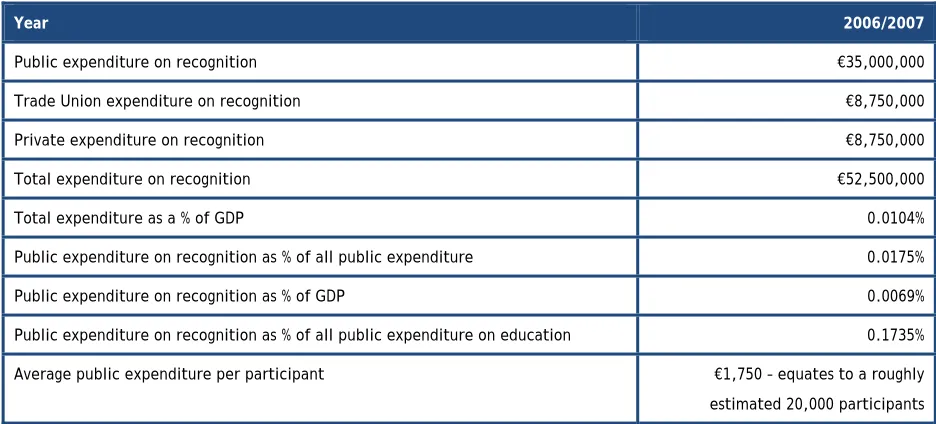
This figure is broadly in line with estimated RPL costs in the Netherlands where RPL is widely practiced (approx 20,000 learners undergo RPL each year). The review of global RPL highlights the variety of models and approaches. Consultations with stakeholders highlighted that, RPL
realistically requires a diverse range of costing models for a diverse range of contexts.
E.6
Policy Objectives and Targeting RPL
One of the main findings of this report is that the potential benefits of RPL outweigh its costs. There is significant support for developing RPL more widely among those consulted. However, a more integrated and national approach requires targeting and co-ordination. Pragmatically, the development of RPL is likely to be a long term rather than short term priority and will only work effectively where there is an identifiable demand and sustained leadership or drive. It is suggested that the next steps in developing RPL should focus on areas of identified demand. From a national perspective, RPL has a role in meeting the following objectives:
Labour Market Activation - the need to reduce unemployment, particularly those that are long-term unemployed and those with relatively low levels of qualifications as outlined in the National Skills Strategy Implementation Statement, 2010.
The need to utilise education and training resources as effectively as possible at a time of unprecedented demand.
The need to continue to upskill the labour force (employed and unemployed) as other countries continue to do so, and facilitate access and participation in lifelong learning.
The need to provide an education and training service for people and enterprises that is flexible, relevant and appropriate to their needs.
Contribute to targets to increase retention/participation rates in education and training, driven by the National Skills Strategy, the National Plan for Equity of Access in Higher Education and the National Plan for Social Inclusion.
Developing Recognition of Prior Learning 6 April 2011
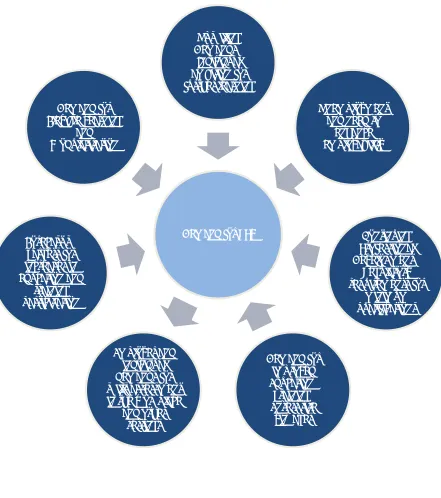
Demand
for
RPL
Upskilling DemandsUnemployment and need to
enhance employability
Continuing Professional Development /
Regulatory requirements for
minimum qualifications
Demand for improved Education/
Training/ Enterprise Linkages Employer and
individual demands for skills assessment in the workplace
and other settings Forecast s /
Targets for increases in education and
training participation
Demand for Flexible Learning
and Modularisation
E.7 Policy
Recommendations
The following recommendations are targeted across the National Framework of Qualifications, different cohorts and relevant stakeholders. A significant volume of work and experience of RPL has already been accrued from a ‘bottom-up’ perspective. However, the success and implementation of these recommendations cannot be achieved without sustained ‘top-down’ support and commitment to drive change at a national level, which ultimately must derive from the Department of Education and Skills. Successful implementation will require co-ordination across existing agencies,
Developing Recognition of Prior Learning 7 April 2011
Recommendation 1 - NFQ Levels 1-3
Target groups:
The main target group should include:
Those with no formal/primary level qualifications
Long-term unemployed
Those that are inactive or seeking to join/return to the labour market
Those in-employment with no formal / low levels of educational achievement
Actions:
Given that those whose level of educational attainment is at NFQ levels 1-3 are more
vulnerable in terms of unemployment, retaining employment and accessing the labour market, the Department of Education and Skills should consider providing an entitlement for all adults/ individuals to an assessment of core skills with a view to making their prior learning visible, providing, where relevant, credit/exemptions from core skills training and promoting their participation in further education/training and facilitating mobility and employability across sectors. The Department of Social Protection could refer individuals for assessment, or consider integrating RPL assessment tools into its referrals work with the unemployed.
The Department of Education and Science should consider leading the development of an integrated RPL service to be developed and delivered at levels 1-3 through the National Steering Group for the FAS-IVEA National Co-operation agreement, with the input and support of NALA. This is proposed on the basis of their current functions, organisation, geographical scope and capacity to identify and meet local as well as national needs. The targeting of ‘core skills’ for RPL should form part of a wider career plan or further specific skills training for individuals, and should therefore be integrated with adult guidance and employment services, i.e. that individuals that come in to contact with these services have access to the relevant information about RPL and its availability. Guidance organisations/initiatives such as the IGC, the AEGI and adult education organisations such as Aontas have a significant role in informing, guiding, preparing and communicating to RPL candidates in this context, with the NCGE responsible for policy co-ordination.
With a view to maximising capacity and meeting learner needs, the Department of Education and Skills should review the writeon.ie assessment as well as its potential to be translated to other education and training settings (e.g. classroom). This is particularly important for those that either do not have access to or are unable to use IT facilities.
Enterprise and trade unions should explore, in conjunction with Skillnets and education and training providers, how they can develop, deliver and promote RPL at a sectoral level (e.g. through distance learning) for employees with very low/no formal qualifications.
Responsibility: Led by Department of Education and Skills; FÁS; VECs in consultation with: NALA;
Developing Recognition of Prior Learning 8 April 2011
Recommendation 2 – NFQ Levels 4-6
Target group:
• Those unemployed whose highest level of educational attainment is between NFQ levels 3 - 6 seeking to upskill within a sector in which they already have competencies and
experience.
• Individuals and employers seeking to upskill due to e.g. regulatory requirements where minimum competency levels / mandatory qualifications are required. (e.g. Childcare, Healthcare)
• Employers seeking to upskill staff due to, for example, new technologies/work practices (e.g. manufacturing operatives, clerical workers, and green economy skills).
• Individuals seeking to move to a new sector and have significant work experience that could help that transition through the assessment of core skills.
Actions:
At NFQ levels 4-6, education and training providers, as part of or alongside the integrated RPL service, should aim to ensure that individuals upskilling within sectors in which they already have significant experience should have the option of undertaking assessment for
credit/exemptions from modules. This could be done through challenge exam (i.e. that an individual can demonstrate their knowledge through examination without formal classroom learning)/assignments/skills demonstrations/skills audits which are relatively cost effective compared to full participation in programmes. Where individuals do not meet the relevant standards through RPL they would be required to participate fully in programmes and meet any training deficits.
In addition, there may be many soft skills that people have acquired through work and community/voluntary experience (but do not have those competencies documented or certified) that are useful across sectors such as project management, organisational skills, communications skills, administration skills, IT skills, sales and marketing skills etc., which should also be considered for assessment through RPL by education and training providers or competent authorities. A system of RPL to support literacy, numeracy, and ICT should develop progression options at Level 4 to facilitate the development of core and generic skills and contribute to access, transfer and progression.
Where minimum qualification or competency standards are introduced up to NFQ level 6 in a sector or occupation, the relevant regulatory/standard setting body and providers should endeavour to provide an RPL service.
Further education and training providers should seek to engage at a local level with
Developing Recognition of Prior Learning 9 April 2011
A targeted sectoral/regional approach to delivering RPL should be adopted where appropriate to meet needs. The EGFSN reports on the Bio-pharma sector and the Food sector signalled significant demand for upskilling operatives. The Wholesale and Retail sector also has significant potential to engage in RPL as indicated by the report of the EGFSN. These sectors could be considered as targets for RPL in the first instance. This would be part of an integrated approach to skills/competency profiling, identification of qualification needs, RPL assessments and programme/module design. Building on their experience, FÁS/VECs and Skillnets would have main co-ordinating roles. RPL for exemptions/module credits rather than for full awards may also be most practical approach initially.
Responsibility: Led by FÁS, VECs and Skillnets under the direction of the Department of Education
and Skills in consultation with: awarding bodies, NALA; Employer Representatives; Unions; Skillnets and Guidance Services
Recommendation 3 – Higher Education NFQ Levels 6-10
Target groups:
Those with qualifications at NFQ levels 4/5 and above with significant work or voluntary experience who seek to upskill or transfer to new areas.
Those that are unemployed from specific sectors such as construction and need to re-skill.
Those working in sectors with minimum qualification or CPD requirements.
Enterprises with specific training and skills needs at NFQ levels 6-10.
Actions:
RPL for the purposes of entry or advanced entry should continue to be the primary function of RPL in higher education.
In principle, RPL should be available where appropriate to learners. Consultations have indicated that there is no requirement/desire for additional RPL structures (e.g. external assessment centres) for higher education, rather that RPL should remain and be developed at the level of the academic department/unit with the support of internal RPL officers/resources.
Sharing practice, networking and increasing the visibility and availability of RPL within and across institutions should be the primary focus for higher education institutes. Under the SIF RPL and REAP projects and the Framework Implementation Network, there has been significant work done on staff development in building awareness, capacity and capability in relation to RPL within the higher education sector through workshops and practice exposition among a wide range of higher education institutes. DIT has for some years operated a CPD programme for higher education practitioners in RPL and has developed detailed RPL procedures. These types of activities need to be supported and extended throughout the higher education sector.
Developing Recognition of Prior Learning 10 April 2011
toolkit/manual and agreements on accepted practice in RPL, at a national, regional and disciplinary level. This would build on existing practice and share practice through for example web-based advice, tools and a network of practitioners. This could facilitate responses to specific industry/sectoral demands for RPL, channel information and advice and enhance transparency. Already the SIF RPL, FIN and REAP projects demonstrate the value added of cross-institutional collaboration.
Mature Student Officers/Access Officers in higher level institutions have a key role in creating awareness and understanding of the potential of RPL for potential and current mature students. RPL should be incorporated in to information sessions and induction sessions for mature
students.
The Department of Education and Skills and the HEA should consider facilitating RPL activity (HEA may also provide targeted funding through SIF and funding of Access initiatives). They could also consider with the IUA and IOTI the funding implications of expanding RPL. The partnership of the IOTI, universities and DIT would also liaise with awarding bodies, EGFSN, funding agencies, external quality assurance bodies as appropriate.
Higher Education Institutes, in conjunction with Skillnets, should consider how they can enhance their offering through making RPL more widely available to private and public sector employers as part of highly tailored offerings. A demonstrable saving would have to be
provided. Availability of RPL would also require employers to ensure that good records of staff training and personal development are maintained.
Responsibility: Led by Department of Education and Skills and HEA, in consultation with: IOTI; IUA;
DIT; HEIs; Skillnets; Employer Representatives; Guidance Organisations
Recommendation 4 – RPL, Quality Assurance and Risk Assessment
Quality Assurance
Quality Assurance is paramount in the development of RPL in Ireland. RPL procedures must continue to be fully embedded within the quality assurance procedures of providers, awarding bodies and in any assessment centres/networks/bodies that may develop through the partnerships proposed above for NFQ Levels 1-6 and 6-10. Staff involved in all stages of RPL will need to be trained appropriately. Awarding bodies have responsibility to set standards for qualifications and assessment and in this context to oversee any arrangements for Quality Assurance, specific to RPL.
Risk Assessment and Governance
Consultations on this paper have yielded significant support for the further development of RPL in Ireland. These consultations also caution, however, of the need to ensure as is necessary for all education and training provision and accreditation, that appropriate risk assessment and good governance procedures are put in place for RPL.
Developing Recognition of Prior Learning 11 April 2011
Recommendation 5 – Data Availability on RPL
Action:
Over the next 3-5 years, the partnerships identified above in cooperation with the HEA and DES and other actors relevant to collation of key education and training statistics, should consider putting in place procedures for the collection of RPL data related to costs, the availability of RPL and the use of RPL by learners for assessment and qualifications purposes (i.e. summative RPL activities only). Care must also be taken to protect the identity of learners.
Responsibility: Led by HEA and Department of Education and Skills in consultation with Education
and Training Providers and the integrated RPL service (Recommendation 1).
Recommendation 6 - Communication and Guidance
Actions:
The potential of RPL should be communicated to adult learners by guidance services including in relation to referrals by employment services. The ESRI work in conjunction with the
Department of Social Protection on profiling of the Live Register may provide an opportunity to channel demand for RPL more effectively.
All providers with RPL offerings should actively promote their RPL arrangements. RPL policies and procedures should be clearly articulated by education and training providers and easily accessible to interested parties. Information/communication resources should be pooled and co-ordinated where RPL initiatives are advanced on a sectoral or regional basis. Employer representative organisations such as IBEC, ISME, SFA and Chambers of Commerce and Unions etc. should also disseminate information on RPL to employees.
Information and guidelines targeted at learners and employers need to be developed. RPL providers, FETAC, HETAC and the NQAI (and their successor) have a primary role in this regard. Web based guidance services targeted at assisting people to develop career pathways such as Bluebrick, Qualifax, Careerdirections and Careersportal have a role in promoting RPL as a potential option to learners with experience and employers. Consideration could be given to integrating publicly funded databases. The partnerships identified in recommendations 1-3 should work to develop and exploit these resources.
In order to provide information about learning opportunities for adults, there must be relevant course information from education providers available to guidance services. Guidance
practitioners and services can provide information for adults on the existence of an RPL process and facilitate the individual to explore the process. It is essential therefore, that the
education providers and national qualification authorities (i.e. HETAC, FETAC and NQAI) clarify, within their contexts, RPL requirements for providers. It is suggested that the relevant
stakeholders - NCGE, FÁS, various Guidance Organisations, Local Employment Services and Education and Training Providers should co-ordinate nationally and regionally on this. In the longer term, RPL and Adult Learning Processes should be integrated into training programmes for teachers/lecturers and other staff, guidance professionals and HR professionals.
Responsibility: Led by Education and Training Providers/RPL providers and Guidance Organisations
Developing Recognition of Prior Learning 12 April 2011
E.8 Funding
options
The approach outlined above would provide the basis for long term development and sustainability of RPL. Any mainstreaming of RPL could require using existing infrastructure to develop assessment facilities, to further train RPL personnel and embed RPL in programmes and qualifications
development at all NFQ levels. The approach recommended is to largely re-configure existing services and interventions and to develop RPL on the basis of the existing/emerging education and training and qualification systems.
Consultations have indicated that because funding to date has been largely project-based, demand for RPL may be stifled due to uncertainties around future funding. The long term development of RPL may have to consider a more structured funding model based on efficient RPL practices and positive education/labour market outcomes (e.g. employment, progression, further participation and upskilling).
In terms of funding in the short term, the following could be considered:
If possible, there may be an opportunity to include RPL as a limited part of future competitive tendering for labour market activation education and training, provided it is tendered for at a competitive average cost per participant compared to formal provision at a similar NFQ level. At NFQ levels 1-6, this would most likely involve guidance services working in conjunction with education and training providers to target candidates for RPL and provide assessments. Within higher education, this would most likely involve institutes targeting candidates mainly for advanced entry to programmes (which was widely practiced to good effect in the 2009 labour market activation fund for higher education). The labour market activation fund could also be a means of stimulating supply in the market place by encouraging providers to engage more widely in RPL.
The experience of the use of the European Globalisation Fund in Ireland could also be
considered as a possible platform for an integrated approach to RPL. For those that have been made redundant and come under the terms of the EGF, the EGF offers the potential to
integrate RPL into the career guidance, education and training services for individuals. This may help to short circuit the funding of education and training interventions demanded by those affected. Again, this may only be relevant for certain individuals (depending on
experience and competencies) and the desired education/training programme (depending on its content and relevant experience of the individual). The Department of Education and Skills should consider how the EGF has been employed to date in the context of integrated supports for individuals/target groups and how these could be built upon to develop RPL.
Developing Recognition of Prior Learning 13 April 2011
E.9
Co-ordination and Implementation
While there are a significant number of stakeholders, the primary driver of implementation will originate from the Department of Education and Skills. Under the direction of the Department of Education and Skills, the Steering Group for the FÁS-IVEA National Co-operation Agreement could be tasked with implementing recommendations in relation to NFQ levels 1-6, with Skillnets taking a lead role for co-ordinating the process with the enterprise sector. NALA has a critical role at levels 1-3 and in providing progression options at Level 4. The development of RPL at NFQ levels 1-6 will require input from employment and guidance services and from the Department of Social
Developing Recognition of Prior Learning 14 April 2011
1. Introduction
The National Skills Strategy put forward a vision for the labour market in 2020 that will put Ireland at the fore internationally in terms of having a workforce capable of dealing with skills demands across all levels of occupations. Specifically, the report proposed that this vision would by 2020 see:
48% of the labour force with qualifications at National Framework of Qualifications (NFQ) Levels 6 to 10 - from National Certificate to PhD level;
45% of the labour force with qualifications at NFQ Levels 4 and 5 - awards equivalent to Leaving Certificate Examination;
[image:15.595.73.514.307.513.2] The remaining 7% of the labour force would be likely to have qualifications at NFQ Levels 1 to 3 (i.e. up to Junior Certificate) while aiming to transition to higher levels.
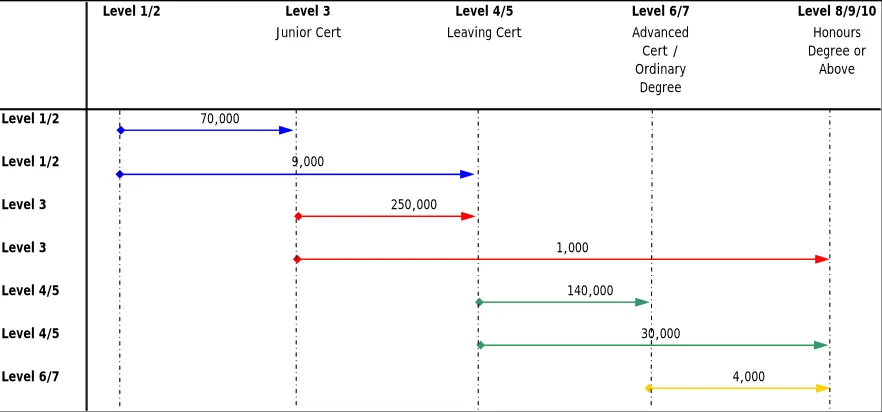
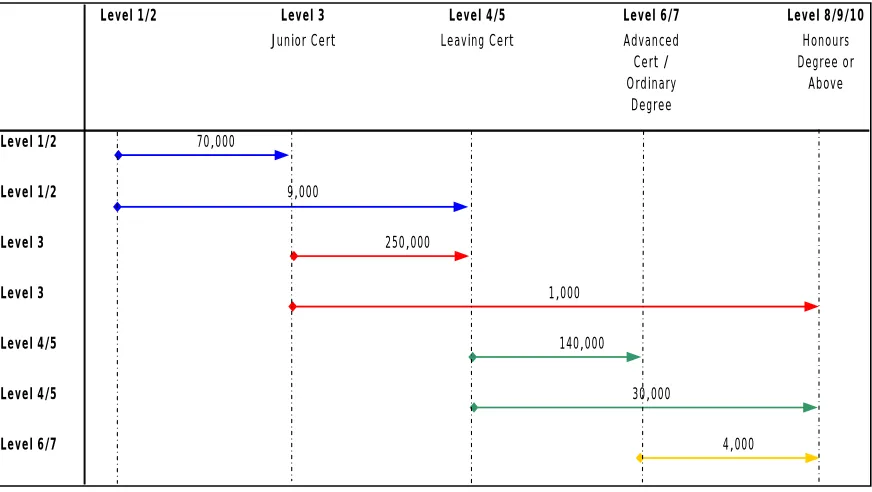
Figure 1 Additional upskilling within labour force to achieve the vision for skills to 2020
Level 1/2 Level 3 Level 4/5 Level 6/7 Level 8/9/10
Junior Cert Leaving Cert Advanced
Cert / Ordinary
Degree
Honours Degree or
Above
Level 1/2 70,000
Level 1/2 9,000
Level 3 250,000
Level 3 1,000
Level 4/5 140,000
Level 4/5 30,000
Level 6/7 4,000
In order to achieve these objectives, the National Skills Strategy recognised that action would be required at a number of levels: an additional 500,000 individuals within the labour market (employed and unemployed) would need to progress by at least one level on the National
Framework of Qualifications. More specifically, the targets entail upskilling 70,000 from NFQ Levels 1 & 2 to Level 3; an additional 9,000 from Levels 1 and 2 to Levels 4&5; 250,000 at Level 3 up to Levels 4 & 5; 140,000 at Levels 4 and 5 to Levels 6 and 7; an additional 30,000 from Levels 4 and 5 to Levels 8, 9 and 10; and 4,000 from Levels 6 and 7 to Levels 8, 9 and 10.
Developing Recognition of Prior Learning 15 April 2011
experience that encompasses formal, non-formal and informal learning as well as experiential learning.1
This holistic perspective on learning complements the view laid down by the Expert Group in the National Skills Strategy that any definition of skills must give explicit reference to outputs and/or outcomes, and focus less on inputs. Incorporating these tenets, the Expert Group understands skills as emanating from and developing through:
Innate ability and socialisation;
Formal, informal and non-formal education and training; and
Experience, both from the workplace and other voluntary activities.
Recognition of Prior Learning is therefore a policy sphere that is highly relevant to the
understanding of skills as established in the National Skills Strategy. In referring to medium term priorities, the National Skills Strategy Implementation Statement (March 2010) stated that “the Expert Group will be asked to examine possible models for an effective Recognition of Prior
Learning (RPL) process to particularly assist in recognising the skills levels of those at Levels 1-5”.2
In addition to the National Skills Strategy upskilling targets, RPL is also highly relevant in a number of important current policy contexts, including:
The need to reduce unemployment, particularly those that are long-term unemployed and those with relatively low levels of qualifications. While many people that are unemployed may not have high levels of qualifications, they may have developed many skills through extensive work and life experience, which should also be recognised and valued.
The need to utilise education and training resources as efficiently as possible at a time of huge demand.
The need to ensure that individuals and enterprises have access to an education and training system that is relevant and flexible to their needs. RPL is a means by which learners and enterprises need only access the education and training that they require and avoid duplication of learning.
This paper has been prepared by the EGFSN Executive in Forfás with significant input and material from the National Qualifications Authority of Ireland (NQAI) Executive. In addition a wide range of stakeholders were consulted in the process (education and training providers, unions, qualifications bodies, guidance/adult education organisations and the Department, employer organisations – a list of the organisation that provided submissions is appended).
1 NESC, (1999), Opportunities, Challenges and Capacities for Choice
Developing Recognition of Prior Learning 16 April 2011 Box 1. Defining Recognition of Prior Learning
What is Prior Learning?
Learning is the acquisition of knowledge, skills and competence. Prior learning is the knowledge, skills and competence that an individual already has. Prior learning encompasses3:
Formal learning which takes place through programmes of study or training that are delivered by education or training providers, and which attract awards.
Non-formal learning that takes place alongside the mainstream systems of education and training. It may be assessed but does not normally lead to formal certification. Examples of non-formal learning are: learning and training activities undertaken in the workplace, voluntary sector or trade union and in community-based learning.
Informal learning that takes place through life and work experience. (And is sometimes referred to as experiential learning.) Often, it is learning that is unintentional and the learner may not recognise at the time of the experience that it contributed to his or her knowledge, skills and competences.
In the Principles and Operational Guidelines for the Recognition of Prior Learning in Further and
Higher Education in Ireland (NQAI, 2005), RPL is defined as: ‘the process by which prior learning is
given a value. It is a means by which prior learning is formally identified, assessed and
acknowledged’. The key terms associated with RPL are a) ‘prior’, i.e., learning already achieved; and b) ‘process’ i.e., the distinct stages of identification, assessment and certification. In contrast with some international practice, RPL policy in Ireland is confined to the achievement of
qualifications.
RPL can be used by the learner to:
1 Gain entry to a programme: a Learner may gain a place on a programme, based on the Learner's knowledge, skill and competence, gained through relevant life and work experience or through previous certification.
2 Gain exemptions within a programme: for example, a Learner may be granted exemptions from completing elements of a programme, on the basis of relevant learning that they already have, but for which they do not have a formal qualification. The Learner will still be required to produce a portfolio of Learner evidence for assessment purposes.
3 Gain credit towards an award: a Learner may gain a credit towards an award using previous certification.
4 Attain an Award: a Learner may be awarded a Major or Minor Award on the basis of previously acquired learning for which they do not have a formal certificate.4
Forms of Recognition of Prior Learning
Internationally, assessment and interpretation of prior learning is discussed in many different guises and acronyms. In Ireland it is known most commonly as Recognition of Prior Learning. The lack of a common definition of RPL makes international comparisons and discourse on the topic rather
Developing Recognition of Prior Learning 17 April 2011
complex. The OECD has recently completed a report Recognition of Non-Formal and Informal
Learning (RNFIL) – Outcomes, Policies and Practices (2010), which drew upon the findings of 22
country background reports and thematic reviews of RPL policies in 16 OECD countries, including Ireland. The report of the work points to the difficulties in arriving at a common understanding of RNFIL due to factors such as differing pedagogical viewpoints, differing regulatory environments or the degree to which RPL has societal acceptance and legitimacy as having true labour market and social value. The term ‘recognition’ is understood to have different meanings in different
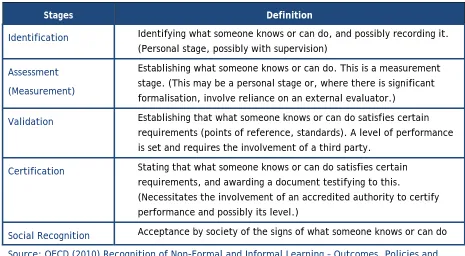
[image:18.595.64.529.298.554.2]countries. For example, ‘recognition’ in some countries may apply specifically to qualifications whereas in others ‘recognition’ refers to the holistic acceptance of formal, non-formal and informal/experiential learning by society as a whole. Although there are many different interpretations and systems of RPL, the OECD has identified the most common features of RPL processes across the participating countries in terms of the following stages:
Table 1. Common Features of RPL Processes
Stages Definition
Identification Identifying what someone knows or can do, and possibly recording it.
(Personal stage, possibly with supervision)
Assessment
(Measurement)
Establishing what someone knows or can do. This is a measurement stage. (This may be a personal stage or, where there is significant formalisation, involve reliance on an external evaluator.)
Validation Establishing that what someone knows or can do satisfies certain
requirements (points of reference, standards). A level of performance is set and requires the involvement of a third party.
Certification Stating that what someone knows or can do satisfies certain
requirements, and awarding a document testifying to this.
(Necessitates the involvement of an accredited authority to certify performance and possibly its level.)
Social Recognition Acceptance by society of the signs of what someone knows or can do
Source: OECD (2010) Recognition of Non-Formal and Informal Learning – Outcomes, Policies and Practices
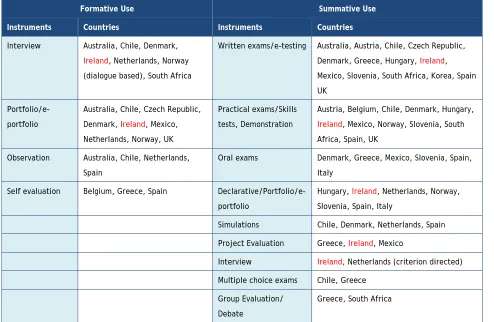
In Ireland, RPL is generally discussed as either ‘formative’ or ‘summative’. Formative approaches to assessment do not aim for formal certification of learning outcomes, but provide feedback to the learning process or learning career, indicating strengths and weaknesses and providing a basis for personal or organisational improvement. Formative assessment fulfils a very important role in numerous settings ranging from guidance and counselling to human resource management in enterprises. Summative approaches to assessment and validation aim explicitly at the formalisation and certification of learning outcomes by institutions and bodies authorised to award
qualifications.5 An example of a typical RPL procedure (FETAC level 6) is provided in Appendix I. The primary instruments used in undertaking formative and summative RPL are provided in the following table:
Developing Recognition of Prior Learning 18 April 2011
Table 2. Recognition of Prior Learning Assessment Instruments
Formative Use Summative Use
Instruments Countries Instruments Countries
Interview Australia, Chile, Denmark,
Ireland, Netherlands, Norway (dialogue based), South Africa
Written exams/e-testing Australia, Austria, Chile, Czech Republic, Denmark, Greece, Hungary, Ireland, Mexico, Slovenia, South Africa, Korea, Spain UK
Portfolio/e-portfolio
Australia, Chile, Czech Republic, Denmark, Ireland, Mexico, Netherlands, Norway, UK
Practical exams/Skills tests, Demonstration
Austria, Belgium, Chile, Denmark, Hungary,
Ireland, Mexico, Norway, Slovenia, South Africa, Spain, UK
Observation Australia, Chile, Netherlands, Spain
Oral exams Denmark, Greece, Mexico, Slovenia, Spain, Italy
Self evaluation Belgium, Greece, Spain Declarative/Portfolio/e-portfolio
Hungary, Ireland, Netherlands, Norway, Slovenia, Spain, Italy
Simulations Chile, Denmark, Netherlands, Spain
Project Evaluation Greece, Ireland, Mexico
Interview Ireland, Netherlands (criterion directed) Multiple choice exams Chile, Greece
Group Evaluation/ Debate
Greece, South Africa
Source: OECD (October 2008) Thematic Review and Collaborative Policy Analysis Recognition of Non-Formal and Informal Learning – Ireland Country Note.
In the formative approach, RPL is used, amongst other things for personal and career development. It does not necessarily lead to formally recognised qualifications. An example of this where an individual develops a portfolio in which his/her skills, competences, experiences are described. This can be used to develop a personal development plan and identify possible career or education choices. The formative dimension is seen as particularly beneficial for those with very low-levels of qualifications. It assists them to identify and make visible their skills and competencies and
appropriate education and training options. Formative RPL activities already take place through, for example, referrals to FÁS from the Department of Social Protection, through Adult Guidance services provided through VECs or through the Back to Education Initiative. These activities are not explicitly or consistently standardised as ‘formative RPL procedures’. This is not in itself necessarily a weakness: it merely serves to highlight that RPL is not currently formalised within the system.
Developing Recognition of Prior Learning 19 April 2011
Learning Assessment Recognition). Notwithstanding the policy focus in this paper on summative RPL, in practice it is likely that future activity will also naturally encompass formative RPL given that it is seen as particularly beneficial for people with low levels of qualifications in accessing education and training. Statistics from the AONTAS Information Referral Service in 2009 show that that 81% of unemployed individuals contacting the service stated that it had been more than ten years since they have been in education. 52% of these individuals have been out of education for more than twenty years and a further 4% stated that it had been more than 30 years since they were in education. Many people with low qualifications have also had poor experiences of formal education and may be reluctant to engage in further education and training. Using an initial
formative approach and moving to a summative approach when confidence building has taken place could be a useful way to proceed with this cohort of people.
Box 2. The role of guidance in the RPL process
Guidance is provided in Ireland in both the labour market and education sectors. The National Guidance Forum report (2007) defines Guidance as facilitating people throughout their lives to manage their own educational, training, occupational, personal, social and life choices to that they reach their full potential and contribute to the development of a better society. Guidance
practitioners facilitate the individual to reflect on their current abilities and complete an RPL process if appropriate. Providing group and/or 1-1 support to the individual to identify their skills, strengths and learning achievements and to reflect on their formal and non -formal learning history and experience is central to the guidance process, irrespective of the education or training level in question – post-primary, further education or higher education.
Since RPL is a highly individualised process, appropriate guidance for the individual is required. The 2009 CEDEFOP European Guidelines for Validating Non-Formal and Informal Learning highlight the crucial role of counsellors and advisers for the individual, for both orientation (providing
information about RPL) and for preparation for assessment. Similarly, in consultations on this paper, the National Centre for Guidance in Education (NCGE) highlighted the need for information on RPL processes and procedures to be made available by providers to guidance practitioners in order for RPL to operate effectively.
The CEDEFOP guidelines indicates what the role of guidance in the different stages of an RPL process (in the Irish context, identification of learning, assessment and certification) as follows:
Developing Recognition of Prior Learning 20 April 2011
Similarly, once the assessment or certification stage is completed, evidence suggests a candidate will want to know of potential routes to further qualifications or programmes that are available.
Timely access to information, advice and guidance is essential: ICT-based systems offer many advantages to users as well as providing effective tools for information exchange between candidates and guidance counsellors. The 2007 European inventory6 shows that a continuing trend towards developing ICT solutions for guidance within validation systems continues.
Orientation through RPL
This is a broad area of activity for advisers, guidance practitioners/counsellors, and other
significant actors such as employers. It covers all aspects of producing and distributing information, motivating potential candidates followed by individualised advice and guidance on the whole process from identification of prior and relevant learning through to certification. Guidance practitioners facilitate the individual to reflect on their current abilities and complete an RPL process if appropriate.
Guidance offered at appropriate points can make the RPL process efficient and effective for all partners. The provision of appropriately trained and qualified guidance practitioners contributes significantly to the overall cost of the validation process. The guidance aspect of this stage is crucially important as it extends through the next stage, that of assessing a person’s knowledge, skills and competence against predefined standards.
Validation and Assessment
There is evidence to suggest that providing information and appropriate guidance to individuals is crucial to successful outcomes. The role of the counsellor can often include working with the candidate to appraise the breadth and depth of evidence of learning in relation to assessment criteria/standards. Some would refer to this as competence mapping. To carry out this process the counsellor has to have a clear understanding of the standards involved.
In relation to assessment and post-assessment, the counsellor is independent of the actual assessment process and can offer impartial but useful advice. To fulfil this role counsellors should have:
a thorough knowledge of the education and training system;
a thorough knowledge of the validation and assessment process;
an understanding of the labour market (e.g. competency or standards requirements;
access to key sets of information.
Developing Recognition of Prior Learning 21 April 2011
2. Benefits of RPL
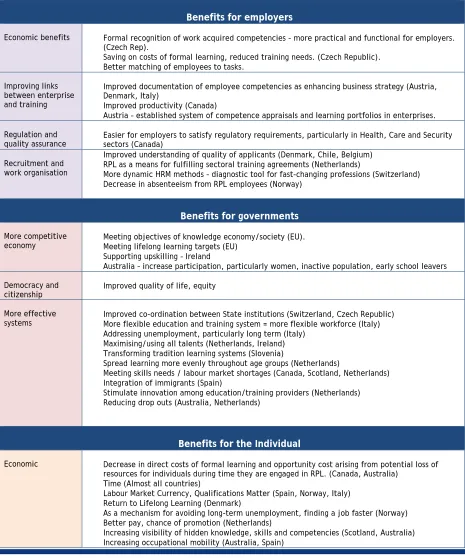
The following table summarises the main benefits of RPL documented in the OECD’s Recognising
Non-Formal and Informal Learning – Outcomes, Policies and Practices report. RPL benefits are
[image:22.595.68.533.215.773.2]multifaceted and in most cases complementary for various stakeholders and can apply to the enterprises, Governments, individuals and education and training providers.
Table 3. Summary of RPL benefits as reported by participating OECD countries
Benefits for employers
Economic benefits • Formal recognition of work acquired competencies – more practical and functional for employers. (Czech Rep).
• Saving on costs of formal learning, reduced training needs. (Czech Republic). • Better matching of employees to tasks.
Improving links between enterprise and training
• Improved documentation of employee competencies as enhancing business strategy (Austria, Denmark, Italy)
• Improved productivity (Canada)
• Austria – established system of competence appraisals and learning portfolios in enterprises.
Regulation and
quality assurance • Easier for employers to satisfy regulatory requirements, particularly in Health, Care and Security sectors (Canada)
Recruitment and work organisation
• Improved understanding of quality of applicants (Denmark, Chile, Belgium) • RPL as a means for fulfilling sectoral training agreements (Netherlands)
• More dynamic HRM methods – diagnostic tool for fast-changing professions (Switzerland) • Decrease in absenteeism from RPL employees (Norway)
Benefits for governments
More competitive
economy • • Meeting objectives of knowledge economy/society (EU). Meeting lifelong learning targets (EU) • Supporting upskilling - Ireland
• Australia – increase participation, particularly women, inactive population, early school leavers
Democracy and
citizenship • Improved quality of life, equity
More effective
systems • • Improved co-ordination between State institutions (Switzerland, Czech Republic) More flexible education and training system = more flexible workforce (Italy) • Addressing unemployment, particularly long term (Italy)
• Maximising/using all talents (Netherlands, Ireland) • Transforming tradition learning systems (Slovenia)
• Spread learning more evenly throughout age groups (Netherlands)
• Meeting skills needs / labour market shortages (Canada, Scotland, Netherlands) • Integration of immigrants (Spain)
• Stimulate innovation among education/training providers (Netherlands) • Reducing drop outs (Australia, Netherlands)
Benefits for the Individual
Economic • Decrease in direct costs of formal learning and opportunity cost arising from potential loss of resources for individuals during time they are engaged in RPL. (Canada, Australia)
• Time (Almost all countries)
• Labour Market Currency, Qualifications Matter (Spain, Norway, Italy) • Return to Lifelong Learning (Denmark)
• As a mechanism for avoiding long-term unemployment, finding a job faster (Norway) • Better pay, chance of promotion (Netherlands)
Developing Recognition of Prior Learning 22 April 2011 • Minimises drop-outs (Canada)
Educational • Raise Awareness / Return to Lifelong Learning (All countries) • Access to further and higher education programmes (Germany) • Identifies skills strengths and deficits (All)
• Shorter career paths/exemptions from modules/credits • Reduces fear of returning to formal learning (Belgium) • Career Development (Australia, Chile)
• More flexible access to qualifications
Social benefits • Social Cohesion, improving equity of access to education (Slovenia)
Other personal
benefits • Improved confidence and self image – ‘you know more than you think!’ (Norway).
Benefits for education providers/awarding bodies
Meeting policy and
regulatory needs • • Increase student numbers (Netherlands) Enhances attractiveness of education institutes (Australia)
• Brings providers closer to labour market needs, address employer needs (Australia, Netherlands) • Provide career paths for those with partial qualifications (Czech Republic)
• Transfer between qualifications (Scotland)
• More diverse provision, equity of access policies (Czech Republic, Austria)
• Satisfying regulatory requirements established down by Qualifications Authorities (Australia). • Enabling the learner to start from ‘higher up’ and progress faster through credits/exemptions
(South Africa, Norway)
OECD (2010) Recognising Non-Formal and Informal Learning – Outcomes, Policies and Practices
3. RPL and the National Skills Strategy
As shown in Table 3 above, RPL can contribute to a range of social and economic goals. While these goals are to a large extent intrinsically linked, the interest of the Expert Group of Future Skills Needs in RPL stems primarily from the upskilling objectives of the National Skills Strategy and the need to improve the skills and qualifications profile of the labour force. This places the emphasis on summative RPL from the perspective of the Expert Group i.e. RPL for acquisition of credit, exemptions or full qualifications/awards, although, as mentioned previously, future activity is likely to naturally encompass formative RPL, particularly for those with no formal/low levels of qualifications.
This is within the context of current high unemployment that has particularly affected sectors such as construction, manufacturing and retail. RPL is also a means of achieving more flexible and demand-led provision, which also featured as a strong objective in the National Skills Strategy. Furthermore, RPL can also contribute to meeting enterprise and labour market skills needs by improving the understanding of employee competencies, better matching of employees to tasks and enhancing training strategies or meeting regulatory requirements for specific qualifications.
Developing Recognition of Prior Learning 23 April 2011
4. The Potential Market for Recognition of Prior Learning in Ireland
Internationally, RPL systems operate with differing objectives or are embedded in educational rights, hence therefore can either have a ‘whole of labour market’ approach or be more targeted at certain labour market cohorts (see Appendix III for further detailed country notes on RPL in Portugal, France and Denmark).
For example, in Norway RPL is seen as “a way of redistributing human capital and solve the issue of skills mismatch and skills shortage and, therefore, a way to drive economic
development”. In accordance with Norwegian legislation “the right to the recognition of non-formal and innon-formal learning applies to all individuals notwithstanding”7. In France, a similar legal entitlement exists for any individual to undergo an RPL process.
In Canada, the system of Prior Learning Assessment Recognition (PLAR) is targeted broadly across adult learners with a view to primarily enabling adults gain access to, credit or exemptions from higher qualifications. It is also used more specifically as a means of
recognising the skills of immigrants and promoting integration, which is also a feature of RPL in countries such as Spain and Mexico.8
In other countries, RPL is used as a way to target certain groups in the population. In the Netherlands, RPL has a strong social inclusion focus and is found to be beneficial for a range of groups including those with significant voluntary experience in the fields of care, schools, politics, and sports; those re-entering the labour market and; as a solution for the problems on the labour market experienced by target groups such as the unemployed, non graduated dropouts, employees threatened by unemployment and starters in the labour market.9
In many OECD countries, due to ageing populations, RPL is viewed as an important mechanism for recognising the skills and raising the employability and mobility of older cohorts in the labour market. In Australia, one RPL project is targeted at maximising participation in the labour force by women, early school leavers and the inactive population.
The National Skills Strategy Implementation Statement highlighted that, given the dramatically changed economic and employment landscapes since the publication of the National Skills Strategy, there are certain priority groups to be targeted in terms of focussing on upskilling.
Priority Groups among the Unemployed
In the 2010 Budget, priority regarding training and education places for the unemployed is given to those in the cohorts set out below, as they are most at risk of drifting into Very Long Term
Unemployment. The priority cohorts are:
those with lower skills or education levels i.e. those unemployed who do not have a Leaving Cert qualification or equivalent.
those on the Live Register for longer periods of time, especially those on it for over 1 year.
those up to age 34 years, especially those aged under 25 years.
7 OECD (2006) Thematic Review on Recognition of Non-Formal and Informal Learning – Norway Country Note 8 OECD (2010) Recognition of Non-Formal and Informal Learning: Country Practices
Developing Recognition of Prior Learning 24 April 2011
those who were previously employed in sectors that have been most affected by restructuring and where recovery to previous activity levels is not in prospect (mainly construction,
manufacturing, and the wholesale and retail trade).
Priority Groups among those in Employment
The NSS Implementation Statement also stated that public funding of training for those in
employment is focussing on those who are on short-time working, or the lower skilled, or those in vulnerable employments. Education and training measures targeted at these vulnerable groups in-employment aims to prevent them falling into unin-employment. Recent unin-employment trends show that those with low levels of qualifications have much higher unemployment rates. In addition, research has shown that lower-skilled employees are much less likely to have their training
provided by employers. So publicly funded training focuses on those who would not otherwise have the opportunity to upskill.
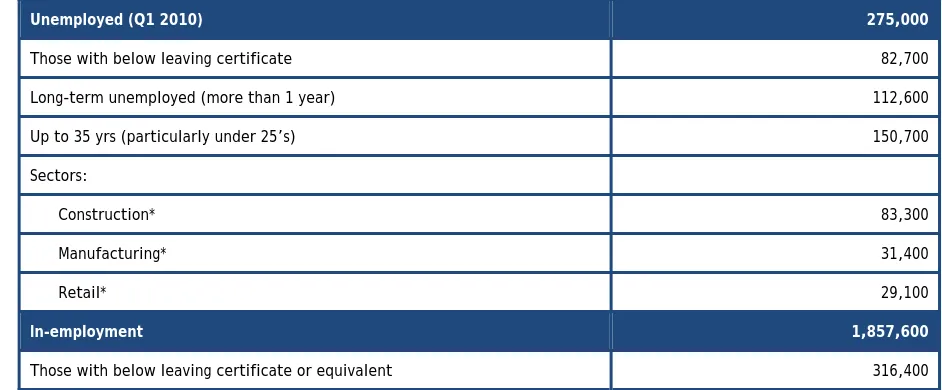
Where appropriate, there is potential to couple RPL policy development initially with the priority groups established by government in the National Skills Strategy implementation statement. This largely complements the findings of the OECD thematic review of RPL in Ireland (2008), which recommended that it is logical to firstly direct resources towards certain priority groups such as the low-skilled individuals, the unemployed, immigrants and older people. The following table
[image:25.595.57.528.436.631.2]quantifies the priority cohorts as outlined in the National Skills Strategy Implementation Statement.
Table 4. Priority Groups in the National Skills Strategy Implementation Statement
Unemployed (Q1 2010) 275,000
Those with below leaving certificate 82,700
Long-term unemployed (more than 1 year) 112,600
Up to 35 yrs (particularly under 25’s) 150,700
Sectors:
Construction* 83,300
Manufacturing* 31,400
Retail* 29,100
In-employment 1,857,600
Those with below leaving certificate or equivalent 316,400
Developing Recognition of Prior Learning 25 April 2011
5. RPL Infrastructure and practice in Ireland
10There is no separate or dedicated infrastructure for RPL in Ireland. Instead, it is practiced and largely understood in the context of education and training, awarding bodies, providers and
institutions. They use RPL in relation to accessing qualifications (through assessing prior learning for entry to programmes, credit, exemptions or full awards). They evaluate prior certificated as well as prior experiential learning. The recognitions service of the NQAI provides advice and comparisons of Irish and international qualifications.
A number of actions recommended in the White Paper on Adult Education (2000) for RPL have been or are being implemented. These include the development of:
credit systems
modularisation
flexible delivery
new forms of assessment, and
the use of learning outcomes.
The development of the National Framework of Qualifications (NFQ) and new types of qualifications also supports RPL. Limited progress has been made on the White Paper’s recommendations to provide systemised supports to guide learners through these processes. Its recommendation to establish independent assessment centres for RPL has not been followed up.11
The following bodies play a role in developing and operating RPL – the National Qualifications Authority of Ireland (the Authority), awarding bodies including the Further Education and Training Awards Council (FETAC), the Higher Education and Training Awards Council (HETAC), the
universities and the Dublin Institute of Technology, and providers of education and training. Their roles are set out in the Qualifications (Education and Training) Act 1999 and in the Authority’s policies in access, transfer and progression (2003).12 Their roles are set out below.
The National Qualifications Authority of Ireland
The Authority’s role is to encourage the development of processes for recognising prior learning and to promote co-ordination and harmonisation of these by providers and awarding bodies. It does this through the National Framework of Qualifications and specific actions including the
development of Principles and Operational Guidelines for the Recognition of Prior Learning in Further and Higher Education and Training (2005), and participation in EU and OECD RPL activities.
The 2005 principles and operational guidelines concern the implementation of RPL in relation to qualifications.13 They address the use of RPL for the purposes of entry, credit, exemptions from
10 This section is largely taken from NQAI Strategic options for the Recognition of Prior Learning, September 2010, unpublished
11 It was expected that the new Workplace Learning Unit (of the then to be established National Adult Learning Council) would explore the feasibility of this with the NQAI. This recommendation was not followed up, in part because the proposed National Adult Learning Council was not firmly established and in part as the Authority concentrated its work on developing and introducing the NFQ and policies for access, transfer and progression, which included RPL.
Developing Recognition of Prior Learning 26 April 2011
course requirements and, in limited cases, as a basis for gaining qualifications. Currently, Qualifax (the national learners’ database operated by the Authority)14 is building its information provision on the availability of RPL for programmes.
Box 3: The National Framework of Qualifications and RPL
The National Framework of Qualifications and the related policies on access, transfer and progression have, since 2003, been the main vehicles through which RPL has been promoted in Ireland. The Framework explicitly aims to recognise all learning achievements including prior learning. It does so by: establishing a single national point of reference for RPL - learning outcomes, alternative pathways to qualifications and a more flexible and integrated system of qualifications.
The Framework and the new architecture of awards - major, minor, supplemental and special purpose awards – are also more conducive to RPL. They extend the number and size of reference points for recognising prior learning. Modularisation/unitisation, which is now a main feature of higher education and training, also supports RPL.
The Authority’s policies on access, transfer and progression set out a range of policies and
procedures which are designed to improve learner mobility. These address entry requirements, the development of transfer and progression routes, credit and information provision. They state that RPL can be used for the purpose of programme entry, credit, exemptions or eligibility for a whole award. The Authority, awarding bodies and providers have responsibilities to implement RPL procedures.
Awarding Bodies
Awarding bodies, including the universities, the Dublin Institute of Technology (DIT), Institutes of Technology with delegated power to make awards, the Further Education and Training Awards Council (FETAC) and the Higher Education and Training Awards Council (HETAC) are responsible for developing RPL policies and procedures. HETAC and FETAC are responsible for ensuring that providers implement procedures, provide statements on arrangements for RPL and monitor
practice. Since 2001, both Councils have developed and/or revised their policies and procedures for RPL. RPL is embedded in their quality assurance arrangements for providers.
The 1999 Qualifications (Education and Training) Act sets out that learners may seek awards directly from HETAC and FETAC on the basis of RPL alone. The Act introduced the concept of a right for an individual to apply for RPL. HETAC has made a small number of awards on this basis. FETAC ran a pilot project in 2006/07 through which 50 learners gained awards via RPL. In practice, both Councils have delegated responsibility to offer RPL for whole awards to providers. They do not actively promote this activity.
Developing Recognition of Prior Learning 27 April 2011 Further education providers
All providers who register with FETAC to access its awards are required to offer RPL for access, credit and/or exemptions. Providers who wish to offer RPL for the purposes of achieving a FETAC award must agree an additional sub strand of quality assurance for RPL. 15 As at June 2010, 12 providers were quality assured to offer RPL for full awards. Data on the practice of RPL by providers and on learner use of RPL for entry, exemptions or full awards is not systematically gathered or published by FETAC or individual providers.
A recent example of an effective RPL mechanism is the National Adult Literacy Agency (NALA)’s cost effective distance learning tool that can also be used to provide national certification with respect to NFQ Level 2 awards. In operating this Distance Learning Service, it became clear that the process could be used to recognise prior learning. First, learners accessing the “Words and Numbers in Everyday Life” programme on the website www.writeon.ie undertake an initial or pre-
assessment process, which identifies particular sets of knowledge, skill and competence against national standards set out in named awards. Second, if a learner has demonstrated that he/she already meets the standards for a component certificate, the learner is directed to a second or summative assessment process, the results of which are used for accreditation purposes. Additional summative assessment requirements must also be completed to add to the e-portfolio.
This RPL process ensures that all learning outcomes for an award are assessed and fully met twice. The process is subject to all stages of the quality assurance process, including verification and authentication. On 12th October 2010, FETAC validated a NALA NFQ Level 3 distance learning programme which also uses the website www.writeon.ie. This is the first Level 3 programme to be validated under FETAC’s new Common Award System, and NALA is currently applying to FETAC to officially register as an RPL provider at Level 3.
Another good example of effective RPL in practice is the work by FETAC and Higher Education Institutes to provide progression and advanced entry opportunities/exemptions for crafts persons a range to higher education programmes (for example, electricians converting to electrical
engineering). This encouraged broader provision of progression routes into higher education (figures on uptake and impact are not yet available).
Higher Education institutions
All HETAC registered providers are required to have RPL policies in place. They also assist HETAC in undertaking RPL for whole awards (in line with the Qualifications (Education and Training) Act 199916. The scale of practice is difficult to ascertain as HETAC and providers do not publish data on RPL activity. Most higher education institutions practice some form of RPL and have institutional policies which support this activity. Most universities also have institutional policies in place, although some of these are limited to the recognition of certified learning. The focus, scale and organisation of RPL vary from institution to institution17. It is largely restricted to access and to
15 http://www.fetac.ie/fetac/providers/tools/rplupdate.htm
16 Note that HETAC has made a small number of awards on this basis, in part due to financial constraints. Most higher education institutions have credit ceilings of 50% on the volume of prior learning that can be achieved towards an award.
Developing Recognition of Prior Learning 28 April 2011
certain disciplines of learning (e.g. nursing, adult education and social care) and to design programmes for the workplace. Dedicated RPL officers and support staff are in place in some institutions (e.g., Cork Institute of Technology, DIT, Letterkenny Institute of Technology, and NUI Galway). DIT has developed comprehensive RPL implementation arrangements and offers a CPD programme for RPL in Higher Education at Masters Level. Except in the single case of awarding doctorates on the basis of published work, a long standing practice of the National University of Ireland, the universities and their associated colleges do not, as far as it can be discerned, make awards solely on the basis of RPL.
In 2010, the Framework Implementation Network (FIN) for universities and associated colleges commenced work on RPL.18 It aims to develop guidance for practitioners and to present case studies of practice. It will also be informed by the outcomes of the RPL Strand of the Education in Employment S