ABILITY TO WORK AND ITS RELATIONSHIP WITH HEALTH STATUS AND HEALTH BEHAVIORS IN NURSING ASSISTANTS EMPLOYED
IN NORTH CAROLINA NURSING HOMES
Obiajulu E. Melekwe
A dissertation submitted to the faculty at the University of North Carolina at Chapel Hill in partial fulfillment of the requirements for the degree of Doctor of Philosophy
in the School of Nursing
Chapel Hill 2014
ABSTRACT
Obiajulu E. Melekwe: Ability to work and its relationship with health status and health behaviors in nursing assistants employed in North Carolina nursing homes
(Under the direction of Mary H. Palmer)
Purpose: Research in health and productivity management link health to the ability to work. Employees’ ability to work affects work productivity. Approximately US$260 billion are lost each year due to health-related productivity loss. Workers that engage in physically
demanding jobs and experience health problems may also have increased presenteeism (decreased on-the-job performance due to the presence of health problems) and absenteeism (time missed from work because of health problems). Certified nursing assistants (CNAs)
employed in nursing homes perform many physically and emotionally demanding tasks and they could have health problems or engage in health behaviors that affect their ability to work. The purpose of this study is to describe the ability to work in CNAs and investigate the relationships among key variables (self-reported health status, select health conditions and health behaviors), and CNAs’ ability to work. Methods: A cross-sectional correlational survey is used to describe the relationships between CNAs ability to work and self-reported health status, health conditions and health behaviors. Results: CNAs in five nursing homes (N=106; response rate 88%)
To the memory of my dad
whose legacy continue to inspire and enrich me.
ACKNOWLEDGEMENTS
There was a time it seemed like this dissertation would never be done, and the journey seemed lonely and arduous. Although much changed in the time I have been involved in this project, I owe the completion of my doctoral program to many who inspired, taught and learned with me. I am indebted to Dr. Mary H. Palmer, my dissertation committee Chair for many hours of proofreading, helping me to refocus by asking the “real” questions, and for sticking with me for the past six years and for being my cheerleader. Your attention to detail drove me to finally learn to be consistent with the use of tenses; I could not have done this without you. And to Dr. Ruth Anderson, you were my most cherished champion. It’s been my honor to learn from you. I like to thank the members of my dissertation committee for their patience, continued support and willingness to guide me in the face of numerous obstacles.
My sincere gratitude goes to my family especially to Bernie- my spouse, for taking the blows and yet accepting nothing less than completion from me. And to my siblings for gently but periodically nudging and encouraging me to see this through, I say big thanks.
And who would I be without all the teachers too numerous to mention - that I have been lucky to have along the way. I like to especially thank the faculty at the School of Nursing for crafting such a wonderful doctoral program. I’m glad I came here. Special thank you to Dr. Barbara Mark and to Dr. Bob Konrad for their guidance.
CNAs in long-term care who continually pour out their hearts to do a wonderful job in the face of many challenges. This work would not have been possible without your enthusiastic
TABLE OF CONTENTS
ABSTRACT………...iii
LIST OF TABLES………..xi
LIST OF FIGURES………...xii
CHAPTER 1: INTRODUCTION TO THE STUDY………..1
Background ...1
Profile and Tasks of Certified Nursing Assistants (CNAs) ...3
Health and ability to work among CNAs ...4
Impact of health on CNA workforce ...5
Statement of the problem ...5
Conceptual Framework ...7
Purpose and Aims of the study ...11
Research Questions and Hypotheses ...12
Definition of key terms and concepts ...12
Summary ...13
CHAPTER 2: LITERATURE REVIEW………...15
Introduction ...15
Ability to work ...15
Ability to work among CNAs ...17
Health conditions and ability to work ...19
Health behaviors and ability to work ...21
Ability to work, health conditions and health behaviors ...24
Summary ...27
CHAPTER 3: RESEARCH METHOD……….29
Introduction ...29
Research design ...29
Population and Sampling ...30
Ethical Considerations ...32
Data Collection ...33
Instrumentation ...35
Pilot Testing ...43
Data Analysis ...44
CHAPTER 4: RESULTS………...46
Demographic data and characteristics of the sample ...49
Study Variables ...51
Correlations between study variables ...55
Missing Data ...56
Research question-1 ...56
Research question-2 ...57
Research question-3 ...57
Research question-4. ...58
CHAPTER 5: DISCUSSION……… 61
Summary ...61
Implications of the study for nursing management and administration ...68
Healthcare and workforce policy implications ...70
Limitations of the study ...71
Recommendations for future research ...73
Summary and Conclusion ...74
APPENDIX A: ABILITY TO WORK SURVEY ………..76
APPENDIX B: IRB APPROVAL FOR STUDY………..89
APPENDIX C: LETTER OF INVITATION TO PARTICIPATE IN STUDY………91
APPENDIX D: RECRUITMENT STEPS TAILORED TO EACH NURSING HOME………..93
APPENDIX E: POSTER ADVERTISING STUDY……….94
APPENDIX F: POSTERS FOR ADVERTISING STUDY………..95
APPENDIX G: POST CARD REMINDER………..96
APPENDIX H: DATA COLLECTION ALGORITHM………...97
APPENDIX I: CODEBOOK……….98
APPENDIX J: PERMISSION TO USE WORK ABILITY QUESTIONNAIRE………...106
APPENDIX K: HEALTH CONDITIONS………..108
APPENDIX L: PROTOCOL FOR PILOT TESTING………109
LIST OF TABLES
Table 1. Definition of key terms ... 13 Table 2. Comparison of the characteristic of a national sample with study
LIST OF FIGURES
CHAPTER 1: INTRODUCTION TO THE STUDY Background
The effect of health on employees ability to work has become increasingly important due to the rising trend in chronic health conditions among employed persons and the economic burden that these conditions entail on the individuals themselves, the organizations where they are employed, and society in general (Freid, Bernstein, & Bush, 2012; Schultz & Edington, 2007; Ward & Schiller, 2013). A chronic health condition is a disease that is persistent or long-lasting in its effects in excess of six months (O'Halloran, Miller, & Britt, 2004). Chronic health conditions are on the increase across all age groups; in adults, these conditions create a
significant economic burden in terms of impairment in the ability to work and the associated work productivity loss (Loeppke et al., 2009).
ability to produce, for example, an employee may perceive that he or she have encountered difficulty in completing most of the assigned tasks for the day due to health, or may feel that the difficulty encountered is of such significance that he or she decides to stay away from work for a certain period of time (Escorpizo, 2008). Ability to work is generally measured by proxy. One such proxy is health-related loss of productivity which is considered to be the decline in employee productivity as a result of time missed from work and reduced productivity while at work due to health reasons (Klachefsky, 2012). Because the ability to work is a reflection of a balance between the worker’s health and physical and mental demands of the job it is measured by estimating the health-related loss of productivity associated with impairment in the ability to work (Beaton et al., 2009; Escorpizo, 2008; Escorpizo et al., 2007). Thus loss of productivity is an important indicator of the ability to work among employed persons (Davis, Collins, Doty, Ho, & Holmgren, 2005). For example, worker productivity or lack thereof is usually measured by describing the impact of a health condition on the ability to work or the effect of an intervention such as a program change on the ability to work (Beaton et al., 2009).
>30) are absent from work more than two times as often as normal weight women (Thorpe, Wisniewski, & Lindsay, 2009). Absenteeism is defined as the unscheduled absence from work by an employee due to a health condition (Thorpe et al., 2009).
Presenteeism and absenteeism are of great concern to employers due to the significant economic impact on productivity. Nursing home administrators, who rely on staff to patient ratios to provide care and meet regulatory statues, are particularly affected. Thus presenteeism or absenteeism of even one CNA could affect resident care. The 2012 nursing home data
compendium estimates that approximately 1.4 million persons resided in U.S nursing homes in 2011 and, on average required about two hours and thirty minutes of CNA care each day
(Centers for Medicare and Medicaid Services, 2012). Nursing home residents depend on certified nursing assistants (CNAs) for the majority of the hands-on-care that they receive (Squillace et al., 2009). Keeping CNAs at work has been a challenge for nursing home administrators, according to Castle and Ferguson-Rome (2014), the average weekly rate of absenteeism for CNAs is 9.2%, a rate that is higher than the national average for all workers (Circadian Technologies, 2005).
Profile and Tasks of Certified Nursing Assistants (CNAs)
CNAs constitute nearly 42% of the nursing home workforce (BLS, 2006) and they work under the supervision of licensed nurses. The average age of the CNA employed in nursing homes is estimated at 40 years (PHI, 2011). Typically, CNAs are female and are single parents with an equivalent of a 12th grade education or less (Bureau of Labor Statistics, 2014; Squillace, Bercovitz, Rosenoff, & Remsburg, 2008).
Omnibus Budget Reconciliation Act (OBRA, 1987) mandated the training and registration of nursing assistants working in nursing homes requiring that CNAs receive a minimum of 75 hours of pre-employment training, and they must pass a competency examination to become certified (Wiener, Freiman, & Brown, 2007).
The work of CNAs has been described in many studies as being physically and emotionally demanding (Gregory, 2006; Zhao, Bogossian, & Turner, 2012) since providing assistance to chronically and mentally disabled adults can be labor intensive and emotionally involved (Barry, Brannon, & Mor, 2005; Pennington, Scott, & Magilvy, 2003). The daily tasks associated with the role of the CNA involves moving residents in and out of bed, standing and walking for long hours, assuming awkward postures, and addressing complex health needs, including behavioral and psychological issues of the residents.
Health and ability to work among CNAs
Studies indicate that ability to work is strongly associated with health especially in workers whose job tasks are physically demanding (Letvak & Ruhm, 2010). For example, Meerding and colleagues (2005), found that over 50% of reduced work performance reported among workers in physically demanding jobs was due to health conditions. Persons whose jobs are physically demanding, have a 20% higher likelihood of developing a chronic condition such as heart disease than people whose jobs are not physically demanding (Clays et al., 2013; Panagiotakos et al., 2013). Because CNAs employed in nursing homes perform many physically demanding tasks (Zhao et al., 2012), it is likely that their ability to work will be associated with their health.
work all their scheduled shifts, so it is reasonable to assume that CNAs in nursing homes come to work while ill. Therefore, if CNAs come to work while being ill, it is likely that their ability to work will also be affected.
Impact of health on CNA workforce
Ability to work in CNAs employed in nursing homes has been understudied (Eriksen, Bruusgaard, & Knardahl, 2003; Letvak & Ruhm, 2010). Nursing homes do not report the work productivity data of their employees; however, the rate of work-related illness and injury, reported in CNAs is nearly double the national average of all occupations combined
(McCaughey, McGhan, Walsh, Rathert, & Belue, 2013). Resident-handling tasks performed by CNAs such as lifting, turning, or bathing a resident are considered high risk for producing musculoskeletal disorders (MSDs). For example, a cross sectional study of 113 nursing personnel in one VA hospital found that 62% of the respondents experienced musculoskeletal discomfort at or above moderate severity (Menzel, Brooks, Bernard, & Nelson, 2004).
Statement of the problem
Several studies have linked employee health to their ability to work (Burton et al., 2005; Letvak, Ruhm, & Lane, 2011; Schultz & Edington, 2007; van den Heuvel, Geuskens, Hoofman, Koppes, & Van den Bossche, 2010). The ability of employees to work affects productivity in organizations and evidence exists that approximately $260 billion is lost in work productivity each year in the United States as a result of health-related problems (Mitchell & Bates, 2011).
Pransky, Conti, Chen, & Edington, 2004; Pronk et al., 2010; Ward & Schiller, 2013). For example obese workers are significantly more likely than normal-weight workers to report impaired ability to work or a limitation in the amount, type or quality of work they perform (Ricci & Chee, 2005).
Workers that engage in physically demanding jobs and experience health problems may have impaired ability to work as evidenced by increased presenteeism and absenteeism
(Alavinia, Molenaar, & Burdorf, 2009; Meerding et al., 2005). Presenteeism and absenteeism are the major components of the measure of health-related work productivity loss (Escorpizo et al., 2007; Schultz & Edington, 2007). In workers whose job tasks are physically demanding the ability to work was strongly associated with health (Letvak & Ruhm, 2010). For example, work productivity loss among workers with any health problems in physically demanding jobs was significantly higher than in workers without any health problems (Meerding et al., 2005).
Impairment in the ability to work was strongly associated with the occurrence of musculoskeletal complaints in the six months prior to the study.
Evidence exist that CNAs in nursing homes rank among the top 10 occupations with the greatest numbers of non-fatal MSDs and have the highest rates of back and shoulder injuries compared with all other occupations in the United States (Bureau of Labor Statistics, 2012). Among workers of all types, non-fatal MSDs and related injuries contribute to loss of work productivity and cost the healthcare system in excess of $950 billion or 7.4% of the national gross domestic product every year in both direct and indirect costs (United States Bone and Joint Initiative, 2011).
the year preceding the survey that resulted in 24% of them being unable to return to work. Studies indicate that a large number of CNAs in nursing homes experience ongoing or episodic periods of musculoskeletal pain with prevalence rates exceeding 60 % (Gucer, Oliver, Parrish, & McDiarmid, 2009). In addition, CNAs experience back pain involving days away from work that is seven times greater than the national average and it is the highest of any occupation (Bureau of Labor Statistics, 2012).
Depression and anxiety among CNAs also have important consequences for CNAs ability to work. CNAs working in nursing homes show a higher prevalence of depression (57%) than in the national population (Muntaner et al., 2006). Depression among CNAs is a significant
predictor of absenteeism (Muntaner et al., 2006; Okechukwu, Ayadi, Tamers, Sabbath, & Berkman, 2012).
Reduced work productivity due to presenteeism and health-related absences among CNAs in nursing homes is not well documented, but CNAs who work in nursing homes are listed among the top occupations with high prevalence of presenteeism (Klachefsky, 2012). Understanding the health status, health conditions and health behaviors of CNAs and the relationship that may exist among health status, health conditions and health behaviors, and ability to work among CNAs may provide a foundation to base interventions to develop or modify employee health promotion programs.
Conceptual Framework
Chee, Hahn, & Morganstein, 2003). Therefore, in this study, work productivity- which is directly affected by health status, chronic health conditions, and health behaviors that is potentially modifiable by health related interventions will be measured by the self-reported presenteeism and absenteeism of CNAs in order to better understand their ability to work (Escorpizo et al., 2007).
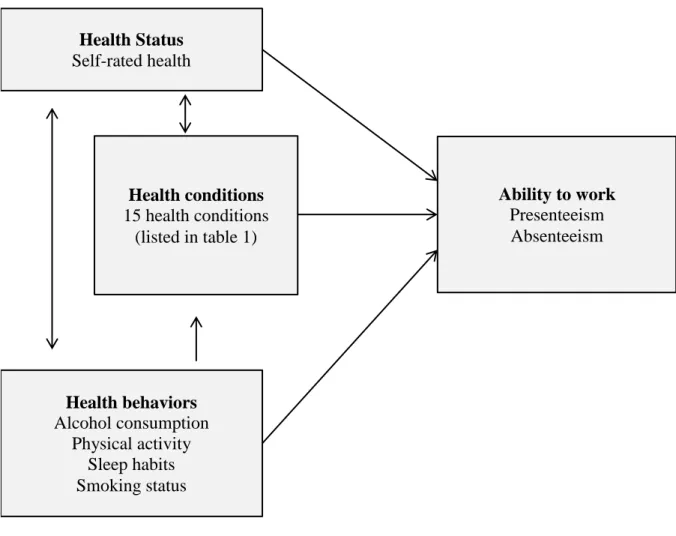
The health status of individuals is inversely associated with their health conditions and their health behaviors. Health status, health conditions and health behaviors are individually and collectively associated with the ability to work (Figure 1) (Schultz & Edington, 2007). Self-reported health status, health conditions and the health behaviors of a worker significantly impacts the ability of the individual to perform his or her job (Forsen, Bjornelv, Bentzen, Sogaard, & Graff-Iversen, 2012; Idler & Kasl, 1995). Health status is positively associated with ability to work, for example persons who rate their health as poor tend to have a higher rate of absenteeism and reduced overall ability to work than in persons who rate their health as excellent (Holden et al., 2011; Singh-Manoux et al., 2006; Taloyan et al., 2012). Impairment in the ability to work was higher for employees that had chronic health conditions and employees that engaged in unhealthy behaviors such as lack of physical exercise or smoking than in those that had no chronic conditions and those that exercised, did not smoke and maintained a healthy diet (Lenneman, Schwartz, Giuseffi, & Wang, 2011).
Individuals who reported excellent health status as measured with a self-rated health (SRH) scale, tend to have better ability to work than persons who did not report health status even after controlling for other variables such as age, gender, marriage status and socioeconomic status. (Hagglund, Helsing, & Sandmark, 2011; Malinauskiene, Leisyte, Malinauskas, &
Figure 1. Conceptual framework
Literature in health and productivity indicates that self-reported health status is strongly and inversely associated with chronic health conditions (Singh-Manoux et al., 2006; Tsai, Ford, Li, Zhao, Pearson, et al., 2010). For example, individuals who rate their health as poor are more likely than those who rate their health as good or excellent to have one or more chronic health conditions (Tsai, Ford, Li, Zhao, Pearson, et al., 2010)
Health status is also strongly and inversely associated with not engaging in specific health behaviors. As an example, poor self-rated health is strongly and positively associated with smoking, excessive alcohol consumption (Hagglund et al., 2011; Prosper, Moczulski, & Qureshi, 2009) and lack of physical activity (D. Kaleta, Makowiec-Dabrowska,
Dziankowska-Figure 1 Conceptual framework
Health conditions 15 health conditions
(listed in table 1) Health Status
Self-rated health
Health behaviors Alcohol consumption
Physical activity Sleep habits Smoking status
Zaborszczyk, & Jegier, 2006; Molarius et al., 2006). Physical activity generally refers to
movement that enhances health (DHHS, 2008). It is a behavior consisting of any body movement that engages the skeletal muscles and requires energy expenditure more than resting such as walking, running, dancing and gardening (U. S. DHHS, 2011). Persons that are physically inactive are more likely than active individuals to report a poor self-rated health (Molarius et al., 2006; Tsai, Ford, Li, Zhao, & Balluz, 2010) and the prevalence of optimal SRH increased with the number of healthy behaviors (Tsai, Ford, Li, Zhao, Pearson, et al., 2010).
Many chronic health conditions are linked to health behaviors (Strine et al., 2008). For example, dementia, stroke, cardiovascular disease (CVD), depression, anxiety disorders, and alcoholic hepatitis are associated with alcohol use in excess of one drink per day for women and more than 2 drinks per day for men over time (Centers for Disease Control and Prevention, 2013; Tsai, Ford, Li, Zhao, Pearson, et al., 2010). Chronic health conditions can result in loss of
independence, functional decline, impaired ability to work and may subsequently cause death (Ford, Croft, Posner, Goodman, & Giles, 2013).
Health conditions and health behaviors affect ability to work in several ways.
Musculoskeletal disorders, being overweight, obesity and diabetes are associated with physical limitations that affect work productivity (Hertz, Unger, McDonald, Lustik, & Biddulph-Krentar, 2004; Mitchell & Bates, 2011; Rodbard, Fox, & Grandy, 2009). These conditions can reduce a person’s mental and physical health, thereby reducing the ability to work (Pit & Byles, 2012). Persons with obesity and engaging in behaviors that affect health such as smoking, excessive alcohol consumption, lack of physical activity, and eating unhealthy foods have a significantly higher rate of presenteeism and absenteeism than in persons who do not engage in these
overweight are significantly more likely than normal weight workers to report that they are limited in the amount and type of work they are able to perform (Hertz et al., 2004; Rodbard et al., 2009).
Health may also affect the value a person places on working. For example, work provides a source of income and it may also provide individuals with the opportunity to socialize with others, and to use and develop skills. Work may also provide a route to self-realization (Spencer, 2013). The importance attached to these benefits of working may be reduced by poor health, to such a degree that the person reduces their hours of work or ultimately stops working (Tunceli, Li, & Williams, 2006). Reductions in behaviors that adversely affect health are associated with improvement in work productivity (Karlsson, Bjorklund, & Jensen, 2010; Pelletier, Boles, & Lynch, 2004).
Purpose and Aims of the study
The purpose of this study is to describe the health status, health conditions and health behaviors of CNAs in nursing homes and to investigate the relationships among health status, health conditions, health behaviors, and CNAs ability to work in nursing homes.
The specific aims addressed in this study include:
1 To describe the health status and health behaviors among CNAs in nursing homes.
2 To explore the relationships between the health status, health conditions, health behaviors and ability to work among CNAs that work in nursing homes.
Research Questions and Hypotheses
1 What is the relationship between CNAs health status and their ability to work? Hypothesis 1.1: A higher self-rated health will be associated with ability to work among certified nursing assistants.
2 What is the relationship between CNAs health conditions and their ability to work in nursing homes?
Hypothesis 2.1: The number of chronic health conditions reported will be associated with ability to work in CNAs.
3 What is the relationship between CNAs health behaviors and their ability to work in nursing homes?
Hypothesis 3.1: Health behaviors will be associated with the ability to work of CNAs.
4 Is there an association among CNAs health status, health conditions and health behaviors and ability to work in nursing homes?
Hypothesis 4.1: Self-rated health in CNAs will be associated with the reported number of health behaviors
Definition of key terms and concepts
Table 1. Definition of key terms
Variable Definition
Ability to work The degree to which a worker is physically and mentally able to produce goods or deliver services that are expected of his or her occupation or job (de Vries et al., 2013; Escorpizo, 2008). Ability to work is indicated by work performance and a workers attendance.
Presenteeism Decreased on-the-job performance due to presence of health problems (Schultz & Edington, 2007). Component of impaired ability to work. Absenteeism Time taken away from work due to illness (Schultz & Edington, 2007).
This is the second component of impaired ability to work.
Health Status A subjective statement of a person’s evaluation of their own health or how they are feeling and doing. Health status is usually referred to as self-rated health (SRH).
Self-rated health A global self-appraisal of one’s health, mostly using a 5 point Likert-type single item questionnaire that is measured as “excellent”, “very good”, “good”, “satisfactory”, or “poor” (Tsai, Ford, Li, Zhao, & Balluz, 2010). Health conditions A chronic health condition or disease that is prolonged in duration in
excess of six months, does not resolve spontaneously, and is rarely completely cured (O'Halloran et al., 2004).
Health behavior Any behavior pattern, activity or habits that relate to health maintenance, to health restoration and to health improvement such as behaviors within compliance with medical service usage, compliance with medical regimens, (e.g. dietary, diabetic, adhering appropriately to prescribed medication) and self-directed health behaviors (e.g., diet, exercise, smoking, alcohol
consumption) (Gochman, 1997). Health behaviors may be health enhancing or health impairing. Health impairing behaviors (also referred to as
unhealthy behaviors or adverse health behaviors) can predispose individuals to disease or have a harmful effect on their health (Conner, 2002). Health behaviors described in this study are behaviors adversely affecting health and collectively account for the majority of illness and mortality in the United States (Glasgow et al., 2005).
Summary
conditions were prevalent in the general adult population in the United States. Many chronic conditions were responsible for some employees working with levels of impairment in their ability to work. For this study, ability to work was defined as presenteeism and absenteeism among workers. The association between ability to work and physically demanding jobs was also established.
The study aims, research questions and hypotheses were outlined. The aim of the study is to understand the relationship that exists among ability to work, health status, and health
conditions, and health behaviors of CNAs employed in nursing homes.
CHAPTER 2: LITERATURE REVIEW Introduction
This chapter provides a review of the literature on ability to work, health status, health conditions and the health behaviors of CNAs employed in nursing homes. The first section of the chapter reviews the literature on health-related ability to work generally, and then focuses on health-related ability to work among CNAs working with adults who are residents in nursing homes. The second section of this review, examines research literature that has focused on the independent variables - health status, health conditions and health behaviors and the last section summarises the chapter.
Ability to work
measures allow employees to evaluate their own ability to work from one of different perspectives such as: (1) the way in which employees perform in their current jobs; (2) by comparing the employees present ability to work with ability to work earlier in their careers; or (3) by comparing ability to work of persons who perform similar tasks (Ilmarinen, Gould, Jarvikoski, & Jarvisalo, 2008).
Ability to work is reflected by the work productivity of the employee. Work productivity is defined as the output per unit of input (Beaton et al., 2009), that is how much an employee accomplishes in a certain amount of time. The terms work productivity is broad in scope and mostly depends on the context in which it is used (Escorpizo, 2008). At the individual level, however, work productivity is an outcome of the ability to work (Beaton et al., 2009; Escorpizo, 2008; Vanni, Virtanen, Luukkaala, & Nygard, 2012). A conceptual linkage between increased ability to work and increased human performance (Escorpizo, 2008; O'Donnell, 2000) showed that an inverse relationship exists between health conditions and work productivity (Burton et al., 2005; Burton, Conti, Chen, Schultz, & Edington, 1999). For example as the number of health conditions increased, so did the level of impairment in the ability to work (Burton et al., 2005).
Health-related impairment in the ability to work is determined by time spent at work but with reduced levels of productivity due to an illness that is related to a chronic condition
employee is a poor worker but that the effect of impairment in the ability to work manifests in work productivity loss.
Although the ability to work of individual workers could be evaluated from different perspectives- economic perspective, worker’s role and productivity loss, it has been evaluated mostly from the perspective of work productivity loss and its costs to the economy (Beaton et al., 2009; Goetzel et al., 2004; Lenneman et al., 2011). For instance, Burton et al. (2005) demonstrated that each health behavior such as smoking or participating in physical activity less than one time per week resulted in a 2.4% reduction in an employee’s ability to work. Presenteeism which measures the “loss of productivity for employees whose health problems have not necessarily led to absenteeism” (Schultz & Edington, 2007) alone costs U.S. employers about 260 billion dollars every year and accounts for 77% of the total in work productivity loss and absenteeism would account for 23% (Lenneman et al., 2011; Merrill et al., 2012).
Ability to work among CNAs
Ability to work in general is not well understood and little information exists on
Absenteeism among CNAs in nursing homes is linked to reduced quality of care for nursing home residents (Castle & Ferguson-Rome, 2014). In a study conducted to determine the association of absenteeism in CNAs with the quality of care in nursing homes, Castle and Ferguson-Rome (2014) found that high levels of absenteeism (defined as failure of CNAs to report for work when they are scheduled to work) was associated with increases in the incidence rates of four quality indicators that included physical restraint use (IRR = 1.8; p-value <0.01), catheter use (IRR = 1.14; p-value < 0.01), pain management ( IRR = 1.06; p-value 0.05) and pressure ulcers (IRR = 1.19; p-value 0.05).
Health Status and ability to work
Presenteeism and absenteeism due to ill health are linked to self-rated health (SRH) in various studies (Burton et al., 2005; Musich, Hook, Baaner, & Edington, 2006; Taloyan et al., 2012). Data analyzed from 28, 375 employees of a large financial services company located in the Midwest of the United States, Burton et al. (2005) revealed that poor SRH was associated with impairment in ability to work; findings suggested that ability to work was mediated by workers who came to work but unsuccessfully accomplished assigned duties (e.g. presenteeism). Musich et al. (2006) also associated presenteeism and absenteeism to “poor” SRH in a study of 224 employees of an Australian insurance company. The cross sectional study measured selected self-reported presenteeism, absenteeism and their association with health conditions.
nursing homes. It may be possible that these findings could be extended to relate to CNAs in nursing homes.
A prospective study based on the Swedish Longitudinal Occupational Study of Health (SLOSH) followed a cohort of employees that was considered representative of the working population in Sweden from 2006 to 2010. Data were obtained in 2008 and 2010 from 7445 participants who were working at both time points. The study found that employees that reported presenteeism of 1to7 days in the past 12 months had a higher risk of suboptimal SRH with OR=1.96 (95% CI 1.69 to 2.26) after adjustment for age, gender and income compared to those who reported no presenteeism (Taloyan et al., 2012).
There are no known studies that exclusively examine the relationship between SRH and ability to work or any measure of the ability to work in the CNA population, thus the relationship between SRH and the ability to work in CNAs is unclear. However, given reports in the
literature, the SRH of CNAs employed in nursing homes is likely to be associated to their ability to work.
Health conditions and ability to work
The majority of employed adults in the U.S. experience a wide variety of symptoms, health conditions and diseases that may impede their ability to work (Schultz & Edington, 2007). Naessens et al. (2011) noted that 75.3% of working –age adults aged 18-64 years that
Many health conditions that are common in the workforce such as depression, obesity, back pain, migraine and seasonal allergies negatively impact the ability to work either by
increasing presenteeism, increasing absenteeism or both (Burton et al., 2004; Letvak et al., 2011; Ricci, Chee, Lorandeau, & Berger, 2007). For instance, work-related musculoskeletal disorders were associated with increase in presenteeism, reducing work productivity by about 5% in both physical and occupational therapists with moderate MSDs in one study (Campo & Darragh, 2012). In another study, the estimated economic burden of 11.07 billion 2007U.S. dollars per year was attributed to migraines due to its prevalence and impairment in ability to work among adult workers (Hawkins, Wang, & Rupnow, 2008; Loeppke et al., 2003).
Physically demanding work such as that of CNAs in nursing homes can result in work-related injuries and chronic diseases with serious implications for both the employer and the CNA in terms of lost work productivity, absenteeism and disability (Burton et al., 2005; Mitchell & Bates, 2011; Pronk et al., 2010). Health conditions such as MSDs, diabetes, depression, back pain and arthritis have been found to be associated with decreased ability to work and work productivity losses in many industries (Ricci et al., 2006; Schultz & Edington, 2007) including among CNAs in long-term care work (Gucer et al., 2009; Muntaner et al., 2006). Researchers in occupational health found the prevalence of injury, musculoskeletal disorders and other chronic conditions is high (incidence rate per 10 000 full time employees of 225.8 against 37.8 for all other occupations) among CNAs working in nursing homes in the United States (Bureau of Labor Statistics, 2012; Chao & Henshaw, 2009).
“geriatric” CNAs, medication aides, licensed practical nurses (LPNs) and RNs were recruited to participate in a study. The study assessed the work duties of CNAs in geriatric care regarding resident lifting, history of MSDs and any impact on work productivity.
Regression analysis was used to determine the relationship between pain frequency and work productivity while controlling for confounding variables. The authors found that on average, respondents in pain reported being impaired in three to four out of eight work
productivity scale items. The prevalence of impairment while on the job may indicate that CNAs could be working through their pain and needing to take frequent breaks, and work more slowly and experience more difficulty with resident handling tasks. They may also protect themselves by reducing their work schedule, such as “calling out” sick or selecting to work fewer shifts (Gucer et al., 2009). The limitations of this study include being a pilot study and being limited to one long-term care facility. This study was not exclusive to CNAs but included other categories of nursing personnel. The findings from this study may not be generalizable to the LTC
population of CNAs due to its sampling procedures.
Health behaviors and ability to work
productivity and activity limitations questionnaire. Data for the study were obtained from 19,803 employees of a large general insurance company, a health care insurance company and a third company that employs health care professionals across the United States.
Findings indicated that employees that reported unhealthy diet were 66% more likely to report having experienced a loss in productivity than those who regularly ate whole grains, fruits and vegetables. Employees who reported levels of physical activity below the recommended amount were 50% more likely to report having lower levels of productivity than employees who met the required 150 minutes of physical activity per week. Smokers were 28% more likely to report experiencing loss in work productivity than non-smokers.
Findings were reported as adjusted prevalence ratios for presenteeism. The adjusted presenteeism prevalence ratios calculated across the levels of demographic variables and adjusted for select health behaviors showed that presenteeism was more prevalent among age groups 30 -39 years (95% CI, 1.13 -1.38) and 40 -49 years (95% CI, 1.06 -1.29) old compared to 18-29 year olds. Individuals categorized as overweight (95% CI, 1.08-1.25) and obese (95% CI, 1.30-1.51) were significantly more likely than those in the normal weight range to have
presenteeism, and non-smokers were 28% less likely than smokers to have presenteeism (95% CI, 0.66-0.78) (Merrill et al., 2012).
Diabetes, high risk for diabetes (defined as presence of three out of five cardiometabolic risk factors- abdominal obesity, BMI ≥28 kg/m2, reported diagnosis of high cholesterol, and hypertension, and history of cardiovascular disease among respondents without diabetes) and history of health behavior related factors such as obesity significantly impaired work
productivity and daily activities among working adults in the U.S. (Rodbard et al., 2009). This was the finding in a cross sectional study using stratified random sampling considered to be representative of U.S. households for geographic residence, household size, and income and age of head of household that was conducted to measure work impairment. Data analyzed for the study were obtained from the 7,338 respondents that identified themselves as working adults, stratified by combinations of body mass index (BMI) and diagnosis of diabetes/risk for diabetes. For example, obese workers with low risk for diabetes reported more work productivity loss compared with normal weight (11% versus 9%, p = .001) and overweight employees with low risk for diabetes (11% versus 8%, p < .001).
Health behaviors such as physical activity, dietary intake, and use of alcohol influenced how health is perceived in a sample of adults aged 18 years and over in Texas and California (Prosper et al., 2009). A random sample of 5,001 individuals was interviewed over the telephone using a computer assisted telephone interview. Data were analyzed in three steps. Using logistic regression to examine the relationship between SRH and health behaviors, obese individuals showed greater negative perception regarding their health status compared to individuals who were not obese. Other health behaviors such as dietary intake, physical activity, smoking and alcohol consumption were all significantly associated with the self-rating of health (Prosper et al., 2009).
work among professionally active individuals. Four modifiable health behaviors- leisure-time physical activity (LTPA), smoking, healthy weight (BMI) and excessive alcohol consumption have been individually and collectively associated with poor SRH, and poor ability to work among working adults. In a study of professionally active persons in good health, as confirmed by physical examination and treadmill test, unhealthy weight, smoking and lack of leisure-time physical activity were found to be strongly and negatively associated with ability to work (measured using the work ability index) in both men and women (Dorota Kaleta, Makowiec-Dabrowska, & Jegier, 2006). The study revealed that in men with a constructed health behavior (lifestyle) index score of 0, the risk of poor to moderate ability to work was nearly seven times higher than in men whose health behavior (lifestyle) index score exceeded 1 or more points (OR= 6.67; 95% CI: 1.94-22.90) where as in women with health behavior (lifestyle) index score =0, the risk of moderate or lower ability to work was about 14 times higher compared to those whose health behavior index scores ≥1 (OR = 14.44; 95% CI:3.53 – 59.04) (Dorota Kaleta et al., 2006). This supports findings in other studies that show the negative combined effect of multiple health behaviors on the ability to work.
Ability to work, health conditions and health behaviors
individual (Riedel et al., 2009). The study classified health behaviors into health risk scores (i.e., low, moderate, high) that had been associated with coronary heart disease, health care costs, and productivity costs in earlier studies. Ten health risk areas were included in the study, such as alcohol consumption, smoking/tobacco status, body weight, physical activity back pain and depression among others and a measure of presenteeism. Multivariate analyses revealed a consistent relationship between number of health behaviors and work productivity loss. The study concluded that chronic health conditions such as back pain, depression and stress risk were strong predictors of on-the-job work productivity loss (Riedel et al., 2009). The main limitation of the study is the use of a single item health and performance questionnaire (HPQ) to measure work productivity, however, the authors justified their use saying they wanted to reduce response burden and obtain high completion rates.
Health status has been associated with health behavior and ability to work in several studies. Chaney, Chaney, Wang, and Eddy (2007) noted in their analysis of the 2003 Behavioral Risk Factor Surveillance System (BRFSS) survey data that persons reporting poor mental health were more likely to report unhealthy behaviors compared to individuals who reported excellent or very good health. The study indicated that persons who report healthy behaviors such as not smoking, and engaging in physical activity reported a better rated mental health, using self-reported data from a survey developed by the Centers for Disease Control and Prevention
(CDC). The independent variables for the study included smoking, (smoker versus non-smoker), participating in physical activity in past 30 days (moderate-intensity physical activity e.g.
Multivariate analysis of data for 259, 427 participants indicated that the adjusted odds for a respondent indicating good self-rated mental health were higher for individuals indicating excellent general health (AOR 6.48 95% CI, 5.58-7.52) (Chaney et al., 2007).
The literature shows that health behaviors such as regular physical exercise, not smoking, and moderate or no consumption of alcohol are associated with optimal self-rated health (Tran, Nguyen, Chan, & Nguyen, 2013; Tsai, Ford, Li, Zhao, & Balluz, 2010), and that health
conditions are associated with ability to work (Braakman-Jansen, Tall, Kuper, & Mart A.F.J. van de Laar, 2012; Shi, Sears, Coberley, & Pope, 2013; van den Heuvel et al., 2010). However, the relationships among health status, health conditions, health behaviors, and ability to work for CNAs employed in nursing homes are not well described. Understanding the number and nature of relationships that exist among these variables may be especially important due to the
modifiable nature of health behaviors.
Summary
This literature review examined published evidence on the relationship related to the ability to work, health status, health conditions, and the health behaviors among workers and specifically among CNAs. Ability to work was defined as the degree to which the health of a worker allowed him or her to physically and mentally perform their job tasks. The literature review reveals that health-related work productivity is a significant indicator of the individual employee’s ability to work, and is generally used as an outcome variable for measuring employee ability to work.
Impairment in the ability to work is determined by presenteeism and absenteeism both of which cost employers substantially every year. Published literature reveals that “poor” SRH, chronic health conditions and behaviors that adversely affect health were also associated with impairment in ability to work, affecting work productivity to varying degrees.
affect the quality of care nursing home residents receive, however, there is insufficient
information about the self-reported health, health conditions, health behaviors and ability to work of CNAs. There is however, evidence that health is inextricably associated with the ability to work, but, this review demonstrates a gap in evidence regarding the relationships among the ability to work, the health, and health conditions and health behaviors in CNAs employed in nursing homes.
In Chapter 3, the research design and methodology used to examine the relationships among the independent and dependent variables will be discussed. This chapter also includes a discussion of the study sample, sampling methods, instrumentation and data collection
CHAPTER 3: RESEARCH METHOD Introduction
This chapter describes the research design and methodology used in this study, an in-depth discussion of the population, sampling, data collection procedures, and protocol, and research questions. The chapter also includes detailed discussion on instrumentation and the psychometrics of the instruments, ethical considerations, pilot testing process, and the data analysis plan.
Research design
This study used a cross-sectional, descriptive correlational design to investigate the relationships among the health status, health conditions, health behaviors, and the ability to work in CNAs who work in nursing homes in North Carolina. The intent of the study is to describe the health status, health conditions, and health behaviors among CNAs and to investigate the
relationships among health status, health conditions, health behaviors, and CNAs ability to work in nursing homes.
Self-report pencil and paper questionnaires were used for obtaining data. (See appendix A for questionnaire used in the study). Other methods of data collection considered for this study included observation, face to face and telephone interviews, and online surveys. The
Responses to the questionnaires can usually be quickly and easily quantified by either the researcher or through the use of a software package and can be more objectively analyzed than other forms of data collection (Hannan, 2008).
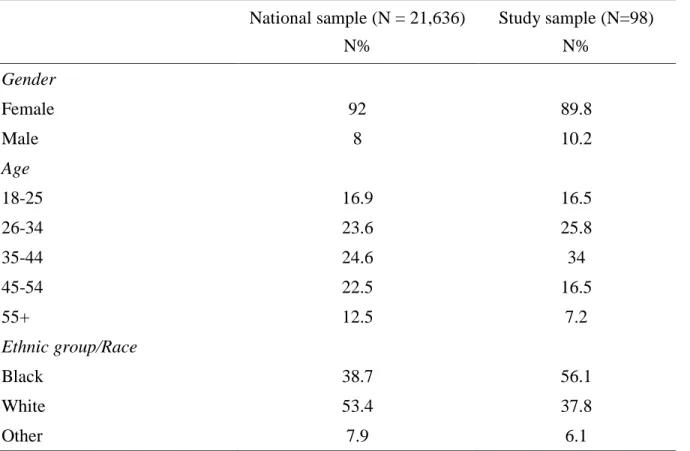
The survey instrument included items on demographics, health status, self-reported health conditions, health behaviors and measures of ability to work. Demographic variables obtained include age in years, gender, race/ethnicity (Hispanic or non-Hispanic origin), marital status and number of children younger than 18 years living with respondent and educational level. These variables were used to characterize the sample. They were selected in order to have a comparison with published information on the national demographics of CNAs. Weight (kg) and height were collected from which Body Mass Index (BMI) was calculated (weight/height (m2)). The health behaviors selected for analyses included alcohol consumption, physical activity, sleeping habits, and smoking habits. These are common lifestyle and lifestyle related factors that contribute significantly to the development of chronic health conditions responsible for a major proportion of morbidity, disability and mortality in the general population of the United States (Ford et al., 2013; Pelletier et al., 2004). These health behaviors also have been found to significantly increase healthcare costs to employers, including increased absenteeism and work productivity loss (Burton et al., 2005; Mayo Clinic, 2008; Merrill et al., 2013). To evaluate ability to work, measures of presenteeism and absenteeism were obtained and converted into ability to work impairment scores (Bedrosian, Striegel, Wang, & Schwartz, 2012; Letvak, Ruhm, & Gupta, 2012; Letvak & Ruhm, 2010; Reilly Associates, 2002).
Population and Sampling
average age of 40 years (PHI, 2011). In 2012, 56% of CNAs were employed in nursing and residential care facilities, 26% in hospitals, and 8% in home health services and government (Bureau of Labor Statistics, 2014) and for 10% of CNAs their employment places was not accounted for.
Because nursing homes that are publicly owned or established as part of an acute care setting or a continuing care retirement community (CCRC) may differ from traditional skilled nursing care homes, CNAs from these types of nursing homes were not approached. Eligible respondents included CNAs aged 18 years and over and who were employed in a nursing home that: (1) participated in the Medicare and Medicare program; and (2) was not embedded in an acute care setting or a CCRC. For this study, CNAs employed in nursing homes located in North Carolina within a fifty-mile radius of the zip code 28173 made up the sampling pool. There were about 1092 CNAs (Centers for Medicare and Medicaid Services, 2013) working in 42 nursing homes during the Summer 2013 that met the fifty-mile radius criterion.
83.25% nationally in 2011 (Centers for Medicare and Medicaid Services, 2012). The average number of CNAs employed in each of the 34 nursing home was 26, which creates a potential sampling pool. CNAs that were less than 18 years of age were excluded from the study because of the need to obtain parental consent. With this exclusion, the pool of potential CNAs decreased by 16% to approximately 917 CNAs.
Prior studies reported that the CNA response rates to surveys vary widely ranging from 29% to over 71% (Culp, Ramey, & Karlman, 2008; Konrad, Morgan, & Dill, 2008; Lapane, Quilliam, & Hughes, 2007). Evidence also demonstrated that distribution of surveys at the workplace did not affect the response rate compared to direct mail to the CNAs homes (Lapane et al., 2007) . Using this evidence about CNA response rates, the sample size of 88 CNAs was calculated using sample size calculator (Raosoft, 2004) to achieve a power estimate equal to .80, at alpha of 0.05 and 95% confidence level to detect a correlation coefficient (r) greater than 0.29 (Snedecor & Cochran, 2003). Using the lowest reported response rate of 29% (Culp et al., 2008), 300 questionnaires were estimated to be needed for distribution.
Ethical Considerations
Data Collection
A letter (see appendix C for copy of sample letter sent to nursing home administrators) was sent by first class mail to the nursing home administrators of the nursing homes that met the criteria for the study in waves of six at a time to introduce the investigator, indicate the reason for the contact, purpose of the study, and invitation to participate in the study. Sending
invitations to nursing home administrators in small clusters allowed the principal investigator to follow up with them in a timely fashion. Follow-up telephone calls were made by the principal investigator to the nursing home administrators’ 3 to 4 days after mailing a set of letters to confirm that the administrator received the letter and to request a meeting to discuss the study. During these meetings, the principal investigator explained what would be asked of the CNA and the duration of the study.
The recruitment algorithm (see appendix D) varied among the nursing homes in order to accommodate specific requests from administrators and to minimize burden or disruption of workflow in the facility. For example, two nursing home administrators allowed the principal investigator one day only to collect data; another administrator allowed the principal investigator to collect data only during the weekend; two other administrators did not restrict the number of days or times the principal investigator was allowed for data collection. Posters and flyers (see appendix E, F, G for posters and flyers prepared by the principal investigator and used to recruit CNAs) advertising the study were posted by the administrator of the nursing homes at strategic locations in the facility. Two days after the posting of the posters and flyers, the principal
breaks. During these meetings, the study description, informed consent process and what was being asked of the CNAs were explained. CNAs were able to ask as many questions as they wanted and they were asked if they were satisfied with the answers given in response to their questions by the principal investigator. Light refreshments including pizza, fruit bowls and an assortment of sodas and fruit juices were provided by the principal investigator during all of these meetings.
CNAs that provided informed consent to participate in the study were handed a package containing a cover letter, the questionnaire, a sealable pre-addressed envelope with a first class mail stamp attached. They were also given a penlight and a pencil. CNAs completed their surveys during their lunch breaks and returned them sealed in the accompanying envelope. CNAs that could not completely fill out the questionnaires during their lunch break had the option of returning completed questionnaires by U.S. mail or by leaving, them in the drop box located in the lunchroom for the duration of data collection agreed upon with each administrator. The drop box was a durable lockable container about 18 inches wide, 12 inches in length and 22 inches tall. It allowed for easy placement of envelopes containing the completed questionnaires. The contents of the drop box were accessible only to the principal investigator.
In two of the five nursing homes, the principal investigator was allowed to return at various time points to collect completed questionnaires from the drop box located in the lunch room of the nursing home. In all nursing homes, reminders for CNAs to meet with the principal investigator in the lunchrooms were announced over the nursing homes’ public address system.
contact the principal investigator to clarify any questions about the questionnaire. Data coding
and input. A codebook based on the questionnaire was developed (see appendix I). The
codebook reflected the names of each variables and values for each item. The variable names are short names that reflect nominal definitions for each variables, for example GENHLTH was the code for the item that measured overall general health.
“Qualtrics” Online Research Suite was used for data input. An online version of the questionnaire was created in “Qualtrics” Research suite at http://qualtrics.unc.edu. Prior to data entry, returned questionnaires were checked for missing values, completion of and errors in the response. “Qualtrics” Online Research Suite software facilitated summing scores on select items as well as formatting results for use in printers and related software including Microsoft Excel and SPSS. After input, data were crosschecked for errors on the screen by the principal
investigator on two different occasions at intervals of two days for each batch of data inputted. Missing, incorrect, or miscoded values were corrected. A report of the scores was viewed online before exporting the raw data as comma separated values file from “Qualtrics” into SAS 9.3 for analyses.
Instrumentation
Obtaining reliable data from CNAs required special attention because some CNAs may have low literacy or English was their second language (Anderson and Colon-Emeric, in-press). The questionnaire was therefore constructed at below the Flesch-Kincaid eighth grade level to facilitate comprehension and completion of the questionnaire.
Dependent variable. Ability to work was operationalized as presenteeism and
absenteeism. Ability to work was measured using the Work Productivity and Activity
Impairment Questionnaire (General Health) (WPAI-GH) developed by Reilly Associates. The WPAI-GH is a public domain self- assessment tool that provides information from employees on presenteeism absenteeism, work productivity loss and activity impairment. Ability to work was calculated from scores from CNAs ratings of presenteeism and absenteeism as described in detail below.
WPAI validation studies and is believed to be suitable for the type of information that is being asked (Reilly Associates, 2002; Reilly, Zbrozek, & Dukes, 1993)
The WPAI-GH was designed to have generalizability to a broad range of
occupations/diseases, and although evidence of reliability and validity was available for many MSD and non-musculoskeletal conditions (Tang et al., 2011) none exists for CNAs. Reilly et al. (1993) assessed the construct validity and test retest reliability of the self-administered version of the WPAI-GH by analyzing the extent to which the instrument correlated with several domains of the Medical outcomes study short form (SF-36) in 106 employed persons affected by a health problem. The construct validity of the WPAI measures of presenteeism and absenteeism due to overall health and symptoms were assessed relative to measures of perception of health, pain, symptom severity, and measures of work. The validation measures explained 54-64% of the variance in the work productivity loss variables of the WPAI (Reilly et al., 1993).
Construct validity of the WPAI-GH. All measures of work productivity and activity impairment were positively correlated with measures which had demonstrated construct validity. The instrument was found to have sufficient reproducibility (test retest reliability) with
correlation coefficients for overall work productivity from 0.71- 0.87 (Prasad, Wahlqvist, Shikiar, & Shih, 2004).
[(1-Q21/ (Q21+Q23)) x (Q24/10)] (Bedrosian et al., 2012; Reilly Associates, 2002). Where, “Q21” refers to hours missed from work because of employee’s own health, “Q23’ refers to hours actually worked in past seven days and “Q24” indicates how much health problems
affected productivity while working in the past seven days (see appendix A for questionnaire). A score cannot be calculated if a response to any of the corresponding three items is missing (Reilly Associates, 2002). In this study the calculated score for overall ability to work was dichotomized on the basis of the presence/absence of any impairment in the ability to work. As notedabove, the range of possible WPAI-GH scores was 0 – 100; thus, the definition of
impairment in the ability to work was operationalized in the following two categories: (a) WPAI-GH score = 0, no impairment in the ability to work and (b) WPAI-WPAI-GH score 1 – 100 = some impairment in ability to work. This facilitated a comparison of ability to work in CNAs who self-reported no impairment in ability to work to CNAs who self-self-reported at least some level of impairment in ability to work.
The ability to work was also measured with two items adapted from the work ability index developed by the FIOH. These measures were included to ascertain consistency of the respondents’ responses to the work productivity questionnaire. One of the items is a self-assessment of the workers’ current ability to work compared with their lifetime best. Scores range from 0-10 and scoring is categorized into poor (0-5), moderate (6, 7), good (8, 9) and excellent (10) (Fassi et al., 2013). The second item asks the respondent to predict their ability to continue working in two years based on their present state of health. Scoring is categorized into relatively certain, not certain and unlikely.
Independent variables. The independent variables in this study were measures of health
Health status. Health status was measured using a single item self-rated health
questionnaire (Lorig et al., 1996). This is a 5-point Likert-type scale stated as, “In general, would you say your overall health is…?” The response options include poor, fair, good, very good or excellent. Self-rated health has been validated as a useful indicator of health for a variety of populations (Idler & Benyamini, 1997). Test-retest reliability among persons with chronic disease (n= 1129) of this item is 0.92 (Lorig et al., 1996) and the test retest reliability of SRH among a representative sample of adults in the US yielded a kappa coefficient of 0.43 indicating an acceptable moderate reliability (range 0.41-0.60) of the instrument (Zajacova & Dowd, 2011).
Heath conditions. Presence of health conditions diagnosed by a health care provider
Health Behaviors. Four adult health behaviors: (1) alcohol consumption; (2) physical activity; (3) sleep habits; and (4) smoking were measured. Health behaviors were measured using widely used questions from the “Adult health behavior” module in the BRFSS (Centers for Disease Control and Prevention (CDC), 2011; Schoenborn & Adams, 2010).
The BRFSS is a health survey system that has tracked health conditions and risk behaviors in persons aged 18 years or older in the United States since 1984 (website:
http://www.cdc.gov/brfss/). It is recognized as a unique source of representative, state-based data on adult health-risk behaviors (Nelson, Holtzman, Bolen, Stanwyck, & Mack, 2001). In all, 10 questions measured health behaviors in this study. About 2-5 minutes are needed to complete this section of the BRFSS questionnaire.
Psychometric properties of the health behavior component of the BRFSS scale were examined using representative samples of adults either in the State conducting the study or a representative sample of adults in the United States. No studies were found that used specific occupational groups as the sample for psychometric studies, however, all of the test/retest studies using the BRFSS questions show high levels of reliability (Pierannunzi, Hu, & Balluz, 2013). The assessment of health behaviors among non-institutionalized adults, using the BRFSS questionnaire showed that the reliability coefficients for health behavior factors were generally above 0.70 (Stein, Lederman, & Shea, 1993).
Alcohol Consumption. Alcohol consumption was measured with three items from the
Since the United States Department of Health and Human Services (U.S. DHHS)
recommends that adults consume no more than two drinks per day for men and one drink per day for women, high risk drinking was defined as the consumption of more than two drinks on any day or more than 7 per week for women and more than 3 drinks per day or more than 14 drinks per week for men (U.S.D.A. & U.S. DHHS, 2010). Scores for alcohol consumption was
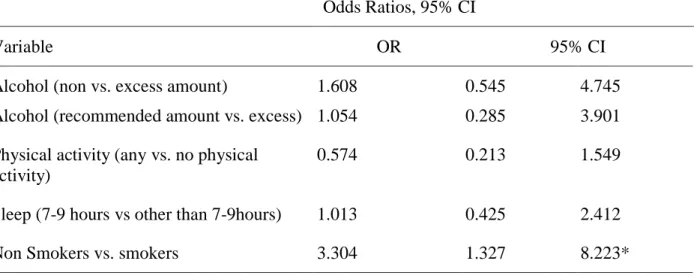
categorized into recommended amount, high risk and binge drinking (U.S.D.A. & U.S. DHHS, 2010). Binge drinking was defined as consuming four or more drinks per occasion for women and five or more drinks per occasion for men during the past 30 days (Kanny, Liu, Brewer, Garvin, & Balluz, 2012). In the analysis of alcohol consumption, respondents were grouped into those who consumed alcohol in excess of four drinks per occasion and those that did not.
Physical activity. To measure physical activity, three items adapted from the BRFSS that
elicit information about the quality and quantity of a respondent’s leisure time physical activity was used (Washburn, Heath, & Jackson, 2000). The lead question asked whether a respondent participated in any physical activity in the past 30 days such as brisk walking, bicycling,
gardening, vacuuming, or dancing, and running, and calisthenics – bending, jumping, swinging, twisting or kicking (CDC, 2011). For persons that respond yes, they also responded to questions about the frequency and amount of time spent on physical activity in each day of participation in physical activity.
The U.S. DHHS recommends 150 minutes per week of moderate intensity physical activity for adults. In this study, respondents were grouped into those that participated in any physical activity and those that did not in order to compare impairment in the ability to work in both groups.
Sleep Assessment. Sleep was measured using a single question from the BRFSS that
asked how many hours of sleep CNAs got on average in a 24-hour period (CDC, 2011).
Moderate correlation of 0.45 between self-reported and objectively measured sleep duration has been reported, with mean self-reported habitual sleep at 6.83 hours while mean measured sleep duration was 6.06 hours in a 24 hour period (Lauderdale, Knutson, Yan, Liu, & Rathouz, 2008). Good reproducibility of the sleep-duration question was found in two waves of a study with Cohen’s k of 0.39 (P< 0.0001) (Patel et al., 2004).
Scores on the sleep assessment were categorized into adequate sleep and inadequate sleep. Respondents who reported sleeping between 7 and 9 hours were classified as getting adequate sleep (Lenz et al., 2013).
Smoking status. Measures for cigarette smoking were obtained from the BRFSS survey.
Respondents of the cigarette-smoking questionnaire were categorized into current smokers, formers smokers and never smokers. “Current smokers” are individuals who report that they smoke and that they have smoked 100 or more cigarettes in their lifetime (D.E. Nelson, Powell-Griner, Town, & Kovar, 2003). They may currently smoke every day or some days (Nelson, Powell-Griner, Town, & Kovar, 2003). Individuals who report smoking 100 or more cigarettes in their lifetime but who currently do not smoke are classified as former smokers (Kuiper,
Though the BRFSS smoking prevalence estimates were generally 1 to 3 percentage points lower than estimates obtained from household interviews, the BRFSS questions on smoking have been found to be valid, comparing favorably with biochemical measures of smoking with high sensitivity (78% for men, 86% for women) and specificity (97% for men, 96% for women) (Nelson et al., 2001). Reliability of ever smoking status (k: 0.79 – 0.94), current smoking status (k: 0.83-1.00) and for former smokers (k: 0.58 – 0.86). Reliabilities for both ever smoker and current smoker were higher than reliability for former smoker.
Body mass index. Respondents were asked to report their height and weight in feet and
inches and in pounds. The Body Mass Index (BMI) was calculated using a BMI calculator and respondents were categorized as normal weight, overweight and obese based on BMI.
Respondents were classified as obese if their BMI was calculated to be equal to 30 or more; and overweight if their BMI was between 25 and <30. Respondents were classified as having normal weight if BMI ranged from 18.5 to <25 (American Cancer Society, 2013; Fine, Philogene, Gramling, Coups, & Sinha, 2004). Underweight respondents were individuals who reported a BMI less than 18.5 (American Cancer Society, 2013).
Pilot Testing
of the questionnaire was also completed by the respondents (see appendix L for protocol of pilot testing including evaluation of survey items). The evaluation consisted of six items that asked how long it took for the respondent to complete the questionnaire, difficulty level of the items by section, perceived sensitivity to question and clarity of instructions. The pilot testing was
conducted at the facility, during the CNAs break times.
The goal of the pilot testing was to determine whether problems existed in the
questionnaire and to identify ways to improve it. The pilot study was designed to identify items that would be skipped by respondents or would seem ambiguous to them. The length of time to complete the questionnaire and the difficulty level of items were evaluated. Clarity of the instructions and perceived sensitivity of item questions were also examined. The questionnaire was not changed or modified based on the results of the pilot test.
Data Analysis
Data were analyzed using SAS 9.3 (SAS Institute Inc., 2011). Analysis included assessment of the distribution and descriptive statistics of the independent variables and socio-demographic variables including age in years, gender, race/ethnicity (Hispanic or non-Hispanic origin), marital status, educational level and number of children less than 18 years living with the respondent. Descriptive statistics included the frequency and distribution of each of the 15 health conditions.
also the relationship between the number of health conditions and the ability to work. Analyses of correlations among the study variables were conducted using Spearman’s correlation
coefficients.
Scores on the dependent variable, ability to work were categorized into respondents that reported “impaired ability to work” and those that reported “no impairment in the ability to work”.
CHAPTER 4: RESULTS
This chapter provides results of the data analysis and findings of the study. The chapter also provides information about the response rate, demographic data of the sample and how missing data were handled.
The overall aim of this study was to explore the association of self-rated health, select health conditions, and health behaviors with the ability to work in CNAs employed in nursing homes. A pencil and paper questionnaire comprised of 34 items that were drawn from
established instruments (BRFSS, WPAI-GH and the Work ability index) was used although their use in the CNA population has not been reported. Therefore the questionnaire was pilot tested.
Pilot Study: Seven CNAs employed in two Charlotte area nursing homes completed a
pilot test of the questionnaire. The aims of the pilot testing were to discover difficulties with the instrument, determine time taken to complete the questionnaire, and assess each item for range of responses. All respondents completed each item and they correctly followed the skip patterns (n =7, 100%). Average completion time was 9.6 minutes, (range 7-12 minutes). The over-all difficulty level for the questionnaire was 5.7 (range 5 to 25 points) indicating little difficulty completing the questionnaire. The questionnaire was not modified based on the results of the pilot test.
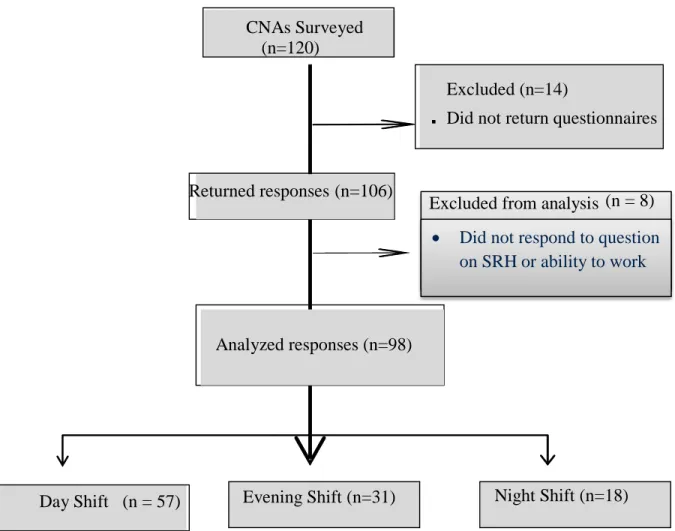
Data Collection: Four waves of six letters of invitation to participate in the study were