VOLUME 5 ISSUE 2 JANUARY 2017 ISSN 2050-4349
Functionality and feedback: a realist synthesis of
the collation, interpretation and utilisation of
patient-reported outcome measures data to
improve patient care
Joanne Greenhalgh, Sonia Dalkin, Kate Gooding, Elizabeth Gibbons,
synthesis of the collation, interpretation
and utilisation of patient-reported
outcome measures data to improve
patient care
Joanne Greenhalgh,
1
* Sonia Dalkin,
2
Kate Gooding,
1
Elizabeth Gibbons,
3
Judy Wright,
1
David Meads,
1
Nick Black,
4
Jose Maria Valderas
5
and Ray Pawson
1
1
School of Sociology and Social Policy, University of Leeds, Leeds, UK
2
Department of Public Health, Northumbria University, Newcastle upon Tyne, UK
3Nuffield Department of Population Health, University of Oxford, Oxford, UK
4Department of Health Services Research and Policy, London School of Hygiene
and Tropical Medicine, London, UK
5
Institute of Health Research, University of Exeter, Exeter, UK
*Corresponding author
Declared competing interests of authors:none
Disclaimer:This report contains transcripts of interviews from studies identified during the course of the research and contains language that may offend some readers.
Published January 2017
DOI: 10.3310/hsdr05020
This report should be referenced as follows:
ISSN 2050-4349 (Print) ISSN 2050-4357 (Online)
This journal is a member of and subscribes to the principles of the Committee on Publication Ethics (COPE) (www.publicationethics.org/). Editorial contact: [email protected]
The full HS&DR archive is freely available to view online at www.journalslibrary.nihr.ac.uk/hsdr. Print-on-demand copies can be purchased from the report pages of the NIHR Journals Library website: www.journalslibrary.nihr.ac.uk
Criteria for inclusion in theHealth Services and Delivery Researchjournal
Reports are published inHealth Services and Delivery Research(HS&DR) if (1) they have resulted from work for the HS&DR programme or programmes which preceded the HS&DR programme, and (2) they are of a sufficiently high scientific quality as assessed by the reviewers and editors.
HS&DR programme
The Health Services and Delivery Research (HS&DR) programme, part of the National Institute for Health Research (NIHR), was established to fund a broad range of research. It combines the strengths and contributions of two previous NIHR research programmes: the Health Services Research (HSR) programme and the Service Delivery and Organisation (SDO) programme, which were merged in January 2012.
The HS&DR programme aims to produce rigorous and relevant evidence on the quality, access and organisation of health services including costs and outcomes, as well as research on implementation. The programme will enhance the strategic focus on research that matters to the NHS and is keen to support ambitious evaluative research to improve health services.
For more information about the HS&DR programme please visit the website: http://www.nets.nihr.ac.uk/programmes/hsdr This report
The research reported in this issue of the journal was funded by the HS&DR programme or one of its preceding programmes as project number 12/136/31. The contractual start date was in March 2014. The final report began editorial review in December 2015 and was accepted for publication in May 2016. The authors have been wholly responsible for all data collection, analysis and interpretation, and for writing up their work. The HS&DR editors and production house have tried to ensure the accuracy of the authors’report and would like to thank the reviewers for their constructive comments on the final report document. However, they do not accept liability for damages or losses arising from material published in this report.
This report presents independent research funded by the National Institute for Health Research (NIHR). The views and opinions expressed by authors in this publication are those of the authors and do not necessarily reflect those of the NHS, the NIHR, NETSCC, the HS&DR
programme or the Department of Health. If there are verbatim quotations included in this publication the views and opinions expressed by the interviewees are those of the interviewees and do not necessarily reflect those of the authors, those of the NHS, the NIHR, NETSCC, the HS&DR programme or the Department of Health.
© Queen’s Printer and Controller of HMSO 2017. This work was produced by Greenhalghet al.under the terms of a commissioning contract issued by the Secretary of State for Health. This issue may be freely reproduced for the purposes of private research and study and extracts (or indeed, the full report) may be included in professional journals provided that suitable acknowledgement is made and the reproduction is not associated with any form of advertising. Applications for commercial reproduction should be addressed to: NIHR Journals Library, National Institute for Health Research, Evaluation, Trials and Studies Coordinating Centre, Alpha House, University of Southampton Science Park, Southampton SO16 7NS, UK.
NIHR Journals Library Editor-in-Chief
Professor Tom Walley Director, NIHR Evaluation, Trials and Studies and Director of the EME Programme, UK
NIHR Journals Library Editors
Professor Ken Stein Chair of HTA Editorial Board and Professor of Public Health, University of Exeter Medical
School, UK
Professor Andree Le May Chair of NIHR Journals Library Editorial Group (EME, HS&DR, PGfAR, PHR journals)
Dr Martin Ashton-Key Consultant in Public Health Medicine/Consultant Advisor, NETSCC, UK
Professor Matthias Beck Chair in Public Sector Management and Subject Leader (Management Group),
Queen’s University Management School, Queen’s University Belfast, UK
Professor Aileen Clarke Professor of Public Health and Health Services Research, Warwick Medical School,
University of Warwick, UK
Dr Tessa Crilly Director, Crystal Blue Consulting Ltd, UK
Ms Tara Lamont Scientific Advisor, NETSCC, UK
Professor William McGuire Professor of Child Health, Hull York Medical School, University of York, UK
Professor John Norrie Chair in Medical Statistics, University of Edinburgh, UK
Professor John Powell Consultant Clinical Adviser, National Institute for Health and Care Excellence (NICE), UK
Professor James Raftery Professor of Health Technology Assessment, Wessex Institute, Faculty of Medicine,
University of Southampton, UK
Dr Rob Riemsma Reviews Manager, Kleijnen Systematic Reviews Ltd, UK
Professor Helen Roberts Professor of Child Health Research, UCL Institute of Child Health, UK
Professor Helen Snooks Professor of Health Services Research, Institute of Life Science, College of Medicine,
Swansea University, UK
Professor Jim Thornton Professor of Obstetrics and Gynaecology, Faculty of Medicine and Health Sciences,
University of Nottingham, UK
Please visit the website for a list of members of the NIHR Journals Library Board: www.journalslibrary.nihr.ac.uk/about/editors
Editorial contact: [email protected]
Professor Geoffrey Meads Professor of Health Sciences Research, Health and Wellbeing Research Group,
University of Winchester, UK
Professor Jonathan Ross Professor of Sexual Health and HIV, University Hospital Birmingham, UK
Dr Eugenia Cronin Senior Scientific Advisor, Wessex Institute, UK
Professor Martin Underwood Director, Warwick Clinical Trials Unit, Warwick Medical School,
Abstract
Functionality and feedback: a realist synthesis of the
collation, interpretation and utilisation of patient-reported
outcome measures data to improve patient care
Joanne Greenhalgh,
1* Sonia Dalkin,
2Kate Gooding,
1Elizabeth Gibbons,
3Judy Wright,
1David Meads,
1Nick Black,
4Jose Maria Valderas
5and Ray Pawson
11School of Sociology and Social Policy, University of Leeds, Leeds, UK
2Department of Public Health, Northumbria University, Newcastle upon Tyne, UK
3Nuffield Department of Population Health, University of Oxford, Oxford, UK
4Department of Health Services Research and Policy, London School of Hygiene and Tropical
Medicine, London, UK
5Institute of Health Research, University of Exeter, Exeter, UK
*Corresponding author [email protected]
Background:The feedback of patient-reported outcome measures (PROMs) data is intended to support the care of individual patients and to act as a quality improvement (QI) strategy.
Objectives:To (1) identify the ideas and assumptions underlying how individual and aggregated PROMs data are intended to improve patient care, and (2) review the evidence to examine the circumstances in which and processes through which PROMs feedback improves patient care.
Design:Two separate but related realist syntheses: (1) feedback of aggregate PROMs and performance data to improve patient care, and (2) feedback of individual PROMs data to improve patient care.
Interventions:Aggregate–feedback and public reporting of PROMs, patient experience data and performance data to hospital providers and primary care organisations. Individual–feedback of PROMs in oncology, palliative care and the care of people with mental health problems in primary and secondary care settings.
Main outcome measures:Aggregate–providers’responses, attitudes and experiences of using PROMs and performance data to improve patient care. Individual–providers’and patients’experiences of using PROMs data to raise issues with clinicians, change clinicians’communication practices, change patient management and improve patient well-being.
Data sources:Searches of electronic databases and forwards and backwards citation tracking.
Review methods:Realist synthesis to identify, test and refine programme theories about when, how and why PROMs feedback leads to improvements in patient care.
practices with patients. Patients valued both standardised and individualised PROMs as a tool to raise issues, but thought is required as to which patients may benefit and which may not. In settings such as palliative care and psychotherapy, clinicians viewed individualised PROMs as useful to build rapport and support the therapeutic process. PROMs feedback did not substantially shift clinicians’communication practices or focus discussion on psychosocial issues; this required a shift in clinicians’perceptions of their remit.
Strengths and limitations:There was a paucity of research examining the feedback of aggregate PROMs data to providers, and we drew on evidence from interventions with similar programme theories (other forms of performance data) to test our theories.
Conclusions:PROMs data act as‘tin openers’rather than‘dials’. Providers need more support and guidance on how to collect their own internal data, how to rule out alternative explanations for their outlier status and how to explore the possible causes of their outlier status. There is also tension between PROMs as a QI strategy versus their use in the care of individual patients; PROMs that clinicians find useful in assessing patients, such as individualised measures, are not useful as indicators of service quality.
Future work:Future research should (1) explore how differently performing providers have responded to aggregate PROMs feedback, and how organisations have collected PROMs data both for individual patient care and to improve service quality; and (2) explore whether or not and how incorporating PROMs into patients’electronic records allows multiple different clinicians to receive PROMs feedback, discuss it with patients and act on the data to improve patient care.
Study registration:This study is registered as PROSPERO CRD42013005938.
Contents
List of tables xiii
List of figures xv
Glossary xvii
List of abbreviations xxv
Plain English summary xxvii
Scientific summary xxix
Chapter 1Introduction and overview 1
Background and rationale for the review 1 Definitions and policy context 1
Existing evidence 2
Aims and objectives 5
Public and patient involvement 6 Rationale and overview of methodology 6
Why realist synthesis? 6
What is realist synthesis? 7 How is realist synthesis conducted? 8
Step 1: searching for and identifying programme theories 8
Step 2: focusing the review and selecting programme theories 8
Step 3: searching for empirical evidence 9
Step 4: quality appraisal and data extraction 9
Step 5: synthesis 10
Structure of the report 10
Review 1: a realist synthesis of the feedback of aggregate patient-reported outcome
measures and performance data to improve patient care 10
Review 2: a realist synthesis of the feedback of individual patient-reported outcome
measures data to improve patient care 10
Chapter 2Review methodology: feedback and public reporting of aggregate
patient-reported outcome measures data 11
Searching for and identifying programme theories 11
Inclusion criteria 12
Exclusion criteria 12
Focusing the review and selecting programme theories 13
Agreeing the focus of the review 13
Identifying and searching for abstract theories 15
Searching for empirical evidence and selection of studies 16
Data extraction, quality assessment and synthesis 18
Chapter summary 24
Chapter 3Feedback of aggregate patient-reported outcome measures data:
programme theory elicitation 25
Policy and programme history 25
History of performance measurement and reporting in the NHS 25
Outcomes as indicators of NHS performance 27
The rise of consumer choice and information 27
The UK national patient-reported outcome measures programme 29
Outcome and patient-reported outcome measures collection in other NHS services 29
Financial rewards and sanctions in England 32
Summary 33
Programme theories 33
How the intervention is intended to improve patient care 34
Supporting patient choice 34
Accountability to stakeholders 35
Provider benchmarking and peer competition 36
The role of the media 37
Assessing the appropriateness of surgery 38
Summary of how patient-reported outcome measures are intended to improve
patient care 39
Why the intervention may not work as intended 39
Does patient choice drive improvements in patient care? 39
Unintended or adverse consequences of performance data 40
Data credibility and attribution: do performance data reflect the quality of care? 42
Actionability 46
Substantive theories of patient-reported outcome measures feedback 52
Audit and feedback 52
Benchmarking 53
Public disclosure 55
An overall programme theory to guide the review 56
Chapter 4Feedback of aggregate patient-reported outcome measures and
performance data: reviewing mechanisms 59
Introduction 59
Theory 1: the feedback of patient-reported outcome measures or performance data
leads to improved patient care 59
Theory 1a: patient-reported outcome measures feedback will lead to improved
patient outcomes 60
Theory 1b: the public reporting of performance data leads to improved patient outcomes 61
Theory 1 summary 62
Reviewing mechanisms: how and why does performance feedback lead to
improvements in patient care? 62
Theory 2: feedback influences provider behaviour according to whether it is delivered
privately (confidentially) or publicly 64
Theory 2a: providers are motivated to respond to private/confidential feedback
on performance 64
Theory 2b: public reporting of performance places additional pressure on providers
to respond 66
Theory 2 summary 68
Explaining how public disclosure works 69
Theory 3: public reporting of poor performance threatens providers’market share and
provides a significant provider response 69
Theory 3a: providers experience a change in their market share following public reporting; theory 3b: providers take steps to improve the quality of care because they
are worried about potential threats to their market share 70
Theory 3c: providers perceive that report cards pose a threat to their market share 72
Theory 3c summary 74
Theory 4: providers perceive that report cards damage their professional or their
hospital’s reputation 74
Theory 4a: providers perceive that report cards affect market share by damaging a
hospital’s reputation 75
Theory 4a summary 78
Theory 4b: media reports of hospital performance damage a hospital’s reputation and
affect their market share 78
Theory 4b summary 81
Theory 5: providers respond through comparing themselves with their peers 81
Hildonet al. 81
Greer 82
Davies 82
Theory 5 summary 83
Theory 6: consumers choose hospitals on the basis of information about the quality
of services 83
Theory 6a: patients are willing to move hospitals in response to poor performance; theory 6b: patients choose hospitals on the basis of reports about service quality;
theory 6c: patients respond to poor hospital performance when it is reported in the media 84
Theory 6 summary 92
Chapter summary 92
Theory 1 92
Theory 2 92
Theory 3 93
Theory 4 93
Theory 5 93
Theory 6 93
Conclusions 94
Chapter 5Feedback of aggregate patient-reported outcome measures and
performance data: reviewing contexts 95
Theory 7: financial incentives and sanctions influence providers’responses to the public
reporting of performance data 96
Theory 7a: financial incentives accelerate and amplify the impact of public reporting
and feedback of performance data on improvements to patient care 97
Theory 7a summary 101
Theory 7b: providers do not make improvements to patient care when no financial
incentives are attached to performance feedback 101
Theory 7b summary 103
Theory 7c: financial incentives attached to the feedback of performance data can lead
to‘tunnel vision’ 103
Theory 7 summary 106
Theory 8: the perceived credibility of performance data influences providers’responses
to the feedback of performance data 106
Theory 8a: the perceived credibility of the performance data influences providers’
responses to performance data 107
Theory 8a summary 110
Theory 8b: the source of performance data influences providers’perceptions of
their credibility 110
Theory 8b summary 113
Theory 8c: the perceived underlying driver of public reporting systems influence
Theory 8c summary 119
Theory 8d: clinicians have greater trust in clinician-led reporting systems 119
Theory 8 summary 123
Theory 9: the degree to which performance data are‘actionable’influences providers’
responses to the feedback of performance data 123
Theory 9a: patient experience data are actionable and enable providers to take steps
to improve patient care 124
Theory 9b: making patient experience data more immediate and integrated into clinical discussions improves provider responses; theory 9c: providing tailored support
to interpret and act on patient experience data improves providers’responses 131
Chapter summary 135
Theory 7 135
Theory 8 136
Theory 9 136
Chapter 6Review methodology: feedback of individual patient-reported
outcome measures in the care of individual patients 139
Searching for and identifying programme theories 139
Inclusion criteria 139
Exclusion criteria 139
Focusing the review and selecting programme theories 139
How patients might use patient-reported outcome measures 141
How clinicians might use patient-reported outcome measures 141
A review to compare patient-reported outcome measures use in different long-term
conditions 141
A review of specific blockages in the patient-reported outcome measures feedback
implementation chain 142
A review of the‘system strains’to patient-reported outcome measures feedback 142
Searching for empirical evidence and selection of studies 143
Inclusion criteria 143
Exclusion criteria 143
Data extraction, quality assessment and synthesis 144
Chapter summary 145
Chapter 7Candidate programme theories of how the feedback of
patient-reported outcome measures is intended to improve the care of individual patients 147
Patient-reported outcome measures in the care of individual patients: a brief
programme history 147
Candidate programme theories underlying patient-reported outcome measures feedback in the care of individual patients 149
Patient-reported outcome measures as screening tools 151
Patient-reported outcome measures as clinical monitoring tools 151
Patient-reported outcome measures as a tool to support personalised care planning
and self-management 152
Counter programme theories: how the feedback of patient-reported outcome measures
may not lead to the intended outcomes of improving patient care 158
Patient-reported outcome measures feedback is not practical or feasible 159
Psychometric properties of current patient-reported outcome measures do not
support their use in clinical practice 159
Patient-reported outcome measures may constrain rather than support the
clinician–patient relationship 160
The challenges of using patient-reported outcome measures for multiple purposes 162
Chapter 8Patient-reported outcome measures as a tool to support patients in
raising or sharing concerns with clinicians 165
Introduction 165
Patient-reported outcome measures as a tool to support clinical decision-making
independently of the patient consultation 165 Patient-reported outcome measures as a tool to promote patient self-management of
long-term conditions 166
Patient-reported outcome measures as a tool to facilitate patient self-reflection and to
help patients raise or share issues with clinicians 166 Patient-reported outcome measures as tool for raising clinicians’awareness of
patient concerns 166
Summary and structure of our review 167 Candidate programme theories: patient-reported outcome measures as a tool to enable
patients to raise or share issues with clinicians 167 Evidence review: theory testing and refinement 169
Patients’views on the structure and format of patient-reported outcome measures 170
Qualitative evaluations of standardised and individualised patient-reported
outcome measures 175
Mallinson 175
Westermanet al. 176
Farquaret al. 177
Summary of qualitative findings on patient-reported outcome measure format
and structure 178
Reviewing context configurations: how do they shape the intended impact of
patient-reported outcome measures completion? 179
Patients’and clinicians’experiences of using patient-reported outcome measures to
detect and manage depression in primary care 179
Patients’and clinicians’experiences of using patient-reported outcome measures in
secondary care mental health services 185
Clinicians’and patients’views of patient-reported outcome measures in palliative care 189
Chapter summary 201
Theory 10 202
Theory 11 202
Theory 12 202
Theory 13 203
Theory 14 203
Chapter 9Patient-reported outcome measures as a tool for raising clinicians’
awareness of patients’concerns 205
Introduction 205
Candidate programme theories 206
Evidence review 206
Velikovaet al. 207
Velikovaet al. 208
Takeuchiet al. 209
Millset al. 210
Detmaret al. 211
Berryet al. 212
Summary 213
Theories 15 and 16 213
Further theory testing: why does patient-reported outcome measures feedback not
change clinicians’communication practices? 214
Theory 18 215
Theory 19 215
Chapter summary 224
Theory 18 224
Theory 19 225
Chapter 10Discussion and conclusions 227
Summary of main findings 227 Chapter 3: a taxonomy of the programme theories underlying the use of aggregate
patient-reported outcome measures data 227
Chapter 4: the mechanisms through which the feedback of patient-reported outcome
measures and performance data works 228
Chapter 5: contextual configurations that influence the mechanisms through which
performance feedback works and the resulting outcomes 229
Chapter 7: programme theories underlying the use of individual patient-reported
outcome measures data to support the care of patients 230
Chapter 8: patient-reported outcome measures as a tool to support patients in raising
or sharing concerns with clinicians 230
Chapter 9: patient-reported outcome measures as a tool for raising clinicians’
awareness of patients’concerns 231
Strengths and weaknesses of our review 232 Discussion and implications for practice 233
Feedback of aggregate-level patient-reported outcome measures data 233
The use of financial incentives 234
Credibility 235
Actionability 235
The feedback of patient-reported outcome measures data in the care of
individual patients 236
Collection of patient-reported outcome measures for multiple purposes? 237
Recommendations for future research 237
Acknowledgements 241
References 243
Appendix 1Search strategies 267
Appendix 2Example of a data extraction form 271
Appendix 3Example of one‘theory theme’ 273
Appendix 4Table of theories tested and included studies 275
List of tables
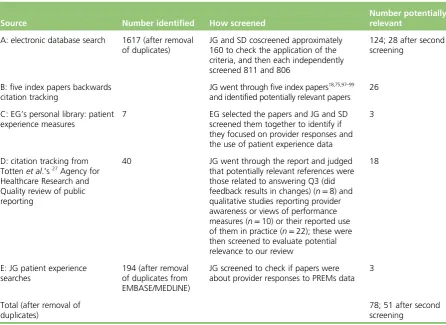
TABLE 1 Summary of initial searches and included studies for aggregate PROMs
feedback evidence review 18
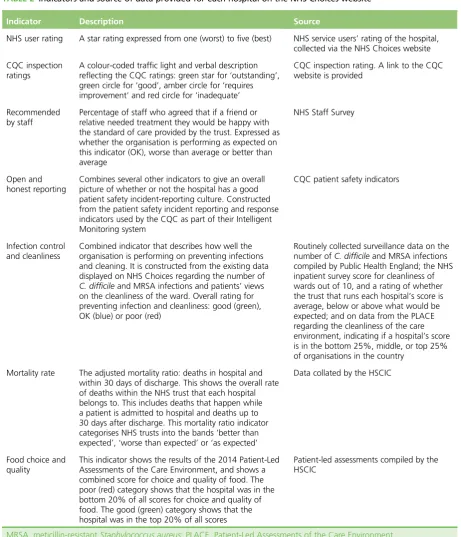
TABLE 2 Indicators and source of data provided for each hospital on the NHS
Choices website 28
TABLE 3 The ISOQOL’s minimum standards for the use of PROs in patient-centred
and comparative effectiveness research 148
TABLE 4 Different types of PROMs 150
TABLE 5 Patient ratings for the SF-36 and EQ-5D 173
TABLE 6 A comparison of the characteristics of different public reporting of
performance initiatives in the English NHS 234
List of figures
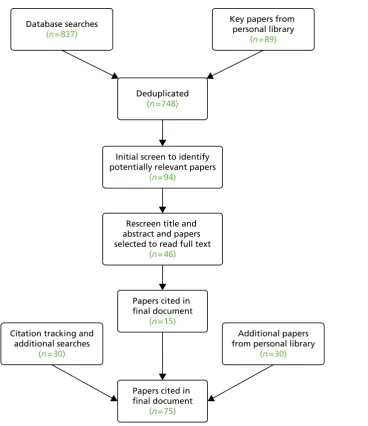
FIGURE 1 Summary of searching and selection process for aggregate
programme theories 13
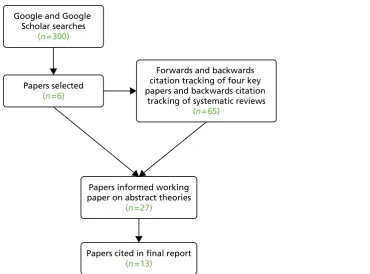
FIGURE 2 Summary of abstract theory searches 16
FIGURE 3 Flow diagram of the evidence search process for the feedback of
aggregate PROMs data 19
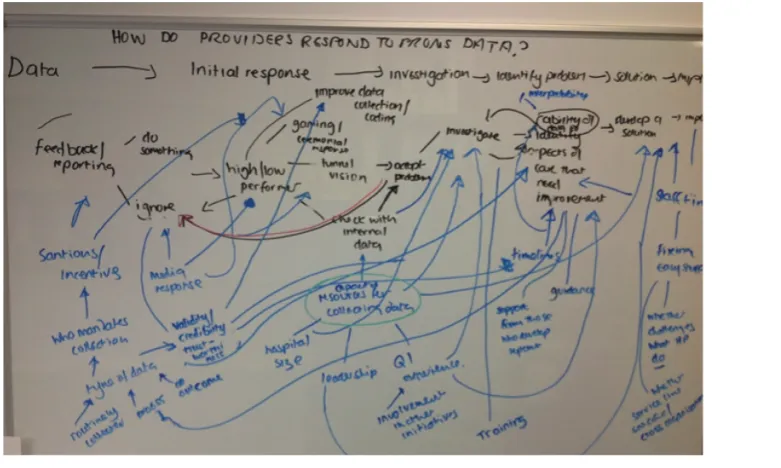
FIGURE 4 Mind map of the process through which providers respond to
performance data 21
FIGURE 5 Original and a revised logic model of provider responses to
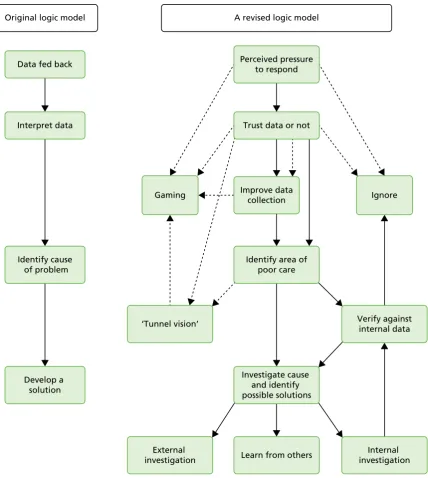
performance data following feedback of‘poor’performance 22
FIGURE 6 Sequence of‘middle range’theories about how and why providers
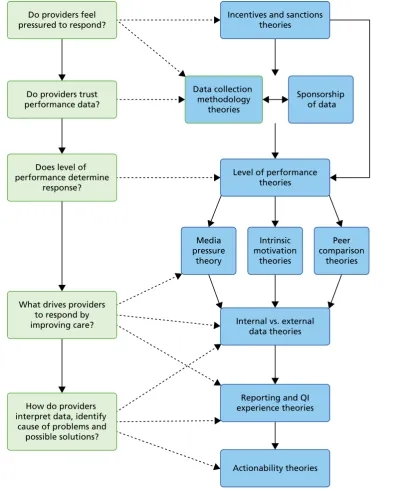
respond to performance data 23
FIGURE 7 NHS Outcomes Framework 27
FIGURE 8 Flow chart for the collection of PROMs data in the English national
PROMs programme 30
FIGURE 9 An example of a funnel plot 31
FIGURE 10 van Helden and Tilemma’s benchmarking model 54
FIGURE 11 An overall programme theory to guide the review 57
FIGURE 12 Sources of information used by patients offered a choice of hospital 85
FIGURE 13 Most importance factors for patients offered a choice when choosing
a hospital 86
FIGURE 14 Factors that influenced patients’choice of hospital 90
FIGURE 15 Contextual complexity and outcomes 95
FIGURE 16 Theory searches for individual PROMs feedback 140
FIGURE 17 Process of study review and selection for the individual-level synthesis 144
FIGURE 18 Greenhalghet al.’s model of PROMs feedback in the care of
individual patients 153
FIGURE 19 Model of the consultation in collaborative personalised care planning 154
FIGURE 20 How PROMs completion can support the management of people with
FIGURE 21 Etkindet al.’s logic model of PROMs feedback in palliative care 157
FIGURE 22 Streetet al.’s model of the direct and indirect pathways from
communication to outcomes 158
FIGURE 23 Patient-reported outcome measures feedback in the care of
Glossary
Agency for Healthcare Research and Quality A subdivision of the US Department of Health and Human Services, focused on enhancing the quality, appropriateness and effectiveness of health-care services and access to care.
Annual Healthcheck A system of rating the quality of hospitals in England between 2005 and 2009, which was overseen by the Healthcare Commission.
Attention Deficit Hyperactivity Disorder A group of behavioural symptoms, including inattentiveness, hyperactivity and impulsiveness, which tend to be identified at an early age.
Best Practice Tariff A system of payment introduced in England to pay prices for hospital services that reflect the cost of best clinical practice rather than pay the national average cost of care.
British Medical Journal A weekly peer-reviewed medical journal published by the BMJ Group.
California Hospital Outcomes Project A system of annual public reports on risk-adjusted hospital outcomes for medical, surgical and obstetric patients in California, overseen by a government agency, the Office of State Wide Health Planning and Development.
Cardiac Care Network A support system to the Ministry of Health and Long-Term Care that is focused on improving quality, efficiency, access and equity in the delivery of the continuum of adult cardiac services in Ontario, Canada.
Care management practices Organised processes implemented by clinician groups to methodically improve the quality of care for patients.
Care Quality Commission The health and social care regulator in England.
Centers for Medicare and Medicaid Services A US federal agency that administers government-organised health insurance schemes, including Medicare, Medicaid and the State Children’s Health Insurance Program.
Chief executive officer The most senior manager in an organisation.
Child and adolescent mental health services Mental health services for children and adolescents in England.
Children and Young People’s Improving Access to Psychological Therapy In 2011, the English government launched a strategy,‘No Health Without Mental Health’, to improve the care and services for adults and children with mental health problems. Part of this strategy focused on providing additional funding to increase access to psychological therapies that were deemed effective by the National Institute for Health and Care Excellence, using a stepped-care approach.
Choice-based conjoint analysis A form of statistical analysis used to analyse discrete choice experiments in which patients are asked to choose between a number of scenarios/options that systematically vary on a number of different dimensions (e.g. quality, convenience or waiting time).
Client Generated Index An individualised patient-reported outcome measure.
Clinical Commissioning Group An organisation set up by the Health and Social Care Act 2012 to organise and commission the delivery of NHS services in England.
Clinical Resource and Audit Group Set up by the Scottish Health Executive in 1989 as a subgroup of the Clinical Effectiveness Strategy Group. Its aim was to support clinicians to examine and improve the quality of their care.
Commission for Health Improvement The hospital regulator in England between 2000 and 2004.
Commissioning for Quality and Innovation National and local quality improvement goals and associated financial rewards for providers in England.
Consumer Assessment of Healthcare Providers and Systems A programme funded by the Agency for Healthcare Research and Quality to administer, collect and report on surveys asking patients to evaluate and report on their experiences of health services.
Context–mechanism–outcome configuration A heuristic used in realist evaluation and synthesis to express theories about how context shapes the mechanism through which a programme works and thus its subsequent outcome(s).
Contextual Feedback Intervention Theory A theory that seeks to explain how feedback may work to prompt clinicians to change their behaviour.
Coronary artery bypass surgery Heart surgery in which a blood vessel is redirected to bypass a blocked blood vessel to enable blood to flow around the heart.
Coronary care unit A specialist unit in a hospital caring for patients with cardiac conditions such as heart attack and unstable angina.
Disease Repercussion Profile An individualised patient reported outcome measure developed for use in rheumatology.
District General Hospital A hospital providing services to a local community that is not linked to a medical school.
Electronic Medical Record An electronic record storing information about a patient’s medical history, treatment and episodes of care.
Electronic patient-reported outcome measure A patient-reported outcome measure that is completed electronically.
Electronic Self-Report Assessment of Cancer A web-based patient-reported outcome measure designed to assess the impact of cancer on quality of life.
European Organisation for Research and Treatment of Cancer Quality of Life Questionnaire Core–30 A questionnaire designed to assess the quality of life of cancer patients. It can be supplemented with cancer site-specific modules.
Feedback Intervention Theory A theory that sets out how individuals are expected to respond to feedback.
Forced expiratory volume A measure of how much air a person can exhale in one breath, which is often used as a measure of the severity of lung diseases, including asthma.
Friends and Family Test Launched in 2013 by NHS England to provide managers and clinicians with rapid feedback on services from patients. Patients are asked to indicate, on a five-point scale from
‘extremely likely’to‘extremely unlikely’,‘how likely are you to recommend our service to friends and family if they needed similar care or treatment?’
Functional Assessment of Cancer Therapy–General A questionnaire designed to measure the quality of life of people with cancer, consisting of four subscales measuring physical, social/family, emotional and functional well-being. Can be supplemented with cancer site-specific subscales.
Functional Assessment of Cancer Therapy–Lung A questionnaire designed to measure the quality of life of people with lung cancer, consisting of four subscales from the Functional Assessment of Cancer Therapy–General plus an additional subscale focusing on the concerns of patients with lung cancer.
General Health Questionnaire A questionnaire designed to screen for minor psychiatric disorders in the general population.
General practitioner A doctor who works in primary care and provides generalist care, treatment and preventative services for a range of chronic and acute illnesses.
Health and Social Care Information Centre A national provider of information, data and information technology systems for health and social care in England.
Health Care Financing Administration Currently known as Centers for Medicare and Medicaid Services, a federal agency in the USA set up in 1977 to oversee the administration of the Medicare programme (medical insurance) and quality assurance activities, including the publication of mortality report cards in 1987.
Health-care provider A person or organisation providing health care.
Health Maintenance Organisation A medical insurance group in the USA that provides medical insurance on a fixed, pre-paid basis.
Health-related quality of life A contested concept with a number of definitions; most definitions relate to the idea that it is a multidimensional concept reflecting a patient’s perceptions of their functioning across a range of domains (e.g. physical, social and emotional).
Heart failure A condition caused by the failure of the heart to pump blood around the body with sufficient pressure because the heart muscles are too stiff or do not work as they should.
Hip Osteoarthritis Outcome Score A patient-reported outcome measure developed for people with osteoarthritis.
Hospice Quality of Life Index A patient-reported outcome measure designed for use in palliative care settings.
Hospital Episode Statistics Data collected on all admissions, outpatient appointments and accident and emergency attendances at NHS hospitals in England.
Hospital Quality Alliance One of the first national initiatives in the USA to routinely publicly report on the care provided in all hospitals from 2004 onwards.
Hospital Quality Incentive Demonstration A US pay-for-performance scheme set up in 2003, in which hospitals were awarded bonus payments for high quality in several clinical areas, alongside a system of publicly reporting performance.
Hospital Quality Initiative A voluntary public report system launched by the Centers for Medicare and Medicaid Services in the USA.
Institute for Clinical Evaluative Sciences A not-for-profit research institute in Canada that carries out research and produces outputs based on Ontario’s health-related data.
Intensive care unit A specialist hospital unit providing care for critically ill patients.
International Society for Quality of Life Research A non-profit international society established in 1993 to advance the scientific study of health-related quality of life and other patient-centred outcomes.
Intraclass correlation A measure of the reliability of two assessments or ratings.
Item response theory A paradigm for the design, analysis and scoring of patient-reported outcome measures.
Joint Commission on Accreditation of Healthcare Organizations An independent, not-for-profit organisation that is responsible for accrediting and certifying health-care organisations in the USA.
Massachusetts Health Quality Partners A collaborative of physicians, hospitals, health plans,
purchasers, patient and public advocates, government agencies and academics, whose aim is to improve the quality of patient care through publicly reporting performance.
McGill Quality of Life Questionnaire A measure of quality of life designed for use in palliative care settings.
Measure Yourself Medical Outcome Questionnaire An individualised patient-reported outcome measure originally designed and tested for use in general practice.
Medical Care Questionnaire A questionnaire designed to measure patients’perceptions of the continuity and co-ordination of medical care.
Meticillin-resistantStaphylococcus aureus A type of bacteria that patients in hospital are at risk of becoming infected with and that can be resistant to antibiotics and, thus, can be difficult to treat.
Minimal clinically important difference The smallest difference in score in a subscale of a
patient-reported outcome measure that patients consider to be beneficial and would warrant a change in the patient’s management.
Myocardial infarction The medical name for a heart attack that occurs when blood flow to the heart is blocked.
National Health Service The publicly funded health service in the UK.
National Institute for Health and Care Excellence An executive non-departmental public body of the Department of Health in England with responsibility for reviewing evidence and publishing guidance on effective care and treatment.
National Joint Registry Set up by the Department of Health and Welsh Government in 2002 to collect information on all hip, knee, ankle, elbow and shoulder replacement operations, and to monitor the performance of joint replacement implants and the effectiveness of different types of surgery.
National Study of Small and Medium Sized Physician Practices A national survey conducted in the USA to provide information about physician practices with 1–19 physicians, focusing on practices’use of information technology and organised care management processes.
New York State Cardiac Reporting System A reporting system in New York, initiated in 1989, as a collaborative venture between the New York State Department of Health Authority and 21-member appointed Cardiac Advisory Committee to produce cardiac surgery mortality report cards derived from chart data.
Nottingham Health Profile A patient-reported outcome measure designed to measure how people feel about various states of ill-health across a range of chronic conditions.
Office of State Wide Health Planning and Development Collects and disseminates information about California’s health-care infrastructure. Oversaw the California Hospital Outcomes Project, which publicly reported mortality rates following cardiac surgery in California.
Oxford Hip Score A patient-reported outcome measure developed to assess function and pain in patients undergoing total hip replacement surgery.
Palliative Care Quality of Life Index A patient-reported outcome measure designed to assess the quality of life of patients with terminal cancer receiving palliative care.
Palliative Outcome Scale A patient-reported outcome measure designed for use in palliative care settings.
Patient Health Questionnaire A questionnaire designed to screen and monitor the severity of depression that can be used in clinical practice.
Patient-led Assessment of the Care Environment A system introduced into the English NHS in 2013 for assessing the quality of the patient environment in hospitals conducted by trained patients.
Patient Reported Outcomes: Feedback Interpretation and Learning A trial that explored whether or not providing benchmarked patient-reported outcome measures feedback to surgeons would improve patient outcomes.
Patient-reported experience measure A questionnaires that measures patients’experiences of care.
Patient-reported outcome measure A questionnaire that measures patients’perceptions of the impact of a condition and its treatment on their health.
Patient-Reported Outcome Measurement Information System A system of measures of
patient-reported health status for physical, mental and social well-being, developed using item response theory.
Payment by Results A payment system in England under which commissioners pay health-care providers for each patient seen or treated, taking into account the complexity of each patient’s health-care needs.
Percutaneous coronary intervention A non-surgical procedure used to treat people experiencing a heart attack or unstable angina, whereby a thin catheter is used to insert a stent in order to widen the artery and enable blood to flow around the heart more effectively.
Performance Assessment Framework A performance monitoring system that was introduced in England in 1999. Each hospital in England was measured against 60 indicators, which covered health improvement, fair access, effective delivery of appropriate health care, efficiency, patient/carer experience and health outcomes, to produce a‘balanced scorecard’, that was made publicly available.
Performance indicator A measure designed to quantify the performance of an organisation.
Physician Organisation of Care Management Index A study-specific summary measure (ranging from 0–24) of whether the practice uses reminders for preventative care and doctor feedback, has a disease register, has clinical practice guidelines and employs non-doctor staff educators in the care of people with four chronic conditions (heart failure, depression, asthma and diabetes).
Preferences and Perceptions of Communication A questionnaire to measure patients’preferences and perceptions of communication during consultations.
Primary care trust An administrative body responsible for commissioning primary, secondary and community health services in the English NHS between 2001 and 2013.
Public and patient involvement The involvement of patients and the public in the design, management and conduct of research or the design of health services.
Public reporting Making performance data available to a range of stakeholders, including the general public.
Quality and Outcomes Framework A system of financially rewarding general practitioners in the English NHS for fulfilling a set of performance indicators designed to represent high-quality care.
Quality improvement A formal approach to the analysis of performance and systematic efforts to improve it.
Quality Improvement Organization A programme in the USA overseen by the Centers for Medicare and Medicaid Services, whereby a group of health quality experts, clinicians and consumers work together to improve the care delivered to people with Medicare.
Quality of life A highly contested concept with numerous definitions. The World Health Organization defines it as‘an Individuals’perception of their position in life in the context of the culture and value systems in which they live and in relation to their goals, expectations, standards and concerns’(source: World Health Organization; www.who.int/healthinfo/survey/whoqol-qualityoflife/en/ (accessed
Randomised controlled trial A methodology for evaluating the effectiveness of an intervention through randomly allocating participants to control and intervention groups and measuring the change in outcome from pre to post intervention.
Realist And Meta-narrative Evidence Syntheses: Evolving Standards A project that developed reporting standards for two review methodologies: realist synthesis and meta-narrative review.
Schedule for the Evaluation of Individual Quality of Life An individualised patient-reported outcome measure administered using a semistructured interview.
Schedule for the Evaluation of Individual Quality of Life Direct Weight An individualised
patient-reported outcome measure administered using a semistructured interview and where individuals determine the relative importance of each domain using a direct weighting procedure involving
manipulating the size of five laminated disks.
Short Form Health Survey A patient-reported outcome measure designed for use in patients with chronic illness and healthy populations.
Sickness Impact Profile A patient-reported outcome measure designed to provide a generic measure of health status.
Society for Cardiothoracic Surgery A representative body for cardiothoracic surgery in Britain and Ireland.
Specialist registrar A doctor in the Republic of Ireland or the UK who is receiving specialist training. In the UK these posts have now been replaced by specialty registrars.
Supportive Care Needs Survey-Short From A patient-reported outcome measure designed to assess the care needs of people with cancer.
Symptoms and Concerns Checklist A questionnaire designed to structure the ways in which palliative care nurses conduct their initial assessment of patients.
Trial Outcome Index A summary measure consisting of the sum of the physical well-being and functional well-being subscales from the Functional Assessment of Cancer Therapy–General and the ‘additional concerns’subscales of the Functional Assessment of Cancer Therapy–Lung.
Visual analogue scale A form of response option in a questionnaire whereby respondents indicate (for example) the severity of pain by placing a mark on a continuous line between two end points representing extremes.
List of abbreviations
BMJ British Medical Journal
BPT Best Practice Tariff
CAHPS Consumer Assessment of
Healthcare Providers and Systems
CAMHS child and adolescent mental health services
CEO chief executive officer
CGI Client Generated Index
CHI Commission for Health Improvement
CHOP California Hospital Outcomes Project
CMP care management practice
CMS Centers for Medicare and Medicaid Services
CQC Care Quality Commission
CQUIN Commissioning for Quality and Innovation
CRAG Clinical Resource and Audit Group
EORTC QLQ-C30
European Organisation for
Research and Treatment of Cancer Quality of Life Questionnaire Core 30
ePRO electronic patient-reported outcome
EQ-5D EuroQoL-5 Dimensions
FACT-G Functional Assessment of Cancer Therapy–General
FACT-L Functional Assessment of Cancer Therapy–Lung
FFT Friends and Family Test
GP general practitioner
HCFA Health Care Financing Administration
HQA Hospital Quality Alliance
HQID Hospital Quality Incentive Demonstration
HQLI Hospice Quality of Life Index
HRQoL health-related quality of life
HSCIC Health and Social Care Information Centre
IAPT Improving Access to Psychological Therapies
ISOQOL International Society for Quality of Life Research
IT information technology
JCAHO Joint Commission on Accreditation of Healthcare Organizations
MCQ Medical Care Questionnaire
MHQP Massachusetts Health Quality Partners
MQOL McGill Quality of Life Questionnaire
NICE National Institute for Health and Care Excellence
NJR National Joint Registry
NYSCRS New York State Cardiac Reporting System
OHS Oxford Hip Score
PCOMI Physician Organisation of Care Management Index
PCT primary care trust
PHQ-9 Patient Health Questionnaire
POS Palliative Outcome Scale
PPI public and patient involvement
PREM patient-reported experience measure
PRO patient-reported outcome
PROFILE Patient Reported Outcomes: Feedback Interpretation and Learning
PROM patient-reported outcome measure
PROMIS Patient Reported Outcome Measurement Information System
QI quality improvement
RAMESES Realist And Meta-narrative Evidence Syntheses: Evolving Standards
RCT randomised controlled trial
SCC Symptoms and Concerns Checklist
SCNS-SF-34 Supportive Care Needs Survey-Short Form
SEIQoL Schedule for the Evaluation of Individual Quality of Life
SEIQoL-DW Schedule for the Evaluation of Individual Quality of Life Direct Weight
SF-36 Short Form Questionnaire-36 items
SIP Sickness Impact Profile
SQLI symptoms and quality of life issues
Plain English summary
A
sking patients to complete questionnaires about the impact of their condition and its treatment on their health (known as patient-reported outcome measures, or PROMs) and giving the results to hospitals and clinicians is thought to help improve patient care. We carried out two literature reviews to explore this.We searched electronic databases and checked the reference lists of existing literature reviews to find relevant papers. We consulted with a patient and a stakeholder group to agree the focus of the two reviews. We extracted relevant information from these papers and compared the findings across them to see whether or not PROMs feedback worked as expected, and, if not, why not.
Patients do not use information on hospital quality to choose a hospital but instead rely on their own experience and that of family and friends. Hospitals use this information to improve patient care if they trust the accuracy of the results, if they feel that the questionnaires are being collected to improve patient care and if the results tell them what the problems are. PROMs are useful to enable patients with
Scientific summary
Background
Patient-reported outcome measures (PROMs) are questionnaires that measure patients’perceptions of the impact of a condition and its treatment on their health. The national PROMs programme was introduced in the NHS with the intention of supporting patient choice, provider accountability and provider
benchmarking, and, thus, improving patient care. Alongside the use of PROMs data at an aggregate level, the routine collection and use of PROMs data at the individual patient level has become more widespread, although in a less co-ordinated way. At the individual level, the intention of PROMs feedback is to improve the detection of patient problems, to support clinical decision-making about treatment through ongoing monitoring and to empower patients to become more involved in their care. However, reviewing the literature in this area is challenging owing to the complexity and heterogeneity of the intervention, as well as the variations in context into which this intervention is implemented. Our project aimed to address these challenges and to carry out a realist synthesis of the processes through which and circumstances in which PROMs feedback improves patient care.
Objectives
1. Identify and classify the various ambitions for the use of PROMs data at the aggregate and individual level to:
i. produce a comprehensive taxonomy of the‘programme theories’underlying these different functions, and capture their subtle differences and the tensions between them
ii. produce a logic model of the organisational logistics, social processes and decision-making sequences that underlie the collation, interpretation and utilisation of PROMs data.
2. Test and refine these programme theories about how PROMs feedback is supposed to work against existing evidence of how it works in practice to:
i. identify the implementation processes that support or constrain the successful collation, interpretation and utilisation of PROMs data
ii. identify the mechanisms and circumstances through which the unintended consequences of PROMs data arise and those in which they can be avoided.
Methods
We conducted two separate but related realist reviews that explored (1) the processes through which, and circumstances in which, the feedback of aggregate PROMs and performance data leads to providers taking steps to improve patient care; and (2) the processes through which, and circumstances in which, PROMs act as a tool (a) to support patients in raising or sharing their concerns with clinicians, and (b) for raising clinicians’awareness and discussion of patients’concerns.
stakeholder group of NHS clinicians and policy-makers. The project group subsequently agreed the focus of the two reviews.
For the review of aggregate PROMs and performance data, we worked on information specialist-designed search strategies to identify papers that explored providers’experiences of using, and responses to, PROMs and other performance feedback (mortality report cards, other‘performance data’and patient experience measures). We searched a number of electronic databases, including EMBASE Classic+EMBASE (via Ovid), Health Management Information Consortium (via Ovid), (Ovid) MEDLINE®and (Ovid) MEDLINE®In-Process
& Other Non-Indexed Citations. We carried out backwards and forwards citation tracking of key systematic reviews. We developed a set of inclusion and exclusion criteria to identify papers relevant to testing our programme theories; following several iterative screening procedures, 58 papers were included in the final synthesis.
For the individual review, we used backwards citation tracking of six key papers, which identified 372 papers, and forwards citation tracking of five key papers, which identified 605 papers. We developed a set of inclusion and exclusion criteria, and 36 papers were included in the final synthesis.
For each review, we developed a logic model of the intended processes through which PROMs feedback was intended to improve patient care. We matched our programme theories to each stage in these logic models, and they served as a framework for the review. For each review, we conducted a pilot synthesis on a purposively selected sample of papers to refine our theories and then conducted the synthesis across all papers. The aggregate review tested and refined nine theories that focused on understanding the mechanisms through which providers were expected to respond to PROMs and other performance data, and the circumstances in which these data led to providers taking steps to improve patient care. For the individual review, we tested and refined eight theories that examined the processes through which, and circumstances in which, PROMs feedback (1) enabled patients to raise or share concerns with clinicians, and (2) raised clinicians’awareness of patients’concerns and led to discussion during the consultation. For both reviews, we assessed the quality of, and extracted data for, aspects of the study relevant to testing our theories. To aid the process of synthesis, we organised the studies by theory and completed data extraction tables to allow both cross-study and within-study analysis. The synthesis team (JG, SD, KG and EG) held regular meetings to discuss the findings, and discussed emerging findings with the wider project team. Ongoing findings were also discussed with our patient group.
Results
Feedback and public reporting of aggregate patient-reported outcome measures and performance data
Providers responded to performance data when their own internally collected data also suggested that there was a problem with the quality of care. Furthermore, externally mandated publicly reported data, particularly data focusing on outcomes, did not enable providers to identify the causes of any areas of poor care. Rather, additional investigations were needed, which required additional resources and the ‘know-how’and capacity to carry out these investigations. Clinically initiated public reporting systems were perceived as driven by a desire to improve the quality of patient care, which secured clinical involvement. Clinical involvement in these programmes ensured that the indicators represented areas of care that clinicians perceived as important, and clinical ownership of the sources of data, indicator specification and methods of case-mix adjustment meant that it was difficult for clinicians to dismiss or ignore these data. Under these circumstances, providers took steps to improve patient care in order to be as good as or better than their peers, and did so through sharing and learning from best practices. However, action depended on the providers’experience of quality improvement (QI): providers with more experience were more likely to make sustainable improvements.
Providers valued data that were timely and specific, and that provided a clear indication of which care processes needed to be improved. However, the feedback of these data did not always lead to providers taking steps to improve patient care. When change did occur, efforts were more likely to be directed at less complex, discrete organisational aspects of care. Changes that required clinicians to modify the interpersonal aspects of their care, or that were more complex, were perceived as more difficult to implement. Furthermore, changes to one aspect of patient care could have unintended effects on other aspects of care. Significant and sustained improvements in patient care in response to the feedback of performance data can be achieved only through system- and organisation-wide strategies.
Patient-reported outcome measures in the care of individual patients
Whether PROMs support or constrain patients in sharing or raising issues with clinicians depends on the structure of the PROM. Standardised PROMs were useful for those patients who preferred not to talk about personal or sensitive issues, helping them to share information. However, clinicians in primary and secondary mental health settings and palliative care perceived that standardised PROMs constrained the patient–clinician relationship because they trivialised patients’emotions or did not capture the complex and dynamic nature of patients’problems. When there were no incentives attached to the use of standardised PROMs, clinicians avoided using them because they did not support the care of patients. In some situations, clinicians also adapted or changed the PROM to make it more useable, which may have compromised its validity as an instrument to support the care of individual patients. When clinicians were financially incentivised to use standardised PROMs, they used a wide range of tactics to adapt the PROMs to fit their interactions with patients in order to avoid being penalised for avoiding PROMs use. Some of these strategies may have compromised the validity of the PROM as tool to support the care of patients and as an indicator of the quality of care.
Clinicians and patients perceived that, when used in first assessments, individualised PROMs supported relationship-building because they enabled the patient to‘tell their story’. However, individualised PROMs were less useful as an outcome measure to judge change over time, owing to differences in the way that cues were defined between patients, between patients and interviewers, and over time. PROMs feedback could increase discussion of symptoms during the consultation and, in one study, led directly to improvements in patient well-being. The mechanism underlying this process is that patients felt more comfortable raising both physical and psychosocial or non-medical issues with their doctors and were more likely to initiate discussion about these during the consultation.
to treat. In palliative care settings, although nurses recognised that PROMs could raise issues that fell outside their remit and that they could not address, they recognised that‘just discussing’these issues could have therapeutic value for patients.
Strengths and limitations
There was a paucity of research examining the feedback of aggregate PROMs data to providers, and we drew on evidence from interventions with similar programme theories (other forms of performance data) to test our theories.
Conclusions
Our findings suggest that actively involving professional organisations in the process of agreeing indicator specification and case-mix adjustment is important to secure clinical engagement with performance feedback. Explaining how the process of case-mix adjustment is achieved in a way that clinicians can understand could improve their credibility among clinicians. There is little variation between providers in their performance in the national PROMs programme, suggesting that there may be other services and settings in which there is greater variation in practice that would benefit from the routine collection of PROMs data. PROMs data act as‘tin openers’rather than as‘dials’. They classify providers as‘statistical’ outliers, but this does not necessarily mean that providers are providing poor care, nor does it inform providers about the possible causes of any poor care. Providers are expected to conduct further
investigations to identify alternative explanations for their outlier status and, if none are found, to explore the possible causes of their outlier status. Providers need more support and guidance on how to collect their own internal data, how to rule out alternative explanations for their outlier status and how to explore the possible causes of their outlier status. Further support and guidance are also needed to enable
providers to integrate and interpret PROMs data in the context of other pieces of performance data, in order to access a bigger picture overview of their performance.
Our review highlighted the importance of considering how PROMs feedback in the care of individual patients affects not only the information-exchange and decision-making functions of the consultation, but also the relationship-building function. PROMs function more as a tool to support patients in raising issues with clinicians than they do in substantially changing clinicians’communication practices with patients. In settings such as palliative care and psychotherapy, clinicians viewed individualised PROMs as useful in building rapport and supporting the therapeutic process. However, individualised PROMs are more time-consuming to complete, and it is not clear if such measures would be feasible to collect in more time-pressured settings such as primary care or outpatient appointments for patients with long-term conditions. Future research on the use of PROMs in the care of individual patients should focus on ensuring that the different relevant clinicians gain access to this information, so that issues can be addressed by the clinician with the appropriate remit, through integrating PROMs collection into patients’electronic records.
Finally, using PROMs data to support both service-level QI and the care of individual patients is still a challenge. There is a need for mixed-methods studies to explore how differently performing providers (e.g. positive, negative and those at average levels) have used PROMs to identify the areas of care that could be improved, as well as how they have used PROMs data to guide improvements. There is also a need for future research to examine how providers have collected PROMs data to support both the care of individual patients and service QI.
Study registration
Funding
Chapter 1
Introduction and overview
Background and rationale for the review
In this chapter we provide an overview of the background of, and rationale for, the review. We then summarise the aims and objectives of the review, and provide an overview of our methodological approach: realist synthesis. We then outline the structure of the report.
Definitions and policy context
Patient-reported outcome measures (PROMs) are questionnaires that measure patients’perceptions of the impact of a condition and its treatment on their health.1Many of these measures were originally designed
for use in research to ensure that the patient’s perspective was integrated into assessments of the effectiveness and cost-effectiveness of care and treatment.2Over the last 5 years, the routine collection of
PROMs data has played an increasing role in health policy in England, with the introduction of the national PROMs programme in the NHS. The original challenge that led the Department of Health to pilot the routine collection of PROMs data in 2007 was a demand management issue: to assess whether or not surgery for certain conditions was overutilised.3However, more recent findings showing the gradient in use
of these interventions by social class and ethnicity have led to calls for PROMs to be used to improve the equity of care.4In 2008, the Darzi report5called for the routine collection of PROMs data to benchmark
provider performance, assess the appropriateness of referrals, support the payment of providers by results and support patient choice of provider. The public reporting of PROMs data to support the patient choice agenda was given further impetus in the 2010 government White Paper,6which set out that‘Success will
be measured . . . against results that really matter to patients’and that‘Patients . . . will have more choice and control, helped by easy access to the information they need about the best GPs [general practitioners] and hospitals’(© Crown Copyright; contains public sector information licensed under the Open
Government Licence v3.0). Most recently, in the light of the Francis report,7it is planned to introduce
single aggregated ratings, and to develop ratings of hospital performance at department level to support public accountability and patient choice.8
Alongside the use of PROMs data at an aggregate level, the routine collection and use of PROMs data at the individual patient level has also become more widespread, although in a less co-ordinated way, with individual clinicians using PROMs on an ad hoc basis, often with little guidance.9–11At the individual level, the intention of PROMs feedback is to improve the detection of patient problems, to support clinical decision-making about treatment through ongoing monitoring and to empower patients to become more involved in their care.12,13
Despite the fact that the ambitions for the usage of PROMs data have multiplied, PROMs research has focused on form rather than function. There is a substantial body of evidence on the psychometric properties of PROMs, but less attention has been given to clarifying the subsequent decisions and actions that the measures are intended to support.12For example, careful deliberation went into selecting the
instruments for the UK PROMs programme and piloting the feasibility of their collection,14but the precise
mechanisms through which PROMs data will improve the quality of patient care for each of their intended functions have been less well articulated.12Furthermore, there are inherent tensions between the different
uses of PROMs data that may influence how these data are collated and interpreted and, thus, the success of PROMs initiatives.15,16For example, individualised measures, where the patient specifies the domains to
be measured, may be more relevant to patients and, thus, better support patient involvement in their care than standardised measures.17However, such personalised measures may lose their meaning when used at