City, University of London Institutional Repository
Citation
: Solomou, G (2010). Towards Mastery and Control. (Unpublished Doctoral
thesis, City, University of London)
This is the accepted version of the paper.
This version of the publication may differ from the final published
version.
Permanent repository link:
http://openaccess.city.ac.uk/17972/
Link to published version
:
Copyright and reuse:
City Research Online aims to make research
outputs of City, University of London available to a wider audience.
Copyright and Moral Rights remain with the author(s) and/or copyright
holders. URLs from City Research Online may be freely distributed and
linked to.
1
TOWARDS
MASTERY AND CONTROL
By
Genevieve Solomou
Research portfolio submitted
in fulfillment of the requirements for the
Doctorate in Counselling Psychology
City University London
Department of Psychology
2
3
Contents
Acknowledgements ………. 7
City University Declaration of Powers of Discretion ………. 8
SECTION A
Preface ………. 9References ……….. 15
SECTION B
A “Survival of the Fittest Experience”: A qualitative exploration of reactions and responses to involuntary redundancy amongst City Professionals in a climate of recession. ……… 16Abstract ……… 17
Abbreviations ……… 18
CHAPTER ONE : INTRODUCTION Prelude ………. 19
Chapter Overview ……… 19
Context and Background ……….. 20
THE LITERATURE REVIEW ……… 21
What is the Meaning of Unemployment ……… 23
PRE-EVENT : Job Insecurity ……… 24
What are the psychological consequences of job insecurity? ………. 25
How does job insecurity affect psychological well-being? ……… 26
Theoretical perspectives ……… 26
Potential moderating effects ……… 29
How are “survivors” affected by redundancy? ……… 32
POST-EVENT ……… 34
What are the psychological consequences of job loss and unemployment? ………. 35
How does job loss and unemployment affect psychological well-being? ……….. 36
Integrative models ……… 36
Stage models ………. 37
Criticisms of stage models ……….. 38
Post-event moderating influences ……… 39
Why does job loss and unemployment affect psychological well-being? ……….. 44
Theoretical perspectives ……… 44
Personality factors ……….. 46
COPING theories ……… 48
Coping pre-event ……… 49
Coping post-event ……….. 51
What are the implications for counsellors? ……… 57
Rationale for the current study ……… 58
4
CHAPTER TWO : METHODOLOGY AND PROCEDURES
Chapter overview ……… 61
METHODOLOGY ……… 61
Design ……….. 61
Rationale for qualitative approach ……… 61
Rationale for Grounded Theory ………... 63
Grounded Theory and choice of version ……… 65
Epistemological position ……… 67
Compatibility of Grounded Theory to Counselling Psychology ………... 69
Reflexivity : Methodology ………. 71
Quality, validity and credibility ……… 74
PROCEDURES ………. 76
Sampling and participants ……… 76
Interview ……… 78
Ethical considerations ……….. 81
Transcription ………... 83
Computer programme for analysis ………... Analysis ………... 83 84 Reflexivity : Procedures ………... 86
CHAPTER THREE : RESULTS ………... 90
Chapter overview ……… 90
Introduction ………. 90
Research questions ……… 91
Situating the sample ……… 91
Coding ……….. 92
Focused coding ………. 92
Memo-writing ………. 95
Negative cases ……….. 95
Axial coding ………. 95
ANALYSIS ……… 96
Category 1 : AWAITING ……… 98
Sub-category 1 : Anticipation ……….. 98
Category 2 : ACTUALITY ……….. 106
Sub-category 1 : Apprisal ……… 106
Sub Category 2 : Aftershock ……… 111
Category 3 : ADJUSTMENT ………. 116
Sub-category 1 : Appraisal ………. 117
Sub-category 2 : Assimilation ……….. 124
Sub-category 3 : Assessment ……….. 128
Category 4 : ADAPTATION ……….. 132
Sub-category 1 : Action ……….… 134
Sub-category 2 : Agitation ………... Sub-category 3 : Aspiration ………... 138 140 Sub-category 4 : Re-appraisal ………. 143
Category 5 : ACKNOWLEDGEMENT ………. 146
Sub-category 1 : Awareness ………. 147
Summary ……… 154
5
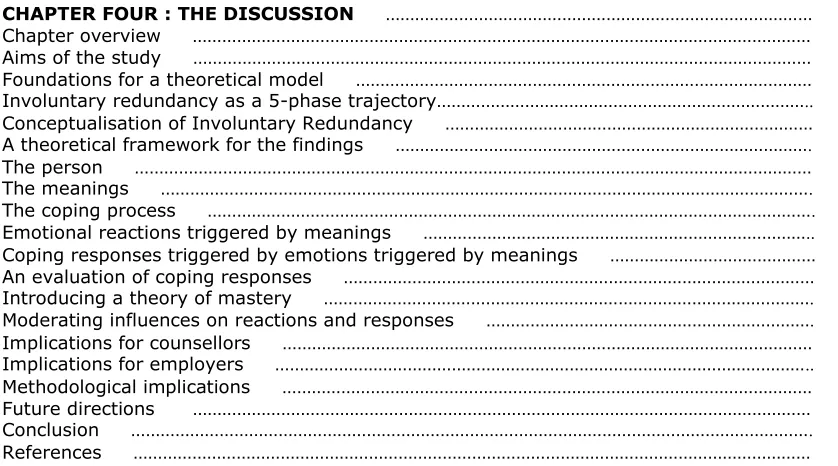
CHAPTER FOUR : THE DISCUSSION ……… 154
Chapter overview ……… 154
Aims of the study ……… 154
Foundations for a theoretical model ……… 153
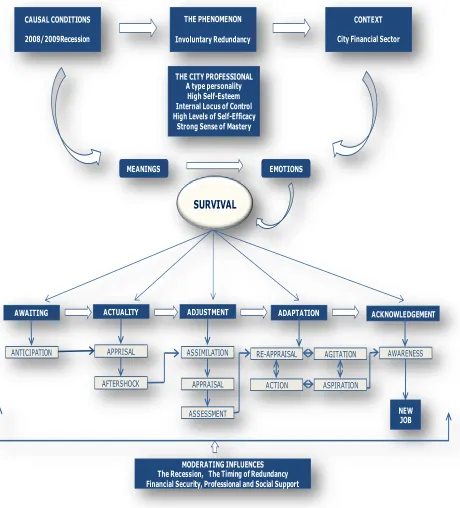
Involuntary redundancy as a 5-phase trajectory……….. 155
Conceptualisation of Involuntary Redundancy ……… 158
A theoretical framework for the findings ………. 159
The person ……… 159
The meanings ………. 164
The coping process ………. 168
Emotional reactions triggered by meanings ……….. 168
Coping responses triggered by emotions triggered by meanings ……… 171
An evaluation of coping responses ……… 174
Introducing a theory of mastery ………. 177
Moderating influences on reactions and responses ………. 179
Implications for counsellors ……… Implications for employers ……….. 182 184 Methodological implications ……… 185
Future directions ……… 189
Conclusion ………. 190
References ……… 191
[image:6.612.71.490.88.321.2]Tables Table 1 Unemployment Statistics ……… 19
Table 2 Participant demographic information ……… 91
Boxes Box 1 Excerpt from reflexivity diary ………. 87
Box 2 Excerpt from reflexivity diary ………. 88
Box 3 Excerpt from reflexivity diary ………. 88
Appendices Appendix (i) Participant Information Sheet ……… 203
Appendix (ii) Pre-interview Questionnaire ……… 206
Appendix (iii) Interview Schedule ………... 207
Appendix (iv) Ethics Release Form for Psychology Research Project ………. 210
Appendix (v) Consent Form ……….. 215
Appendix (vi) Resources for participants ……….. 216
Appendix (vii) Examples of memos ……….. 216
Appendix (viii) Example of open coding ………... 220
Appendix (ix) Example of focused coding ……… 221
Appendix (x) Development of categories ……… 222
Appendix (xi) Negative case analysis ………. 223
Figures Figure 1 Links between categories : phases and process ………... 95
Figure 2 Summary : Phase 1 : AWAITING ……… 103
Figure 3 Summary : Phase 2 : ACTUALITY : Apprisal ……….. 108
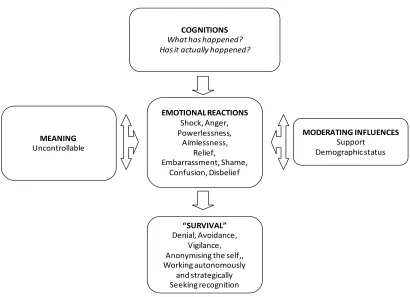
Figure 4 Summary : Phase 2 : ACTUALITY : Aftershock ………. 113
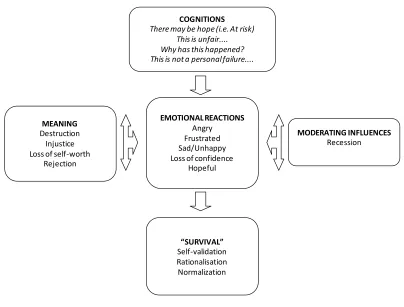
Figure 5 Summary : Phase 3 : ADJUSTMENT : Appraisal ………... 124
Figure 6 Summary : Phase 3 : ADJUSTMENT : Assimilation ………... 124
Figure 7 Summary : Phase 3 : ADJUSTMENT : Assessment ………. 129
Figure 8 Summary : The Adaptation Cycle ……….. 130
Figure 9 Summary : Phase 3 : ADJUSTMENT : Action ……… 135
Figure 10 Summary : Phase 3 : ADJUSTMENT : Agitation and Aspiration ……….. 140
6
Figure 12 Summary : Phase 3 : ACKNOWLEDGEMENT : Awareness ……… 154
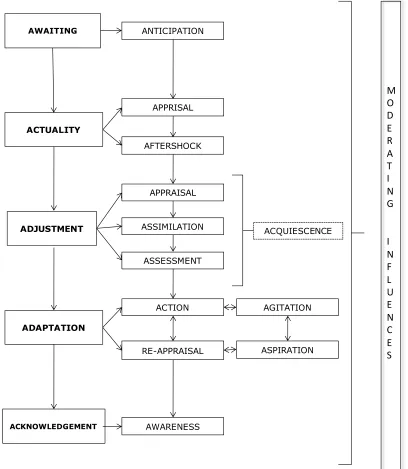
Figure 13 A 5–phase Trajectory : A model ……….. 159
Figure 14 A 5-phase Trajectory : Contextual Environment ………. 160
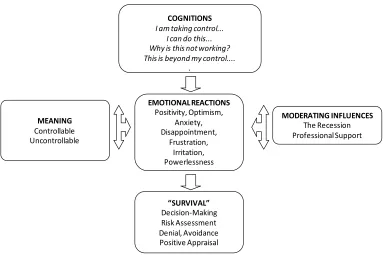
Figure 15 Mapping the process ……… 177
SECTION C
Relinquishing Control……. A CBT approach to cancer and emetophobia: A combined Client Study and Process Report ……… 231Introduction ………. 232
Theoretical orientation ……….…. 232
Context and referral ………... 233
Social and biographical details ………... 234
Initial assessment and presenting problems ……….... 234
Case conceptualization and formulation ……….… 236
Contract and therapy plan ……… 238
Key content issues leading up to presenting session ……… 239
Rationale for choice of session and segment ……… 239
Lead into passage ……… 240
Pattern of therapy and key content issues ……… 256
The therapeutic process and its change over time ……….… 258
Difficulties in the work and liaison with other therapists ……….… 259
Evaluation of the work ………... 260
What I learned about psychotherapeutic practice and theory ………... 260
References ……… 262
SECTION D
„Mandatory‟ vs. „Voluntary‟: What role does personal therapy play in the personal and professional development of therapists? ………. 264Introduction ……… 265
Rationale for the current review ……….... 268
Clarification of concepts……….... 269
The Review ………. 269
Mandatory vs. Voluntary ………... 279
Experiential learning ………... 272
Learning about therapy ………. 272
Learning about the self ……….. 273
Learning to be a therapist ……… 274
Learning from the therapist ………. 276
Summary of the findings ……….. 278
Discussion ……….. 279
Methodological limitations ……… 283
Reflexivity ………... 284
Conclusions and future directions ………. 285
References ………. 287
City, University of London Northampton Square London EC1V 0HB United Kingdom
T +44 (0)20 7040 5060
www.city.ac.uk Academic excellence for business and the professions
THE FOLLOWING PARTS OF THIS THESIS HAVE BEEN REDACTED
FOR DATA PROTECTION REASONS:
Relinquishing Control…….
A CBT approach to cancer and emetophobia:
7
ACKNOWLEDGEMENTS
The present study has been informed and sustained by a number of different people in both my professional and personal life. I would like to acknowledge them here.
Firstly and most importantly, I would like to thank the twelve participants who took part in this study whose generosity both with their time and in sharing their experiences has been invaluable. They made this study possible.
I would also like to express my heartfelt thanks to my research supervisor, Dr. Susan Strauss for her unwavering support, guidance, constructive feedback and inspirational ideas. In recent times she has without doubt nurtured my growth and confidence as an academic researcher.
I would like to thank my colleagues both past and present who have shown an interest in my work and progress and have offered valuable advice, support, understanding and assistance. Two people in particular have helped to shape my professional career by acting as an inspiration in my clinical work, namely Dr. Peter du Plessis and Maureen Royston-Lee. I have also received invaluable professional support from two City-based Outplacement Provider consultants, who for the purposes of client anonymity, must remain nameless. Their encouragement and practical assistance in recruiting participants has been fundamental to this research. I would also like to thank Lynn Strongin Dodds whose business and financial expertise and unswerving support and friendship has been invaluable throughout this research process.
8
Declaration of Powers of Discretion
I grant powers of discretion to the University Librarian to allow this thesis to be copied in
whole or in part without further reference to me. This permission covers only single copies
9
SECTION A : PREFACE
This portfolio has focused on two inter-related concepts, which have been the subject of
multiple major theories and a vast body of experimental and naturalistic studies, namely
personal control and mastery. It is considered herewith that both concepts are worthy of
attention by Counselling Psychologists who in their everyday practice are likely to encounter
clients whose problems relate to uncontrollable events. Such events may threaten
fundamental assumptions that a person holds about their life including the idea that one is
both invulnerable and immortal (Janoff-Bulman, 1999) or that the world is a just place and
that essentially one is in control (Moorey and Greer, 2002).
Both terms have been used expansively and have been variously defined in the literature.
For the purposes of this portfolio, two general definitions which appear to sufficiently
capture their essence have been selected. Firstly, personal control is defined as the
perception that one has the ability, resources or opportunities to get positive outcomes or
avoid negative effects through one‟s own actions (Thompson and Schlehofer, 2007).
Secondly, mastery is defined as the extent to which one regards one‟s life chances as being
under one‟s own control in contrast to being fatalistically ruled (Pearlin and Schooler,
1978). As highlighted by Younger (1991), control is a concept that is related to mastery
but it lacks the focus on outcome and growth.
From an organismic perspective, theorists have argued that these perceptions of control
constitute fundamental human psychological needs. For example, White (1959) asserted
that all humans (and other higher mammals) come with the inborn desire to be effective in
their interactions within the social and physical context. Similarly, various authors have
10
(Elliott and Dweck, 2005; Koestner and McClelland, 1990). In keeping with the notion that
control reflects an organismic need, events perceived as uncontrollable are likely to
represent a significant threat to an individual if they believe that no control can be exerted
over the situation. In this vein, research has demonstrated that the psychological effects of
prolonged exposure to loss of control shape concurrent motivation, volition, emotion and
cognition as well as future-oriented states such as optimism and hope (Kuhl, 1984).
Accordingly, therapeutic interventions may be warranted and potentially beneficial.
As highlighted by Rothbaum, Snyder and Weisz (1982), there is extensive evidence that
people strongly value and are reluctant to relinquish the perception of control. These
authors explain that people may attempt to re-gain control either by bringing the
environment into line with their wishes (i.e., primary control) or by bringing themselves into
line with environmental forces (secondary control). In the latter case, responses may
appear to be lacking in adaptiveness and Rothbaum et al. (1982, p.31) caution that
therapists may “inadvertently trample on” or unintentionally undermine attempts at
secondary control. For example, an individual may attempt to exert control through
adopting inward behaviours (i.e., passivity, compliance, submissiveness). Attributing
responsibility to oneself may also be a way of asserting control and preserving one‟s sense
of control (Wortman, 1976). In a similar vein, Park and Folkman (1997) have suggested
that individuals may exert control over a stressful event by changing the meaning of the
situation to be more consistent with their goal‟s and beliefs (i.e., by identifying
opportunities for growth).
Returning to the concept of mastery, Younger (1991) has drawn attention to the way in
which individuals who experience uncontrollable events (e.g., illness or other stressful
health conditions) may emerge, not demoralized and vulnerable, but healthy and possibly
stronger. She further posits that the shock of discovering one‟s personal vulnerability may
11
acceptance of life on those terms, without abandoning the opportunity to exert personal
influence on events. In this way, a sense of mastery may be regained through responses to
difficult or stressful circumstances in which competency, control and dominion have been
gained over the experience of stress.
It is beyond the remit of this portfolio to attend to the broad nuanced analysis of control
which exists within the literature. The above précis has merely sought to highlight links
between an individual‟s fundamental need for personal control and mastery, the potential
effects of a loss of control, and adaptive responses aimed towards re-instating a sense of
control and mastery in situations perceived as uncontrollable. A heightened sensitivity to
these issues may also serve to increase Counselling Psychologists‟ awareness of the
importance of promoting a truly egalitarian therapeutic climate in which a client‟s autonomy
is recognised and feelings of powerlessness are diminished. In this way, and through
effective interventions, the therapist may facilitate a client‟s journey towards mastery
and control.
This portfolio consists of four sections (including Section A : Preface). Each section is linked
to a theme of mastery and control.
Section B : Research
The research section of this portfolio consists of a qualitative exploration of reactions and
responses to involuntary redundancy amongst a cohort of City Professionals during an
economic recession. My reasons for choosing to research this topic stemmed primarily from
a desire to explore a topical issue. To this end, the redundancy phenomenon triggered by
an unprecedented global recession appeared to be a topic worthy of exploration. Daily news
12
with their personal possessions in cardboard boxes and bin liners caught my attention. As
a Counselling Psychologist in-training, my curiosity was aroused in relation to the potential
psychological impact on those individuals in relation to the shock and uncontrollability of
their experience.
I considered that an exploratory study reflecting more recent working trends might be
timely and of potential benefit to clinical practice. This view reflected my awareness of the
potential for distress or more serious mental health issues to arise as a consequence of the
involuntary nature of the event and the potential for long-term unemployment given the
scale of the problem. Through grounded theory analysis, the findings showed that many
City Professionals appear to share personality traits and characteristics including high levels
of self-esteem and heightened perceptions of control and mastery. Consistent with the
existing literature, those psychological resources were shown to be adaptive in relation to
the participants‟ ability to survive their experience of involuntary redundancy. At the same
time, however, the meanings attributed to the experience appear to have presented a
significant challenge to individuals who possess such traits and characteristics. Ultimately,
for the majority, the process of surviving involuntary redundancy appears to have further
enhanced perceptions of mastery and control. These findings have been incorporated into a
five-phase model which denotes the process of survival over time.
Section C : Professional Practice
This section includes a Cognitive Behavioural combined Process Report and Client Study in
which I am working with a 35 year old female who is undergoing treatment for breast
cancer and who also suffers from symptoms consistent with a diagnosis of Specific Phobia
of Vomiting (SPOV) also known as emetophobia. In both respects, control is a dominant
13
the psychopathology of SPOV as described by Veale (2006), Camilla1 associated vomiting
with the feared consequences of losing control. Her belief that she was able to control
vomiting was maintained through the maintenance of a broad range of avoidance and
safety behaviours. The recognition that invasive chemotherapy treatment might induce
vomiting, was exacerbating her overall levels of anxiety.
Given the physiological effects of her treatment, the need to proceed with caution was
paramount in our working and to this end the importance of “doing the work” and
recognizing “when to hold back” proved difficult at times. I was also mindful of Camilla‟s
need to exert control over her situation. To this end, although I sensed that her fear of
losing control was also proving to be an obstacle to opening up to her emotions in therapy,
I purposefully adopted a tentative approach both in relation to encouraging the expression
of emotions and in the delivery of CBT interventions. The piece presented highlights a
moment in which Camilla assumes mastery of her experience by virtue of deciding to
relinquish control.
Section D : Critical Literature Review
This review has focused on the role of mandatory personal therapy in the personal and
professional development of trainee Counselling Psychologists. The relevance of this topic
to a theme of control pertains to the fact that Counselling Psychology trainees are obliged
to undertake at least 40 hours of personal therapy in order to achieve chartered status.
Although there appears to be general consensus within the studies reviewed that personal
therapy should be a recommended part of training, the question as to whether it should be
mandatory for all remains a matter of debate. In this connection, the notion that training
institutions or governing bodies should not assume “one size fits all” standards is
14
recognised. Moreover, there have been calls for the uniqueness of each trainee to be
emphasised, embraced and acknowledged.
A seminal study conducted by Risz and Target (2008a) produced findings in which all their
participants expressed ambivalence towards the mandatory aspect of personal therapy,
suggesting that professional insistence on personal therapy could paradoxically create
some resistance to a fulsome engagement in the process. In the final analysis, one
participant in Wiseman and Schefler‟s (2001) study suggested that perhaps personal
therapy should not be forced but instead should be a recommendation in the spirit of what
it means to treat people.
The considered view appears to be that by denying Counselling Psychologists the right to
exert control over a decision as to whether or not to engage in personal therapy, the
integrity of the experience may be compromised. I would argue that training institutions
might consider how to encourage trainees to engage fully in personal therapy but with a
greater sense of mastery and control over the experience. For instance, training institutions
might consider providing prospective candidates with an explanation of the rationale for
mandatory personal therapy at the time of the selection process. In this way, trainees who
then decide to accept a place will, by default, also be making an informed choice to engage
in personal therapy. Thus, their perceptions of control will remain intact and the potential
for resistance to arise may be minimised.
In sum, in different ways, all three of these academic works recognise that events
perceived as uncontrollable may violate an individual‟s perceptions of mastery and control.
Consequently, individuals are likely to seek opportunities to re-gain a sense of mastery and
control over their environment. To this end, as posited by Thompson (1981), control may
not need to be exercised for it to be effective and it may not even need to be real but just
15 References:
Elliott, A.J. & Dweck, C.S. (Eds.). Handbook of competence and motivation. New York : Guilford.
Janoff-Bulman, R. (1992). Shattered Assumptions: Towards a new psychology of trauma. New York : Free Press.
Koestner, R. & McClelland, D.C. (1990). Perspectives on competence motivation. In L.A. Pervin (Ed.), Handbook of personality: Theory and research. New York : Guilford Press.
Kuhl, J. (1984). Volitional aspects of achievement motivation and learned helplessness: Toward a comprehensive theory of action control. In B.A. Maher & W.A. Maher (Eds.), Progress in experimental personality research (p. 99-171). New York : Academic Press.
Moorey, S. & Greer, S. (2002). Cognitive Behaviour Therapy for People with Cancer, U.K. : Oxford University Press
Park, C.L. & Folkman, S. (1997). Meaning in the context of stress and coping. Review of General Psychology, 1 (2), 115-144.
Pearlin, L.I. & Schooler,m C. (1978). The structure of coping. Journal of Health and Social Behavior. 19, 2-21.
Risz, R. & Target, M. (2008a). “Not a little Mickey Mouse thing”: How experienced
counselling psychologists describe the significance of personal therapy in clinical practice and training. Some results from an interpretative phenomenological analysis. Counselling Psychology Quarterly; (21(1): 29-48.
Rothbaum, F., Weisz, J.R. & Snyder, S.S. (1982). Changing the World and Changing the Self: A Two-Process Model of Perceived Control, Journal of Personality and Social Psychology, 42 (1), 5-37.
Thompson, S.C. (1981). Will It Hurt Less If I Can Control It? A Complex Answer to a Simple Question. Psychological Bulletin, 90 (1), 89-101.
Thompson, S. C., & Schlehofer, M. M. (2007). Perceived control. In M. Gerrard & K. D. McCaul (Eds.), Health Behavior Constructs: Theory, Measurement, and Research. National Cancer Institute Website.
Veale, D. (2009). Cognitive behaviour therapy for a specific phobia of vomiting. The Cognitive Behaviour Therapist (2): 272-288.
White, R.W. (1959). Motivation reconsidered: The concept of competence. Psychological Review, 66, 297-330.
Wiseman & Shefler, G. (2001). Experienced psychoanalytically oriented therapists‟ narrative accounts of their personal therapy: Impacts on professional and personal development.
Psychotherapy, (3) : 129-41.
16
S
ECTION
B
A
“
Survival of the Fittest Experience
” :
A qualitative exploration of
psychological reactions and responses to involuntary redundancy
amongst City Professionals in a climate of recession.
17
ABSTRACT
A redundancy phenomenon triggered by the 2008/2009 global economic recession seems set to continue, representing a risk to all employees. This study has focused on a particular working sector (i.e., the U.K. Financial Services) which has suffered an unprecedented number of involuntary job losses. Notwithstanding diversity in backgrounds, this study has produced findings which show that many City Professionals appear to share similar psychological traits and characteristics which are well suited to working in an intensely competitive, goal driven and pressurised working environment. Namely, high self-esteem and heightened perceptions of mastery and control. Consistent with past research, these psychological resources have been found to be adaptive in relation to coping with the stress of job loss. Concurrently, this study has highlighted that the meanings attributed to involuntary redundancy by individuals who possess those traits appear to present a significant challenge to their psychological well-being.
18
ABBREVIATIONS
U.S.
United States of America
U.K.
United Kingdom
GT
Grounded Theory
IPA
Interpretative Phenomenological Analysis
19
C
HAPTER
1
INTRODUCTION
P
RELUDEAll those who participated in this research study were forwarded a verbatim transcript of
their interview. Some months later at a time when the researcher was immersed in data
analysis, she received an acknowledgement by e-mail from one of the participants. The
message content underscored the import of the topic being investigated both at an
individual level and to Counselling Psychologists at large:
Thanks for the attached. Rather surprisingly or maybe not, I can't read it. I
managed to get to line 270 something and then all the uncomfortable
feelings came back and I can't re-visit them. I find that really interesting
because I thought I was over the whole experience - obviously not, maybe
the hurt (feeling of rejection) doesn't go away? (P. 11)
C
HAPTERO
VERVIEWThis study provides an in-depth exploration of the perspectives of City Professionals in
relation to their experience of involuntary redundancy in a climate of economic recession.
Specifically, this study has focused on gaining insight into the participants‟ subjective
reactions and responses to redundancy over time. The chapter opens with an
explanation of the contextual background to the research. This is followed by a review of
a representative cross-section of the substantive „pre‟ and „post‟ redundancy literature
with an emphasis on findings that are deemed to have relevance to the current study.
20
C
ONTEXT ANDB
ACKGROUNDR
ECESSION is defined as a period of economic decline for two or more consecutivequarters which is typically accompanied by a drop in the stock market, an increase in
unemployment and a decline in the housing market (Investorwords.com, 2010). The
financial crisis of 2008 and 2009 which led to a worldwide economic recession is
considered by many experts in the financial and business spheres to be the most severe
since the Great Depression of the 1930‟s. The crisis was triggered by the trade in U.S.
sub-prime mortgages (i.e. home loans given to people with poor credit histories). Several
factors contributed to the crisis including the availability of easy credit, complex financial
instruments devised to trade the debt, weak regulation and the belief that the developed
world had entered into a new paradigm of bull markets. Events came to a head in
September 2008 when the U.S. government decided not to bail out Lehman Brothers, the
fourth largest securities house. The bank collapse which followed made history as the
biggest corporate bankruptcy since WorldCom in 2002.
The reverberations were felt immediately and drastic measures including downsizings
and redundancies were implemented leading to mass unemployment on a phenomenal
scale. The U.K. financial services industry, in particular, was severely affected with an
unprecedented number of job losses estimated at a net total of 70,000 for 2008 and
[image:22.612.70.534.618.699.2]2009 (City of London Statistics, 2010).
Table 1. Office for U.K. National Statistics : Labour Market Statistical Bulletin
Three month period to: From one year earlier Total Unemployed April 2008 90,000 decrease 1.61 million
July 2009 743,000 increase 2.47 million
March 2010 53,000 increase 2.50 million*
21
According to business and financial experts, the global economic picture remains unclear.
Consequently, redundancies are likely to remain part of the landscape. Although
economists generally view unemployment as an economic problem, Winefield (2002) has
expressed the view that, whilst the causes of unemployment may be economic, the
psychological consequences go beyond the economic (i.e. financial disadvantage). He has
argued that in order to support this claim, empirical evidence is needed.
T
HEL
ITERATURER
EVIEWKey terms: Redundancy, Job Loss, Job Insecurity, “Survivors”
R
EDUNDANCY has been defined as the planned process of cutting back on humanresources by terminating an individual‟s position within the organization (Hardy, 1986, p.
275). Redundancy has also been described as a response to market change (Lewis,
1993). The impact of change in the context of an economic downturn, reflects the
implementation of organizational re-structuring, downsizing, mergers, acquisitions and
other types of structural change which can lead to multiple redundancies occurring over
time. Within the literature, the term redundancy is used interchangeably with JOB LOSS
which is defined by Holmes and Rahe (1967) as a “life event that removes paid
employment from an individual involuntarily.” (see Latack, Kinkicki & Prussia, 1995,
p.313). Latack et al. posit that job loss (an event) can be distinguished from
unemployment (a state) by the concept of duration. Accordingly, job loss and
unemployment form a continuum based on duration with the job loss event at one end
and prolonged, chronic unemployment at the other. According to Latack et al., job loss
as a life event pertains to adjustment after the fact.
In a climate of economic unpredictability and a rapidly changing organizational
environment, Schaufeli and Greenglass‟ (2001, pp. 503) observation that “job loss is
22
INSECURITY which has been defined as: “the perceived powerlessness to maintain the
desired continuity in a threatened job situation” (Greenhalgh & Rosenblatt, 1984, p.
438); “the subjectively experienced anticipation of a fundamental and involuntary event
related to job loss” (Sverke, Hellgren & Naswall (2002, p. 243) and “a work stressor that
results in detrimental job attitudes and behaviours” (Lim, 1997).
In tandem with Latack et al.‟s (1995) distinction, Sverke et al. (2002) concur that job
insecurity must be separated from job loss on the basis of the difference in the
experience itself. These authors argue that job loss is immediate whereas job insecurity
is an everyday experience involving prolonged stressfulness associated with uncertainty
about the future. In response, the current researcher proposes that the distinction made
between job insecurity and job loss
,
whilst valid,
does not attend to the similaritiesbetween both experiences in the sense that the post-event process may also relate to
prolonged stressfulness and uncertainty about the future in relation to securing another
job. Indeed, it might be argued that the term job insecurity might also be utilized to
describe the state of unemployment until a job has been secured.
Notwithstanding the fact that a distinction between pre- and post-event job loss
reactions has permeated the literature thus far, Dekker and Schaufeli (1995) have
acknowledged an association between job insecurity and unannounced redundancies in
relation to an employee‟s uncertainty as to who, if anyone, will be forced to leave the
organization. Although job insecurity is not always followed by job loss
,
these authorsposit that job insecurity must be considered to be a prelude to the termination of a job
and unemployment. For Jacobson (1991), job insecurity represents an intermediate
23
Given that job insecurity is to a large extent context-dependent (Klandermans and van
Vuuren,1999), in a climate of radical economic change permeated by multiple job losses
over time, the current researcher posits that based on the findings, the period of
insecurity prior to the event constitutes a component of the overall “adjustment” to
redundancy process. In this vein, a further dimension to the pre-event investigative
literature is noted in relation to the reactions of those who remain working in
organizations following downsizings. These “survivors” of redundancy not only remain
subject to threat but may also experience involuntary redundancy firsthand in a later
organizational “cut”. In consideration of what might be conceived herewith as a “global”
perspective, the job insecurity and „survivor‟ literature are both deemed to be relevant
to the redundancy experience as a whole and are accordingly included in this review.
At this juncture, it should be noted that findings relating to psychological consequences
and coping at an individual level have been selected for inclusion in this review.
Physiological consequences and impact on others have been purposefully excluded.
WHAT IS THE MEANING OF UNEMPLOYMENT?
Researchers have typically pre-empted their work with descriptions of existing
frameworks which describe the meaning of unemployment. Two models in particular are
consistently cited. Firstly, Jahoda‟s (1982) latent deprivation model states that
unemployment produces profound changes in the life of working adults, including the loss
of five latent functions of employment (time structure, social contact, collective purpose,
status and activity). Jahoda believes that, unless individuals manage to locate
alternative ways of achieving these outcomes, unemployment will be destructive from
24
A second “vitamin” model proposed by Warr (1987, 2007) accounts for differences in the
quality of work experiences and social issues. To this end, job characteristics are
grouped into nine (later twelve) categories that relate differently to mental health
outcomes according to the type of “vitamin” they represent. This model is able to explain
why individuals who exit unpleasant dissatisfying organizations may be psychologically
refreshed and not oppressed as Jahoda‟s model would predict.
Essentially, research has indicated that employment provides people with social status,
professional identity and collective purpose (Wanberg, 1997), social connectedness,
feelings of self-worth and the valued role of “breadwinner” (McKee-Ryan, Song, Wanberg
& Kinicki 2005; Price, Choi & Vinokur, 2002; Latack et al. 1995). According to De Witte
(1999), the threat of unemployment means the frustration of these needs and the loss
of important (financial, social and societal) resources. Of note is Paul and Moser‟s (2009)
observation that theoretical accounts regard unemployment as a cause of distress but
not the other way round.
P
RE-EVENT
JOB INSECURITY
J
OB INSECURITY is described by De Witte (2005) as a sizeable social phenomenoncaused by fundamental changes in the economic system of most European countries and
the United States. Predominantly quantitative literature on this topic is located within
journals of management, organizational psychology and organizational behavior. Canaff
and Wright (2004) have observed that the fields of counselling, social work and
psychology have paid little attention thus far to the need for interventions with this “job
insecure” population. Given that job insecurity is likely to affect the individual‟s life in a
variety of ways, including psychological, marital and family, as well as organizational
25
fertile ground for employment counsellors not only in relation to fulfilling a counselling
role but also in a collaboration/consultant and advocacy role within organizations
undergoing transition.
WHAT ARE THE PSYCHOLOGICAL CONSEQUENCES OF JOB INSECURITY?
The threat to job security (i.e., job insecurity) has been conceptualised as a chronic job
stressor (Van Vuuren, 1990) which generates stress for the individual and consequently
reduces well-being (DeWitte, 1999; Sverke et al, 2002; Lim, 1997). Lim (1997, p. 252)
has defined the job stressor as “causes of job stress” and job strains as “the individual
outcomes associated with the stressor”. Lazarus (1966) described three types of
situations that result in feelings of stress: firstly, those that represent harm and loss,
secondly, those that are perceived as a threat to an individual‟s sense of well being, and
thirdly, those that are positive challenges in an individual‟s life, such as a new job or a
job relocation. In tandem with Canaff and Wright‟s (2004) assertion that individuals
experiencing job insecurity are likely to experience one or more of these situations,
Lewis, Lewis, Daniels and D‟Andreas‟ (2003) observation that they can be viewed as a
vulnerable population can be seen to be valid.
With relevance to stress reactions, associations between job insecurity and reduced
well-being have been documented (Fryer, 2000; Hellgren, Sverke & Isaaksson, 1999; Barling
& Kelloway, 1996; Hartley, Jacobson, Klandermans, van Vuuren, Greenhalgh & Sutton, 1991; Jick, 1985; Warr, 1984). Specifically, job insecurity has been linked to psychological distress, anxiety and depression (Roskies & Louis-Guerin, 1990; Roskies,
Louis-Guerin & Fournier, 1993) and more negative emotional feelings (van Vuuren,
Klandermans, Jacobson & Hartley, 1991), suggesting that prolonged exposure to job
insecurity can lead to a wearing out of the resources of the individual worker (Dekker &
26
emotional and physical exhaustion that results from long-term involvement in work
situations that are emotionally demanding (Schaufeli & Greenglass, 2001). According to
De Witte (2005), longitudinal studies have “legitimized” these and similar earlier findings.
A relationship between job insecurity and feelings of hostility and anger has also been
identified (Kleinfield, 1996). Shore and Tetrick (1994) explain that when an employee
perceives that the organization has failed to meet its obligations, anger, outrage, distrust
and resentment are more likely to occur. Similarly, when employees perceive their job
security is threatened due to downsizing, Schaufeli and Greenglass (2001) suggest they
are more likely to feel betrayed and as a result, experience anger, cynicism and hostility.
Increased levels of irritation and anxiety and psychosomatic complaints are also added to
this list (see review by De Witte, 2005). Further, Greenhalgh and Rosenblatt (1984)
suggested that employees experiencing a reduction in workforce may also present with
feelings of grief and loss, not unlike those individuals experiencing an anticipated death.
These authors explain that, as workers begin the grieving process in anticipation of the
loss, they may psychologically withdraw from the to be lost object, namely the job.
HOW DOES JOB INSECURITY AFFECT PSYCHOLOGICAL WELL-BEING?
Theoretical perspectives
The concept of job insecurity has been defined in different ways, however DeWitte
(1999) has noted that researchers have tended to adopt an overall concern about the
continued existence of the job in the future. For example, Van Vuuren (1990) proposed
three components to job insecurity. Firstly, it is a subjective experience of perception.
Secondly, it implies uncertainty about the future in relation to being made redundant,
and thirdly, doubts about the continuation of the job as such are viewed as central to job
insecurity. With relevance to the latter component, De Witte (2005) highlights a
27
the job itself and qualitative
JI
which refers to insecurity regarding the continuedexistence of valued aspects of the job. This review will focus on quantitative job
insecurity.
The idea that job insecurity is not just a matter of social construction but instead relates
to actual changes in a company‟s situation has been the subject of some debate. For
example, based on interviews with employees in three different companies, Hartley et
al., 1991) found that feelings of job insecurity reflected the objective changes (an
improvement or a decline) in the company‟s situation. However, these authors also noted
that not all the variance in job insecurity could be explained by the company‟s situation
and that workers facing identical situations, differed in their feelings of job insecurity.
Although Hartley et al (1991) concede that personality factors known to determine
feelings of insecurity such as low self-esteem or pessimism may underlie subjective
insecurity, they argue that these factors become irrelevant in companies where jobs are
at risk.
Notwithstanding Hartley et al.‟s proposition that there is a correlation between objective
and subjective states of insecurity, De Witte (2005, p. 1) asserts that job insecurity is an
internalized perception, typified by the subjective conceptualization of insecurity about
the job in the future. Indeed, there appears to be some consensus amongst researchers
that the subjective experience is the cornerstone of most psychological definitions of the
„job insecurity‟ construct (DeWitte, 1999; van Vuuren, 1990; Sverke & Hellgren, 2002).
Consequently, the majority of research thus far has studied job insecurity almost
exclusively as a subjective state (Bussing, 1999).
Greenhalgh and Rosenblatt (1984) assert that subjective threat is derived from objective
28
have three basic sources of data, each of which requires interpretation. Firstly, official
organizational announcements which Jick and Greenlagh (1981) suggest are typically
minimal during times of change; secondly, unintended organizational clues evident to
employees and thirdly, rumours which abound during times of threat, especially when
official measures are scarce. Accordingly, Greenhalgh and Rosenblatt posit that it is not
surprising that employees vary widely in their assessment of subjective threat.
In line with Van Vuuren‟s (1990) second component, uncertainty, Sverke et al. (2002)
note that job insecurity reflects the subjectively experienced anticipation of a
fundamental and involuntary event. Anticipation, in this context, reflects subjective
worry about the uncertainty of losing a job which as argued by Jacobson (1991) is one
of the most salient features of job insecurity. The notion of “appraisal” as described by
Lazarus and Folkman, (1984) is relevant here since an individual will only be affected by
job insecurity once they perceive their job to be insecure. According to this theory, how
individuals respond to a potentially stressful situation (i.e., a downsizing), is dependent
on how they appraise or interpret the situation.
Furda and Meijman (1992, p.133) have distinguished between two factors which they
suggest could be relevant in explaining the harmful impact of “uncertainty”, namely
predictability and controllability, both of which are shown to reduce psychological
well-being (Warr, 1987). Unpredictability reflects a lack of clarity about the future and about
the expectations and behaviours that the employee should adopt. Uncontrollability
pertains to a feelings of powerlessness over the continuity of a job.
In their quest to provide conceptual clarity, Greenhalgh and Rosenblatt (1984) grouped
the subjective threat involved in job insecurity into two basic dimensions: the severity of
29
powerlessness is viewed by these authors as an important element of job insecurity
because it exacerbates the experienced threat due to the lack of protection a worker
feels. The threat pertains to the ambiguity of what type of interventions might guarantee
job continuity. For example, employees may be uncertain whether concrete actions
should be undertaken or not.
Potential moderating affects
De Witte (2005, p. 2) highlighted a distinction between antecedents to job insecurity
which include: variables on a macro level pertaining to the national or regional degree of
unemployment and changes in the organizational structure (i.e., contextual factors), and
positional variables such as age, gender, occupational levels and personality traits. Whilst
contextual factors may be common to all (i.e., economic climate), positional variables
reflect an array of individual differences which are likely to determine the degree to
which individuals experience job insecurity.
Age
Research has shown that unemployment is more distressing for respondents
between approximately 30 and 50 years old (Warr & Jackson, 1984). This is
explained in relation to increased family responsibilities and financial resources
which may be more burdening. Further, the position of “unemployed” may be
socially less legitimized. De Witte (2005) has noted that it is unclear whether
these age differences also apply to the experience of job insecurity.
Gender
Males have been found to experience significantly increased levels of distress in
relation to job insecurity than females (i.e. Fryer & Payne, 1986; Warr & Jackson,
30
earlier findings may be attributed to „role‟ theory which considers that females
have more alternative roles available to fall back on. In order to test this theory,
De Witte suggests that comparisons of single women to women who are married
with an employed husband must also be investigated. The current researcher,
would note the relevance of determining whether the female provides the main
source of household income.
Occupational status
Although Worrall and Cooper (2004) observed a pervasive sense of job insecurity
throughout all management levels, there appears to be some consensus amongst
researchers that in the context of organizational downsizing, executive level
managers have more control over their work and decisions affecting their jobs
than middle managers (Swanson & Power, 2001). Furthermore, middle managers
have been shown to perceive a greater threat of job loss and sense of
powerlessness than executive managers in terms of their ability to influence
decisions concerning the future of their job prior to the downsizing
(Armstrong-Stassen, 2005).
Social support
This term has been defined as “information that leads a person to believe that he
or she is cared for, esteemed, valued and belongs to a network of communication
and mutual obligation” (Lim, 1997, p.252). Greenhalgh and Rosenblatt (1984)
posit that social support somehow increases the individual‟s ability to cope with
stressful organizational situations by buffering their life outside the organization.
Indeed, Bussing (1999) argues that social support at work may keep an individual
“healthy” despite job insecurity
.
Dekker and Schaufeli (1995) highlight a31
confidence in management and protection by trade unions. They argue that all
three sources of support can provide employees with a feeling, or at least an
illusion, of control over the stressor of job insecurity (p. 58).
Erera (1992) examined how supervisors perceived social support in the working
context. She found that only subordinates were perceived as supportive,
providing emotional support and approval. In contrast, superiors were criticized
for providing inconsistent and insufficient information and withholding emotional
approval and tangible support and peers were accused of withholding emotional
support. Moreover, alienation was found to activate dysfunctional attitudes such
as blame, anger, suspicion and mistrust, which Erera concluded were “plainly
counterproductive to social support since employees will often withdraw and
communication channels will be shut down” (p.257). On the other hand, Dekker
and Schaufeli (1995) posit that an increasingly high level of psychological stress
may be an incentive for employees to seek social support.
Personality factors
Klandermans and van Vuuren (1999) have suggested that in more secure
circumstances, it is predominantly personality factors that determine feelings of
job insecurity. In this vein, a range of personality factors have been associated
with increased job insecurity, for example, conservatism, attributional tendencies,
i.e., greater importance attributed to work or attributions of self-blame
(Greenhalgh and Rosenblatt, 1984), pessimism (van Vuurren et al, 1991),
negative affect (Roskies et al., 1993); low self-esteem (Kinnunen, Feldt & Mauno
2003; Klandermans, van Vuuren & Jacobson, 1991; Van Vuuren et al., 1991) and
external locus of control (Greenhalgh & Rosenblatt, 1984; Van Vuuren et al.,
32
HOW ARE „SURVIVORS‟ AFFECTED BY REDUNDANCY?
S
URVIVORS are described by Brockner (1992) as those who remain within anorganization after a significant cut in the workforce. Much of the „Survivor‟ literature
thus far has emanated from North America and Canada and, in line with the job
insecurity research, has utilized mainly quantitative methods. Allen, Freeman, Russell,
Reizenstein and Rentz (2001) aimed to fill gaps in the literature by conducting a
longitudinal study of „survivors‟ over three periods of time. Although these authors
found that negative attitudes to downsizing reached more favourable levels after a period
of time, consistent with the work of others (for a review see Armstrong-Stassen, 2005)
initial “less favourable” reactions were identified, including decreased morale, job
satisfaction, organizational commitment and job involvement. According to Baruch and
Hind (1999, p. 29) this may be due to stress and anxiety based on fear of further
downsizing/restructuring, or due to diminishing trust between employees and
management or a combination of these factors.
Of relevance to the current study are empirical findings which show that
management-level „survivors‟ are not immune from the adverse effects of downsizing (Worrall &
Cooper, 2004; Allen et al., 2001; Worrall, Cooper & Campbell, 2000). Campbell (1999)
conducted a seminal qualitative study, in which data were collected from managerial and
non-managerial employees in two large U.K. financial organizations. She identified a
wide range of negative emotional reactions amongst „survivors‟ following downsizing
including feelings of stress, uncertainty, shock, confusion, insecurity and frustration.
Consistent with the observations of others who have viewed „survivor‟ reactions as
analogous to a grieving process that occurs after divorce or the loss of a loved one
(Newman & Krzystofiak, 1993), Campbell also noted a similarity between the emotional
reactions of „survivors‟ and those of the grieving process as described by Kubler-Ross
33
management throughout the redundancy process. Moreover, feelings of insecurity and
uncertainty prompted „survivors‟ to turn their attention to seeking alternate employment.
The term “survivor syndrome” has been used to describe the mixed bag of behaviours
and emotions exhibited by employees remaining after redundancies in their organizations
(Vinten & Lane, 2002, p. 430). Notwithstanding the body of evidence suggesting a range
of profound adverse affects, Baruch and Hind (1992) produced findings which
demonstrated contradictory evidence amongst employees in a large U.K. financial
institution. Accordingly, they mounted a second study aimed towards exploring the
possible reasons for the non-existence of the syndrome. They concluded that “best
practice” by the organization (i.e., a fair and open approach) and “timing” seemed to be
key to explaining the absence of “survivor syndrome”. Baruch and Hill explained that
“timing” in relation to more positive „survivor‟ reactions appeared to reflect a “less
turbulent” economic climate than that prevailing in earlier studies (i.e., in the 80‟s) that
were undertaken at a time of heightened uncertainty in the business community.
It might be argued that the absence of “survivor syndrome” may be less indicative of
reactions pertaining to exogenous variables (i.e., timing) but rather a reflection of data
collected from employees in a specific organization where “best practice” was
demonstrated and experienced by remaining employees. The qualitative approach taken
by Campbell (1999) appears to have provided an enhanced explanation of how “best
practice” might moderate the strength not only of „survivor‟ reactions but also those
experiencing redundancy firsthand. For example, from an organizational perspective,
she found that communications on the announcement day and post announcement were
found to have a huge impact in relation to individuals‟ thirst for information and the
desire for more explanations as to why certain decisions were made (p. 19). Similarly,
34
behaviours if there had been clear and adequate explanations for the redundancy
situation. Campbell also noted that, although organizations often offer outplacement and
counselling facilities to those people who leave an organization, they rarely offer
assistance to those who remain.
From an individual perspective, consistent with previous research (see Brockner, Davy &
Carter, 1985), Campbell found that those who viewed themselves positively (high
self-esteem) found the redundancies less threatening whereas those with a high level of job
dependence (economic need to work) and those whose career expectations were high,
were more likely to react negatively to redundancy. In the latter case, Kahn (1990)
noted individuals with a high level of job involvement may be more sensitive to changes
in the work environment. Job involvement in this context is defined as the extent that an
individual is devoted to and psychologically identifies with his or her work (Lodahl and
Kejner, 1965).
P
OST-EVENT
Key terms:
Job Loss, Redundancy, Unemployment
J
OB LOSS has been ranked as one of the top ten traumatic life experiences (Spera,Buhrfeind & Pennebaker, 1994) and in the upper quartile of unpleasant events that
generate life stress (Holmes & Rahe, 1976). De Frank and Ivancevich (1986) suggested
that for some individuals job loss can create almost as much stress as the death of a
loved one and even more stress than divorce or the death of a close friend.
U
NEMPLOYMENT can for many represent a difficult life situation which is characterized bya lack of activity and time structuring, less frequent meaningful social contacts, lower
social acceptance and lack of opportunities to feel competent, as well as a general threat
35
the person‟s basic psychological needs (Trachsel, Gurtner, von Kanel and Holtforth,
2010) and can provide the breeding ground for negative emotions and the development
of various mental problems (Grawe, 2006).
WHAT ARE THE PSYCHOLOGICAL CONSEQUENCES OF JOB LOSS AND
UNEMPLOYMENT?
Across the literature, researchers have identified a strong association between the move
into unemployment and psychological distress (Creed & Reynold, 2001; Fryer & Fagan,
2003; Winefield, 2002; Leana & Feldman, 1992). Specifically, job loss has been shown to
precipitate multiple adverse health and mental health issues, including depression, health
complaints and impaired psychosocial functioning (Trachsel et al., 2010; Paul and Moser,
2009; Dew, Bromet & Penkower, 1992; Price, 1992; Vinokur & Schul, 1997; Warr,
1987); a general reduction in well-being (Winefield & Tiggemann, 1990a; Kinicki, 1985),
diminished self-esteem and perceived competence (Winefield, Tiggemann & Smith,
1987), changes in self-concept (Avison, 2001) and increased levels of stress (Winefield &
Tiggemann, 1989; Dooley & Catalano, 1988).
As noted by Hanisch (1999), some positive effects following job loss have also been
reported. For example, some individuals perceive unemployment as positive and
liberating (Fryer & Payne, 1986) or experience increased feelings of excitement and
challenge (Feldman & Brett, 1983). Moreover, job loss may allow an individual to
re-direct career goals and priorities, develop new competencies, consider new alternatives
or leave a dissatisfying or unchallenging job (Hartley, 1980).
With specificity to higher occupational status, Latack and Dozier (1986) proposed that a
positive aspect of the job loss transition may be career growth and entry into a new
36
determine the personality and experiences of job loss amongst managers and executives.
Findings showed that many of the sample had found the experience quite devastating.
On the other hand, since many of these individuals were shown to be creative,
enthusiastic and entrepreneurial, Tyson and Doherty noted that they used the event of
redundancy as an experience with a lot of growth potential either by moving into
self-employment or achieving the potential for a fulfilling semi-retirement phase in their lives.
HOW DOES JOB LOSS AND UNEMPLOYMENT AFFECT PSYCHOLOGICAL
WELL-BEING?Integrative Models
According to De-Frank and Ivancevich (1986) there are clear advantages to using
integrative models to address job loss since they usually reflect an existing body of
empirical findings and are accordingly more comprehensive than models that only
examine a few variables. Their own model explains that the immediate effects of job loss
(i.e., loss of income; change in status; loss of daily structure) and its perceived impact
(i.e., appraisal as harmful or beneficial) are moderated by various personal, social,
economic and job-related variables (i.e., more negative effects associated with older age,
males and lack of social support). These authors further propose that perceived stress in
turn, leads to coping attempts (that may be more or less successful) and to various
longer terms outcomes including physical and health-related changes and psychological
problems.
A second renowned model proposed by Leana and Feldman (1988) traced the job loss
experience from the event itself (laid-off, fired or voluntary) to the individual job loser‟s
cognitive, emotional and physiological reactions to job loss, to coping efforts (active vs.
palliative), to job attainment status (satisfactory re-employment vs. continued
unemployment) and to potential outcomes (general health, job attitudes, quality of
37
situational differences as potential moderators of these relationships. At each stage of
their model, these authors proposed hypotheses regarding the linkages. In a similar vein,
Schneer (1993) introduced a model in which involuntary job loss was hypothesized to
have a negative impact on self-esteem, well-being and outlook on life. Self-blame,
financial and psychological investment in work, social support and the unemployment
rate were hypothesized to moderate these relationships.
Notwithstanding, a recognition that these models are largely based on studies of small
heterogonous samples, hypotheses and calls for future research, findings have been
incorporated into relevant sections of this review.
Stage Models
Models which have aimed to delineate stages or phases of reactions to job loss and
unemployment have also been proposed. Such models have frequently alluded to
models of bereavement where grief is generally conceived as a series of stages. For
example, Kubler-Ross (1969) proposed that those experiencing a grieving reaction pass
through several stages including denial, anger, bargaining and accepting. She did not
suggest that everyone would go through all of those stages in the same order or with the
same level of intensity but rather most people would experience facets of those stages.
For example, Amundson and Borgen (1982) likened the feelings associated with
unemployment to an “emotional roller coaster” which begins with a reaction to job loss
comparable to Kubler-Ross‟ stages of grieving. These authors proposed that towards the
end of the grieving cycle the acceptance phase is marked by the recognition that the job
is over and the job search must begin.
Similar patterns of grief-like responses and adjustment were also observed by Archer and