A Thesis Submitted for the Degree of PhD at the University of Warwick
Permanent WRAP URL:
http://wrap.warwick.ac.uk/93315
Copyright and reuse:
This thesis is made available online and is protected by original copyright. Please scroll down to view the document itself.
Please refer to the repository record for this item for information to help you to cite it. Our policy information is available from the repository home page.
System Design and Performance Analysis of
Wireless Body Area Networks
Yangzhe Liao
A thesis submitted to the University of Warwick in
partial fulfilment of the requirements for the degree of
Doctor of Philosophy
Table of Contents
List of Tables ... v
List of Figures ... vii
Acknowledgements ... x
Declaration ... xi
List of Publications ... xii
Abstract ... xiv
Abbreviations ... xvi
CHAPTER 1. ... 1
1.1 Background ... 1
1.2 Research motivations ... 2
1.3 Research objectives ... 5
1.4 Research contributions ... 6
1.5 Thesis outline ... 8
References ... 10
CHAPTER 2. ... 14
2.1 From WSNs to WBANs ... 17
2.1.1 Development of WBANs ... 17
2.1.2 Description of WBANs ... 18
2.2 WBANs technology standards ... 19
2.2.1 IEEE 802.15 Task Group ... 19
2.2.2 Frequency selection ... 22
2.3.1 Power consumption... 24
2.3.2 Data rate ... 25
2.3.3 QoS ... 26
2.3.4 Electromagnetic compatibility ... 27
2.4 WBAN topologies ... 28
2.4.1 Peer-to-peer topology ... 28
2.4.2 Star topology ... 29
2.4.3 Mesh topology ... 30
2.4.4 Hybrid topology ... 30
2.5 WBAN research challenges ... 31
2.5.1 Propagation channel modelling ... 31
2.5.2 QoS challenges ... 32
2.6 WBANs for promising applications ... 34
2.6.1. Medical applications ... 34
2.6.2. Non-Medical applications ... 35
References ... 36
CHAPTER 3. ... 41
3.1 Introduction ... 41
3.2 Dielectric properties of the human body ... 43
3.2.1 Human tissue model... 43
3.2.2 PL simulation setup ... 47
3.3 Human tissue safety ... 51
3.4 Characterisation of the in-body communication system ... 54
3.5 Summary ... 59
CHAPTER 4. ... 64
4.1 Introduction ... 64
4.2 Analysis of the I2O WBANs ... 68
4.2.1 System model ... 68
4.2.2 Simulation settings ... 69
4.2.3 I2O channel PL model ... 71
4.2.4 Safety analysis ... 72
4.3 Analysis of the I2O communication system ... 73
4.3.1 The I2O communication channel ... 73
4.3.2 Analysis of the I2O link budget ... 77
4.4 QoS analysis of WBANs ... 82
4.4.1 Design challenges ... 82
4.4.2 In-body and I2O WBAN QoS ... 83
4.5 Conclusions ... 85
References ... 86
CHAPTER 5. ... 90
5.1 Introduction ... 90
5.2 Challenges of routing design ... 93
5.3 System model ... 94
5.3.1 Path loss model ... 94
5.3.2 Energy consumption model ... 95
5.4 QoS metrics modelling ... 95
5.4.1 Selected QoS metrics analysis ... 95
5.4.2 Network lifetime modelling ... 96
5.4.4 Delay modelling ... 98
5.5 The proposed protocol ... 100
5.6 Performance evaluation ... 103
5.7 Conclusions ... 108
References ... 109
CHAPTER 6. ... 113
6.1 Introduction ... 113
6.2 Analysis of the WBASN structures ... 118
6.2.1 WBASN structure ... 118
6.2.2 UWB radio characteristics ... 119
6.3 Multi-user interference systems ... 121
6.3.1 SGA model ... 121
6.3.2 The pulse collision model ... 124
6.4 Design of the flexible QoS UWB based model ... 126
6.5 Conclusion ... 130
References ... 131
CHAPTER 7. ... 134
7.1 Concluding remarks ... 135
7.2 Future work ... 138
References ... 139
Appendix A. ... 143
List of Tables
Table 2.1 Comparison of key features with WBANs and WSNs. ... 18
Table 2.2 Frequencies bands for WBANs and WPANs. ... 21
Table 2.3 Key features of the various frequency bands. ... 23
Table 2.4 Categorization of applications of body area communications. ... 35
Table 3.1 Dielectric properties of typical tissues at 2.4 GHz... 46
Table 3.2 PL models for human tissues and the MIDA model ( =0.5 cm)... 51
Table 3.3 SAR regulations from 10 MHz to 10 GHz. ... 52
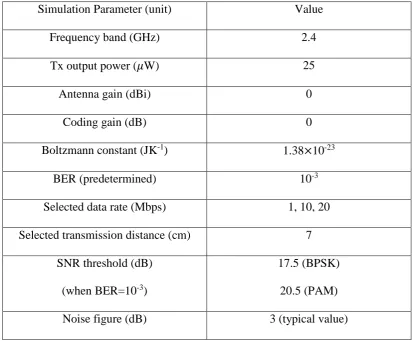
Table 3.4 Simulation parameters for the link budget calculation in Chapter 3. ... 60
Table 4.1 parameters of several tissues at 2.45 GHz. ... 69
Table 4.2 PL simulation results. ... 72
Table 4.3 Maximum SAR values for I2O communication model. ... 73
Table 4.4 Parameters for the link budget investigation. ... 77
Table 4.5 QoS mechanism solutions. ... 81
Table 4.6 Characteristics of multiple in-body and I2O WBAN scenarios. ... 82
Table 4.7 The QoS requirement of WBAN Applications. ... 84
Table 5.1 Parameters of numerous WBAN PL models. ... 94
Table 5.2 Radio parameters of nRF 2401A and CC2420. ... 96
Table 5.3 Proposed algorithm for a special case. ... 103
Table 5.4 The coordinates of in-body nodes and the coordinator. ... 104
Table 6.1 Average power limits proposed by FCC for UWB devices. ... 116
Table A.1 CST setting parameters in this thesis. ... 146
Table B.1 Comparison of different PL models (homogeneous cases). ... 154
Table B.2 PL values for heterogeneous human body models reported in the literature.
... 154
Table B.3 SAR value averaged over 10g in literature. ... 156
List of Figures
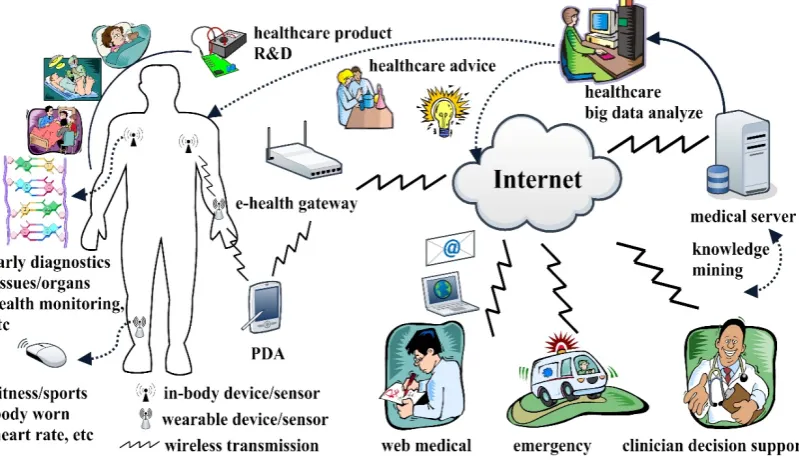
Figure 1.1 Example of a simple health monitoring system network architecture. ... 2
Figure 2.1 Introduction of the WBAN system. ... 20
Figure 2.2 Peer-to-peer topology. ... 28
Figure 2.3 Star topology. ... 29
Figure 2.4 Mesh topology. ... 30
Figure 2.5 Hybrid topology. ... 31
Figure 3.1 Conductivity of multiple human tissues. ... 44
Figure 3.2 Relative permittivity of various human tissues. ... 45
Figure 3.3 Loss tangent of various human tissues. ... 45
Figure 3.4 Typical MIDA structures: (a) brain white matter, (b) brain grey matter (All dimensions in mm). ... 47
Figure 3.5 Simulation setup for the homogeneous tissue. ... 48
Figure 3.6 MIDA model and dipole antennas, (a) Front view. (b) Side view. ... 49
Figure 3.7 PL versus separation distance between antennas for homogeneous tissues. The solid curves are least square regression fits. ... 49
Figure 3.8 PL versus distance between antennas for heterogeneous MIDA human head model. The solid curve is least square regression fits. ... 50
Figure 3.9 The absorbed power versus antenna separation distance. ... 53
Figure 3.10 The maximum SAR 10g versus antenna separation distance. ... 53
Figure 3.11 BER versus SNR for the MIDA human head channel. ... 57
Figure 3.12 System margin versus distance at different data rates. ... 59
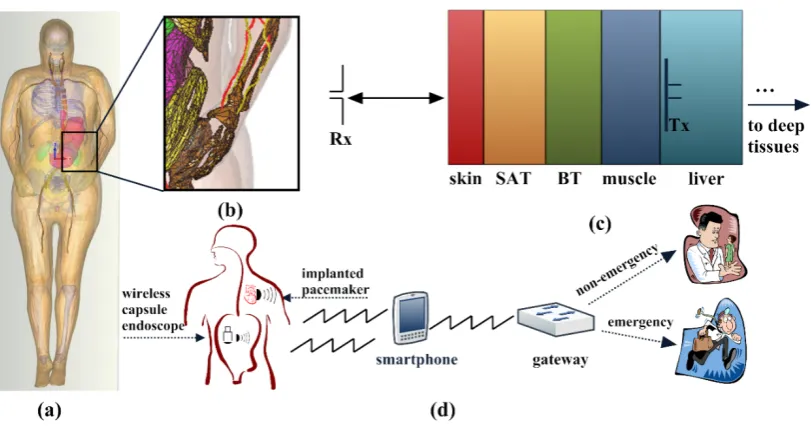
Figure 4.2 Demonstration of a typical structure of the health system. (a) the 3D
human body model, (b) the cross section of the human frontal thorax, (c) an
equivalent frontal thorax model, (d) a typical healthcare system. ... 66
Figure 4.3 The front and vertical views of the 3D computational human model. ... 70
Figure 4.4 Path loss versus the communication distance. ... 71
Figure 4.5 BER performance of four selected modulation techniques. ... 74
Figure 4.6 Link margin performance under BPSK modulation scheme. ... 79
Figure 4.7 Link margin performance under QPSK modulation scheme. ... 79
Figure 4.8 Link margin performance under 16PSK modulation scheme. ... 80
Figure 4.9 Link margin performance under 16QAM modulation scheme. ... 80
Figure 5.1 Demonstration of the information flows in a WBAN system. 91 Figure 5.2 Demonstration of the relay based routing protocol. (a) a simple relaying model; (b)-(d) two-relay based routing protocols. ... 100
Figure 5.3 The demonstration of the routeing protocol. ... 102
Figure 6.1 Illustration of a WBASN based IoT healthcare system. ... 114
Figure 6.2 UWB emission limits proposed by FCC. ... 115
Figure 6.3 Demonstration of the sensor data information flows within a WBASN.118 Figure 6.4 System model for an IR-UWB transmitter. 120
Figure 6.5 (a) The sensors and a smart gateway within a WBASN; (b) pulse collision. ... 122
Figure 6.6 SGA model performance for a PPM THMA system at 10 Mbps. 123
Figure 6.7 SGA model performance for a PPM THMA system at 20 Mbps. ... 124
Figure 6.8 Comparison between PC and SGA models at a data rate 10 Mbps. ... 125
Figure 6.9 Comparison between PC and SGA models at a data rate 20 Mbps. ... 126
Figure 6.11 BER performance versus a number of sensors under multiple data rates
when is 10. ... 129
Figure A.1 An demonstration of sequences and (separation distance is 0.5 cm).
... 145
Figure A.2 An demonstration of frequency domain results (separation distance is 0.5
Acknowledgements
First and foremost, I would like to express my deepest thanks to my first supervisor
Dr Mark Leeson, whose guidance and inspiration have given me the confidence for
the development of the work. I would also like to thank Dr Matthew Higgins for his
suggestive advice and help.
Many thanks to the School of Engineering for the financial support. My live
experience at the University of Warwick has been really enjoyable thanks to the people
of different nationalities and research interests. I would also like to thank all members
of the Communication Networks Laboratory for providing wonderful research
environment and the fruitful discussions. Moreover, I would express my sincere
appreciation to my PhD viva examiners Dr Yunfei Chen (Warwick) and Dr Pavlos
Lazaridis (Huddersfield), for their insightful and suggestive guidance in the thesis.
Moreover, it is my pleasure to express my thanks to my fiancee who was always stand
by my side. Finally, I would express my special thanks to my parents and family
Declaration
This thesis is submitted in partial fulfilment for the degree of Doctor of Philosophy
under regulations formulated by the School of Engineering, University of Warwick.
I herewith declare that this thesis contains my own research performed under the
supervision of Dr Mark Leeson and Dr Matthew Higgins, without the assistance of
third parties. The research materials have not been submitted in any previous
List of Publications
Journal publications
[1] Y. Liao, M. S. Leeson, M. D. Higgins, and C. Bai, "Analysis of in-to-out wireless
body area network systems: towards QoS-aware health Internet of Things
applications," Electronics, Special Issue on Wearable Electronics and Embedded
Computing Systems for Biomedical Applications, vol. 5, Article 28, 26 pages, 2016.
[2] Y. Liao, M. S. Leeson, and M. D. Higgins, "A communication link analysis based
on biological implant wireless body area networks," Applied Computational
Electromagnetics Society Journal, Special Issue on Bio-Electromagnetic Methods and
Applications Vol. 31, pp. 619-628, 2016.
[3] Y. Liao, M. S. Leeson, and M. D. Higgins, "Flexible quality of service model for
wireless body area sensor networks," IET Healthcare Technology Letters, Special
Issue on Decision Support for Person-Centred Healthcare, Vol. 3, pp. 12-15, 2016.
Conference publications
[1] Y. Liao, M. S. Leeson, M. D. Higgins, and C. Bai, "An Incremental Relay Based
Cooperative Routing Protocol for Wireless In-body Sensor Networks," in IEEE 8th
International Conference on Wireless and Mobile Computing, Networking and
Communications (WiMob), New York, USA, pp. 1-6, 2016.
[2] Y. Liao, M. S. Leeson, and M. D. Higgins, "Analysis of PC and SGA models for
Workshop on Computer Aided Modelling and Design of Communication Links and
Networks (CAMAD), Guildford, UK, pp. 246-250, 2015.
[3] Y. Liao, M. S. Leeson, and M. D. Higgins, "An in-body communication link based
on 400 MHz MICS band wireless body area networks," in IEEE 20th International
Workshop on Computer Aided Modelling and Design of Communication Links and
Networks (CAMAD), Special Session on Body Centric Wireless Communication and
Abstract
One key solution to provide affordable and proactive healthcare facilities to overcome
the fast world population growth and a shortage of medical professionals is through
health monitoring systems capable of early disease detection and real-time data
transmission leading to considerable improvements in the quality of human life.
Wireless body area networks (WBANs) are proposed as promising approaches to
providing better mobility and flexibility experience than traditional wired medical
systems by using low-power, miniaturised sensors inside, around, or off the human
body and are employed to monitor physiological signals. However, the design of
reliable and energy efficient in-body communication systems is still a major research
challenge since implant devices are characterised by strict requirements on size,
energy consumption and safety. Moreover, there is still no agreement regarding QoS
support in WBANs.
The first part of this work concentrates on the design and performance evaluation of
WBAN communication systems involving the ‘in-body to in-body’ and ‘in-body to
on-body’ scenarios. The essential step is to derive the statistical WBAN path loss (PL)
models, which characterise the signal propagation energy loss transmitting via
intra-body region. Moreover, from the point of view of human intra-body safety evaluation, the
obtained specific absorption rate (SAR) values are compared with the latest Institute
of Electrical and Electronics Engineers (IEEE) 802.15.6 Task Group technical
standard and the International Commission on Non-Ionizing Radiation Protection
(ICNIRP) safety guidelines. Link budget analysis is then presented using a range of
transmission distance, data rate and transmitting power in individual sections. On the
other hand, major quality of service (QoS) support challenges in WBANs are
discussed and investigated. To achieve higher lifetime and lower network energy
consumption, different data routing protocol methods, including incremental relaying
and the two-relay based routing technique are taken into account. A set of key QoS
metrics for linear mathematical models is given along with the related subjective
functions. The incremental relaying routing protocol promises significant
enhancements in in-body WBAN network lifetime by minimising the overall
communication distance while the two-relay based routing method achieves better
performance in terms of emergency data transmission and high traffic condition,
QoS-aware WBANs design. Moreover, to handle real-time high data transmission
applications such as capsule endoscope image transmission, a flexible QoS-aware
wireless body area sensor networks (WBASNs) model is proposed and evaluated that
can bring novel solutions for a realistic multi-user hospital environment regarding
information packet collision probability, manageable numbers of sensor nodes and a
Abbreviations
AWGN: additive white Gaussian noise
BER: bit error rate
BPSK: binary phase-shift keying
ECG: electrocardiograms
EEG: electroencephalography
EMC: electromagnetic compatibility
FCC: Federal Communication Commission
FDTD: finite-difference time domain
I2O: In-to-out
ICNIRP: International Commission on Non-Ionizing Radiation Protection
IEEE: Institute of Electrical and Electronics Engineers
ISM: industrial, scientific and medical
MAC: media access control
MICS: medical implant communication service
MIDA: multimodal imaging-based detailed anatomical
P2P: peer to peer
PAM: pulse amplitude modulation
PC: pulse collision
PDF: probability density function
PEC: perfect electric conducting
PL: path loss
PPM: pulse position modulation
QoS: quality of service
QPSK: quadrature phase shift keying
RF: radio frequency
Rx: The receiver
SAR: specific absorption rate
SGA: standard Gaussian approximation
TDMA: time division multiple access
THMA: time hopping multiple access
TH: time hopping
Tx: The transmitter
UWB: ultra wide-band
WPAN: wireless person area network
WSN: wireless sensor network
3D: three-dimensional
16PSK:16 phase shift keying
CHAPTER 1.
Introduction
1.1 Background
There is a rapidly accelerating global trend towards population ageing and average life
expectancy has increased significantly from an estimated 67.6 years in 2000 to around
73.3 years in 2019; the total number of population aged 65 and above is anticipated to
more than 604 million worldwide in 2020 [1-2]. Moreover, the current amount of
people who have chronic diabetes, cardiovascular disease, Parkinson’s disease or
asthma is higher than 387 million, and this figure is expected to increase to 592 million
by 2035 [3]. Furthermore, current trends in healthcare, and medical expenditure are
such that it is estimated to consume above 20% of gross domestic product in 2022,
which is a huge risk to the world economy [4].
The motivation for future healthcare systems from the increasing medical applications
is that the majority of diseases can be preserved or treated under the condition that
they can be sensed or detected in their early stages [1, 4]. The modern healthcare
systems are widely based on wired centralised networks where patients are only able
to receive diagnostic or treatment by physicians or doctors in hospitals. However,
current information and communications technology (ICT) enabled networking in
hospital monitoring services suffer from a lack of privacy and bring low-mobility to
the patients. As indicated in [5], this commonly used method will become
Figure 1.1 Example of a simple health monitoring system network architecture.
and high costs. On the other hand, the authors in [6] state that the characteristics of
future medical systems should evolve from the centralised model to a pervasive model
and decentralised provision customised healthcare services.
1.2 Research motivations
Technology-driven improvements to current healthcare practices have prompted the
wireless nature of the communication system, and the wide range of body sensors offer
many novel, useful and innovative applications to improve the people’s life quality [2,
6]. As stated earlier, patients experience extremely low physical mobility because of
the wired distributed healthcare systems. To overcome this technical challenge,
wireless communication healthcare systems that can be applied to monitor
physiological parameters for different diseases are recommended as an emerging
monitoring of patients’ physiological attributes not only for implanted scenarios such
as drug delivery, cardiovascular disease detection and glucose, but also for
measurement in on-body applications of parameters via electrocardiograph (ECG),
electroencephalography (EEG), heart rate, blood pressure, motion detection and skin
temperature [4]. Body area communications are required to support a broad range of
data rates for multiple kinds of applications. In particular, in-body medical
applications such as video surveillance systems and drug delivery requiring high data
rates up to a few Mbps, while on-body signals such as ECG and EEG require relative
low data rates of within the kbps range because their parameters are varying very
slowly. The healthcare system should also be able to transmit the medical information
to the external coordinator, which is capable of forwarding the collected data to the
health server or offering timely bio-feedback to the patient under emerging situations.
Moreover, [6] reported that substantial contributions to remote telemedicine support
systems that make patients’ health status monitoring feasible by doctors/nurses via the
health Internet of Things (IoT) [2].
As an emerging short-range wireless communication technology, a wireless body area
network (WBAN) is mainly expected to be beneficial and convenient for high-quality
healthcare services. It also capable of supporting new possibilities for entertainment,
sports training and many other areas, by networking various body sensors to establish
a WBAN to monitor personal health information [7-8]. The first step to designing the
WBAN system is to select the proper transmission frequency band and networking
technologies [4]. In-body channel models are included in the IEEE 802.15.6 technical
report, but they only refer to the frequency band between 402 MHz and 405MHz and
it has been reported in [9] that this cannot satisfy medical application requirements.
the human body and tissues has the highest priority compared with other wireless
communication techniques. IEEE 802.15 Task Group has established the wireless
communication standardisation of WBAN to optimise network energy consumption
and safety guidelines for medical and non-medical applications [4, 11]. In [4], it has
been shown that signal energy absorption leads to the body temperature increase. Once
the body temperature is above the normal values, adverse biological effects may result
in irreversible tissue damage and human health damage [4]. It is, therefore, crucial to
limit the signal transmission power to ensure human safety in body area
communications.
WBAN communication systems support should include not only wearable data
transmission, but also cover in-body communication links [12]. To date, there is very
limited research work on propagation loss or channel modelling within the human
body [13-16]. Hence, advanced and accurate in-body communication link modelling
efforts are of considerable significance as this is the essential step to the characteristics
of the in-body WBAN propagation. The past efforts in this research work area focus
on semi-empirical in-body path loss (PL) and simply investigated the human body
models as a multi-layer structure [4, 13-15].
Another major challenge is the modelling. The communication system performance
of implant WBANs is significantly influenced by the transmission environment and
frequency band [13, 17-18]. The bit error rate (BER) performance evaluation can then
be obtained by the static in-body channels. A series of communication parameters can
be derived including the link budget, data rate, transmission distance and the minimum
required transmitting power [4]. Due to technical challenges and specific WBAN
key objective of the protocols is to prolong the WBAN communication system
lifetime. This can be achieved by employing a relay-based routing scheme, which is
capable of reducing the overall data transmission distance [22]. However, it has been
demonstrated that the current single relay and two relay-based schemes offer
low-energy efficiency and thus have difficulty in supporting quality of service (QoS) data
transmission requirements [20].
QoS techniques in WBANs have distinctive requirements for a series of target-specific
healthcare applications. Considering extremely high data rate applications such as
video transmission, the ultra wide-band (UWB) wireless communication method is
proposed as an effective solution to offer more than the 30 Mbps data rate requirement
[17]. As demonstrated in [23], pulse position modulation is commonly adopted for
impulse radio UWB systems and outperforms other modulation methods. Another
technique is the time hopping (TH) coding approach, which can be applied to handle
network multiple user identity issues within the same WBAN. The pulse collision
probability should be controlled to be low enough in order to assure that medical
sensors within the same WBAN communication system achieve satisfactory
performance [24]. The design of a flexible QoS-aware WBAN communication model
can be considered for extremely high data transmission rate and to efficiently
overcome multi-user interference requirements [6, 25].
1.3 Research objectives
Recent technological developments of advanced very low power consumption
microelectronics, combined with improvements in wireless communications, is
resulting in a rapidly increasing demand for wireless communications in the human
techniques such as Bluetooth and ZigBee, a WBAN concentrates on data collection
and transmission just in the human body area [7].
In a scenario of body area communication systems, different types of body sensor
nodes that are either located inside or near the human body are organised in a
small-scale network to collect physiological signals and promise reliable data transmission
to the medical professionals via the Internet or other network connections [13]. The
demand for those requirements is promoting health research institute and manufacturer
to design affordable, and energy efficient means to enhance healthcare information
delivery. The aim of WBANs also encompasses supporting remote medical services
and cost reduction by enabling patient and health systems to be connected anytime and
anywhere to support the management of chronic care outside traditional settings [12].
In this thesis, statistical in-body PL models that describe the signal transmission
distance between the transmitter and receiver are obtained by using advanced
electromagnetic solver from Computer Simulation Technology (CST1), based on
different heterogeneous and innovative three-dimensional (3D) virtual human body
models. Furthermore, it should be noted that all other simulation cases throughout this
thesis are implemented employing the mathematical computing software MATLAB2.
1.4 Research contributions
The effort of this PhD thesis is to focus on wireless body area communications,
in-body channel modelling, system performance and data routing design. As
demonstrated in the last section, the selections are motivated by some fundamental
particular type of WSN and has been recommended as the most promising type of
body area communications among different communication modes discussed in the
literature [4]; (b) to provide a comprehensive review of this state-of-art in the field of
current technology standards, available frequency bands and safety guidelines. As
described in Sections 2.1 and 2.2, traditional communication models and outcomes in
WSNs are not applicable to the design of in-body communication systems and routing
protocols; (c) to investigate implant WBAN system performance, which consists of
numerous parameters such as transmission energy attenuation, network power
consumption, data rate, channel reliability and transmission distance [1-5]. The
research objectives addressed in this thesis have been identified to meet this
requirement, and are summarised in the following.
The first research task is to investigate the communication system performance based
on a detailed, comprehensive multi-modal imaging-based anatomical human head
model. Since the human cephalic region is an area in which future implants are likely,
WBAN system design is thus worthy of attracting significant attention. Moreover,
suitable curve fitting approaches for the PL model have been considered. The BER
performance is demonstrated based on the obtained fading channel by employing
binary phase shift keying (BPSK) and pulse-amplitude modulation (PAM).
Additionally, possible transmission distances for a broad range of data transmission
rates for predetermined acceptable BERs are accomplished.
The second research objective is to analyse the communication system performance
based on a human frontal thorax model. The in-to-out (I2O) WBAN communication
channel suffers significant power attenuation due to human body/tissues energy
design as well as determining the system link budget. The system performance for the
I2O WBAN is ascertained using a series of energy efficient modulation methods.
Owing to the existing technical constraints of the in-body sensor node design, the third
research objective of this thesis is to analyse high energy efficient routing protocols to
reduce the overall power consumption and prolong the network lifetime. Relay-based
protocol techniques have been considered to decrease the power consumption of the
implanted sensor nodes by minimising the transmission distance [21]. An incremental
routing protocol is thus proposed and compared with the existing two relay-based
routing technique.
Finally, another significant contribution focuses on an extremely high date rate
UWB-based WBASN model. Instead of using the previously presented RF signals for
analysing the system performance, the thesis extends a new technique proposed by
IEEE 802.15.6 as a potential short-range high data-rate communication technology in
WBANs [17]. Also, it addresses the question of flexible QoS management regarding
data rate, the number of users and the transmission reliability. The results demonstrate
that higher data rates can support fewer users within the same WBAN network. Also,
the results demonstrate that UWB-based technology is a suitable candidate to
overcome multi-user interference (MUI) [23].
1.5 Thesis outline
The PhD thesis is organised into seven chapters. The first chapter is the introduction
chapter, and the last chapter summarises the entire thesis along with future research
plans, and the remaining five chapters each demonstrate an individual task that was
In Chapter 1, the introduction, the motivation, the research objectives and the
contributions of this thesis are outlined.
In Chapter 2, a detailed demonstration of WBAN technology is presented. In contrast
to WSNs, WBANs have two main types of communication systems: implant and
wearable communication networks. Multiple technical requirements are
demonstrated, followed by the research aspects and potential medical and non-medical
applications and services that may benefit from WBANs.
In Chapter 3, the design of a wireless in-body WBAN system is given, based on a
high-resolution human head model. An in-body channel PL model is obtained by using
an advanced 3D human head model in conjunction with CST software. Moreover, the
relationship between link budget and the transmission distance is presented.
In Chapter 4, the design of a wireless I2O WBAN system is demonstrated which is
based on the advanced human frontal thorax model. The BER evaluation for this
communication channel employing numerous energy efficient modulation schemes is
investigated. The results show that the BPSK offers 1.6 cm of reliable transmission
distance at a high data rate of 30 Mbps.
In Chapter 5, an incremental relaying routing protocol is given, which aims to
minimise the overall communication distance. The linear mathematical formulas are
given along with a series of constraints functions. This relay-based cooperative
QoS-aware routing scheme for the I2O WBAN channel is investigated regarding network
lifetime, transmission delay, average network energy consumption and the number of
transmission packets. In addition, an existing two-relay based routing technique is
In Chapter 6, a flexible QoS-aware model for wireless body area sensor networks
WBASNs is presented, followed by a description of the proposed UWB
communication technology. Moreover, numerous existing communication models are
investigated and compared. The proposed WBASN is capable of supporting fast data
transmission, adaptive schedule medium access control (MAC), and effectively
overcome MUI.
Chapter 7 summarises and concludes the entire thesis, and presents future research
topics that can be considered.
References
[1] D. T. Jamison et al., "Global health 2035: a world converging within a generation,"
The Lancet, vol. 382, no. 9908, pp. 1898-1955, 2013.
[2] S. R. Islam, D. Kwak, M. H. Kabir, M. Hossain, and K. S. Kwak, "The internet of
things for health care: a comprehensive survey," IEEE Access, vol. 3, pp. 678-708,
2015.
[3] L. Guariguata, D. Whiting, I. Hambleton, J. Beagley, U. Linnenkamp, and J. Shaw,
"Global estimates of diabetes prevalence for 2013 and projections for 2035," Diabetes
research and clinical practice, vol. 103, no. 2, pp. 137-149, 2014.
[4] H. B. Li and K. Y. Yazdandoost, Wireless body area network: River Publishers,
2010.
[5] R. Spanjers, W. Hasselbring, R. Peterson, and M. Smits, "Exploring ICT enabled
networking in hospital organisations," in Proceedings of the IEEE Annual Hawaii
[6] Y. Liao, M. S. Leeson, M. D. Higgins, and C. Bai, "Analysis of in-to-out wireless
body area network systems: towards QoS-aware health Internet of Things
applications," Electronics, vol. 5, no. 3, p. 38, 2016.
[7] R. Cavallari, F. Martelli, R. Rosini, C. Buratti, and R. Verdone, "A survey on
wireless body area networks: technologies and design challenges," IEEE
Communications Surveys & Tutorials, vol. 16, no. 3, pp. 1635-1657, 2014.
[8] S. Ullah et al., "A comprehensive survey of wireless body area networks," Journal
of Medical Systems, vol. 36, no. 3, pp. 1065-1094, 2012.
[9] H. Cao, V. Leung, C. Chow, and H. Chan, "Enabling technologies for wireless
body area networks: A survey and outlook," IEEE Communications Magazine, vol.
47, no. 12, pp. 84-93, 2009.
[10] R. Chávez-Santiago et al., "Propagation models for IEEE 802.15.6
standardization of implant communication in body area networks," IEEE
Communications Magazine, vol. 51, no. 8, pp. 80-87, 2013.
[11] M. M. Alam and E. B. Hamida, "Surveying wearable human assistive technology
for life and safety critical applications: standards, challenges and opportunities,"
Sensors, vol. 14, no. 5, pp. 9153-9209, 2014.
[12] A. Darwish and A. E. Hassanien, "Wearable and implantable wireless sensor
network solutions for healthcare monitoring," Sensors, vol. 11, no. 6, pp. 5561-5595,
2011.
[13] Y. Liao, M. S. Leeson, and M. D. Higgins, "A communication link analysis based
on biological implant wireless body area networks," Applied Computational
[14] A. Kiourti and K. S. Nikita, "Miniature scalp-implantable antennas for telemetry
in the MICS and ISM bands: design, safety considerations and link budget analysis,"
IEEE Transactions on Antennas and Propagation, vol. 60, no. 8, pp. 3568-3575, 2012.
[15] A. Kiourti, K. A. Psathas, and K. S. Nikita, "Implantable and ingestible medical
devices with wireless telemetry functionalities: A review of current status and
challenges," Bioelectromagnetics, vol. 35, no. 1, pp. 1-15, 2014.
[16] J. Shi, D. Anzai, and J. Wang, "Diversity performance of UWB low band
communication over in-body to on-body propagation channel," in European
Conference on Antennas and Propagation (EUCAP), Prague, Czech, pp. 535-539,
2012.
[17] K. S. Kwak, S. Ullah, and N. Ullah, "An overview of IEEE 802.15. 6 standard,"
in International Symposium on Applied Sciences in Biomedical and Communication
Technologies (ISABEL 2010), Roma, Italy, pp. 1-6, 2010.
[18] Q. Wang, K. Masami, and J. Wang, "Channel modeling and BER performance
for wearable and implant UWB body area links on chest," in IEEE International
Conference on Ultra-Wideband, Vancouver, Canada, pp. 316-320, 2009.
[19] M. Quwaider and S. Biswas, "DTN routing in body sensor networks with dynamic
postural partitioning," Ad Hoc Networks, vol. 8, no. 8, pp. 824-841, 2010.
[20] K. Deepak and A. V. Babu, "Improving energy efficiency of incremental relay
based cooperative communications in wireless body area networks," International
Journal of Communication Systems, vol. 28, no. 1, pp. 91-111, 2015.
[21] A. Ahmad, N. Javaid, U. Qasim, M. Ishfaq, Z. A. Khan, and T. A. Alghamdi,
sensor networks," International Journal of Distributed Sensor Networks, vol. 2014,
2014.
[22] Y. Liao, M. S. Leeson, M. D. Higgins, and C. Bai, "An incremental relay based
cooperative routing protocol for wireless in-body sensor networks," in IEEE
International Conference on Wireless and Mobile Computing, Networking and
Communications (WiMob), New York, USA, pp. 1-6, 2016.
[23] Y. Liao, M. S. Leeson, and M. D. Higgins, "Analysis of PC and SGA models for
an ultra wide-band ad-hoc network with multiple pulses," in IEEE International
Workshop on Computer Aided Modelling and Design of Communication Links and
Networks (CAMAD), Guildford, UK, pp. 246-250, 2015.
[24] Y. Liao, M. S. Leeson, and M. D. Higgins, "Flexible quality of service model for
wireless body area sensor networks," Healthcare Technology Letters, vol. 3, no. 1, pp.
12-15, 2016.
[25] E. Ibarra, A. Antonopoulos, E. Kartsakli, J. J. Rodrigues, and C. Verikoukis,
"QoS-aware energy management in body sensor nodes powered by human energy
CHAPTER 2.
Wireless Body Area Networks
WBAN applications and services have emerged as one of the most important research
subjects within WSNs. WBANs are concentrated on short-range wireless data
transmission and have received considerable attention as a significant development for
wireless communications in the human body area [1-3]. In general, WBANs require
extremely miniaturised and noninvasive body sensor nodes as well as a smaller
number of nodes in comparison with conventional WSNs. Those requirements lead to
various technical challenges such as in-body sensor node battery design and a very
limited power supply in a WBAN. Also, WBANs should be capable of enabling a
multitude of medical and health services, which necessitate different data rates and
network lifetime requirements [4].
The key feature of a WBAN in the medical field is to provide real-time and reliable
healthcare monitoring facilities employing both implanted and wearable sensors [4].
As reported in [5], the energy consumption of a medical system at relatively low data
rates should be far smaller than an average WSN thus lengthening network lifetime.
For example, a medical implantable cardioverter defibrillator is only available to
provision collected data within 12 seconds at 200 kbps, while the network lifetime
would considerably increase to 96 seconds when operating at 25 kbps. Moreover, the
communication distance is another vital concern when designing wireless medical
higher energy when using the same data rates [5-6]. Physiological signals such as heart
rate and ECG could change state rapidly based on the status of the patients, and thus
relatively high data rate communication links are required. Furthermore, within the
same WBAN system, improving the channel transmission quality will result in
significantly more power consumption and reduce the network lifetime [6]. Thus, the
trade-offs between various parameters need careful investigation when designing
WBAN-based communication systems.
WBAN technology standards analysis is a crucial issue owing to the distinct, strict
requirements in terms of information transmission reliability, network energy
consumption, and operational system flexibility. The IEEE 802.15 Task Group was
appointed to recommend the technical standards for wireless personal area networks
(WPANs) along with other short-range wireless networks related to body area
communications [7-8]. Among all IEEE 802.15 published standards, the most
promising candidate suggested was the IEEE 802.15.6 technical standard [7]. This
approach has been recommended to support low power, short range and highly reliable
wireless communications for the human body area and to offer a broad range of data
transmission rates by employing different communication technologies. Moreover,
WBAN frequency band selection has a high influence on communication system
performance due to the dielectric properties of human body tissues [7, 9-11]. As
demonstrated in [10], there exist numerous research difficulties in this area. Firstly,
technological requirements of WBAN applications are generally target-specific and
vary from one application to another. Also, WBAN communication system design is
still a major research challenge because the IEEE 802.15.6 Task Group has not defined
Body area communications can be categorised into wearable channels and implant
channels depending on the positions of the transmitter and receiver sensor nodes.
Recently, the majority of research work has been published in on-body WBANs, while
a very limited amount of work has been focused on in-body WBAN communication
systems [12-15]. An essential step to study implant WBAN data transmission
characteristics is to develop the in-body path loss (PL) model. This is a crucial issue
in channel design and can help to determine the maximum distance that can be
covered. However, due to the natural lossy environment of the intra-body region, most
published in-body channel models are investigated based on homogeneous human
models or single-layer tissue patterns [14]. In order to obtain an accurate in-body
WBAN communication channel model and evaluate the system performance, it is vital
to study the wireless radio signal propagation mechanism of the intra-body region
using advanced electromagnetics software and high-resolution human models [14-15].
WBAN technologies have enormous potential to revolutionise a wide variety of
medical and non-medical applications. WBANs enable continuous monitoring of
one’s vital signals in healthcare systems such as blood pressure, heartbeat and body
temperature; they are also capable of detecting abnormal conditions, which results in
effective enhancements of life quality in the patients [16]. Additionally, since human
emotion detection can be realised by initiating the physical manifestations through
several types of in-body sensors such as ECG and heart rate, the collected data can
also be used to a series of non-medical applications such as virtual reality, sports
training and fitness monitoring [16-17].
This Chapter consists of six sections. Section 2.1 discusses the development of WBAN
requirements in WBAN system design, and Section 2.4 describes two commonly used
WSN-based topologies that can be considered for WBANs design. Section 2.5 and 2.6
represent several research challenges and a collection of future promising applications,
respectively.
2.1 From WSNs to WBANs
2.1.1 Development of WBANs
In general, a WSN consists of a large number of spatially distributed sensors that are
capable of detecting, collecting and processing numerous physical activities and
environmental conditions in applications such as food security, traffic controlling,
weather prediction, and industry [1, 8]. Moreover, the collected WSN data can be
delivered through multi-hop routing from individual wireless sensors to the sink
[18-19]. However, the use of WSNs is reported incapable of deployment in human body
area applications because of the large sensor nodes size, low network power
utilisation, high transmission delay and so forth [1]. Besides, the human safety in body
area communications has a higher priority than for other wireless communication
systems [4].
WBANs have specific features and strict technical requirements when compared with
WSNs regarding energy consumption, size, data transmission reliability, and node
density [1, 6]. WSN sensor nodes are usually replaceable and accessible which
benefits in sensor node replacement and the disposal of the node. In-body sensor nodes
are typically surgically implanted inside the human body, power recharge or battery
replacement of such nodes is difficult and could cause damage to human organs [1, 4,
20]. The WSN sensor nodes are informed by the operational environment, and nodes’
However, due to the mobility of the human body, context awareness in WBAN is still
an emerging research topic [14, 20]. Moreover, WSNs employ redundant sensor nodes
to accommodate the failure of any sensor node whereas all sensor nodes in WBAN
implement multiple tasks with node redundancy available [5]. Table 2.1 summarises
the key features of WBANs and WSNs.
Table 2.1 Comparison of key features with WBANs and WSNs.
Types WSNs WBANs
Network size up to few kilometres within a few metres
Node number from few and up to 1000 < 256 nodes
Functionality -nodes dedicated to a target -redundant nodes are available
-no redundant sensors
-multiple tasks available
Accuracy redundant nodes help to
compensate for inaccuracy high accuracy required
Resources much more energy resources than WBANs
-very limited source
-low computational capacity
Mobility fixed or static positions -implant sensors are fixed -on-body sensors are mobile
Context
awareness
sensor nodes receive
environmental information highly required
2.1.2 Description of WBANs
The communication techniques behind WSNs are still under progress and
development and at present research results obtained for WSNs are not applicable to
the challenges associated with the human body area. As a consequence, a new
generation of WSNs for body area communication systems has been proposed by
[21]. In [22], it is reported that WBANs are capable technologies that can provide the
prospect of early disease detection, pervasive healthcare monitoring, and telemedicine
design in the near future. Those applications can be achieved by employing various
wireless communication technologies and networking both wearable and implanted
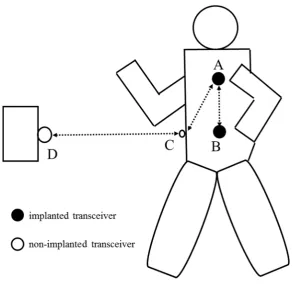
sensors in the vicinity and inside the human body. As demonstrated in Figure 2.1, body
area channels are commonly categorised into in-body to in-body (A→B), in-to-out
body (A→C) and on-body to off-body (C→D) data transmission scenarios. Moreover,
signal transmission inside the human body regions (A→B and A→C) is extremely
complex and suffers significant energy attenuation [14]. According to the sensor
nodes’ location inside, on or off the human body where it operates, WBANs can be
divided into wearable WBANs and implant WBANs [7]. The former primarily offers
RF communication system between on-body sensor nodes and a coordinator for
numerous kinds of vital signs monitoring such as ECG, skin temperature, etc. The
implementation of such wearable communication channels is widely by adoption of
UWB technology, and the energy attenuation mainly occurs by shadow fading due to
diffraction around the human body as well as large amounts of radiation energy
absorbed by the body. On the other hand, due to the heterogeneous nature of body
tissue, data transmission via implant WBANs inside the human body experiences
significant energy attenuation due to the energy absorption in human tissues [4].
2.2 WBANs technology standards
2.2.1 IEEE 802.15 Task Group
An international standardisation IEEE 802.15 Task Group has proposed various
Figure 2.1 Introduction of the WBAN system.
and WBANs [4, 8, 11]. WPANs employ communication technologies that support
personal area data transmission and a connectively range of up to 10 metres. WPANs
are the most commonly employed to communicate with on-body sensors (wearable
devices) and to interactively transfer data to other body area sensors, employing the
human body as a data transmission network. A WBAN can be seen as a special
generation communication technique of a WPAN, which enables numerous ubiquitous
applications for both medical and non-medical services. Table 2.2 demonstrates the
available frequencies bands for WBANs and WPANs. The most important WPANs
and WBANs technical standards are now given in this section.
-IEEE 802.15.1: This technology is only available to Bluetooth applications and
consists of MAC and physical layer specification [23]. It has been reported that this
approach only supports a data rate of up to 3 Mbps and thus it is highly unlikely to be
Table 2.2 Frequencies bands for WBANs and WPANs.
Frequency band Band [MHz] Region
MICS 402-405 Global
ISM 433.1-434.8 Europe only
ISM 868-868.6 Europe only
ISM 2400.0-2483.5 Global
ISM 5725.0-5875.0 Global
WMTS 608-614 USA only
WMTS 1395-1400 USA only
WMTS 1427-1432 USA only
UWB 100-960 USA only
UWB 3100-10600 Global
-IEEE 802.15.2: This standard was proposed for the coexistence mechanism of
WPANs when different types of wireless technology-based devices that are
functioning in numerous unlicensed frequency bands [24].
-IEEE 802.15.3: This technical standard was designed for high data rate
communication applications. For instance, the IEEE 802.15.3a was proposed to
support high data rates UWB services such as real-time imaging and multimedia
transmission. The IEEE 802.15.3c was projected for high-speed WPAN applications
utilising millimetre waves [8].
-IEEE 802.15.4: This technical standard was proposed for low data rate applications
WPAN applications [24]. Other IEEE 802.15.4 technical standards such as IEEE
802.15.4m, IEEE 802.15.4n and IEEE 802.15.4p are still in progress and have not
achieved agreement [2, 24].
-IEEE 802.15.5: This was responsible for the specification of mesh networking for
WPANs and consists of low data rate WPAN mesh and high rate WPAN mesh [25].
-IEEE 802.15.6: This is a new technical standard for body area communications that
is accepted worldwide. It is focused on WBAN technologies regarding short-range
data QoS-aware data transmission inside, on or off the human body region [3]. In
addition, this standard provides the specific absorption rate (SAR) regulations to avoid
human body and tissue damage [5].
2.2.2 Frequency selection
Generally, more than 60% of the intra-body environment is composed of water, this
may lead to considerable power attenuation when transmitting data from in-body to
in-body, and in-body to on-body [19]. According to the IEEE 802.15 Task Group
technical standards for WPANs and WBANs, numerous frequency bands have been
proposed by different authorities to meet different healthcare application needs [22].
It should be noticed that frequency selection is highly influenced by a series of factors
such as implant antenna design, network energy consumption and available
transmission distance. The main features of the various frequency bands are shown in
Table 2.3. The proposed frequency bands are listed as follows:
-Medical implanted communication service (MICS): The MICS frequency band
was suggested for medical implant applications and services. This was reported as a
to on-body, and on-body to off-body scenarios. According to the Federal
Communication Commission (FCC), the transmission power of MICS standard should
be not more than 25 W to avoid electromagnetic effects that are potentially hazardous
to the human body [8].
-Industrial, scientific and medical (ISM): ISM frequency bands were proposed for
the commercial use of the RF spectrum. According to the International Radio
Communication and other authorities, only 2.4 GHz to 2.4835 GHz frequency bands
are globally accepted and worthy of attracting significant attention for further research
[14].
-Wireless medical telemetry services (WMTS): these frequency bands were
proposed by the FCC for remote healthcare services. However, such frequency bands
are only applicable in the USA and not available in other countries [23].
-Ultra wide-band (UWB): A UWB frequency band is employing extremely short
pulses to achieve high data rate transmission. The FCC has authorised the unlicensed
frequency range from 3.1 to 10.6 GHz and is now accepted worldwide [5, 10].
Table 2.3 Key features of the various frequency bands.
Type MICS WMTS ISM UWB
medical Yes yes yes yes
non-medical No no yes yes
data rate Low medium medium very high
bandwidth
utilization
2.3 Requirements in WBANs
The main objectives of WBANs are monitoring vital signs and providing real-time
information to clinicians to support the health decision-making process in hospitals.
Technical difficulties and challenges in WBANs reach beyond the technically
constrained resources of the WSN and other existing wireless communication
technologies [5]. Also, energy management of WBAN healthcare services varies from
one application to another mainly because of the complex intra-body environment and
target-specific technical requirements [14]. This section demonstrates various key
elements of implant WBAN technical challenges.
2.3.1 Power consumption
Although enormous efforts have been devoted to decreasing the energy necessities of
wireless communication, it is still the most power consuming module in an implanted
WBAN sensor node [3, 26]. The in-body sensor node must be extremely noninvasive,
and the total number of in-body sensors within a WBAN should be carefully studied
to minimise interference. Additionally, due to the technical constraints of the in-body
sensor battery, the power supply of the WBAN is still a major bottleneck, and the
power consumption of the communication module should be limited.
In [14], it was reported that decreasing the data transmission rate would lead to
reducing the power consumption of WBAN systems. Bradai et al. [27] stated that a
typical WBAN-based medical network is specified to have few sensor nodes with a
scalable range that includes up to 256 sensor nodes. The WBAN requirements
indicated in [28-30] mention that the operating range for WBANs should be limited to
within 3 metres. In order to expand the lifetime of the in-body sensors, the external
retransmission at all time slots according to the IEEE 802.15.6 standard [14, 20, 31].
The authors in [20] stated that limiting the communication distance would decrease a
WBAN system power consumption. Lowering the WBAN communication system
frequency band could significantly lower the transmitting signal energy attenuation.
Those mentioned characteristics create tradeoffs between the WBAN power
consumption and a host of factors and should be taken into account when designing
customised WBAN communication systems [4].
2.3.2 Data rate
Currently, an international common WPAN-based solution is the Bluetooth technique
because of ease of use and security features. The disadvantage comes with the fact that
this technique suffers considerable delay and only promises data transmission rates
ranging from 1 to 3 Mbps [23]. IEEE 802.15.6 is the latest technology standardisation
and aims to offer a global technical standard for low-power, short distance wireless
communication and supporting a broad range of data rates from 1 kbps to nearly 10
Mbps for different applications [28].
On the other hand, the reliability of the communication channel is measured using the
total number of unsuccessfully transmitted bits or bit error rate (BER). In [14, 26], the
authors demonstrated that the channel reliability significantly depends on the data
transmission rate. In [28], different kinds of medical devices were considered: it was
reported that low data rate sensors could deal with high BER scenarios of
approximately 10-3, whereas higher data rate sensors required a lower BER at around
10-6. Also, due to the human safety requirements, the relationship between the data
rate and the required transmitting power should be taken into consideration when
2.3.3 QoS
QoS in traditional communication networks and WSNs is mainly investigated from
two perspectives, namely the application/user level and the network level [28]. From
the networking point of view, the main aim is to offer the QoS to ensure maximum
utilisation of the network resource while QoS denotes to an assurance to provide a list
of measurable service attributes to the user or application regarding data rate,
communication link quality and so forth. The IEEE 802.15.6 standard has proposed
numerous types of communication channel models for the transmission environment
and frequency bands [28]. However, it does not offer any QoS support information in
WBANs.
For WBANs there is thus a need to analyse the application requirements and deploy
various network QoS mechanisms [14]. As stated in [14], there is still no agreement as
to the concept of QoS in WBAN system design. Reference [20] reported that the
important target of QoS is to enhance the data transmission quality at any time by
optimising the number of in-body sensors. The authors in [29] illustrated that QoS is
the right concept for measuring and maintaining the quality of communication network
characteristics such as link quality. Also, WBAN QoS techniques are required to satisfy
some target-specific healthcare settings. For example, physiological signals such as
heart rate and ECG demand relatively high data rate wireless communication paths
because those parameters change and reach peak values fast on the status of the
patients. Hence, the main QoS parameters such as bandwidth, reliability, and delay
should be comprehensively studied when designing WBAN communication systems.
2.3.4 Electromagnetic compatibility
Generally, implant WBAN communication systems utilise an electromagnetic field
source inside the human body to monitor parts of the body health, and thus biological
effects and human safety issues may cause by exposure to RF fields [14].
Electromagnetic radiation from an implanted sensor also leads to energy absorption in
the human body and produces interference with other medical devices. The
distribution of the internal fields is related to a few parameters, including the frequency
band, human tissue dielectric properties, and the in-body antenna type. A WBAN
system should be capable of minimising radiation emission and temperature.
Another important factor involves the calculation of energy absorption in the human
body. In the intra-body region, the saline-water nature of the human body environment
contributes significantly to the absorption of the electromagnetic wave transmission
[1, 28]. One practical solution to calculate the SAR values is to use advanced
computational electromagnetics methods and compare the calculation results with the
authorities’ safety guidelines or national guidelines [5]. SAR is the absorbed power
per unit mass and can be expressed as [28]:
= | | (2.1)
where E and denote the electric field caused by radiation and the conductivity of
human tissues, respectively, and represents the human tissue density. Morevoer,
tissue damage may happen because of the human body’s inability to deal with the
excessive heat. Hence, it is essential to determine the appropriate transmitting power
2.4 WBAN topologies
Topologies are commonly used to define the interconnected structure for data
communication between different sensors in the same WBAN. Since in-body sensor
nodes are of extremely small size with limited energy resources, one key aspect of
configuration management for WBANs is topology management [21]. The authors in
[22] reported that star and mesh topologies are widely employed in standalone WBAN
system, and a hybrid method is a capable technique to support both
competition-oriented and schedule-competition-oriented conditions. The promising candidates, peer-to-peer,
star, mesh, and hybrid topologies are listed in this section.
2.4.1 Peer-to-peer topology
The peer-to-peer (P2P) topology was proposed for high data rate transmission with a
medium density networking at a distance of 1 to 10 metres [28]. An illustration of the
P2P topology is given in Figure 2.2. This technique has been widely used for the
IEEE802.15.4 standard where full function sensor nodes can implement P2P
communication without any routing capability such as real-time imaging transmission
[30].
full function sensor node
reduced function sensor node
full function sensor node
Figure 2.3 Star topology.
2.4.2 Star topology
Star topologies have been commonly employed in numerous wearable technologies
such as Zigbee. As can be seen from Figure 2.3, sensor nodes are divided into two
types: reduced function sensors and full function sensors. In a star topology, all body
sensor nodes connect to the external coordinator, which achieves high throughput and
supports data fusion with simple data routing methods [31]. The advantages of the star
topology are its simple architecture and high bandwidth utilisation. However, the
topology has some drawbacks such as its high probability of transmission failure, poor
scalability and high energy waste. It should be noticed that a series of star topologies
are able to organise a cluster tree topology as demonstrated in [22]. The sensor nodes
within a star topology can transmit data to the nodes in other star topologies via the
coordinators. However, it has been demonstrated in [28] that a cluster topology
achieves very low data transmission reliability, high latency, low bandwidth
Figure 2.4 Mesh topology.
2.4.3 Mesh topology
As shown in Figure 2.4, all sensor nodes in mesh topology are capable of performing
all the routing operations and data transmission. This technique is a promising
candidate to support high-reliability on-body physiological signal monitoring
applications [28]. The main advantage of this topology is the multiple communication
paths provided to each node which contributes to achieving reliable information
transfer and significantly improve the network fault tolerance performance. However,
mesh topologies are not widely employed since they have relatively high energy
consumption and need complex routing protocols [32].
2.4.4 Hybrid topology
As mentioned in the star and mesh topology sections above, only one coordinator in a
WBAN implies the high possibility of data transmission failure. As shown in Figure
2.5, a hybrid topology is proposed to handle this technical weakness by extending the
Figure 2.5 Hybrid topology.
The sensor nodes in a hybrid topology can be added at any time, thus significantly
enhancing the network fault-tolerant capability. In addition, hybrid topologies can
achieve data gathering speeds and can bridge systems from the body area to a large
range or wider area. However, a hybrid topology still faces several critical technical
challenges such as high complexity and a significant amount of network energy
consumption [32].
2.5 WBAN research challenges
2.5.1 Propagation channel modelling
A crucial step in the analysis of WBAN system performance is to derive the in-body
communication channel PL model [28]. However, in this respect, a very limited
number of research articles have initiated channel modelling investigations [4-5, 8-9].
The main reason for this research challenge involves the fact that signal propagation
measurement inside a human body is prohibited by the majority of countries due to
health and safety legislation [14]. Moreover, an in-body WBAN channel PL model