EFFECTS OF POMEGRANATE EXTRACT ON ANAEROBIC EXERCISE PERFORMANCE & CARDIOVASCULAR RESPONSES
Erica Johanna Roelofs
A thesis submitted to the faculty of the University of North Carolina at Chapel Hill in partial fulfillment of the requirements for the degree of Master of Arts in the Department of Exercise and
Sport Science (Exercise Physiology).
Chapel Hill 2015
Approved by:
Abbie E. Smith-Ryan
© 2015
ABSTRACT
Erica Johanna Roelofs: Effects of pomegranate extract on anaerobic exercise performance & cardiovascular responses
(Under the direction of Dr. Abbie E. Smith-Ryan)
The purpose of this study was to evaluate the effects of pomegranate extract (PE) on anaerobic exercise and flow mediated dilation (FMD). In a randomized, crossover design, nineteen participants completed repeated sprint ability (RSA) tests and repetitions to fatigue (RTF) on bench press and leg press with consumption of PE or placebo. Brachial artery FMD was assessed by ultrasound to determine blood flow and vessel diameter. FMD was assessed at
ACKNOWLEDGEMENTS
TABLE OF CONTENTS
LIST OF TABLES ... VIII
LIST OF FIGURES ... IX
CHAPTER I ... 1
INTRODUCTION ... 1
PURPOSE ... 4
RESEARCH QUESTIONS ... 4
RESEARCH HYPOTHESES ... 4
DELIMITATIONS ... 5
LIMITATIONS ... 6
ASSUMPTIONS ... 6
Theoretical ... 6
Statistical ... 6
DEFINITIONS OF TERMS ... 6
SIGNIFICANCE OF STUDY ... 7
CHAPTER II ... 9
REVIEW OF LITERATURE ... 9
INTRODUCTION ... 9
POLYPHENOLS ... 13
POMEGRANATE ... 15
CONCLUSION ... 17
CHAPTER III ... 18
METHODOLOGY ... 18
EXPERIMENTAL DESIGN ... 18
PARTICIPANTS ... 19
SUPPLEMENTS ... 19
CARDIOVASCULAR MEASUREMENTS ... 19
MAXIMAL STRENGTH ... 20
REPEATED SPRINT ABILITY (RSA) ... 21
REPETITIONS TO FATIGUE (RTF) ... 21
STATISTICAL ANALYSIS ... 22
CHAPTER IV ... 23
MANUSCRIPT ... 23
INTRODUCTION ... 23
METHODS ... 25
Experimental Design ... 25
Participants ... 26
Supplementation ... 26
Cardiovascular Measurements ... 26
Maximal Strength ... 27
Repeated Sprint Ability (RSA) ... 28
Statistical Analysis ... 28
RESULTS ... 29
Repeated Sprint Ability (RSA) ... 29
Repetitions to Fatigue (RTF) ... 31
DISCUSSION ... 32
CHAPTER V ... 36
CONCLUSION ... 36
TABLES ... 37
FIGURES ... 38
LIST OF TABLES
Table 1. Average heart rate and blood pressure for pomegranate extract and
LIST OF FIGURES
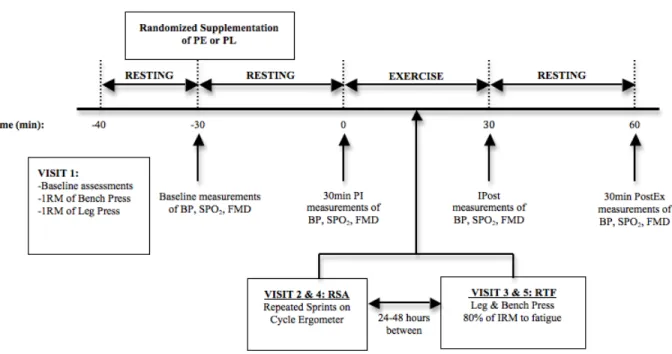
Figure 1. Overview of the study experimental design………38
Figure 2. Mean change scores ± 95% confidence intervals for peak power………...39
Figure 3. Changes in vessel diameter for pomegranate extract and placebo
for repeated sprint ability test………..………...…….40
Figure 4. Vessel diameter for pomegranate extract and placebo for bench press………….……..41
CHAPTER I INTRODUCTION
Nutritional supplements taken before exercise that increase nitrate concentration, such as pomegranate and beetroot, may increase blood flow, which may indirectly enhance exercise performance.1–3 Previous studies on nitrate supplementation have resulted in enhanced exercise tolerance, mitochondrial efficiency, blood flow, oxygenation, and decreased muscular soreness, blood pressure, blood lactate, and oxygen uptake.2,4–7 The ergogenic effect from nitrate
supplementation has been linked to enhanced vasodilation, reducing vascular resistance, and increasing blood flow to working skeletal muscle.8 The natural components of pomegranate and
beetroot, including nitrate and polyphenols, may be of additional benefit for endothelial function. Polyphenols have been shown to modulate oxidative stress, inflammation, improve endothelial function, have vasodilatory effects, and promote nitric oxide (NO) production, which may be beneficial for increasing blood flow.9–11 Polyphenols specific to pomegranate, including flavonols, ellagitannins, and anthocyanins have demonstrated a significant positive effect on endothelial-dependent vasodilation, more so than other fruits containing polyphenols.12,13 When comparing pomegranate juice and pomegranate extract (PE), both were effective in reducing platelet activation for better endothelial function, but PE reduced platelet activation to a better extent and was a more powerful antioxidant. Additionally, the concentration of PE
supplementation was effective at an amount possible to obtain in polyphenol-rich food.13
pathways by which blood flow is increased to deliver oxygen and substrates to meet the demands of exercise, and NO has been recognized as an important factor in endothelial vascular relaxation during exercise.14,15 Through the nitric oxide synthase (NOS)-independent pathway, nitrate and nitrite are reduced to form NO, whereas in the NOS-dependent pathway, the amino acid L-arginine is catalyzed by NOS enzymes to produce NO.16 The NOS-dependent pathway is dependent on oxygen where the nitrate-nitrite NOS-independent pathway is initiated in an anaerobic environment.17 Consuming PE acutely may improve high-intensity exercise and anaerobic exercise by increasing NO levels and concomitantly improving NOS efficiency to increase blood flow.5,16
Changes in blood flow, blood pressure, vessel dilation, and oxygen uptake during
extract in elite athletes resulted in increased FMD after consuming the polyphenol-rich drink 30, 60, 90, and 120 minutes with FMD peaking at 60 minutes and returning to baseline 3 hours after ingenstion.23 This data supports ingestion of a natural nitrate and polyphenol source, such as PE acutely, may be beneficial for increasing blood flow.
By increasing blood flow, there may be an increase in oxygen and nutrients delivery to working skeletal muscle, potentially aiding in exercise performance and augmenting exercise recovery.24 Tombold et al.3 demonstrated attenuated weakness and reduced soreness at the elbow flexor muscles when consuming PE for 15 days before performing eccentric exercise. After an acute ingestion of PE, Trexler et al.4 demonstrated an increased time to exhaustion during high-intensity running. In contrast, while the NOS-independent pathway suggests an improvement in anaerobic capacity, little research has been done to examine the effects of PE on enhancing this pathway during exercise. Additional research evaluating the effects of PE on blood pressure and FMD could be beneficial for enhancing high-intensity exercise.
PURPOSE
1. The primary purpose of this study was to examine the acute effects of pomegranate extract on anaerobic exercise.
2. The secondary purpose of this study was to evaluate the acute effects of pomegranate extract on cardiovascular responses of: FMD, heart rate, blood pressure, and oxygen saturation.
RESEARCH QUESTIONS
1. Did pomegranate extract have an acute effect on peak power output, repeated sprint ability, and repetitions to fatigue?
2. Did pomegranate extract have an acute effect on FMD, heart rate, blood pressure, and oxygen saturation?
RESEARCH HYPOTHESES
1. Pomegranate extract will increase peak power output and average power in the sixth through tenth sprint.
2. Pomegranate extract will increase repetitions to fatigue.
3. Pomegranate extract will increase blood flow 30 min post-ingestion, immediately post, and 30 minutes post exercise of repetitions to fatigue and the repeated sprint ability test when compared to placebo.
5. Pomegranate extract will decrease blood pressure 30 minutes post exercise of repetitions to fatigue and the repeated sprint ability test when compared to placebo.
6. Pomegranate extract will increase oxygen saturation immediately post and 30 minutes post exercise of repetitions to fatigue and the repeated sprint ability test when compared to placebo.
7. Pomegranate extract will have no effect on heart rate.
DELIMITATIONS
1. Nineteen resistance trained males and females, defined as regularly participating in a resistance training program for at least three days a week for the past three months, were recruited to participate in this study.
2. Participants were between the ages of 18-35 years.
3. Participants were excluded if using or had used dietary supplements of beta-alanine, creatine, carnosine, or taurine within 12 weeks prior to enrollment.
4. Participants were fasted three hours prior to testing sessions, euhydrated, and did not consume nitrates 12 hours prior to test period.
5. This study consisted of five visits to the Applied Physiology Lab. 6. Blood flow was measured using an ultrasound.
LIMITATIONS
1. Participant recruitment occurred at numerous departments on the University of North Carolina campus and through physical activity and exercise and sport science classes at UNC. Therefore participant selection was not truly random.
2. Due to the delimitations of resistance trained individuals and age, the results may not be generalized to other training modalities or individuals outside the age range that were be tested.
ASSUMPTIONS
Theoretical
1. Participants accurately provided health and exercise history on the enrollment questionnaire.
2. Participants accurately provided food intake information on the dietary log. 3. Participants followed pre-testing dietary and exercise guidelines.
4. Participants continued regular nutrition habits while participating in the study.
Statistical
1. The population from which the sample was drawn was normally distributed. 2. The variability was approximately equal in the selected sample (homogeneity of
variance).
DEFINITIONS OF TERMS
Resistance Trained – regularly participated in a resistance training program for at least three days
Anaerobic Exercise – type of exercise that is high intensity and shorter in duration as in sprinting
and strength-based exercise. This is the type of exercise performed in the repetitions to fatigue and repeated sprint ability tests.
Repetitions to Fatigue – an exercise routine that included completing one set of bench press and
one set of leg press at 80% of 1RM to failure.
Repeated Sprint Ability – an exercise routine that included a warm-up, ten six-second maximal
sprints with a load of 65 g/kg of body weight with 30 seconds of passive recovery between sprints, and a cool-down period.
Pomegranate Extract (PE)– 1000mg of pomegranate extract (True Pomegranate Extract, Stiebs
Nature Elevated, Madera, CA) in capsule form.
Flow-mediated dilation – measurement from an ultrasound that determined brachial artery blood
flow and vessel diameter.
SIGNIFICANCE OF STUDY
CHAPTER II
REVIEW OF LITERATURE
INTRODUCTION
Data evaluating the effects of pomegranate extract (PE) on resistance training and anaerobic exercise are limited. Several studies have examined the effects of augmenting the nitric oxide synthesis (NOS) pathway using L-arginine, L-citrulline, and beetroot on exercise,26–
30 but few have examined the effects of PE, high in nitrate and polyphenols, on exercise
performance, blood flow, and blood pressure (BP). 3,4 As a result, the aim of this study was to examine the effects of PE on anaerobic exercise, FMD, heart rate, BP, and oxygen saturation. Previous studies on supplements that contain nitrate have resulted in enhanced exercise tolerance, mitochondrial efficiency, blood flow, oxygenation, and decreased muscular soreness, BP, blood lactate, and oxygen uptake.2,4–7 Indirect ergogenic effects are likely a result of
enhanced vasodilation, reduced vascular resistance, and increased blood flow. By increasing blood flow, there may be an increase in oxygen and nutrient delivery to working skeletal muscle, suggesting enhanced exercise performance and exercise recovery.24 During exercise, NO has been recognized as an important factor in endothelial vascular relaxation.14,15 In the NOS-dependent pathway, the amino acid L-arginine is catalyzed by NOS enzymes to L-citrulline to produce NO.16 Several studies have investigated the effects of arginine and citrulline
nitrate and nitrite are reduced to form NO.16,17 Sources of dietary nitrate have been investigated
on enhancing exercise performance including beetroot juice and pomegranate. Beetroot juice has been demonstrated to be effective for improving endurance exercise, oxygen kinetics,2 and time to exhaustion30 when consumed chronically, but not acutely.29 Pomegranate extract has been suggested to be beneficial for endothelial vascular relaxation at rest and during exercise,31 due to high levels of nitrate and antioxidants, specifically polyphenols. Pomegranate is high in
polyphenols, specifically, flavonols, ellagitannins, and anthocyanins, which have been demonstrated to be more effective in endothelial-dependent vasodilation than other fruits
containing polyphenols.12,13 Polyphenols also may be beneficial for vessel dilation and increasing blood flow due to the anti-inflammatory and hypolipidemic effects,9,10 and have been previously demonstrated to modulate oxidative stress, inflammation, improve endothelial function, have vasodilatory effects, and promote NO production.9–11
As vessel diameter increases from endothelial vascular relaxation, BP decreases and blood flow increases.14 Flow-mediated dilation (FMD) is a non-invasive measure to assess endothelium function and blood flow, and is proposed to reflect the bioavailability of NO because vessel dilation is mediated by NO.32 Understanding the mechanisms for pomegranate
L-ARGININE AND L-CITRULLINE
Several studies have investigated the effects of arginine and citrulline ingredients on exercise performance due to their importance to the NOS-dependent pathway, reporting equivocal results on enhancing exercise performance. When combining L-arginine
supplementation with other components, studies have demonstrated an increase in exercise performance in untrained or moderately trained individulas,16 but no beneficial effects for trained
individuals and athletes have been reported.33 Bailey et al.34 examined an acute 20 g dose of a supplement containing 6 g L-arginine and trace amounts of vitamins E, C, B6, and B12, and an
amino acids mix. In a low to moderate bout of exercise, there was a decrease in oxygen consumption and an increase in time to exhaustion in an incremental cycling test. Similarly, Chen et al.35 demonstrated an increased power output in a cycle test to exhaustion when
supplementing with 5.2 grams of L-arginine and L-citrulline, and antioxidants for 21 days. In contrast, Colombani et al.33 exhibited no metabolic or performance benefits in a marathon run following 14 days of L-arginine supplementation in endurance-trained runners. As these studies are examining L-arginine with a combination of other ingredients, the resulting ergogenic effects could be due to other mechanisms, and not related to NO synthesis.
have resulted in an increase in NO metabolites36 and increased rate of ATP production during
exercise,38 but did not increase exercise performance. As a result, there is not sufficient data or evidence exhibiting L-arginine and L-citrulline, alone, to enhance exercise performance.
BEETROOT JUICE
Beetroot juice is a common source of dietary nitrate and has been studied for chronic consumption for enhancing endurance exercise. Beetroot juice ingestion has been shown to significantly augment plasma nitrate concentrations, in comparison to a placebo, likely
improving endothelial function.29 In overweight and obese men, FMD was improved and plasma concentrations of NO were higher after consuming 140ml of beetroot juice containing 500 mg of nitrate.39 Christensen et al.40 also exhibited higher plasma nitrate and nitrite levels after
consuming beetroot for four and six days when compared to a placebo; but there were no differences in oxygen kinetics, time-trial performance, peak power output during an endurance cycle test, or repeated sprint capacity in highly trained cyclists. In contrast, Bailey et al.2
performance for endurance exercise, as opposed to high-intensity exercise, when consuming beetroot juice for six-seven days.
When examining acute consumption (1 dose) of beetroot, 4-km and 16.1-km cycling performance, and mean power output was improved significantly, but there was no difference in oxygen uptake after ingesting 500ml two and a half hours prior to exercise.43 After consuming 200 grams (>500 mg of nitrate) of whole beetroot 75 minutes before a 5-km treadmill time trial, running velocity was faster when compared to a placebo of cranberry relish.26 Conversely, twenty trained male cyclists ingested 140 ml of concentrated beetroot juice 2.5 hours before completing a 1-hour cycling time trial.29 There were no significant differences between beetroot and placebo on time-trial performance, power output, or heart rate. In agreement, 500ml of beetroot consumed 2.5 hours before a 50-mile cycling time trial did not significantly improve performance in well-trained cyclists.44 Muggeridge et al.28 also failed to demonstrate a significant difference between 70ml beetroot and placebo for sprinting peak power or a 1-km kayak time trial. However, there was lower oxygen consumption when kayaking at 60% steady state effort after consuming beetroot. This suggests beetroot may enhance endurance exercise, but not anaerobic exercise. As a result, the effects of beetroot on exercise performance favor chronic consumption for endurance exercise, and acute consumption of beetroot is unclear for enhancing exercise performance.
POLYPHENOLS
flavonols, ellagitannins, and anthocyanins, have been shown to be effective for inducing endothelial-dependent vasodilation.12,13 Looking at polyphenol sources, Barona et al.9
investigated a 30-day supplementation of grape polyphenol powder in participants with
metabolic syndrome, resulting in a reduction in systolic BP, an increase in FMD, but there was no change in plasma nitrite and nitrate to estimate NO production. Similarly in a cross over study, 19 hypertensive participants ingested 100 g of either flavanol-rich dark chocolate containing 1000mg of polyphenols or flavanol-free white chocolate for 15 days. After the flavanol-rich dark chocolate intervention, systolic and diastolic BP decreased and FMD increased when compared to the flavanol-free white chocolate.21 Conversely in a cross over study, there were no
differences in BP or FMD when 30 participants with high cholesterol ingested either polyphenol-rich or polyphenol-poor lyophilized apples for four weeks. Van Mierlo et al.32 also found no
significant differences in FMD and BP measured after a two week treatment period where healthy males consumed capsules containing either a wine grape mix or grape seed, both containing 800 mg of polyphenols or placebo.
examining polyphenols and exercise, Connolly et al.45 investigated consumption of tart cherry
juice, containing high antioxidant concentrations, for 8 days on the symptoms of muscle damage, demonstrating maintenance in strength, and reduction in pain following a muscle damage bout, when compared to a placebo.
The data on polyphenols and exercise performance, FMD, BP, and NO synthesis are limited, but demonstrate some favorable effects for improving blood flow and decreasing BP, blood lactate, and muscle strength loss and pain. These effects may indirectly enhance exercise performance.
POMEGRANATE
The effects of natural nitrate and polyphenols in pomegranate extract may be beneficial for exercise when consumed acutely, as blood flow is considered a limiting factor in muscle oxygenation during high intensity exercise.23 To date, there is little data investigating PE on exercise performance. Comparing pomegranate juice and PE with the same polyphenolic constitute of the juice, both were effective in reducing platelet activation for improved
Trombold et al.3 examined the effects of consuming 250 ml of pomegranate juice
supplementation for 15 days on eccentric exercise at the elbow and knee muscles. After the supplementation period, participants completed a muscle damage bout, and then tested muscle soreness, maximal isometric elbow flexion strength, and maximal knee extension strength. The pomegranate juice supplementation attenuated weakness and reduced soreness at the elbow flexor muscles, but did not do so at the knee extensor muscles. Although there is little research on PE and exercise performance, the NOS-independent pathway suggests ingesting PE acutely before exercise may increase NO and improve blood flow to indirectly enhance performance. The previous research also supports the mechanism by which PE may enhance performance.
Additionally, PE has been demonstrated to be beneficial for improving endothelial function in clinical populations when consumed chronically. Twenty-one hypertensive
participants consumed either 150ml daily of pomegranate juice or water for two weeks. In the pomegranate juice group, systolic and diastolic BP were significantly reduced, but there was no difference in FMD.20 Similarly, patients with carotid artery atherosclerosis consumed either 50ml of pomegranate juice or were placed in a control group for one year. In the pomegranate juice group, systolic BP was reduced by 21%, but diastolic BP did not decrease.25 In patients with
CONCLUSION
When examining endogenous ingredients that increase NO concentrations, several studies have been completed on L-arginine, L-citrulline and beetroot, but additional research should investigate the effects of pomegranate and polyphenols on exercise performance. While
supplementation of L-arginine and L-citrulline have previously been shown to increase plasma arginine for NO synthesis, supplementation has not been favorable for enhancing exercise performance. Beetroot, a natural source of nitrate, has resulted in improvements in exercise performance when taken chronically, but there is not strong evidence for acute supplementation or for anaerobic exercise. Though beetroot has high levels of nitrate, it contains different
subtypes of polyphenols than pomegranate. The polyphenols in pomegranate, flavonols, ellagitannins, and anthocyanins, have been demonstrated to be more effective in endothelial-dependent vasodilation than other fruits containing polyphenols.12,13 Polyphenols have
CHAPTER III METHODOLOGY
EXPERIMENTAL DESIGN
In a double blind crossover design, participants were randomly assigned, via random allocation software, to pomegranate extract (PE) or placebo (PL). Five separate visits to the laboratory were completed (Figure 1); the first visit consisted of a series of baseline assessments including height, weight, and maximal upper and lower-body strength. For visits 2-5, participants rested 10 minutes then completed resting cardiovascular measurements of flow mediated dilation (FMD), blood pressure (BP), heart rate (HR), and oxygen saturation (SP02). After baseline tests,
participants ingested their assigned supplement, PE or PL, in random order. Resting
PARTICIPANTS
Nineteen (8 male, 11 female) resistance-trained individuals (mean ± SD; age: 22.1 ± 1.9 yrs; height: 170.4 ± 12.4 cm; weight: 68.7 ± 15.9 kg) between the ages of 18-35 years
participated in this study. All participants were recreationally active, participating in at least three hours per week of resistance training for at least three months, determined by an exercise status questionnaire. All methodology was approved by the University’s Institutional Review Board and all subjects provided written informed consent prior to participation.
SUPPLEMENTATION
Using a computer generated allocation sequence, in a double-blind fashion, participants were randomized to either 1000mg of pomegranate extract (PE; True Pomegranate Extract, Stiebs Nature Elevated, Madera, CA) or placebo (PL; 95% maltodextrin, 5% purple carrot and hibiscus for color). Capsules were blinded in identical opaque capsules, and were ingested in the lab with 6 oz of water. After ingestion, participants rested 30 minutes before beginning the exercise test.
CARDIOVASCULAR MEASUREMENTS
Resting cardiovascular measurements were taken on all visits at baseline, 30minPI, IPost, and 30minPostEx. Heart rate was measured using a Polar heart rate monitor (Polar FT1, Polar USA, Port Washington, NY, USA). Oxygen saturation (SPO2) was measured using a pulse
mode ultrasound (GE Healthcare, Wisconsin, USA) with vascular, pulse wave, and color flow settings. Blood flow was measured using modified protocol of Uehata et al.,47 using the brachial artery.4 For the resting measurements, a blood pressure cuff was placed on the upper arm for one minute inflated to 180 mmHg. The cuff was taken off and the ultrasound probe (GE: 12L-RS) was immediately placed longitudinally on the upper arm, 5-15 cm above the antecubital fossa, over the brachial artery to measure blood flow for at least four heart beats. Diameter of the artery was quantified using the ultrasound software ‘measure’ function by drawing a straight line between the walls of the artery. Blood flow measurements IPost and 30minPostEx did not use the blood pressure cuff prior to the measurement. Reliability measures for blood flow produced an intraclass correlation coefficent (ICC) of 0.86 and standard error of the measurement (SEM) of 5.92 mL·min-1; reliability for vessel diameter resulted in an ICC of 0.82 and SEM of 0.027 cm.
MAXIMAL STRENGTH
fatigue. The heaviest weight successfully lifted was recorded as the 1RM. After testing maximal strength, participants were familiarized with the RSA protocol.
REPEATED SPRINT ABILITY (RSA)
Peak anaerobic power and anaerobic capacity were assessed using a RSA protocol on a friction-loaded cycle ergometer (Monark 894E, Stockholm, Sweden). Participants warmed up on the cycle for ten minutes at a self-selected pace prior to performing the RSA. The RSA consisted of ten six-second maximal sprints with 30 seconds of passive recovery between each sprint. The load applied on the cycle ergometer was 65 g/kg of body weight for each participant.48
Participants were encouraged verbally during each maximal sprint, and remained seated on the cycle ergometer during the entire test.
REPETITIONS TO FATIGUE (RTF)
The results from the 1RM assessments were used to determine the weight load for each participant for the RTF sessions. The exercises were performed in order of: bench press then leg press (York Barbell Co., York PA). Following a self-selected warm-up, one set at 80% of 1RM was completed to fatigue on bench press and leg press, respectively, with three minutes of rest between each exercise.49 Heart rate, FMD, SPO2, and BP were assessed at baseline, 30minPI,
STATISTICAL ANALYSIS
Data was analyzed using one-way ANOVAs for bench and leg press repetitions. Separate two-way mixed factorial ANOVA models [treatment (PE vs. PL) × time (sprint 1 vs. sprint 2 … vs. sprint 10)] to assess peak power output and average power. Separate two-way mixed factorial ANOVA models [treatment (PE vs. PL) × time (baseline vs. 30minPI vs. IPost vs.
30minPostEx)] to assess blood flow, BP, HR, and SPO2, with Bonferroni post hoc comparisons
for the RSA tests. For vessel diameter in the RSA test, a linear-mixed model ANCOVA was employed to covary for significant differences at baseline. For the RTF tests, separate two-way mixed factorial ANOVA models [treatment (PE vs. PL) × time (baseline vs. 30minPI vs. IPost vs. 30minPostEx)] were used to assess FMD, BP, HR, and SPO2, with Bonferroni post hoc
CHAPTER IV MANUSCRIPT
INTRODUCTION
The popularity of pre-workout supplements and ingredients has grown tremendously over the last decade, specifically ingredients thought to increase nitrate concentration, such as arginine and citrulline.50 Recently more natural ingredients, such as pomegranate and beetroot, have been shown to increase nitrate concentration vis-à-vis the nitric oxide synthase (NOS)-independent pathway.16 Nitric oxide (NO) has been recognized as an important factor in endothelial vascular
relaxation during exercise.14,15 Through the NOS-independent pathway, nitrate and nitrite are reduced to form NO, whereas in the NOS-dependent pathway, the amino acid L-arginine is catalyzed by NOS enzymes to produce NO.51 The ergogenic effect from nitrate supplementation, and its derivatives, have been linked to enhanced vasodilation, reducing vascular resistance, and increasing blood flow to working skeletal muscle.4,8,52 Several studies have investigated the
effects of arginine and citrulline ingredients on exercise performance due to their importance in the NOS-dependent pathway, reporting equivocal results on enhancing exercise performance.16 However, the natural components of pomegranate and beetroot, including nitrate and
Previous studies on nitrate supplementation have resulted in enhanced exercise tolerance, blood flow, oxygenation, and decreased blood pressure.2,4–7 Previous research has primarily examined the effects of beetroot on exercise performance, while few studies have examined pomegranate juice or pomegranate extract (PE). However, additional ergogenic benefit from PE may result from the high polyphenol content.12,13 Results from Bailey et al.,2 when using beetroot, demonstrated an increase in time to exhaustion and reduced oxygen cost at a fixed submaximal work rate. Similarly, exercise tolerance was improved at submaximal peak power workloads after consuming beetroot.42 Previous research on PE and exercise performance has demonstrated a delay in fatigue during high-intensity running and increased vessel diameter and blood flow.4 Additional research evaluating the effects of PE on blood flow and vessel diameter could be beneficial for enhancing high-intensity or anaerobic exercise.
In addition to the nitrate component of PE, polyphenols have been shown to reduce systolic blood pressure and enhance flow-mediated dilation (FMD).9 Polyphenol
supplementation has had positive cardiovascular effects in men with metabolic syndrome9 and cardiovascular disease,11 but were not beneficial in healthy men.32 However, acute polyphenol consumption increased FMD and improved endothelial function in elite athletes.23 This data
supports acute ingestion of a natural nitrate and polyphenol source, such as PE, may be
beneficial for cardiovascular effects and exercise improvement.4,19 Further research examining the effects of PE on FMD and endothelial function in a healthy population is warranted.
Earlier research has demonstrated a potential important role of dietary nitrate, when converted to NO, under periods of low oxygen availability/exercising state50 and as a result may
their training by the use of a natural compound to enhance blood flow and performance. Therefore, this study aimed to evaluate the effects of acute PE supplementation on anaerobic exercise, FMD, oxygen saturation, heart rate and blood pressure in healthy men and women.
METHODS
Experimental Design
In a double blind crossover design, participants were randomly assigned, via random allocation software, to pomegranate extract (PE) or placebo (PL) groups. Five separate visits to the laboratory were completed (Figure 1); the first visit consisted of a series of baseline
assessments including height, weight, and maximal upper and lower-body strength. For visits 2-5, participants rested 10 minutes then completed resting cardiovascular measurements of blood pressure (BP), heart rate (HR), oxygen saturation (SP02), and flow mediated dilation (FMD).
After baseline tests, participants ingested their assigned supplement, PE or PL, in random order. Resting cardiovascular measurements were taken on all visits at baseline, at 30 minutes post-ingestion (30minPI), immediately post exercise (IPost), and 30 minutes post exercise
(30minPostEx). The exercise session in visit 2 consisted of a repeated sprint ability (RSA) test on a cycle ergometer. The visit 3 exercise session consisted of repetitions to fatigue (RTF)
calculated at 80% of upper and lower-body maximal strength that was tested in the first visit. Exercise sessions were performed at the same time of day (+/- 2hours), with at least 24 hours between same treatment visits (visits 2 and 3; visits 4 and 5), and at least a week between
Participants
Nineteen (8 male, 11 female) resistance-trained individuals (mean ± SD; age: 22.1 ± 1.9 yrs; height: 170.4 ± 12.4 cm; weight: 68.7 ± 15.9 kg) between the ages of 18-35 years
participated in this study. All participants were recreationally active, participating in at least three hours per week of resistance training for at least three months, determined by an exercise status questionnaire. All methodology was approved by the University’s Institutional Review Board and all subjects provided written informed consent prior to participation.
Supplementation
Using a computer generated allocation sequence, in a double-blind fashion, participants were randomized to either 1000mg of pomegranate extract (PE; True Pomegranate Extract [Nitro2Granit], Stiebs Nature Elevated, Madera, CA) or placebo (PL; 95% maltodextrin, 5%
purple carrot and hibiscus for color). Capsules were blinded in identical opaque capsules, and were ingested in the lab with 6 oz of water. After ingestion, participants rested 30 minutes before beginning the exercise test.
Cardiovascular Measurements
Resting cardiovascular measurements were taken on all visits at baseline, 30minPI, IPost, and 30minPostEx. Heart rate was measured using a Polar heart rate monitor (Polar FT1, Polar USA, Port Washington, NY, USA). Oxygen saturation (SPO2) was measured using a pulse
artery.4 For the resting measurements, a blood pressure cuff was placed on the upper arm for one
minute inflated to 180 mmHg. The cuff was taken off and the ultrasound probe (GE: 12L-RS) was immediately placed longitudinally on the upper arm, 5-15 cm above the antecubital fossa, over the brachial artery to measure blood flow for at least four heartbeats. Diameter of the artery was quantified using the ultrasound software ‘measure’ function by drawing a straight line between the walls of the artery. Blood flow measurements IPost and 30minPostEx did not use the blood pressure cuff prior to the measurement. Reliability measures for blood flow produced an intraclass correlation coefficent (ICC) of 0.86 and standard error of the measurement (SEM) of 5.92 mL·min-1; reliability for vessel diameter resulted in an ICC of 0.82 and SEM of 0.027 cm.
Maximal Strength
Repeated Sprint Ability (RSA)
Peak anaerobic power and anaerobic capacity were assessed using a RSA protocol on a friction-loaded cycle ergometer (Monark 894E, Stockholm, Sweden). Participants warmed up on the cycle for ten minutes at a self-selected pace prior to performing the RSA. The RSA consisted of ten six-second maximal sprints with 30 seconds of passive recovery between each sprint. The load applied on the cycle ergometer was 65 g/kg of body weight for each participant.48
Participants were encouraged verbally during each maximal sprint, and remained seated on the cycle ergometer during the entire test.
Repetitions to Fatigue (RTF)
The results from the 1RM assessments were used to determine the weight load for each participant for the RTF sessions. The exercises were performed in order of: bench press then leg press (York Barbell Co., York PA). Following a self-selected warm-up, one set at 80% of 1RM was completed to fatigue on bench press and leg press, respectively, with three minutes of rest between each exercise.49 Heart rate, FMD, SPO2, and BP were assessed at baseline, 30minPI,
immediately post bench press (IPostBench), immediately post leg press (IPostLeg), and 30minPostEx.
Statistical Analysis
Data was analyzed using one-way ANOVAs for bench and leg press repetitions. Separate two-way mixed factorial ANOVA models [treatment (PE vs. PL) × time (sprint 1 vs. sprint 2 … vs. sprint 10)] to assess peak power output and average power. Separate two-way mixed factorial ANOVA models [treatment (PE vs. PL) × time (baseline vs. 30minPI vs. IPost vs.
employed to covary for significant differences at baseline. For the RTF tests, separate two-way mixed factorial ANOVA models [treatment (PE vs. PL) × time (baseline vs. 30minPI vs. IPost vs. 30minPostEx)] were used to assess FMD, BP, HR, and SPO2, with Bonferroni post hoc
comparisons for bench press and leg press. Change scores from PE to PL were calculated for each participant and 95% confidence intervals (CI) were placed around the mean change score. If the 95% CI included zero, the mean change score was not different from zero, which can be interpreted as no statistical change. If the 95% CI interval did not include zero, the mean change score was considered statistically significant (p ≤ 0.05). SPSS Version 20 (IBM; Chicago, IL) was used to perform the ANOVA models and ANCOVA with an alpha level of p<0.05 for statistical significance. The 95% CI were created and calculated in Microsoft Excel (Version 2008, Microsoft Corporation; The Microsoft Network, LLC, Richmond, WA).
RESULTS
Repeated Sprint Ability (RSA)
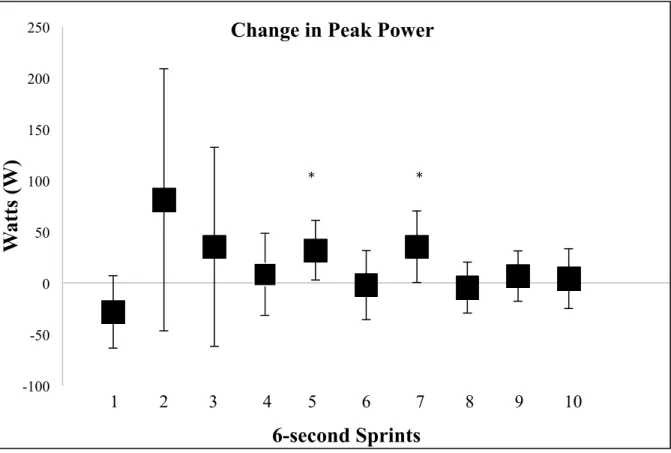
sprint 8. Peak power was significantly higher for sprint number 5 when supplementing with PE versus PL (mean difference [MD]= 31.81 Watts; p=0.046) and sprint 7 trended towards
significance (MD= 35.34 Watts; p= 0.063). When 95% CI were employed, sprints 5 and 7 were significantly higher when PE was consumed (Figure 2).
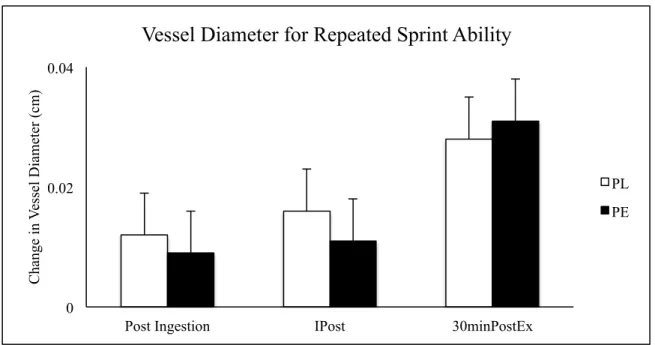
For vessel diameter, there was no significant two-way interaction (p=0.78) and no significant main effect for treatment (p=0.530; Figure 3). There was a significant main effect for time (p=0.041) with 30minPostEx higher than baseline. When 95% CI were employed, the PE treatment was significantly greater at 30minPostEx. For brachial artery blood flow, there was no significant two-way interaction (p=0.13), and no main effect for treatment (p=0.06). There was a main effect for time (p=0.001), demonstrating greater baseline flow, compared to 30minPI; 30minPostEx greater than 30minPI; and IPost greater than baseline, 30minPI, and 30minPostEx. Blood flow was significantly greater IPost when PE was consumed (MD= 18.49 mL·min-1, p=0.05). The 95% CI also demonstrated a significant difference for blood flow IPost when PE was consumed.
There were no significant two-way interactions, main effects for treatment, or main effects for time for diastolic BP and SPO2. There was no significant two-way interaction or main
effect for treatment for HR (p=0.81) and systolic BP (p=0.32). There was a significant main effect for time for HR (p<0.0001) with baseline significantly higher than 30minPI; IPost
significantly higher than baseline, 30minPI, and 30minPostEx; 30minPostEx significantly higher than baseline and 30minPI. There was a significant main effect for time for systolic BP
Repetitions to Fatigue (RTF)
There was no significant difference for the number of repetitions completed for bench press (p=0.25) or leg press (p=0.15) when consuming PE or PL. However, bench press (MD= 0.63 reps) and leg press (MD= 1.9 reps) repetitions were higher with the PE treatment. For vessel diameter, there was a significant interaction (p=0.008). Post hoc comparisons demonstrated a main effect for time (p=0.0001) and significant main effect for treatment (p=0.03). Vessel diameter IPostBench was significantly greater than baseline (MD= 0.026 cm; p=0.007) and 30minPI (MD=0.022 cm, p=0.006); IPostLeg was significantly greater than 30minPI (MD= 0.025 cm, p= 0.021). Vessel diameter was significantly greater with the PE treatment for IPostBench (MD= 0.029 cm; p=0.025), IPostLeg (MD= 0.042 cm; p=0.001), and 30minPostEx (MD= 0.027 cm; p=0.029; Figures 4 & 5). The 95% CI also demonstrated a significant
difference for vessel diameter IPostBench, IPostLeg, and 30minPostEx.
There was no significant interaction (p= 0.25) or main effect for treatment (p=0.117) for brachial artery blood flow. There was a significant main time effect for blood flow (p<0.001) with 30minPI lower than baseline (MD= -10.43 mL·min-1, p=0.013); IPostBench higher than baseline (MD=134.6 mL·min-1, p<0.0001), 30minPI (MD=144.6 mL·min-1, p<0.0001), IpostLeg
(MD= 86.4 mL·min-1, p<0.0001), and 30minPostEx (MD= 135.2 mL·min-1, p<0.0001); IpostLeg was higher than baseline (MD= 48.2 mL·min-1, p<0.0001), 30min post ingestion (MD= 58.2 mL·min-1, p<0.0001), 30min post exercise (48.8 mL·min-1, p<0.0001). When evaluating 95% CI, there was a significant difference in IPostLeg and 30minPostEx blood flow when PE was
consumed.
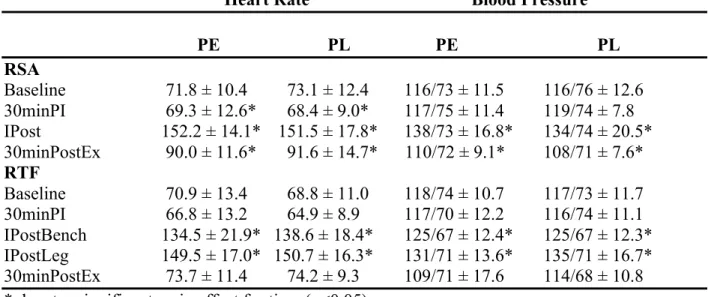
and diastolic BP (p=0.009). Heart rate IPostLeg was significantly higher than baseline, 30minPI, IPostBench, and 30minPostEx; IPostBench was significantly higher than baseline, 30minPI, and 30minPostEx; 30minPostEx was significantly higher than 30minPI. Systolic BP IPostLeg was significantly higher than baseline, 30minPI, and 30minPostEx; IPostBench was significantly higher than baseline, 30minPI, and 30minPostEx. Diastolic BP IPostBench was significantly lower than 30minPI (Table 1). SPO2 resulted in no significant interaction, main effect for time or
treatment.
DISCUSSION
Previous studies on nitrate supplementation have resulted in enhanced exercise tolerance, oxygenation, and decreased blood lactate, and muscular soreness.2,4,6 Previous research has also demonstrated supplementation with dietary nitrate and polyphenols, such as PE, to have an ergogenic effect.4,9 The natural components of PE, including nitrate and polyphenols, may have
additional benefits for endothelial function. Polyphenols specific to PE have demonstrated significant positive effects on endothelial-dependent vasodilation, more so than other fruits containing polyphenols.12,13 Previous research has demonstrated a potential important role of dietary nitrate in vascular and metabolic control, when converted to nitric oxide (NO), under periods of low oxygen availability/exercising state.50 The current study demonstrated beneficial
effects of PE on blood flow and vessel diameter immediately following the RTF test and 30 minutes post exercise of RSA and RTF. There was an improvement in peak power and average power output halfway through the RSA test from PE supplementation, which may suggest an ergogenic effect as a result of increased vessel diameter and blood flow.
juice or PE. Beetroot has also been shown to increase the amount of NO through the same NOS-independent pathway, and has also been shown to improve performance.16,53 While there is potential thought that beetroot may improve skeletal muscle and mitochondrial efficiency through the same mechanism,50 additional ergogenic benefit from PE may result from the high polyphenol content.12,13 Trombold et al.3 demonstrated that chronic consumption of pomegranate juice attenuated muscular weakness, reduced soreness, and improved recovery, potentially as result of the high antioxidant content. In a study examining the effects of PE on high intensity running, PE increased time to exhaustion and delayed fatigue at 90% and 100% of peak velocity determined from a maximal oxygen uptake test.4 Results from Bailey et al.,2 when using beetroot, also demonstrated an increase in time to exhaustion and reduced oxygen cost at a fixed
submaximal work rate. The current study evaluated more anaerobic tests, demonstrating an improvement in peak power output halfway through the RSA test as a result of one dose of PE supplementation. Similarly, when using beetroot juice for seven days, Kelly et al. 42
demonstrated improved exercise tolerance at 60%, 70%, and 80% of peak power. In this same study, maximal peak power (100%) was not improved. Christensen et al.40 also demonstrated no significant effects at a maximal effort for oxygen kinetics, peak power output, time-trial
performance, or RSA following the use of beetroot juice. Collectively, acute (~6 days) beetroot juice intake has failed to elicit improvements in maximal oxygen uptake.2,42,53,54 In contrast, acute supplementation of PE (one dose) and more chronic supplementation of beetroot (three weeks) may be advantageous for submaximal aerobic exercise. The current study is the first to demonstrate a potential benefit of PE on anaerobic peak power.
and swallowed, while a substantial amount of nitrite enters the systemic circulation.55 Nitrate is
then reduced to NO in blood and other tissues, which then can function in skeletal muscle to regulate blood flow, contractility, and mitochondrial respiration and biogenesis.56 In a similar study done previously in our lab, Trexler et al.4 demonstrated an increase in vessel diameter 30 minutes after exercise (Δ=0.021 ± 0.04 cm)and an increase in blood flow 30 minutes
post-ingestion (Δ=11.0 ± 20.8 mL!min-1)of PE compared to a placebo. The current study results were
similar for vessel diameter diameter 30 minutes after exercise (Δ=0.027 ± 0.04 cm)blood flow 30 minutes post-ingestion (Δ=4.03 ± 18.9 mL!min-1), and support this previous research with enhanced blood flow immediately post leg press in the RTF and immediately post RSA. Additionally, in the current study, vasodilation was enhanced 30minPostEx in the RSA, immediately post bench press and leg press, and 30minPostEx in the RTF, as a result of PE supplementation.
As a result of high concentration of nitrate and polyphenols, pomegranate may further increase the delivery of blood, oxygen, and energy substrates to skeletal muscle. Specific to pomegranate, the primary active polyphenols have been reported to be: flavonols, ellagitannins, and anthocyanins.12,13 Previous research with polyphenols has resulted in increased FMD and
reduced BP.9,21 In elite athletes, FMD increased 30, 60, 90, and 120 minutes after consuming a polyphenol-rich drink, with FMD peaking at 60 minutes and returning to baseline 3 hours after ingestion.23 In the same study, there were no significant differences between placebo and the polyphenol-rich drink in time to completion, average wattage, or perceived exertion after a time-trial. Yet, the athletes had lower plasma lactate levels before and after the test, and heart rate was significantly lower 2 minutes and 5 minutes post exercise. In contrast, the current study
thirty minutes post exercise. There was also no difference in heart rate during the RSA test between PE and PL. Pomegranate juice has resulted in lower BP and improved endothelial function in clinical populations when consumed chronically.20,25,46 The current study was completed in a young, healthy population and may explain the lack of change in HR or BP. Oxygen saturation was measured at the finger for ease of access with no significant differences observed; whereas measuring SP02 at the working skeletal muscle may be more advantageous to
determine saturation. As a result of previous research and lack of findings in the present study, pomegranate and polyphenols may be beneficial for cardiovascular health with more chronic consumption and in clinical populations. Future research evaluating acute consumption of PE in slightly compromised individuals may be beneficial.
Despite the positive findings in the present study, limitations do exist. The results of this study are limited to acute consumption, 30 minutes prior to exercise. Future research on PE may focus on optimal timing and dosage for enhancing blood flow, vessel diameter, and performance. Additional research on the effects of PE with varying modes and duration of exercise may help better determine the ergogenic utility of PE. Moreover, the participants in this study were recreationally active, resistance trained individuals with no adverse health conditions. Added research on untrained individuals, elite athletes, or individuals with health conditions or diseases would help to determine the generalizability effects of PE supplementation.
CHAPTER V CONCLUSION
In conclusion, acute supplementation of PE resulted in enhanced vessel diameter, blood flow, and peak and average power output. These improvements are likely due to the high content of nitrate and polyphenols in PE, which have likely resulted in increased NO to enhance
TABLES
Table 1. Average heart rate and blood pressure for pomegranate extract (PE) and placebo (PL) during repeated sprint ability (RSA) test and repetitions to fatigue (RTF) test (Mean ± SD).
Heart Rate Blood Pressure
PE PL PE PL RSA
Baseline 71.8 ± 10.4 73.1 ± 12.4 116/73 ± 11.5 116/76 ± 12.6 30minPI 69.3 ± 12.6* 68.4 ± 9.0* 117/75 ± 11.4 119/74 ± 7.8 IPost 152.2 ± 14.1* 151.5 ± 17.8* 138/73 ± 16.8* 134/74 ± 20.5* 30minPostEx 90.0 ± 11.6* 91.6 ± 14.7* 110/72 ± 9.1* 108/71 ± 7.6* RTF
FIGURES
Figure 1. Overview of the study experimental design. Pomegranate Extract (PE); Placebo (PL); Blood pressure (BP); Oxygen saturation (SPO2); Flow mediated vasodilation (FMD); Repeated
Figure 2. Mean change scores ± 95% confidence intervals for peak power. * Indicates a significant difference when 0 is not included in the 95% confidence interval.
-100 -50 0 50 100 150 200 250
W
atts
(W)
6-second Sprints
Change in Peak Power
1 2 3 4 5 6 7 8 9 10
Figure 3. Changes in vessel diameter for pomegranate extract (PE) and placebo (PL) for repeated sprint ability test. Values were covaried for baseline measure differences.
0 0.02 0.04
Post Ingestion IPost 30minPostEx
Cha
nge
in
V
es
se
l D
ia
m
et
er (c
m
)
Vessel Diameter for Repeated Sprint Ability
Figure 4. Vessel diameter for pomegranate extract (PE) and placebo (PL) for bench press during the repetitions to fatigue test. * indicates significantly different from PL (p<0.05).
0.25 0.27 0.29 0.31 0.33 0.35 0.37 0.39 0.41 0.43 0.45 0.47
Baseline Post Ingestion IPost Bench 30min Post Exercise
V es se l D ia m te r (c m )
Vessel Diameter for Repetitions to Fatigue test
Figure 5. Vessel diameter for pomegranate extract (PE) and placebo (PL) for leg press during the repetitions to fatigue test. * indicates significantly different from PL (p<0.05).
0.25 0.27 0.29 0.31 0.33 0.35 0.37 0.39 0.41 0.43 0.45 0.47
Baseline Post Ingestion IPost Leg Press 30min Post Exercise
V es se l D ia m te r (c m )
Vessel Diameter for Repetitions to Fatigue
PL PE
*
REFERENCES
1. Wylie LJ, Mohr M, Krustrup P, et al. Dietary nitrate supplementation improves team sport-specific intense intermittent exercise performance. European Journal of Applied Physiology. 2013;113(7):1673–84. doi:10.1007/s00421-013-2589-8.
2. Bailey SJ, Winyard P, Vanhatalo A, et al. Dietary nitrate supplementation reduces the O 2 cost of low-intensity exercise and enhances tolerance to high-intensity exercise in humans. Journal of Applied Physiology. 2009;107:1144–1155.
doi:10.1152/japplphysiol.00722.2009.
3. Trombold JR, Reinfeld AS, Casler JR, Coyle EF. The Effect of pomegranate juice
supplementation on strength and soreness after eccentric exercise. The Journal of Strength and Conditioning Research. 2011;25(7):1782–1788.
4. Trexler ET, Smith-ryan AE, Melvin MN, Roelofs EJ, Wingfield HL. Effects of
pomegranate extract on blood flow and running. Applied Physiology Nutrition Metabolism. 2014;39:1038–1042.
5. De Nigris F, Williams-Ignarro S, Botti C, Sica V, Ignarro LJ, Napoli C. Pomegranate juice reduces oxidized low-density lipoprotein downregulation of endothelial nitric oxide
synthase in human coronary endothelial cells. Nitric oxide : biology and chemistry / official journal of the Nitric Oxide Society. 2006;15(3):259–63.
doi:10.1016/j.niox.2005.12.004.
6. Bescós R, Rodríguez F a, Iglesias X, Ferrer MD, Iborra E, Pons A. Acute administration of inorganic nitrate reduces VO(2peak) in endurance athletes. Medicine and science in sports and exercise. 2011;43(10):1979–86. doi:10.1249/MSS.0b013e318217d439.
7. Larsen FJ, Schiffer T a, Borniquel S, et al. Dietary inorganic nitrate improves mitochondrial efficiency in humans. Cell metabolism. 2011;13(2):149–59. doi:10.1016/j.cmet.2011.01.004.
9. Barona J, Aristizabal JC, Blesso CN, Volek JS, Fernandez ML. Grape Polyphenols Reduce Blood Pressure and Increase Flow-Mediated Vasodilation in Men with Metabolic Syndrome 1. Journal of Nutrition. 2012;142:1626–1632.
doi:10.3945/jn.112.162743.antioxidant.
10. Scalbert A, Johnson IT, Saltmarsh M. Polyphenols: antioxidants and beyond. The American journal of clinical nutrition. 2005;81(1 Suppl):215S–217S.
11. Tangney CC, Rasmussen HE. Polyphenols, inflammation, and cardiovascular disease. Current atherosclerosis reports. 2013;15(5):324. doi:10.1007/s11883-013-0324-x.
12. Chong MF-F, Macdonald R, Lovegrove J a. Fruit polyphenols and CVD risk: a review of human intervention studies. The British journal of nutrition. 2010;104 Suppl :S28–39. doi:10.1017/S0007114510003922.
13. Mattiello T, Trifirò E, Jotti GS, Pulcinelli FM. Effects of pomegranate juice and extract polyphenols on platelet function. Journal of medicinal food. 2009;12(2):334–9.
doi:10.1089/jmf.2007.0640.
14. Hellsten Y, Nyberg M, Jensen LG, Mortensen SP. Vasodilator interactions in skeletal muscle blood flow regulation. The Journal of physiology. 2012;590(Pt 24):6297–305. doi:10.1113/jphysiol.2012.240762.
15. Bailey SJ, Vanhatalo A, Winyard PG, Jones AM. The nitrate-nitrite-nitric oxide pathway : Its role in human exercise physiology. European Journal of Sport Science.
2012;12(4):309–320.
16. Bescós R, Sureda A, Tur J a, Pons A. The effect of nitric-oxide-related supplements on human performance. Sports medicine (Auckland, NZ). 2012;42(2):99–117.
doi:10.2165/11596860-000000000-00000.
18. Larsen FJ, Weitzberg E, Lundberg JO, Ekblom B. Dietary nitrate reduces maximal oxygen consumption while maintaining work performance in maximal exercise. Free radical biology & medicine. 2010;48(2):342–7. doi:10.1016/j.freeradbiomed.2009.11.006.
19. Mathew AS, Capel-Williams GM, Berry SEE, Hall WL. Acute effects of pomegranate extract on postprandial lipaemia, vascular function and blood pressure. Plant foods for human nutrition (Dordrecht, Netherlands). 2012;67(4):351–7. doi:10.1007/s11130-012-0318-9.
20. Asgary S, Sahebkar A, Afshani MR, Keshvari M, Haghjooyjavanmard S, Rafieian-Kopaei M. Clinical evaluation of blood pressure lowering, endothelial function improving,
hypolipidemic and anti-inflammatory effects of pomegranate juice in hypertensive subjects. Phytotherapy research : PTR. 2014;28(2):193–9. doi:10.1002/ptr.4977.
21. Grassi D, Desideri G, Necozione S, et al. Blood pressure is reduced and insulin sensitivity increased in glucose-intolerant, hypertensive subjects after 15 days of consuming high-polyphenol dark chocolate. The Journal of nutrition. 2008;138(9):1671–6.
22. Auclair S, Chironi G, Milenkovic D, et al. The regular consumption of polyphenol-rich apple does not infludence endothelial function: a randomised double-blind trial in
hypercholesterolemic adults. European Journal of Clinical Nutrition. 2010;64:1158–1165.
23. Labonté K, Couillard C, Motard-Bélanger A, Paradis M-E, Couture P, Lamarche B. Acute Effects of Polyphenols from Cranberries and Grape Seeds on Endothelial Function and Performance in Elite Athletes. Sports. 2013;1(3):55–68. doi:10.3390/sports1030055.
24. Bloomer RJ, Alleman RJ, Cantrell GS, Farney TM, Schilling BK. Effects of 2-nitrooxy ethyl 2-amino 3-methylbutanoate gel on resistance exercise performance and blood nitrate/nitrite in resistance trained men. Journal of strength and conditioning research / National Strength & Conditioning Association. 2012;26(6):1680–7.
doi:10.1519/JSC.0b013e318236d081.
25. Aviram M, Rosenblat M, Gaitini D, et al. Pomegranate juice consumption for 3 years by patients with carotid artery stenosis reduces common carotid intima-media thickness, blood pressure and LDL oxidation. Clinical nutrition (Edinburgh, Scotland).
26. Murphy M, Eliot K, Heuertz RM, Weiss E. Whole beetroot consumption acutely improves running performance. Journal of the Academy of Nutrition and Dietetics.
2012;112(4):548–52. doi:10.1016/j.jand.2011.12.002.
27. Lansley KE, Winyard PG, Fulford J, et al. Dietary nitrate supplementation reduces the O 2 cost of walking and running : a placebo-controlled study. 2011:591–600.
doi:10.1152/japplphysiol.01070.2010.
28. Muggeridge DJ, Howe C CF, Spendiff O, Pedlar C, James PE, Easton C. The effects of a single dose of concentrated beetroot juice on performance in trained flatwater kayakers. International journal of sport nutrition and exercise metabolism. 2013;23(5):498–506.
29. Cermak NM, Res P, Stinkens R, Lundberg JO, Gibala MJ, van Loon L JC. No
improvement in endurance performance after a single dose of beetroot juice. International journal of sport nutrition and exercise metabolism. 2012;22(6):470–8.
30. Cermak NM, Gibala MJ, Loon LJC Van. Nitrate Supplementation’s Improvement of 10-km Time-Trial Performance in Trained Cyclists. International journal of sport nutrition and exercise metabolism. 2012;22:64–71.
31. De Nigris F, Williams-Ignarro S, Sica V, et al. Effects of a pomegranate fruit extract rich in punicalagin on oxidation-sensitive genes and eNOS activity at sites of perturbed shear stress and atherogenesis. Cardiovascular research. 2007;73(2):414–23.
doi:10.1016/j.cardiores.2006.08.021.
32. Mierlo LAJ Van, Zock PL, Knaap HCM Van Der, Draijer R. Grape Polyphenols Do Not Affect Vascular Function in Healthy Men. The Journal of Nutrition. 2010;140:1769–1773. doi:10.3945/jn.110.125518.
33. Colombani PC, Bitzi R, Frey-Rindova P, et al. Chronic arginine aspartate supplementation in runners reduces total plasma amino acid level at rest and during a marathon run.
European journal of nutrition. 1999;38(6):263–70.
34. Bailey SJ, Winyard PG, Vanhatalo A, et al. Acute L-arginine supplementation reduces the O2 cost of moderate-intensity exercise and enhances high-intensity exercise tolerance. Journal of applied physiology. 2010;109(5):1394–403.
35. Chen S, Kim W, Henning SM, Carpenter CL, Li Z. Arginine and antioxidant supplement on performance in elderly male cyclists: a randomized controlled trial. Journal of the International Society of Sports Nutrition. 2010;7:13. doi:10.1186/1550-2783-7-13.
36. Sureda A, Cordova A, Ferrer MD, et al. Effects of L-citrulline oral supplementation on polymorphonuclear neutrophils oxidative burst and nitric oxide production after exercise. Free radical research. 2009;43(9):828–35. doi:10.1080/10715760903071664.
37. Hickner RC, Tanner CJ, Evans C a, et al. L-citrulline reduces time to exhaustion and insulin response to a graded exercise test. Medicine and science in sports and exercise. 2006;38(4):660–6. doi:10.1249/01.mss.0000210197.02576.da.
38. Bendahan D, Mattei JP, Ghattas B, Confort-Gouny S, Le Guern ME, Cozzone PJ.
Citrulline/malate promotes aerobic energy production in human exercising muscle. British journal of sports medicine. 2002;36(4):282–9.
39. Joris PJ, Mensink RP. Beetroot juice improves in overweight and slightly obese men postprandial endothelial function after consumption of a mixed meal. Atherosclerosis. 2013;231(1):78–83. doi:10.1016/j.atherosclerosis.2013.09.001.
40. Christensen PM, Nyberg M, Bangsbo J. Influence of nitrate supplementation on VO₂ kinetics and endurance of elite cyclists. Scandinavian journal of medicine & science in sports. 2013;23(1):e21–31. doi:10.1111/sms.12005.
41. Bond H, Morton L, Braakhuis AJ. Dietary nitrate supplementation improves rowing performance in well-trained rowers. International journal of sport nutrition and exercise metabolism. 2012;22(4):251–6.
42. Kelly J, Vanhatalo A, Wilkerson DP, Wylie LJ, Jones AM. Effects of nitrate on the power-duration relationship for severe-intensity exercise. Medicine and science in sports and exercise. 2013;45(9):1798–806. doi:10.1249/MSS.0b013e31828e885c.
43. Lansley KE, Winyard PG, Bailey SJ, et al. Acute dietary nitrate supplementation improves cycling time trial performance. Medicine and science in sports and exercise.
44. Wilkerson DP, Hayward GM, Bailey SJ, Vanhatalo A, Blackwell JR, Jones AM. Influence of acute dietary nitrate supplementation on 50 mile time trial performance in well-trained cyclists. 2012:4127–4134. doi:10.1007/s00421-012-2397-6.
45. Connolly DAJ, McHugh MP, Padilla-Zakour OI, Carlson L, Sayers SP. Efficacy of a tart cherry juice blend in preventing the symptoms of muscle damage. British journal of sports medicine. 2006;40:679–83. doi:10.1136/bjsm.2005.025429.
46. Sumner MD, Elliott-Eller M, Weidner G, et al. Effects of pomegranate juice consumption on myocardial perfusion in patients with coronary heart disease. The American journal of cardiology. 2005;96(6):810–4. doi:10.1016/j.amjcard.2005.05.026.
47. Uehata a, Lieberman EH, Gerhard MD, et al. Noninvasive assessment of endothelium-dependent flow-mediated dilation of the brachial artery. Vascular medicine (London, England). 1997;2(2):87–92.
48. Gaitnos GC, Williams C, Boobis LH, Brooks S. Human muscle metabolism during intermittent maximal exercise. Journal of applied physiology. 1993;75(2):712–719.
49. Duncan MJ, Smith M, Cook K, James RS. The acute effect of a caffeine-containing energy drink on mood state, readiness to invest effort, and resistance exercise to failure. Journal of strength and conditioning research / National Strength & Conditioning Association. 2012;26(10):2858–2865.
50. Jones AM. Dietary nitrate supplementation and exercise performance. Sports medicine (Auckland, NZ). 2014;44 Suppl 1:S35–45. doi:10.1007/s40279-014-0149-y.
51. Bescós R, Ferrer-Roca V, Galilea P a, et al. Sodium nitrate supplementation does not enhance performance of endurance athletes. Medicine and science in sports and exercise. 2012;44(12):2400–9. doi:10.1249/MSS.0b013e3182687e5c.
53. Bailey SJ, Fulford J, Vanhatalo A, et al. Dietary nitrate supplementation enhances muscle contractile efficiency during knee-extensor exercise in humans. 2010:135–148.
doi:10.1152/japplphysiol.00046.2010.
54. Wylie LJ, Kelly J, Bailey SJ, et al. Beetroot juice and exercise: pharmacodynamic and dose-response relationships. Journal of applied physiology. 2013;115:325–36.
doi:10.1152/japplphysiol.00372.2013.
55. Lundberg JO, Carlstörm M, Larsen FJ, Weitzberg E. Roles of dietary inorganic nitrate in cardiovascular health and disease. Cardiovascular Research. 2011;89:525–532.
doi:10.1093/cvr/cvq325.