Attentional bias modification for acute experimental pain: A randomised controlled trial of retraining early versus later attention on pain severity, threshold and tolerance J. O. Bowler a, K. J. Bartholomew a*, I. Kellar b, B. Mackintosh c, L. Hoppitt d, A. P. Bayliss a a
School of Psychology, University of East Anglia b
School of Psychology, University of Leeds c
Department of Psychology, University of Essex d
MRC Cognition and Brain Sciences Unit, Cambridge
Corresponding author: Jennifer Bowler, School of Psychology, University of East Anglia, Norwich Research Park, Norwich, NR4 7TJ. E-mail: [email protected]. Tel. 441603591763 Category: original article
Number of pages: 24 Number of tables: 1 Number of figures: 5
*Kimberley Bartholomew is now at the School of Education and Lifelong Learning, University of East Anglia.
Funding sources: This study was supported by a University of East Anglia studentship awarded to the first author. Funders had no role in the study design, data collection and analysis, decision to publish, or preparation of the manuscript.
Conflicts of interest disclosure: There are no conflicts of interest arising from the research reported in this article.
What does this study add?
Testing of the impact of modifying maintained attentional bias on vulnerability to an acute pain stressor.
Findings suggested that retraining rapid attentional bias using short exposure durations conferred greater analgesic benefit, in comparison with both the slower bias and sham-training.
ABSTRACT
Background: Noxious attentional bias is thought to confer vulnerability to pain, suggesting that modifying the bias could reduce pain outcomes. Herein is presented a randomised controlled trial to test the effects of retraining the dot probe attentional bias at short versus long stimulus durations towards neutral stimuli, and away from threat stimuli, on acute pain experience, in comparison with a placebo control group. Methods: Eighty-one pain-free volunteers, blinded to condition, were
randomised to complete either one of two neutral bias modification programs in which words were presented for 500 ms (ABM-500; n = 28) or 1250 ms (ABM-1250; n = 26), or to a sham training program that included both stimulus durations (ABM-Placebo; n = 27). Testing took place in a university laboratory. At post-training, participants completed the pain-inducing ‘cold pressor task’, and measures of pain severity, threshold and tolerance were taken. Attentional bias was also measured at pre- and post-training. Results: Findings indicated that ABM-500 reliably increased pain threshold and tolerance, in comparison with the control group. In contrast, ABM-1250 did not affect any of the pain outcomes. Expected ABM effects on attentional bias were not evident at the group level, but nevertheless ABM-500 bias reduction was significantly associated with increased pain tolerance. Conclusions: These findings suggest that retraining attention at short stimulus exposure durations is relatively more efficacious in promoting transfer of attentional retraining effects to real-world acute pain stressors, in comparison with both the longer stimulus duration and ABM-Placebo.
1. INTRODUCTION
The disproportionate allocation of attentional resources to pain-related cues over competing information (attentional bias) putatively increases vulnerability to pain (see (Crombez et al., 2013; Schoth et al., 2012) for review). Yet, evidence for this causal relationship is sparse. Cross-sectional studies point to the importance of distinguishing between processes involved in the early orienting and maintenance of attention (Allport 1989; LaBerge 1995; Mogg et al., 2004; Schoth et al., 2012), with increasing evidence that persistent pain-related attentional bias is particularly evident within maintained attention (1250 ms; (Liossi et al., 2009; Liossi et al., 2011). However, it remains unclear whether biased maintained attention is also a vulnerability factor to acute pain experience.
Using experimental pain induction techniques with healthy participants can help to disentangle the contribution of attentional bias in pain. McGowan and colleagues showed that attentional bias modification (ABM) towards pain words (versus a group trained away from
threat/towards neutral information) decreased pain threshold and increased pain severity (McGowan et al., 2009) (but see (Sharpe et al., 2015)). Remarkably, in a test of its clinical utility, a single session of rapid ABM (training attention towards neutral words/away from pain words presented for 500 ms) alleviated acute low back pain at 3-month follow-up (Sharpe et al., 2012). ABM effects have been promising in acute and experimental pain contexts, although there have been inconsistent findings, perhaps due to the non-unitary involvement of attention in acute and persistent pain (Todd et al., 2015).
Initial studies of ABM for pain have demonstrated effects of retraining early orienting (500 ms; (McGowan et al., 2009; Sharpe et al., 2015), and one study incorporated two stimulus durations (500 and 1250 ms) into a single training program for persistent pain (Schoth et al., 2013). However, no studies have examined the timecourse of ABM using an experimental pain paradigm. Using the cold pressor task (CPT), this study will build on previous work by testing the impact of modifying attentional bias on acute pain. Using the dot-probe task (MacLeod et al., 2002), attentional bias will be targeted at early and later stages of attention through administering two neutral retraining programs, characterised by their different stimulus exposure durations (500 versus 1250 ms). The impact of these timings on CPT pain experience and response, as well as change in bias, will be assessed in comparison with a placebo control group.
Drawing on attentional theories of pain (e.g. (Legrain et al., 2011)), and previous research (e.g. (Liossi et al., 2009; Liossi et al., 2011; McGowan et al., 2009), we predicted that participants in the active ABM conditions will attain higher pain threshold and tolerance and report lower levels of pain severity (primary outcomes) during the CPT, in comparison with an ABM-Placebo control group trained towards threat and neutral. The use of two stimulus duration groups will permit us to evaluate the optimal timecourse of ABM for pain. Given the paucity of literature on the timecourse of
attentional retraining for acute pain, we hold an open hypothesis about which timepoint will be most effective.
2. METHODS 2.1 Design
A single-blind, placebo-controlled, parallel group design with balanced randomisation was conducted to assess whether ABM-500 or ABM-1250 would be more efficacious in terms of their superiority over the control condition. Primary outcomes were pain threshold, tolerance (total and pain, which was total tolerance minus threshold) and severity taken at 30 seconds into the CPT. 2.1 Participants
A CONSORT diagram (Schulz et al., 2010) depicting participant flow through the study is presented in Figure S1. Eighty-five volunteers, recruited in February and March 2014 and May 2015, from the University of East Anglia completed the study in exchange for course credit. Data collection ended when numbers had been met. Four participants were excluded1, leaving a total of 81 for analysis (mean age = 19.98, SD = 2.15; age range 18 - 28; 58 females). Inclusion criteria were: aged 18-35 years (this comparatively low age cut off was selected in view of age-related changes in attention orienting; e.g. (Allard and Kensinger 2014); fluent English speaker (due to the verbal nature of the task); normal or corrected-to-normal vision; and able to read and understand text displayed on a computer screen. A number of exclusion criteria were applied to ensure suitability of the cold pressor task: current acute (> 4/10 VAS) or chronic pain or history of chronic pain within the past six months; history of cardiovascular disorder; history of fainting or seizures; history of frostbite; presence of open cuts or sores on the left hand or forearm; history of Raynaud’s syndrome; any current medical condition; and recent use of analgesics (within the past six hours; cf. (von Baeyer et al., 2005). Using an online research randomiser program (www.randomizer.org), participants were allocated to one of three conditions with minimisation (Taves 1974) to ensure gender distribution was approximately equal: ABM-500 (n = 28); ABM-1250 (n = 26); and ABM-Placebo (n = 27). Participants were unaware of their condition allocation. Data collectors and assessors were not blinded to group assignment.
2.2 Materials
Cold pressor task (CPT)
Contact with cold can induce a complex pain experience (Davis 1998). Specialised cold-resistant ion channels operate within peripheral nociceptors to sense pain at very low temperatures and protect the body from frost-damage (Jarvis et al., 2007); in addition, it is thought cold-induced vasoconstriction of the blood vessels produces ischemic pain during the CPT (Ahles et al., 1983; Jones and Sharpe 2014). The cold pressor apparatus comprised a Techne B-18 stainless steel water bath (L530 mm by W375 mm by H172 mm) with TE-10D thermoregulator and RU-200 dip cooler,
1 The four participants were excluded due to: technical problems (2), interruptions (2). Some additional individuals, who did not fulfil inclusion criteria, attended the laboratory for a demonstration of some aspects of the procedure in exchange for course credit, in accordance with School regulations.
which maintained the circulating deionised water temperature at 5°C (set point accuracy ±1°C; temperature stability ±.01°C; Bibby Scientific Limited). This set-up adhered to published recommendations for laboratory cold pressor equipment (von Baeyer et al., 2005), and has been implemented in other experimental pain studies using student and adult samples (Verhoeven et al., 2010). The water was continuously circulated to ensure no localised warming occurred around the arm. A second tank was used where water was maintained at room temperature (20.3°C, ±0.7°C). To standardise skin temperature prior to cold pressor immersion, all participants first submerged their left arm in the room temperature water tank for one minute. Participants were then instructed to lower their left arm into the cold water to a depth of 8 cm above the wrist (as indicated by the experimenter) and to “leave (their) arm in the water for as long as possible”. They were also asked to keep their hand open while it was in the water, and to avoid touching the sides and bottom of the water bath. An uninformed ceiling (i.e. participants were not told about the maximum time they would be allowed to keep their arm in the cold water) of four minutes was enforced for participant safety, after which time results can become confounded due to numbing (von Baeyer et al., 2005).
Experimental stimuli
The experimental stimulus words comprised 24 pain-related words and 24 non-pain
(‘neutral’) words matched for length and frequency of usage in the Brysbaert database ((Brysbaert and New 2009); see Table S1). The pain-related words were selected to be related to the sensory (e.g. “ache”) and affective (e.g. “suffer”) aspects of pain, and were taken from previous studies
investigating attentional bias and its modification in pain (Asmundson et al., 2005; Carleton et al., 2011; Keogh et al., 2001; Liossi et al., 2009; Liossi et al., 2011; Sharpe et al., 2012). All neutral words were related to the category of household items (Donaldson et al., 2007; Liossi et al., 2009; Placanica et al., 2002). The resulting 24 word-pairs were then divided into two test sets (each comprising 12 word pairs; Table S1). An additional 24 word pairs for the ABM program were selected and matched in the same way (Table S1).
Attentional bias test
The attentional bias test used a modified form of the probe classification version of the dot-probe paradigm adapted from MacLeod and colleagues (MacLeod et al., 2002), and was administered using E-Prime software (Schneider et al., 2002). It was used to establish each individual’s bias to attend to the location of pain-related words relative to non-pain, neutral, words, and was administered to all participants at two timepoints in the experimental session (before, and after, ABM). The dot-probe task comprised 96 trials (12 word pairs randomly presented eight times) with new words presented at pre- and post-training and order of test administration counterbalanced across groups. Each trial began with a fixation point presented in the middle of a 23 inch computer screen for 500 ms. This was followed immediately by the matched word pairs (black text on a white background), each with one neutral meaning (e.g. “plate”) and one pain-related meaning (e.g. “sharp”). Words were separated by a vertical distance of 3 cm, equidistant from the prior position of the fixation point. The
test featured two word pair stimulus onset asynchronies (SOA; 500 and 1250 ms) in randomised order. After either 500 or 1250 ms an arrow probe (“<” or “>” with equal frequency) appeared in the prior location of one of the words. There was a 50:50 distribution of probe presentation in the position of the pain-related or neutral word position, and they were presented with equal frequency above and below the central fixation point. Participants were required to press the left or right arrow key as quickly and accurately as possible, to indicate which direction the arrow was pointing. Faster reaction times (RTs) to probes in neutral, non-pain word positions (as opposed to probes in pain, threat word positions) indicated a non-pain, neutral, attentional bias (i.e. an ability to focus attention away from pain). Each test lasted approximately five minutes.
Attentional bias modification
Past research has suggested that a single session of ABM is sufficient to alter attentional bias and response to acute stressor tasks, including the cold pressor task (e.g. (McGowan et al., 2009)). A single session of ABM was therefore administered comprising 192 trials, using E-Prime (Schneider et al., 2002). The critical difference between the attentional bias test and training program was that in the active ABM conditions the probe always replaced the neutral word in each word pair. This was intended to train attention away from the pain-related stimuli. The 24 word pairs (Table S1) were randomly presented eight times in each of the four possible combinations (left arrow top/target top; right arrow top/target top; left arrow bottom/target bottom; right arrow bottom/target bottom). Participants were instructed to fixate on the centre of the screen throughout and indicate as quickly and as accurately as possible whether a left or right facing arrow appeared on screen using the corresponding arrow keys on the keyboard (see supplementary material for full instructions). The arrow probe disappeared as soon as it was keyed in or after one second. The identity of the arrow probe was randomised for each trial. Participants were not given any indication that the ABM procedure may affect their experience of pain during the cold pressor task. Within the ABM-500 program, there was 500 ms, and within the ABM-1250 program, 1250 ms, before the probe appeared (manipulated between-groups). A third group of participants completed the ABM-Placebo program, which was identical to the attentional bias test (the pain/non-pain words were probed equally), and used the same word pairs as in the active ABM programs (Table S1), with 500 and 1250 ms stimulus durations randomised.
Pain measurements during the CPT
The three primary outcome pain measures were adapted from a previous study investigating the impact of ABM on CPT pain (McGowan et al., 2009). They were: pain threshold (time taken in seconds for the participant to first register pain); tolerance, which included total tolerance (maximum time in seconds the participant was able to keep their arm submerged in the cold water) and pain tolerance (total tolerance minus threshold); and pain severity at 30 seconds into the task, as rated on an 11-point (0-10) numerical rating scale. NRS rating was repeated at tolerance.
As well as a demographics questionnaire, seven standard questionnaires were administered before the experiment. The first six of these measured cognitive and emotional factors that have been identified by past research as vulnerabilities for pain experience and which all have good to excellent reported reliability (Cronbach’s alphas), as indicated in parentheses below. These were: the Anxiety Sensitivity Index (ASI-3; (Taylor et al., 2007); α = .93; (Wheaton et al., 2012)), the Fear of Pain Questionnaire-Short Form (FPQ-SF; α = .91; (Asmundson et al., 2008)), the Hospital Anxiety and Depression Scale (HADS; (Zigmond and Snaith 1983); α = .86; (Crawford et al., 2001)), the Pain Catastrophizing Scale (PCS; (Sullivan et al., 1995); α = .96; (Osman et al., 2000)), and the Pain Vigilance and Awareness Questionnaire (PVAQ; α = .88; (McCracken 1997)). The Attentional Control Scale (ACS; α = .88; (Derryberry and Reed 2002)) was also administered, as previous studies have suggested that attentional control may affect an individual’s ability to downregulate task
irrelevant attentional distractors (e.g. (Derryberry and Reed 2002; Sharpe et al., 2012)).
Lastly, current pain severity was measured using an 11-point numerical rating scale (NRS) for pain, which went from 0 (“no pain”) to 10 (“unbearable pain”). This was given at three time points: at baseline, to ensure that the participant was not currently experiencing pain, 30 seconds into the cold pressor task, and at tolerance, the end of the task. The pain NRS has high reported test-retest reliability (r = .96; (Hawker et al., 2011)) and construct validity, in relation to both healthy
participants completing the CPT at 5 °C (r = .79 to .81; (Ferreira-Valente et al., 2011)), and chronic pain patients (r = .86 to .95; (Downie et al., 1978; Ferraz et al., 1990; Hawker et al., 2011)). 2.3 Procedure
Ethical approval for the study was obtained from the University of East Anglia School of Psychology Research Ethics Committee. Two experimenters (JB and KB, a postgraduate student and experimental officer, respectively) were counterbalanced across groups. After completing the eligibility criteria checklist and giving informed written consent, participants completed paper versions of the questionnaire measures. These were always presented in the same order
(Demographics; ASI-3; FPQ-SF; HADS; PCS; PVAQ; ACS; NRS). Next, participants were seated approximately 60 cm from the computer screen and administered the first attentional bias test (either version one or two according to counterbalancing). This was followed immediately by one of the ABM programs (500, 1250, or Placebo) depending on condition, and finally by the post-training attentional bias test (the different version to pre-training).
Next, participants completed the cold pressor task. First they immersed their left arm in the room temperature water tank for one minute, followed immediately by the cold water tank for as long as they could do so. Verbal instructions for the task were given from a script so they were
standardised across experimenters and conditions, and pain threshold and tolerance were recorded with a stopwatch. Using the NRS, participants verbally reported pain severity at 30 seconds into the task and again at tolerance. Where applicable, at four minutes the researcher asked participants to remove their arm from the water (n = 7).
After the cold pressor task, participants were asked to dry their arm thoroughly and flex their fingers to ensure circulation was fully restored. Finally, they were debriefed both verbally and in writing. Participants were tested individually for one hour. All sessions were completed in the same laboratory on campus.
3. RESULTS
3.1 Group characteristics
A series of one-way ANOVAs indicated that there were no significant differences between groups at baseline in age, anxiety sensitivity, anxiety and depression, fear of pain, pain
catastrophising, pain vigilance and awareness, perceived attentional control, pain NRS, and attentional bias, all Fs < 1.8, ps > .15. A series of chi-squares suggested no significant differences in gender, χ 2 (2, N = 81) = 0.30, p = .86, or handedness, χ 2 (2, N = 81) = 0.24, p = .89. Summary statistics are reported in Table 1.
Two one-sample t-tests, comparing attentional bias data at test stimulus duration 500 ms (M = - 1.05; SD = 19.86), and 1250 ms (M = - 1.77; SD = 21.81), with zero, indicated that, as expected in a healthy sample, participants did not exhibit a pain-related attentional bias at either the shorter, t(80) = - .476, p = .64 (two-tailed), d = .05, or longer, t(80) = - .730, p = .47 (two-tailed), d = .08, stimulus duration.
A series of correlations suggested there were no significant associations between the baseline self-report measures and baseline attentional bias indexes, all rs < .15, ps ≥ .20 (for full correlation matrix, see Table S3).
-INSERT TABLE 1 HERE- 3.2 Data processing
Applying previously reported moderate effect sizes of ABM for pain (McGowan et al., 2009), power calculations suggested 26 participants would be required per group to achieve 80% power at .05 alpha. First, test trials with errors were discarded (1.55% of the data) prior to the calculation of median reaction times for each participant in each condition. Next, the attentional bias data (extracted medians for each trial type and derived bias indexes) were checked for normality within each
condition; skewness and kurtosis coefficients fell within the recommended range of ± 2 (Curran et al., 1996), and therefore parametric tests performed.
High ABM accuracy across conditions suggested good program fidelity: all participants fell within three standard deviations of the condition mean, and number of accurate responses (out of a possible 192 trials) did not differ significantly between the 500 (M = 188.1; SD = 3.62); ABM-1250 (M = 189.8; SD = 2.03) and ABM-Placebo (M = 188.5; SD = 3.78) groups, F (2, 78) = 1.82, p = .17, η2 = .045.
Next, the CPT pain outcomes were assessed for normality in the same way, revealing that the Numerical Rating Scale data were normally distributed. The threshold and tolerance data exhibited positive skew and kurtosis within all three conditions. Inspection of box and whisker plots indicated there were three extreme outliers in the threshold data, and four extreme outliers in the tolerance data. In view of these findings, extreme outliers that fell more than three standard deviations from the group mean were replaced with the next extreme plus one (4 data points; one case in each condition)
(Tabachnick and Fidell 2001). The main analyses were a series of one-way analyses of variance (ANOVAs) conducted on this dataset (Babu et al., 1999; Glass et al., 1972; Lix et al., 1996; Tabachnick and Fidell 2001).
Next, to test the hypothesis that ABM-500 and ABM-1250 would modify attentional bias in comparison with sham training, the attentional bias data were analysed using a mixed-model ANOVA with group (ABM-500, ABM-1250, ABM-Placebo) as the between-subjects factor. In the first
instance, time (pre, post-training), stimulus duration (500, 1250 ms), target position (behind pain word, behind neutral word) and pain word position (top, bottom) were included as the within-subjects factors. Where relevant, significant interactions were followed up with ANOVAs and t-tests
conducted on the attentional bias indexes (MacLeod et al., 1986; MacLeod et al., 2002). Effect sizes and their confidence intervals were calculated using R with MBESS (Kelly 2007a; 2007b; 2015).
Finally, to test the hypothesis that there would be an association between change in attentional bias over the training period and change in the key pain outcome measures, attentional bias
‘improvement’ scores were calculated by subtracting the relevant attentional bias index at pre-training from the corresponding index at post-training, such that a more positive value represented a greater shift towards a more neutral attentional bias (MacLeod et al., 1986; MacLeod et al., 2002; Sharpe et al., 2012). Where outcomes were not normally distributed (the change scores were normally
distributed, whilst, as discussed above, the threshold and tolerance data were positively skewed), Spearman rho correlations were reported.
The primary outcome measures for the present study were the CPT pain measurements (pain severity at 30 s; threshold; tolerance); the secondary outcome measure was the relative change in attentional bias at each test stimulus duration (500 ms; 1250 ms) between ABM groups, which tested the putative mechanism of action.
3.3 Main outcome analyses: impact of ABM at 500 versus 1250 ms and Placebo Control Groups on CPT pain outcomes
Total tolerance
One extreme outlier (>3SD from the mean) was identified and replaced with the next extreme plus one (Tabachnick and Fidell 2001). Results of the one-way ANOVA indicated a statistically significant effect, F(2, 78) = 5.43, p = .006, η2 = .12, meaning that the groups differed in how long they kept their arm submerged in the cold water during the cold pressor task. LSD contrasts revealed that participants in the ABM-500 had a higher total tolerance (M = 101.54s, SD = 84.11s) than
participants in the ABM-1250 group (M = 45.50s, SD = 29.28, p = .002, d= 0.87, 95% CI [0.31, 1.41]) and control group (M = 61.31s, SD = 66.36s, p = .024, d = 0.62, 95% CI [0.08, 1.16]), whereas there was no difference between the ABM-1250 and control group, p = .38, d= 0.24, 95% CI [-0.78, 0.30] (see Figure 1). These findings supported the hypothesis that participants in the ABM-500 would have a higher total tolerance than control participants, whereas there was no evidence that training attentional bias in the 1250 ms, maintained attention condition affected total tolerance, in comparison with controls.
-INSERT FIGURE 1 HERE- Pain tolerance (total tolerance minus threshold)
One extreme outlier (>3SD from the mean) was identified and replaced with the next extreme plus one (Tabachnick and Fidell 2001). Results of the one-way ANOVA indicated that, as expected, there was a significant difference between groups F(2, 78) = 4.10, p = .020, η2 = .10. Follow-up LSD contrasts showed that participants in the ABM-500 had a higher pain tolerance (M = 82.72s, SD = 83.78s) than participants in the ABM-1250 group (M = 34.84s, SD = 28.72, p = .007, d = 0.76, 95% CI [0.21, 1.30]) and, at a trend-level, than the control group (M = 50.05s, SD = 61.92s, p = .058, d = 0.52, 95% CI [-0.02, 1.05]), whereas there was no difference between the ABM-1250 and control group, p = .38, d = 0.24, 95% CI [-0.78, 0.30] (see Figure 1). Corresponding with the above finding for total tolerance, ABM-500 provided superior analgesic effects to ABM-1250 for CPT pain
tolerance, as individuals in this group were able to keep their arm submerged in cold water for longer following first registering pain.
Pain threshold
Two extreme outliers were identified (>3SD from the mean) and replaced with the next extreme plus one (Tabachnick and Fidell 2001). Results indicated that, as predicted, there was a reliable difference between the groups, F(2, 78) = 3.40, p = .038, η2 = .08. Follow-up LSD contrasts showed that participants in the ABM-500 group had a higher pain threshold (M = 16.85s, SD = 12.41s) than participants in the ABM-1250 group (M = 11.14s, SD = 7.00s; p = .032, d = 0.59, 95% CI [0.05, 1.13]) and control group (M = 10.87, SD = 8.36; p = .024, d= 0.62, 95% CI [0.08, 1.16]), whereas there was no difference between the ABM-1250 and control group; p = .92, d= 0.03, 95% CI [-0.51, 0.57] (Figure 2). Hence, these results supported the prediction that participants in the ABM-500 would take longer to first register pain than control participants. There was no evidence that training attentional bias in maintained attention (ABM-1250 group) affected this outcome, in comparison with placebo. Instead, results suggested that ABM-500 (early orienting) was superior to ABM-1250 (maintained attention) for increasing pain threshold.
-INSERT FIGURE 2 HERE- Numerical Rating Scale at 30 seconds
Some participants (n = 23) reached tolerance and withdrew their arm from the water before 30 seconds, leaving data for 58 participants available for this analysis. A chi-square confirmed CPT
withdrawal did not vary between groups, χ 2
(2, N = 81) = 0.25, p = .88. Results of the one-way ANOVA suggested the effect of ABM on pain severity was not statistically reliable, F(2, 55) = 2.92, p = .062, η2 = .10, though this trend-level effect was explored with follow-up LSD contrasts that
suggested participants in the ABM-500 group (n = 21) rated their pain as less severe (M = 5.14, SD = 1.32) than participants in the ABM-1250 group (n = 18; M = 6.22, SD = 1.48; p = .028, d = 0.72, 95% CI [-1.37, -0.08]). There was a trend towards the ABM-500 group reporting less severe pain than the control group (n = 19; M = 6.00, SD = 1.67; p = .074, d = 0.58, 95% CI [-1.20, 0.06]), whereas there was no difference between the ABM-1250 and placebo group; p = .65, d = 0.15, 95% CI [-0.50, 0.79] (see Figure 3), broadly corresponding with the overall pattern of findings thus far.
-INSERT FIGURE 3 HERE- Numerical Rating Scale at Tolerance
It was not expected that ABM would impact on perceived pain severity at tolerance in comparison with ABM-Placebo, as previous research has suggested that participants reach an average of seven to eight out of 10 on the NRS before they feel the need to withdraw their arm (McGowan et al., 2009). Indeed, results of the one-way ANOVA revealed no significant difference in mean ratings between the ABM-500 (M = 7.29, SD = 1.72; ABM-1250 (M = 7.31, SD = 1.35) and ABM-Placebo (M = 7.15, SD = 1.73) groups, F<1. Together with the findings for tolerance reported above, this suggests training early orienting modulated the length of time that participants cold withstand the cold pressor immersion, and not the pain level at which tolerance occurred.
3.4 Impact of ABM on attentional bias
There was no difference in percent error in the target classification task between the ABM-500 (M = 2.31, SD = 2.68), ABM-1250 (M = 3.09, SD = 2.55) and control (M = 3.94, SD = 3.42) groups, F (2, 78) = 2.15, p = .12, η2 = .052. Results of the mixed model ANOVA indicated there was a main effect of time, F(1, 78) = 4.25, p = .042, ηp
2
= .052, due to faster RTs at post (M = 445.4 ms, SD = 44.1) than at pre (M = 453.5 ms, SD = 46.8) ABM, most likely a practice effect. However, there was no time by group interaction, F(2, 78) = 2.57, p = .083, ηp
2
= .062, indicating that group did not have an overall effect on response times from pre to post training.
The only significant interaction with time, and hence relevant to hypotheses, was a three-way time by test stimulus duration by group interaction, F(2, 78) = 3.25, p = .044, ηp
2
= .077, which was further qualified by the critical four-way time by test SOA by target position by group interaction,
F(2, 78) = 3.59, p = .032, ηp
2
= .084, suggesting that active ABM, in comparison with ABM-Placebo, had a differential impact on reaction times to targets replacing pain words versus neutral words, when they were presented for 500 ms versus 1250 ms (mean reaction times and SDs for each condition are presented in Table S2).
To follow up this four-way interaction, three separate repeated measures ANOVAs were conducted within each group with time (pre, post) and test stimulus duration (500, 1250 ms) as the within subjects factors. The predicted training effects on attentional bias were not significant within
the ABM-500, F(1, 27) = .164, p = .69, ηp 2
= .006, and ABM-1250, F(1, 25) = 2.19, p = .15, ηp 2
= .081, groups. Instead, the overall interaction effect appeared to have been driven by an unexpected increased dwelling in maintained attention on neutral words within the ABM-Placebo group, F(1, 26) = 6.19, p = .020, ηp2 = .19, from pre (M = - 6.37, SD = 16.44) to post (M = 7.12, SD = 15.58) training, t(26) = - 3.12, p = .004 (two-tailed), d = 0.60, 95% CI [0.19, 1.01].
3.5 Correlations
Change in attentional bias and CPT pain measurements
To test the predictions that improvements in attentional bias at each stimulus duration would be associated with improvements in CPT pain outcomes, a series of Pearson’s or, where data were not normally distributed, Spearman’s correlations was conducted within each condition for those pain outcomes that were found to differ significantly between conditions (total tolerance; pain tolerance; threshold), with attentional bias change scores (measured at 500 ms, 1250 ms) and the relevant CPT pain measurements, as the dependent variables. All reported p-values are two-tailed.
ABM-500 group
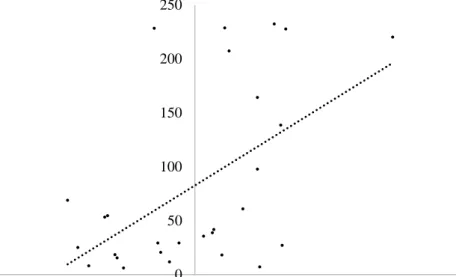
In line with hypotheses, significant moderate positive correlations were found between improvement in the training-congruent attentional bias at 500 ms, total tolerance, rs(28) = .431, p = .022, and pain tolerance, rs(28) = .437, p = .020 (see Figure 4), suggesting that greater early orienting to neutral words over the course of ABM-500 was associated with greater tolerance on the cold pressor task. However no association was found between change in attentional bias at 500 ms and threshold, r(28) = - .081, p = .68. Change in attentional bias at 1250 ms (the duration that was not trained) was not associated with threshold or tolerance outcomes within this condition (all ps > .60).
-INSERT FIGURE 4 HERE- ABM-1250 group
Positive correlations between improvement in attentional bias at 500 ms (the duration that was not trained), total tolerance, rs(26) = .267, p = .19, and pain tolerance, rs(26) = .354, p = .076, did not reach significance, suggesting that greater early orienting to neutral words over the course of ABM-1250 was not associated with greater CPT tolerance. There was also no association between change in attentional bias at 500 ms and threshold, r(26) = - .180, p = .38. Change in attentional bias at 1250 ms was not significantly associated with threshold, r(26) = .075, p = .72, total tolerance, rs(26) = .292, p = .15, or pain tolerance, rs(26) = .348, p = .082, within this condition.
ABM-Placebo group
Unexpectedly, significant weak to moderate negative correlations were identified between change in attentional bias at 500 ms and threshold, rs(27) = - .399, p = .039 (Figure 5a), total tolerance, rs(27) = - .445, p = .020, and pain tolerance, rs(27) = - .441, p = .021 (Figure 5b), suggesting that greater early orienting towards neutral words from pre to post sham training was associated with lower threshold and tolerance times. Similarly, a significant negative moderate correlation was identified between change in attentional bias at 1250 ms and threshold, rs(27) = -
.420, p = .029, suggesting greater maintained attention towards neutral words from pre to post sham training was associated with decreased threshold. However, corresponding with expectations, the associations between change in attentional bias at 1250 ms, total tolerance, rs(27) = - .359, p = .066, and pain tolerance, rs(27) = - .315, p = .11, did not reach significance within the placebo group.
-INSERT FIGURES 5a and 5b HERE- Differences in correlations
Analyses were conducted to examine whether those correlations identified as significant in the ABM-500 group between improvement in attentional bias at 500 ms and pain outcomes differed from the equivalent correlations in the control group. Findings indicated that, in line with
expectations, these correlations were significantly different for total tolerance, Z (N = 55) = 3.29, p = .001, and pain tolerance, Z (N = 55) = 3.30, p = .001 (Soper 2014).
4. DISCUSSION
This study assessed the relative efficacy of modifying attentional bias at 500ms versus 1250ms on pain severity, threshold, and tolerance during the cold pressor task. Training early orienting, and not maintained attention, towards neutral words produced significant increases in pain threshold and tolerance, and there was a trend-level reduction in pain severity at 30 seconds, in comparison with an ABM-Placebo group.
Current findings replicated and extended those of McGowan and colleagues (McGowan et al., 2009). Importantly, both studies found a significant impact of ABM-500 on pain threshold,
strengthening evidence that the faster bias influences time taken to first register pain. In comparing ABM-500 with ABM-Placebo (whereas (Jones and Sharpe 2014; McGowan et al., 2009; Sharpe et al., 2015)) induced a pain bias in their comparison group), the present study confirmed that neutral ABM-500 can confer analgesic benefits for acute pain, ruling out the possibility that previously reported effects were due purely to hyperalgesia resulting from retraining attention towards pain. Current findings align with studies reporting therapeutic effects of ABM for persistent pain (Carleton et al., 2011; Schoth et al., 2013; Sharpe et al., 2012; Sharpe et al., 2015), providing evidence that attentional retraining in early orienting affects fundamental pain processes. The critical finding that analgesic effects were evident only when attention was diverted to words presented for 500ms, and not 1250ms, suggests that the faster bias was particularly active in detecting acute pain. In conjunction with the findings for tolerance, these results correspond with models that conceptualise pain as an alarm signal for the body, functioning to divert attention to pain from other ongoing activities and initiate
protective action (Eccleston and Crombez 1999).
Whereas present findings indicated a trend-level effect of ABM on pain severity at 30 seconds, McGowan et al. (McGowan et al., 2009) reported significant ABM-500 effects for this outcome. Inspection of means suggested that the neutral ABM-500 group severity ratings were similar (current 5.14, SD=1.32 versus 5.16, SD=2.21; (McGowan et al., 2009)), indicating that differences in
findings lay in the control groups employed. Diverging from our results, McGowan et al. (McGowan et al., 2009; Sharpe et al., 2015) found no difference in total tolerance between groups. This could be in part due to methodological differences in the maximum length of cold water immersion imposed: whereas participants kept their arm immersed for up to ten minutes (McGowan et al., 2009), and four minutes plus threshold (Sharpe et al., 2015) previously, the present study employed an absolute ceiling of 4min., after which tolerance results may be disrupted by numbing (von Baeyer et al., 2005).
In spite of clear evidence that ABM alleviated important aspects of pain experience, the predicted group-level training effects on attentional bias were not found. One possibility is that detection of ABM effects on attentional bias was overshadowed by the temporal proximity of the visual-probe assessments to the cold-pressor task. Alternatively, although it may contribute to analgesia, ‘reduction’ in pain-related attentional bias may not be necessary for ABM effects to occur. Predictive studies have yielded mixed findings, with some, but not all (e.g. (Munafo and Stevenson 2003), suggesting that pre-existing attentional avoidance of pain stimuli can be detrimental
((Lautenbacher et al., 2011; Sharpe et al., 2014), see (Todd et al., 2015) for review). ABM might work in part through training the automatic activation of control mechanisms that enable selection of the alternative neutral response option when required (Bijleveld et al., 2009; Wiers et al., 2013). If so, then change in bias in either direction might index ABM responsiveness. Indeed, in a recent single case series reporting analgesic effects of ABM for persistent pain (Schoth et al., 2013), bias moved “closer to zero” (p. 240), such that changes in attention were recorded in both directions. Future research could examine more closely the impact of ABM on mechanisms of attentional control, and its relationship with bias plasticity and symptoms (see also (Kuckertz and Amir 2015)).
Despite the absence of predicted ABM effects on bias, a more neutral attentional bias at 500ms was associated with improved pain outcomes within the ABM-500 group. Conversely, neutral bias acquisition within the ABM-Placebo group was associated with decreased threshold and
tolerance. This suggests that whilst sham training towards pain and neutral words affected attentional bias (see also (Carlbring et al., 2012; Sharpe et al., 2012), the underpinning mechanism of bias change differed in important ways from active ABM. First, repeated presentation of pain words within the sham program, in the absence of a trained contingency, could be deleterious for pain outcomes. Second, development of a more neutral bias might reflect a self-protective strategy to avoid the pain stimuli (that ultimately failed during the acute stressor task, perhaps due to diminution of executive control during pain; cf. (Moriarty et al., 2011)). Indeed, there is suggestion that effortful attempts to control persistent pain (Eccleston and Crombez 2007), and noxious attentional bias during ABM, can paradoxically prioritise the unwanted input (Grafton et al., 2014). Conversely, the relative
automaticity of implicit CBM effects may endure when executive resources are reduced (Bowler et al., 2012). Hence, the current unexpected negative control group correlations highlight the importance in active ABM of the probe contingency, and ensuing stimulus-driven cueing of the trained response when required, to its efficacy (Wiers et al., 2013).
The present study had a number of limitations. First, the dot-probe paradigm was used to measure (and modify) attentional bias. Consequently, any resultant attentional change was subject to its reliability and validity (Browning et al., 2011), which has been questioned (e.g. (Crombez et al., 2013; Staugaard 2009). However, the task holds sufficient reliability and sensitivity to assess attentional bias change in healthy participants (Browning et al., 2011). It also has a large evidence-base that spans the emotion and pain literature (see e.g. (Hakamata et al., 2010; Schoth et al., 2012) for reviews), enabling comparison across studies. Second, each attentional bias test comprised 96 trials, which is arguably low and may have compromised the sensitivity of the test to detect bias change, but we think this is unlikely as other studies have successfully used similar trials per condition (e.g. (Schoenmakers et al., 2010). Nevertheless, future research might consider increasing the within-subject power to maximise task sensitivity and reliability. Third, the cold pressor task was administered at post-ABM only and hence it is possible that baseline differences in CPT experience could have influenced the results. However, our randomisation should have helped to mitigate this. Fourth, we did not probe participants’ awareness of hypotheses during debrief, although use of the same stimulus words across ABM groups reduces the likelihood of demand characteristics. Fifth, future studies should seek to extend these findings beyond the demographics of our student sample.
The current findings are consistent with cognitive-affective and information processing models of pain that suggest attention modulates pain experience and response to pain, such that decreased attention to noxious information can increase the length of time it takes before pain is first registered, and help make it more bearable (e.g. (Eccleston and Crombez 1999; Pincus and Morley 2001)). In terms of clinical implications, the findings concerning threshold and tolerance are noteworthy. Reduced pain threshold has been reported in individuals with persistent pain (Herren-Gerber et al., 2004) and is indicative of somatosensory hypervigilance (Van Damme et al., 2015). This hypervigilance may lead to increased avoidance of pain-causing activities, deconditioning and depression, and increased likelihood of pain, creating a vicious circle (Vlaeyen and Linton 2000; 2012). As such, quelling excessive attention to pain (increased threshold) and decreasing avoidance behaviours (increased tolerance) could help reduce deconditioning and pain-related depression, and improve adjustment to pain. However, the generalisability of ABM effects to persistent pain, where it is likely that maintained attention has a more prominent role than was observed for acute
experimentally induced pain (Liossi et al., 2009; Liossi et al., 2011; Schoth et al., 2012), requires systematic examination. The ability to increase acute pain threshold could have therapeutic potential for acute pain. Present results suggest targeting early attention could be optimal for this type of pain, although further research is needed within different pain contexts (i.e. clinical procedural versus experimental). The critical role of attention in acute, including procedural, pain experience is supported by the current evidence base for distraction therapies (Diette et al., 2003; Malloy and Milling 2010). Interestingly, unlike distraction - an explicit strategy for diverting attention from pain - ABM is an implicit strategy for attentional diversion that operates at a relatively automatic level of
processing (Hertel and Mathews 2011). Recent research has suggested that the efficacy of explicit strategies like distraction might be reduced when there is a pre-existing attentional bias to pain (Van Ryckeghem et al., 2012), indicating that the two might work in different and potentially
complementary ways; future research could address this question.
In summary, the present study has suggested that shorter exposure to the critical stimulus trials is relatively more efficacious in promoting transfer of analgesic attentional retraining effects to a real-world acute pain stressor task, in comparison with both the longer stimulus duration and ABM-Placebo.
Acknowledgements
The authors are grateful to Peter Moore for his assistance in establishing the cold pressor laboratory.
Author contributions
JB, LH and AB designed the study. JB and KB collected data. JB analysed the data. JB and AB interpreted the data. JB and AB wrote the manuscript. KB, IK, LH and BM critically revised the manuscript. All authors discussed the results and commented on the manuscript. All authors approved the final version of the manuscript to be submitted.
REFERENCES
Ahles TA, Blanchard EB, Leventhal H.Cognitive control of pain: Attention to the sensory aspects of the cold pressor stimulus. Cognitive Therapy and Research; 1983; 159-177.
Allard ES and Kensinger EA. Age-related differences in neural recruitment during the use of cognitive reappraisal and selective attention as emotion regulation strategies. Frontiers in Psychology; 2014; 1-10.
Allport A. Visual attention. In: Foundations of cognitive science.Cambridge, MA: The MIT Press; 1989; 631-682.
Asmundson GJ, Bovell CV, Carleton RN, McWilliams LA. The Fear of Pain Questionnaire-Short Form (FPQ-SF): factorial validity and psychometric properties. Pain 2008;134: 51-58. Asmundson GJ, Carleton RN, Ekong J. Dot-probe evaluation of selective attentional processing of
pain cues in patients with chronic headaches. Pain 2005;114: 250-256.
Babu GJ, Padmanabhan AR, Puri ML.Robust one-way ANOVA under possibly non-regular conditions. Biometrical Journal; 1999; 321-339.
Bijleveld E, Custers R, Aarts H. The unconscious eye opener: pupil dilation reveals strategic recruitment of resources upon presentation of subliminal reward cues. Psychol Sci 2009;20: 1313-1315.
Bowler JO, Mackintosh B, Dunn BD, Mathews A, Dalgleish T, Hoppitt L. A comparison of cognitive bias modification for interpretation and computerized cognitive behavior therapy: effects on anxiety, depression, attentional control, and interpretive bias. J Consult Clin Psychol 2012;80: 1021-1033.
Browning M, Grol M, Ly V, Goodwin GM, Holmes EA, Harmer CJ. Using an experimental medicine model to explore combination effects of pharmacological and cognitive interventions for depression and anxiety. Neuropsychopharmacology 2011;36: 2689-2697.
Brysbaert M and New B. Moving beyond Kucera and Francis: a critical evaluation of current word frequency norms and the introduction of a new and improved word frequency measure for American English. Behav Res Methods 2009;41: 977-990.
Carlbring P, Apelstrand M, Sehlin H, Amir N, Rousseau A, Hofmann SG, Andersson G. Internet-delivered attention bias modification training in individuals with social anxiety disorder--a double blind randomized controlled trial. BMC Psychiatry 2012;12: 66.
Carleton RN, Richter AA, Asmundson GJ. Attention modification in persons with fibromyalgia: a double blind, randomized clinical trial. Cogn Behav Ther 2011;40: 279-290.
Crawford JR, Henry JD, Crombie C, Taylor EP. Normative data for the HADS from a large non-clinical sample. British Journal of Clinical Psychology 2001;40: 429-434.
Crombez G, Van Ryckeghem DM, Eccleston C, Van Damme S. Attentional bias to pain-related information: a meta-analysis. Pain 2013;154: 497-510.
Curran PJ, West SG, Finch JF.The robustness of test statistics to nonnormality and specification error in confirmatory factor analysis. Psychological Methods; 1996; 16-29.
Davis KD. Cold-induced pain and prickle in the glabrous and hairy skin. Pain 1998;75: 47-57. Derryberry D and Reed MA. Anxiety-related attentional biases and their regulation by attentional
control. J Abnorm Psychol 2002;111: 225-236.
Diette GB, Lechtzin N, Haponik E, Devrotes A, Rubin HR. Distraction therapy with nature sights and sounds reduces pain during flexible bronchoscopy: a complementary approach to routine analgesia. Chest 2003;123: 941-948.
Donaldson C, Lam D, Mathews A. Rumination and attention in major depression. Behav Res Ther 2007;45: 2664-2678.
Downie WW, Leatham PA, Rhind VM, Wright V, Branco JA, Anderson JA. Studies with pain rating scales. Ann Rheum Dis 1978;37: 378-381.
Eccleston C and Crombez G. Pain demands attention: a cognitive-affective model of the interruptive function of pain. Psychol Bull 1999;125: 356-366.
Eccleston C and Crombez G. Worry and chronic pain: a misdirected problem solving model. Pain 2007;132: 233-236.
Ferraz MB, Quaresma MR, Aquino LR, Atra E, Tugwell P, Goldsmith CH. Reliability of pain scales in the assessment of literate and illiterate patients with rheumatoid arthritis. J Rheumatol 1990;17: 1022-1024.
Ferreira-Valente MA, Pais-Ribeiro JL, Jensen MP. Validity of four pain intensity rating scales. Pain 2011;152: 2399-2404.
Glass GV, Peckham PD, Sanders JR.Consequences of failure to meet assumptions underlying the fixed effects analyses of variance and covariance. Review of Educational Research; 1972; 237-288.
Grafton B, Mackintosh B, Vujic T, MacLeod C.When ignorance is bliss: Explicit instruction and the efficacy of CBM-A for anxiety. Cognitive Therapy and Research; 2014; 172-188.
Hakamata Y, Lissek S, Bar-Haim Y, Britton JC, Fox NA, Leibenluft E, Ernst M, Pine DS. Attention bias modification treatment: a meta-analysis toward the establishment of novel treatment for anxiety. Biol Psychiatry 2010;68: 982-990.
Hawker GA, Mian S, Kendzerska T, French M. Measures of adult pain: Visual Analog Scale for Pain (VAS Pain), Numeric Rating Scale for Pain (NRS Pain), McGill Pain Questionnaire (MPQ), Short-Form McGill Pain Questionnaire (SF-MPQ), Chronic Pain Grade Scale (CPGS), Short Form-36 Bodily Pain Scale (SF-36 BPS), and Measure of Intermittent and Constant
Osteoarthritis Pain (ICOAP). Arthritis Care Res (Hoboken) 2011;63 Suppl 11: S240-252. Herren-Gerber R, Weiss S, Arendt-Nielsen L, Petersen-Felix S, Di Stefano G, Radanov BP, Curatolo
M. Modulation of central hypersensitivity by nociceptive input in chronic pain after whiplash injury. Pain Med 2004;5: 366-376.
Hertel PT and Mathews A. Cognitive Bias Modification: Past Perspectives, Current Findings, and Future Applications. Perspect Psychol Sci 2011;6: 521-536.
Jarvis MF, Honore P, Shieh CC, Chapman M, Joshi S, Zhang XF, Kort M, Carroll W, Marron B, Atkinson R, Thomas J, Liu D, Krambis M, Liu Y, McGaraughty S, Chu K, Roeloffs R, Zhong C, Mikusa JP, Hernandez G, Gauvin D, Wade C, Zhu C, Pai M, Scanio M, Shi L, Drizin I, Gregg R, Matulenko M, Hakeem A, Gross M, Johnson M, Marsh K, Wagoner PK, Sullivan JP, Faltynek CR, Krafte DS. A-803467, a potent and selective Nav1.8 sodium channel blocker, attenuates neuropathic and inflammatory pain in the rat. Proc Natl Acad Sci U S A 2007;104: 8520-8525.
Jones EB and Sharpe L. The effect of cognitive bias modification for interpretation on avoidance of pain during an acute experimental pain task. Pain 2014;155: 1569-1576.
Kelly K. Methods for the Behavioral, Educational, and Social Sciences: An R Package. Behav Res Methods 2007a;39: 979-984.
Kelly K. Confidence intervals for standardized effect sizes: Theory, application, and implementation. Journal of Statistical Software 2007b;20: 1-24.
Kelly K. MBESS (Version 4.0.0 and higher) [computer software and manual], Accessible from http://cran.r-project.org. 2015.
Keogh E, Dillon C, Georgiou G, Hunt C. Selective attentional biases for physical threat in physical anxiety sensitivity. J Anxiety Disord 2001;15: 299-315.
Kuckertz JM and Amir N. Attention bias modification for anxiety and phobias: current status and future directions. Curr Psychiatry Rep 2015;17: 9.
LaBerge D. Attentional processing: The brain's art of mindfulness (Vol. 2) Harvard University Press. 1995.
Lautenbacher S, Huber C, Baum C, Rossaint R, Hochrein S, Heesen M. Attentional avoidance of negative experiences as predictor of postoperative pain ratings and consumption of analgesics: Comparison with other psychological predictors. Pain Medicine 2011;12: 645-653.
Legrain V, Iannetti GD, Plaghki L, Mouraux A. The pain matrix reloaded: a salience detection system for the body. Prog Neurobiol 2011;93: 111-124.
Liossi C, Schoth DE, Bradley BP, Mogg K. Time-course of attentional bias for pain-related cues in chronic daily headache sufferers. Eur J Pain 2009;13: 963-969.
Liossi C, White P, Schoth DE. Time-course of attentional bias for threat-related cues in patients with chronic daily headache-tension type: evidence for the role of anger. Eur J Pain 2011;15: 92-98.
Lix LM, Keselman JC, Keselman HJ.Consequences of assumption violations revisited: A qualitative review of alternatives to the one-way analysis of variance F test. Review of Educational Research; 1996; 579-619.
MacLeod C, Mathews A, Tata P. Attentional bias in emotional disorders. J Abnorm Psychol 1986;95: 15-20.
MacLeod C, Rutherford E, Campbell L, Ebsworthy G, Holker L. Selective attention and emotional vulnerability: assessing the causal basis of their association through the experimental manipulation of attentional bias. J Abnorm Psychol 2002;111: 107-123.
Malloy KM and Milling LS. The effectiveness of virtual reality distraction for pain reduction: A systematic review. Clinical Psychology Review 2010;30: 1011-1018.
McCracken LM."Attention" to pain in persons with fibromyalgia: A behavioral approach. Behaviour Therapy; 1997; 271-284.
McGowan N, Sharpe L, Refshauge K, Nicholas MK. The effect of attentional re-training and threat expectancy in response to acute pain. Pain 2009;142: 101-107.
Mogg K, Philippot P, Bradley BP. Selective attention to angry faces in clinical social phobia. J Abnorm Psychol 2004;113: 160-165.
Moriarty O, McGuire BE, Finn DP. The effect of pain on cognitive function: a review of clinical and preclinical research. Prog Neurobiol 2011;93: 385-404.
Munafo MR and Stevenson J. Selective processing of threat-related cues in day surgery patients and prediction of post-operative pain. British Journal of Health Psychology 2003;8: 439-449. Osman A, Barrios FX, Gutierrez PM, Kopper BA, Merrifield T, Grittmann L. The Pain
Catastrophizing Scale: further psychometric evaluation with adult samples. J Behav Med 2000;23: 351-365.
Pincus T and Morley S. Cognitive-processing bias in chronic pain: a review and integration. Psychol Bull 2001;127: 599-617.
Placanica JL, Faunce GJ, Soames Job RF. The effect of fasting on attentional biases for food and body shape/weight words in high and low Eating Disorder Inventory scorers. Int J Eat Disord 2002;32: 79-90.
Schneider W, Eschman A, Zuccolotto A.E-Prime user's guide. Pittsburgh: Psychology Software Tools, Inc.; 2002.
Schoenmakers TM, de Bruin M, Lux IFM, Goertz AG, Van Kerkhof DHAT, Wiers RW. Clinical effectiveness of attentional bias modification training in abstinent alcoholic patients. Drug and Alcohol Dependence 2010;109: 30-36.
Schoth DE, Georgallis T, Liossi C. Attentional bias modification in people with chronic pain: a proof of concept study. Cogn Behav Ther 2013;42: 233-243.
Schoth DE, Nunes VD, Liossi C. Attentional bias towards pain-related information in chronic pain: a meta-analysis of visual-probe investigations. Clin Psychol Rev 2012;32: 13-25.
Schulz KF, Altman DG, Moher D. CONSORT 2010 Statement: updated guidelines for reporting parallel group randomised trials. Trials 2010;11: 32-32.
Sharpe L, Haggman S, Nicholas M, Dear BF, Refshauge K. Avoidance of affective pain stimuli predicts chronicity in patients with acute low back pain. Pain 2014;155: 45-52.
Sharpe L, Ianiello M, Dear BF, Nicholson Perry K, Refshauge K, Nicholas MK. Is there a potential role for attention bias modification in pain patients? Results of 2 randomised, controlled trials. Pain 2012;153: 722-731.
Sharpe L, Johnson A, Dear BF. Attention bias modification and its impact on experimental pain outcomes: Comparison of training with words versus faces in pain. European Journal Of Pain (London, England) 2015;19: 1248-1257.
Soper DS. Significance of the difference between two correlations calculator [software]. 2014; Available from: Available from http://www.danielsoper.com/statcalc.
Staugaard SR.Reliability of two versions of the dot-probe task using photographic faces. Psychology Science Quarterly; 2009; 339-350.
Sullivan MJ, Bishop SR, Pivik J.The pain catastrophizing scale: Development and validation. Psychological Assessment; 1995; 524-532.
Tabachnick BG and Fidell LS. Using multivariate statistics (4th ed.). New York: Harper Collins College Publishers. 2001.
Taves DR. Minimization: a new method of assigning patients to treatment and control groups. Clin Pharmacol Ther 1974;15: 443-453.
Taylor S, Zvolensky MJ, Cox BJ, Deacon B, Heimberg RG, Ledley DR, Abramowitz JS, Holaway RM, Sandin B, Stewart SH, Coles M, Eng W, Daly ES, Arrindell WA, Bouvard M, Cardenas SJ. Robust dimensions of anxiety sensitivity: development and initial validation of the Anxiety Sensitivity Index-3. Psychol Assess 2007;19: 176-188.
Todd J, Sharpe L, Johnson A, Nicholson Perry K, Colagiuri B, Dear BF. Towards a new model of attentional biases in the development, maintenance, and management of pain. Pain 2015;156: 1589-1600.
Van Damme S, Van Hulle L, Spence C, Devulder J, Brusselmans G, Crombez G. Hypervigilance for innocuous tactile stimuli in patients with fibromyalgia: an experimental approach. Eur J Pain 2015;19: 706-714.
Van Ryckeghem DM, Crombez G, Van Hulle L, Van Damme S. Attentional bias towards pain-related information diminishes the efficacy of distraction. Pain 2012;153: 2345-2351.
Verhoeven K, Crombez G, Eccleston C, Van Ryckeghem DM, Morley S, Van Damme S. The role of motivation in distracting attention away from pain: an experimental study. Pain 2010;149: 229-234.
Vlaeyen JW and Linton SJ. Fear-avoidance and its consequences in chronic musculoskeletal pain: a state of the art. Pain 2000;85: 317-332.
Vlaeyen JW and Linton SJ. Fear-avoidance model of chronic musculoskeletal pain: 12 years on. Pain 2012;153: 1144-1147.
von Baeyer CL, Piira T, Chambers CT, Trapanotto M, Zeltzer LK. Guidelines for the cold pressor task as an experimental pain stimulus for use with children. J Pain 2005;6: 218-227. Wheaton MG, Deacon BJ, McGrath PB, Berman NC, Abramowitz JS. Dimensions of anxiety
sensitivity in the anxiety disorders: Evaluation of the ASI-3. Journal of Anxiety Disorders 2012;26: 401-408.
Wiers RW, Gladwin TE, Hofmann W, Salemink E, Ridderinkhof KR.Cognitive bias modification and cognitive control training in addiction and related psychopathology: Mechanisms, clinical perspectives, and ways forward. Clinical Psychological Science; 2013; 192-212.
Zigmond AS and Snaith RP. The hospital anxiety and depression scale. Acta Psychiatr Scand 1983;67: 361-370.
TABLE HEADINGS
Table 1 Means of Age, Anxiety Sensitivity, Anxiety, Depression, Fear of Pain, Pain Catastrophising, Pain Vigilance and Awareness, Attentional Control, Pain NRS, and Attentional Bias with Standard Deviations, Gender Ratio and Handedness by Condition
FIGURE LEGENDS
Figure 1 Mean total and pain tolerance (s) by ABM condition (500 ms, 1250 ms, Placebo).Error bars represent ± 1 standard error.
Figure 2 Mean threshold (s) by ABM condition (500 ms, 1250 ms, Placebo).Error bars represent ± 1 standard error.
Figure 3 Mean pain NRS rating at 30 seconds by ABM condition (500 ms, 1250 ms, Placebo).Error bars represent ± 1 standard error.
Figure 4 Significant moderate positive correlation between change in attentional bias at 500 ms and pain tolerance within the ABM-500 group.
Figure 5a Significant weak to moderate negative correlation between change in AB-500 and threshold within the ABM-Placebo group.
Figure 5b Significant moderate negative correlation between change in AB-500 and pain tolerance within the ABM-Placebo group.
Table 1
Note:a All between-groups comparisons at baseline were non-significant (p > .15). As gender and
handedness are dichotomous variables, chi-squares were conducted. ABM-500 (n = 28) ABM-1250 (n = 26) ABM-Placebo (n = 27) M SD M SD M SD F-value Age 19.93 2.09 20.04 2.03 19.96 2.39 0.02 Female:Malea 19:9 19:7 20:7 0.30 Right:Left handed 25:3 23:3 23:4 0.24 ASI-3 19.36 10.13 20.73 10.25 20.59 10.34 0.15 HADS-Anxiety 7.64 2.84 8.38 3.80 7.37 3.55 0.63 HADS-Depression 3.14 2.34 2.69 2.59 2.11 1.67 1.48 FPQ-SF 48.61 8.13 52.04 10.34 52.11 10.49 1.18 PCS 21.07 8.53 19.38 8.70 19.15 10.30 0.36 PVAQ 37.43 13.22 35.46 9.56 37.04 10.84 0.22 ACS 47.00 7.54 46.54 8.47 48.08 7.06 0.27 NRS-pain severity 0.71 1.05 0.38 0.70 0.33 0.62 1.77 Attentional Bias-500 -1.04 21.43 -4.19 16.62 1.96 21.26 0.63 Attentional Bias-1250 -2.12 26.98 3.38 20.11 -6.37 16.44 1.34
Figure 1 20 40 60 80 100 120
ABM-500 ABM-1250 ABM-Placebo
T ol er anc e (s) Condition
Figure 2 4 6 8 10 12 14 16 18 20
ABM-500 ABM-1250 ABM-Placebo
T hr es hol d (s) Condition
Figure 3 4.0 4.5 5.0 5.5 6.0 6.5 7.0
ABM-500 ABM-1250 ABM-Placebo
N R S ra ti ng Condition
Figure 4 0 50 100 150 200 250 -70 -50 -30 -10 10 30 50 70 90 Pai n tol er anc e (s)
Figures 5a and 5b 0 10 20 30 40 -90 -40 10 60 T h resh o ld ( s)
Attentional bias 500 change score (ms)
0 50 100 150 200 250 -90 -40 10 60 P ain to ler an ce ( s)