PARENT INVOLVEMENT AND
POSITIVE BEHAVIOUR FOR LEARNING
IN TWO AUSTRALIAN SCHOOLS
Michelle Frances Rose
Bachelor of Education
Postgraduate Certificate in Early Childhood Postgraduate Diploma in Special Education
Master of Special Education
A thesis submitted in fulfilment of the requirements for the degree of Doctor of Philosophy
2017
School of Education Western Sydney University
ACKNOWLEDGMENTS
This thesis is the result of many hours spent alone writing, researching, reading and thinking. I never would have begun or persevered with it without the encouragement of many. Thanks to Professor Rhonda Craven and Professor Alex Yeung who listened and encouraged me to begin this work. To all the academic and administrative staff, at Western Sydney University who have touched my life along the way, I say thank you.
I am honoured to have had three supervisors who were always available to listen, encourage, argue and provide excellent feedback to support my work. To Associate Professor Mary Mooney, thank you for keeping me focused and teaching me so much about research. To Associate Professor Christine Johnston, thank you will never be enough. To Doctor Roberto Parada, who provided guidance with honesty and passion. My sincere thanks to each of you for challenging my thinking and helping me to grow as a researcher.
Many times these pages would have become landfill if not for some Inspired friends. Kerry Staples, Chris Johnston, Jacqueline Humphries, Jana Kovtun, Karen McDaid, Sylvana Mahmic and Kate Moseley, when we came together to share our writing it was comforting to know we were not alone. I am grateful to each of you for the support and encouragement you so freely gave.
Writing a thesis is all-consuming, with not much time devoted to nurturing friendships. To my long-suffering work colleagues and friends, thank you for your interest in my work and your encouragement. Thank you for your friendship and helping me enjoy life from time to time along the way.
My family, how wonderful you are! Maddie and Will, who kept me focused on the important things like making cupcakes, walking in the sunshine and telling me that the books I read were really boring! To my children who supported me in so many ways, I love you. To my amazing husband Paul who kept faith in my ability when I had none, I will always be grateful for your faith, patience and love.
STATEMENT OF AUTHENTICATION
The work presented in this thesis is, to the best of my knowledge and belief, original except as acknowledged in the text. I hereby declare that I have not submitted this
material, either in part or in full, for a degree at this or any other institution.
Signed
TABLE OF CONTENTS
List of Tables... vi
List of Figures ... vii
Abbreviations ... viii
Abstract ... ix
CHAPTER 1 – PARENT INVOLVEMENT IN SCHOOL: AFFILIATED OR ALIENATED? ... 1
Introduction ... 1
Inspiration and Background ... 3
Reasons for Researching Parent Involvement in School ... 6
Structure of the Thesis ... 11
CHAPTER 2 – UNDERSTANDING BEHAVIOUR: THEORIES, COMPLEXITIES AND OUTCOMES ... 13
Theoretical Perspectives... 13
Complexities of Disruptive Behaviour... 15
Teacher Management of Student Behaviour ... 16
Outcomes of Disruptive Behaviour ... 17
For Parents ... 17
For Teachers ... 17
For Students ... 18
Attitudes and Approaches to Violent and Antisocial Behaviour ... 18
Parent Links with Learning and School ... 19
Parenting and Child Behaviour... 19
Parents and Student Academic Achievement ... 20
Parent Involvement in School ... 21
Expectations of Schools ... 22
Structure of Education in Australia ... 22
Policy and the Role of the Parent ... 23
Teacher–Parent Relationships ... 24
Parenting Support ... 24
Summary ... 27
CHAPTER 3 – HISTORICAL PERSPECTIVES ON MANAGING CHILDREN’S BEHAVIOUR ... 28
Corporal Punishment as a Management Tool ... 28
Background to PBS and Associated Strategies ... 31
PBIS as it Developed in the United States ... 33
Concept, Framework and Efficacy of PBIS ... 33
SWPBS: A Tiered Approach ... 35
Planning Through Evidence-Based Decision-Making ... 37
Evaluation of the Effectiveness of PBIS in the United States ... 38
Introduction of PBIS to Schools in NSW ... 39
Background and Preparations for the Initial Implementation in WSR Schools ... 39
Policy Principles and Objectives of Public Education and the Goals for PBL in NSW ... 42
Evaluation of Effectiveness of the NSW Model PBL ... 45
Significance of Parent Involvement ... 48
Summary ... 53
CHAPTER 4 – AIMS, RESEARCH QUESTIONS, RATIONALE AND SIGNIFICANCE OF THE PRESENT INVESTIGATION ... 54
Introduction ... 54
Significance of the Study ... 54
Aims ... 56
Research Questions and their Rationale ... 57
Research Question 1 ... 57 Research Question 2 ... 58 Research Question 3 ... 58 Research Question 4 ... 60 Summary ... 60 CHAPTER 5 – METHODOLOGY ... 62 Introduction ... 62 Qualitative Design ... 63
Two Cases ... 66
Sampling and Participants ... 67
Procedures ... 68
Ethics ... 68
Data Collection... 69
Overview of the Interview Process ... 70
Focus Group Discussions ... 71
Triangulation and Bias ... 72
Data Analysis ... 73
Literature ... 81
The Research Journal ... 81
Generalisability ... 82
Summary ... 82
CHAPTER 6 – THE CASE STUDY SCHOOLS: THE CONTEXTS OF WESTLEE AND GRAYSON... 83
Introduction ... 83
Case Study 1 – Westlee School ... 84
Case Study 2 – Grayson School ... 85
Summary ... 86
CHAPTER 7 – FINDINGS: PBL – STAKEHOLDER KNOWLEDGE, UNDERSTANDING AND INVOLVEMENT ... 88
Introduction ... 88
Knowing PBL ... 89
Understanding PBL ... 90
Consistency ... 92
Parent Involvement in PBL ... 95
Parent Perceptions of Their Involvement ... 96
Teacher Perceptions of Parent Involvement ... 99
Summary ... 102
CHAPTER 8 – FINDINGS: STAKEHOLDER VIEWS ON COMMUNICATION, BARRIERS AND THEIR PERSPECTIVES TO IMPROVE PARENT INVOLVEMENT ... 105
Introduction ... 105
Interaction Between Teachers and Parents ... 107
Getting to Know Parents ... 112
Developing Trust in Relationships ... 114
Barriers to Parent Involvement ... 116
English Language Proficiency ... 118
Child Care and Time ... 120
Local Community Services Knowledge ... 125
Facilitators of Improved Parent Involvement ... 127
Local Community Services ... 128
Learning Together ... 133
Summary ... 136
CHAPTER 9 – DISCUSSION ... 138
Purpose and Significance of the Study... 138
Summary of Findings in Relation to Existing Research and Literature... 139
Consideration of Existing Research and Implications for the Future ... 152
Practical Applications of the Study to Facilitate Improved Parent Involvement – STIPI Model... 157
Development of the STIPI Model ... 157
Phase 1: School Commitment ... 161
Phase 2: School Facilitation ... 163
Phase 3: School-Parent Connections ... 163
Phase 4: School Sustainability of Parent Involvement ... 164
Cyclic Nature ... 164
Implications for Policy ... 166
Strengths and Limitations of this Study ... 168
Summary ... 170
CHAPTER 10 – CONCLUSION AND IMPLICATIONS FOR FUTURE RESEARCH ... 172
Introduction ... 172
Summary of Key Findings ... 173
The Significance of the Key Findings ... 176
APPENDIX A – EXAMPLE OF SCHOOL RULE MATRIX ... 213 APPENDIX B – PARTICIPANT INVITATIONS AND CONSENT ... 214 APPENDIX C – PARTICIPANT INTERVIEW QUESTIONS ... 226
LIST OF TABLES
Table 1: Abolition of Corporal Punishment in Australia ... 29
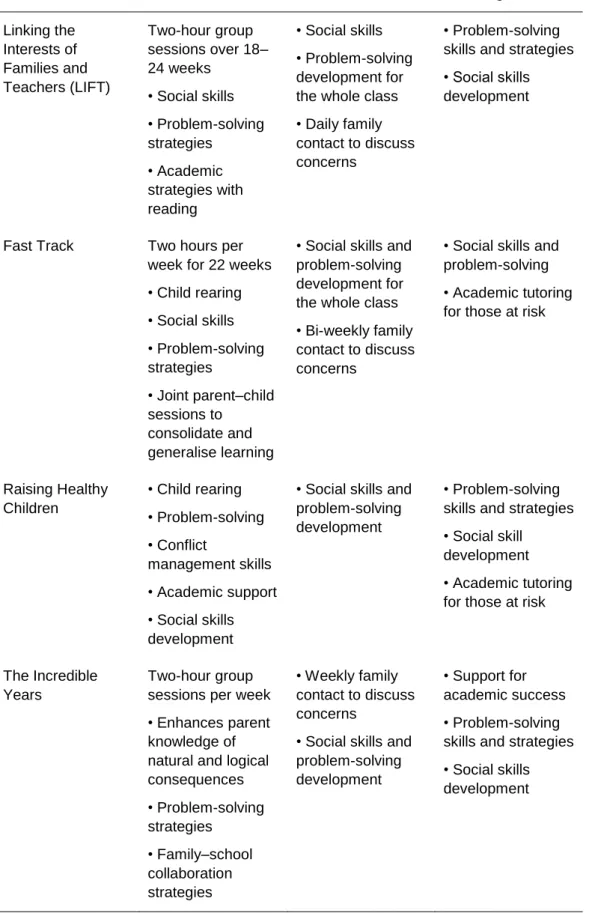
Table 2: Summary of Program Content ... 51
Table 3: Participants from each School ... 67
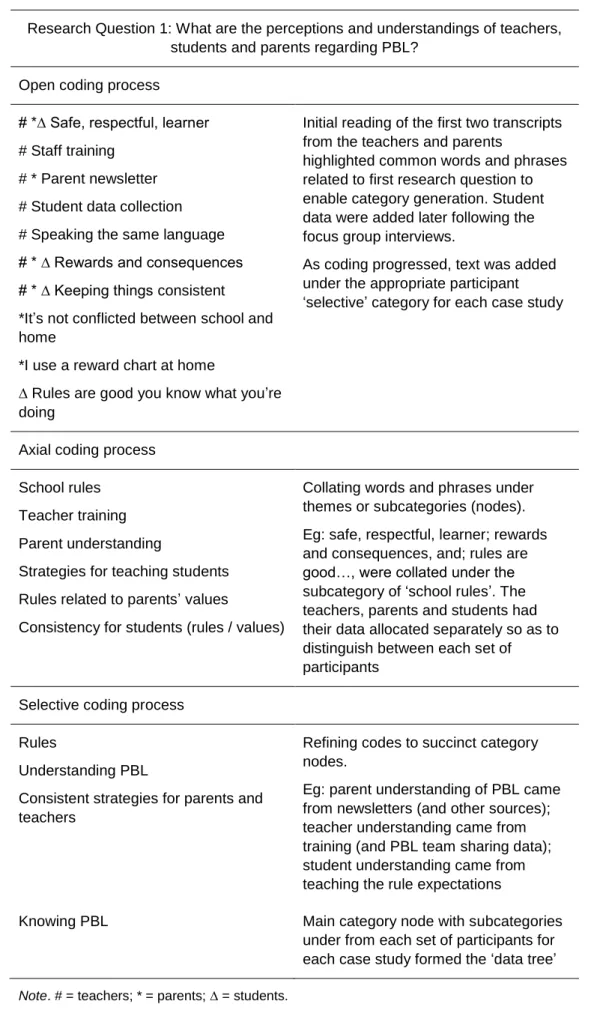
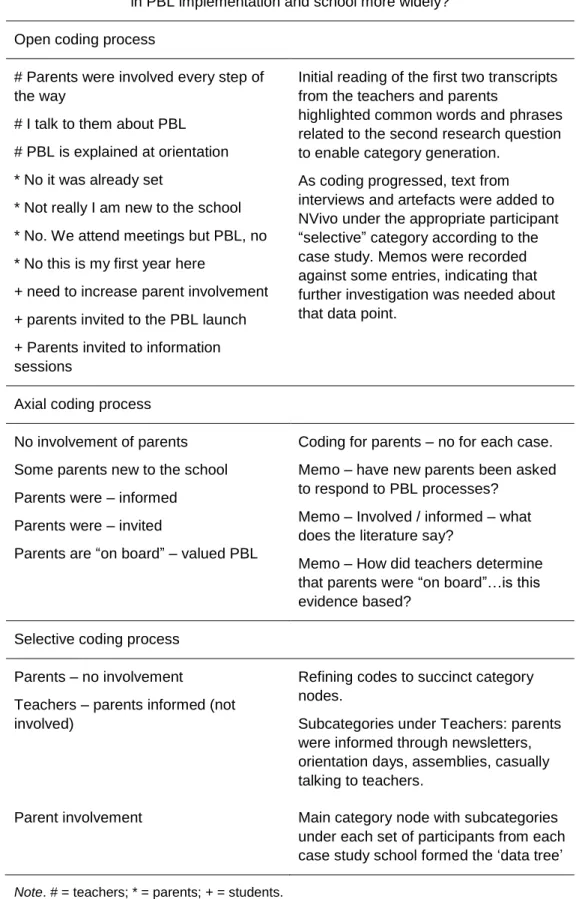
Table 4: Example of Reductive Coding Procedure - RQ 1 ... 76
Table 5: Example of Reductive Coding Procedure - RQ 2 ... 77
Table 6: Example of Reductive Coding Procedure - RQ 3 ... 78
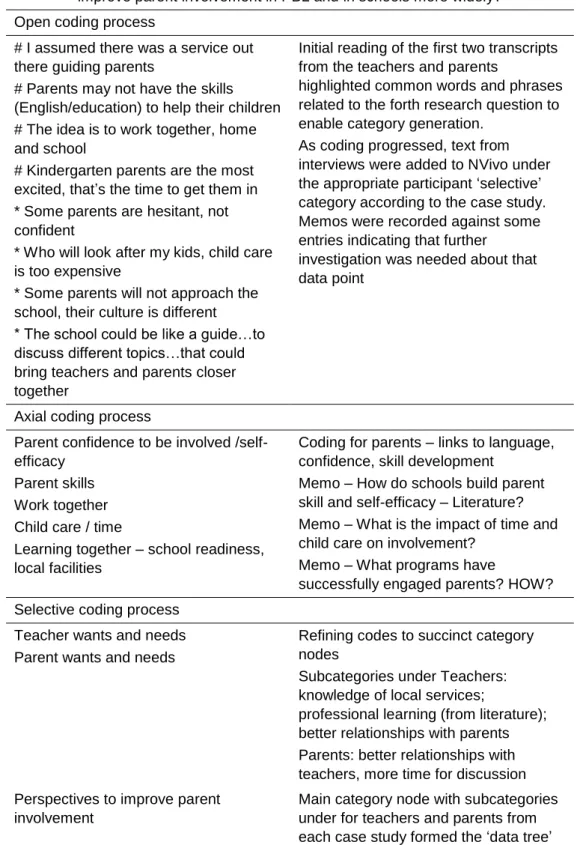
Table 7: Example of Reductive Coding Procedure - RQ 4 ... 79
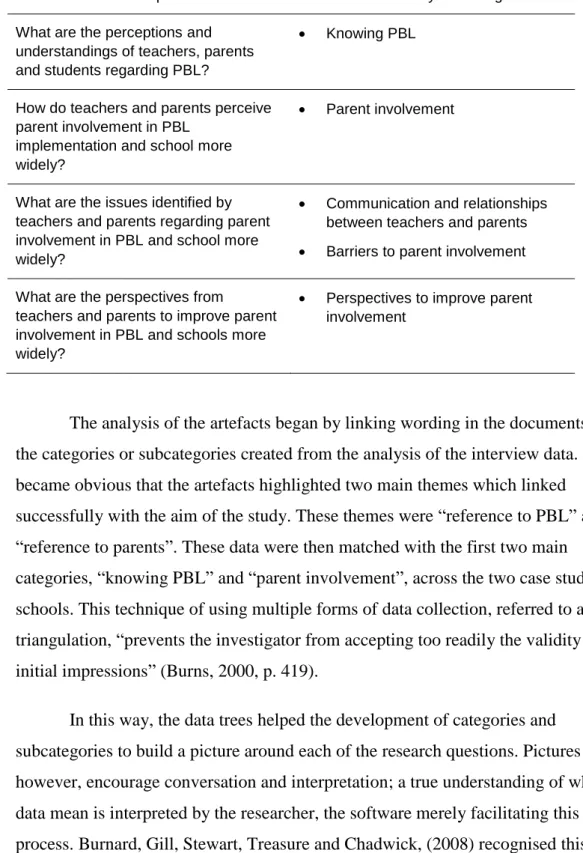
Table 8: Relationship of Main Categories to Research Questions ... 80
Table 9: School Contexts ... 87
Table 10: Teacher Reference to PBL Consistency ... 93
Table 11: Parent Contributions to PBL in their School ... 96
Table 12: Artefact References to Parents and PBL ... 98
Table 14: Teachers Connect Communication and Relationships ... 110
Table 15: Teacher Perspectives on Parent Involvement ... 110
Table 16: Teacher Perceptions of Parent Skills and Competences ... 111
Table 17: Barriers to Parent Involvement – Parent Data ... 117
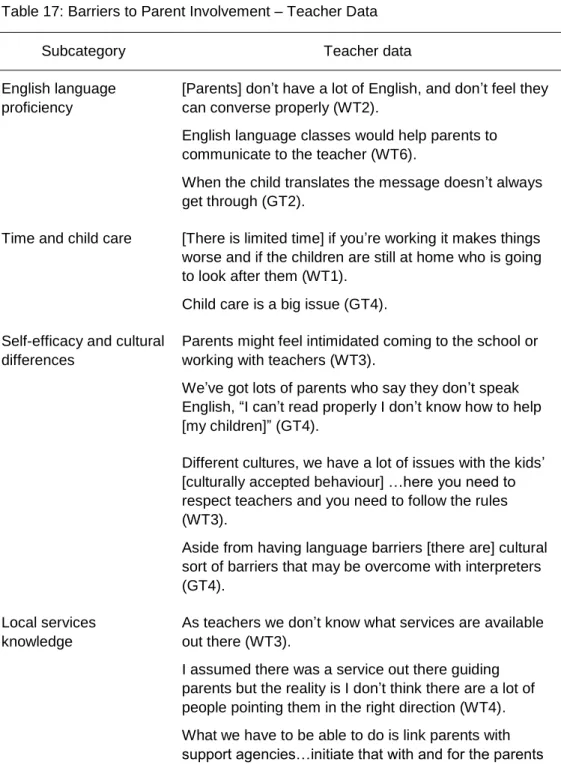
Table 18: Barriers to Parent Involvement – Teacher Data ... 118
Table 19: Participant Data on Parent Cultural Difference and Self-Efficacy ... 124
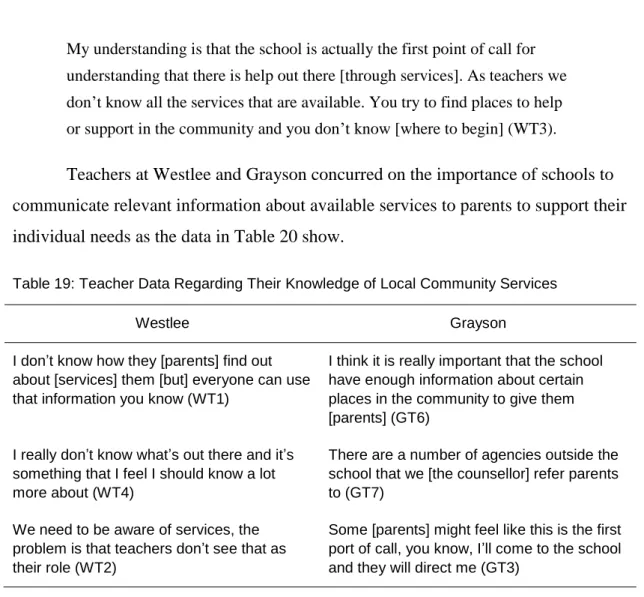
Table 20: Teacher Data Regarding Their Knowledge of Local Community Services ... 126
Table 21: Topics for Joint Learning Opportunities ... 134
LIST OF FIGURES
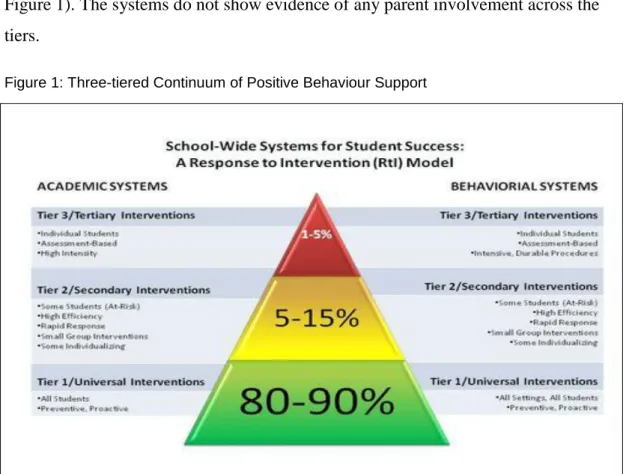
Figure 1: Three-tiered Continuum of Positive Behaviour Support ... 35
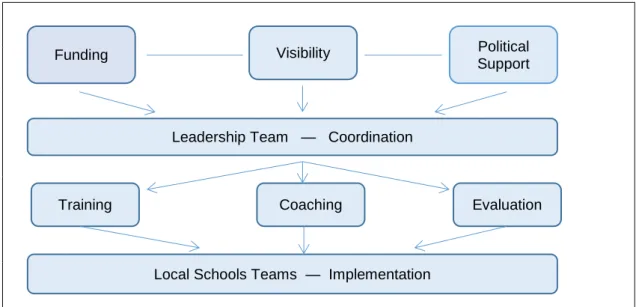
Figure 2: PBL Organisational Model ... 41
Figure 3: Teacher Perceptions of Services to Benefit Families ... 129
Figure 4: Parent Perceptions of Beneficial Services ... 130
Figure 5: Theoretical Model for Schools to Improve Parent Involvement (STIPI) ... 161
ABBREVIATIONS
ABA Applied Behaviour Analysis
ABC Australian Broadcasting Corporation
ASD Autism Spectrum Disorder
CALD Cultural and Linguistic Diversity
CSR Comprehensive School Reform
DEC Department of Education and Communities
DET Department of Training
DoE Department of Education
OECD Organisation for Economic Co-operation and Development
NSW New South Wales
P&C Parents and Citizens [association]
PBIS Positive Behaviour Intervention and Support PBL Positive Behaviour for Learning
PBS Positive Behaviour Support
STIPI Schools to Improve Parent Involvement SWPBS School-wide Positive Behaviour Support
ABSTRACT
Positive Behaviour for Learning (PBL) is a proactive and preventative
approach for teaching appropriate behaviour in the school setting to promote positive academic and social performance. The PBL approach is based on the Positive
Behaviour Intervention and Support (PBIS) model from the United States of America (www.pbis.org) and in 2005 was initially introduced to schools in the geographical region of South Western Sydney, New South Wales, Australia. This study
investigated parent involvement in PBL in two primary schools in South Western Sydney.
Research across many decades has demonstrated that parents have a
significant influence on the behaviour, academic performance and school attendance levels of their children (Alvarez-Valdivia et al., 2013; Bowlby, 1951;
Bronfenbrenner, 1979; Christenson & Hurley, 1997; Cooper & Crosnoe, 2007; Henderson & Mapp, 2002; Monti, Pomerantz & Roisman, 2014; Vincent & Tomlinson, 1997). Accordingly, the NSW Department of Education (NSW DoE) policies (NSW DET, 1996, 2006(a); NSW Education Act, 1990) and PBL literature (www.pbl.schools.nsw.edu.au) all emphasise the importance of parents, as partners with teachers, in the shared responsibility of educating children.
There is a deficiency of implementation guidelines, aligned to Department policies and PBL literature that promote parent involvement in schools. Furthermore, such guidelines may not provide the necessary flexibility to support parent
involvement across all schools due to the variability of school systems and contexts. Therefore, the implementation of PBL into Australian schools in the twenty-first century to promote the positive social and academic performance of students, and the knowledge that parents are a significant influence on student performance, it is critical to investigate the role of parents in PBL. Parent participation in PBL could be a factor that contributes to the fidelity of PBL processes and the overall sustainability of the positive behaviour systems. To date, there is a lack of Australian studies that have investigated parent involvement in PBL. Consequently, this study will
contribute to Australian and international knowledge about parent involvement in PBL and, more widely, within schools.
This study employed a qualitative methodology. The participants were teachers, parents and students from two South Western Sydney primary schools. The students were interviewed in focus group discussions, while the teachers and parents were interviewed according to their preference for an individual or group discussion. A semi-structured interview and the researcher’s reflective listening technique enabled participants to elaborate on particular themes which provided an in-depth understanding of parent involvement in PBL and more widely within the schools.
Findings of the analysis showed that teachers believed parents had been involved in PBL implementation, however, the data showed that parents had gained knowledge about PBL vicariously through their children and not as a result of being involved in PBL implementation processes. The nature and extent of parent
involvement were further explored more broadly within the two schools. Barriers to parent involvement and stakeholder perspectives to promote and improve parent involvement in general were identified.
Literature and educational policy recognise the importance of a shared responsibility between parents and teachers for the positive social and academic performance of children. However, there is a gap between policy intent with regard to parent involvement and the practical applications that would enable schools to maintain continued parent involvement across varying and complex school contexts. The findings support the view that further research is needed to build and sustain the involvement of parents in the education of their children, and align with the NSW DoE policies, PBL and education research literature. As an outcome of the current study, a new model is proposed for schools to improve parent involvement (STIPI) in PBL and in schools more widely, a new way of working with and involving parents in educational contexts. While it was not within the scope of this study to test the model, future research may find that improved parent involvement in PBL and more widely within schools has the potential to further enhance student social and
CHAPTER 1
–
PARENT INVOLVEMENT IN SCHOOL: AFFILIATED
OR ALIENATED?
Achieving breakthrough outcomes for children…requires that we support the adults who care for them (Shonkoff, 2017, p. 15).
Introduction
As a society, we appraise parents according to the merits of their children. If a young person excels in the arts, sport or school, the parents are often depicted as influencing and supporting their choices. Likewise, if a young person’s behaviour is problematic, the parents are considered to have had some influence on that
behaviour. Regardless of whether a child succeeds in school or struggles to achieve social or academic competency, parents report that raising a child is demanding and challenging. The expectation is, however, that parents will triumph over their child’s transgressions and parents are seen by society as inept if they do not.
When a child begins school the ongoing responsibility for the social and academic welfare of the child is shifted to include teachers. New South Wales Department of Education (NSW DoE)1 policies (NSW DET, 1996, 2006(a); NSW Education Act, 1990) and Positive Behaviour for Learning (PBL) literature
(www.pbl.schools.nsw.edu.au) emphasise that educating a child is the shared responsibility of teachers and parents. While schools accept the mandate of a shared responsibility with parents, tradition and tokenism (Khanal, 2013; Woodrow, Somerville, Naidoo & Power, 2016) often set the agenda for parent involvement, with limited support provided to schools by way of procedural guidelines and practical strategies. Parents, when enrolling their child in school, often engage with an environment very different from their own school experience. Thus, after the initial orientation period during which they are informed of the expectations of the
1
school, without support and encouragement to become involved in activities and committees they are likely to withdraw from proactive engagement with the school. This does not mean that parents have less influence over their children, rather that they entrust, in part, the ongoing social and academic skill development of their children, to the teachers.
When the social and academic skill development of children is discussed in the context of learning behaviour, it may be expected that emotional learning will also be addressed. According to Cook et al., (2015) the preventative learning that is undertaken as part of the Positive Behaviour Intervention and Support (PBIS) framework, on which the Australian model PBL is based, is separate from the social/emotional learning programs which may be introduced concurrently with the PBIS universal prevention approach to positive behaviour building in schools. Wilson and Lipsey (2007) in their research into the effectiveness of social/emotional programs that addressed mental health and aggressive behaviour stated that such programs were not widely adopted by schools, or, if they were, they were not implemented with the recommended fidelity. Therefore, while particular
interventions may address social/emotional learning, such learning is not the primary function of the PBL school-wide universal prevention approach in Australian
schools.
To support the ongoing development of students’ social and academic skills, the NSW DoE introduced PBL to emphasise “positive learning outcomes as a result of positive behaviour enhancement” (Mooney et al., 2008, p. iii). The PBL tiered framework provides a systemic approach for schools to address academic and social behaviour based on individual school data. These data may consist of recurring behaviours in a particular area of the school or the number of incidents and
suspensions recorded for an individual student or for all students across the school. According to the PBL website (www.pbl.schools.nsw.edu.au), when PBL is implemented well:
students are taught acceptable behaviour;
In recognition of the important role parents play in the development of their children, PBL literature (www.pbl.schools.nsw.edu.au) suggests that parents and teachers engage in decision-making processes together. The aim of this thesis is to analyse the scope of parent involvement in PBL, and to gain understanding and knowledge about school practices to involve parents, and how then to build and maintain best practice in sharing the educative responsibility with parents.
Inspiration and Background
Research across many decades highlights that parents have significant influence on the social and academic performance of their children (Alvarez-Valdivia et al., 2013; Bowlby, 1951; Bronfenbrenner, 1979; Christenson & Hurley, 1997; Cooper & Crosnoe, 2007; Henderson & Mapp, 2002; Monti, Pomerantz & Roisman, 2014; Vincent & Tomlinson, 1997). In acknowledgement of this parental influence, the NSW Education Act, 1990 mandates parent involvement in school decision-making processes. More recently, the state-wide PBL approach
(www.pbl.schools.nsw.edu.au) recommends that school personnel encourage parents be included on school decision-making teams. Thus, the DoE and PBL sources emphasise the importance of parents as partners with teachers in educating their children.
When the Organisation for Economic Co-operation and Development (OECD), (2003) reported that the gap was widening when it comes to successful schooling outcomes between the most advantaged and disadvantaged students in Australia, the NSW DoE considered ways to reduce disadvantage and increase academic success with renewed enthusiasm. To facilitate positive behaviours that contribute to successful learning, the NSW DoE formed a leadership team to examine the Positive Behavioral2 Intervention and Support (PBIS) model from the United States of America. In 2005, this leadership team renamed PBIS to “Positive Behaviour for Learning” (PBL) to “reflect the regional priority on improving student outcomes” (Mooney et al., 2008, p. 2). Positive Behaviour for Learning was
2
subsequently introduced to schools in the geographical location of South Western Sydney, NSW, Australia.
Positive Behaviour for Learning, like PBIS, is a proactive and preventative approach for teaching appropriate behaviour in the school setting to promote positive academic and social performance (Dunlap, Sailor, Horner & Sugai, 2009) which in turn leads to more positive outcomes for students (Hoover-Dempsey et al., 2005; Roffey, 2004; Yoder & Lopez, 2013). As the social and academic performance of students is significantly influenced by their parents, and PBL was introduced into schools to teach appropriate academic and social behaviours, this research study will investigate the involvement of parents in the decision-making processes to
implement the universal strategies of the PBL system.
I have interacted with parents as a teacher, a behaviour consultant and a PBL coach with the NSW DoE. Paramount within each of these roles is engaging students with meaningful curricula which will lead to successful academic and social
outcomes. Some years ago, while in the role of PBL coach with the DoE, a mother expressed her thoughts about teaching her child appropriate behaviour at home and at school. She wanted the best outcomes for her child and to achieve this she believed in discipline at school, at home and in the community. “Well parents are the child’s first teachers, aren’t they?” she exclaimed, and her expectation was that the school would continue to nurture in her child the positive attitudes toward responsible behaviour and lifelong learning that had begun at home. This mother was explaining to me how the PBL rules reinforced her family’s values to be respectful to others, to stay safe in all environments and to understand how to become a lifelong learner.
The positivity with which this mother spoke about school rules was a welcome disclosure given my reflection on a ten year period of working as a behaviour consultant with students with significant disruptive behaviours, their teachers and parents. In that role, I met parents who were upset or angry, more often than not saying that the only time they heard from the school was when their child was in trouble. In my experience, the parents of students with problematic behaviour rarely visit the school except when summoned, rarely wanted to discuss the problem,
and sometimes engaged in a confrontational manner with teachers, even though both the teachers and the parents wanted the best outcomes for the child.
As a reflective practitioner, I considered successful child outcomes from the perspectives of both the mother of the student with problematic behaviour, and the mother who supported the school discipline policy. Upon reflection I queried: If parent involvement makes a significant difference to child outcomes, what would this look like in a school? And: What would parent involvement look like during PBL implementation? These queries motivated me to investigate parent involvement in PBL through the perspectives of teachers, parents and students in a research project. This coincided with the DoE scaling up the implementing PBL to increase the successful academic and social outcomes of students.
As a trained PBL coach, I supported a number of primary schools across South Western Sydney with the implementation of PBL universal school-wide systems and strategies. Initial research suggests that PBL has had a positive influence on the teaching and learning in Sydney schools (Mooney et al., 2008; Yeung et al., 2009). Prior to accepting this coaching role, I had taught in a variety of settings such as; early childhood settings, all grades across primary school (Kindergarten to Year six), in special education settings and in an early learning program at an independent therapy centre for children with disabilities. Coupled with my knowledge of PBL, I have therefore brought to this study an understanding of child development, the ability to teach appropriate age/stage-based curriculum, and experience in planning physical, academic and social experiences with parents to support children and families moving toward positive and successful life outcomes. In addition, I believe that collaboration between teachers and parents strengthens the commitment to learning for all the stakeholders. It is with this background and motivation that I undertook this study to investigate parent involvement in PBL implementation.
Parents’ involvement in the education of their children is complex and not restricted to a physical presence at school. The NSW Education Act, 1990, the “Student Discipline in Government Schools Policy” (NSW DET, 2006a) and the “Student Welfare Policy” (NSW DET, 1996) refer to engagement, partnership,
relationship between school personnel and parents. Thus, throughout this thesis the term “involvement” captures the meaning of the reciprocal relationship between teachers and parents, and is intended to link these relationships to enhance the social and academic outcomes for students in primary schools.
Reasons for Researching Parent Involvement in School
The NSW Education Act, 1990 and policies of the NSW DoE (NSW DET 2006a; NSW DET, 1996) also include statements that refer to a shared responsibility for the education of children and that parents should be involved in school decision-making processes, with the expectation that parents will support departmental policies. Positive Behaviour for Learning literature (www.pbl.schools.nsw.edu.au) emphasises parents be nominated as members of the school’s PBL leadership team. The NSW DoE acknowledges that to educate a child is the shared responsibilityof parents and teachers, and to affirm policy DoE schools have a duty under the NSW Education Act, 1990 to provide opportunities for parents to be involved in school and the education of their children.
Not only does the literature identify that parents are a significant influence in the lives of their children (Brotman et al., 2011; Coleman, 2013; Letourneau,
Drummond, Kysela, McDonald & Stewart, 2001; Yoshikawa, 1994) but attachment research (Bretherton, 1992; Jordan, 2014; Ranson & Urichuk, 2008) also reports that positive parent–child relationships are associated with higher self-esteem and school achievement. Furthermore, positive links exist between academic achievement, positive social interactions at school, and better life opportunities and outcomes for students with interested and involved parents (Alvarez-Valdivia et al., 2013; Cooper & Crosnoe, 2007; Monti et al., 2014). A study by Monti et al., (2014) found that “the more involved parents were in children’s education during elementary school, the better children’s engagement, standardised test scores, and academic competencies at the end of elementary school (ts ≥_2.12.ps <_.05)” (p. 865). According to Henderson and Mapp (2002) “there is strong and steadily growing evidence that families can improve their children’s academic performance in school and have a major influence
Studies were found that showed successful parent involvement in areas of early childhood (Karakus & Savas, 2012; LaForett & Mendez, 2010); special education (Al-Shammari & Yawkey, 2008; Burke, 2013; Hirano & Rowe, 2016; Sawyer, 2015); aboriginal education (Appleyard, 2002; Flückiger, Diamond & Jones, 2012); and juvenile justice settings (Burke, Mulvey, Schubert & Garbin, 2014; Garfinkel, 2010; Vidal & Woolard, 2016). To date in Australia there is a paucity of research into parent involvement in PBL processes. Therefore, the findings that come from this research will contribute to evidence that further supports the social and academic achievement of students as well as the long-term efficacy of PBL in schools.
Positive Behaviour for Learning is based on a whole school approach where teachers, students and parents work together to address discipline and welfare. While PBL school-wide processes have been quite successful in this endeavour, their emphasis is on student behaviour implementations for learning outcomes and teacher efficacy and well-being. Despite success for the majority of students, Mooney et al., (2008) assert that further research is needed to determine the effects of tier two and tier three strategies for students with greater needs, and the effects of PBL on all student learning.
According to Mooney et al., (2008) one of the NSW DoE’s stated goals for adopting PBL is to “support community processes that foster the belief that
educating our students is a shared responsibility” (p. 6) with parents. Although schools acknowledge this shared responsibility, Ingram, Wolfe and Lieberman (2007) while explicating the benefits of parent involvement with their children’s education state that “most schools are unsure how to translate parent involvement into student achievement” (p. 480). This pioneering study will contribute to knowledge and understanding in this area.
As already discussed, parental engagement in their children’s education and lives can improve social and learning outcomes (Alvarez-Valdivia et al., 2013; Cooper & Crosnoe, 2007; Monti et al., 2014). However, a large body of research both nationally and internationally links poor academic performance and disruptive student behaviour to variables within and outside of the school context (Brotman et
al., 2011; Cooper & Cresnoe, 2007; Gilbert, Chessor, Perz & Ussher, 2010; Scott, White, Algozzine & Algozzine, 2009; Valdez, Carlson & Zanger, 2005; Yoshikawa, 1994). Such research exposes disruptive behaviour as a serious problem with serious consequences, not only for students but also for teachers and parents and for the building of social capital in this country. With the causes of disruptive student behaviour noted as complex (Brotman et al., 2011; Cooper & Cresnoe, 2007; Gilbert et al., 2010; Scott et al., 2009; Valdez et al., 2005) applying interventions such as PBL in the school setting to address behaviour, is worthy of research to support optimum outcomes for all students.
Clunies-Ross, Little and Kienhuis (2008) explain that in Australian schools, disruptive behaviour and teacher stress and burnout are major concerns, while Brotman et al., (2011) propose that parents also struggle with children’s difficult behaviour and a lack of knowledge and strategies to deal with it. Research indicates that disruptive student behaviour is linked to a continuum of negative outcomes for young people, from poor academic achievement, delinquency and drug use through to criminal activity and incarceration (Bidell & Deacon, 2010; Pas, Bradshaw, Hershfeldt & Leaf, 2010). Positive Behaviour for Learning is seen to be a proactive, preventative approach for schools to teach appropriate behaviour, leading to less disruption and a greater focus on academic achievement. Collectively, teachers, parents and students experience the effects of their behaviour and interactions with one another. It is with this understanding that interventions which teach and encourage appropriate academic and social behaviour ought to involve all stakeholders to increase the opportunity for greater success.
As a preventative intervention, the PBL framework considers human and environmental factors to identify problem behaviours. Once identified, the behaviour can be effectively responded to with a continuum of support described as school-wide, small group or individual. The concept of these levels of support is to enable the involvement of a variety of teaching and community resources to assist students and families both with and without risk factors. A comprehensive description of this preventative framework is given in Chapter 3.
When difficult conversations arise with parents regarding the behaviour of a child, teacher-parent relationships can become strained. In my experience as a behaviour consultant working with disruptive students and frustrated teachers and parents, these two important advocates for the child sometimes accused each other of provoking the disagreeable behaviour. Teachers who identify children as having a learning or behaviour difficulty have a duty of care
(www.dec.nsw.gov.au/detresources/Duty-of-care_aINKBMeyYD.pdf) to discuss such issues with parents. Parents may feel a sense of helplessness or blame for such issues, making any collaborative planning difficult and awkward (Bambara,
Nonnemacher & Kern, 2009; Woodrow et al., 2016). However, collaborative
planning is more effective if both the parent and the teacher contribute to the positive social and academic goals for the child. A supportive relationship between the parent and the teacher contributes to the effectiveness of co-planning practices.
Parent-teacher relationships require time to develop, as some may be difficult to establish and cultivate if parents’ prior life and educational experiences have been fraught with difficulties, leaving them feeling incompetent in the school setting (Semke, Garbacz, Kwon, Sheridan & Woods, 2010; Stevenson & Stigler, 1992). In addition, considering the cultural and linguistic diversity (CALD) of many Australian schools (Retrieved August 6, 2017 from www.abs.gov.au), the parent–teacher
relationship may become more difficult due to cultural and linguistic differences adding to the complexity of building relationships and involving parents in school. Having noted the important role of parents and teachers in encouraging the positive academic and social development of children, finding ways to nurture relationships with parents may help overcome the difficulties of past experiences or the impact of CALD to improve parent involvement in schools.
In NSW, children begin formal schooling in Kindergarten around the age of five years and progress through six years of primary school. High school begins in Year seven and is completed following Year twelve; in all, there are thirteen years of formal schooling. Hattie (2008) states that from the time a child is born until the end of their formal schooling, they will spend approximately 15,000 hours being
influenced by those in the education system and 55,000 hours being influenced by parents, caregivers, peers and others in the community. Thus, children spend many
more hours in the company of family and out in the community than they do in the classroom. Hattie’s observation indicates that for optimal learning and social development to occur for children, these hours of influence need to be considered collectively and not separately. In agreement, Brock and Edmunds (2010) state that “by the time the child enters school the home has already had an enormous influence on the child’s education. Therefore, neither the school nor the home can operate separately: both bear responsibility for the child” (p. 55). Thus, to provide the best outcomes for children, research that investigates a shared responsibility for education across both the home and school contexts is worthwhile.
To teach positive behaviours that enable successful learning through a pedagogical framework, also requires an understanding of the social and cultural knowledge embedded in families, which cultivates self-concept and motivation for learning, and is integral to academic success and positive life outcomes for children (Ferguson, 2008; McInerney, 2008; Poza, Brooks & Valdés, 2014). If parents are isolated from this framework, and home and school are treated separately,
interventions such as PBL will be less effective across the cumulative schooling years. Shonkoff (2017) explains that policymakers and practitioners support existing programs that improve life outcomes for children; however, the design of these programs does not accommodate the complexities that develop over time. Hence, he states, the effects of such programs have not increased substantially in fifty years. Moore (2015) points out that over the last fifty years Australia has experienced rapid social change. Given the changing face of Australian society and the fact that
interventions need to reflect complexities that occur over time (Shonkoff, 2017) ongoing research into PBL and the efficacy of child and family interventions is warranted.
Moore (2015) suggests that interventions that deliver a variety of content, such as improving parenting abilities, parenting programs and social support, contribute to supporting children’s learning. Given that parents and teachers are influential in shaping the academic and social outcomes of children, and that PBL is a system for schools to improve social and academic performance, it is both relevant and timely to investigate parent involvement in PBL implementation processes and
the implications of this, particularly as PBL is progressively introduced into an increasing number of schools across Australia.
The literature (Mooney et al., 2008; Yeung et al., 2009) informs that PBL is having a positive impact for the majority of staff and students in schools, and motivated me to investigate if parent involvement in PBL could further support the academic and social outcomes for all students, including those students with the greatest need. Furthermore, could parent involvement assist schools to support the whole family in an attempt to reduce negative outcomes by building stronger
relationships between teachers, families and services in their local communities? As the literature (Brotman et al., 2011) states that both teachers and parents share the common goal of their students’ and children’s success, finding ways to improve parent involvement that lead to stronger relationships is a worthwhile goal. This study contributes significantly to a better understanding of parent involvement in PBL processes in Australian schools, supplementing studies in the United States.
Many researchers support the view that there is a need for effective
multidisciplinary intervention approaches that not only facilitate positive academic behaviour but also address family concerns associated with opportunities to develop positive life pathways (Cholewa, Smith-Adcock & Amatea, 2010; Coleman, 2013; Kolbert, Schultz & Crothers, 2014; Vaughn, White, Johnston & Dunlap, 2005). As Vinson (2009) reflects, “because disadvantageous conditions are often bundled [together] efforts must be directed to loosening the systemic constraints on people’s life opportunities if progress is to be achieved” (p. 3). This research study aims to contribute to understanding the shared responsibility of teachers and parents in educating children and continue the scholarly discussion about parent involvement in schools.
Structure of the Thesis
This chapter emphasised the importance of parents in the academic and social lives of their children, and highlighted the paucity of research into parent
background and the impetus for, and importance of, investigating the topic of parent involvement in realising the positive social and academic outcomes for students.
Chapter two will review the literature concerning the impact of disruptive behaviour on teachers, parents and students, and the relevant theoretical perspectives. Education policy will be reviewed in relation to parent involvement and the parent connection to the social and academic performance of their children. The
international perspective on antisocial behaviour will be considered, together with literature examining multidisciplinary approaches to family interventions. Chapter three will review literature about the behaviour management of children from a historical perspective and the development of positive behaviour interventions. Literature regarding the significance of parent involvement in education and the lives of their children is acknowledged as critical to this investigation.
The aims of this study and the research questions will be presented in Chapter four. That will set the foundation for a discussion of the methodology in Chapter five, which details the plan to conduct this research project. Chapter six will describe the contexts of the two primary schools that agreed to participate in this study.
Chapter seven, the first of the two findings chapters, will present the perspectives of the teachers and parents on their understanding of PBL and the involvement of parents in the PBL implementation processes. Chapter eight will present the perceived barriers to parent involvement and the stakeholder perspectives to improve parent involvement in the participating schools.
The discussion in Chapter nine will detail the implications of the findings and proposes a new model to support schools to improve parent involvement. The
conclusion (Chapter ten) will identify future research directions for parent involvement in PBL and more widely within schools.
CHAPTER 2
–
UNDERSTANDING BEHAVIOUR:
THEORIES, COMPLEXITIES AND OUTCOMES
Theories are meant to be united in practice…If learning is defined as a process that leads to a change in the learner’s disposition and capabilities that can be reflected in behaviour, then learning theories are meant to guide one’s learning…efforts must be made to understand learning theory
fundamentals (Wang, 2012, p. 10).
Theoretical Perspectives
Historically, educational research has considered many theoretical
perspectives in the quest to support better learning outcomes for children, as shown here. Social learning and behaviour theories provide, in part, relevant approaches to intervention. Behaviourist approaches date back to Pavlov (1928) with “conditioned responses” and Watson (1928) with “operant conditioning”, both of whom both focused on the behaviour rather than the context in which it occurred or the thinking and reasoning behind it (Wang, 2012). Further to this, Skinner (1976) believed that behaviours could be extinguished or reinforced as a direct result of the consequences that followed.
This exploration of how humans learn and behave was expanded by Albert Bandura (2002) who examined learning across three stages: (a) by observation, the principal mode; (b) learning by imitating, if one liked what one saw; and, (c) making conscious cognitive decisions about what was observed or experienced. Thus, knowledge is constructed over time and builds on prior learning. Bandura (2002) positions people as “functioning in cultural embeddedness” (p. 270) and refers to this understanding as social cognitive theory. According to Bandura (1978)
“psychological functioning involves a continuous reciprocal interaction between behavioural, cognitive, and environmental influences” (p. 345). Furthermore, as Kaur (2010) explains, many variables influence how a child is socialised; the values and
beliefs of the parents, the cultural background, the peer group, education and the media. So we begin to see that behaviours, acceptable or not, have complex beginnings and are continually influenced by the journey of life. These influences might present themselves as either risk factors or protective factors and in turn affect the strategies we use to solve problems.
Numerous studies show that the formation of a secure attachment with caregivers is associated with higher rates of compliance with parents and general sociability (Cassidy & Shaver, 1999; Jordan, 2014; Velotti, Di Folco & Cesare Zavattini, 2013). This view is illustrated by the following quote:
For example in the task of learning to resolve differences of opinion between parents and adolescents, teens with secure attachment strategies tend to engage in productive, problem solving discussions…in contrast, insecure teen-parent dyads are more likely to avoid problem solving, use pressuring tactics that undermine autonomy and have high levels of disengagement and dysfunctional anger (Cassidy & Shaver, 1999, p. 324). Attachment theory is based on the principle that a young child needs to be near to someone who will meet their basic needs and model behaviours that provide protection and feelings of security (Ainsworth, 1979). This enables the child to explore their physical and social worlds, learning responses to the activity in each. Ainsworth (1979) suggests that the consistency with which a parent responds to their child lays the foundation for future behaviour. Therefore, the quality of that
attachment is all-important for the development of positive self-esteem and is worthy of examination in more detail. Ainsworth and Bowlby (1991) proclaim that “from its outset it [attachment theory] has been eclectic drawing on a number of scientific disciplines, including developmental, cognitive, social and personality psychology, social systems and various branches of biological science, including genetics” (p. 340). Attachment, as a mechanism to kindle feelings of warmth and affection, is influenced by both the idiosyncrasies of the child and the attachment figure. Patterns of behaviour for each are stimulated by the reactions of the other.
and does not in itself lead to negative outcomes (Allen & Land, 1999; Cassidy & Shaver, 1999; Velotti et al., 2013). As attachment theory is significant in child development, it is critical that parents in the primary attachment relationship, be included in the decision-making when planning interventions for children at school. In addition, it is acknowledged that provision of access to parental support to develop skills and understanding would assist in guiding their child toward more positive outcomes.
Complexities of Disruptive Behaviour
The causes and complexities of disruptive and antisocial behaviour are part of an intricate fabric woven from a genetic base, and intertwined with family, school and societal threads which make for a complicated pattern. In responding to the outcomes of such behaviour, parents and teachers may require training and support to provide interventions that decrease the behaviour. Unacceptable behaviour of
children at school can alienate an individual or group from their peers and teachers. Interventions applied in the school setting, such as imposition of a suspension, may result in alienating parents from becoming part of the solution to the problem.
Unnever, Cullen and Agnew (2006) state that “children raised in unstructured environments fail to develop the ability to control their behaviour. Low self-control tends to be aligned with the absence of nurturance, discipline and training” (p. 5). Management strategies which improve behaviour (Guardino & Fullerton, 2010; Hart, 2010) comprise the following:
developing fair, positive and specific rules for the setting;
using verbal and tangible reinforcement;
responding to undesirable behaviour by ignoring or giving a verbal reprimand;
developing and maintaining positive relationships with their students;
having high expectations about behaviour;
having clear, consistent and agreed procedures for dealing with chronic or severe behaviours; and
assessing the classroom environment for the suitability of placement of students and equipment.
These strategies as well as the psychodynamic approaches based on
attachment theory and the development of trusting stakeholder relationships are also well supported in the literature (Hart, 2010; Walker, 2009). The commonality between home and school when supporting and managing children is being able to provide consistent positive expectations and nurturing from both teachers and parents. The way in which a child is parented and the quality of their attachment relationship impact on the child’s social, emotional and academic performance, which in turn influences their learning and behaviour at school (Valdez et al., 2005).
Brotman et al., (2011) note that both parents and teachers want their children to succeed, regardless of the display of difficult behaviour. The alignment of
disruptive behaviour and low academic achievement often result in parent and teacher despair and frustration. According to Sander, Sharkey, Olivarri, Tanigawa and Mauseth (2010) “the quality of the teacher student relationship is very important for student engagement…but exactly what teachers can do to promote positive relationships is elusive especially for students with behaviour problems” (p. 291). These researchers note that discipline policies, repeated suspensions, ineffective classroom management and weak school–community relationships contribute to the multiple risk factors associated with disengagement from learning at school and the propensity for delinquency.
Teacher Management of Student Behaviour
Like parents, teachers develop an understanding of a child’s behaviour and how to manage it over time. Continual disruptive behaviour leaves teachers feeling inadequate and frustrated. Detention, suspension and expulsion are the maximum school-level penalties available as deterrents, however these methods do not support the development of appropriate behaviours or positive relationships with the student or the parents (Bidell & Deacon, 2010; Skiba et al., 2014). Teacher stress affects not only the relationships among teacher, student and the student’s family, but also the
quality of their teaching, which develops into negative attitudes towards students, parents and the workplace (Pas et al., 2010).
However, teachers adjust curricula and modify their classrooms to support students with learning and emotional needs. When teaching style was examined through the lens of parenting style, it was found that students’ academic competence grew when there was consistent classroom management, support for student
autonomy and teacher interest in the students personally (Walker, 2008). Although methods for changing behaviour can be taught and facilitated through various means in schools, Swinson (2010) states that some teachers feel uncomfortable delivering strategies to enhance self-esteem and emotional well-being, even after training. Universal school-wide approaches that support positive initiatives in dealing with difficult behaviour also support teachers to act consistently and fairly in these circumstances.
Outcomes of Disruptive Behaviour
For Parents
Parents of children with behaviour that is difficult to manage report feeling distressed, less competent, less satisfied, socially isolated and depressed due to the high level of conflict they endure (Beernink, Swinkels, Jan van der Gaag &
Buitelaar, 2012). As a result, by the time their children begin school, “parents of children with disruptive behaviours may experience negative beliefs about their efficacy to support their child’s education” (Semke et al., 2010, p. 293). Armed with inadequate coping strategies and depleted self-efficacy, these parents often avoid contact with the school as interactions with teachers usually involve discussion of the problematic behaviours. Thus, the outcome is a cyclic pattern of student problem behaviour and adult frustration.
For Teachers
Students with significant behaviour disorders are reported to comprise 6% of the student population in Australian schools (O’Neill & Stephenson, 2009).
However, Westwood and Graham (2000) place that figure at 40% when a range of less significant behaviours are added, such as continual noncompliance and
disruptive behaviours. Teachers faced with such behaviours describe feeling ill prepared, frustrated, angry and emotionally exhausted (Bidell & Deacon, 2010). According to Clunies-Ross et al., (2008) “disruptive behaviour, teacher stress and teacher burnout remain significant concerns in Australian schools” (p. 693).
School policies and teacher management strategies may provide minimum support for a child who lacks social and academic competence. Enabling parents to become the strategic support link between home and school could multiply the benefits across the school and the local community. Researching parent involvement in PBL may identify ways to support students further in developing social and academic competence.
For Students
As previously stated, the outcomes for students who display disruptive or antisocial behaviour at home and at school are discouraging. The unconscious choice of some students to self-sabotage their education often has its roots in a combination of emotional and social problems compounded by learning difficulties (Hattie, 2008; Valdez et al., 2005; Yoshikawa, 1994). The complex nature of the problem requires a complex set of interventions. The PBL systems approach to managing student
behaviour is one such intervention. However, when parents are involved in
interventions to support their children, the opportunity for more positive outcomes increase, as will be discussed in a later in this chapter.
Attitudes and Approaches to Violent and Antisocial Behaviour Violent and antisocial behaviour continues to be a serious problem throughout the world. Perceptions of the causes of such behaviour are often perpetuated by media coverage of events, leading to the stigmatising of certain groups of individuals. Mental illness, for example, is often linked to violent and antisocial behaviour. However, the literature explains that a person with a mental
converges with other risk factors such as substance abuse (Lurigio & Harris, 2009; Swanson, Swartz & Elbogen, 2004). Other factors associated with antisocial behaviour have been linked to domestic violence, inconsistent parenting and the perception of fairness in school settings (Fujiwara, Okuyama & Izumi, 2012; Thornton, 2014; Vieno, 2011). It is evident that single risk factors may be managed well, but the ability to manage cumulative risk requires more thoughtful and
integrated approaches. The necessity to acknowledge the existence of multiple risk factors and to make provisions to address them is at the forefront of what this thesis is about. Without community understanding, training and access to support, violent and antisocial behaviour will continue to damage individuals and the attitudes of communities, including the very communities with the knowledge and expertise to help.
Parent Links with Learning and School
Parenting and Child Behaviour
As previously stated, the literature identifies the importance of parents in shaping the behaviour of their children (Easterbrooks & Abeles, 2000; Kim & Page, 2013; Kocayörük, 2010; Unnever et al., 2006). In his writings on child development, Berndt (1992) states that “parents teach their children how to behave, what to value and what to believe” (p. 429). Berndt considers parents to be important models of behaviour for their children and adds that some parents may not be aware of how much they influence their children’s behaviour.
Each child is born with a set of inherited characteristics but each human being is a unique individual, shaped by their experiences. However, when managing a child’s behaviour proves difficult, parents are reluctant to seek help or support, sometimes due to feelings of inadequacy, anxiety and helplessness (Bradshaw, Glaser, Calhoun & Bates, 2006; Fox et al., 2012). Brotman et al., (2011) state that “research implicates specific parent behaviour management practices such as inconsistent, harsh parenting in the development of behaviour problems” (p. 259). They also report that young families dealing with multiple pressures such as financial
stress, poverty and a lack of time, resources and parenting skills contribute to the mismanagement of behaviour.
Sudies that cite parenting variables such as, little involvement or monitoring of children, harsh punishment and continual arguing, as predictors of conduct disorders and delinquency (Brotman et al., 2011; Valdez et al., 2005; Yoshikawa, 1994) recommend that early family intervention and support be available and easily accessible. There are clearly overlapping risk factors to be considered when
undesirable behaviour is a concern. Insecure attachment, poor parent management, difficult temperaments, anxiety, depression, mental illness and more are all risk factors.
Rowe, Stewart and Patterson (2007) state:
Creating links to those alienated or detached from communities allows them to share in the values and beliefs of the school community…discontinuities between home and school cultures for example in language, values and behavioural expectations, contribute to the low achievement of students from diverse cultural backgrounds…strong connections between the school environment and community agencies provide crucial support for those most at risk (p. 533).
Cumulatively, such variables may contribute to making individuals more vulnerable to psychopathology. It is therefore critical that research identifies strategies that improve parental involvement in the systems and processes of interventions such as PBL.
Parents and Student Academic Achievement
The meta-analyses by Fan and Chen (2001) and Jeynes (2005) have identified parents’ interest and involvement in their child’s education as an indicator of higher academic performance. While this may be true, many parents through their own lack of education, limited English proficiency or time constraints are limited in their influence in their child’s education. Wegmann and Bowen (2010) suggest that families who share the values and belief systems of the school community have an
match those of the school. Thus, if parents find themselves in unfamiliar territory at school, they may consider themselves extraneous to the student–school relationship (Stevenson & Stigler, 1992). The effect of this disconnection between home and school is that some parents consider that the only time they are in contact with the school is when there is a concern about their child’s learning or behaviour (Swinson, 2010).
Parents who are involved in their child’s education, for example by reading to them, helping with homework and engaging in general discussions regarding school, have children who show steady academic performance and fewer behaviour
problems (Cooper & Crosnoe, 2007; Fan & Chen, 2001; Hattie, 2008).
Unsurprisingly, parent involvement is difficult when parents are new to the country. They may be apprehensive about engaging with the school due to language barriers, variances in culture, customs and confidence, and a lack of physical resources. However, if we acknowledge the impact parents can have on the social and academic achievement of their children, these issues need to be addressed. Therefore, research which values the voices of parents, teachers and students contributes to an
understanding of how to engage and promote more inclusive involvement of all parents regardless of advantage or disadvantage.
Parent Involvement in School
Parental involvement in school may require a physical presence to attend meetings, read with students or volunteer in ways that support the school and student learning. However, involvement may also be considered as reading with children at home or helping with homework. In both cases parents could be considered
“involved”, “collaborative” or in “partnership” with the school. Invitations to parents to become involved are commonplace. However, when parents do not respond to these requests, the reasons for their silence are often assumed by schools with little or no understanding of the motives for a parent’s decision. Parent involvement is
considered to advantage students’ academic and social outcomes, and thus, there is a gap in the research investigating parent involvement to support student learning.
However, targeting parent involvement to improve academic and social disadvantage at the school level needs to include; family and school / community relationships to ensure significant long-term outcomes. The notion of parent involvement in schools encompassing reciprocal collegial relationships with teachers, cooperative decision-making and a shared responsibility for the education of our children is sanctioned by policymakers and multiple stakeholders. However, the many contextual variables that may exist within families and communities contribute to a lack of social and academic achievement. Continued scholarly conversation and research into parent involvement in schools would support the development of best practice guidelines.
Expectations of Schools
Structure of Education in Australia
Formal education in Australia begins in Kindergarten (or its equivalent) and is completed following Year 12 in senior secondary school. Each State and Territory Government has the primary responsibility for education, however arrangements are very similar throughout Australia (Retrieved November 8, 2017 from
https://www.studyinaustralia.gov.au/english/australian-education/education-system). The NSW Department of Education and Communities (DEC) Strategic Plan (2012-2017) (
https://www.det.nsw.edu.au/media/downloads/about-us/how-we-operate/strategies-and-plans/corporate-plans/fiveyrs-strategic-plan.pdf) lists two relevant goals: “Improving education and learning outcomes for all students” and “making it easier for people to be involved in their community” (p. 9). While it seems reasonable that schools would implement these goals, how they are achieved is varied based on the local needs of the student population and their relevant communities.
Before children begin formal schooling they spend 26,000 hours in the care of their parents…in their school life 15,000 hours at school and 29,000 hours at home during the school years. While there is no doubt that schools can effect both achievement and learning dispositions, the origins of both
are well in place before the child enters the school yard (Hattie, 2008, pp. 39–40).
Here Hattie inextricably links home and school and suggests that understanding more about individual families may further support the learning dispositions of students.
Policy and the Role of the Parent
Section 4(b) of the NSW Education Act, 1990 provides: “The education of a child is primarily the responsibility of the child’s parents”
(https://www.austlii.edu.au/cgibin/viewdb/au/legis/nsw/consol_act/ea1990104). This guiding principle establishes a requirement for local school policy documents to acknowledge and value parent participation. Schools must develop a discipline code, outlining clear guidelines for behaviour to which staff, student and parents have contributed (NSW DET, 1996). The NSW DET “Student Welfare Policy” also states that “schools will assist families to access community support services” (1996, p. 8). How policies are communicated to parents and how schools implement these policies to encourage parent involvement are key questions for investigation.
Sugai et al., (2000) suggest that “many schools lack the capacity to identify, adopt and sustain policies, practices and systems that effectively and efficiently meet the needs of all students” (p. 133). If schools are unable to encourage parent
involvement through their policies and practices, this then adds to the complexity of effectively meeting the learning and behavioural needs of students. Sustainability of effective practices and systems is required to provide the academic and behavioural support for students to be successful (Nese et al., 2016). Thus, it is necessary to know the needs of the people within those systems. Adopting curriculum and welfare initiatives which unintentionally ignore the primary influence in a child’s life reduces the effectiveness of these initiatives According to Janssens and Seynaeve (2000) parents as low-power stakeholders may need relationship building activities to cultivate trust before they feel confident to contribute to school initiatives. When difficult student behaviour is added to the context, building relationships with parents becomes paramount to achieving better outcomes for all stakeholders.
Teacher–Parent Relationships
The teacher–parent relationship can be complicated by many variables that affect the cultivation of this relationship. According to Henderson and Mapp (2002) engaging families in school requires building trusting relationships between teachers, families and communities, being supportive of a family’s needs, and developing partnerships where responsibility and power are shared. This of course is not something that can be accomplished quickly, with strategic and long-term planning necessary to make this a reality.
Educated communities can relate to teachers as equals and source their own support with family concerns as required. Low-income and migrant populations both experience inequity in both resources and power, which means it can take “explicit effort…to give them confidence to relate to teachers as equals” (Warren, Hong, Leung, Rubin & Uy, 2009, p. 2212). In an Australian study, Hadley (2014) asks “whose voice and perspective is being listened to?” (p. 97) as she acknowledges the inequity in the teacher–parent relationship. The literature supports the view that the relationship building component of the bigger picture of parent involvement is the foundation for better academic and social outcomes for students (Auerbach, 2009; Ferlazzo, 2011; Hart, 2010).
Parenting Support
As reviewed previously, literature identifies the importance of the parents’ influence on the behaviour of their children (Brotman et al., 2011; de Graaf, Onrust, Haverman & Janssens, 2009; Hattie, 2008; Semke et al., 2010; Valdez et al., 2005; Yoshikawa, 1994). When this influence is in harmony with the values and attitudes of the surrounding community, the general public are supportive. However, when the behaviour of children runs contrary to the norm, parents often become the focus of ridicule and blame. Parenting variables may be seen as risk factors for poor academic achievement and antisocial behaviour (Unnever et al., 2006; Yoshikawa, 1994) but it is the interaction of cumulative risk factors which may be the catalyst for long-term negative outcomes.
The noncompliant behaviour of a child can cause parents to feel distressed and inadequate and, thus, reluctant to seek help with the behaviour (Davis, Jones, Logsdon, Ryan & Wilkinson-McMahon, 2013; Dempster, Davis, Jones, Keating & Wildman, 2015). Without professional support, the behaviours will often escalate, increasing the unhealthy behaviour of the child and the parents. For this reason, parenting programs are seen as a pivotal component of early and ongoing
intervention to decrease problematic behaviours in children. A number of parenting programs have been shown to improve various aspects of parenting, including adopting a consistent approach to difficult behaviour and increasing parent–child activities, resulting in reducing parent stress (Braet, Meerschaert, Meelevede, Bosmans, Van Leeuwen & De Mey, 2009; Chang, Park & Kim, 2009; de Graaf, Speetjens, Smit, de Wolff & Tavecchio, 2008; Letarte, Normandeau & Allard, 2010). The literature offers parenting programs as one measure to support better learning and behaviour outcomes for children. Enabling parents to understand, manage and cope with behaviour problems has seen a growth in broad, family-focused
approaches to intervention and support.
Wraparound and Multidisciplinary Approaches
According to Eber, Breen, Rose, Unizycki and London (2008) an effective wraparound intervention approach in school “deliberately builds constructive relationships and support networks” (p. 16) that involve the parents, the student and the teacher. Such an approach begins with developing a rapport with the family in order to understand their needs and, with them, to construct a plan for support. The Pathways to Prevention project in Queensland, Australia (2002) found that the results of providing the Family Independence Program in conjunction with the Preschool Intervention Program were greater than delivering either program on its own
(Freiberg et al., 2005). This project-built family connectedness, promoted attachment and reduced the level of difficult behaviour demonstrated by the children. Brotman et al., (2011) and Reid, Littlefield and Hammond (2008) indicate that providing family intervention in the context of pre-school and Kindergarten gives families the
school success. Several of the intervention programs trialled in pre-school settings with success include:
Family Check-up - supports positive parenting and school readiness (Lunkenheimer et al., 2008);
Early Head Start - mandates parental involvement (Chang et al., 2009);
Positive Parenting Practices (PPP) - has seen worldwide success (de Graaf et al., 2008); and
Incredible Years - improves parenting practices and parent–child relationships (Letarte et al., 2010).
Many researchers note that family interventions, particularly positive parenting training, have been effective across the following areas:
preventing and reducing problem behaviour (Braet et al., 2009);
understanding child development and improving social and academic skills (Brotman et al., 2011);
improving communication between parents and teachers and improving parent–child/adolescent relationships (de Graaf et al., 2009);
supporting transition to school (Hanisch et al., 2010);
teaching routines and consistent behaviour management strategies (Letarte et al., 2010); and
reducing family stress (Lunkenheimer et al., 2008). In 2003, the OECD reported that there was a need for effective
multidisciplinary intervention approaches that facilitate positive behaviour and enable success for all students in Australia. The complexities of human behaviour, however, make coordinating such a system very difficult indeed. Implications for the sustainability of a multidisciplinary wraparound system are embedded in
understanding the needs of a given community and how the necessary resources can be mobilised.
Rowe (2009) suggests that, despite their best efforts, schools may lack the resources to meet the needs of their students. Thus, to meet specific needs families sometimes seek support outside of the school context. Wraparound or
multidisciplinary interventions are more common in special education settings, or settings providing support to young people with significant mental health issues or delinquent behaviours, than in mainstream schools. Although families of school age children in Australia may access multiple services, these services are rarely
organised by the school, and even if they are there is little opportunity for cross-consultation or collaboration between these services.
The literature review by Schurer Coldiron, Bruns and Quick (2017) determined that many wraparound interventions are implemented without clear guidelines or a framework to maintain the fidelity of practices. Considering these difficulties, it was suggested that more empirical studies are needed to ascertain the evidence-based practices necessary for implementation. Despite these problems, a meta-analysis by Suter and Bruns (2009) found positive effects from wraparound interventions.
Summary
This chapter provided an insight into student behaviour in schools.
Theoretical perspectives were discussed as were the parent links to child behaviour and academic achievement. School policy, teacher management and relationships with parents also contributed to this review. Multidisciplinary and wraparound practices were examined as intervention structures to ameliorate the effects of
challenging behaviour on parents and teachers. Chapter three will provide a historical overview of behaviour management and review the background literature on PBIS including its theoretical underpinnings, development and successes. The introduction of PBL into NSW schools will complete the literature review.