THE BIRTH OUTCOMES AND REPRODUCTIVE NEEDS OF PREMENOPAUSAL BREAST CANCER SURVIVORS: A MIXED METHODS STUDY
Kristin Zeneé Black
A dissertation submitted to the faculty at the University of North Carolina at Chapel Hill in partial fulfillment of the requirements for the degree of Doctor of Philosophy in the Department
of Maternal and Child Health in the Gillings School of Global Public Health.
Chapel Hill 2016
ABSTRACT
Kristin Zeneé Black: The Birth Outcomes and Reproductive Needs of Premenopausal Breast Cancer Survivors: A Mixed Methods Study
(Under the direction of Diane L. Rowley)
This mixed methods dissertation examined the risk of adverse birth outcomes, and the reproductive and sexual health needs of premenopausal breast cancer survivors in North Carolina. Using multivariable binomial regression, the first paper examined the prevalence of preterm birth (PTB) and low birthweight (LBW) according to breast cancer history prior to infant delivery and evaluated potential effect modification by race using statewide linked birth certificate files and Central Cancer Registry data from 1990-2009. A breast cancer history corresponded to 50-67% increases in risk of delivering a PTB or LBW infant compared to the general population, with greater increases among women who received chemotherapy or gave birth within two years of diagnosis. The higher prevalence of PTB and LBW associated with a breast cancer history was greater for white versus black mothers. The second paper explored the reproductive healthcare needs of breast cancer survivors by exploring the concordances and discordances of their reproductive and sexual health needs by post-diagnosis childbearing status and race. Seventeen North Carolinian women with a breast cancer history and diagnosed
ACKNOWLEDGEMENTS
Although my name is listed as the author of this dissertation project, I could not have started or completed this body of work without the assistance of several influential people and organizations in my life. First, I would like to express my gratitude to my beloved family (immediate and extended) and dear friends. They understood the demands of my graduate school journey and provided me with encouraging words, loving hugs, or delectable foods when I needed it, but also forgave me when I could not be present mentally or physically. I especially want to thank my mother, Zandra Novella Black who was the person who suggested that I pursue a graduate degree in public health in the first place and who continues to be my biggest inspiration for the courage and passion she has exhibited throughout my entire life as a single mother of three girls while also managing the physical and mental effects of lupus. Additionally, I could not have survived these past few years without the undying support of my partner in life and love for ten years, Marcus Mensah Webb. Not only is he a loving husband, but he is also a treasured friend that deals with my fluctuating moods with grace and always lends an ear when I need to share my challenges or victories. My sisters (Kourtney Zanessa Black and Kenicia Zarie Black), as well as my sister-cousins (Jovone Woods and Che’von Lewis) are the most incredible friends I could ever ask for. From childhood to now, our bond is one that will last a lifetime and they show me everyday how to enjoy life to the fullest. Calls and texts from my aunts, uncles, grandparents, cousins, nephew, great aunts/uncles, and other family members kept me grounded and made me aware of how proud they were of my accomplishments and ability to stay committed to my goals. As the first person in my family to obtain a doctoral degree, I am forever humbled by and grateful for my family’s undying support.
Their insightful feedback strengthened my research and their encouragement was comforting as I progressed through my dissertation. My Maternal and Child Health (MCH) advisor and dissertation chair, Dr. Diane L. Rowley and Epidemiology minor advisor, Dr. Hazel B. Nichols were especially attentive throughout my dissertation process. The countless number of
meetings, phone calls, and email exchanges I had with them helped me put out a lot of fires and move forward at a steady pace. Furthermore, Drs. Jon Hussey, Eugenia Eng, and Vijaya K. Hogan were extremely responsive and accessible when I needed to tap into their expertise. The wisdom that I acquired from these five amazing faculty members over the years has developed me into a skilled researcher and knowledgeable public health professional. They are wonderful examples of dissertation committee members that take mentorship seriously.
As the last MCH Department of its kind still standing, I have been blessed to obtain both my Master of Public Health and Doctor of Philosophy degrees at the Gillings School of Global Public Health in the MCH Department. Over the course of the seven continuous years I have been a member of this department, I have grown to know the extremely dedicated and
passionate staff, faculty, and students (current and former) that belonged to this department. I have encountered an abundance of support and encouragement from staff and faculty members of this department that minimized barriers to successfully navigating my academic journey. Furthermore, the student peers that I have been blessed to connect with has made my experience as a graduate student fulfilling and enjoyable. I am particularly grateful to my doctoral cohort (Jennet Acara, Kristen Brugh, Sarah Gonzalez-Nahm, Chinelo Okigbo, and Angela Parcesepe) for the numerous study sessions and dinners that helped me conquer class assignments, the comprehensive exam, and the isolating process of dissertating. Through this process, I have definitely developed colleagues for life.
school. Current and former staff members in the Offices of the Dean, Student Affairs, Facilities, Audiovisual Services, Advancement, and Communications truly make Gillings an exceptional school of public health. Their extraordinary dedication to Gillings is admirable and I have appreciated the opportunity to get to know many of these people that turn the wheels of this school. Additionally, I have accumulated several mentors in departments and schools outside of my own, including Drs. Eugenia Eng (Health Behavior), Alexandra F. Lightfoot (Health
Behavior), Victor Schoenbach (Epidemiology), Carmen Samuel Hodge (Nutrition), and Wanda K. Nicholson (School of Medicine). They each took me on as a mentee as if I were a student in their department and provided me with opportunities, knowledge, experiences, and skill sets that I could not have acquired from a single department. I appreciate them taking an interest in my personal and professional development and investing so much time and energy in my growth. I am a well-rounded public health academic because of their mentorship. Their mentorship is something I know I will continue to rely on for years to come.
built over the years is one that I will treasure for life. They will forever be dear friends and colleagues.
My dissertation project would not have come to fruition without the assistance of several organizations and streams of funding. I am thankful to the staff at the North Carolina State Center for Health Statistics (Chandrika Rao, Matt Avery, and Gary Y.H. Leung) for assisting me with obtaining the quantitative data I needed to explore the birth outcomes of North Carolinian women with a breast cancer history. I will forever be grateful to the wonderful women that shared their time and stories with me and allowed me to interview them about very sensitive topics. I would not have been able to recruit these women without particular organizations that connected me with their members, including Sisters Network Inc. (Greensboro and Triangle chapters), young breast cancer support groups at Cone Health and UNC Lineberger
Comprehensive Cancer Center, and local foundations for young breast cancer survivors. I also had the pleasure of having a Community Advisory Committee that was comprised of four incredible women (Jennifer Schaal, Nora Jones, La-Shell Johnson, and Cheryl Smith). Their willingness to provide me with feedback and share their insights strengthened the overall quality and validity of my research. I have been fortunate to receive funding from various sources to support my doctoral training, including the Health Resources and Services Administration MCH Epidemiology Training Program (T03MC07643), UNC Lineberger Comprehensive Cancer Center University Cancer Research Fund, UNC Graduate School Dissertation Completion Fellowship, and MCH Department Cassell Doctoral Dissertation Award.
TABLE OF CONTENTS
LIST OF TABLES ... xiii
LIST OF FIGURES ... xiv
LIST OF ABBREVIATIONS ... xv
CHAPTER 1: INTRODUCTION ... 1
SIGNIFICANCE ... 3
STUDIES ON BREAST CANCER AND BIRTH OUTCOMES ... 3
THE BIOLOGY OF BREAST CANCER IN YOUNG WOMEN ... 6
EFFECT OF CANCER TREATMENT ON REPRODUCTIVE HEALTH ... 7
REPRODUCTIVE HEALTH CONCERNS AMONG PREMENOPAUSAL BREAST CANCER SURVIVORS ... 10
RISK PREDICTORS AND FACTORS OF PRETERM BIRTH AND LOW BIRTHWEIGHT ... 11
PRECONCEPTION HEALTH ... 12
CONCEPTUAL FOUNDATION ... 13
STUDY OVERVIEW ... 16
FIGURES ... 18
REFERENCES ... 20
CHAPTER 2: PREVALENCE OF PRETERM AND LOW BIRTHWEIGHT DELIVERY AFTER BREAST CANCER DIAGNOSIS: A POPULATION-BASED STUDY ... 25
INTRODUCTION ... 25
METHODS ... 26
North Carolina Central Cancer Registry ... 26
North Carolina Central Cancer Registry and Vital Records Linkage ... 28
Covariates ... 28
Statistical Analysis ... 29
RESULTS ... 29
DISCUSSION ... 31
TABLES ... 35
REFERENCES ... 41
CHAPTER 3: THE OTHER SIDE OF THROUGH: YOUNG BREAST CANCER SURVIVORS’ SPECTRUM OF REPRODUCTIVE AND SEXUAL HEALTH NEEDS FROM DIAGNOSIS TO SURVIVORSHIP ... 44
BACKGROUND ... 44
METHODS ... 47
Institutional Review Board Approval ... 47
Study Design, Approach, and Positionality ... 48
Community Advisory Committee ... 48
Study Population and Recruitment ... 49
Data Collection ... 50
Analysis Approach ... 51
FINDINGS ... 53
Theme 1: Received Limited Reproductive Health Information ... 54
Theme 2: Desired Realistic Expectations of Conceiving Post-Treatment ... 59
Theme 3: Family History of Breast Cancer Influenced Lifestyle Choices ... 65
Theme 4: Struggled with Adjusting to Altered Physical Appearance ... 68
Theme 5: Menopause Symptoms Led to Sexual Health and Quality of Life Issues ... 70
Recommended Services and Resources for Premenopausal Breast Cancer Patients ... 73
TABLES ... 80
REFERENCES ... 83
CHAPTER 4: CONCLUSIONS ... 86
OVERVIEW OF FINDINGS ... 86
CONCORDANCE BETWEEN THE FINDINGS,GUIDING FRAMEWORKS,AND CONCEPTUAL MODEL ... 87
PRACTICE AND RESEARCH IMPLICATIONS ... 90
FIGURES ... 92
REFERENCES ... 93
APPENDIX 1: BORN STUDY IN-DEPTH INTERVIEW GUIDE ... 94
LIST OF TABLES
TABLE 2.1.CHARACTERISTICS OF LIVE BIRTHS ACCORDING TO MOTHER’S BREAST
CANCER HISTORY AT TIME OF DELIVERY,NORTH CAROLINA 1990-2009 ... 35
TABLE 2.2.PREVALENCE RATIOS AND 95%CONFIDENCE INTERVALS FOR
PRETERM BIRTH AND LOW BIRTHWEIGHT ACCORDING TO BREAST
CANCER HISTORY,CHEMOTHERAPY,AND LENGTH OF TIME BETWEEN
DIAGNOSIS AND DELIVERY ... 36
TABLE 2.3.PREVALENCE RATIOS AND 95%CONFIDENCE INTERVALS FOR LOW
BIRTHWEIGHT AT TERM ACCORDING TO BREAST CANCER HISTORY ... 37
TABLE 2.4.PREVALENCE RATIOS AND 95%CONFIDENCE INTERVALS FOR PRETERM
BIRTH AND LOW BIRTHWEIGHT STRATIFIED BY RACE/ETHNICITY
ACCORDING TO BREAST CANCER HISTORY ... 38
TABLE 2.5.PREVALENCE RATIOS AND 95%CONFIDENCE INTERVALS FOR PRETERM
BIRTH AND LOW BIRTHWEIGHT BY INTERACTION BETWEEN BREAST
CANCER HISTORY AND RACE/ETHNICITY ... 39
TABLE 2.6.PREVALENCE RATIOS AND 95%CONFIDENCE INTERVALS FOR PRETERM
BIRTH AND LOW BIRTHWEIGHT IN WOMEN WITH ABREAST CANCER
HISTORY ACCORDING TO CHEMOTHERAPY,LENGTH OF TIME BETWEEN
DIAGNOSIS AND DELIVERY,RACE/ETHNICITY,AND PARITY ... 40
TABLE 3.1.CHARACTERISTICS OF 17YOUNG WOMEN WITH ABREAST CANCER
HISTORY AT TIME OF INTERVIEW ... 80
TABLE 3.2.FIVE OVERARCHING THEMES AND SELECTED ILLUSTRATIVE QUOTES
REGARDING THE REPRODUCTIVE AND SEXUAL HEALTH NEEDS
LIST OF FIGURES
FIGURE 1.1.DIRECTED ACYCLIC GRAPH (DAG) OF THE RELATIONSHIP BETWEEN BREAST CANCER DIAGNOSIS AND PRETERM BIRTH OR LOW BIRTHWEIGHT
ACCOUNTING FOR POTENTIAL COVARIATES ... 18
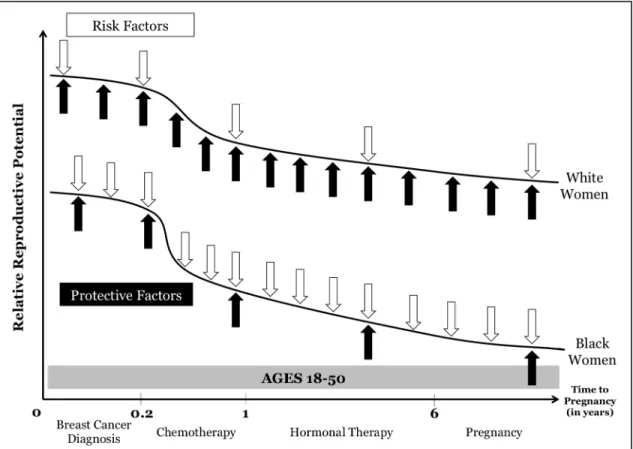
FIGURE 1.2.CONCEPTUAL MODEL OF HOW RISK FACTORS AND PROTECTIVE FACTORS DIFFERENTIALLY INFLUENCE THE RELATIVE REPRODUCTIVE POTENTIAL OF BLACK AND WHITE WOMEN WITH A PREMENOPAUSAL BREAST CANCER
HISTORY ... 19
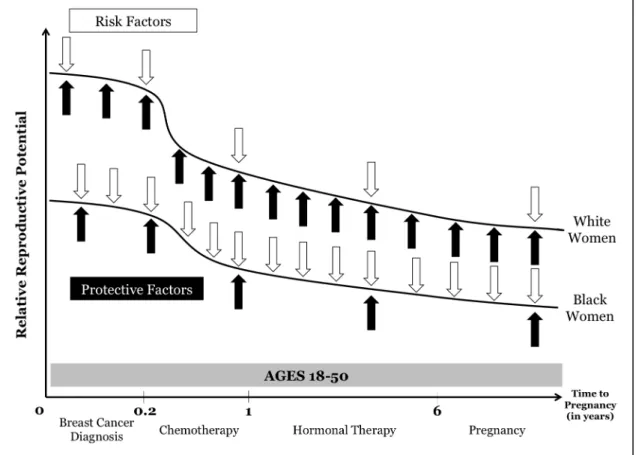
FIGURE 4.1.REVISED CONCEPTUAL MODEL OF HOW RISK FACTORS AND PROTECTIVE FACTORS DIFFERENTIALLY INFLUENCE THE REPRODUCTIVE POTENTIAL OF BLACK AND WHITE WOMEN WITH A PREMENOPAUSAL BREAST CANCER
LIST OF ABBREVIATIONS
ART assisted reproductive technologies aOR adjusted odds ratio
aPOR adjusted prevalence odds ratio
BC breast cancer
BRFSS Behavioral Risk Factor Surveillance System CDC Centers for Disease Control and Prevention CI confidence interval
DAG directed acyclic graph ER estrogen receptor
GA Georgia
GnRHa gonadotropin releasing-hormone agonist HER human epidermal growth factor receptor LBW low birthweight
MCH maternal and child health
NC North Carolina
NIH National Institutes of Health PI principal investigator
PR prevalence ratio PR progesterone receptor
PRAMS Pregnancy Risk Assessment and Monitoring Survey PTB preterm birth
CHAPTER 1: INTRODUCTION
Although breast cancer is considered a disease of the aging population, in 2013, 21.74% (64,560 out of 296,980) of women diagnosed with breast cancer were under the age of 50.(1) Due to the advancement of screening and treatment options for breast cancer, more women are able to live fruitful lives after a breast cancer diagnosis (2), yet for premenopausal breast cancer survivors little is known about the effects of the disease and treatment on their reproductive capacity and birth outcomes. With the co-occurrence of two trends, an increasing number of women delaying their first birth into their thirties and early forties (3,4) and the improvement of survival rates of women diagnosed with breast cancer before the age of 50 (5), there is a greater possibility that many young breast cancer patients have not yet started or completed their families at the time of diagnosis and may desire to have children after successful completion of their cancer treatment regimen.
Even though white women tend to have a higher incidence of postmenopausal breast cancer than black women, there is a dynamic crossover between black and white women when looking at premenopausal breast cancer.(6) In 2013, the age-adjusted incidence of breast cancer in women diagnosed under the age of 50 was 45.3 per 100,000, with black women under age 50 having an incidence of 41.5 and white women under age 50 having an incidence of 45.6. This black-white disparity is also evident in the 5-year relative survival rates. The overall 5-year breast cancer survival rate for women under the age of 50 at diagnosis is 90.7%; however, it is 81.7% for black and 92.0% for white women.(7)
women) are more likely to be diagnosed with basal-like tumors (i.e., ER-negative, PR-negative, HER2-negative, and either HER2-positive or CK 5/6-positive) (9,10), often referred to as triple-negative breast cancer (1,11), which is the most aggressive sub-type of breast cancer. Although a triple-negative breast cancer diagnosis is relatively rare, women diagnosed with triple-negative breast cancer have a poorer short-term prognosis than women with other types of breast cancer since triple-negative tumors are less responsive to treatment.(1)
In the general United States population, 9.6% of infants are delivered preterm (<37 weeks gestation) and 8.1% have a low birthweight (<2,500 grams). The preterm birth and low birthweight rates vary widely by race/ethnicity and maternal age. In 2015, black women were 40.5% more likely to deliver a preterm infant and 63.2% more likely to deliver a low birthweight infant compared to white women.(12) Mothers under the age of 15 or mothers aged 45 or older have a higher rate of delivering an infant before 37 weeks of gestation or less than 2,500 grams than mothers aged 25-34 years.(4)
There are clear black-white disparities in breast cancer incidence and 5-year survival rates, as well as birth outcomes since black women (when compared to white women) are more likely to be diagnosed with breast cancer before the age of 40 (1,6) and to deliver a preterm or low birthweight infant.(12) Additionally, the current literature is inconsistent about the
potential risk of adverse birth outcomes among breast cancer survivors.(13–21) Considering the potential pregnancies that may occur among premenopausal breast cancer survivors, the
specific aims of this study were to: 1) determine if premenopausal breast cancer survivors (ages 18-45) in North Carolina who had a live birth after their diagnosis have a greater prevalence of delivering a preterm or low birthweight infant (PTB; LBW) than women in North Carolina who had a live birth and have never been diagnosed with breast cancer; and 2) determine the unmet reproductive and preconception healthcare needs of premenopausal breast cancer survivors.
record data. The dataset includes about 2.3 million births that occurred between 1990-2009, including 512 births to breast cancer survivors. Aim 2 involved the collection of primary data by conducting two 45-60-minute in-depth, semi-structured interviews with 17 women with a history of breast cancer to learn about the reproductive health needs that may (or may not) have been met after their cancer diagnosis. The findings from the quantitative and qualitative
methods were integrated to develop a more complete story about the reproductive health experiences of premenopausal breast cancer survivors.
Significance
Few published studies have examined the potential association between cancer and subsequent birth outcomes (16–18); a few notable studies have specifically focused on breast cancer and birth outcomes.(13–15,19–21) Yet, a majority of the studies of premenopausal breast cancer survivors have focused on pregnancy and survival rates after a pregnancy.(13–15,19,22) These types of studies do not provide a comprehensive perspective of the reproductive health experiences and challenges that premenopausal breast cancer survivors face. In order to understand the complexities surrounding the reproductive health issues of premenopausal breast cancer survivors, it is important to know about the biology of breast cancer in younger women, the effect of chemotherapy on reproductive health, the reproductive health concerns of young breast cancer survivors, risk predictors and factors for preterm birth and low birthweight, and the importance of preconception healthcare.
Studies on Breast Cancer and Birth Outcomes
Out of six studies that have focused on the birth outcomes of premenopausal breast cancer survivors, three are population-based studies (19–21), two are cross-sectional
which women are fertile and desire to have children (or not) (15,19–21); 2) the lack of maternal characteristics controlled for in the statistical analysis models (15,19,21); 3) the use of self-reported birth outcomes via survey instruments (14,15); and 4) relatively small study
populations.(13,19) An additional issue to consider when focusing on the premenopausal breast cancer survivor population is the desire of these women to pursue motherhood and the potential selection bias introduced by the “healthy mother effect” that may be occurring since the
“healthier” breast cancer survivors may be more fit and willing to become pregnant post-diagnosis and treatment.(19,23,24)
Three seminal, population-based studies that examined the birth outcomes of women diagnosed with breast cancer have been conducted in Denmark, Sweden, and western Australia (19–21) and these particular studies will serve as a model for the proposed study. These studies use linked cancer and birth registry data from nationwide healthcare data systems that have been active as early as the 1940s and collect data on every resident from birth to death. Despite having access to nearly complete, population-based data, these studies did not have consistent results on the potential risk of breast cancer survivors delivering preterm and low birthweight infants.
Langagergaard et al. (21) studied 216 births to breast cancer survivors with a median of 753 days (Range: 3-5965 days) from time of diagnosis until pregnancy (i.e., 1st day in last
menstruation) and found no substantial increase in odds of low birthweight (aPOR: 1.3; 95% CI: 0.7-2.2) or odds of preterm birth (aPOR: 1.2; 95% CI: 0.4-3.8). When the analysis was stratified by type of breast cancer treatment, the overall results did not change. Infants born to breast cancer survivors had nearly the same mean birthweights as infants born to the comparison group of mothers who were not diagnosed with breast cancer.
The results of the Dalberg (20) study of 331 births to nulliparous women with a history of invasive breast cancer over a similar time period reached results that conflicted with the
breast cancer were delivered preterm compared with 5% of infants born to women not exposed to breast cancer. The odds of delivering an infant at less than 32 weeks of completed gestation for breast cancer survivors was 3.20 (95% CI: 1.70-6.03) times the odds for a woman not exposed to breast cancer. These odds were slightly lower when the infants were born between 32 and 36 weeks gestation (aOR: 1.53; 95% CI: 1.02-2.29). The odds of delivering an infant that weighed less than 1,500 grams for breast cancer survivors was 2.86 (95% CI: 1.41-5.78) times the odds for a woman not exposed to breast cancer.
The Ives (19) study used one of the most extensive population-based databases to
examine fertility and birth outcomes among breast cancer survivors, since the public and private health records they used included data from the hospital morbidity database, birth and death registries, mental health services, cancer registry, and midwives’ notifications. Out of the 2,539 breast cancer survivors between the ages of 15 and 44 in the study, 5% (n=123) had at least one pregnancy after diagnosis. These cases were compared to a control group that consisted of western Australian women who had at least one pregnancy between 1983-2004. Ives et al. found that the pregnancy rate was lower among the breast cancer survivors and they tended to be older than the general population. Fifty percent of the breast cancer survivors (n=62) had a birth within two years of their diagnosis date and there were only two preterm births reported. This stark difference in the findings from these three population-based studies suggest that these past studies have not provided us with the full picture of the effects of breast cancer on subsequent birth outcomes. Therefore, there are still additional avenues that need to be explored in order to learn more about the birth outcomes among this specific population.
National Institutes of Health (NIH) working group on developing best practices for mixed methods research recommends that mixed methods approaches are appropriately used in studies that aim to acquire a real life understanding of contextual or cultural influences on an identified outcome (25), which the proposed study aimed to achieve.
The Biology of Breast Cancer in Young Women
Breast cancer diagnosed in young women tends to present at an advanced stage, is more aggressive, and has a poorer prognosis than breast cancer diagnosed in older women.(8) Premenopausal breast cancer patients have poorer prognoses compared to older breast cancer patients, which may be due to the differences in biology of breast cancer in young
women.(26,27) Factors that determine a patient’s breast cancer prognosis, include tumor size, histologic tumor grade, nodal status, metastatic stage, immunohistochemical markers (e.g., estrogen receptor (ER), progesterone receptor (PR), human epidermal growth factor receptor (HER1, HER2), and cytokeratin (CK) 5/6 status), likelihood of recurrence, menopausal status, and age, among other things. Premenopausal women are more likely to be diagnosed with invasive breast cancers, such as infiltrating ductal carcinomas, to present with larger tumors (28,29), and have higher grade, ER-negative tumors.(30) One study found that when compared to premenopausal breast cancer patients aged ≥35 years, women aged <35 years were more likely to have tumors classified as ER-negative (38.8 versus 21.6%, p-value<0.001) and PR-negative (49.1 versus 35.3%, p-value<0.001).(30) About 60% of premenopausal breast cancer patients have ER-positive tumors, which are the tumors that are the most responsive to
triple-negative breast cancer have a poorer short-term prognosis than women with other types of breast cancer since triple-negative tumors are less responsive to treatment (1), more likely to relapse within the first five years after diagnosis (36), and associated with higher mortality compared to the most common sub-type, luminal A (i.e., ER-positive or PR-positive and HER2-negative).(10) The classification of breast cancer sub-types is evolving, as indicated by O’Brien et al.’s (10) research and the current literature is not consistent on the use of basal-like versus triple-negative when classifying this specific sub-type of breast cancer. This is a particularly important issue to consider because premenopausal breast cancer patients are diagnosed with basal-like breast cancer at higher rates (31) and the O’Brien study (10) reported differences in the hazard ratios of breast cancer-related death when the usually all-inclusive triple-negative sub-type is teased apart into three sub-types (e.g., basal-like, HER-positive/ER-negative, unclassified). When breast cancer sub-types information is available, it should be well defined based on the current literature.
Effect of Cancer Treatment on Reproductive Health
Adjuvant endocrine therapy, which is the treatment of breast cancer with hormonal manipulation and/or cytotoxic therapies, is recommended for premenopausal breast cancer patients, because it improves the likelihood of relapse-free and overall survival by treating undetectable micrometastases.(31,37) Premenopausal breast cancer patients with hormone receptor-positive tumors are encouraged to receive adjuvant endocrine therapy that includes chemotherapy treatment and hormonal treatment (e.g., tamoxifen) for up to five years since it can reduce the 15-year death rate from breast cancer by 57% for women younger than 50 years old at time of diagnosis.(5) Tamoxifen does not improve recurrence or death rates for women with hormone receptor-negative disease; chemotherapy is beneficial for this group.(38)
has been shown to cause damage to female cancer patients’ reproductive functioning by destroying mature ovarian follicles and causing ovarian toxicity. The resulting damage from chemotherapy treatment can range from temporary amenorrhea where menses returns post-treatment to complete ovarian failure or the early onset of menopause. Although it is highly likely that most women will experience menstrual cycle irregularity during chemotherapy treatment, it is expected that menstruation will return for premenopausal women within six months after the completion of the treatment. The type of chemotherapeutic agent, cumulative dose of the drug, duration of the treatment, age of the cancer patient, and pre-treatment ovarian reserve are all factors that determine a female cancer patient’s likelihood of developing post-chemotherapy ovarian failure.(31,37,39,40) A longitudinal observational study assessing menstrual cycle maintenance and quality of life after breast cancer determined that after the completion of chemotherapy treatment, premenopausal breast cancer survivors under the age of 35 had an 85% recovery rate of their monthly menses. Breast cancer survivors ages 35 to 40 had a 45-61% recovery rate and those older than age 40 were the least likely to regain their
menstrual cycle after the completion of treatment and during the study’s follow-up period.(41) Yet, permanent amenorrhea may be desirable for some breast cancer patients since it is
associated with increased survival. In a retrospective observational study of premenopausal breast cancer patients in Seoul, Korea, it was determined that 5-year disease-free survival was slightly higher for women who experienced chemotherapy-induced amenorrhea (88.0%) compared to women who did not (85%).(42)
endocrine (hormonal) therapy decreases the risk of recurrence. The risk of becoming
menopausal while taking tamoxifen increases with age. For tamoxifen users, less than 5% of women under age 40 become menopausal. This increases to 30% of women over age 40 and becomes as high as 84% of women who received chemotherapy and hormonal therapy.(43)
Although most studies conclude that in general breast cancer treatment is not associated with adverse birth outcomes (13–19,21), the Dalberg et. al (20) study did find that breast cancer survivors who have received chemotherapy treatment and have a subsequent pregnancy do have an increased risk of delivering a preterm or low birthweight infant.
It is highly recommended that cancer care providers discuss fertility preserving options with their premenopausal breast cancer patients before beginning treatment, so that they are fully aware of the effect each treatment may have on their reproductive function.(39,40) This information is particularly important to discuss with women who have not started or completed their families, so they can make an informed decision about the most appropriate cancer
This body of knowledge suggests that breast cancer treatments may impact one’s reproductive capacity, and therefore serve as a mediator in the relationship between breast cancer diagnosis and adverse birth outcomes.
Reproductive Health Concerns among Premenopausal Breast Cancer Survivors The long-term reproductive impact of cancer treatments is a legitimate concern for premenopausal breast cancer survivors. There are three main reasons that a diagnosis of premenopausal breast cancer may negatively impact reproductive function: 1) the toxic effect of chemotherapy on ovarian follicles (31,37,39,40), as discussed above; 2) the common
recommendation for breast cancer patients to delay pregnancy for at least two to three years post-diagnosis (31,39); and 3) the recommendation to not become pregnant during adjuvant endocrine therapy, which lasts for five (but up to ten) years post-diagnosis, which may contribute to an age-related decline in fertility.(31)
The two to three year time delay between a breast cancer diagnosis and becoming pregnant is recommended because there is a concern of the lingering toxic effects of treatment on growing oocytes and there is also the potential risk of recurrence during this period.(39) However, evidence exhibiting the benefit to patients of waiting more than two years post-diagnosis to become pregnant is limited, especially if the woman has a good prognosis and localized disease (19), adjuvant endocrine therapy has been completed (31), and the risk of recurrence is low.(39,45,46) Young women diagnosed with breast cancer often question if a pregnancy will increase their risk of breast cancer recurrence because breast cancer is hormone-dependent and pregnancy is a period when hormone levels are at an all-time high in a women’s reproductive life-span. The main concern is that an increase in hormone levels during
pregnancy may stimulate the growth of remaining breast cancer cells or dormant
better survival rates (22,46,47) and are less likely to experience a recurrence of breast cancer (48) than women who do not become pregnant after a breast cancer diagnosis. In a study by Gelber and colleagues (22), the overall 5-year and 10-year survival rates for breast cancer survivors who became pregnant was 92% and 85%, while 5-year survival was 85% and 10-year survival was 74% for the matched non-pregnant breast cancer survivor control group. The results from this study support the healthy mother effect (19,23,24), which is a type of selection bias that may indicate that women who choose to and are able to become pregnant after a bout with breast cancer may be healthier in general compared to breast cancer survivors who choose not to or are not able to become pregnant.(24,31)
Since it is recommended that women take tamoxifen for a minimum of five years and up to ten years, this extends the period breast cancer survivors must wait to become pregnant, if they desire. Within this five- to ten- year waiting period, these women, particularly the older premenopausal breast cancer survivors, may become menopausal or suffer from infertility due to diminished oocyte reserves.(37,39)
The potential damaging effects of chemotherapy and hormonal therapy on reproductive function, as well as the age-related decline in fertility from delaying childbearing until the completion of treatment are all reproductive health issues that premenopausal breast cancer patients need to be informed of before, during, and after the completion of treatment so they are fully aware of the impact the cancer treatments may have on their plans to begin or complete their families. More information is needed to determine if these cancer treatments may have any influence on the birth outcomes of infants born to premenopausal breast cancer survivors.
Risk Predictors and Factors of Preterm Birth and Low Birthweight
treatment and health outcomes have demonstrated that racial/ethnic and socioeconomic status (SES) disparities are particularly apparent among cancer patients.(17,18,52–54) Therefore, maternal characteristics, race/ethnicity, and SES were important variables to include in this study’s analytical models in order to determine if they are true effect measure modifiers or confounders in the association between premenopausal breast cancer and preterm birth or low birthweight. Many past studies that have focused on the association between breast cancer and birth outcomes may have not seen a strong correlation between these variables because they did not factor in relevant risk predictors and factors that may influence this relationship.
Preconception Health
Preconception health interventions aim to improve the health status and behaviors of women (and men) prior to conceiving a child with the ultimate goal of decreasing the risk of adverse pregnancy-related outcomes.(55) The preconception period in the life course often refers to the years in which one is of reproductive age, but also recognizes that a woman’s preconception health status may be the result of negative exposures in utero or her mother’s (or even maternal grandmother’s) lifestyle behaviors or exposures. Since a majority of pregnancies are unplanned, there has been a growing emphasis on promoting healthy behaviors throughout the reproductive health period (e.g., smoking cessation, reduction in alcohol use, maintaining a healthy weight, consumption of essential vitamins and minerals) and not just during the prenatal period.(56)
satisfaction; 2) social determinants of health; 3) healthcare; 4) reproductive health and family planning; 5) tobacco, alcohol, and substance use; 6) nutrition and physical activity; 7) mental health; 8) emotional and social support; 9) chronic conditions; 10) infections; and 11)
genetics/epigenetics.(57)
North Carolina is one of the original seven states that participated in the working group that developed these core indicators. Medical, state health department, and university-based entities in North Carolina have been dedicated to improving the preconception health of women and men in this state. In 2008, the North Carolina Preconception Health Coalition released a 2009-2013 strategic plan to promote intended pregnancy and healthy weight. The coalition’s other priority areas are substance abuse, mental health, collaborative research on
preconception-focused topics, and policy development and access to care.(58) This coalition is one example of how North Carolina is committed to educating women, men, and healthcare professionals about the importance of preconception health and is making strides towards providing more women in this state with access to preconception health services.
When applied to special populations, such as women diagnosed with and treated for premenopausal breast cancer, the preconception healthcare needs may differ from those
prescribed to the general population of women of reproductive age. Therefore, it is important to learn more about the preconception health status and behaviors of special populations, so that the preconception health services referred to these women can be tailored to suit their specific reproductive health concerns that may be magnified by their health condition.
Conceptual Foundation
This study of the birth outcomes and reproductive needs of premenopausal breast cancer survivors provides additional insights into the lives and health of women after being treated for breast cancer. Improvements in treatment options and early detection have led to more
continue on with their lives, the medical and public health communities need to be prepared to address the health issues that may differ between breast cancer survivors and the general population.
In an effort to address gaps in the literature, the proposed study explored the association between a premenopausal breast cancer diagnosis and delivering a PTB or LBW infant, as well as the reproductive needs and concerns of young breast cancer survivors. Healthy mother effect bias (19,23,24), Lu’s and Halfon’s (60) life-course health development model, as well the
biological effect of chemotherapy on reproductive function, served as the conceptual foundations for testing hypotheses regarding the effect of a breast cancer diagnosis on subsequent birth outcomes, as well as how this relationship is influenced by maternal
characteristics and the length of time between breast cancer diagnosis and the date of first infant delivery post-breast cancer diagnosis. This study utilized quantitative and qualitative methods with the aim of providing a comprehensive synopsis of the reproductive health experiences of premenopausal breast cancer survivors. This information may assist medical and public health professionals with offering targeted preconception health services to this specific population in order to decrease their risk of experiencing an adverse birth outcome, as well as fully address their reproductive health concerns. A directed acyclic graph (DAG) that visually depicts the relationship between breast cancer and PTB/LBW from an epidemiological perspective is provided in Figure 1.1.
Not all of the pathways in the DAG were examined. The main causal pathway from breast cancer diagnosis to PTB/LBW was the foundation of the analysis with maternal age at infant delivery, education, marital status, parity, and smoking being controlled for as
menopausal after receiving cancer treatment) and body mass index are recognized in the DAG as important covariates on the pathway between the exposure and outcome, these variables are not available in the given dataset and therefore were not included in the analyses.
To further exemplify the joint quantitative and qualitative analysis used in this study, the conceptual model in Figure 1.2 provides a more simplified depiction of the relationship between the aforementioned variables. The conceptual model is adapted from Lu’s and Halfon’s (60) life-course health development model to reflect the trajectories of premenopausal breast
survivors from diagnosis to a subsequent pregnancy. The life-course health development model depicts how black and white women are differentially exposed to risk factors and protective factors over the life course and how this contributes to disparities in health outcomes.(60) The life-course health development model exhibits how black women have more cumulative
exposure to risk factors (i.e., downward arrows) and less protective factors (i.e., upward arrows) than their white counterparts, which results in black women having lower reproductive potential over their life course. The conceptual model depicts how this situation may look for
premenopausal breast cancer survivors.
(e.g., maternal characteristics) differentially influence the birth outcomes of black and white women with and without a breast cancer history. Whereas, the qualitative dataset allowed for the further exploration of the reproductive potential of premenopausal breast cancer survivors by also including women who did not have children, either by choice or due to infertility issues.
Study Overview
A mixed methods approach provides an avenue to explore the complex relationship between breast cancer and reproductive health through the lived experiences of premenopausal breast cancer survivors. In this study, the quantitative data provides an estimate of the
prevalence ratios and confidence intervals of the association between a breast cancer history and preterm birth and low birthweight using linked cancer registry and birth record data from the North Carolina State Center for Health Statistics. The qualitative data provides an
understanding of the reproductive health experiences and concerns of women with a breast history, in addition to similarities and differences in experiences by post-diagnosis birth status and race using in-depth interviews with premenopausal breast cancer survivors. The combined use of these methods sheds new light on this topic and provides a rich and more complex
understanding of the reproductive health experiences of premenopausal breast cancer survivors. As strategies for screening and treatment continue to advance, survival rates for breast cancer will simultaneously increase; therefore, the preconception health issues that arise for premenopausal breast cancer survivors need to be sufficiently addressed. Informed by the healthy mother effect bias theory (19,23,24), Lu’s and Halfon’s (60) life-course health
development model, as well the biological effect of chemotherapy on reproductive function, this study adds to existing research by exploring additional factors that may influence the
FIGURES
Figure 1.1. Directed Acyclic Graph (DAG) of the relationship between breast cancer diagnosis and preterm birth or low birthweight accounting for potential covariates
KEY:
*Green circle with play symbol is the exposure variable †Blue circle with bold I is the outcome variable ♭Blue circles are the ancestors of the outcome variable
‡Red circles are covariates that are potentially associated with the exposure and outcome (i.e., confounders) §Green line is the causal path
Figure 1.2. Conceptual model of how risk factors and protective factors differentially influence the relative reproductive potential of black and white women with a premenopausal breast cancer history
REFERENCES
1. American Cancer Society. Breast Cancer Facts & Figures 2015-2016 [Internet]. Atlanta; 2015. Available from:
http://www.cancer.org/acs/groups/content/@research/documents/document/acspc-046381.pdf
2. McCarthy NJ. Care of the breast cancer survivor: increased survival rates present a new set of challenges. Postgrad Med. 2004 Oct;116(4):39–40, 42, 45–6.
3. Mathews TJ, Hamilton BE. First births to older women continues to rise. NCHS data brief, no 152 [Internet]. Hyattsville, MD; 2014. Available from:
http://www.cdc.gov/nchs/data/databriefs/db152.pdf
4. Martin JA, Hamilton BE, Osterman MJK, Curtin SC, Mathews TJ. Births: Final data for 2012. National vital statistics reports, vol 62 no 9. [Internet]. Hyattsville, MD; 2013. Available from: http://www.cdc.gov/nchs/data/nvsr/nvsr62/nvsr62_09.pdf#table25 5. Early Breast Cancer Trialists’ Collaborative Group (EBCTCG). Effects of chemotherapy
and hormonal therapy for early breast cancer on recurrence and 15-year survival: an overview of the randomised trials. Lancet. 2005;365(9472):1687–717.
6. Brinton LA, Sherman ME, Carreon JD, Anderson WF. Recent trends in breast cancer among younger women in the United States. J Natl Cancer Inst. 2008 Nov
19;100(22):1643–8.
7. Surveillance Research Program. Fast Stats: An interactive tool for access to SEER cancer statistics [Internet]. National Cancer Institute; 2016. Available from:
http://seer.cancer.gov/faststats
8. Han W, Kim SW, Park IA, Kang D, Kim S-W, Youn Y-K, et al. Young age: an independent risk factor for disease-free survival in women with operable breast cancer. BMC Cancer. 2004 Nov 17;4:82.
9. Millikan RC, Newman B, Tse C-K, Moorman PG, Conway K, Dressler LG, et al.
Epidemiology of basal-like breast cancer. Breast Cancer Res Treat. 2008 May;109(1):123– 39.
10. O’Brien KM, Cole SR, Tse C-K, Perou CM, Carey LA, Foulkes WD, et al. Intrinsic breast tumor subtypes, race, and long-term survival in the Carolina Breast Cancer Study. Clin Cancer Res. 2010 Dec 15;16(24):6100–10.
11. Bauer KR, Brown M, Cress RD, Parise CA, Caggiano V. Descriptive analysis of estrogen receptor (ER)-negative, progesterone receptor (PR)-negative, and HER2-negative
invasive breast cancer, the so-called triple-negative phenotype: a population-based study from the California cancer Registry. Cancer. 2007 May 1;109(9):1721–8.
12. Hamilton BE, Martin JA, Osterman MJK. Births: Preliminary data for 2015. Natl Vital Stat Reports [Internet]. Hyattsville, MD; 2016;65(3). Available from:
http://www.cdc.gov/nchs/data/nvsr/nvsr65/nvsr65_03.pdf
14. Partridge AH, Gelber S, Peppercorn J, Ginsburg E, Sampson E, Rosenberg R, et al. Fertility and menopausal outcomes in young breast cancer survivors. Clin Breast Cancer. 2008 Feb;8(1):65–9.
15. Rippy EE, Karat IF, Kissin MW. Pregnancy after breast cancer: the importance of active counselling and planning. Breast. 2009 Dec;18(6):345–50.
16. Stensheim H, Cvancarova M, Møller B, Fosså SD. Pregnancy after adolescent and adult cancer: a population-based matched cohort study. Int J Cancer. 2011 Sep 1;129(5):1225– 36.
17. Durrieu G, Rigal M, Bugat R, Lapeyre-Mestre M. Fertility and outcomes of pregnancy after chemotherapy in a sample of childbearing aged women. Fundam Clin Pharmacol. 2004 Oct;18(5):573–9.
18. Falconer AD, Ferns P. Pregnancy outcomes following treatment of cancer. J Obstet Gynaecol. 2002 Jan;22(1):43–4.
19. Ives A, Saunders C, Bulsara M, Semmens J. Pregnancy after breast cancer: population based study. BMJ. 2007 Jan 27;334(7586):194.
20. Dalberg K, Eriksson J, Holmberg L. Birth outcome in women with previously treated breast cancer--a population-based cohort study from Sweden. PLoS Med. 2006 Sep;3(9):e336.
21. Langagergaard V, Gislum M, Skriver M V, Nørgård B, Lash TL, Rothman KJ, et al. Birth outcome in women with breast cancer. Br J Cancer. 2006 Jan 16;94(1):142–6.
22. Gelber S, Coates AS, Goldhirsch A, Castiglione-Gertsch M, Marini G, Lindtner J, et al. Effect of pregnancy on overall survival after the diagnosis of early-stage breast cancer. J Clin Oncol. 2001 Mar 15;19(6):1671–5.
23. Sankila R, Heinävaara S, Hakulinen T. Survival of breast cancer patients after subsequent term pregnancy: “healthy mother effect”. Am J Obstet Gynecol. 1994 Mar;170(3):818–23. 24. Valachis A, Tsali L, Pesce LL, Polyzos NP, Dimitriadis C, Tsalis K, et al. Safety of
pregnancy after primary breast carcinoma in young women: a meta-analysis to overcome bias of healthy mother effect studies. Obstet Gynecol Surv. 2010 Dec;65(12):786–93. 25. Creswell J, Carroll Klassen A, Plano Clark V, Clegg Smith K. Best practices for mixed
methods research in health sciences. Bethesda, MD: National Institutes of Health; 2011. 26. Aebi S, Gelber S, Castiglione-Gertsch M, Gelber RD, Collins J, Thürlimann B, et al. Is
chemotherapy alone adequate for young women with oestrogen-receptor-positive breast cancer? Lancet. 2000 May 27;355(9218):1869–74.
27. Anders CK, Hsu DS, Broadwater G, Acharya CR, Foekens JA, Zhang Y, et al. Young age at diagnosis correlates with worse prognosis and defines a subset of breast cancers with shared patterns of gene expression. J Clin Oncol. 2008 Jul 10;26(20):3324–30.
28. Maggard MA, O’Connell JB, Lane KE, Liu JH, Etzioni DA, Ko CY. Do young breast cancer patients have worse outcomes? J Surg Res. 2003 Jul;113(1):109–13.
30. Colleoni M, Rotmensz N, Robertson C, Orlando L, Viale G, Renne G, et al. Very young women (<35 years) with operable breast cancer: features of disease at presentation. Ann Oncol. 2002 Feb;13(2):273–9.
31. Hickey M, Peate M, Saunders CM, Friedlander M. Breast cancer in young women and its impact on reproductive function. Hum Reprod Update. 2009;15(3):323–39.
32. Lund MJ, Trivers KF, Porter PL, Coates RJ, Leyland-Jones B, Brawley OW, et al. Race and triple negative threats to breast cancer survival: a population-based study in Atlanta, GA. Breast Cancer Res Treat. 2009 Jan;113(2):357–70.
33. Ihemelandu CU, Naab TJ, Mezghebe HM, Makambi KH, Siram SM, Leffall LD, et al. Treatment and survival outcome for molecular breast cancer subtypes in black women. Ann Surg. 2008 Mar;247(3):463–9.
34. O’Brien RL, Kosoko-Lasaki O, Cook CT, Kissell J, Peak F, Williams EH. Self-assessment of cultural attitudes and competence of clinical investigators to enhance recruitment and participation of minority populations in research. J Natl Med Assoc [Internet]. 2006 May [cited 2013 Sep 20];98(5):674–82. Available from:
http://www.pubmedcentral.nih.gov/articlerender.fcgi?artid=2569260&tool=pmcentrez& rendertype=abstract
35. Carey LA, Perou CM, Livasy CA, Dressler LG, Cowan D, Conway K, et al. Race, breast cancer subtypes, and survival in the Carolina Breast Cancer Study. JAMA. 2006 Jun 7;295(21):2492–502.
36. Rakha EA, Reis-Filho JS, Ellis IO. Basal-like breast cancer: a critical review. J Clin Oncol. 2008 May 20;26(15):2568–81.
37. Friedlander M, Thewes B. Counting the costs of treatment: the reproductive and gynaecological consequences of adjuvant therapy in young women with breast cancer. Intern Med J. 2003 Aug;33(8):372–9.
38. Early Breast Cancer Trialists’ Collaborative Group (EBCTCG), Peto R, Davies C, Godwin J, Gray R, Pan HC, et al. Comparisons between different polychemotherapy regimens for early breast cancer: meta-analyses of long-term outcome among 100,000 women in 123 randomised trials. Lancet. 2012 Feb 4;379(9814):432–44.
39. Camp-Sorrell D. Cancer and its treatment effect on young breast cancer survivors. Semin Oncol Nurs. 2009 Nov;25(4):251–8.
40. Bouchlariotou S, Tsikouras P, Benjamin R, Neulen J. Fertility sparing in cancer patients. J Soc Minim Invasive Ther. 2012 Jul;21(4):282–92.
41. Petrek JA, Naughton MJ, Case LD, Paskett ED, Naftalis EZ, Singletary SE, et al. Incidence, time course, and determinants of menstrual bleeding after breast cancer treatment: a prospective study. J Clin Oncol. 2006 Mar 1;24(7):1045–51.
42. Jeon SJ, Lee J Il, Jeon MJ, Lee M. Prognostic Effects of Adjuvant Chemotherapy-Induced Amenorrhea and Subsequent Resumption of Menstruation for Premenopausal Breast Cancer Patients. Medicine (Baltimore). 2016 Apr;95(14):e3301.
44. Resolve: The National Infertility Association. The Costs of Infertility Treatment [Internet]. 2014. Available from: http://www.resolve.org/family-building-options/making-treatment-affordable/the-costs-of-infertility-treatment.html
45. Pagani O, Partridge A, Korde L, Badve S, Bartlett J, Albain K, et al. Pregnancy after breast cancer: if you wish, ma’am. Breast Cancer Res Treat. 2011 Sep;129(2):309–17.
46. Mueller BA, Simon MS, Deapen D, Kamineni A, Malone KE, Daling JR. Childbearing and survival after breast carcinoma in young women. Cancer. 2003 Sep 15;98(6):1131–40. 47. Kroman N, Jensen M-B, Wohlfahrt J, Ejlertsen B. Pregnancy after treatment of breast
cancer--a population-based study on behalf of Danish Breast Cancer Cooperative Group. Acta Oncol. 2008 Jan;47(4):545–9.
48. Azim HA, Santoro L, Pavlidis N, Gelber S, Kroman N, Azim H, et al. Safety of pregnancy following breast cancer diagnosis: a meta-analysis of 14 studies. Eur J Cancer. 2011 Jan;47(1):74–83.
49. Geronimus AT. The weathering hypothesis and the health of African-American women and infants: evidence and speculations. Ethn Dis. 1992 Jan;2(3):207–21.
50. Parker JD, Schoendorf KC, Kiely JL. Associations between measures of socioeconomic status and low birth weight, small for gestational age, and premature delivery in the United States. Ann Epidemiol. 1994 Jul;4(4):271–8.
51. McGrady GA, Sung JF, Rowley DL, Hogue CJ. Preterm delivery and low birth weight among first-born infants of black and white college graduates. Am J Epidemiol. 1992 Aug 1;136(3):266–76.
52. Robison LL, Green DM, Hudson M, Meadows AT, Mertens AC, Packer RJ, et al. Long-term outcomes of adult survivors of childhood cancer. Cancer. 2005 Dec 1;104(11 Suppl):2557–64.
53. Brawley OW, Berger MZ. Cancer and disparities in health: perspectives on health statistics and research questions. Cancer. 2008 Oct 1;113(7 Suppl):1744–54.
54. Li CI. Racial and ethnic disparities in breast cancer stage, treatment, and survival in the United States. Ethn Dis. 2005 Jan;15(2 Suppl 2):S5–9.
55. Johnson K, Posner SF, Biermann J, Cordero JF, Atrash HK, Parker CS, et al.
Recommendations to improve preconception health and health care--United States. A report of the CDC/ATSDR Preconception Care Work Group and the Select Panel on Preconception Care. MMWR Recomm Rep. 2006 Apr 21;55(RR-6):1–23.
56. Moos M-K. From concept to practice: reflections on the preconception health agenda. J Womens Health (Larchmt). 2010 Mar;19(3):561–7.
57. Broussard DL, Sappenfield WB, Fussman C, Kroelinger CD, Grigorescu V. Core state preconception health indicators: a voluntary, multi-state selection process. Matern Child Health J. 2011 Feb;15(2):158–68.
58. Every Woman North Carolina. NC Preconception Health Coalition [Internet]. 2011. Available from: http://everywomannc.com/about-us/nc-preconception-health-coalition 59. Berry DA, Cronin KA, Plevritis SK, Fryback DG, Clarke L, Zelen M, et al. Effect of
27;353(17):1784–92.
CHAPTER 2: PREVALENCE OF PRETERM AND LOW BIRTHWEIGHT DELIVERY AFTER BREAST CANCER DIAGNOSIS: A POPULATION-BASED STUDY
Introduction
With an increasing number of women delaying childbearing (1,2) and improved breast cancer survival among women diagnosed before the age of 50 (3), many young breast cancer patients face decisions at the time of diagnosis that may influence their future reproductive health. Beyond the risk of infertility (4–7), other adverse birth outcomes including preterm birth and low birthweight may be more common among women with a prior breast history.(8) The potential risk of adverse birth outcomes among breast cancer survivors has not been studied in in the context of existing racial disparities in breast cancer incidence and birth outcomes in the United States.
A breast cancer diagnosis and its treatment may have long-lasting effects on reproductive health outcomes. Alkylating agent-based chemotherapies can cause ovarian toxicity (5), including loss of mature ovarian follicles. During chemotherapy treatment, premenopausal women may experience temporary chemotherapy-related amenorrhea or premature ovarian failure.(4–7) After completion of chemotherapy, a 5- to 10-year course of adjuvant endocrine therapy is recommended for hormonally-responsive tumors to improve relapse-free and overall survival.(6,7,14) Pregnancy is not recommended during the course of adjuvant endocrine therapy; therefore, some women may choose to not initiate or to interrupt endocrine therapy to achieve pregnancy.(15)
Black-white disparities in breast cancer incidence rates and birth outcomes raise
concerns about potential disparities in the reproductive health of premenopausal breast cancer survivors. Most previous studies have focused on survival rates among breast cancer survivors with a post-diagnosis pregnancy compared to those without.(16–18) Survival does not appear to be adversely affected by post-diagnosis pregnancy; however, this may be partially attributable to a “healthy mother effect.”(16,19,20) Few published studies have examined infant outcomes after a breast cancer diagnosis.(8,16,18,21–23) Our study examined the prevalence of PTB and LBW according to breast cancer history prior to infant delivery in a population-based study in North Carolina (NC) and evaluated potential effect modification by race.
Methods
This study was reviewed and approved by the University of North Carolina at Chapel Hill’s IRB and Office of Human Research Ethics (#14-1394).
North Carolina Central Cancer Registry
state-mandated North Carolina Central Cancer Registry (NC-CCR).(24) The NC-CCR is a gold-certified North American Association of Central Cancer Registries (NAACCR) cancer registry within the Centers for Disease Control and Prevention’s National Program of Cancer Registries. We used topography site code C50 from the International Classification of Disease-Oncology, 3rd
Edition (25) to identify first primary breast cancer diagnoses at ages 18-45. Additional NC-CCR variables included date of diagnosis, age at diagnosis, and receipt of treatment (e.g., surgery, chemotherapy, radiation, endocrine therapy).
North Carolina Birth Certificate Files
The study population for this analysis was comprised of all live, singleton births to NC residents during 1990-2009 (n=2,325,229). Within ten days of a delivery, a hospital
of cigarettes smoked per day during pregnancy, maternal age at delivery, and date of infant delivery.
North Carolina Central Cancer Registry and Vital Records Linkage
Birth certificate files were linked with the NC-CCR for the period of January 1, 1990 through December 31, 2009, by the NC State Center for Health Statistics. The linkage protocol applied a probabilistic algorithm using names and social security numbers in Link Plus (CDC; Atlanta, GA). Identifying information was redacted from the final dataset. Breast cancer history prior to infant delivery was defined as a maternal breast cancer diagnosis recorded in the NC-CCR that preceded the date of delivery in the birth certificate files. Two births by mothers with a breast cancer history were excluded because the diagnosis date was not available and the
diagnosis age was above 45 years.
Covariates
The risk of delivering a PTB or LBW infant is known to vary by several maternal
characteristics, including mother’s age at time of pregnancy, race/ethnicity, and socioeconomic status (SES).(27–29) Studies that have focused on disparities in medical treatment and health outcomes have demonstrated that racial/ethnic and SES disparities are particularly apparent among cancer patients.(30–34) Therefore, maternal characteristics, race/ethnicity, and SES were important covariates to include in this study’s analytical models. Each covariate included in analytical models is described below.
birth certificate (married or not married). Number of living children was used to determine parity status as primiparous (i.e., no infant delivery prior to the current birth) or multiparous (i.e., a previous delivery in addition to the current birth). Maternal race/ethnicity is composited using the race and Hispanic ethnicity variables on the birth certificate. Number of cigarettes smoked per day during pregnancy was dichotomized as smoked during pregnancy (yes/no). Receipt of chemotherapy is derived from the first listed date of chemotherapy treatment or otherwise categorized as no chemotherapy. Length of time between diagnosis and infant delivery was calculated using the mother’s breast cancer diagnosis date and the date of infant delivery and categorized as <2, 2-4.9, and ≥5 years. Maternal age at infant delivery in years was included in the analysis as a continuous variable.
Statistical Analysis
Multivariable binomial regression was used to calculate prevalence ratios (PR) and 95% confidence intervals (CI) for the association between breast cancer history and birth outcome (i.e., PTB and LBW). We assessed and identified additional covariates as an effect measure modifier using likelihood ratio tests (e.g., race/ethnicity) with the a priori significance criteria set at 5% or as a confounder using 5% change in estimate tests (e.g., maternal age at infant delivery, education, marital status, parity, and smoking) for inclusion in multivariable models. We assessed statistical interaction between breast cancer history and race on the additive (common referent) and multiplicative (stratified) scales using relative excess risk due to
interaction (RERI) with 95% CIs (35) and cross-product interaction terms (36), respectively. All analyses were performed using SAS statistical software version 9.3 (Cary, NC).
Results
(SD=4.7) and the average time from diagnosis to delivery was 3.3 years (SD=2.8). Nearly half (49.4%) of mothers with a breast cancer history had a record of starting chemotherapy (Table 2.1).
Overall, 10.8% of infants were PTB and 8.8% were LBW. Among all births, 72.3% were to white women and 27.7% to black women. Compared to the general population of
reproductive age mothers, mothers with a breast cancer history were older at the time of infant delivery, and more likely to have attended college, be married, and not smoke during pregnancy (Table 2.1).
We observed an increased risk of PTB and LBW for births to women with a breast cancer history, especially for women who received chemotherapy treatment or gave birth within two years of their diagnosis date. After multivariable adjustment for maternal age, education, marital status, parity, race, and smoking, the PR associated with breast cancer history was 1.67 (95% CI: 1.42-1.97) for PTB and 1.50 (95% CI: 1.23-1.84) for LBW. The PR of PTB among births to mothers with a breast cancer history that received chemotherapy treatment was 2.17 (95% CI: 1.79-2.63) compared to the general population. The corresponding PR for LBW was 1.92 (95% CI: 1.50-2.45). The PR of PTB among births that occurred within two years of the mother’s diagnosis date was 2.58 (95% CI: 2.12-3.15) compared to the general population. The corresponding PR of LBW was 2.16 (95% CI: 1.64-2.85) (Table 2.2).
In analyses stratified according to maternal race, the PR for PTB associated with breast cancer history was 1.31 (95% CI: 1.00-1.72) for black mothers and 2.06 (95% CI: 1.67-2.54) for white mothers. The corresponding PRs for LBW were 1.49 (95% CI: 1.14-1.94) for black mothers and 1.53 (95% CI: 1.12-2.08) for white mothers. There is evidence of statistical interaction between breast cancer history and race for PTB (P-interaction=0.01), but not for LBW (P -interaction=0.9) on the multiplicative scale (Table 2.4). The interaction between breast cancer history and race was not statistically significant on the additive scale for the risk of PTB (RERI: -0.61; 95% CI: -1.28-0.07) or LBW (RERI: 0.36; 95% CI: -0.50-1.23). Compared to white
mothers in the general population, the PR for PTB was 2.06 (95% CI: 1.67-2.54) for white
mothers with a breast cancer history, 1.45 (95% CI: 1.44-1.47) for black mothers without a breast cancer history, and 1.90 (95% CI: 1.45-2.50) for black mothers with a breast cancer history. The PR for LBW was 1.53 (95% CI: 1.12-2.08) for white mothers with a breast cancer history, 1.82 (95% CI: 1.80-1.84) for black mothers without a breast cancer history, and 2.71 (95% CI: 2.08-3.54) for black mothers with a breast cancer history, compared to white mothers without a breast cancer history (Table 2.5).
In analyses restricted to births to women with a breast cancer history, receipt of
chemotherapy was associated with a PR of 1.78 (95% CI: 1.25-2.53) for PTB and 1.68 (0.94-3.03) for LBW compared to no chemotherapy. The PR of PTB among births that occurred within two years of the mother’s diagnosis date was 2.04 (95% CI: 1.44-2.90) compared to births that occurred two years or more after the mother’s diagnosis date. The corresponding PR of LBW was 1.78 (95% CI: 0.93-3.41) (Table 2.6).
Discussion
to the general population, with greater increases in risk observed among women who received chemotherapy or gave birth within two years of diagnosis. Examination of the prevalence of adverse birth outcomes within race showed that both black and white mothers with a breast cancer history had a significant increase in risk (31-49% and 53-106%, respectively) of delivering a PTB and LBW infant compared to mothers without a breast cancer history within their racial group. Yet, the prevalence of PTB and LBW was greater for white mothers compared to black mothers in these analyses. This may be due, in part, to the cumulative exposure to risk factors for PTB and LBW (38,39) influencing the health status of black women such that the added health implications of being diagnosed and treated for breast cancer does not have the same level of effect on their reproductive health outcomes as it does for white women. When white mothers in the general population is used as the common referent, white mothers with a breast cancer history have the highest prevalence of PTB, but black mothers with a breast cancer history have the highest prevalence of LBW. The interaction between breast cancer history and race was significant on the multiplicative scale in the within race analyses when examining PTB, but not on the additive scale when white women in the general population was used as the common referent. This attests to the importance of examining racial disparities using a common referent other than the white unexposed group.(40)
Denmark during 1973-2002, where the odds of delivering a PTB (<37 weeks gestation; aPOR: 1.2, 95% CI: 0.4-3.8) or LBW at term (<2,500 grams and ≥37 weeks gestation; aPOR: 1.3, 95% CI: 0.7-2.2) infant were not significantly different between women with a breast cancer history and the general population.(23)
The magnitude of our effect estimates were consistent with the Danish study (23) and used the same cut point for PTB. The Swedish study (8) used lower cut points for PTB and LBW. We reanalyzed our data using the same cut points as the Swedish study (8), but our results were not statistically significant. The Danish study (23) conducted stratified analyses by sex of child and type of treatment, but did not see a substantial change in the overall effect estimates. Our analysis reinforces that racial group is an important consideration for evaluating adverse birth outcomes in the U.S.
Some limitations of our analysis must be considered. Information on breast cancer hormone receptor status, stage, use of endocrine therapy, and chemotherapy agents, dose, and cycle were either not available or frequently missing and therefore not analyzed. We were not able to account for multiple births to the same mother. Pregnancies that result from assisted reproductive technology (ART) cannot be identified and tend to have a higher prevalence of multiple births, as well as PTB and LBW deliveries. Only about 1.5% of infants born in the U.S. general population are conceived via ART.(41)
Strengths of our analysis include the use of a population-based dataset to address a 20-year period with approximately two million births overall. With persistent racial disparities in cancer care and birth outcomes in the U.S., the added exploration of race as a modifier of the association between breast cancer history and adverse birth outcomes is an important
cancer diagnosis or the active treatment period. Future longitudinal studies that follow breast cancer patients from diagnosis to birth will be critical to disentangle potential differences between women who are diagnosed with breast cancer during pregnancy from those who conceive after the active treatment period.
TABLES
TABLE 2.1.CHARACTERISTICS OF LIVE BIRTHS ACCORDING TO MOTHER’S BREAST CANCER HISTORY AT TIME OF DELIVERY,NORTH CAROLINA 1990-2009
Breast cancer
history (N=512) General population (N=1,911,757)
N % N %
Preterm Birth
Term (≥37 weeks gestation) 404 78.9 1,703,476 89.1
Preterm (<37 weeks gestation) 108 21.1 206,026 10.8
Missing 0 0.0 2,255 0.1
Low Birthweight
Healthy weight (≥2,500 grams) 436 85.2 1,743,325 91.2
Low birthweight (<2,500 grams) 76 14.8 168,432 8.8
Missing 0 0.0 0 0.0
Education
Less than high school (≤11 years) 19 3.7 266,180 13.9
High school diploma (12 years) 123 24.0 662,969 34.7
Some or graduated college (13-16 years) 282 55.1 814,843 42.6
Professional/graduate degree (≥17 years) 87 17.0 164,664 8.6
Missing 1 0.2 3,101 0.2
Marital Status
Married 404 78.9 1,320,768 69.1
Not married 108 21.1 590,559 30.9
Missing 0 0.0 430 0.02
Parity
Primiparous (1 birth) 153 29.9 787,261 41.2
Multiparous (≥ 2 births) 359 70.1 1,124,496 58.8
Missing 0 0.0 0 0.0
Race/Ethnicity
White, non-Hispanic 324 63.3 1,382,978 72.3
Black, non-Hispanic 188 36.7 528,779 27.7
Missing 0 0.0 0 0.0
Smoking
Non-Smoker 463 90.4 1,605,661 84.0
Smoker 46 9.0 296,037 15.5
Missing 3 0.6 10,059 0.5
Maternal Age at Infant Delivery (in years)
Mean (Standard Deviation) 34.6 (4.7) 27.1 (5.7)
Range 20.0-48.0 18.0-50.0
Age at Breast Cancer Diagnosis (in years)
Mean (Standard Deviation) 31.8 (4.7)
Range 18.7-44.3
Chemotherapy
Didn’t receive chemotherapy 259 50.6
Received chemotherapy 253 49.4
Missing 0 0.0
Length of Time between Diagnosis & Infant Delivery
< 2 years 195 38.1
2 ≤ years < 5 197 38.5 ≥ 5 years 120 23.4
Missing 0 0.0