RACE, AGE AND TREATMENT DELAY IN THE CAROLINA BREAST CANCER STUDY PHASE 3
Marc Aaron Emerson
A dissertation submitted to the faculty at the University of North Carolina at Chapel Hill in partial fulfillment of the requirements for the degree of Doctor of Philosophy in the Department
of Epidemiology in the Gillings School of Global Public Health.
Chapel Hill 2019
Approved by: Yvonne Golightly Melissa Troester
Katherine Reeder-Hayes Allison Aiello
© 2019
ABSTRACT
Marc Aaron Emerson: Race, Age and Treatment Delay in the Carolina Breast Cancer Study Phase 3
(Under the direction of Melissa Troester and Yvonne Golightly) Background: Breast cancer mortality is higher for black and younger women. Understanding breast cancer mortality disparities by race and age is complex due to disease heterogeneity, comorbid disease, and the range of factors influencing access to care and delays in treatment. This dissertation identified patterns of socioeconomic (SES), access to care and tumor factors by race and age and examined the association of these patterns with treatment initiation and duration by treatment modalities.
Methods: Distributions of SES and comorbidity factors in the Carolina Breast Cancer Study Phase III (CBCS3) cases were compared to those of North Carolina women in the 2010 Behavioral Risk Factor Surveillance Study. Using latent class analysis of CBCS3 data, we identified covariate patterns by SES (i.e., income, education, insurance, rurality, comorbidities), barriers to care, and tumor characteristics (i.e., tumor size, node, grade, hormone receptor status) and examined their associations with race and age using multinomial logistic regression. We estimated delay in treatment initiation (>60 days) and duration (measured in quartiles) by modality (surgery alone or combination of surgery and radiation and/or chemotherapy), in
women with stage I-III disease, 32% of younger black women were in the highest quartile of treatment duration compared to 22% of younger white women. Race/age differences in delayed treatment initiation were modest; however, treatment duration was longer for black women and was compounded by lower SES and increased barriers to care. Within the same treatment modality, prolonged treatment duration was more likely in black than white women.
Transportation issues were associated with prolonged treatment duration among women whose treatment included radiation.
This dissertation is dedicated to the memory of my father, his fire and his love stronger than death.
This work has been, and the rest of life’s work will be, illuminated by him. I want to honor him with fearlessness.
To my grandparents and my relatives before them.
To my family, my extended family, my brothers and sisters in the struggle to heal and resist, to those who suffer and fight with them, onward, knowing where we came from, towards
Hozhonahasdlii, the restoration of beauty and kinship. And to all who still struggle.
It is an act of decolonization to arrive at this place of beauty and to want to protect it. It is an act of decolonization to sense and experience the Great Mystery and the harmony, respect, and balance that ceremonial process offers. We decolonize when we embrace family members, friends, community members and celebrate solidarity. It is an artful act of love and resistance to
declare that colonialism, despite all its insidious practices of conquest, subjugation, and control, still did not or could not colonize such ancient feelings or methodologies that have a loving and
ACKNOWLEDGEMENTS
Thank you to the people without whom this dissertation would not exist: the CBCS participants and CBCS staff.
Thanks to my parents, family and friends.
Thank you, Melissa Troester, Yvonne Golightly, Katie Reeder-Hayes, Allison Aiello, Xianming Tan, Andy Olshan, Marian Johnson-Thompson, Charlie Poole, Vic Schoenbach, Bill Jenkins, Steve Wing, Steve Cole, Nancy Colvin, Valerie Hudock, Jennifer Moore, Tom Becker, Roland Moore, Shobha Srinivasan, Mark Alexander, Laurie Habel, Mateo Banegas and Sharon Milgram.
TABLE OF CONTENTS
LIST OF TABLES ... x
LIST OF FIGURES ... xi
LIST OF ABBREVIATIONS ... xii
CHAPTER 1: BACKGROUND ... 1
1.1 Overview: breast cancer disparities in the U.S. ... 1
1.1.1 Age disparities in breast cancer ... 1
1.1.2 Black-white disparities in breast cancer ... 3
1.2 Description of SES and comorbidity factors and breast cancer by age and race ... 5
1.2.1 Socioeconomic position and breast cancer ... 5
1.2.2 Reproductive factors and breast cancer ... 9
1.2.3 Family history ... 14
1.2.4 Comorbid conditions and breast cancer by age and race ... 15
1.2.5 Summary of social, behavioral and comorbid condition factors ... 21
1.3 Description of clinical characteristics of breast cancer by race and age ... 21
1.3.1 Tumor characteristics ... 22
1.3.2 Summary of breast cancer clinical characteristics by race ... 26
1.4 Breast cancer treatment delay ... 26
1.5 Rationale and motivation for this study ... 28
CHAPTER 2: SPECIFIC AIMS ... 30
3.2 Study populations... 34
3.2.1 Carolina Breast Cancer Study ... 34
3.2.2 BRFSS ... 35
3.3 Data processing ... 36
3.4 Latent class analysis ... 37
3.5 Statistical analysis ... 38
3.5.1 Aim 1: To develop an integrated understanding of access to care and tumor characteristics in Carolina Breast Cancer Study Phase 3 and the state of North Carolina. Aim 1 is subdivided into Aim 1A, 1B and 1C. ... 38
3.5.2 Aim 2: To estimate the association between SES, access to care patterns, and tumor factors and treatment delay by race and age. ... 40
3.6 Strengths and limitations... 41
CHAPTER 4: DEVELOPING AN INTERGRATED UNDERSTANDING OF ACCESS TO CARE AND TUMOR CHARACTERISTICS PATTERNS BY RACE AND AGE ... 43
4.1 Introduction ... 43
4.2 Methods... 44
4.2.1 Data sources and study populations ... 44
4.2.2 SES and comorbidities factors: CBCS3 and NC BRFSS ... 45
4.2.3 Access to medical care factors: CBCS3 ... 47
4.2.4 Tumor characteristics: CBCS3 ... 48
4.2.5 Statistical analysis ... 48
4.3 Results ... 49
4.3.1 CBCS3 in context of the state of North Carolina ... 49
4.3.2 Latent classes and patterns by race and age ... 51
4.4 Discussion ... 53
CHAPTER 5: PATTERNS OF SOCIOECONOMIC STATUS, ACCESS TO CARE AND TUMOR CHARACTERISTICS AND DELAYS IN BREAST
CANCER TREATMENT BY RACE AND AGE ... 70
5.1 Introduction ... 70
5.2 Methods... 71
5.2.1 Data source and study population ... 71
5.2.2 Covariate assessment ... 72
5.2.3 Outcome assessment ... 73
5.2.4 Statistical analysis ... 73
5.3 Results ... 74
5.3.1 Treatment duration by treatment modalities ... 76
5.3.2 Individual factors in prolonged treatment duration ... 76
5.4 Discussion ... 77
5.5 Conclusion ... 79
CHAPTER 6: DISCUSSION ... 89
6.1 Main findings ... 89
6.2 Dimensionality reduction, person-centered approach to disparities research questions ... 90
6.3 Limitations and future directions ... 91
6.4 Conclusion and public health impact ... 92
LIST OF TABLES
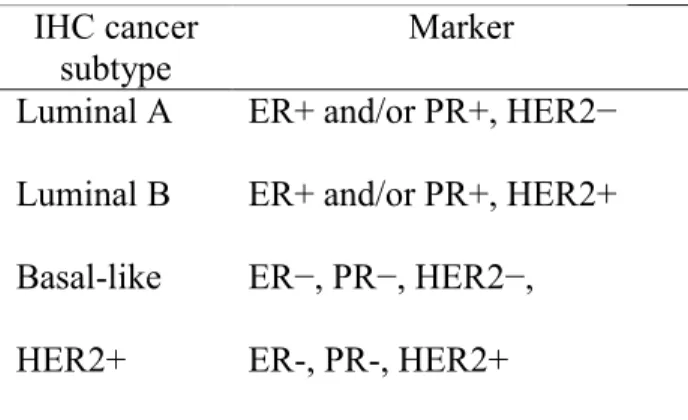
Table 1.1. IHC markers as proxies for gene expression ... 25
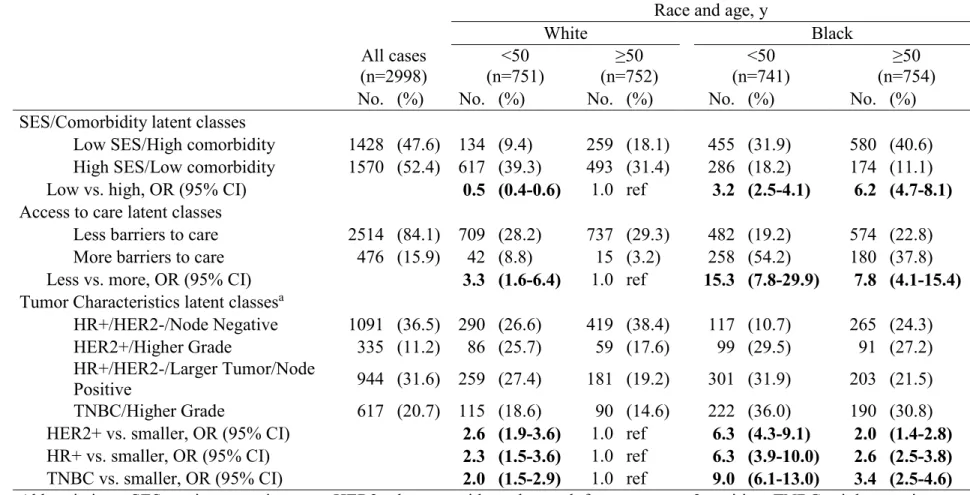
Table 4.1. Distribution and odds ratios with 95% confidence intervals of latent classes, Carolina Breast Cancer Study 3 (2008-2013) by age and race ... 61
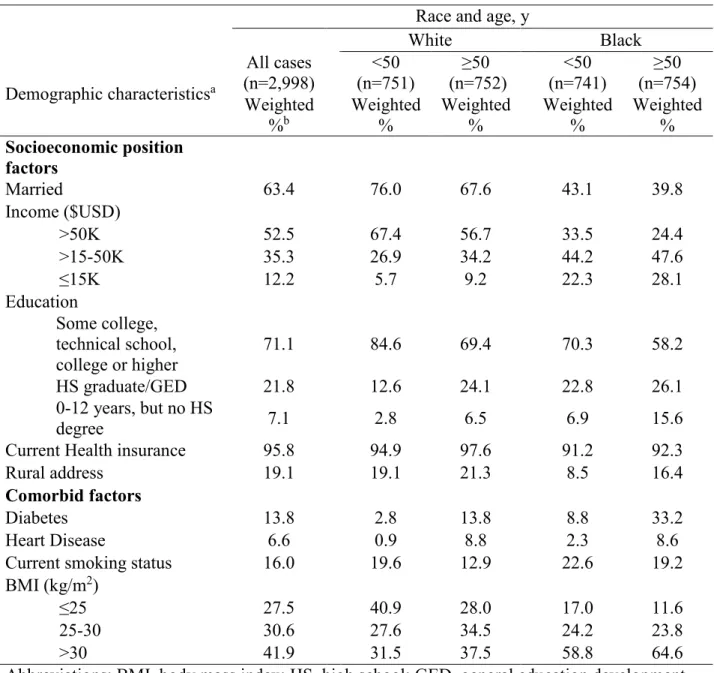
Table 4.2. Select SES and comorbid factors, women in the Carolina Breast Cancer Study 3 (2008-2013) ... 62
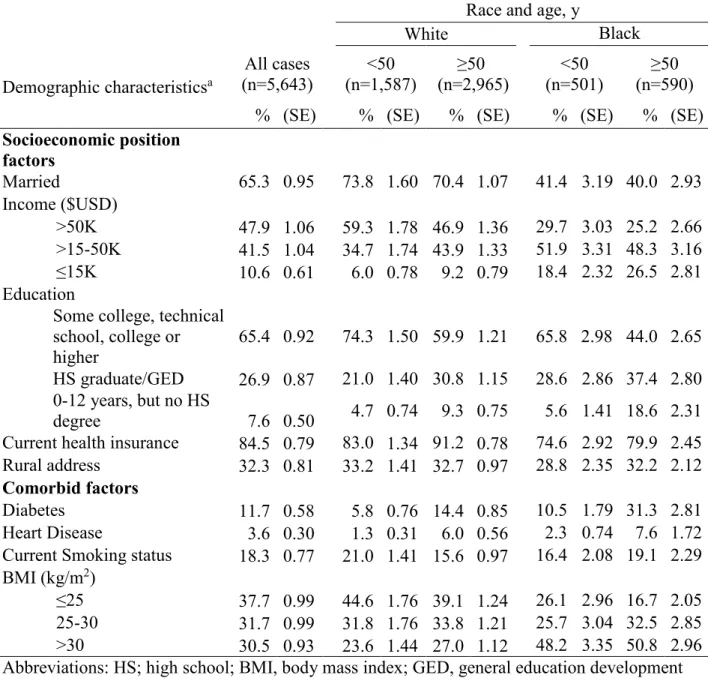
Table 4.3. Select SES and comorbid factors, women in the Behavioral Risk Factor Surveillance System (2010), by age and race ... 63
Table 4.4. Distribution of barriers to medical care of women in the Carolina Breast Cancer Study 3 (2008-2013) by age and race ... 64
Table 4.5. Distribution and odds ratios and 95% confidence intervals of tumor characteristics, Carolina Breast Cancer Study 3 (2008-2013), by age and race ... 65
Table 4.6. Access to care by SES/comorbidity latent classes (n=2997) ... 68
Table 4.7. Tumor characteristics by SES latent classes (n=2987) ... 68
Table 4.8. Tumor characteristics by access to care latent classes (n=2986) ... 68
Table 4.9. Select reproductive exposure history of women in the Carolina Breast Cancer Study 3 (2008-2013) by age and race ... 69
Table 5.1. Treatment initiation and treatment duration by race, age and latent classes of SES and access to care in Carolina Breast Cancer Study 3 (2008-2013) ... 82
Table 5.2. Frequency of delayed treatment initiation and prolonged duration of treatment by race, and latent classes of SES and access to care in Carolina Breast Cancer Study 3 (2008-2013)a ... 83
Table 5.3. Quartiles of duration among treatment modalities by race, age, SES, and barriers to care latent classes ... 84
Table 5.4. Individual factors of SES and barriers to care and prolonged duration of treatment by treatment modalities ... 86
Table 5.5. Characterization of latent classes ... 87
LIST OF FIGURES
Figure 1.1. Female breast cancer incidence rates by race/ethnicity, United States,
1975 to 2012. DeSantis et al. 2015. ... 3 Figure 1.2. Age-specific incidence rates for breast cancer among black and white
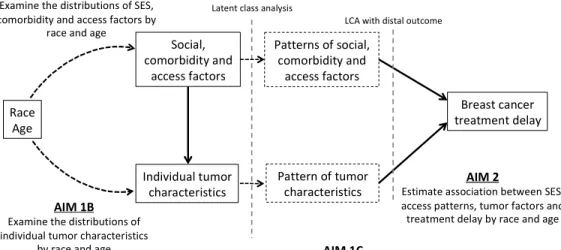
women in SEER 9, 1975 to 2004. Anderson et al. 2008. ... 4 Figure 3.1. Summary of aims ... 34 Figure 4.1. Distributions of categorical demographic and comorbid characteristics
for women in the Carolina Breast Cancer Study 3 (2008-2013) and Behavioral
Risk Factor Surveillance System (2010), by age and race ... 58 Figure 4.2. Probabilities of responses to items for A) two-class model measuring
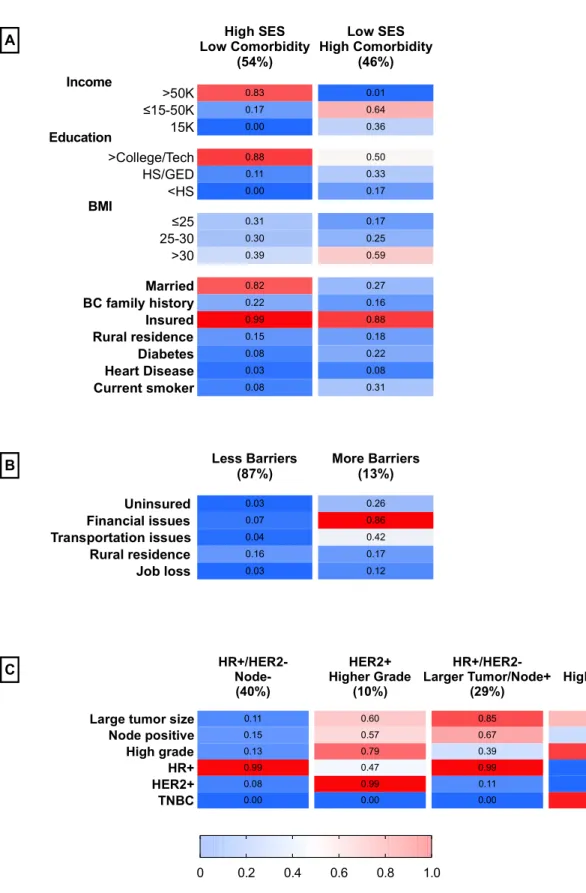
SES, B) two-class model measuring access to medical care C) four-class model
measuring tumor characteristics given latent class membership. ... 59 Figure 4.3. Odds ratios and 95% confidence intervals for covariates (race and age)
of latent classes, Carolina Breast Cancer Study 3 (2008-2013) ... 60 Figure 4.4. Odds ratios and 95% confidence intervals of individual tumor
characteristics among younger black women, older black women and younger white women compared to older white women in the Carolina Breast Cancer
LIST OF ABBREVIATIONS AIC Akaike information criterion
AMBER African American Breast Cancer Epidemiology and Risk BIC Bayesian information criterion
BMI Body mass index
BRCA1/2 BReast CAncer genes 1 and 2
BRFSS Behavioral Risk Factor Surveillance System CBCS Carolina Breast Cancer Study
CBCS3 Carolina Breast Cancer Study phase 3 CHEK Checkpoint kinase 2
ER/PR Estrogen receptor/ Progesterone receptor HER2 Human epidermal growth factor receptor 2
HR Hormone receptor
LCA Latent class analysis
MRT Menopausal hormone therapy OC Oral contraceptive
OR Odds ratio
PD Prevalence difference
RFD Relative frequency difference
RR Risk ratio
SEER Surveillance, Epidemiology, and End Results Program
SEER-NLMS Surveillance, Epidemiology, and End Results Program National Longitudinal Mortality Study
CHAPTER 1: BACKGROUND 1.1 Overview: breast cancer disparities in the U.S.
Among U.S. women, breast cancer is the most commonly diagnosed cancer, the second most common cause of death from cancer and the leading cause of premature mortality,
measured by total years of life lost (1). Currently, the average lifetime risk of a woman
developing breast cancer is approximately 12%, annually totaling over 250,000 new cases and 40,000 deaths from breast cancer (2, 3). Particularly, disparity in breast cancer incidence between young black and white women is widening. Breast cancer is a complex and heterogeneous disease, and can greatly differ according to exposures, socioeconomic (SES)/social position (SEP), age, race, tumor characteristics and a host of factors (4). Additionally, treatments for breast cancer vary and are dependent on these factors. Thus, a greater understanding of how race and age relate to tumor characteristics and SES, comorbidities and access to care factor patterns can further shape the interpretation of future studies of breast cancer outcomes. Table 1 provides a brief overall summary of risk factors for breast cancer incidence.
1.1.1 Age disparities in breast cancer
The single strongest risk factor for breast cancer is age. Increasing age increases a woman’s risk of breast cancer, where 79% of all new breast cancer cases occur after age 50 (5). The cumulative percent of breast cancer incidence in women under age 40 is approximately 7%, less than 3% before age 35 and 1% before age 30 (6), and the epidemiology less known.
later in life (7-10). The poorer prognosis in younger-onset breast cancer is associated with more aggressive treatments and with poorer survival, even after controlling for certain patient and tumor characteristics and treatment receipt (6, 11, 12). Younger-onset breast cancer is
statistically significantly associated with a higher stage and grade at diagnosis compared to later onset breast cancer (7). Additionally, women aged 35 years or less have greater distant
metastases rates compared to older patients (13). Age younger than 35 years is a statistically significantly predictor of recurrence, after adjusting for clinical, pathologic features and treatment-related variables (RR = 1.70 [95% CI 1.18-2.43])(13).
Age at diagnosis is also reflects a number of demographic and other factor differences. For example, mammographic screening is not typical in women under 40 years old. The majority of these women self-detect the breast cancer, when the tumor has progressed to a palpable size, which leads to delays in diagnosis, and may lead to poorer outcomes (14). Studies have
evaluated known factors associated with younger or premenopausal women. These factors will be described in the following sections, such as age of first pregnancy, parity, age at menarche, oral contraceptive use, breastfeeding and body mass index (BMI) (15-17). Together, studies suggest that breast cancer in younger women is etiologically and clinically different than breast cancer in older women.
1.1.2 Black-white disparities in breast cancer Breast cancer is the second most common cause of cancer death among black women (19). An estimated 6,310 deaths from breast cancer were expected to occur among black women in 2016. Historically, black women in the U.S. have had lower incidence rates of breast cancer
compared to white women, but higher death from breast cancer rates (5). Also historically, after adjusting for age, black women under age 40 have had a higher incidence rate compared to white women under age 40 (20). In more recent years, the trends in overall breast cancer incidence rates have increased in black women but not for white women. Breast cancer incidence between black and white women converged in 2012, which reflects the increased incidence for black women and stable rates for white women as seen in Figure 2 (5).
Figure 1.1. Female breast cancer
Moreover, the complex patterns of breast cancer by race must also incorporate consideration of age. During the time period from 1992 to 2004, the incidence per 100,000 women-years among women under age 40 was 16.8 among black women compared to 15.1 among white women (21). The rates were even more disparate in the under age 30 group. During this time period, black women had a 43% higher breast cancer mortality rate compared to white women (5). African American race remains a strong significant predictor of breast cancer
among women under age 35 (RR = 2.66, 95% CI = 1.4, 4.9) (10, 22). Here, black women have greater than twice the incidence of invasive breast cancer and have greater than three times the mortality compared to young white women, in analysis of SEER data from 1990 to 1998 (23). Additionally, an incidence rate crossover effect between black and white women has been described. Although incidence rates are lower for black women over age 40 compared to white women over age 40, age-specific incidence rates are higher for black women than white women younger than age 40. This incidence rate crossover, as illustrated in Anderson et al. is shown in Figure 3 (24).
Black women report greater advanced stage of disease and more aggressive disease, patterning of
SEP by race is important to understand the complex systemic effects on disease outcomes, It is crucial to understand how the differential factors influence of breast cancer risk. Further, to understand the impact it is necessary to understand the patterns of tumor characteristics and risk factor history among black women. However, there are few population-based studies that include enough black
factors, such as SES, comorbidities, and lifestyle factors, among younger vs. older white and black women are reviewed below.
1.2 Description of SES and comorbidity factors and breast cancer by age and race In general, compared to white women, black women have 1.) Worse non-modifiable factors such as familial history of disease, 2.) Less equitable harder-to-modify risk factors such as SES factors and reproductive factors and 3.) Poorer modifiable risk factors such as obesity and comorbid disease. Generally, in all these factors the patterns differential by race are remarkable; almost every indictor is associated with earlier onset of disease and more severe disease at all ages. Evaluating how these factors combine to contribute to racial disparity in breast cancer incidence is warranted. Differences in these factors among younger women and among black women have been investigated in a number of studies. The following sections will review the literature and will elaborate on 1.) What is known about the patterns of these factors by race and age, and 2.) How these patterns relate to differential risk of breast cancer outcomes.
1.2.1 Socioeconomic position and breast cancer
Regarding SEP patterns by race, it is important to understand the complex systemic effects of SEP. In general, compared to white women, black women are more likely to live in neighborhoods with higher poverty, more female-headed households, fewer college graduates, less purchasing power, face greater discrimination, multiple disease conditions, poorer health behaviors (e.g. poor sleep, smoking and substance use) lower income, home ownership, residential instability, overcrowding and unemployment (29-31).
Black women with breast cancer, regardless of age, are more likely to be diagnosed at a more advanced stage of disease. Young black women are more likely to be diagnosed with regional or distant disease (32). Additionally, young black women are less likely to receive stage-appropriate treatment compared to young white women (32).
Research on breast cancer incidence, SES, and race/ethnicity found that breast cancer incidence increased with increased SES in all racial/ethnic groups (33). Research has also shown that lower SES is associated with increased risk of more aggressive premenopausal breast cancer (20, 34). Results from SEER-NLMS show that among women diagnosed with breast cancer from 1973 to 2001, lower income statistically significant increased the risk of distant stage disease (35).
Age and SES are important for breast cancer outcomes research. Less is known about how lower SES trajectories over the lifecourse affect breast cancer outcomes. Breast cancer research suggests very strong influence of early childhood exposures on breast cancer risk affect onset later on in life; the interaction over time are complex and multifactorial. While the
childhood with earlier age at menarche (38). Lastly, when considering SES and risk of early menarche, it is important to consider environmental factors; specifically how environmental factors are patterned by SEP strata. These factors include prenatal exposure to cigarette smoke, childhood BMI changes and fluctuations, fruit and vegetable intake, built neighborhood
environment (including access to parks) and chronic stress (39-42).
Breast cancer studies need to better account for SEP since there is a large difference in SEP by race and by age, and since SEP is likely a strong contributor to the higher risk seen in young black women compared to white women (43). This is seen in 2013 where U.S. black households earned 59 cents for every white household earned dollar (44). Many cancer outcomes research use area-based SEP measures, but they have difficulty accounting for the variation at the household level. Even household or individual levels of SEP need to be interpreted as underestimated as they do not capture the racial differences in economic assets and wealth well documented in other fields of research; for example, in 2011 every dollar of wealth white
Whereas to this point SEP has been reviewed as complex whole by race and age, the follow subsections further breakdown the individual factors that form composite SEP and evaluation the individual contribution to breast cancer risk.
Education
Regarding years of individual-level education, higher educational attainment is a statistically significant associated with greater risk of breast cancer incidence. However, when examining late-stage cancer diagnoses, women with a less than high school education are 1.8 times (95% CI = 1.01, 3.12) as likely to diagnosed with a late-stage breast cancer compared with women with a college education or beyond (35).
Income
Regarding individual-level income, lower incomes are associated with late-stage breast cancer diagnosis. The odds of breast cancer diagnosis in women with family incomes less than $12,500, between $12,500 and $24,999 and between $35,000-$49,999 are 2.30 (95% CI = 1.31, 4.05), 1.82 (95% CI = 1.07, 3.10) and 1.97 times (95% CI = 1.14, 3.41) as high than women who earn the highest income group of $50,000+ (35).
Poverty
Regarding individual-level poverty and late-stage breast cancer, breast cancer diagnosis in women who were at or below poverty status (ratio of family household income to poverty threshold less than or equal to 1) were 3.1 times (95% CI = 1.44, 6.76) as high as women who were over 600% poverty status. Furthermore, at every categorical level (100% to 200%, 200% to 400%, and 400% to 600%) were statistically significant as increased odds of a late-stage
Screening
SEP is reflected in screening patterns, where black women experience lower levels of mammographic screening and higher breast cancer specific mortality compared to white women (46). Access issues and neighborhood segregation create disparity, where black women are more likely to live in areas that are less likely to receive adequate and appropriate treatment compared to white women (47).
1.2.2 Reproductive factors and breast cancer
Reproductive factors for the risk of breast cancer have some of the highest and most consistent associations with breast cancer incidence (48). These well-known reproductive factors include age at menarche, parity, age at first and last full live birth, breastfeeding and oral
contraceptive (OC) use. However, while these factors have been well established, less is known how these factors differ with respect to age among black women.
Age at menarche and menopausal status
The time period between the age at menarche and the age at natural menopause is called the total reproductive lifespan and is considered to influence breast cancer risk via hormonal pathways (onset and cessation of ovarian activity)(49). Patterns of breast cancer by total
reproductive lifespan are complex when factoring risk factor exposure history by race. Generally, black women have earlier pubertal onset and menarche compared to white women of European descent (50, 51).
stratified by other factors including childbearing, hormonal contraceptive use, ethnic origin, BMI, age, smoking and alcohol consumption, to ensure as much comparability between women with breast cancer and controls. When considering molecular subtypes, basal-like tumors are more strongly associated with increasing age at menarche compared to luminal A (54). Later age at menarche remains associated with lower risk of breast cancer when considering estrogen and progesterone hormone status, but some differences emerge. Earlier age at menarche is more consistently associated with ER+/PR- tumors compared to ER-/PR- tumors (55).
However, less is known regarding age at menarche as breast cancer risk patterns in young black women. Harmonized data from the African American Breast Cancer Epidemiology and Risk (AMBER) Consortium found that later age at menarche was more strongly associated with a decreased risk of ER- tumors compared to ER+ tumors among black women (56). In a smaller sample size of black women with breast cancer, researchers found no associations between age at menarche and ER+/ER- breast cancer (57).
Parity and breastfeeding
Patterns by race regarding parity and breastfeeding are complex not completely
understood. On average, U.S. black women, compared to white women, experience greater total pregnancies, earlier age of first pregnancy and breastfeed less and for shorter duration (58, 59). Further, research has found that black women typically have more children and at a younger age but also have lower prevalence of lactation (60-63). Regarding breastfeeding, rates are higher among mothers age 30 and older compared to younger mothers.
breast cancer, where women who have a first pregnancy before age 20 have around half the risk of breast cancer incidence vs. first pregnancy after age 30 (64, 65). Late age at first pregnancy among parous women increases breast cancer risk as well. Further, research as found that younger ages (and closer in birth timing) among parous women, particularly higher parous women, have an increased risk of breast cancer (66). Research has also found that age at each subsequent births have a decreased association on breast cancer incidence (48).
When factoring in hormone receptor status, parity and age at first full-term birth is associated with reduced breast cancer risk among ER+/PR+ women, but does not affect risk of ER-/PR- breast cancer (67, 68). The protective effect of increasing parity on ER+/PR+ risk is observed in both women over and under age 40, but among ER-/PR- tumors increasing parity is associated with an increased risk (69). Nulliparity and delayed childbearing are more
consistently associated with an increased risk for breast cancer among ER+ tumors compared to ER- tumors (70). The protective effect of decreased breast cancer risk by increasing parity has been shown to be limited to women who are older that age 40 (49, 71). However, studies that have included women under age 40 are limited. Thus, elucidating differences in breast cancer risk among young women in these factors is limited (69).
associations between parity, breastfeeding and breast cancer according to ER status. Thus, reproductive patterns relate to breast cancer subtype in important ways.
Oral contraceptives and menopausal hormone therapy
Oral contraceptives (OC) and menopausal hormone therapy (MRT) are estrogen and progesterone (or progestin) or with estrogen alone regimens. MHT is an effective treatment for the symptoms related to menopause (76). MHT regimens are usually estrogen and progestin (for women with an intact uterus). Progestin helps to protect the endometrium from hyperplasia caused by unopposed estrogen (77). Black women use OC less compared to white women (78). While less is known about the patterns of MRT, it has been shown that white women are more likely to be prescribed MRT than black women and that white women are more likely to adhere to MRT use than black women (79).
The association of OC/MRT use and breast cancer is complex and displays some inconsistency. Women who use combined estrogen and progestin MHT for more than 5 years have an increased risk of breast cancer incidence (80). Conclusions from many observational studies in the early 2000’s were that estrogen alone and estrogen plus progestin both increased risk for breast cancer (81). However, results from the largest randomized clinical trial of
statistically significant differences in hormone therapy and breast cancer association by BMI or by race when the trial stopped (82). Chlebowski and colleagues examined interactions of obesity and black race/ethnicity in two WHI randomized hormone therapy trials; they found estrogen plus progestin increased breast cancer incidence and estrogen alone decreased incidence, with no interactions by race/ethnicity or BMI (84).
However, Hou and colleagues provide evidence that increased breast cancer risk from hormone therapy may not be the case for all postmenopausal women. Breast cancer risk can differ when stratified by BMI, race/ethnicity, and breast density (85). While other studies have also reported subgroup differences by BMI, race/ethnicity, and breast density (86), this is the largest study with 9,300 breast cancer cases. The Hou et al. study clarifies an increased risk of breast cancer from hormone replacement therapy use in women with a BMI under 25, while women with a BMI over 25, the most direct measure of risk would come from knowing breast density (87). Studies have shown that hormone replacement therapy initiation and use increases breast density (88), and discontinuation can decrease breast density (89).
Althuis and colleagues assessed breast cancer risk factors for young women compared to older premenopausal women. They found that among women younger than age 35, young black women and recent OC use increased risk by 66% and 26% respectively (RR = 2.66: 95% CI: 1.4, 4.9; RR = 2.26; 95% CI: 1.4, 3.6) (22). Additionally, these associations were observed to be strongest for ER- tumors. Data from the AMBER Consortium suggests that among black women, OC use within previous 5 years and recent use of long duration was associated with increased risk of ER+, ER- and triple negative (ER-/PR-/HER2-) breast cancers. The increased risk was apparent for 15 years of longer after stopping OC use. Additionally, association with OC use was more pronounced for overweight and obese black women (90).
1.2.3 Family history
1.2.4 Comorbid conditions and breast cancer by age and race
Bodyweight before, during and after diagnosis
BMI is an important breast cancer risk factor that is differential by race and age. The general pattern of BMI in U.S. women is that black women have higher obesity prevalence compared to white women (92). National Health and Nutrition Examination Survey data from 2013 to 2014, revealed that the obesity prevalence for white women was 38.2% and for black women was 57.2% (92). Temporal trends show that over a 12-year period from 1999 to 2010, white women showed no statistically significant increase in obesity. On the other hand, black women showed statistically significant estimated annual increase in odds of obesity prevalence during the same time period (93). Indeed, black women have over twice the odds of obesity compared to white women (OR = 2.10; 95% CI: 1.77, 2.50) (92).
The association between BMI and breast cancer risk has been established. This
association is differential by menopausal status (94). Most studies among 43 cohort studies, over 100 case-control studies and 2 ecological studies that investigated increased BMI found a
Among postmenopausal women, the associated increased breast cancer risk with
increasing BMI is thought to be largely driven by increased in estrogen levels (100). Higher BMI equates to increased adipose tissue, a source of bioavailable estrogens (101, 102). The exposure time window to these estrogens may increase breast cancer risk (103). Several studies suggest that greater BMI is associated with greater insulin and insulin-like growth factors, which increase risk of breast cancer (104). Obesity has also been shown to have effects on inflammation,
making its mechanisms complex and dynamic (105).
Few studies have evaluated these associations in black women. In a recent review, only 8 studies on body size and breast cancer among black women were identified. Here, the results were inconsistent with studies reporting inverse, positive and null associations while the obesity rates among black women are trending upward (106).
Alcohol use
Overall, black women consume less alcohol than white women and have different related risk factor patterns, such as reproductive factors or comorbid disease, that may influenced them to avoid alcohol (107-109). Indeed, a recent study revealed that 45% of the black women in the study population reported no alcohol consumption at all (110).
have a common pathway (115). However, as the research on alcohol and breast cancer risk expands across the life course, the results are not consistent.
New findings suggest that timing and patterns of alcohol exposure and type of alcohol are important in breast cancer risk (116). Alcohol consumption in adolescent ages increases risk. Alcohol exposure between menarche before first pregnancy can increase incidence breast cancer risk (117). The critical period were breast tissue undergoes more rapid proliferation until first pregnancy is one vulnerable to breast cancer risk (118). These exposures in early adulthood have shown to be more important in cancer development than exposure later in life (118). In mouse models, alcohol exposure stimulates increases in ductal branching, epithelial proliferation and density, which can lead to greater risk of breast cancer (119). The type of alcoholic beverage may have differential influence on breast cancer risk. Although ethanol content are different according to different alcoholic beverages, most all epidemiologic studies report similar risk for all types of beverages (120, 121).
Despite all the research on alcohol and breast cancer the underlying mechanisms are still unclear. Possible mechanisms include that alcohol being involved through increased levels of circulating sex hormones, enhancing breast epithelial cell responsiveness to them, producing genotoxic metabolite acetaldehyde and oxidative stress (116). Another possible mechanism through ER-dependent pathways, where transcriptional activity is greatly increased by alcohol intake and thus more strongly associated with hormone receptor positive breast tumors (116).
≤25 and >50 ages. It was also reported that among black women the positive association of
drinking more than 7 alcoholic beverages per week with ER- and triple negative breast cancers were statistically significant (107). These associations were not significant for white women and no evidence of interaction between drinking alcoholic beverages and OC use or smoking were found. However, in subtype-stratified analyses, on more than 22,000 black women from the AMBER consortium found that black women who drink 7 or more alcoholic beverages per week had an increased risk across all subtypes (122). Here, heavier drinking black women saw an increased risk regardless of subtype. Similarly, there was no interaction by smoking status, OC use or menopausal status. Further study to determine which of factors apply most by race is needed to understand disparity of breast cancer incidence.
Smoking
The epidemiological evidence on the association between cigarette smoking and breast cancer risk has been inconsistent. Recent literature supports a moderate association, particularly for women who smoke cigarettes for longer than 40 years, greater than 40 cigarettes per day and women who smoke for a long time prior to first pregnancy (123). These increases are 57%, 21% and 18%, respectively. Additionally, confounding by alcohol use is a concern in this association. In a meta-analysis of 15 cohort studies, current smokers and former smokers saw an estimated 10% increased risk of breast cancer compared to never smokers (124). It was also found that women who initiated smoking before menarche and after menarche but 11 or more years before first birth had higher risk by 61% and 45%, respectively (124).
effect (126). Additionally, p53, a frequently mutated gene in breast cancer, has been found in the breast tissue of smokers (127). Overall, the 2014 U.S. Surgeon General report on the health consequences of cigarette smoking concluded that there is insufficient evidence to identify a causal association between active smoking and breast cancer risk (128).
However, many of these studies have not considered breast cancer as a heterogeneous disease, which can mask associations between active cigarette smoking and distinct molecular subtypes. Findings from the WHI, suggested that smoking may be modestly associated with increased risk of ER+ breast cancer (129). Another study found a modest association between active smoking women aged 20 to 44 and ER+, but not triple negative, breast cancer (130).
Less is known regarding the association of cigarette smoking and breast cancer by race. Rosenberg and colleagues assessed smoking and breast cancer and subgroups at higher risk among black women. They found a positive association with active smoking and increased risk for premenopausal breast cancer, particularly for ER+ cancer (131). Butler et al., using data from CBCS phases I and II, examined associations between cigarette smoking and risk etiologic types of breast cancer. Here, they found associations between smoking and increased Luminal breast cancer risk, but not Basal like, particularly among black women (132).
Heart disease
higher rates of CVD than white women (135). CVD and breast cancer share common risk factors including diet, family history, obesity, physical activity, and alcohol, hormone replacement and tobacco use (136, 137). Lastly, CVD impacts breast cancer treatment options (138). Cancer therapies carry varying cardiotoxic effects, for example, the most commonly reported and monitored side effect of chemotherapy is left ventricular systolic dysfunction, a cardiovascular effect (139).
Diabetes
who use metformin (150). However, more research is needed to determine if it has a positive benefit for non-diabetic breast cancer patients.
1.2.5 Summary of social, behavioral and comorbid condition factors
In summary, disparity between black and white women in breast cancer exists and in certain subgroups, such as young black women, the disparity is widening. Understanding breast cancer disparities is complex, in part due to the heterogeneity of the disease, and in part due to the variety of comorbid conditions, social, behavioral and access to care factors. These factor patterns are complex, dynamic, and interactive. Adding to the complexity is ability, or lack of ability, to change these patterns to reduce disparity. The patterns of familial breast cancer history for example are non-modifiable and differ by important subgroups, race and age. Harder to modify factors include SEP and reproductive factors. In general, the patterns are that black women, compared to white women, have earlier pregnancy, more children, shorter timing between births, breastfeed less, breastfeed for short duration, and have less socioeconomic position/social advantage. Generally, these patterns lead to poorer health and worse breast cancer outcomes. Lastly, among easier to modify factors like bodyweight, alcohol use and cigarette smoking, black women are on average more likely to be obese but use less alcohol. Moreover, many of these factors are not independent factors of one another as they relate to breast cancer. Further study is needed to understand how these patterns differ and relate to each other and how these patterns may impact subgroup’s breast cancer outcomes differently.
1.3 Description of clinical characteristics of breast cancer by race and age
1.3.1 Tumor characteristics
Breast cancer is being seen less as one disease as information on tumor characteristics grows such as expression of ER, PR, human epidermal growth factor receptor 2 (HER2) and how it affects cancer incidence. There is also increasing information that the etiology of breast cancer may differ by expression status. Identification of intrinsic tumor subtypes via gene expression arrays and immunohistochemistry has greatly helped our understanding of heterogeneity, as well as subtype distribution patterning by age and race. Here, ER- and basal-like breast cancers are most common among black younger women (151).
In addition to subtypes, categorization of breast cancer into at least two etiologic types have different patterns of risk factors associations. Risk factors and breast cancer incidence also differ by ER and PR status. Risk factors with significant heterogeneity by ER/PR include age, menopausal status, BMI, first pregnancy and MRT, but not for family history or alcohol use (70). Breast cancer risk factors may vary by molecular subtypes identified in expression studies, suggesting etiologic (in addition to clinical) heterogeneity of breast cancer (54).
Breast cancer staging
Breast cancer stage is a pathologic measure of tumor size, lymph node status and tumor metastases. It ranges from 0 to 4; with 4 being the highest and is any cancer with metastases, regardless of size or lymph node status. Usually, the higher the stage is associated with worse prognosis.
The distributions of stage by race and age have been determined. Generally, black
remained relatively stable over time (154). Regardless of age, the odds of late-stage breast cancer for black women is 2.2 times (95% CI = 1.22, 3.80) as high as white women (35). The
distributions of stage by age have been determined. Likewise, younger women have lower proportions of local disease distributions compared older women (6). Less is known about stage-specific incidence in young black vs. white women. Johnson et al. found an increase in distant disease, but also found it to be independent of race/ethnicity (155). Similarly, Anderson et al. found increasing rates of distant disease among both young black and white women during the time period from 1974 to 2003 (18). While this project is not focused on mortality from breast cancer, death rates due to breast cancer at three as high in black women under age 45 compared to young white women, thus, may reflect greater later stage diagnosis in young black women.
Here it is important to consider stage migration, where the changes in staging group can be attributed to improvements in diagnostic imaging technology or increasing use of imaging studies, over time, can classify breast cancer patients in a higher stage group. The effect can partly explain increase in distant disease (155).
Hormone receptor status
When hormone receptor status is stratified by stage similar results emerge. Data from the Multiethnic Cohort Study found localized tumors with ER+/PR+ status the distribution among black women was 53.8% compared to 70.3% among white women. For localized tumors with ER-/PR+ status the distribution among black women was 7.1% compared to 2.3% among white women. For localized tumors with ER-/PR- status the distribution among black women was 30.7% compared to 15.9% among white women. After stratification of stage, black women have higher proportion at localized stage (31% vs. 16%) and advanced stage (32% vs. 20%) (157).
Lastly, a few studies have examined hormone receptor status by young U.S. black and white women. Here, overall ER+ status has increased among both black and white women under age 50, and ER- status has reduced or remained stable (158, 159).
Tumor grade
Breast cancer subtype
Breast cancer, although often referred to as a single disease, is heterogeneous, distinguished by subtypes (histologic and molecular), which can be
linked with distinct risk factors and biologically variable in presentation,
treatment responsiveness and overall disease outcome. Gene expression profiling techniques allow for greater understanding of genetic variability. Routinely evaluated biological markers can serve as proxies for molecular subtypes as well, including the presence or absence of hormone receptors and overexpression of HER2 protein (5). Five molecular subtypes (luminal A, luminal B, HER2 overexpression, basal and normal-like tumors) are identified by gene expression profiling techniques. Table 4 shows the breast cancer classification according to IHC cellular markers or IHC and mircoarray expression methods (gene signatures).
Incidence rates by breast cancer subtype differ between black and white women. Overall, luminal A (HR+/HER2-) is most common among both white and black women(5). Luminal A breast cancers are associated with higher survival. Incidence of basal subtype (HR-/HER2-) is twice as high in black women compared to white women (24 per 100,000 vs. 12 per 100,000)(5).
Breast cancer incidence being higher among black women under 40 years old compared to white women under 40 years old is not observed when breast cancer molecular subtype information (HR-/HER2+, HR+/HER2+, HR+/HER2-, triple negative) is separated. Only when subtype information is not present or when all breast cancer subtypes are combined, is the difference in young-onset by race observed. Compared to white women, black women, at all
IHC cancer subtype
Marker
ages including premenopausal, have higher rates of triple-negative breast cancer but lower rates of HR+/HER2- breast cancer after the age of 35 years(161). The higher occurrence of
premenopausal basal-like breast cancer among black women was also shown in the CBCS, which may contribute to the poor prognosis of young black women breast cancer experience (162). They found a higher prevalence of basal-like breast cancer in younger black women, but concluded that basal-like breast tumors do not seem to be inherently more aggressive in black women compared to white women. The racial disparity in breast cancer-specific mortality may be due to treatment and access differences for Luminal A and other subtypes, in addition to the higher basal-like prevalence seen in young black women (163).
1.3.2 Summary of breast cancer clinical characteristics by race
Compared with white women, black women are younger at diagnosis, more likely to be diagnosed at later stage, have larger tumor size, higher tumor grade and more aggressive subtype. Younger-onset breast cancer is more aggressive compared to older women (6). Young women have greater prevalence of basal-like, higher-grade tumors, ER- tumors, HER2
overexpression, p53 mutations and greater metastases compared to older women (6-8, 10). Certain risk factors impact breast cancer incidence equally across all subtypes. These include family history, OC use, HRT use, alcohol use and cigarette smoking. Other risk factors appear to impact breast cancer incidence differentially. These include reproductive and body size, where basal-like breast cancers are associated with younger menarche age, younger age at first birth, no breastfeeding and higher parity (55, 164).
1.4 Breast cancer treatment delay
Additionally, breast cancer survival is often the outcome of interest in these studies. For
example, studies have found that delaying surgery by 30 days and chemotherapy by 90 days can lead to poorer survival (165, 166). However, the timeliness of breast cancer treatment can contribute to disparity between black and white women and younger and older women (167).
Reasons for treatment delay have been explained in different ways, including
racial/ethnic differences in knowledge, religious beliefs, social support, access to care, financial factors, medical care communication and system-level factors (168). Indeed, timeliness of breast cancer treatment is complex, with interaction of clinical and SEP factors. Prior research has shown that delay contributes to later stage diagnosis which leads to greater mortality and is differential by race/ethnicity (169). Among younger women 39 years or younger, treatment delay was statistically significantly different between black and white women, women with public or no insurance compared to private insurance, and women of low socioeconomic status compared to high socioeconomic status (170). Determinants of treatment delay and racial disparity was examined in CBSC. Here, McGee et al. found that determinants of treatment delay did vary by race and disparity by race in treatment delay was found in women younger than age 50 (167).
race, black women experience greater treatment delay than white women (167). It is important to understand these interactions. Thus, the goal in this aim is to better understand how we code and use these factors beyond just race and age, and both models are expanding the understanding of how we incorporate these factors into models of associations between social and behavioral factors/tumor characteristics and treatment delay. Tumor characteristics influence on treatment delay is complex, where factors that are tumor characteristics are also influenced by personal factors, such as size, stage, and hormone receptor status.
1.5 Rationale and motivation for this study
This project provides an overview of the complex and dynamic ways that race, age and socioeconomic position combine and interact to create multifaceted patterns across the
lifecourse. This study ultimately affects our understanding and treatment of breast cancer for younger women and black women compared to older women and white women, with an
emphasis on understanding how these patterns are related to access to care. This work began by first examining differential distributions of SES and comorbidity factors among women in North Carolina and compare those distributions to the underlying population. Despite all efforts to reduce cancer disparities, certain subgroups, such as young black women, continue to experience adversity. Thus, detailed attention to the complexity of these factors is greatly needed.
clarify how these patterns relate to race and age. Beyond race and age, we also the relationship of SES and access factors with treatment delay.
CHAPTER 2: SPECIFIC AIMS
Black women have higher breast cancer incidence before the age of 50, more severe disease and higher mortality compared to white women. Young-onset breast cancers tend to be more aggressive and have distinct risk factor and tumor biology profiles compared to later-onset breast cancer. Research has focused on both biological and non-biological factors associated with differential outcomes. Despite efforts, breast cancer outcomes continue to be worse in certain subgroups, particularly among young women and black women.
Understanding disparity in breast cancer mortality is complex, in part due to the
heterogeneity of the disease, and in part due to the variety of health care access patterns. A wide range of socioeconomic, behavioral, access factors and tumor characteristics affect outcomes. This project: 1) examined the ways that socioeconomic position, access to care and tumor characteristics combine to create multifaceted patterns that differ by race and age and 2) examined how those patterns relate to treatment delay, one contributor to outcome disparities.
Aim 1: To develop an integrated understanding of access to care and tumor characteristics in Carolina Breast Cancer Study Phase 3 (CBCS3) and the state of North Carolina.
comorbidity factors, comparing black vs. white and younger (≤50 years) vs. older (>50 years) women. These factors included marital status, family history of breast cancer, insurance, income, education, BMI, rurality, diabetes, heart disease, cigarette smoking, job loss, and financial and transportation issues.
Aim 1B: To examine the distributions of individual tumor characteristics according to race and age. Hypothesis: More aggressive individual tumor characteristics will be associated with higher risk among black women and younger women. Approach: Logistic regression was used to estimate odd ratios and 95% confidence intervals as a measure of the association between individual tumor characteristics and younger black women, older black women and younger white women compared to older white women in the CBCS3. These individual tumor characteristics included tumor size, nodal status, grade, and hormone receptor status.
Aim 1C: To identify SES, comorbidity, access to care and individual tumor
characteristics patterns (latent classes) that are prevalent among women in CBCS3 and describe these patterns by race and age. Hypothesis: Patterns of SES, comorbidity and access to care factors and tumor characteristics will be associated with race and age Approach: Latent class analysis was used to identify SES, behavioral, access to care and individual tumor characteristics patterns. Logistic regression and polytomous logistic regression estimated odd ratios and 95% confidence intervals as a measure of association in the relationships between SES, access to care, and tumor characteristics latent classes and race/age.
Aim 2: To estimate the association between SES, access to care patterns, tumor factors and treatment delay by race and age. Hypothesis: Patterns of SES, comorbidity and access to care factors and tumor characteristics will be associated with specific tumor
CHAPTER 3: RESEARCH STRATEGY 3.1 Study design overview
The proposed study involves two primary aims and a comprehensive analytic
methodology to thoroughly describe social determinants, comorbid conditions, access to care, and clinical characteristics by subpopulations of race and age and examine patterns of SES and access to care factors association with breast cancer treatment initiation and duration.
A conceptual model of our aims is presented in Figure 4. In the statistical analysis section, difference sections of this conceptual diagram will be shaded in blue to articulate the analytical approach by aim. Aim 1A will use descriptive statistics to assess the distributions of socioeconomic position, comorbidity and access factors among black and white and young and older women with breast cancer in CBCS3. Aim 1 will also compare the distributions of SES and comorbidities by race and age among women with breast cancer in CBCS3 to that of women in the North Carolina Behavioral Risk Factor Surveillance Systems dataset. Aim 1B will examine the distributions of individual tumor characteristics by race and age. Aim 1C will use latent class analysis (LCA) to identify groups of women according to patterns of social and comorbid
Figure 3.1. Summary of aims
3.2 Study populations
3.2.1 Carolina Breast Cancer Study
The Carolina Breast Cancer Study Phase III (CBCS3) is the third phase of a population-based case-control study design that combines epidemiology and molecular biology to examine environmental and genetic risk factors for breast cancer in North Carolina. CBCS3 is case-only. All breast cancer cases are identified within 2 months by rapid case ascertainment, implemented by the Lineberger Comprehensive Cancer Center (LCCC) and the North Carolina Central Cancer Registry (NCCCR). To be eligible for inclusion, participants must have been female, between the ages of 20 and 74 (at the time of diagnosis), received a first and primary diagnosis of breast cancer between May 1, 2008 and October 31, 2013 and must have resided in the 44-county study region. In total, 2,998 women were enrolled in CBCS III. To investigate potential differences in risk factors by age and race, CBCS employed a randomized recruitment strategy that was designed to oversample young (≤ 50 years) and black women such that half the population was
Race Age Social, comorbidityand accessfactors Individualtumor characteristics Breastcancer treatmentdelay
AIM 1A
ExaminethedistributionsofSES, comorbidityandaccessfactorsby
raceandage
AIM 1B Examinethedistributionsof individualtumorcharacteristics
byraceandage
AIM 2
EstimateassociationbetweenSES, accesspatterns,tumorfactorsand treatmentdelaybyraceandage
Patternsofsocial, comorbidityand
accessfactors Latentclassanalysis
LCAwithdistaloutcome
AIM 1C
ToidentifySES,comorbidity,accessand tumorcharacteristicspatterns(latent classes)anddescribethesepatternsbyrace
andage Patternoftumor
invite the patient to the study. Study participants consented to a nurse-administered in-person interview that took place in the study participant’s home or another pre-arranged location. The in-person interview included a questionnaire that included items on family and personal medical history, reproductive history, smoking, alcohol, diet, medication use and occupational history. A blood sample and anthropometric measurements of height, weight, and hip circumference were also taken. The average time between study enrollment and interview was 6 months. Patients who declined participation were not substantially different from those who participated based on demographic characteristics of age and race.
At the time of interview, study participants were asked permission to obtain formalin- fixed, paraffin-embedded (FPPE) tumor blocks or tissue slides from the hospital where the diagnostic surgery was to be performed. Pathology reports and medical records from the treating facilities of the participants were also obtained. Clinical and pathological data abstracted from medical records and pathology reports included tumor size, stage, and node status. For all cases, a single pathologist determined tumor grade. Permission to use the data was obtained from the CBCS Steering Committee. This study was approved by the University of North Carolina at Chapel Hill IRB and informed consent was obtained from each participant of the parent study.
3.2.2 BRFSS
conduct its own data collection, thus the BRFSS is decentralized, unlike other federal health surveys (172, 173). The North Carolina Division of Public Health conducts monthly BRFSS interviews and data are analyzed annually (174).
To be comparable to the CBCS3 study population, we restricted the 2010 BRFSS population to women who self-identified as either black or non-Hispanic white and were between the ages of 20 and 74 years old. We utilized 2010 data, a midpoint time relative to CBCS3 study period. BRFSS data are weighted for the probability of telephone number
selection, the number of adults in a household, and the number of phones in a household and are adjusted to reflect the demographic distribution of North Carolina's adult (age 18 and older) population. The North Carolina BRFSS analytical set was publicly available and a Data Use Agreement was signed.
3.3 Data processing
The CBCS data files are maintained by a single statistician. All survey information is item-coded, double-key entered and error checked. The CBCS conducts quality checks to ensure accuracy of data. Once data is obtained all variable coding will be reviewed in relation to analysis to be conducted in this study.
validations and helps users with output lists of errors or warnings that may exist in the dataset. Year-end processes are run for the entire year data for each state, which include additional, limited data cleanup and state-specific fixes. Then data are assigned weights and adding calculated variables.
3.4 Latent class analysis
In model-based clustering, despite many variables at the users deposal, considering all of them can be unnecessary, even detrimental. In order to avoid unnecessary model complexity, over parameterization and high dimensionality, we employed variable selection in model-based clustering before estimating the model. The goal of performing variable selection for clustering is to retain only the relevant variables (175). Here, relevance is defined in terms of probabilistic dependence (176). Relevant variables have essential clustering information and their distribution directly depends on the group membership variable, unlike irrelevant variables, which may be redundant (include similar information to relevant information) or uninformative (provides no discriminative information)(175). Model-based clustering and variable selection strategies are based on distributional assumptions on relevant and irrelevant variables. Here, we will be using the local independence assumption, where the relevant variables are conditionally independent within the groups. This is the standard assumption of the latent class analysis model.
Additionally, we will consider the global independence assumption. Taken together, these proposed methods for variable selection in latent class analysis should lead to improved classification and more accurate selection of the number of classes (177).
probabilistically groups each observation into a latent class, a variable indicating underlying subgroups of individuals based on observed characteristics. Membership in the subgroup is said to be “latent” because membership in a class cannot be directly observed. Lastly, latent classes are mutually exclusive and exhaustive. LCA will allow for better understanding of the impact patterns of multiple factors to target subgroups interpretation of breast cancer outcomes studies.
3.5 Statistical analysis
3.5.1 Aim 1: To develop an integrated understanding of access to care and tumor
characteristics in Carolina Breast Cancer Study Phase 3 and the state of North Carolina. Aim 1 is subdivided into Aim 1A, 1B and 1C.
Aim 1A: To examine the distributions of SES, comorbidity, access to medical care factors according to race and age.
Using data from CBCS3 and North Carolina’s Behavioral Risk Factor Surveillance System (BRFSS), estimate weighted frequencies for a variety of SES and comorbidity factors, comparing black vs. white and younger (≤50 years) vs. older (>50 years) women. These factors are highlighted in orange in the conceptual diagram for Aim 1A. These factors include marital status, insurance, income, education, rurality, diabetes, heart disease, obesity, and cigarette smoking.
Aim 1B: To examine the distributions of individual tumor characteristics according to race and age.
hormone receptor status. Tumor size (≤ 2cm vs. >2cm), nodal status (positive vs. negative) and histologic grade (I and II vs. III) were obtained from medical records abstraction. Estrogen receptor (ER) status, progesterone receptor (PR) status, human epidermal growth factor receptor 2 (HER2), and Triple Negative (TN) status (positive vs. negative) were obtained from pathology reports abstraction. Analyses were done in SAS version 9.4 (SAS Institute, Cary, NC). Graphs were created in GraphPad Prism version 8.1.1 (GraphPad Software, San Diego, CA).
Aim 1C: To identify SES, comorbidity, access and tumor characteristics patterns and describe patterns by race and age.
LCA was used to identify groups of individuals based on numerical factors using PROC LCA a SAS package (179), which is freely available. An iterative approach to parameter
estimation using expectation-maximization (EM) for maximum-likelihood (ML) estimation generated estimates of all model parameters and item-response probabilities of class assignment. Currently, there is no universal consensus on the modeling process to select the optimal or minimal set of latent classes in LCA. Thus, we used several criteria to determine the number of classes from the ML solution using many sets of starting values. We examined the G2 likelihood ratio test statistic produced using 100,000 sets of starting values,Akaike’s information criterion (AIC) and Bayesian Information Criterion (BIC), a goodness-of-fit measure to find more
Analyses were done in SAS version 9.4 (SAS Institute, Cary, NC). Graphs were created in GraphPad Prism version 8.1.1 (GraphPad Software, San Diego, CA).
3.5.2 Aim 2: To estimate the association between SES, access to care patterns, and tumor factors and treatment delay by race and age.
Association between latent classes and treatment initiation and duration by race and age
Descriptive analyses for treatment initiation and treatment delay were stratified by race and age. Generalized linear models were used to estimate relative frequency differences (RFDs) and 95% confidence intervals (95% CIs) as measures of association between 1) delay in
treatment initiation greater than 60 days and 2) treatment duration measured in quartiles, and race, age and latent class patterns of SES, access to care, and tumor characteristics. Generalized linear models stratified by race were adjusted by age and models stratified by age will be adjusted by race.
Association between latent classes and treatment duration by treatment modality
Generalized linear models were used to estimate RFDs and 95% CIs as measures of association between treatment duration and race, age and latent class patterns of SES and access to care by treatment modalities.
Association between single factors and treatment duration by treatment modality
Generalized linear models were used to estimate RFDs and 95% CIs as measures of association between treatment duration and race, age and unadjusted single factors, both overall and by treatment modalities. All analyses were done in SAS version 9.4 (SAS Institute, Cary, NC). P-values were produced for a two-sided test with an alpha of 0.05 for statistical
3.6 Strengths and limitations
Previous studies of social, comorbidities, and access to care factors and tumor biology for breast cancer in disparate subpopulations are limited due to: 1.) Focus on either the social factors or tumor biology, few sources are equipped to examine both, 2.) Small sample sizes of young women and black women and 3.) Lack breast cancer subtype information. This study has several strengths that overcame these challenges. CBCS oversamples young black women and
statistically provided adequate numbers for subgroup analysis. Additionally, CBCS has quality detailed information regarding both social factors and tumor characteristics.
Another strength of CBCS data is individual-level SES information. A limitation of previous studies of large populations is use of area-level SES information. Area-level data, such as census tracts or zip codes, are used as a proxy for individual SES but may be more difficult to use when there is distinct heterogeneity within an area of analysis (167). Additionally, using area-level SES as proxies may overestimate individual-level SES, as area-level SES has been shown to have an independent association with breast cancer (180).
Although this study has several strengths, it is important to recognize its limitations. CBSC3 study design did not include recruitment for a control group. Thus, our case-case prevalence odd ratios use subset cases as the referent group and cannot estimate risk relative to controls. To address comparability with the population of NC as a whole, we compared the distributions of the cases to the cross-sectional study design of BRFSS, which represented the underlying population, at the midpoint during the time period which CBCS3 participants were enrolled, 2010.
CHAPTER 4: DEVELOPING AN INTERGRATED UNDERSTANDING OF ACCESS TO CARE AND TUMOR CHARACTERISTICS PATTERNS BY RACE AND AGE 4.1 Introduction
U.S. population-based breast cancer mortality rates are 42% higher for black women compared to white women and the mortality disparity is present at all ages and diagnostic stages (5, 181). Since the early 1980s, this mortality gap has increased, partly reflecting
disproportionate increases in survival among white women (5). When considering age, younger black women (age 35 or less) have greater than three times the mortality compared to white women of the same age (22, 23). Understanding breast cancer disparities by race and age is complex, due to the biological heterogeneity of the disease, presence of comorbid conditions, and the multifaceted interaction of social, behavioral, and access to care and care quality factors (4, 20). Disentangling the biological and access factors that drive breast cancer mortality is critical to developing effective interventions.
To address the knowledge gap of how race, age, social determinants, comorbid conditions and tumor characteristics interact, we used data from 2,998 women with invasive breast cancer in the population-based Carolina Breast Cancer Study Phase 3 (CBCS3) (2008-2013), which oversampled younger (<50 age at diagnosis) women and black women. We used latent class analysis (LCA), a person-oriented approach to reduce highly dimensional data and capturing complex patterns that vary between people (34, 48, 69, 182). We also compared biology and access characteristics to the underlying population of North Carolina, using Behavioral Risk Factor Surveillance Study (BRFSS) data. North Carolina is a
areas and corresponding differences in access to care, income and education. The resulting data identify key person-centered groupings of patients and important multivariable contributors to breast cancer mortality.
4.2 Methods
4.2.1 Data sources and study populations
CBCS3 is a population-based case-only study that was initiated to comprehensively evaluate the survivorship following invasive breast cancer diagnosis. All cases were identified within two months of diagnosis by rapid case ascertainment via the UNC Rapid Case
Ascertainment Core in conjunction with North Carolina Central Cancer Registry. Younger (<50 years in age) and black cases were oversampled by randomized recruitment so that half of the population was younger and half was black. All procedures performed in CBCS3 were in accordance with the ethical standards of the Institutional Review Board of the University of North Carolina at Chapel Hill. Informed consent was obtained from all participants. Eligibility criteria defined participants as female, between the ages of 20 and 74 at the time of diagnosis, and receiving a first, primary diagnosis of breast cancer between May 1, 2008 and October 21, 2013 with residence in the 44-county study area.