Ymchwil gymdeithasol Social research
Number: 42/2013
Evaluating the Foundation Phase:
Annual Report 2011/12
Evaluating the Foundation Phase:
Annual Report 2011/12
Chris Taylor1, Trisha Maynard2, Rhys Davies1, Sam Waldron1, Mirain
Rhys1, Sally Power1, Laurence Moore1, David Blackaby3 and Ian Plewis4
(1Wales Institute of Social and Economic Research, Data and Methods (WISERD), Cardiff University)
(2Canterbury Christ Church University)
(3Wales Institute of Social and Economic Research, Data and Methods (WISERD), Swansea University)
(4University of Manchester)
Views expressed in this report are those of the researchers and not necessarily those of the Welsh Government
For further information please contact: Name: Launa Anderson
Department: Knowledge and Analytical Services Welsh Government
Cathays Park Cardiff
CF10 3NQ
Tel: 029 2082 5274
Email: [email protected]
Welsh Government Social Research, 2013 ISBN: 978-0-7504-8283-7
Table of contents
Glossary of Acronyms... i
EXECUTIVE SUMMARY ... ii
1 Introduction to Evaluation ...1
2 Organisation and Administration ...17
3 Programme of Work for Stage I...27
4 Research Activities ...32
5 Dissemination and Networking ...47
6 Next Steps: 2012/13 ...50
References ...55
Glossary of Key Terms ...56
Index of Figures
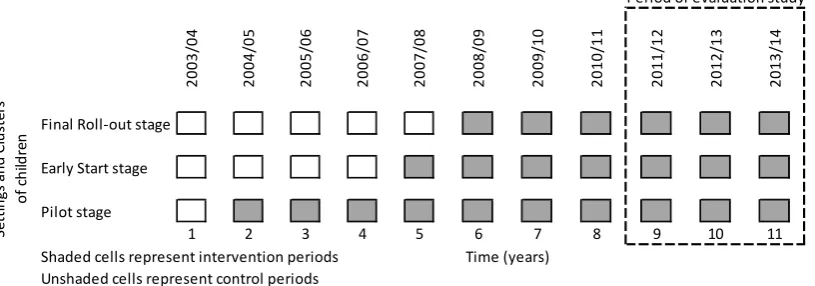
Figure 1: Overview of Stepped Wedge Design for Evaluating the Foundation
Phase...9
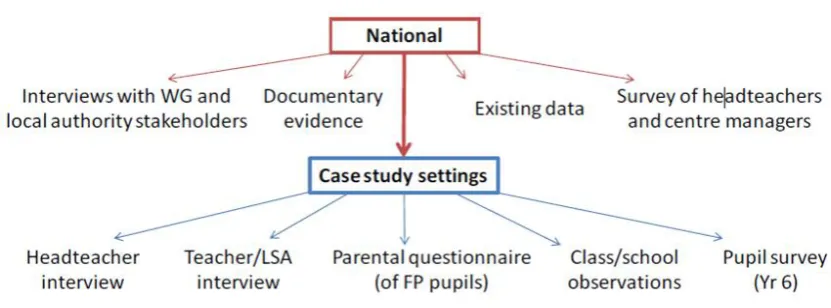
Figure 2: Design and Main Elements of Evaluation ...11
Figure 3: Evaluation Website ...49
Index of Tables
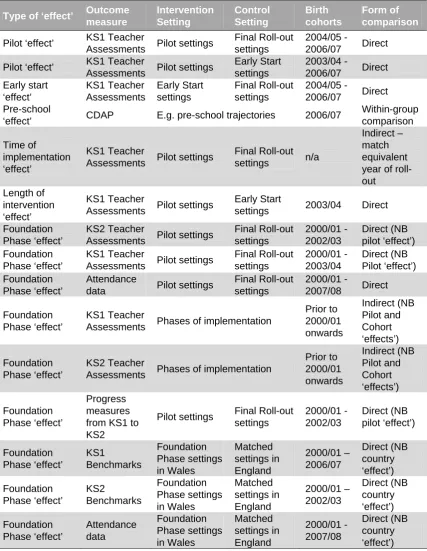
Table 1: Indicative List of Comparisons of Outcome Measures ...14Table 2: Research Associate Appointments ...20
Table 3: Indicative Timeline for Three-Year Evaluation ...30
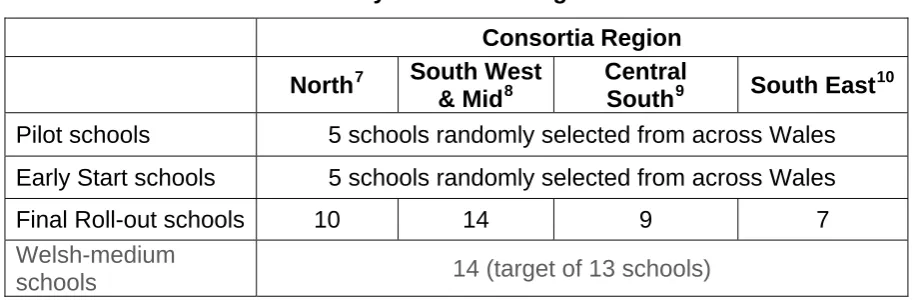
Table 4: Selection of Case Study ‘School Settings’ ...45
Glossary of Acronyms
AWFPA All Wales Foundation Phase Advisors group BERA British Educational Research Association
CD Creative Development
CDAP Child Development Assessment Profile CPD Continuing Professional Development
DECIPHer Centre for the Development and Evaluation of Complex Interventions for Public Health Improvement
ESRC Economic and Social Research Council
Estyn Estyn is the office of Her Majesty’s Chief Inspector of Education and Training in Wales
FP Foundation Phase
FPAs Foundation Phase Advisors
GTCW General Teaching Council for Wales
HE Higher Education
KS1 Key Stage 1 National Curriculum
KS2 Key Stage 2 National Curriculum
KUW Knowledge and Understanding of the World LLC Language, Literacy and Communication Skills
MCS Millennium Cohort Study
MD Mathematical Development
NPD National Pupil Database
PD Physical Development
PLASC Pupil Level Annual Schools Census
PSDWCD Personal and Social Development, Well-Being and Cultural Diversity
PTR Pupil Teacher Ratios
SEN Special Educational Needs
TLA Teaching and Learning Assistants
TSO Training and Support Officers
WLD Welsh Language Development
EXECUTIVE SUMMARY
Introduction and Aims of Report
1. The Foundation Phase is a Welsh Government flagship policy of early years education (for 3 to 7-year old children) in Wales. Marking a radical departure from the more formal, competency-based approach associated with the previous Key Stage 1 National Curriculum, it advocates a
developmental, experiential, play-based approach to teaching and learning. The policy has been progressively 'rolled out' over the last seven years so that by 2011/12 it included all 3 to 7-year-olds in Wales. 2. In April 2011 the Welsh Government, on behalf of Welsh Ministers,
invited tenders for a three-year independent evaluation of the Foundation Phase. Following a competitive tender process, a multi-disciplinary team of researchers, led by Professor Chris Taylor from Cardiff University and the Wales Institute of Social & Economic Research, Data & Methods (WISERD), were appointed to undertake the evaluation in July 2011. 3. The three year evaluation (2011-2014) has four main aims, as outlined by
the Welsh Government in its original research tender specification:
• to evaluate how well the Foundation Phase is being implemented and highlight ways in which improvement can be made (the process evaluation)
• to evaluate what impact the Foundation Phase has had to date (the outcome evaluation)
• to assess the value for money of the Foundation Phase (the economic evaluation)
• to put in place an evaluation framework for the future tracking of outputs and outcomes of the Foundation Phase (the evaluation framework).
Design and Methodology
5. The evaluation employs a stepped wedge design to exploit the sequential roll-out of the Foundation Phase across a number of different schools and settings at different time periods. In particular, much of the evaluation focuses on comparing successive cohorts of children who have been through three sets of school settings at different stages of the
implementation (the Pilot Stage, the Early Start Stage and the Final Roll-out Stage). This allows us to compare clusters of children who received the Foundation Phase against control clusters of children who did not receive the Foundation Phase from within the same cohort. It also allows us to model the effect of time of the Foundation Phase on its
effectiveness and model the effect of length of the Foundation Phase on effectiveness.
6. The evaluation utilises a wide range of data and evidence, both quantitative and qualitative, and based on primary data collection and using existing administrative data. Data is collected at a national level and at the level of 40 individual case study schools.
7. The main elements of the evaluation include: documentary analysis of Foundation Phase documentation that outline policy development, delivery and guidance materials for practitioners; interviews with Welsh Government policy officials and other key national stakeholders; a national survey of head teachers, centre managers and Foundation Phase lead practitioners; interviews with local authority personnel
responsible for the implementation and delivery of the Foundation Phase; analysis of the National Pupil Database and Pupil Level Annual Schools Census; and Case Study visits – that include interviews with head teachers, teachers and Teaching and Learning Assistants (TLAs), classroom observations (from reception to Year 2 classes), parental questionnaire, and a survey of Year 2 children.
Organisation and Administration
and includes representatives from the Department for Education and Skills (DfES), including colleagues responsible for the Foundation Phase, and colleagues from Knowledge and Analytical Services in the Welsh Government. This group also includes representatives from Estyn and local authorities.
9. The second advisory group, Evaluation Team Advisory Group, is independent of the Welsh Government and includes a number of head teachers, practitioners, representatives from the non-maintained sector, parents/carers and key academics from the HE sector.
Summary of Progress
10. During Stage I of the evaluation, a number of key outcomes have been produced. These include:
• Policy Logic Model and Programme Theory – this report is designed to aid the further design and progress of the evaluation, by identifying what might be termed the ‘official discourse’ of the Foundation Phase as outlined by the Welsh Government. This report outlines and
describes the context for the introduction of the Foundation Phase, its
aims, its educational rationale (including the underpinning theoretical
approach and suggested pedagogy), its inputs (including its statutory
curriculum),its processes and activities, and its intended outcomes.
• Stakeholder Interviews (Welsh Government officials, Local Authority Foundation Phase Advisors, Training Support Officers) – in the first year this has primarily focussed on the original implementation of the Foundation Phase and the role of local authorities in its development and roll-out. This includes interviews with 19 Foundation Phase
Advisors and 17 Training and Support Officers. These interviews have demonstrated general support for the Foundation Phase and its initial inception, as well as outlining the involvement of local authorities in its implementation. However, these also identified that there have been varying interpretations and attitudes towards the Foundation Phase amongst schools and head teachers, which, these stakeholders believe, is related to variation in the degree of successful
about other possible contradictory or moderating educational policies by the Welsh Government that may lead to some perceived ‘dilution’ of the Foundation Phase potential benefits.
• Analysis of the National Pupil Database – this report is primarily concerned with a comparison of children who followed the Foundation Phase in its early inception (at either Pilot Stage or Early Start Stage schools) with other children who were still following the Key Stage 1 (KS1) National Curriculum at that time. Our analysis examines the relationship between the Foundation Phase and school attendance, teacher assessments at the end of the Foundation Phase or KS1, and teacher assessments at the end of Key Stage 2 (KS2). This
demonstrates the uneven distribution of pupil characteristics in the early Foundation Phase schools, which in turn helps to explain some of the apparent higher levels of school attendance and lower
achievement of pupils in the early years of the Foundation Phase. After controlling for these issues we report a mixed picture for the Foundation Phase. On the one hand the presence of the Foundation Phase is associated with higher levels of unauthorised absence during Years 1 and 2 of schools, but on the other hand there is the suggestion that pupils from the Foundation Phase make greater
progress from the Foundation Phase to KS2 assessments than similar pupils from KS1 to KS2 assessments.
11. The first year of the evaluation also involved the detailed development, sampling and piloting of research tools for the case study visits for Stage II of the evaluation.
12. Also throughout the first year of the evaluation we have been promoting the study through its own dedicated website
www.wiserd.ac.uk/foundationphase, through attendance at the Welsh Government’s Foundation Phase Conferences for head teachers and practitioners, giving regular updates at the meetings of the All Wales Foundation Phase Advisors group, and at a number of academic conferences.
1 Introduction to Evaluation
1.1. The Foundation Phase appears to mark a radical departure from the more formal, competency-based approach to early childhood
education that has sometimes been associated with the National Curriculum. Drawing on evidence from good early years programmes in Scandinavia, Reggio Emilia and New Zealand (Te Whãriki) that indicate the adoption of an overly formal curriculum and extensive formal teaching before the age of six or seven can result in lower standards of attainment in the longer term, it promotes an experiential, play-based approach to learning for children aged 3 to 7-years-old. It emphasises the centrality of the child and the significance of children’s wellbeing and advocates a balance of child-initiated and practitioner-directed (or practitioner-initiated) activities within stimulating indoor and outdoor environments.
1.2. In April 2011 the Welsh Government, on behalf of Welsh Ministers, invited tenders for a three-year independent evaluation of the Foundation Phase. Following a competitive tender process, a multi-disciplinary team of researchers led by Cardiff University and in conjunction with the Wales Institute of Social & Economic Research, Data & Methods (WISERD) were appointed to undertake the evaluation in July 2011. The cost of the evaluation is £986,500.
1.3. The research team of applicants included leading experts in their respective fields and from a number of different universities in Wales and England:
• Professor Chris Taylor (Director) (Cardiff University and WISERD)
• Professor Trisha Maynard (Co-director) (Canterbury Christ Church University)
• Professor Laurence Moore (Cardiff University and DECIPHer)
• Professor Sally Power (Cardiff University and WISERD)
• Professor Ian Plewis (University of Manchester)
• Mr Rhys Davies (Cardiff University and WISERD)
1.4. The evaluation began in August 2011 and is due to be completed by July 2014.
1.5. The evaluation employs a stepped wedge design to exploit the sequential roll-out of the Foundation Phase across a number of different schools and settings at different time periods. In particular, much of the evaluation will focus on comparing successive cohorts of children who have been through three sets of school settings at
different stages of the implementation: Pilot Stage settings (22 schools and 22 funded non-maintained settings began introducing the
Foundation Phase in 2004/05, one of each type selected from each local authority in Wales), Early Start Stage settings (a further 22 schools and 22 funded non-maintained settings began introducing the Foundation Phase in 2006/07, one of each type from each local
authority in areas where Flying Start was operating); and Final Roll-out Stage settings (all remaining schools and funded non-maintained settings began introducing the Foundation Phase in 2009/10). The evaluation also utilises a range of methods to ensure it captures as many aspects of the implementation, delivery and impacts of the Foundation Phase programme.
Aims and Objectives of the Evaluation
1.7. The three-year evaluation (2011-2014) has four main aims, as outlined by the Welsh Government in its original research tender specification:
• to evaluate how well the Foundation Phase is being
implemented and highlight ways in which improvement can be made (the process evaluation)
• to evaluate what impact the Foundation Phase has had to date
(the outcome evaluation)
• to assess the value for money of the Foundation Phase (the economic evaluation)
• to put in place an evaluation framework for the future tracking of outputs and outcomes of the Foundation Phase (the evaluation framework).
1.8. The Process Evaluation is primarily concerned with evaluating the implementation of the Foundation Phase. Using a stepped wedge design1, we hope to evaluate a number of important processes and implementation ‘effects’ that will aid our understanding of the
implementation of the initiative. This is important for three main reasons. First, previous evaluations of the Foundation Phase have highlighted the variability of implementation between settings, hence recognising the impact this will have on the findings from the Outcome Evaluation. Second, identifying processes or implementation ‘effects’ will help us understand better a number of the outcomes presented below. Third, and finally, it is precisely these kinds of findings that will assist us in offering recommendations to the Welsh Government in the delivery of the Foundation Phase across Wales and highlight areas of priority for future monitoring or evaluation (assisting us in the
development of a future Evaluation Framework).
1
1.9. The Outcome Evaluation is primarily concerned with the outcomes or impacts of the Foundation Phase on the capabilities of children in the Foundation Phase. However, as has been discussed in 1.8, there will also be a number of outcomes due to the implementation of the Foundation Phase that can be considered as beneficial outcomes to the education system or schooling experience that extend beyond the confines of pupil achievement. These include changes to the
organisation of staffing, the impact of school infrastructure, Continuing Professional Development (CPD) amongst teaching staff, etc. Similarly there are a wide range of outcome measures we will attempt to draw upon, reflecting as many of the Areas of Learning that the Foundation Phase intends to deliver. However, we outline here the general
framework for statistical analysis that will be employed in the analysis of these outcome measures and identify the main comparisons from which we expect to identify any Foundation Phase ‘effect’ on children’s disposition to learning, their wellbeing and their attainment. In all
instances, we are not only interested in the differences in outcome measures but also the levels of variation (or inequalities) in outcomes.
1.10. The literature clearly points to the benefits of quality early years education in later educational attainment and skills development. Heckman (2008), for example, has shown that the returns to education are highest at primary school level, and particularly for disadvantaged children who do not receive large levels of parental investment early in life. However, it is important to attempt to assess the value for money of the Foundation Phase approach in particular in relation to the ‘three Es’ – Economy, Efficiency and Effectiveness.
economic success. The need for additional skills and better training is seen as essential to improving the long-term performance of Welsh businesses and the Welsh economy.
1.12. Consequently, the Economic Evaluation is probably the most difficult to undertake since there are no comparable early years programmes in Wales to undertake a full cost-benefit analysis. We hope to draw upon historical data (at national and/or local case study level) and intend to collect financial data from head teachers and centre managers. These will be used to produce a costs and consequences analysis2, which will relate the apparent costs of the Foundation Phase to a range of
outcomes. Although such analysis is not evaluative in the sense of informing technical or allocative efficiency, it is the most common form of economic study in such situations. Costs will be determined using standard economic methods, and based on, among other things, staffing costs and capital expenditure that are perceived to have been incurred since the introduction of the Foundation Phase. In contrast to the common assumptions about the additional costs of a new
intervention or programme, we will purposefully seek to identify whether there may have been any cost savings (directly or indirectly) related to the Foundation Phase in other ways/areas, in order to determine a true net cost of the programme.
1.13. The final key output from the evaluation will be the development of an
Evaluation Framework to support future evaluations of the Foundation
Phase. This will allow for critical reflection of the immediate evaluation and our experiences of it. The evaluation framework will also be designed with sustainability and cost-effectiveness in mind. The evaluation framework is likely to be organised in the following way:
• Programme theory – this exercise will provide a comprehensive overview and mapping exercise of the Foundation Phase
documentation and its specific aims in relation to the immediate
2
evaluation. In particular, this will provide a rationale about what can be evaluated and how frequently it will need to be
evaluated/monitored.
• Monitoring Framework – proposals for the collection and analysis of routine data in relation to the programme theory of the Foundation Phase will be developed. This will be illustrated with examples from the immediate evaluation.
• Detailed Evaluation Framework – to complement the regular
monitoring of the implementation and outcomes of the
Foundation Phase, additional detailed evaluation studies are likely to be required. Again, this particular aspect of the evaluation framework will be mapped on to the programme theory outlined above and will include methodological proposals alongside practical examples for future evaluation.
1.14. It is expected that the evaluation will produce a range of outputs, produced at regular intervals, to disseminate the research and our findings to the Welsh Government, schools, practitioners and the wider public. These will be designed and written with different audiences in mind, and are expected to include:
• an evaluation website for the dissemination of findings and the engagement of interested individuals or stakeholders
• annual reports: including summaries and more detailed research reports
• reports on particular aspects of the Foundation Phase, including examples of good practice
• a typology of implementation based on case studies
• the development of a ‘programme theory’ underpinning the
implementation of the Foundation Phase for the purpose of its evaluation and
1.15. A number of limitations to the evaluation are expected, due to the complexity of the Foundation Phase. For example, the evaluation has not been designed to specifically examine the impact of the Foundation Phase in different types of schools. In particular, we have made no provision here to include Special Schools in our case study settings. Instead, we intend to track children with special educational needs in mainstream schools.
1.16. Another limitation to the design of this evaluation, is that although comparisons can be made between settings in different local
authorities of Wales using existing national data and from our interview data (possibly reflecting different support systems and approaches to implementation of the Foundation Phase in different authorities), we do not intend to make such comparisons in our case study settings. Instead, these are selected by the four different educational consortia regions of Wales to reflect their different geographies. Whilst the case study data may provide insights into the importance (or otherwise) of the local authorities in implementing the Foundation Phase, we do not propose to examine this systematically.
Design and Methodology
1.17. In developing the methodology and research design for this evaluation, a number of considerations relating to the implementation of the
Foundation Phase were influential. These included the following characteristics:
• The Foundation Phase was rolled-out sequentially over time. In this evaluation we therefore distinguish between
schools/settings at three phases of implementation (Figure 1).
• Initial settings (Pilot and Early Start) are regarded as
• Since this research incorporates a process evaluation and outcome evaluation, we are interested in the impact of the Foundation Phase on (i) the educational establishments that have implemented the Foundation Phase (the Settings) and (ii) on pupils who have been educated through the Foundation Phase (the Children).
• The impact of the Foundation Phase on children will largely be
considered and analysed by the school they attend(ed) (the Clusters), although incorporating individual pupil level data. But with individual pupil data we will also be interested in variations in outcomes and experiences of children by other forms of
aggregation (e.g. gender, socio-economic background, ethnicity, home geography, birth cohorts).
• Since the roll-out of the Foundation Phase was not random then neither is the allocation of particular Clusters of children
(dependent on which school/setting they attended). Therefore we will be observant of any Cluster ‘effects’ amongst particular cohorts of children.
• The Foundation Phase is considered to be multi-level (e.g. children, families, classrooms, schools, local authorities) and hence will require multilevel modelling3 as part of the evaluation to consider the inter-relationships between these factors that operate at these different levels.
• A further complication of the evaluation is that children may attend multiple settings during the Foundation Phase,
particularly during the first year of the Foundation Phase (when children are aged 3 to 4-years-old they may have attended one or more pre-school settings and/or other forms of childcare). Although we propose to focus largely on maintained schools for the process evaluation, the outcome evaluation will consider the impact of different pre-school scenarios (maintained and non-maintained) on children’s outcomes.
3
• An important feature of the Foundation Phase is to reduce inequalities in social and educational outcomes. Therefore the evaluation will be equally concerned with variations in
implementation and outcomes as much as the ‘mean’ outcomes.
• The Foundation Phase is intended to lead to improvements in a wide range of Areas of Learning4 and child development. This evaluation will therefore examine where possible the impact of the Foundation Phase in a wide range of ways based on all Areas of Learning in the Foundation Phase and not just on literacy and numeracy skills.
• The early evaluation of the Pilot Stage (Siraj-Blatchford et al. 2005, 2007) largely focussed on schools/settings. We believe that a full and complete evaluation of the Foundation Phase must also consider the role and views of other key stakeholders relating to the implementation, delivery and impact of the
[image:18.595.99.507.496.639.2]Foundation Phase. These include national policy-makers, local authority personnel, parents/carers and the children themselves.
Figure 1: Overview of Stepped Wedge Design for Evaluating the
Foundation Phase 200 3/ 04 200 4/ 05 200 5/ 06 200 6/ 07 200 7/ 08 200 8/ 09 200 9/ 10 201 0/ 11 201 1/ 12 201 2/ 13 201 3/ 14
Final Roll‐out stage
Early Start stage
Pilot stage
1 2 3 4 5 6 7 8 9 10 11
Shaded cells represent intervention periods Time (years) Unshaded cells represent control periods
Each cell represents a possible data collection point
Period of evaluation study
Se tt ing s an d Cl u ste rs of ch ild ren 4
1.18. The overarching structure of this evaluation follows a stepped wedge design (Brown and Lilford 2006; Hussey and Hughes 2007). This exploits the sequential roll-out of the Foundation Phase across a
number of schools/settings at three different phases of implementation, referred to as Pilot, Early Start, and Final Roll-out settings (see Figure 1). This allows us to compare clusters of children who received the early introduction of the Foundation Phase against control clusters of children who did not follow the Foundation Phase from within the same cohort. This contributes to the outcome evaluation.
1.19. The stepped wedge design also allows us to model the effect of time of the Foundation Phase on its effectiveness and model the effect of length of roll-out on effectiveness. These aspects of the design will contribute to the process evaluation and the outcome evaluation. However, it must be noted that the order in which settings and children received the Foundation Phase at different stages of its introduction is not entirely clear and may not have been entirely random. Therefore, and of critical importance to the outcome evaluation, this approach will allow us to consider whether there has been a Pilot ‘effect’ (or Early Start ‘effect’). This will help test the robustness of any comparison made between settings and children involved in the early phases of the Foundation Phase. Additional steps will also be taken in comparing settings and children to limit or consider the impact of contamination from Pilot clusters and other Control clusters.
1.20. The evaluation utilises a wide range of data and evidence, both quantitative and qualitative, and based on primary data collection and using existing data (administrative and other). Some of this data will be collected at a national level, but with more detailed data at the level of individual case study schools. Figure 2 outlines the main structure of the evaluation and its main elements for data collection. Chapter 3 provides more information about timings and the evaluation’s
1.21. Data will be collected in three stages during the course of the
[image:20.595.90.506.253.407.2]evaluation: Stage I (Jan 2011-Sept 2012); Stage II (Sept 2012-June 2013); and Stage III (Sept 2013-April 2014). It should be noted that the data collection requirements of Stage II and III are, at this point in the evaluation, only indicative and may change during the course of the evaluation.
Figure 2: Design and Main Elements of Evaluation
Stage I
1.22. Stage I of the evaluation has now largely been completed (see Chapter 4 for more details). However, what follows is an outline of the original design for Stage I of the evaluation.
1.23. Documentary evidence relating to the design, delivery and
implementation of the Foundation Phase: This encompassed a wide
range of materials, such as policy documents, guidance documents, training materials and curriculum materials. A theoretical framework was developed to analyse the extant documentation. This analysis has been primarily used to develop the initial Policy Logic Model and
Programme Theory for the Foundation Phase (see Chapter 4 for more information).
1.24. A national survey of head teachers, centre managers and Foundation
collected information on, and responses to, staff qualifications, staff-pupil ratios, use of classroom assistants, use of outdoor environments, stumbling blocks to implementation, financial expenditure, obstacles to implementation, attitudes towards the Foundation Phase. This survey was paper-based and was circulated to all head teachers and
Foundation Phase lead practitioners in Wales in June 2012 (see Chapter 4 for more details).
1.25. Interviews with key Welsh Government and local authority personnel: this invited participants to discusssupport for teachers, Welsh-medium provision in the Foundation Phase, monitoring and evaluation
strategies, and data sharing. Many of these interviews were undertaken during the first year of the evaluation (see Chapter 4 for more details). This collection of interviews may be expanded to other educational organisations, such as Estyn, teacher training providers, and the
GTCW, following initial findings. This will be explored during Stage II of the evaluation.
1.26. Another major part of the evaluation will be to collate and analyse existing data in relation to the implementation and possible impact of the Foundation Phase. The main sources of data are the Pupil Level Annual Schools Census (PLASC) and the National Pupil Database (NPD), obtained from the Welsh Government. In particular, this examines the following:
• Key Stage 1 teacher assessment data – this allows for a
comparison between schools based on their respective phase of implementation.
• Key Stage 2 teacher assessment data – this allows for a
comparison between schools based on their respective phase of implementation.
1.27. A summary of the analysis of this data is in Table 1. Initial analysis of PLASC/NPD data began in the Stage I of the evaluation, but is expected to continue throughout Stages II and III as data from
subsequent cohorts of children becomes available (see Chapter 4 for more information).
1.28. In addition to data from the PLASC and NPD, the evaluation is also drawing upon data from the Millennium Cohort Study (MCS) – a UK-wide birth cohort study following children born in 2000/01. This includes an over-representative sample of children from Wales and from
disadvantaged areas. Critically, the MCS contains approximately 100 children who attended Foundation Phase pilot schools between 2004 and 2006. Analysis of the MCS provides another opportunity to examine the potential impact of the Foundation Phase on cognitive development. It also provides an opportunity to examine the potential impact of the Foundation Phase on children’s attitudes to learning and other social and emotional wellbeing indicators collected in the MCS.
Stage II and III
1.29. Head teacher interviews in case study schools: this will invite participants to provide more details relating to implementation of Foundation Phase and costs, perception of benefits (or otherwise), direct and indirect impacts on rest of school/setting, support for
schools we will retrospectively identify a number of maintained and funded non-maintained pre-school settings for which supplemental interviews will be undertaken with their corresponding Foundation Phase lead practitioners.
Table 1: Indicative List of Comparisons of Outcome Measures
Type of ‘effect’ Outcome measure Intervention Setting Control Setting Birth cohorts Form of comparison
Pilot ‘effect’ KS1 Teacher
Assessments Pilot settings
Final Roll-out settings
2004/05 -
2006/07 Direct
Pilot ‘effect’ KS1 Teacher
Assessments Pilot settings
Early Start settings
2003/04 -
2006/07 Direct
Early start ‘effect’ KS1 Teacher Assessments Early Start settings Final Roll-out settings 2004/05 -
2006/07 Direct
Pre-school
‘effect’ CDAP E.g. pre-school trajectories 2006/07
Within-group comparison Time of implementation ‘effect’ KS1 Teacher
Assessments Pilot settings
Final Roll-out
settings n/a
Indirect – match equivalent year of roll-out Length of
intervention ‘effect’
KS1 Teacher
Assessments Pilot settings
Early Start
settings 2003/04 Direct
Foundation Phase ‘effect’
KS2 Teacher
Assessments Pilot settings
Final Roll-out settings 2000/01 - 2002/03 Direct (NB pilot ‘effect’) Foundation Phase ‘effect’ KS1 Teacher
Assessments Pilot settings
Final Roll-out settings 2000/01 - 2003/04 Direct (NB Pilot ‘effect’) Foundation Phase ‘effect’ Attendance
data Pilot settings
Final Roll-out settings
2000/01 -
2007/08 Direct
Foundation Phase ‘effect’
KS1 Teacher
Assessments Phases of implementation
Prior to 2000/01 onwards Indirect (NB Pilot and Cohort ‘effects’) Foundation Phase ‘effect’ KS2 Teacher
Assessments Phases of implementation
Prior to 2000/01 onwards Indirect (NB Pilot and Cohort ‘effects’) Foundation Phase ‘effect’ Progress measures from KS1 to KS2
Pilot settings Final Roll-out
1.30. Teacher/Teaching and Learning Assistants (TLAs) interviews in case
study schools: participants will be invited to discuss their knowledge of
the Foundation Phase, training and development in delivery of the Foundation Phase, attitudes towards benefits (or otherwise) of the Foundation Phase, planning, assessment and monitoring of pupils’ progress, roles of teachers and TLAs, experiences of delivering the Foundation Phase, perception of impact of the Foundation Phase. These interviews will be undertaken during Stage II of the evaluation, with possible follow-up interviews during Stage III of the evaluation.
1.31. Parental questionnaire in case study settings: this will ask parents/carers about their knowledge of the Foundation Phase, attitudes towards the Foundation Phase, and experiences of home-school relationships under the Foundation Phase. This questionnaire will be administered in paper form with an electronic option for
completion. This will be circulated to all parents/carers with children in the Foundation Phase in the case study schools during the second year of the evaluation.
1.32. Class/school observations in case study settings: this will involve identifying the activities of the Foundation Phase, comparison of classrooms across different year groups (e.g. nursery, reception, Y1, Y2), use of indoor/outdoor environments, classroom layout, structure and organisation of the learning environment, role of teachers and TLAs. These observations (comprising the collection of both systematic and unsystematic data) will be undertaken during Stage II of the
study schools to undertake further class/school observations. These will primarily focus on (a) issues of transition into and out of the Foundation Phase, and (b) examples of good and bad practice.
1.33. As part of the tracking of children in the case study settings (see
below), we will retrospectively identify a number of maintained and non-maintained pre-school settings for supplemental observations. These will be undertaken just once, during Stage II of the evaluation.
2 Organisation
and
Administration
2.1 The lead researcher and director of the evaluation is Professor Chris Taylor, based in the Wales Institute of Social & Economic Research, Data & Methods (WISERD) in Cardiff University. Professor Taylor is supported by the co-director, Professor Trisha Maynard (Canterbury Christ Church University). Alongside the director and co-director are a group of senior academics based at various universities in England and Wales that provide necessary support in their respective disciplines and fields of expertise as required. Their involvement in the evaluation is related to different aspects of the evaluation and hence their
contribution to the evaluation when appropriate and at the request of the director and co-director.
2.2 A key component of this additional expertise is in the data analysis proposed to meet the aims of the evaluation. This is largely undertaken by Rhys Davies, based in WISERD (Cardiff University), and is
supported by Professor David Blackaby (Swansea University) with his expertise in economics and Professor Ian Plewis (University of
Manchester) with expertise in multilevel statistical modelling.
2.3 Other support from senior academics is provided by Professor Sally Power (Cardiff University) with expertise in education policy analysis, and Professor Laurence Moore (Centre for the Development and Evaluation of Complex Interventions for Public Health Improvement (DECIPHer, Cardiff University) with expertise in evaluation design.
2.4 The project is supported by a part-time administrator, who is responsible for arranging and providing minutes for all project
protection requirements. The administrator is also primarily responsible for the maintenance of the evaluation website (see below). They also undertake other administrative duties to support the researchers in the project.
2.5 For the evaluation, two additional research associates were appointed to provide further research expertise. They are largely responsible for the data collection – interviews with local authority personnel and case study visits to schools and funded non-maintained settings.
2.6 The research associates are centrally involved in the designing and development of data collection tools, although all decisions and final tools are made by the research team and then with final approval from the Welsh Government.
2.7 This process of approval, although requiring additional time, is necessary because the Welsh Government is the owner and the commissioner of this work and as such needs to sign-off and be aware of all aspects of the evaluation. But it is also designed to minimise the disruption to potential research participants working in the Foundation Phase.
2.8 The core project team of the Director, administrator and research
associates are based together in Cardiff University. They meet together regularly on a fortnightly basis (and via teleconference for other
members of the team outside Cardiff).
2.9 The director of the evaluation provides regular monthly updates to the contract manager for the evaluation at the Welsh Government, Launa Anderson. Regular communication during the first year has been enormously valuable in the development of the evaluation and its constituent research components.
the group from the Department for Education and Skills (DfES), including colleagues responsible for the Foundation Phase, and colleagues from Knowledge and Analytical Services in the Welsh Government. The advisory group also includes representatives from Estyn and local authorities.
2.11 The terms and references for the Foundation Phase Evaluation Advisory group are:
• meet with the evaluation team to discuss the progress of the project and provide suggestions and information to assist them.
• monitor the timing of the project both in terms of ensuring that
major milestones are on track and keeping members up-to-date of major dates of note such as when the baseline assessment data are available.
• provide technical advice and assistance.
• provide up-to-date information on the education and skills policy environment in Wales.
• provide advice and assistance from the perspective of the
schools and the practitioners.
• provide a link between the evaluation and the governance of the Foundation Phase.
• review drafts of reports and research materials as appropriate.
• Ensure that learning from the Foundation Phase evaluation is taken forward in the relevant work areas.
Appointments
2.13 In the original proposal, the evaluators proposed to make two research associate appointments half-way through the first year of the
evaluation. These would be to complement the skills and expertise of the senior research team, and have significant responsibility for the subsequent data collection. Both researchers would have significant research experience, have worked in schools and have completed a research doctorate in education or allied subject. At least one of the two research associates must also be a fluent Welsh speaker.
2.14 Following the recruitment process, two candidates were selected who demonstrated these and other required skills. Unfortunately the only suitable candidate with the necessary skills and Welsh language skills had not at that time completed their PhD. The decision was taken, following consultation with the Welsh Government, that we postpone the appointment of that candidate until September 2012 following the submission of their PhD. A third applicant was then appointed on a short-term basis to assist in the evaluation during the intervening months. Table 2 outlines these appointments.
Table 2: Research Associate Appointments
Name of researcher Start date of
appointment
End date of appointment
Dr Sam Waldron February 2012 August 2014
Dr Robin Smith January 2012 August 2012
Mirain Rhys September 2012 August 2014
Evaluation Team Advisory Group
independent of the Welsh Government. The membership of this Group includes head teachers, practitioners, parents/carers, key stakeholders from the HE sector (including leading academic researchers and Initial Teacher Education providers), and representatives from the non-maintained sector. This Group is chaired by Professor Gareth Rees, Director of WISERD.
2.16 The terms of reference for this group were agreed at its first meeting and are:
• to advise the evaluation team on the implementation of the research evaluation
• to assist the evaluation team in the design of tools and procedures for collecting data
• to provide feedback on the analysis and findings from the evaluation
• to help steer the communication of findings from the evaluation to policy-makers, practitioners and other key stakeholders; and • the Group may be asked to provide reports on the evaluation’s
progress.
2.17 The first meeting of the Evaluation Team Advisory Group was in January 2012 and met again in July 2012. This Group intends to meet twice a year throughout the course of the evaluation. Meetings of this Group are held in confidence, with minutes from the meetings only available to members of the Group5. Separate action points (where necessary) are produced and circulated to the Welsh Government for information.
2.18 This separate and additional advisory group has been particularly useful to the evaluation team in building strong relationships with practitioners in the Foundation Phase. Subsequently, the schools
5
represented by members of the Group have been used to pilot a number of bespoke data collection instruments for the evaluation.
Ethics
2.19 The lead researcher is a member of the British Educational Research Association (BERA), and the evaluation adheres to the BERA 2004 Ethical Guidelines for Educational Research and the BERA Charter for Good Practice in the Employment of Contract Researchers (2001). Prior ethical approval for all components of the evaluation is required within the Research Ethics Framework of Cardiff University and all researchers have been subject to an initial Criminal Record Bureau (CRB) check.
2.20 All aspects of the evaluation require ethical approval from the Cardiff University School of Social Sciences Research Ethics Committee that meets every month. Since many of the data collection tools for the evaluation have had to be developed and designed specifically for the Foundation Phase, ethical approval has been sought in stages,
following final agreement (with the Welsh Government) about the design of the tools.
2.21 An initial request for ethical approval was made in February 2012 that covered Stage I of the research (see above). This included the head teacher and Foundation Phase lead practitioner national survey and interviews with policy officers and local authority practitioners
supporting the Foundation Phase. This first request for ethical approval was approved in March 2012.
parents/carers in the case study settings. Approval for this stage of the evaluation was granted in July 2012.
2.23 In all instances of data collection, information sheets have been
produced (in English and Welsh) informing potential participants about the evaluation and inviting them to participate. Supplemental consent forms or procedures are also provided. These ensure that all
participants involved in the evaluation have given their informed
consent to be involved. All participants are also informed that they may withdraw or decline from participating further and/or have their data removed from the evaluation.
2.24 For the case study classroom observations, separate consent will be sought from the parents/carers of the children. All parents/carers will receive information about the evaluation and how their child will be involved in the research. They are then given the opportunity to remove their child from the evaluation – informed opt-out consent. Opt-in
consent was considered by the evaluation team, but given (a) all observations of children will be anonymous (the researchers will not record the name of the child) and any reporting of the observations will be aggregated (to classrooms and schools) and (b) there is significant potential disruption to the classroom in seeking complete opt-in
consent, this was deemed unnecessary. The Research Ethics Committee agreed and approved the use of opt-out consent.
2.25 It is anticipated that further ethical approval for Stage III of the research, which might collect different kinds of data from case study settings (perhaps video recording) and that need alternative
arrangements for seeking informed consent (and possibly requiring opt-in consent), will need to be sought.
2.26 Additional features of Stage II of the evaluation, such as a pupil survey, which are yet to be designed, will require separate and additional ethical approval as needed during the second year of the evaluation.
2.27 The team adheres to the ethical guidelines for research laid down by the Cardiff University Research Ethics Committee and BERA. All participating schools and respondents will be assured of confidentiality in the presentation of results. No staff will be named individually in reports, and where case study techniques are used particular care will be taken to avoid identification.
2.28 All work will be carried out in accordance with the requirements of the Data Protection Act 1998. The analyses of pupil level data will be presented for cohorts and specific groups and anonymity and confidentiality of individual named data will be strictly observed. In relation to any quantitative data, paper and electronic records linking pupil and parent names to ID numbers will be held separately to the main data. Electronic records will be held on secure
password-protected computer networks. Any paper records will be kept in locked filing cabinets in secure offices.
2.29 In accessing and analysing data from the National Pupil Database, the Welsh Government have provided anonymous individual pupil data with only variables that ensure identification of the individual pupil is not possible. Furthermore, the ID values for each of the records has been prepared only for the use of the evaluation, which ensures it is not possible to link datasets in use by the evaluation team with other National Pupil Database variables obtained for other research purposes.
Website
2.30 The Foundation Phase Evaluation has its own webpages on the WISERD website. The URL link for these pages is:
www.wiserd.ac.uk/foundationphase.
evaluation team, which has its own email address:
2.32 The evaluation’s website contains information on the research team, the design of the evaluation, access to reports and publications (when they begin to be published), and other useful links and resources relating to the Foundation Phase.
2.33 The website also contains a discussion board where anyone may leave comments about the evaluation and/or the Foundation Phase. Although users of the discussion board must register to contribute comments, these can be left anonymously. Reference to the discussion board is made in all publicity material relating to the evaluation, but during the second year of the evaluation we expect to promote this facility, particularly to practitioners and parents/carers, more explicitly.
PhD Studentship
2.34 During the first year of the evaluation, the team were successful in competing for an ESRC-funded PhD research studentship. The
studentship covers tuition fees and provides a stipend to the successful student for three years, starting in September 2012. This is a highly prestigious studentship that will be based in the all-Wales ESRC
Doctoral Training Centre (the student will be registered and supervised in Cardiff University). This also means that the successful student will have access to recognised training and support and will have the opportunity to be part of other ESRC-funded initiatives during the course of the studentship.
Government in outlining the studentship, and this will continue as the doctoral research develops.
2.36 The ESRC studentship was advertised in January 2012 and following interviews the successful candidate, Alyson Lewis, was appointed in March 2012.
3 Programme of Work for Stage I
Summary of Progress
3.1 At the beginning of the evaluation, an indicative timeline of key activities was prepared (Table 3). This included data collection, data analysis and key milestones or outputs. All the activities indicatively listed for the first 12 months of the evaluation have largely been met. Further details about these research activities are provided in Chapter 4 of this report.
3.2 Initially, a policy logic model and an associated programme theory for the Foundation Phase were to be produced towards the end of the evaluation in order to meet its fourth aim: to develop an evaluation framework for the future monitoring and evaluation of the Foundation Phase. However, it was felt that conceptual and theoretical clarity in identifying the aims and rationale, in particular, was needed prior to the collection of new data. These aims and rationale for the Foundation Phase, as defined by the Welsh Government, were seen as critical for the rest of the evaluation because (a) of the complexity of the
programme, and (b) the key finding from the initial pilot evaluation (Siraj-Blatchford et al. 2005) related to variations in interpretation and implementation of the Foundation Phase amongst the pilot settings.
3.3 However, from the outset of the evaluation it was evident that a more detailed and thorough analysis of the documentary evidence relating to the Foundation Phase was required. In agreement with the Welsh Government, it was decided that the evaluation needed to produce a policy logic model early in its development to aid the rest of the evaluation.
analysis of the materials and resources. This review, led by the co-director, Professor Maynard, and with the support of a research assistant, Jennifer Clement, meant that the development of a number of key data collection tools, in particular the interview schedules with Welsh Government and local authority personnel and the national survey of head teachers and Foundation Phase lead practitioners, had to be delayed. This was to ensure that all questions relating to how the Foundation Phase is understood and implemented could be related appropriately to what we have described as the ‘official’ discourse of the Foundation Phase - distinct, for example, from what individuals working within the Foundation Phase think it is or what they think it ought to be. It is against this ‘official’ definition of the Foundation Phase (whether this was intended by original developers of the Foundation Phase or not) that we are continuing to evaluate it against.
3.5 A major consequence of this has been a significant delay in designing and approving the national survey of head teachers and Foundation Phase lead practitioners. Originally, this was meant to be completed within the first six months (i.e. February 2011), but it was not completed until June 2012. This meant that the initial circulation of the survey was not completed until July 2012. A consequence of this is that it has not been possible to undertake any analysis of the survey responses within the first year as initially planned.
3.6 However, the delay to the progress and analysis of the national survey does not have any significant repercussions on the rest of the
evaluation. Instead, analysis of the survey responses will be undertaken during the second year of the evaluation alongside the case study components.
Child Development Assessment Profile (CDAP)
the Child Development Assessment Profile (CDAP) – the tool developed for practitioners in schools to undertake a baseline assessment of the children as they entered the Foundation Phase.
3.8 In the original proposal for the evaluation we said data from the CDAP, which was being used for the first time by all schools during 2011/12, would be used to help track different groups of children based on their prior abilities.
3.9 Given the timescale of the evaluation it was never going to be possible to analyse the ‘progress’ of children, from statutory school age (five years) to their later outcomes (e.g. End of Foundation Phase
Assessments) – this would not have been possible to complete until after 2013/14, when this evaluation is due to finish.
3.10 Consequently, the decision to withdraw the mandatory use of the CDAP has minimal impacts on the evaluation. However, the evaluation team did outline what it perceived to be the implications of this decision to the Welsh Government. In particular, we highlighted that we would now have only limited opportunity to examine the use and
implementation of an on-entry assessment tool, and provide empirical data on its value and importance to the Foundation Phase practitioners – although the decision to withdraw it reflects, to some extent, the rather negative views of the CDAP amongst some practitioners and teaching unions.
3.11 Secondly, this decision also means we will be unable to fully consider the role of an on-entry assessment tool in the development of an evaluation framework for the future monitoring and evaluation of the Foundation Phase.
3.12 Both these concerns, albeit fairly modest, were presented to and discussed with the Welsh Government’s Foundation Phase Advisory Group6.
Table 3: Indicative Timeline for Three-Year Evaluation
Data Collection Data Analysis Key
Milestones/Outputs
6 months
• Begin collating
documentary evidence • National survey of
head teachers and centre managers underway
• Evaluation website established
12 months
• Interviews with key Welsh Government and local authority personnel
• Finalise sourcing of available existing data • Finalise sample of
settings for case study data collection
• Baseline characteristics • Initial analysis of
summary statistics
• Initial findings from national survey of head teachers and centre managers
• End of Year 1
Annual Report
18 months
• Head teacher interviews in case study schools
• Teacher interviews in case study schools • First sweep of
classroom/school observations
• Update existing data with additional data
• Primary and secondary analysis of outcome measures
• Initial findings from interviews with key Welsh Government and local authority personnel
• Programme Theory for Foundation Phase finalised – to provide basis for analysis of outcomes and foundations of future Evaluation Framework 6
24 months
• Second sweep of classroom/school observations
• Parental questionnaire underway
• Pupil survey underway • Update existing data
with additional data
• Tertiary analysis of outcome measures • Multilevel
modelling
• Initial findings from interviews with head teachers and teachers in case study settings
• End of Year 2
Annual Report
30 months
• Third sweep of classroom/school observations • Additional
observations and interviews in pre-school settings • Update existing data
with additional data
• Longitudinal analysis
• Initial findings from parental
questionnaire and pupil survey
36 months
• Refresh analyses using additional existing data and combined
primary data
• End of
Evaluation Final Report
• Evaluation
4 Research
Activities
4.1 In this Chapter, we summarise the main research activities undertaken during the first year of the evaluation.
Documentary Analysis of Foundation Phase Materials and Guidance
4.2 As discussed in Chapter 3, the first research activity to be undertaken was a thorough documentary analysis of all Foundation Phase
materials, documents and guidance published by the Welsh Government.
4.3 The aim of this was to develop an initial policy logic model for the Foundation Phase, primarily to aid the design and progress of the evaluation, by identifying what might be termed the ‘official discourse’ of the Foundation Phase as outlined by the Welsh Government.
4.4 This was achieved through an exploration of the extant documentation relating to the establishment, development and implementation of the Foundation Phase, published by the Welsh Government since
devolution in 1999 and leading up to the beginning of the evaluation in 2011. The main policy document that underpinned this new early years curriculum is the Foundation Phase Framework (Welsh Assembly Government 2008), supported by a series of additional guidance documents.
4.5 In developing a policy logic model for the Foundation Phase, we
attempted to outline and describe the context for the introduction of the Foundation Phase, its aims, its educational rationale (including the underpinning theoretical approach and suggested pedagogy), its inputs
(including its statutory curriculum),its processes and activities, and its intended outcomes.
4.6 A more detailed report outlining the process of analysis, the documents included in the analysis, the resulting policy logic model and associated programme theory, and the conclusions drawn from this work are published separately (Maynard et al. 2013).
Stakeholder Interviews (Welsh Government officials, Local Authority
Foundation Phase Advisors, Training Support Officers)
4.7 The second main research activity during Stage I of the evaluation were interviews with:
• Welsh Government officials, responsible for leading the implementation of the Foundation Phase
• Local Authority Foundation Phase Advisors
• Local Authority Training and Support Officers (TSOs).
4.8 During February and March 2012, interviews were conducted with three participants who were centrally involved in the implementation of the Foundation Phase. The aim of these interviews was to provide a timeline for the design, implementation and roll-out of the Foundation Phase since its inception. All interviews were conducted face-to-face and were audio recorded.
4.9 Although the interviews were very productive in assisting us in
recreating a timeline in the development of the Foundation Phase and in identifying what were considered to be the main current issues relating to the Foundation Phase, they did raise a number of sensitive issues about its development, both in terms of the policy-making process and in establishing the content of the Foundation Phase.
4.11 However, following discussion with the Welsh Government’s Foundation Phase Evaluation Advisory Group, it was felt that the ‘history’ to the introduction and establishment of the Foundation Phase should not be of immediate concern to the evaluation unless it was found that issues relating to its current implementation and delivery could be related back to its policy origins. As a result, the evaluation team decided not to proceed with additional stakeholder interviews surrounding its inception. Instead future stakeholder interviews, which are likely to continue throughout the evaluation as and when
appropriate, will focus on current issues or concerns about the Foundation Phase. Only if it can be demonstrated that the origins of any concerns that may exist now are related back to the policy-making process would we wish to return to this area of focus.
4.12 The next major set of interviews that have been conducted during the first year of the evaluation, have been with the Local Authority
Foundation Phase Advisors (FPAs). There is a designated Foundation Phase advisor in each local authority, typically responsible for all early years education, although for some they can have additional
educational duties and responsibilities. This group meets regularly through the All Wales Foundation Phase Advisors group (AWFPA).
4.13 The aim of these interviews was to gain an understanding of the role that these individuals have had in the delivery of the Foundation Phase and for their perceptions of the successes, challenges and future of the programme. These interviews were also designed to provide a
representation or indication of their wider institutional context at the local authority level.
experiences and anecdotal evidence of the Foundation Phase relating to the programme as a whole, their relationship with the Welsh
Government, the involvement of their respective local authority in the implementation of the Foundation Phase, and their support to
practitioners working in the Foundation Phase.
4.15 In addition to the local authority Foundation Phase Advisors, 17 Training and Support Officers (TSOs) were interviewed. Each local authority receives funds from the Welsh Government to employ one TSO, usually a teacher seconded from within the local authority, to support the FPAs in the training and support of Foundation Phase practitioners in their authority.
4.16 Additional interviews have also been conducted with representatives from the National Child Minding Association (NCMA), the Wales Preschool Providers Association (WPPA) and Mudiad Meithrin.
4.17 Although detailed analysis of these interviews is still underway, and will continue to be developed as we collect other complementary data from schools, a number of key findings are starting to emerge. A more detailed report on these findings will be published at a later point in the evaluation but we provide a summary of the initial findings.
4.18 Almost all participants talked positively about the Foundation Phase, and many of the FPAs felt that it matched their ideas of ‘good practice’. Indeed, FPAs talked positively about the initial inception of the
Foundation Phase and felt that they had a good understanding of the ‘vision’ of the new curriculum and approach. Similarly, the FPAs and TSOs reported having been very proactive in developing the
4.19 However, FPAs and TSOs identified the need for effective and continuous communication with schools in helping to define and understand the Foundation Phase. Indeed, they all acknowledged the varying interpretations and attitudes of the Foundation Phase, and how that appeared to influence practice in schools and classrooms. They felt it was essential that schools and practitioners received clear and consistent messages about the Foundation Phase.
4.20 It became evident that ‘successful’ implementation of the Foundation Phase varied between local authorities. It was also noted that there had been relative differences in the successful implementation of the Foundation Phase between the maintained and non-maintained
sectors. This appeared to be largely due to the relatively ‘decentralised’ approach to its implementation and support. They maintained,
therefore, that the only real ‘national’ influences on practitioners were the initial training modules – which were generally well received. Consequently, this highlights the significance of the way in which the Foundation Phase has been interpreted by various professionals and practitioners. In particular, it was reported that ‘play’ – a key defining factor of the Foundation Phase according to FPAs – had been
misinterpreted by practitioners. According to the FPAs, this was largely as a result of the use of the term in the original Foundation Phase documentation produced by the Welsh Government.
and Learning Assistants (TLAs) were also deemed important to its implementation.
4.22 Generally, the most common area of support provided by the FPAs and TSOs to schools and practitioners, was in helping them to find a
balance between ‘child-initiated’ and ‘adult-directed’ activities. The significance of the differences between these two pedagogical approaches has already been highlighted in our report on the policy logic model and programme theory for the Foundation Phase (Maynard
et al. 2013).
4.23 Overall it was felt that the Foundation Phase has had a significant impact on practitioners in Wales; particularly in confirming what many already believed to be, existing, ‘good practice’. There was also strong support for what advisors felt was a pedagogical approach that is sensitive to the developmental needs of children.
4.24 However, it was also acknowledged that there may now be an
additional burden on teachers, particularly in the management of other adults in the classroom. This is a consequence of the growth in the number of TLAs resulting from the Welsh Government’s support for new (higher) adult-to-child ratios in the Foundation Phase.
practitioners to ‘fall back’ on formalised teaching and learning
approaches, effectively abandoning the Foundation Phase for at least part of the school day.
Survey of Head Teachers and Foundation Phase Lead Practitioners
4.26 Another major feature of the first year of the evaluation was a national survey of head teachers and Foundation Phase lead practitioners in primary schools and other funded non-maintained settings. Originally the survey, available in English and Welsh, was to be designed, circulated and analysed during the first year of the evaluation. However, for reasons already discussed in Chapter 3, this has not been fully achieved. Instead, the survey was only circulated towards the end of June 2012 and early July 2012. This gave respondents only a limited time to complete the survey and return it to the evaluation team before the end of the 2011/12 school year and resulted in only a 15% response rate from schools and a slightly higher response rate from the funded non-maintained sector. Therefore, the survey was re-circulated to all non-respondents at the beginning of the 2012/13
school year in an attempt to increase the response rate. This increased the response rate to 25% at the time of writing. Analysis of the findings from the survey will be undertaken during Stage II of the evaluation.
4.27 Obviously, one of the main reasons for the initial low response rate was the timing of its circulation, both in terms of its proximity to the summer holidays but also because this is a busy time of the year for schools. Hopefully re-circulating the survey at the beginning of the Autumn Term may help to alleviate this problem. However, some head teachers have reported to us that we should expect a low response because of a general reluctance to participate in research, a position that is supposedly advocated by teaching unions. Despite this concern, we have not encountered any reluctance with schools where we already have a working relationship (e.g. schools represented on the