ONKNOWLEDGE REGARDINGIDENTIFICATION OF BREAST
FEEDING RELATED PROBLEMS AND ITS MANAGEMENT
AMONG POSTATAL MOTHERS IN SELECTED HOSPITALS,
MADURAI.
Reg.No: 301221753
A DISSERTATION SUBMITTED TO THE TAMILNADU DR.M.G.R.
MEDICAL UNIVERSITY, CHENNAI, IN PARTIAL FULFILLMENT
OF THEREQUIREMENT FOR THE DEGREE OF
MASTER OF SCIENCE IN NURSING
This is to certified that the dissertation entitled “
EFFECTIVENESS
OFSTRUCTURED TEACHING PROGRAMMEON KNOWLEDGE
REGARDING IDENTIFICATION OF BREAST FEEDING PROBLEMS
AND ITS MANAGEMENT AMONG POSTNATAL MOTHERS IN
SELECTED HOSPITAL AT MADURAI”
is submitted to the faculty of
Nursing,
The Tamilnadu Dr. M.G.R Medical University,
Chennai by
M
iss.S.Sherlin
in partial fulfillment of the requirement for the degree
ofMaster of Science in Nursing. It is the bonafide work done by her and
the conclusions are herown. It is further certified that this dissertation or
any part thereof has not formed the basis for award of any degree,
diploma or any titles.
Prof.G.Thilagavathy,M.Sc(N),MBA,Ph.D,
Principal& Head of the Department of Community Health Nursing,
RASS Academy College of Nursing,
Poovanthi,
PROGRAMMEON KNOWLEDGE REGARDING
IDENTIFICATION OF BREAST FEEDING PROBLEMS AND
ITS MANAGEMENT AMONG POSTNATAL MOTHERS IN
SELECTED HOSPITALS, MADURAI.
APPROVED BY THE DISSERTATION COMMITTEE ON MARCH 2013
1. RESEARCH GUIDE : ___________________________________
Prof.G.THILAGAVATHY,M.Sc(N),MBA,Ph.D, Principal& HOD of Community Health Nursing, RASS Academy College of Nursing,
Poovanthi, Sivagangai Dist-630611.
2. CLINICAL GUIDE : ___________________________________
Asso. Prof. Ms.J.AMALANAMBIKKAI, M.Sc(N), HOD of Obestrics & Gynaecological Nursing, RASS Academy College of Nursing,
Poovanthi, SivagangaiDist
3. MEDICAL EXPERT : ____________________________________
Dr.INDIRA RAJA,DGO,FAMS., Infant Jesus Hospital
Madurai.625001.
A DISSERTATION SUBMITTED TO THE TAMILNADU
DR.M.G.R. MEDICAL UNIVERSITY, CHENNAI, IN
PARTIAL FULFILMENT OF THEREQUIREMENT FOR
“Give thanks to the lord, for his mercy endureth forever.” -Psalms 118:29
Feeling gratitude and not expressing it is like wrapping a present and not giving it. To speak gratitude is courteous and pleasant, to enact gratitude is generous and noble, but to live gratitude is to touch heaven.
I thank you, Lord, for your wonderful blessings on my way; I will be grateful and praise you every day.”
Foremost thanks to GOD ALMIGHTY whose open arms strengthened me to move forward when I was faint weary.
I would like to extend my sincere thanks to Mr.C.Ravisankar,Chairman, RASS Academy college of Nursing, Poovanthi for his support and for providing the required facilities for the successful completion of this study.
I extent my heartfelt and sincere thanks to my research guide Prof.G.Thilagavathi,M.sc(N),MBA,Ph.D ,Principal, RASS Academy college of Nursing, Poovanthi for a deniable work,interest,cheerfulapproach,always with never ending willingness to provide expert guidance and suggestion to mould this study to the present form.
I extend my heartfelt and sincere thanks to my medical guide My deep sense of gratitude to Dr.INDIRA RAJA, DGO,FAMS., Infant Jesus Hospital, for her help, valuable guidance and encouragement which enabled me to accomplish this task.
I place on record of my sincere thanks to my Clinical Specialist Guide Asso.Prof.J.AmalaNambikkai, M.Sc(N), HOD of Obstetrics & Gynecological Nursing, RASS Academy College of Nursing, Poovanthi for her expert opinion, guidance, valuable suggestions and untiring help to mould this study in successful way.
I sincerely express my warmest thanks to my guide Asso.Prof.R.Sutha, M.Sc(N).,HOD of Obstetrics and Gynecological, Asso.Prof.R.N.K.Vasugi, M.Sc(N), MBA., HOD of Medical-Surgical Nursing, RASS Academy College of Nursing, Poovanthi for her expert opinion, guidance, hard work, effort, interest and valuable suggestions and untiring help to mould this study in successful way.
My deep sense of gratitude to Asso.Prof.RuthRani, M.Sc(N).,HOD of Mental health Nursing, Asso.Prof.UmaMaheshwari,M.Sc(N)., Community Health Nursing, Asso.Prof.PremaSathyamoorthy, M.Sc(N), MBA.,HOD of Child Health Nursing, Asso.Prof.Sangeetha,M.Sc(N)., Mental health Nursing, Mrs.Saranya,M.Sc(N)., (Lecturer) Department of Obstetrics and Gynecological. Nursing, RASS Academy College of Nursing for their cheerful approach, as their hands out stretched always with never ending willingness to provide guidance and suggestions.
MySincerethanksDr.Varadharajan,M.Sc,M.Phil,.Ed,Ph.D(Edn).,tatistician,P rofessorof Psychology, RASS Academy College of Nursing, Poovanthi. For his help in the statistical analysis of the data which is core of the study.
I am pleased to convey profound thanks to Staff of Booma hospital who have given me a great support, and helped a lot for completion of data collection of this study.
I extended my special thanks to all post-natal mothers who participated in the study.
I am thankful to Mrs.Brindha, M.Sc.,M.Li.Sc.,M.Phil., Librarian, RASS Academy College of Nursing, for extending helpful support throughout the project.
I express my lovable thanks to My Friends 2012-2013 Batch, who joined my hands in the pathway of research.
Faculty of RASS Academy College of Nursing, for their continuous help in finishing this work successfully.
I would like to acknowledge the efforts of my friends and classmates for their encouragement and support all through my ups and downs during my study.
I express my sincere thanks to my beloved My Parents Mr. N. Stantly Sumathy Mrs.P.Sumathy Stantly, My brother Mr.S.Stalin, My Uncle Mrs.C.Mascelamani, and family members for their blessings, support and encouragement in my research.
Finally I dedicate this study to my beloved sister Ms.S.ReenaB.Sc(N).,For his encouragement, joy, hope and love instilled in me that made this work a reality.
CHAPTER TITLE PAGENO ABSTRACT
I INTRODUCTION 1-20
Need for the Study 10
Statement of the Problem 15 Objectives of the Study 15
Operational definitions 15
Hypotheses 16
Assumptions 17
Limitations 17
Conceptual Framework 17
II REVIEW OF LITERATURE 21-33
III METHODOLOGY 34-38
Research Approach 34
Research Design 34
Setting of the Study 35
Study Population 35
Sample of the Study 35
Sample Size 35
Sampling Technique 35
Criteria for sampling Selection 35 Research tool and technique 36
Content Validity 37
Reliability 37
Pilot Study 37
Method used for data collection 37
Statistical Analysis 38
IV DATA ANALYSIS AND INTERPRETATION 39-61 V DISCUSSION,SUMMARY, CONCLUSION, 62-68
IMPLICATIONS& RECOMMENDATIONS
REFERENCES 69-73
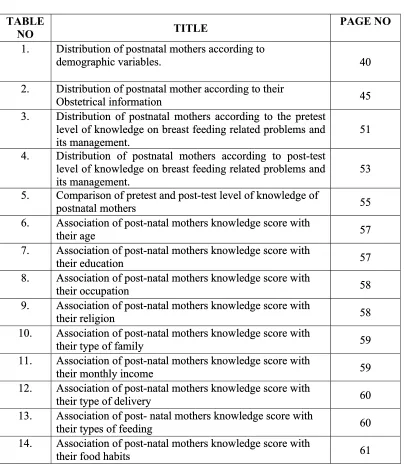
TABLE
NO TITLE
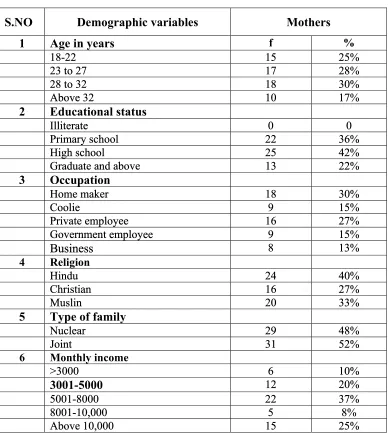
PAGE NO 1. Distribution of postnatal mothers according to
demographic variables. 40
2. Distribution of postnatal mother according to their
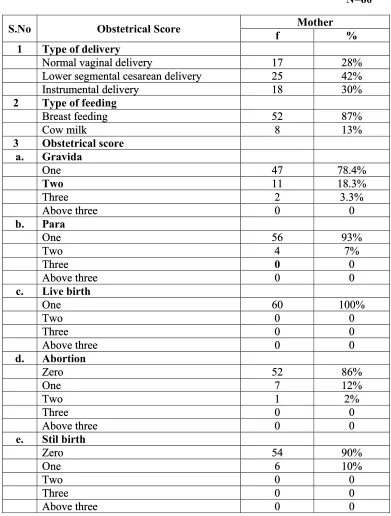
Obstetrical information 45 3. Distribution of postnatal mothers according to the pretest
level of knowledge on breast feeding related problems and its management.
51
4. Distribution of postnatal mothers according to post-test level of knowledge on breast feeding related problems and its management.
53
5. Comparison of pretest and post-test level of knowledge of
postnatal mothers 55
6. Association of post-natal mothers knowledge score with
their age 57
7. Association of post-natal mothers knowledge score with
their education 57
8. Association of post-natal mothers knowledge score with
their occupation 58
9. Association of post-natal mothers knowledge score with
their religion 58
10. Association of post-natal mothers knowledge score with
their type of family 59
11. Association of post-natal mothers knowledge score with
their monthly income 59
12. Association of post-natal mothers knowledge score with
their type of delivery 60 13. Association of post- natal mothers knowledge score with
their types of feeding 60 14. Association of post-natal mothers knowledge score with
[image:8.612.123.527.86.553.2]FIGURE
NO TITLE
PAGE NO
1. Conceptual framework based on J.N.Kenny’s open system model.
20
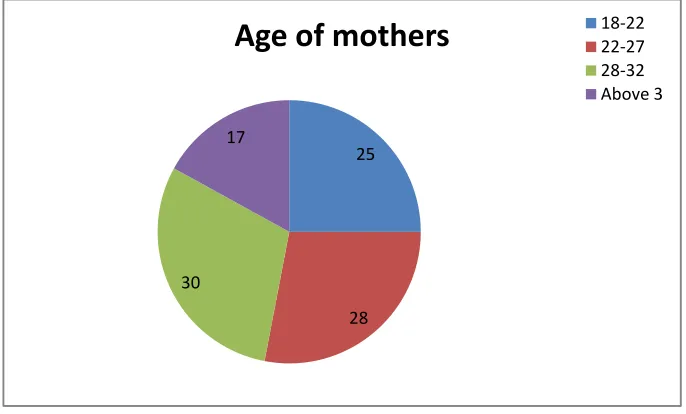
2. Distribution of mothers according age 42
3. Distribution of mothers according to Education Status 42
4. Distribution of mothers according to occupation 43
5. Distribution of mothers according to religion 43
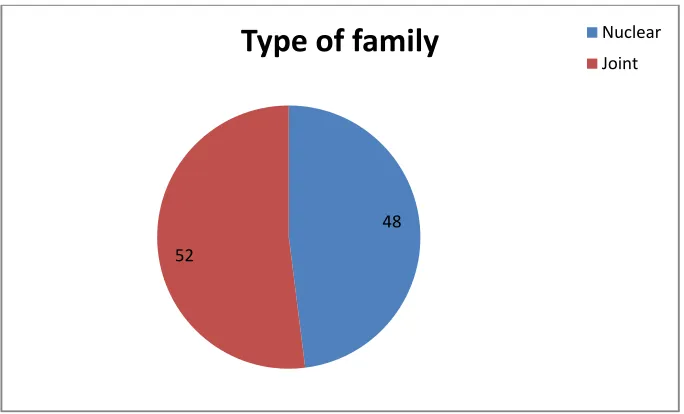
6. Distribution according to type of family 44
7. Distribution according to Total monthly income 44
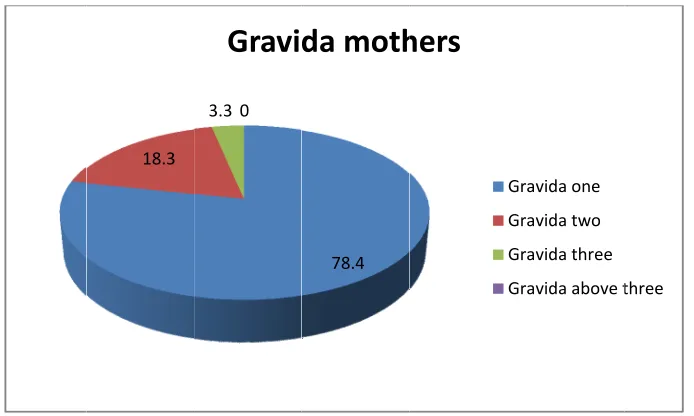
8. Distribution of mothers according to Type of Delivery 47 9. Distribution of according to Type of Feeding 47 10. Distribution of mothers according to gravida
postnatal mothers 48
11. Distribution of according to para postnatal
mothers 48
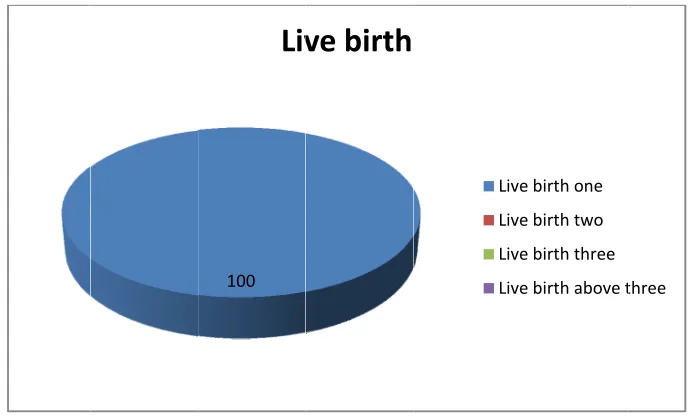
12. Distribution of according to Live birth post-natal
mothers 49
13. Distribution of according to Abortion post-natal
mothers 49
14. Distribution of according to Still birth postnatal
mothers 50
15. Distribution of according to food habits of the
mothers 50
16. Distribution of post-natal mothers according to
The pre-test level of knowledge 52 17. Distribution of post-natal mothers according to
The post-test level of knowledge 54 18. Distribution of post-natal mothers according to
APPENDIX NO
TITLE PAGE NO
I Semi-structured questionnaire to assess the knowledge on breastfeeding related problems and its management -English.
74-83
II Health teaching -Lesson plan on breastfeeding
related problems and its management- English. 84-96
III Semi-structured questionnaire to assess the knowledge on breastfeeding related problems and its management -Tamil.
97-103
III Health teaching -Lesson plan on breastfeeding
related problems and its management-Tamil 104-117
IV Copy of letter seeking permission to conduct the study
118-120
V Copies of certification of content validity 121-125 VI Picture for breast feeding problems
126-127
VII Photos
128-129
ABSTRACT
The study on “EFFECTIVENESS OF STRUCTURED TEACHING PROGRAMMEON KNOWLEDGE REGARDING IDENTIFICATION OF BREAST FEEDING PROBLEMS AND ITS MANAGEMENT AMONG POSTNATAL MOTHERS IN SELECTED HOSPITAL AT MADUAI” was undertaken by Reg.no.301221753 during the year 2012-2014 in partial fulfillment for the degree of Master of science in Nursing at RASS Academy College of Nursing, Poovanthi which is affiliated to the Tamilnadu Dr.M.G.R.Medical University, Chennai.
Objectives
1. To assess the pre- test knowledge score regarding breast feeding related problems and it’s management among postnatal mothers.
2. To assess the effectiveness of structured teaching programme on knowledge of postnatal mothers of breast feeding related problems and its and management.
3. To find the association between pre-test knowledge score regarding breast feeding related problems and its management with their selected demographic variables.
Conceptual framework
The study was based on J.N.Kenny’s open system model.
Design
The design used was the pre experimental-one group pre-test and post-testdesign
Settings
The study was conducted in Booma Hospital at Madurai.
structuredteaching on knowledge regarding breast feeding related problems and its management was given.
Results
The results shown there was a significant difference in knowledge on breast-feeding related problems and its management before and after structured teaching among post-natal mothers.
Conclusion
CHAPTER-I
INTRODUCTION
“Breastfeeding is a mother’s gift, to herself, her baby and earth”.
-Pamela K. Wiggins BACKGROUND OF THE STUDY
Breast milk is widely acknowledged as the most complete from of nutrition for infants with a range of benefits for infants health, growth, immunity and development. Breast milk is a unique nutritional source that cannot adequately be replaced by any other food, including infant formula. Although pollutants can accumulate in breast milk, it remains superior to infant formula from the perspective of the overall health of both mother and child. (Healthy People 2010)
Dutta.DC., (2004) Was publishers the rate of growth of the infants during the first 6 months of life is greater and then any other period of life. Its weight is doubled by the age of 5 months and tripled by the end of one year. Keeping this in mind, the baby should be nursed adequate which allows easy digestion and absorption.
Dutta.DC.,(2004) Was publishers advantages of breast-feeding is ideal composition for easy digestion with low osmatic load. Fat is digested better when emulsified and the globules are smaller. Protein, rich in lactalbumin and lactoglobulin but less casein, is easily digestible. Carbohydrate contains principally lactose which stimulates the growth of micro-organisms; helps to produce organic acids necessary for synthesis of vitamin B. The mineral contents like potassium, calcium, sodium and chloride are such as to make it a low osmotic load so that less burden falls on the functionally immature kidneys.
interferon is an antiviral substance. Long chain W-3 fatty acids that is important for neurological development of the baby. It confers passive immunity to the baby as the milk contains protective antibodies. Secretory antibody IgA, exerts it protective action by preventing contact to epithelial cell surfaces, thus preventing gastrointestinal infections. Dutta.DC.,(2004)
Additional advantages are; It has laxative action. No danger of allergy. Psychologic benefit by establishing healthy mother-child relationship. Chance of conception is less during lactation period. Helps involution of the uterus.Lessens the incidence of sore buttocks, gastro-intestinal infection and atopic eczema. The incidence of scurvy and rickets is significantly reduced. Dutta.DC.,(2004)
Dutta.DC., (2004) Was publishers difficulties in breast feeding and the management; At times, breast feeding poses some problems and if it is not promptly detected and rectified, it may lead to adverse consequences. The causes may be classified as those: Due to mother, Due to infant. Due to mother: Reluctance or dislike to breast feeding careful listening and intelligent counselling can solve the problem. Infant’s attachments to breast when poor, it leads to quick shallow sucks instead of slow and deep. Areola remains outside the lips. This causes nipple pain. Skilled support from health can provider can improve the technique of breast feeding. Prelacteal feeds inhibit lactation process and should be avoided. Anxiety and stress, previous history of failed lactation or elderly primipara-the mother fails during feeding a delay.
Feeding difficulties due to nipple abnormalities: Long nipples may cause poor feeding due to improper latch on to the nipple without the areola. Mother is to help the baby to draw the areola also. Short nipples usually cause no problem. Mother is reassured. Inverted and flat nipples attachment to the breasts is possible and babies are able to feed adequately. In difficult cases, lactation is initiated by expression. Baby is then attached to breast as breast tissue become soft and protractile gradually. Dutta.DC.,(2004)
Sharmapoonam,. (2013)Was statedto become pregnant is a proud and emotional experience in woman’s life. A common term used to describe the pregnancy and child birth is “Miraculous”. Childbirth is characterized by three significant periods namely, pregnancy, labour and puerperium also called as antenatal, intra-natal, postnatal period. The postnatal period begins from birth and end when the baby is six weeks of age. Woman’s undergoes a lot baby of physical changes in after the birth of the baby. One of them is changes in the breast. The breasts undergo changes soon after the birth. Breastfeeding hormone levels; this causes an increase in blood supply to the breasts which is necessary for milk production. The breast milk production starts in a big way by about day three or four.
Wikepedia,.(2013)Breastfeeding is the feeding of an infant or young child with breast milk directly from female human breasts (i.e., via lactation) rather than using infant formula. Babies have a sucking reflex that enables them to suck and swallow milk. Experts recommend that children be breastfed within one hour of birth, exclusively breastfed for the first six months, and then breastfed until age two with age-appropriate, nutritionally adequate and safe complementary foods. The American Academy of Paediatrics recommends for the U.S. that after 6 months of exclusive breastfeeding, babies should continue to breastfeed "for a year and for as long as is mutually desired by the mother and baby.
when mothers do not visit a healthcare facility is the time when a community support system for mothers is essential. Continued support to sustain breastfeeding can be provided in a variety of ways. Traditionally, support is provided by the family. As for society change, however, in particular with urbanization, support for mothers from a wider circle is needed, whether it is provided by trained health workers, lactation consultants, community leaders, friend’s mothers, and/or from father/partner.
Subin, MJ.et.al,.(2013) Were conclude breast milk is the natural food for babies. Good nutrition forms the basis for good health of a child. Breast feeding is an unequalled way of providing ideal food for the healthy growth and development of infants. An adequate supply of human breast milk provides all the nutrients the infants needs for the first six months life. Early initiation of breast feeding in the first hour after birth and exclusive breastfeeding for the first six months after birth can prevent most neonatal and infant deaths in India.
Meier P, et.al,.(2013)Was concluded among infants born moderately and late preterm or early term, the greatest challenge for breastfeeding management is the late preterm infant (LPI) who is cared for with the mother in the maternity setting. Breastfeeding failure among LPIs and their mothers is high. Evidence-based strategies are needed to protect infant hydration and growth, and the maternal milk supply, until complete feeding at breast can be established. This article reviews the evidence for lactation and breastfeeding risks in LPIs and their mothers, and describes strategies for managing these immaturity-related feeding problems. Application to moderately and early preterm infants is made throughout.
United States,.(2013) The per cent of US infants who begin breastfeeding is high at 77%. While there is concern that infant are not breastfed for as long as recommended, the National Immunization Survey data show continued progress has been made over the last ten years. of infants born in 2010, 49% were breastfeeding at 6 months, up from 35% in 2000.
problems for the few, modern management of labour, delivery and the postpartum period has subjected most mothers and infants to routines which are contrary to the physiologic principles underlying successful breastfeeding.
Bear, K. et.al,. (2012) Were stated clinicians can promote a successful breastfeeding experience by providing support, anticipatory guidance and practical information. This article presents the components of early follow-up and guidelines for assessment. Management strategies for common problems are discussed, such as nipple soreness, cracked nipples, plugged ducts and mastitis, insufficient infant weight gain, perceived inadequacy of milk supply, breast-milk jaundice, sexual adjustment and failure at breastfeeding. Breastfeeding guidelines for employed mothers and adoptive mothers are indicated.
Ystrom, E,. (2012)Was stated neonatal anxiety and depression and breastfeeding cessation are significant public health problems. There is an association between maternal symptoms of anxiety and depression and early breastfeeding cessation. In earlier studies, the causality of this association was interpreted both ways; symptoms of anxiety and depression pre partum significantly impacts breastfeeding, and breastfeeding cessation significantly impacts symptoms of anxiety and depression. First, we aimed to investigate whether breastfeeding cessation is related to an increase in symptoms of anxiety and depression from pregnancy to six months postpartum. Second, we also investigated whether the proposed symptom increase after breastfeeding cessation was disproportionately high for those women already suffering from high levels of anxiety and depression during pregnancy.
as nutritionally poor as it is bacteriologically dangerous. It is therefore very important to advise the mothers to avoid the feeding bottle.
Chiu, JY,.et.al ,.(2010)Was stated breast engorgement is a common problem that affects the initiation and duration of breastfeeding. Limited solutions are available to relieve the discomfort associated with breast engorgement. Thus, further investigation of methods to achieve effective relief of symptoms is critical to promote breastfeeding success. Our findings empirical evidence supporting that Gua-Sha therapy may be used as an effective technique in the management of breast engorgement. But using Gua-Sha therapy, nurses can handle breast engorgement problems more effectively in primary care and hence help patients both physically and psychologically.
Gupte,S,.(2009) Was stated breast feeding is remarkably adopted to the requirements of the infant and provides the best start in life. Exclusive breast feeding therefore deserves encouragement at least for first six months and preferably for up to 2 years. When it is felt that the mother may not be able to supply enough of proteins from outside, she should be allowed to continue to breast feed her baby even longer. According to a WHO / UNICEF document, at least one million deaths per year from diarrhoea and infections are absolutely preventable through breast feeding.
Ruba, A,.(2009)Was stated lactation is the process of milk production. Human milk is secreted by mammary glands, which are located within the fatty tissue of the breast. The hormone oxytocin is produced in response to the birth of a new baby, and both process stimulates uterine contractions and begins the lactation. Breast milk is a highly specialized, complex fluid uniquely suited to the needs and metabolic activity of a growing infant.
early post discharge period are some of the common reasons for discontinuing early breastfeeding. Some of these problems can be overcome if the woman is informed antenatally about the benefits of breastfeeding and prepared mentally for exclusive breastfeeding.
Spencer, JP,. (2008) Was found Mastitis occurs in approximately 10% of U.S. mothers who are breastfeeding, and it can lead to the cessation of breastfeeding. The risk of mastitis can be reduced by frequent, complete emptying of the breast and by optimizing breastfeeding technique. Sore nipples can precipitate mastitis. The differential diagnosis of sore nipples includes mechanical irritation from a poor latch or infant mouth anomalies, such as cleft palate or bacterial or yeast infection. The diagnosis of mastitis is usually clinical, with patients presenting with focal tenderness in one breast accompanied by fever and malaise. Treatment includes changing breastfeeding technique, often with the assistance of a lactation consultant. When antibiotics are needed, those effective against Staphylococcus aureus (e.g., dicloxacillin, cephalexin) are preferred. As methicillin-resistant S. aureus becomes more common, it is likely to be a more common cause of mastitis, and antibiotics that are effective against this organism may become preferred. Continued breastfeeding should be encouraged in the presence of mastitis and generally does not pose a risk to the infant. Breast abscess is the most common complication of mastitis. It can be prevented by early treatment of mastitis and continued breastfeeding. Once an abscess occurs, surgical drainage or needle aspiration is needed. Breastfeeding can usually continue in the presence of a treated abscess.
ideal infant nutrition; it is sufficient to support optimal growth and development for approximately the first six months of life.
Van Veldhuizen-Staas,.et.al,.(2007) Were stated Breastfeeding is the method of first choice for feeding any infant. Both the World Health Organization (WHO) and many leading organizations of paediatricians, as well as many governments advise that children be exclusively breastfed for a half year from birth and continue to be breastfed in combination with suitable foods for an extended time after that . Breast milk production is an inborn capability in women, with only rare exceptions due to anatomical or physiological pathology. Even in these rare cases, partial breast milk production may sometimes be possible.
Fitzgerald Health Education Associates, Inc,.(2007) The initial Healthy People 2010 breastfeeding goals were established in 2000 targeting the following categories: 75% initiation, 50% at 6 months, and 25% at 12 months. These goals were based on the only data available at the time: Ross Laboratories Mothers Survey. In 2001, the CDC added breastfeeding questions to the annual National Immunization Survey to collect nationally represented data. Now this Survey is used in place of the Ross Survey to monitor progress toward Healthy People 2010. In 2006, the objectives were expanded to include two new goals related to breastfeeding exclusively. The new targets were as follows: 60% of mother’s breastfeeding exclusively at 3 months and 25% at 6 months. Since that time the NIS data revealed an overestimation on the exclusive breastfeeding rates. Healthy People 2010 responded to this data by revising the targets once again related to exclusive breastfeeding.
Taveras, EM,. et.al (2003) Were insited Breastfeeding rates fall short of goals set in Healthy People 2010 and other national recommendations. The current, national breastfeeding continuation rate of 29% at 6 months lags behind the Healthy People 2010 goal of 50%. The objective of this study was to evaluate associations between breastfeeding discontinuation at 2 and 12 weeks postpartum and clinician support, maternal physical and mental health status, workplace issues, and other factors amenable to intervention.
B Wight NE,. (2001) Were conclude breastfeeding provides ideal nutrition, growth hormones, and antibodies that change over time as growing infants' and children's needs change and provides these inexpensively, with no harm to the environment. Breastfed infants are healthier than other infants overall, and research indicates that the health benefits may continue on into adulthood. Increasingly, women are choosing to initiate breastfeeding in the hospital, but the attrition starts early and is dramatic. For women to meet their breastfeeding goals, physicians must not only give lip service to "breast is best" but also become knowledgeable in breastfeeding management and actively promote breastfeeding in their practices and in their communities.
Black, KA,.(2000)Was stated the mother of a high risk infant is confronted with numerous parenting challenges, not the least of which is the decision about how to nourish her vulnerable new born. Successful breastfeeding depends on overcoming obstacles posed by infant condition, maternal health, and the neonatal intensive care environment. These obstacles include maternal separation from the nursing infant during hospitalization, delayed initiation of the expression of breast milk due to maternal illness and/or surgery, the inability to suckle her infant or feed on demand, and the lack of sufficient maternal follow-up after discharge. This article reviews the benefits of providing breast milk to high risk infants, problems that may be encountered by mothers of high risk infants, and the interventions that may be used by the midwife to facilitate the breastfeeding process.
NEED FOR THE STUDY
Preidt Robert,. (2013) Were concluded Low breast-feeding rates may be linked to as many as 5,000 cases of breast cancer, nearly 54,000 cases of high blood pressure and almost 14,000 heart attacks among American women each year. But some experts question the study's methodology and maintain that more research is needed before drawing conclusions about lags in breast-feeding and women's health. The researchers, who used a simulated model to arrive at their conclusions, said the costs of premature death caused by illnesses related to low breast-feeding rates are $17.4 billion a year. The study, published online June 6 in the journal Obstetrics & Gynaecology, defines premature death as death before age 70, or more than 10 years before the average U.S. woman is expected to die. Only about 25% of U.S. women follow medical recommendations to breast-feed each child for at least one year, the researchers said. This low rate also is associated with $734 million more in direct medical costs for women and $126 million more in indirect costs each year, they said.
researchers stressed it should also encourage them to seek help when struggling to establish breastfeeding. There are also milder cases of problems where babies are not feeding properly. In England, only 20% of hospital maternity units (accounting for nearly 22% of births) are BFI-accredited by UNICEF, compared with 70% in Scotland, 60% in Northern Ireland and 40% in Wales. But problems can anyway arise once the baby goes home, because visits from midwives and then health visitors are not as common as they were.
United State.(2013) Were stated national progress has been made in keeping mothers and babies together throughout the hospital and birth centre stay: from 2007 to 2011 the percent of facilities with at least 90% of infants receiving skin-to-skin contact after vaginal birth increased from 40.8% to 54.4%, and the percent of facilities with at least 90% of mothers and babies staying together in the same room throughout the stay increased from 30.8% to 37.1%. In 2011, states in the West had a majority of facilities with most infants rooming-in, while many states in the Midwest and south had less than one-quarter of facilities reporting most infants were rooming-in with their mothers.
Kvist,L.J,. (2013)Was stated the reported incidence of lactational mastitis varies greatly; the single highest reported incidence in the scientific literature is 33%. The purpose of this study was to collect data regarding incidence and experiences of lactational mastitis from women attending a meeting of lactation specialists and to compare findings in a similar population reported in 1990 by Riordan and Nichols.
Qi, Y,. et.al.,( 2013)Was observed about 62% and 15% of mothers reported pump-related problems and injuries, respectively. The most commonly reported problem was that the pump did not extract enough milk and the most commonly reported injury was sore nipples. Using a battery-operated pump and intending to breastfeed less than 12 months were associated with higher risks of pump-related problems and injury. Learning from a friend to use the pump was associated with lower risk of pump-related problems, and using a manual pump and renting a pump were associated with a higher risk of problems.
contributes to early breastfeeding cessation is infant tongue-tie, a congenital abnormality occurring in 2.8-10.7% of infants, in which a thickened, tightened or shortened frenulum is present. Tongue-tie is linked to breastfeeding difficulties, speech and dental problems. It may prevent the baby from taking enough breast tissue into its mouth to form a teat and the mother may experience painful, bleeding nipples and frequent feeding with poor infant weight gain; these problems may contribute to early breastfeeding cessation.
Edmunds, J,. et.al.,( 2011)Was told in Australia, initial exclusive breastfeeding rates are 80%, reducing to 14% at 6 months. One factor that contributes to early breastfeeding cessation is infant tongue-tie, a congenital abnormality occurring in 2.8-10.7% of infants, in which a thickened, tightened or shortened frenulum is present. Tongue-tie is linked to breastfeeding difficulties, speech and dental problems. It may prevent the baby from taking enough breast tissue into its mouth to form a teat and the mother may experience painful, bleeding nipples and frequent feeding with poor infant weight gain; these problems may contribute to early breastfeeding cessation.
Xu, F. Qiu, L. et.al,. (2009) Was observed Breastfeeding rates in China fell during the 1970s when the use of breast milk substitutes became widespread, and reached the lowest point in the 1980s. As a result many efforts were introduced to promote breastfeeding. The breastfeeding rate in China started to increase in the 1990s, and since the mid-1990s 'any breastfeeding' rates in the majority of cities and provinces, including minority areas, have been above 80% at four months. But most cities and provinces did not reach the national target of 'exclusive breastfeeding' of 80%.
introduction of complementary food. However the type of breastfeeding is not specifically defined and the timeframe is not mentioned in the document.
Dhandapany, G,. et.al (2008)was conducted in 1980, supported by the World Health Organization (WHO) which included a total of 3845 mothers recruited from the city and suburbs. The data from this study showed the 'any breastfeeding' rate had declined to 24.8% in the city and 77.0% in the suburbs for 0–6 month old babies. This study was technically supported by WHO and used the period prevalence method of recording breastfeeding rates recommended by WHO [3]. In the following years further surveys revealed similar trends in other regions of the country. In 1983 a national cross-sectional survey of 111,348 infants aged 0–6 months found that the 'any breastfeeding' rate was 49.3% in the city and 75.1% in rural areas. The decline in breastfeeding rates was a challenge for China as she sought to achieve the goals set at the International Child Survival Conference in 1990 which were endorsed by the Chinese Premier.
Melli,M.S,.et.al (2007) Was saysSore nipples are a common complaint among breastfeeding women and one reason why some women decide to stop breastfeeding. The incidence ranges from 11 to 96%. Preparation for breastfeeding happens naturally in pregnancy, and the presence of 'epidermal growth factor' in breast milk has potential therapeutic benefits by promoting the growth and repair of skin cells.
Abbott Laboratories,. (2001) Healthy People 2010 goals state that 75% of women will breastfeed at birth, 50% will continue for 6 months, and 25% will breastfeed for 1 year (Department of Health and Human Service 2000). Although the United States has seen a gradual resurgence in breastfeeding initiation and continuance rates, the goals of Healthy People 2010 have yet to be attained. After a low of 26.5% in 1970, breastfeeding initiation rates climbed to 58% in 1985, only to decline gradually to 51.5% in 1990. Since then, breastfeeding rates have steadily increased to 68.4% in 2000. Likewise, the number of infants still breastfeeding at 6 months has increased from 14.1% in 1970 to 31.4% in 2000. By age 1 year, only 17.6% of infants are still breastfed.
women who have historically been less likely to breastfeed. These individuals are typically young (younger than 25 years), lower income ,African-American, primiparas, with grade school education or less, employed full time outside the home, residing in the South Atlantic region of the United States, mothers of low-birth-weight infants, and enrolled in the WIC program (Ryan, 1997) . The characteristics of women most likely to breastfeed have remained consistent over the years. These women are white, older than 30 years, college educated, with higher incomes, not employed outside the home or working only part-time, residents of western states, and not participating in the WIC program.
Pamela D.Hill,.(2004)Was observed the feeding behaviour and problems of mothers of low birth weight (LBW) infants following hospital discharge has not been well documented. The purpose of this paper is to report the feeding patterns of LBW infants and their mother’s reasons for a decline in breastfeeding. A convenience sample of 110 mothers and infants from eight Midwestern hospitals was surveyed. Eight weeks after delivery 28% of the mothers were providing a combination of mother’s milk and artificial milk, and 43% had weaned their infants. An inductive analysis of the reasons for a decline in breastfeeding given by the mothers yielded two primary maternal concerns; milk production and transfer of milk to the infants. Lactation management strategies that meet the special needs of these mothers and infants should be during hospitalization and after hospital discharge.
Taveras, E.M,.(2003) Was says breastfeeding rates fall short of goals set in Healthy People 2010 and other national recommendations. The current, national breastfeeding continuation rate of 29% at 6 months lags behind the Healthy People 2010 goal of 50%. The objective of this study was to evaluate associations between breastfeeding discontinuation at 2 and 12 weeks postpartum and clinician support, maternal physical and mental health status, workplace issues, and other factors amenable to intervention.
arise, such as engorged breasts, where the breasts are full as the breasts increases milk production.
According to Roiser,.(1988&1998)Was stated many women who have tried cabbage leaves claim the treatment to bring relief from engorgement and improve milk flow. The study was carried out to explore the effectiveness of cabbage leaves application to relieve breast engorgement with a need to promote the well begin of the post-partum period. Considering advantage of easy availability, cost effective, it is easy to apply without pain and side effects.
So the researcher to do further research on the effectiveness of structured teaching programme on knowledge regarding identification of breast feeding problems and its managements among postnatal mothers admitted in hospital at Madurai.
STATEMENT OF THE PROBLEM
Effectiveness of structured teaching programme on knowledge regarding identification of breast feeding problems and its managements among postnatal mothers in selected hospital at Madurai.
OBJECTIVES OF THE STUDY
To assess the pre- test knowledge score regarding breast feeding related problems and it’s management among postnatal mothers.
To assess the effectiveness of structured teaching programme on knowledge of postnatal mothers of breast feeding related problems and its and management among postnatal mothers
To find the association between pre-test knowledge score regarding breast feeding related problems and its management with their selected demographic variables.
OPERATIONAL DEFINITIONS Effectiveness:
regarding feeding related problems and management in terms of differences between pre-test and post-test score assessed by structured knowledge questionnaire.
Structured teaching programme:
In this study structured teaching programme refers to a planned teaching materials developed to improve the knowledge regarding breast feeding related problems and its management among postnatal mothers.
Knowledge:
In this study knowledge refers to the information regarding breast feeding related problems and its management among postnatal mothers as measured by structured knowledge questionnaire.
Breast feeding related problems and its managements:
In this study it refers to the difficulty and inability in breast feeding as expressed by mothers or observed by the investigator which may include flat and inverted nipple, sore and cracked nipple, breast engorgement, blocked ducts, mastitis and breast abscess, leakage and not having enough milk.
Postnatal mothers:
In this study postnatal mother refers to who have undergone delivery process and are admitted in selected hospital at Madurai.
HYPOTHESES
H1-Knowledge of the postnatal mothers regarding the breast feeding related problems and its management will be a significantly improved after structured teaching programme.
ASSUMPTIONS The study assumes that:
Structured teaching programme provides opportunity for learning and better understanding about breast feeding problems and management.
Structured teaching programme is an effective method for improving the knowledge level of mothers.
Postnatal mothers may have inadequate knowledge regarding breast feeding problems and management.
LIMITATIONS The study is limited to
Postnatal mothers in selected hospital at Madurai.
Sample size was small and hence generalisation of findings is limited.
Postnatal mothers who are in 1-3 days of postnatal.
CONCEPTUAL FRAME WORK:
The study was based on J.N.Kenny’s open system model, 1990. A system consist of a set of interacting components within a boundary those fitters the type and rate of exchange with the environment. All living system is open. In that there is a continuous exchange of matter, energy and information. In open system, there are varying degrees of interaction with the environment, from which the system
receives input and output in the form of matter, energy and information.
INPUT:
Based on J.W.Kenny’s open system model, input can be a matter, energy and information that enter in to the system from the environment through its boundaries.
In this study input consist of demographic data of post-natal mothers such as age, education, occupation, religion, type of family, monthly income of the family, and assessing existing knowledge on breast feeding related problems and its management among post-natal mothers.
THROUGHPUT:
Through put is the operation phase or manipulation and activity phase. It is the process that allows the input to be changed. So that it is useful to the system.
In this study throughput is the construction of structured teaching programme on breast feeding related problems and its management.
OUTPUT:
Output is any information that leaves the system and enters the environment through system boundaries. It refers to the ultimate results, which are expected following programme implementation.
FEEDBACK:
Feedback is the result of throughput, it allows the systems to maintain its interval function, it is the process whereby the input of the system is rectified as part of the input of the same system.
Back ground information of
Postnatal mothers.
Not done in this study.
OUTPUT
INPUT THROUGH
PUT
Demographic Variables: Age
Education Occupation Religion Type of family Monthly income Obstetrical variables: Type of delivery
Type of feeding Number of children Obstetrical score Food habits.
Assess the pre-test level of knowledge regarding breast
Feeding problems and its managerments Implementing structured
teaching programme on knowledge regarding breastfeeding problems and its
managerments
Assess the post-test level of knowledge regarding breast
feeding.
Gain in knowledge
Inadequate knowledge Background information of
[image:32.612.31.745.111.455.2]Postal Mothers
CHAPTER II
REVIEW OF LITERATURE
The chapter deals with the selected studies, which are related to the objectives of the proposed study. Review of literature relevant to the study was undertaken which helped the investigator to develop deeper insight in to the problem and gain information on what has been done in the past. Review of literature is a systemic identification, location scrutiny and summary of written materials that contain information on research problems.
The available literature and studies are organized under the following headings,
I. Literature related to breast feeding
II. Literature related to breast feeding problems and its management II. Literature related to knowledge breast feeding problems and its management.
I. LITERATURE RELATED TO BREAST FEEDING
Shetty B.et.al,. (2013) conducted a observational study kap study of factors promoting breastfeeding in nursing mothers and pregnant women among 300pregnant mothers. 36% had primary education and 12% were graduates. Majority (61%) lived in a joint family. Only 52.3% of the subjects received advice on breastfeeding during antenatal visits, out of which only 19.3% had a breast examination. 58.7% knew that breastfeeding should be initiated within 1 hour of child birth but only 48% of the mothers who had delivered initiated breastfeeding within 1 hour. 71.6% of the mothers knew that exclusive breastfeeding should be practised for 6 months. This study conducted that is emphasises the need to counsel mothers regarding breastfeeding practices early during antenatal visits and not postpone till after delivery, include the spouse for support, sensitise the health care giver and improve infrastructure for a successful breastfeeding initiation.
workers. The study showed that over all the level of knowledge regarding breast feeding is very poor(88%) among the study subjects, very poor knowledge regarding advantages of exclusive breast feeding (89%) and breast feeding (100%) majority good knowledge on duration of exclusive breast feeding (74%) and breast feeding (66%). Education is significantly (p<0.001) associated with a higher total knowledge score of breast feeding, secondary level of education had a significantly higher (p<0.001). This study concluded that a large proportion of female garment workers had inadequate knowledge regarding breast feeding.
QiuLiqian et.al,.(2009) conducted a cohort study to initiation of breast feeding and prevalence of exclusive breast feeding at hospital discharge in urban, suburban and rural areas among 1520 postnatal mothers. On discharge from hospital, 50.3% of the mothers were exclusive breastfeeding their infants out of 96.9% of the mothers who had earlier initiated breast feeding.
Jenney Tohotoa et.al,. (2009) conducted a qualitative exploratory study of paternal support for breast feeding form a total of 76 participants the major theme emerging from mother’s data identified that “Dads do make a difference”. Three sub-themes included. Anticipating needs and getting the job done, Encouragement to do your best; and paternal determination and commitment, associated with effective partner support. This study concluded that sharing the experience of child birth and supporting each other in the subsequent infant feeding practices was perceived as the best outcome for the majority of new mothers and fathers.
Madhu K,. (2009) conducted a descriptive cross sectional study to breast feeding practices and new born among postnatal mothers. The study shows 97% of the mothers initiated breast feeding, 19% used per lacteal feeds, 90% had hospital deliveries and 10% had home deliveries and 50% used a home knife to cut the cord among home deliveries. This study concluded that emphasizes the need for breast feeding intervention programs especially for the mother during antenatal and postnatal check-up.
undergone breast examination during antenatal visits. He concluded that existing antenatal counselling on breast feeding is inadequate in the population studied and needs to be strengthened.
Qiu Liqian et.al.,(2008) conducted a longitudinal cohort study of infant feeding practice in city among 1520 mothers were recruited in to the study. Any breast feeding rates were high before discharge at all three locations. 96.5% in city, 96.8% in suburban and 97.4% in the rural area. The exclusive breast feeding rates in the city, suburban and rural areas before discharge were 38.0% 63.4% and 61.0%. By sixth months the rates had declined to 62.8%, 76.9% and 83.6% and the exclusive breast feeding rates had fallen to 0.2%, 0.5% and 7.2% in city, suburban and rural areas respectively. This study concluded that mothers who lived in the city were least likely to be exclusive breast feeding discharge. At six months the city infants also had lower rates of any breast feeding and exclusive breast feeding.
Naka yuko.et.al., (2008) conducted a self-administered questionnaire survey to initiation of breast feeding within 120 minutes after birth is associated with breast feeding at four months among 318 Japanese mothers. The time of first breast feeding up to 120 minutes was significantly associated with the proportion of mothers fully breast feeding during their stay in the clinic/hospital (p=0.006), at one months (p=0.004) and at 4 months after birth (p=0.003)120 minutes compared with more than 120 minutes (p=0.01)30 minutes compared with more than 30 minutes (p=0.06). This study concluded that commencement of breast feeding was associated with the proportion of mothers who full breast feeding their infants up to four mothers.
Raj Shashi.et.al.,(2008) conducted a prospective study of iron status in exclusively breast fed term infants up to 6 months of age. Mean breast milk iron and lactoferrin in non- anaemic (day 1:12.02, 6 months 0.26mg/1; day 1:12.02, 6 months 5.85mg/ml) and anaemic mother’s day 1:0.86 six mothers; 0.27mg/1:day1: 12.91, six mothers 6.37mg/ml). This study concluded that exclusive breast feeding infants of non-anaemic and anaemic mothers did not develop iron deficiency or iron deficiency anaemic by six months of age.
Win. N N.et.al., (2006) conducted a cohort study to breast feeding during in mothers who express milk among 584 total mothers, or 55% of those eligible, participated in the study. Of these 93.5% were breasts feeding at discharge from hospital. Expressed breast milk was less likely to discontinue any breast feeding before six months (relative risk 0.71%, 95% cl 0.52, 0.98) than those who had never expressed milk. This study concluded that mothers who express breast milk are more likely to breast feeding to six months.
II. LITERATURE RELATED TO BREAST FEEDING PROBLEMSAND ITS MANAGEMENT
Gagandeep. et.al., (2013) conducted a quasi-experimental design study to efficacy of Cabbage Leaves in relief of breast engorgement among 60 post natal mothers (30 in experimental and control group). Analysis was done using both descriptive and inferential statistics. Mean score of breast consistency in experimental group had a decrease of 1.90 while mean score in control group had decrease of only 0.80 (p<.001). Similarly in breast tenderness 86.20% subjects in experimental group had no tenderness at day 3 compared subjects in control group. This study concluded that application of cabbage leaves were effective in reducing breast engorgement.
significantly related with the knowledge of postnatal mothers. This study concluded that majority of postnatal mothers had average knowledge regarding breast engorgement.
Svensson.KE. et.al.(2013) conducted a randomized trial to effects of mother-infant skin-to-skin contact on severe latch-on problems in older infants among 103 postnatal mothers infant pairs with severe latch-on problems 1-16 weeks postpartum were randomly assigned and analysed. (75% experimental group, vs. 86% control group). Experimental group infants, who latched on, had a significantly shorter median time from start of intervention to regular latching on than control infants, 2.0 weeks (Q1 = 1.0, Q3 = 3.7) vs. 4.7 weeks (Q1 = 2.0, Q3 = 8.0), (p-value = 0.020)", latched-on within 3 weeks compared to 33% in the control infants (Fisher Exact test p-value = 0.0001). Mothers in the experimental group (n = 53) had a more positive breastfeeding experience according to the Breastfeeding Emotional Scale during the intervention than mothers in the control group (n = 50) (p-value = 0.022). This study concluded that skin-to-skin contact during breastfeeding seems to immediately enhance maternal positive feelings and shorten the time it takes to resolve severe latch-on problems in the infants who started to latch.
Khan M.H, Khalique. N.,(2013) conducted a pre designed and pre tested semi structured questionnaire study to knowledge of breast feeding related problems and its management at home among 200 pregnant mothers. Pregnant women (83%) were in the age group of(15-30 years and rest 17% in the age group of 31-45 years. Mostly pregnant women (90%) Hindu community 75% of pregnant women were illiterate. Education of husbands of pregnant women was also low i.e. 54% illiterate. Majority of the families (64.5 %) were nuclear. 99% pregnant women were housewives.Majority of mothers (72.5%) had correct knowledge that continuing breastfeeding relieved breast engorgement. Breast engorgement was relieved by local warm water packs applied on breast of lactating mothers i.e. (58.5%). 39% mothers had correct knowledge that breast engorgement was relieved by express breast milk. No significant differences (p-value>0.05) were found between two groups regarding correct knowledge about management of breastfeeding related problems at home in study group. P-value was calculated using chi-square test and difference was accepted significant at more than 95% (p-value <0.05).This study that concluded is positive thinking by the mother who feels confident of producing enough milk for the baby can extend the period of breastfeeding.
Linda.KJ., (2013) conducted a retrospective questionnaire study re-examination of old truths; replication of a study to measure the incidence of lactational mastitis in breast feeding women’s. As in the earlier research, respondent in the study reported a 33% occurrence of lactational mastitis. This cannot however, be considered as the incidence of mastitis. Incomplete emptying of the breast was the factor most frequently cited as the cause of mastitis. This study concluded that well designed studies in different global locations are needed before any conclusions can been drawn about the range of incidences of mastitis.
knowledge The mean pre-test scores was 42.33% and the mean post-test scores of 80.54% which was significant at (P-value of 0.001) level which showed significant increase in knowledge of primi gravida mothers and thus it proves the effectiveness of the structured teaching programme.
Ystrom E,.(2012) conducted a longitudinal cohort study to breast feeding cessation and symptoms of anxiety and depression among 42225 women in the Norwegian mother and child. First pre partum levels of anxiety and depression were related to breast feeding cessation (β 0.24; 95%Cl 0.21-0.28), and breast feeding cessation was predictive of an increase in postpartum anxiety and depression (β 0.11; 95%Cl 0.09-0.14).Second, pre partum anxiety and depression (β 0.04; 95%Cl0.01-0.06).This study concluded that is breast feeding cessation is a risk factors for increased anxiety and depression.
Thompson FJ.,(2010) conducted the multicentre cohort study women's breastfeeding experiences following a significant primary postpartum haemorrhage among 206 postnatal mothers. Among women with a significant PPH, 63% fully breastfed their babies from birth, whereas 85% said they had hoped to do so (p < 0.001). Only 52% of mothers who intended to either fully or partially breastfeed were able to give their baby the opportunity to suckle within an hour of the birth. Delays were longer in women with greater estimated blood loss and women with the longest delays in breastfeeding were less likely to initiate full breastfeeding. 70% of women with PPH of < 2000 mL were fully breastfeeding in the first postpartum week, whereas less than 50% of those with blood loss ≥ 3000 mL were able to do so. Overall, 58% of women with significant PPH were fully breastfeeding at two and 45% at four months postpartum. This study concluded that a significant PPH, women with greater blood loss are less likely to initiate and sustain full breastfeeding and this may be related, in part, to delays in initial contact with their baby as a consequence of the PPH. In particular, enabling the opportunity for the new born to suckle as soon as is practicable should be encouraged.
had damaged nipples. Significantly more women with a less favourable outcome (6 or more contact days) had damaged nipples. Most women recovered well from the episode of breast inflammation and 96% considered their physical health and 97% their psychological well-being, to be good, six weeks after the episode. Those whose illness lasted 6 days or more showed less confidence in the midwives and in the care given to them. Twenty-one (12%) women contacted health care services because of recurring symptoms and eight of the 176 responders (4.5%) were prescribed antibiotics for these recurring symptoms. A further 46 women (26% of the responders) reported recurring symptoms that they managed without recourse to health care services. This study concluded that initial fever may not be indicative of outcomes for women with inflammatory breast symptoms and treatment by antibiotic therapy may be necessary less often than has been supposed. Women who are also suffering from damaged nipples may need special attention.
Rebhan B et.al.(2008) conducted a prospective cohort study to breast feeding, frequency and breast feeding- results the Bavarian breast feeding among 3822 mothers. The frequency of breast feeding exclusive according to needs at 2-6 days following delivery was about 62%. At the end of the infants second months of life only 46.7% of the infants were breast-feed at least 7 times. This study concluded that the should be critically assessed and clearly explained to the mother in order to avoid giving her the feeling that she is unable to adequately feed her own child.
improved feeding for mother and baby significantly better than the intensive skilled support of a lactation consultant.
Taveras E.M et.al.(2003) conducted a prospective cohort study to Clinician support and psychosocial risk factors associated with breastfeeding discontinuation among 1163 mother-new born pairs in the cohort, 1007 (87%) initiated breastfeeding, 872 (75%) were breastfeeding at the 2-week interview, and 646 (55%) were breastfeeding at the 12-week interview. In the final multivariate models, breastfeeding discontinuation at 2 weeks was associated with lack of confidence in ability to breastfeed at the 1- to 2-day interview (odds ratio [OR]: 2.8; 95% confidence interval [CI]: 1.02-7.6), early breastfeeding problems (OR: 1.5; 95% CI: 1.1-1.97), Asian race/ethnicity (OR: 2.6; 95% CI: 1.1-5.7), and lower maternal education (OR: 1.5; 95% CI: 1.2-1.9). Mothers were much less likely to discontinue breastfeeding at 12 weeks postpartum if they reported (during the 12-week interview) having received encouragement from their clinician to breastfeed (OR: 0.6; 95% CI: 0.4-0.8). Breastfeeding discontinuation at 12 weeks was also associated with demographic factors and maternal depressive symptoms (OR: 1.18; 95% CI: 1.01-1.37) and returning to work or school by 12 weeks postpartum (OR: 2.4; 95% CI: 1.8-3.3). This study concluded that our results indicate that support from clinicians and maternal depressive symptoms are associated with breastfeeding duration.
Hallbauer., (2002) conducted a descriptive study to factors influencing a
mother's choice of feeding after discharge of her baby from a neonatal unit. 81 mothers of babies admitted to the neonatal unit. The mother's decision to
III.LITERATURE RELATED TO KNOWLEDGE BREAST FEEDINGAND IT’S MANAGEMENT
Vries De IA et.al., (2013) conducted the retrospective study prevalence of feeding disorders in children with cleft palate only among children. Feeding difficulties were reported in 67 % (n=60) of all cases. NG feeding was given in 32 % (n=28) of all children. Forty-nine children (54 %) have associated malformations. There is no significant relation for gender, gestational age, and birth weight as risk factors for feeding difficulties, NG feeding, and failure of breastfeeding. The severity of the cleft is significantly related to the prevalence of AssD/S. After palateplasty, feeding difficulties improved in 79 % of the CPO children. This study concluded that our results clearly indicate that children with CPO are at high risk of developing feeding difficulties (67 %); NG feeding is often necessary (32 %). Second, our results also indicate that the more severe the cleft, the more likely the chance for AssD/S.
Holleman AC, Nee J, Knaap SF.,(2011) conducted the study chiropractic management of breast-feeding difficulties. Following history and examination, the infant received gentle chiropractic manipulation based on clinical findings. Immediate improvement and complete resolution of the nursing problems were observed after 3 treatments over 14 days. This study concluded that the results of this case suggest that neuro musculoskeletal dysfunction may influence the ability of an infant to suckle successfully and that intervention via chiropractic adjustments may result in improving the infant's ability to suckle efficiently.
Chakrabarti K, Basu S., (2011) conducted a study to management of flat or inverted nipples with simple rubber bands among 19 mothers with flat, inverted, or otherwise deformed nipples. 63% of mothers could achieve latching at the breast with good attachment within 3 days, and all did by the end of the month, as nipples no longer remained a problem. The insufficiency of milk was gradually taken care of by frequent suckling with time. No complications like pain or slipping of the band were reported. This study concluded that simple method may be a good bedside solution for flat/retracted nipples.
showed no statistical differences between the two groups at baseline. Body temperature, breast temperature, breast engorgement, pain levels, and discomforting levels were statistically different between the two groups at 5 and 30 min after intervention (p < .001). The results of generalized estimating equation analysis indicated that, with the exception of body temperature, all variables remained more significant (p < .0001) to improving engorgement symptoms in the experimental group than those in the control group, after taking related variables into account. This study concluded that byusing Gua-Sha therapy, nurses can handle breast engorgement problems more effectively in primary care and hence help patients both physically and psychologically.
Matos Ortiz., (2008) conducted aPre-test, post-test, and an objective structured clinical examination (OSCE) study management of lactation and breastfeeding among 11 residents in their first year of training.Residents who participated in the educational intervention did better than controls in the practical and written tests, and showed improvement in their knowledge about breastfeeding management. This study concluded that has shown the need to improve residents' knowledge in breastfeeding management, practices, and confidence when educating breastfeeding mothers. A structured breastfeeding curriculum during the residency is recommended.
Linda.KJ., et.al (2008) conducted the descriptive study the role of bacteria in lactational mastitis and some considerations of the use of antibiotic treatment among 192 women with mastitis (referred to as cases) and 466 breast milk donors (referred to as controls). Five main bacterial species were found in both cases and controls: coagulase negative staphylococci (CNS), viridians streptococci, Staphylococcus aureus (S. aureus), Group B streptococci (GBS) and Enterococcus faecal is. More women with mastitis had S. aureus and GBS in their breast milk
than those without symptoms, although 31% of healthy women harboured S.aureus and 10% had GBS. There were no significant correlations between
bacterial counts and the symptoms of mastitis as measured on scales. There were no differences in bacterial counts between those prescribed and not prescribed antibiotics or those with and without breast abscess. GBS in breast milk was associated with increased health care contacts (p = 0.02). Women with ≥ 107 cfu/L CNS or viridians streptococci in their breast milk had increased odds for damaged nipples (p = 0.003). This study concluded that many healthy breastfeeding women have potentially pathogenic bacteria in their breast milk. Increasing bacterial counts did not affect the clinical manifestation of mastitis; thus bacterial counts in breast milk may be of limited value in the decision to treat with antibiotics as results from bacterial culture of breast milk may be difficult to interpret.
MelliManizhehSayyah.,(2007) conducted a study to effect of peppermint water on prevention of nipple cracks in lactating primi parous mothers among 196 primi parous breast feeding women. Women who were randomized to receive peppermint water were less likely to experience nipple and areola cracks(9%)compared to women using EBM (27%P<0.01)a cracked nipple than women who did not use peppermint water (relative risk3.6,95%Cl:2.9,4.3). Nipple pain in the peppermint water group was lower than the expressed breast milk group (or 5.6; 95%, Cl:2.2, 14.6;p<0.005).This study conclude that is suggests that peppermint water is effective in the prevention of nipple pain and damage. Further studies are needed to assess the usefulness of peppermint water in conjunction with correct breast feeding techniques.
CHAPTER-III
RESEARCH METHODOLGY
This chapter deals with the methods adopted by the research to find out the effectiveness of structured teaching programme on regarding identification of breast feeding related problems and its and management among the postnatal mother. It deals with research approach, research design, the setting, population, sample and sampling technique, development and description of tool, validity, reliability, pilot study, and procedure for data collection, plan for data analysis and protection of human subject.
Research approach
An evaluating approach was adopted by investigator to find the effectiveness of structured teaching programme on knowledge regarding identification of breast feeding problems and its managements among postnatal mothers.
Research design
Pre-experimental – one group pre-test and post-test design is adopted for this study.
O1 x O2
O1 - Pre-test assessment of knowledge X - Structured teaching programme O2 - Post-test assessment of knowledge Variables of the study
Independent Variables:
Dependent Variables:
Improvement in the knowledge regarding breast feeding problems and its management among postnatal mothers.
Setting of the study
The study is conducted in post natal wards of Booma Hospital at Madurai. It is a 35 bedded hospital. Approximately 90 to 100 mothers are admitted per month. Among this 1-2 mother are undergoing normal delivery with 2-3 mother are LSCS, 1-2 mothers are instrumental delivery per day. It is 20 kms away from our parent institution.
Study population
The population for the study in post-natal mothers who have undergone normal vaginal delivery and LSCS mothers.
Sample
Post-natal mothers will be selected purposively in selected hospital at Madurai.
Sample size
Sample size consists of 60post-natal mothers.
Sampling technique
Non - Probability purposive sampling technique was used to select the sample from the selected hospital, Madurai.
Criteria for selection of sample
The sample was selected based on the following inclusion and exclusion criteria.
Inclusion criteria: The study includes,
2. Postnatal mothers who understand Tamil.
Exclusion criteria: The study excludes,
1. Postnatal mothers who are having medical illness. 2. Postnatal mothers who are puerperal complication. 3. Not willing participates in the study.
Research tool and technique
The research study consists of two sections.
Section A
It consist of demographic variables such as sample no, age, education, occupation, religion, type of family, income. Obstetrical variables which type of delivery, type of feeding, number of children, obstetrical score, food habits.
Section B
The knowledge questionnaires consist 35 questions of multiple choice items among which correct answer was given score “1” and wrong answer was given score “0”. The probable maximum score is “ 35 “ , probable minimum score was is “ 0 “.
Section C
It comprised of questionnaire, regarding knowledge on breast feeding related problems and its management. It consist of 35 multiple choice questions.
Part I:Questions related to knowledge on breast feeding (included 10 questions)
Section D
It comprised structured teaching programme on breast feeding related problems and its management.
CONTENT VALIDITY
Tool was given to five experts in the field of Nursing for content validity. Suggestions were considered and appropriate changes were done and to make the tool to be valid.
RELIABILITY
The data were collected from 5 samples to find out the reliability. The split half method was used to establish the reliability of the investigator selected modified structured teaching programme the reliability value of the tool was r = 0.79, hence the questionnaire was found to be reliable.
PILOT STUDY
Pilot study was conducted in Madurai Infant Jesus Hospital for the period of one week on five postnatal mothers.The purpose of the pilot study was to find out the feasibility of the study, clarity of language in the tool as well assince the structured teaching programme and to finalize the plan for analysis. It revealed that the study was feasible. Results show that the study was feasible to carry out the study.
DATA COLLECTION PROCEDURE
was assessed for 20 mothers. Same way 20 mothers/ weeks for three weeks pre-test and 20 mothers/ weeks for 3weeks post-test was conducted. The data was collected and recorded systematically on each item and was organized in a way that facilitated computer entry.
PALN FOR DATA ANALYSIS
The data analysis was done according to the objectives of the study. Both descriptive and inferential statistics were used.
1. Analysis of the demographic data was done by frequency and percentage.
2. Paired‘t’ test was used determine the diffe