University of South Carolina
Scholar Commons
Theses and Dissertations
1-1-2013
A Novel Approach to the Design of Selective
Inhibitors for Cell Cycle Cyclin Dependent Kinases
Tracy PerkinsUniversity of South Carolina
Follow this and additional works at:https://scholarcommons.sc.edu/etd Part of thePharmacy and Pharmaceutical Sciences Commons
This Open Access Thesis is brought to you by Scholar Commons. It has been accepted for inclusion in Theses and Dissertations by an authorized
administrator of Scholar Commons. For more information, please [email protected].
Recommended Citation
A
N
OVELA
PPROACH TO THED
ESIGN OFS
ELECTIVEI
NHIBITORSF
ORC
ELLC
YCLEC
YCLIND
EPENDENTK
INASESby
Tracy Perkins
Bachelor of Science University of Pittsburgh, 2010
Submitted in Partial Fulfillment of the Requirements
For the Degree of Master of Science in
Pharmaceutical Sciences
College of Pharmacy
University of South Carolina
2013
Accepted by:
Campbell McInnes, Major Professor
James Chapman, Chair of Examining Committee
Kim Creek, Committee Member
Thomas Dix, Committee Member
John Lavigne, Committee Member
P
REFACEI would like to take the opportunity to thank my advisor Dr. Campbell McInnes and my
thesis committee members Dr. James Chapman, Dr. Kim Creek, Dr. Thomas Dix, and Dr.
John Lavigne for their time, dedication, and guidance in helping me achieve the goals I
have set forth. I would like to say a big thank you to Padma Premnath, Dr. Sandra Craig,
and Dr. Shu Liu for their patience and guidance through all aspects of our project and to
Katie Brady and David Oliver for their own determination in helping me succeed in
graduate school. I would also like to acknowledge the members of the MS and NMR
facility located in the GSRC for their endless support and hard work. I also would like to
thank my family, Dennis, Diane, Amy, and Ben Perkins and my fiancé Justin Danielson
for their unending love, support, and guidance throughout all my endeavors of life.
Furthermore, I would like to thank Padma for doing a splendid job at conducting all
of the florescence polarization assays and Sandra for her work on the cell proliferation
A
BSTRACTCDK2/cyclin A and CDK4/cyclin D1 are proven targets for cancer drug discovery. The
development of novel CDK inhibitors, with high selectivity, are being investigated by
targeting the cyclin binding groove (CBG) located on the cyclin, the regulatory subunit of
CDK. The CBG is a shallow area that is involved in signaling and the inhibition of cell
cycle CDKs via endogenous tumor suppressors. Currently, non-peptidic inhibitors are
being developed based on the recognition amino acid sequence, HAKRRLIF, of the
C-terminal peptide sequence of the CDK inhibitor p21WAF1. Computational design and the
utilization of non-natural amino acids are being proposed in identifing small molecules to
replace the C-terminal amino acids (RLIF) via the REPLACE methodology. Such small
molecules, known as capping groups, have significant potential for converting the
octamer into a more drug-like molecule. The REPLACE methodology has been applied
and used to identify novel Ccaps to replace RLIF and these Ccaps have IC50 values in the
40-100 μM range against the cell cycle CDK/cyclin complexes of interest. Fragment
ligated inhibitory peptides (FLIPs) have been synthesized, coupled with a potent small
molecule N-terminal capping group (Ncap), and their binding affinities have been tested
using a Fluorescence Polarization (FP) assay. The results reported here enhance the
development of a selective, drug-like, cell permeable small molecule CDK cyclin groove
inhibitors by generating promising Ccaps and by identifying a novel approach to the
designing of potential partial ligand alternatives. Further, these results bring us closer to
T
ABLE OFC
ONTENTSPREFACE ... iii
ABSTRACT ... iv
LIST OF TABLES ... viii
LIST OF FIGURES ... ix
LIST OF SCHEMES ... xi
LIST OF ABBREVIATIONS ... xii
CHAPTER 1: INTRODUCTION ...1
1.1 ROLE OF CDK/CYCLIN COMPLEXES IN THE CELL CYCLE ...1
1.2 ENDOGENOUS CDK/CYCLIN INHIBITORS ...5
1.3 ALTERED FUNCTIONS OF CDK/CYCLINS AND ENDOGENOUS INHIBITORS IN TRANSFORMED CELLS ...8
1.4 ATP COMPETITIVE CDK INHIBITORS ...10
1.5 NON-ATP COMPETITIVE CDK INHIBITORS ...16
CHAPTER 2: DESIGN OF FRAGMENT LIGAND INHIBITORY PEPTIDES FOR THE REPLACEMENT OF THE C-TERMINAL AMINO ACIDS OF THE CYCLIN-BINDING MOTIF ...25
2.1 PICOLINAMIDE AND BENZAMIDE NCAP SCAFFOLDS ...26
2.2 PHARMACOPHORE BASED DESIGN ...35
2.3 LEU-PHE MIMETICS ...48
CHAPTER 3: DEVELOPMENT OF FRAGMENT LIGAND INHIBITORY PEPTIDES CONTAINING NON-NATURAL AMINO ACIDS ...54
3.2 RESULTS AND DISCUSSION ...55
3.3 METHODS AND MATERIALS ...58
CHAPTER 4: INTRODUCTION ...61
4.1 ALTERNATIVE APPROACHES...61
4.2 FUTURE DIRECTION ...63
4.3 PREDICTION OF CELLULAR ACTIVITY OF NOVEL CCAPPED FLIPS ...66
4.4 CONCLUSIONS ...71
REFERENCES ...73
APPENDIX A ANCHORQUERY™ IDENTIFIED CCAP CHARACTERIZATION ...80
APPENDIX B LEU6/PHE8 MIMETIC CHARACTERIZATION ...88
L
IST OFT
ABLESTABLE 1.1 SUMMARY OF CDK/CYCLIN COMPLEXES ...3
TABLE 1.2 SUMMARY OF PREVIOUSLY REPORTED N-TERMINAL CAPPING GROUPS COUPLED WITH RLIF ...22
TABLE 1.3 SUMMARY OF TWO PREVIOUSLY REPORTED FRAGMENT LIGATED INHIBITORY PEPTIDES ...24
TABLE 2.1 VALIDATION RESULTS FOR THE SELECTION OF OPTIMAL PARAMETERS FOR THE LIGANDFIT DOCKING METHOD ...29
TABLE 2.2 SUMMARY OF SCORING FUNCTIONS FOR BZ01, BZ02, AND BZ03 ...30
TABLE 2.3 SUMMARY OF CCAPS IDENTIFIED VIA THE ANCHORQUERY™ SOFTWARE ...37
TABLE 2.4 SUMMARY OF PREVIOUSLY REPORTED PEPTIDE AND THEIR ACTIVITY AGAINST CDK2/CYCLINS A AND CDK4/CYCLIN D1 ...44
TABLE 2.5 SUMMARY OF THE LEU-PHE MIMETICS ...50
TABLE 3.1 SUMMARY OF THE ARGININE ISOSTERES ...56
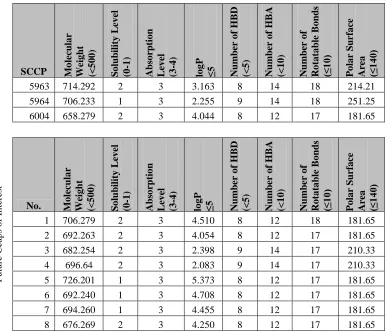
TABLE 4.1 SUMMARY OF C-TERMINAL CAPPING GROUPS OF INTEREST ...66
TABLE 4.2 SUMMARY OF VARIOUS PEPTIDE ACTIVITIES IN CELL LINES ...68
TABLE 4.3 SUMMARY OF FLIP ACTIVITIES IN COMPETITIVE BINDING AND CELL PROLIFERATION ASSAYS ...69
TABLE 4.4 ADMET RESULTS FOR CURRENT AND FUTURE FLIPS ...70
L
IST OFF
IGURESFIGURE 1.1 STAGES OF THE CELL CYCLE ...3
FIGURE 1.2 OVERVIEW OF SOME ESSENTIAL PROTEINS INVOLVED IN CELL CYCLE REGULATION ...7
FIGURE 1.3 CHEMICAL STRUCTURE OF PD0332991 ...12
FIGURE 1.4 CHEMICAL STRUCTURE OF FLAVOPIRIDOL ...13
FIGURE 1.5 CHEMICAL STRUCTURE OF JNJ-7706621 ...15
FIGURE 1.6 CDK2/CYCLIN A/p27 Trimeric Complex ...17
FIGURE 1.7 COMPARING THE CYCLIN BINDING GROOVE OF CYCLIN A AND CYCLIN D1 ....20
FIGURE 1.8 COMPARING THE PRIMARY AND SECONDARY HYDROPHOBIC POCKETS OF THE CBG OF CYCLIN A AND CYCLIN D1 ...21
FIGURE 1.9 REPLACE METHODOLOGY ...21
FIGURE 2.1 CHEMICAL STRUCTURE OF SCCP 5823 ...26
FIGURE 2.2 CHEMICAL STRUCTURE OF N-TERMINAL CAPPING GROUPS ...27
FIGURE 2.3 POTENTIAL SMALL MOLECULE FOR THE REPLACEMENT OF HAKRRLIF (BZ01) ...30
FIGURE 2.4 POTENTIAL SMALL MOLECULE FOR THE REPLACEMENT OF HAKRRLIF (BZ02) ...31
FIGURE 2.5 POTENTIAL SMALL MOLECULE FOR THE REPLACEMENT OF HAKRRLIF (BZ03) ...33
FIGURE 2.6 CHEMICAL STRUCTURE OF CCAP SCAFFOLDS ...33
FIGURE 2.7 NOVEL C-TERMINAL CAPPING GROUPS FOR THE REPLACEMENT OF LIF ...38
FIGURE 2.9 HAKRRLIF DOCKED INTO THE CBG ...41
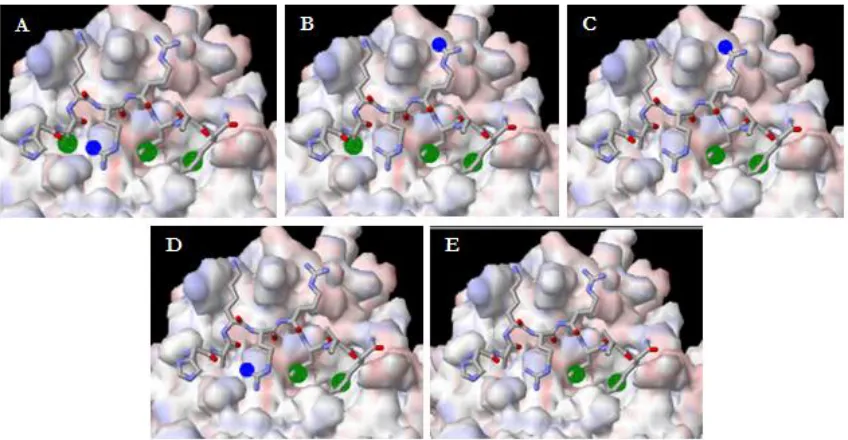
FIGURE 2.10 ILLUSTRATIONS OF THE ANCHORQUERY™ PHARMACOPHORE QUERIES ...43
FIGURE 2.11 CHEMICAL STRUCTURES OF SCCP 5977, 5979, AND 5983 ...51
FIGURE 4.1 ILLUSTRATIONS OF A CDK/CYCLIN COMPLEX ...62
L
IST OFS
CHEMESSCHEME 2.1 SYNTHESIS OF THE NOVEL C-TERMINAL CAPPING GROUPS ...39
SCHEME 2.2 ILLUSTRATION OF THE UGI REACTION ...43
SCHEME 2.3 GENERAL REACTION SCHEME FOR THE SYNTHESIS OF THE LEU-PHE
MIMETICS ...53
SCHEME 3.1 GENERAL REACTION SCHEME FOR THE PEPTIDE SYNTHESIS OF THE
L
IST OFA
BBREVIATIONS35DCPT 1-(3,5-dichlorophenyl)-5-methyl-1H-1,2,4-triazole-3-carboxamide
4CPT ... 1-(4-chlorophenyl)-5-methyl-1H-1,2,4-triazole-3-carboxamide
Ala ... Alanine
APC ... Anaphase Promoting Complex
Arg ... Arginine
Asp ... Asparagine
ATP ... Adenosine Triphosphate
CBG ... Cyclin Binding Groove
CBM ... Cyclin Binding Motif
Ccap ... C-Terminal Capping Group
CDK ... Cyclin Dependent Kinase
CDKI ... Cyclin Dependent Kinase Inhibitor
CFF ... Consistent Force Field
CTD... C-Terminal Domain
DCM ... Dichloromethane
DIPEA ...N,N-Diisopropylethylamine
DMF ... Dimethylformamide
ER ... Estrogen Receptor
EtOAc ... Ethyl Acetate
FLIP ... Fragment Ligated Inhibitory Peptide
Fmoc ...9-Fluorenylmethyloxycarbonyl
FP ... Fluorescence Polarization
G0 ... Gap0
G1 ... Gap1
G2 ... Gap2
Gln... Glutamine
Glu... Glutamate
HBTU ... O-Benzotriazole-N,N,N’,N’-tetramethyl-uronium-hexafluoro-phosphate
HCl ... Hydrochloric Acid
His ... Histidine
HPLC ... High Performance Liquid Chromatography
Ile ... Isoleucine
Leu ... Leucine
Lys... Lysine
M ...Mitosis
MCR ... Multi-Component Reaction
MS ...Mass Spectroscopy
MTD ... Maximum Tolerated Dose
NaOH ... Sodium Hydroxide
Ncap ... N-Terminal Capping Group
Pbf ... 2,2,4,6,7-pentamethyl-dihydrobenzofuran-5-sulfonyl
PLA ... Partial Ligand Alternative
Pmc ... 2,2,5,7,8-pentamethyl-chroman-6-sulfonyl
PPI ... Protein-Protein Interaction
pRb ... Retinoblastoma Protein
REPLACE ... Replacement with Partial Ligand Alternatives through Computational Enrichment
RM ... Reaction Mixture
RMSD ... Root Mean Squared Deviation
RT ...Retention Time
S ... Synthesis
SAR ...Structure Activity Relationship
TFA ... Trifluoroacetic Acid
Thr ... Threonine
TIPS ... Triisopropylsilane
Trp ... Tryptophan
Tyr ... Tyrosine
UV ... Ultraviolet
CHAPTER
1
I
NTRODUCTIONCyclin dependent kinases (CDKs) play a major role in many cellular processes including
the mammalian cell cycle. CDKs are heterodimeric structures that contain two subunits,
the catalytic kinase and the regulatory cyclin. This complex is responsible for the
phosphorylation of various substrates to tightly control cell proliferation. Other proteins
also regulate the cell cycle such as CDK inhibitors and tumor suppressor proteins. These
proteins, among others, work together to promote or suppress DNA replication and in a
perfect world this is done without disruptions or damage. However, through genetic or
environmental disturbance, many aspects of the cell cycle can be deregulated or disrupted
by mutation, overexpression, or amplification. Currently, several approaches are being
studied to identify potential CDK inhibitors to help restore regulation in cells with
uncontrolled proliferation. These include, but are not limited to, targeting the ATP
binding pocket on the kinase and the substrate recruitment site located on the cyclin. In
this chapter, the details of the cell cycle, altered functions of endogenous proteins and the
current therapeutic approaches will be discussed.
1.1
R
OLE OFCDK/C
YCLINC
OMPLEXES IN THEC
ELLC
YCLEThe mammalian cell cycle is the process in which cells replicate and divide to form two
daughter cells from a single parental cell. There are four consecutive phases of the cell
(G1), Synthesis (S), Gap 2 (G2), and Mitosis (M). Additionally, there is a resting phase
known as Gap 0 (G0) which is considered to be a sub-phase of G1 and contains
non-proliferating cells1. During G1 phase the cell prepares for the entry into S phase by
expressing proteins required for S phase1. During S phase, DNA is replicated, in G2
phase the cell prepares for the entry into M phase, and during M phase the cell undergoes
cellular division1.
Each phase of the cell cycle is tightly controlled by specific CDKs. This protein
family contains more than 20 members and individual isoforms can be involved in
distinct cellular functions including both cell cycle progression and/or transcription.
During the cell cycle, CDKs complex with a regulatory cyclin and phosphorylate various
substrates to promote cell proliferation. During G1, CDK4 and CDK6 complex with the
D-type cyclins and these heterodimers are essential for progression through this phase1.
Late in G1, CDK2 binds to cyclin E to regulate the transition from G1 to S phase. In G2,
CDK1 complexes with cyclin A to promote entry into M phase and in M phase, CDK1
binds to cyclin B to help promote cellular division1 (Figure 1.1 and Table 1.1). CDK
protein levels remain constant throughout the cell cycle unlike the cyclins whose levels
oscillate to activate specific CDKs and to tightly control each phase of cell proliferation.
Unlike most others, the D-type cyclin (D1, D2, and D3) levels are maintained throughout
the cell cycle and their activity is regulated by growth factors/mitogenic stimulation1-2.
During transcription, two other CDKs (7 and 9) are active3. These CDKs promote
the initiation and elongation of nascent RNA transcripts by phosphorylating the
carboxy-terminal domain (CTD) of RNA polymerase II2a. CDK7 and 9 are subunits of TFIIH and
stabilizing of the elongation factors and p-TEFb promotes productive elongation5.
TABLE 1.1. SUMMARY OF CDK/CYCLIN COMPLEXES DURING EACH PHASE OF THE CELL CYCLE.
CDK Cyclin Cell Cycle Phase
4 D G1
6 D G1
2 E Late G1 into S
2 A S
1 A G2 into M
1 B M
The G1/S phase transition is a critical point in the cell cycle. Cells either commit to
or abandon cell cycle progression. This process is complex and the retinoblastoma
protein (pRb) is at the center of all the action. pRb is a tumor suppressor protein whose
primary function is to tightly regulate cell proliferation during the G1 phase6. When
hypophosphorylated, pRb is able to interact with a transcription factor, E2F-1, and also
with histone deacetylase-1 (HDAC1) to inhibit progression through the cell cycle2a.
When pRb is bound to E2F-1, the transcription of genes necessary for entry into S phase
is inhibited. When pRb is hyperphosphorylated by CDK4/6-cyclin D complexes late in
G1, the inhibitory effects of pRb are abolished and transcription is promoted.
Phosphorylation of pRb causes a disruption of the trimeric complex of pRb, HDAC1 and
E2F-11-2. E2F-1 is therefore released, able to bind with its heterodimeric partner, DP-1,
and together they direct the transcription of genes required for S phase. The cell can then
pass through what is known as the restriction point and from this point the cell is
committed to a single round of replication2a, 7. As a result of E2F-1 promoting
transcription, cyclin E is expressed and is able to complex with CDK2 to maintain pRb in
a hyperphosphorylated state for the remainder of the cell cycle1, 2b.
During S phase of normal cells, the DNA of a cell must only replicate once and
prior to the completion of this replication, E2F-1 activity must be downregulated to avoid
potential apoptosis. CDK2/cyclin A phosphorylation of E2F-1 when bound to DNA is a
key event in the timely neutralization of E2F-1 activity2a. Phosphorylation of E2F-1
causes it to be released from the DNA and is therefore no longer able to function as a
transcription factor2a. The cell is then able to complete S phase and enter G2 where it
prepares for entry into and progression through mitosis.
There are four stages of mitosis (prophase, metaphase, anaphase, and telophase)
that result in the division of a single cell into two daughter cells1. Prophase is when the
chromosomes begin to condense inside the nucleus and the duplicated centrosomes
prometaphase, is when the nuclear envelope breaks down and the chromosomes begin to
attach to the mitotic spindles. Metaphase involves the completion of this attachment and
alignment of the chromosomes in the center of the cell7. To aid in the
metaphase/anaphase transition, CDK1/cyclin A and B phosphorylate the anaphase
promoting complex (APC)7. In turn the APC ubiquitinates cyclins A and B, marking
them for degradation, resulting in a repression of CDK activity which is critical for the
cell to exit mitosis and for the reentry into G17. Once in anaphase, the cell begins to exit
mitosis and the two sets of chromosomes split and approach the mitotic spindle poles,
meanwhile the nuclear envelope begins to reform as a precursor to telophase7. In
telophase, the cell begins to divide in two and the final separation into daughter cells is
termed cytokinesis7.
1.2
E
NDOGENOUSCDK/C
YCLINI
NHIBITORSAlong with the CDK/cyclin complexes, there are other regulators that are required for the
cell to successfully progress through the cell cycle. The regulation of cell proliferation is
aided by inhibitory proteins which bind to CDKs (CDKIs). There are two distinct
families of CDKIs, INK4 and Cip/Kip1. The INK4 family preferentially inactivates
CDK4/6 and consists of at least four members (p15INK4b, p16INK4a, p18INK4c, and
p19INK4d)1. These proteins bind to monomeric CDK to prevent their association with the
D-type cyclins1. The activities of the INK4 family results in the inhibition of the cell
cycle in G1 by disrupting the ability of CDK4/6 to phosphorylate pRb2b. Without pRb
phosphorylation, E2F-1 activity is inhibited and the cell never enters S phase2b. The
mechanism of action in which INK4 inhibitors bind and inhibit the CDK protein is
conformation and allosterically prevents ATP from binding2b.
The Cip/Kip family inactivates the CDK/cyclin complexes of CDK1, CDK2,
CDK4, and CDK6. These inhibitory proteins include p21WAF1, p21Cip1, p27Cip2, and
p57Kip2 1. Each of these proteins contains a conserved sequence known as the cyclin
binding motif (CBM)2b. These proteins interact with the cyclin through this motif via
protein-protein interactions (PPI) at a shallow hydrophobic region on the cyclin known as
the cyclin binding groove (CBG). Other proteins (i.e. E2F-1, pRb, etc) also contain the
CBM and interact with the CBG in a similar manner prior to their phosphorylation by the
CDK/cyclin complexes. These interactions will be discussed in detail in Section 1.5.
The expression of p21WAF1 is under transcriptional control of p53, a tumor suppressor
protein1. The levels of p53 are generally kept low with in the cell however, when there is
DNA damage (replication errors, external damaging agents such as X-rays or UV light)
p53 levels accumulate enough for the expression of p21WAF1 to occur, resulting in cell
cycle arrest8.
To bring all of this into perspective, Figure 1.2 illustrates the stages and regulation
of the cell cycle along with a few of the numerous proteins involved. In brief, starting at
G1 (far bottom left) we have an INK4 protein bound to CDK4/6, inhibiting the
interaction with cyclin D. Upon mitogenic stimuli the transcription of cyclin D occurs.
When the INK4 protein is removed from CDK4/6, the kinases are able to complex with
cyclin D and upon phosphorylation by a CDK activating kinase (CAK; CDK7/cyclin H –
activates many CDK/cyclin complexes), the CDK4/6/cyclin D complexes become fully
activated. pRB is phosphorylated by CDK4/6/cyclin D complexes releasing E2F and
associates with cyclin E to further phosphorylate pRb. CDK2 association with cyclin A
is required for DNA replication and this complex can be blocked by the Cip/Kip family
of CDKIs. Late in S phase, CDK1 binds to cyclins A and B, promoting APC (not shown
in the figure) to ubiquitinate cyclins A and B for their necessary degradation and the
progression of the cell cycle. Vermeulen, et al. (2003) explains this figure more in
depth1. The CDK/cyclin complexes and other protein activities can be inhibited by
Cip/Kip CDKIs by various pathways2b.
Also controlled by CDKs are checkpoints throughout the cell cycle. These
checkpoints aid in the regulation of proliferation, ensure that the cell is in its optimum
state prior to the transition from one phase to the next, and are sensitive to problems
within DNA replication or within the cellular environment7. The first type of checkpoint
is the restriction point late in G1. This checkpoint is sensitive to the physiological state
of the cell and its environment and with inappropriate mitogenic signaling, the cell will
not transition into S phase7. This restriction point is considered the “point of no return”
for the cell cycle1. It is at this point that the cell either commits to or abandons cell cycle
progression. The second type of checkpoint is the DNA damage checkpoint. G1, S, and
G2 phases each have this checkpoint which has the ability to block cell proliferation7. If
DNA damage is detected, the checkpoint will arrest the cell cycle to allow time for DNA
repair1. If the damage is too advanced the cell will undergo apoptosis7.
The third type of checkpoint is the DNA replication checkpoint. This checkpoint
has the ability to detect unreplicated DNA or malfunctioned replication machinery7. If
such problems arise, this checkpoint is able to aid in the stabilization of the replication
machinery to promote repair or to further DNA replication7. The last type of checkpoint
is the spindle assembly checkpoint. This checkpoint ensures that all chromosomes have
properly attached to the mitotic spindle prior to chromosome segregation7. If improper
attachment to the spindle is detected, the cell will arrest in mitosis1.
1.3
A
LTEREDF
UNCTIONS OFCDK/C
YCLINS ANDE
NDOGENOUSI
NHIBITORS INT
RANSFORMEDC
ELLSCDKs are key players in regulating many important cellular functions (cell cycle control,
cell signaling, apoptosis, gene transcription, etc.) and their deregulation is associated with
numerous diseases, in particular cancer9. One of the most common deregulation events
during the cell cycle involves the CDK4/6-cyclin D-INK4-pRb pathway. This pathway is
ubiquitously disrupted in mammalian cancers2a, 9b. The functional inactivation of the
proliferation1. Deregulation is most often seen in the G1/S phase CDKs (CDK2/4/6)
which occurs by the mutation of CDKIs (p16INK4a, p21WAF1, pRb etc.). These mutations
provide the means for transformed cells to override the G1 checkpoint resulting in
uncontrolled cell proliferation3, 10.
The CDKI p16 gene has been found to be altered in numerous tumor types and
inactivated by a number of mechanisms (deletion, point mutation and hypermethylation)
1-2
. With altered p16, cells lack the ability to inhibit CDK4/6-cyclin D resulting in pRb
being hyperphosphorylated and unable to sequester E2F-1, thus promoting uncontrolled
cell proliferation1, 11. This inappropriate entry into S phase and overactivation of E2F-1
should induce apoptosis11. Altered p16 has been noted in glioma, mesothelioma,
pancreatic, and many other cancer types1.
The CDK4 gene has been found to be amplified and CDK4 protein overexpression
has been noted in multiple cell lines, particularly in breast cancer1,12. A study conducted
on CDK4 null mice determined that the animals were resistant to mammary carcinomas,
the continual presence of CDK4 and cyclin D1 was critical in retaining tumor cell
proliferation, and the catalytic function of CDK4/cyclin D1 complex is mandatory to
sustain the tumorigenic potential of breast cancers cells12. Mutant cyclin D1 is able to
bind to the appropriate CDKs and to the CDKIs p21Cip1 and p27Kip1 however this mutated
cyclin lacks the ability to activate the kinase12.
Cyclin D1 is the most ubiquitously expressed cyclin and is present in many cell
types and tissues9b. Its gene amplification has been observed in bladder, lung, colon, and
many other malignant cancers and cyclin D1 is known to be a critical regulator of breast
results in increased levels of CDK4 available to complex with D-type cyclins and
endogenous CDKIs2a. CDK4/6-cyclin D1 complexes promote the activation of
CDK2/cyclin E and the phosphorylation of pRb2a. The increased activity of CDK2/cyclin
E, as a result of the CDK4/6-cyclin D-INK4-pRb pathway being deregulated, further
causing inappropriate levels of E2F activity, leading to uncontrolled cell proliferation.
CDK 1 and 2 have been noted to be overexpressed in a subset of colon adenomas, cyclin
E is amplified and/or overexpression in breast, colon, and many other cancers, and both
cyclin A and E have been found to be overexpressed in lung carcinoma1.
1.4
ATP
C
OMPETITIVECDK
I
NHIBITORSThere are many approaches to the design of kinase inhibitors. These include blocking of
the Adenosine Tri-phosphate (ATP) binding pocket, blocking the substrate recruitment
site, and stabilizing kinases in their inactive conformations13. This section focuses on
kinase inhibitors that preferentially block the ATP binding pocket. This pocket is well
defined and the generation of small molecules inhibitors to block this hydrophobic pocket
has been studied for many years13c. The ATP binding pocket is composed of five main
sites, (1) central purine binding site, (2) solvent accessible surface, (3) ribose binding site,
(4) phosphate binding region, and (5) hinge region13a. Each of these sites are important
for the binding affinity of ATP, (which is involved in many intermolecular interactions
including van der Waals, hydrophobic and hydrogen bonding) and are used as guides for
the structure based design of inhibitors13a, 13c.
CDKs and other proteins have been determined to be critical regulators of the
eukaryotic cell cycle13b, as discussed in Section 1.1. Gain-of-function and/or
and other substrates) cause a snowball effect on the regulatory events of the CDKs
leading to the transformation of cells13b. CDK4/6 have been determined to be frequently
amplified or overexpressed in many tumor types and their inhibition would block cell
proliferation and avert the transcription of genes necessary for cell cycle progression13b.
Also, it has been observed that the absence of CDK2/cyclin E complex in both
transformed and untransformed cells does not affect cell cycle proliferation14. This raises
the concern that specific targeting of CDKs may not be of best interest for cancer
therapeutics, due to redundancies in kinase activity14. There are many kinase inhibitors
with single and/or multiple targets in the cell cycle and such targets include cell cycle
CDKs, transcriptional CDKs, or both15. An alternative strategy that does not target the
catalytic domain would evade the problems of redundancy in kinase activity.
PD0332991 (Palbociclib) has recently been approved by the Food and Drug
Administration (FDA) as a “Breakthrough Therapy”16
. Breakthrough therapy allows a
drug to be used as treatment while the remainder clinical trials are conducted16.
CDK4/cyclin D1 has been proven to be disrupted in many tumor types by overexpression
and/or amplification and blocking the ability of CDK4/cyclin D1 to phosphorylate
substrates necessary for cell cycle progression, is a viable approach to treating cancer15,
17
. PD0332991 is highly selective for CDK4/6 with IC50 values of 11 nM and 15 nM,
respectively, and exclusively induces G1 arrest17-18. When tested against a panel of
serine, threonine, and tyrosine kinases, PD0332991 (Figure 1.3) showed very little to no
activity against kinases other than CDK4/618.
In retinoblastoma (Rb)-positive cancer cells, it was observed that with treatment of
growth, and in human xenograft models there was tumor regression15, 19. When
PD0332991 was tested against Rb-negative cancer cells there was no activity15,
concluding that PD0332991 has the ability to halt cancer cell growth in patients with
Rb-positive cancers17, 20. A study was conducted to determine if drug resistance would occur
with continued use of PD0332991. Colo-205 human colon carcinoma tumor xenografts
in mice were negative for resistance after treatment for 14 days with PD0332991 with
doses of 75-150 mg/kg and tumor regression was observed in some tumors at a dose of
37.5 mg/kg18. In primary bone marrow myeloma cells, G1 arrest was potently induced
with doses as low as 0.3 µM and with higher doses (greater than 5 µmol/L) apoptosis was
induced21.
When PD0332991 was used in combination with dexamethasone, apoptosis was
enhanced with treatment for 48 hours of 0.01µM of drug in bone marrow myeloma
cells21. In disseminated human myeloma xenografts, tumor growth was completely
inhibited21. More recently, when used in combination with Femara (Letrozole), an
anti-hormonal agent, there was an increase in progression-free survival of about 3.5 fold20. A
Phase 3 clinical trial is currently recruiting for first-line treatment of postmenopausal
women with ER-positive/HER2-negative advanced breast cancer. Treatment will be
conducted with PD0332991 in combination with Letrozole and Letrozole alone.
There are multiple CDK inhibitors targeting the G1 and S phases that are currently
in clinical trials, however, PD0332991 is the only orally bioavailable drug that has high
specificity for CDK4/6 kinases17. During Phase 1 and 2, the most common dose-limiting
toxicities were myelosuppression, nausea, vomiting, diarrhea, and fatigue17. Neither
vascular thrombotic nor neurological adverse events were observed with PD0332991
treatment as has been observed with other CDK inhibitors in clinical trials17.
A second CDK inhibitor that targets the ATP binding pocket is Flavopiridol
(alvocidib, HMR1275; Figure 1.4). This compound is active against multiple kinases but
is known to be most potent against the transcriptional CDK, CDK9, relative to other
kinases15.
Early studies showed that flavopiridol potently inhibited CDK2 and CDK4 with
IC50 values between 50-120 nM22. In MCF-7 (p53 and Rb proficient) and MDA-MB-468
(p53 and Rb deficient) cells, G1 arrest was induced, proving that the action of
flavopiridol is independent of p53 and Rb22. MCF-7 cells showed a significant loss in
cyclin D levels without altering the levels of cyclin A, cyclin E, CDK2, or CDK4. These
results led to the conclusion that flavopiridol inhibits CDK2/4 kinase activity resulting in
G1 arrest22. However, studies conducted in head and neck squamous cell carcinoma
(HNSCC) cell lines showed that flavopiridol caused a significant decrease in CDK1/2
activity with IC50 values between 43-83 nM23.
Fischer and Gianella-Borradori (2003) summarizes the potency and selectivity
profile of flavopiridol. They summarized that against the transcriptional kinase
CDK9/cyclin T1, flavopiridol is most potent with an IC50 value of 0.006-0.01 µM. In
2010, studies show that flavopiridol treatment resulted in the inhibition of the C-terminal
domain of RNA-polymerase-II causing an inhibition in transcription resulting in
apoptosis24. When tested against CDK1/cyclin B and CDK4/cyclin D1 flavopiridol
showed IC50 values of <0.1 µM, and against CDK2/cyclin A, CDK2/cyclin E,
CDK7/cyclin H, and other kinases (epidermal growth factor receptor, protein kinase C,
etc.) flavopiridol has IC50 values of ≥0.1 µM25.
A study was conducted on a panel of human tumor xenografts26. Flavopiridol was
proven to be highly potent against prostate and less potent against melanoma, breast,
lung, and ovarian cancers26. In nude mice containing prostate cancer xenografts
(PRXF1369), flavopiridol showed a maximum tolerated dose (MTD) of 10 mg/kg/day
and a tumor growth delay of 30 days26. In human promyelocytic leukemia (HL-60)
xenografts, animals experienced complete regression and remained disease free for
several months. In human B-cell follicular lymphoma (SUDHL-4) xeongrafts, animals
underwent major or complete regression and were disease free for more than two months
at 7.5 mg/kg concentrations27.
in Phase 2 clinica trials, flavopiridol induced pro-inflammatory syndrome at doses of 50
mg/m2 in patients with advanced cancers28 and showed to have no effect on advanced
colorectal and non-small cell lung cancer as well as several other cancer as first line
treatment29. Flavopiridol does have a minimal response as a second-line therapy in
endometrial adenocarcinoma and advanced renal cell carcinoma30. When flavopiridol
was used in combination therapy, significant antitumor activity was observed. In the
administration of flavopiridol after gemcitabine there was a 10-15 fold increase of
apoptosis in pancreatic, gastric, and colon cancer cell lines31.
A third ATP-competitive inhibitor is JNJ-7706621(Figure 1.5). This compound is
a multi-targeted/pan kinase inhibitor that targets CDKs and Aurora kinases32. As stated
previously, CDKs play a central role in the cell cycle and their activity is dependent upon
the regulatory subunit, cyclin. Aurora kinases play an important role during mitosis, in
regulating chromosomal movement and organization33.
JNJ-7706621 is a 1,2,4-triazole-3,5-diamine derivative and is moderately potent
inhibitor of CDK1 and 2 (moderately potent against CDK4) and Aurora kinases A and
B33-34. When tested against a large number of other protein kinases JNJ-7706621 had
little to no activity15. A CDK1 kinase assay was conducted, in the presence of 5 µM ATP
and JNJ-7706621 showed to have an IC50 value of 17.12±1.03 µM33. Against PC3
prostate cancer cells and HCT-116 colon cancer cells, JNJ-7706621 showed potent
inhibition with IC50 values of 0.112±0.012 µM and 0.189±0.042 µM, respectively. It was
observed that JNJ-7706621 resulted in a delay in cell cycle progression in G1 and cell
cycle arrest was observed at the G2/ M phases in human cancer cells33-34. It was
determined that JNJ-7706621 is a potent antiproliferative agent against numerous cancer
cell types, irrespective of p53, retinoblastoma (Rb) or P-glycoprotein levels33. However,
JNJ-7706621 has poor solubility and studies have been conducted on potentially utilizing
nanoparticles as non-toxic vehicles for its delivery34.
1.5
N
ON-ATP
C
OMPETITIVECDK
I
NHIBITORSA different approach to the development of CDK inhibitors is to target alternative sites
other than the ATP binding site35. Targeting the ATP binding site has proven to be
beneficial in the development of cancer therapeutics. It is well known that the ATP
binding pocket is conserved across all kinases and present in many proteins that are
involved in numerous cellular functions. There are risks in potentially inhibiting
transcriptional CDKs by causing effects on normal cells which may account for the
toxicities observed with clinically evaluated CDK inhibitors3. The ultimate goal in novel
chemotherapeutic development is to identify a target that is unique to a specific cancer
cell or when inhibited will allow the cancer cell to be sensitized to cell death. It has been
established that many biological processes are regulated through protein-protein
interactions (PPI) and theoretically, if identifiable, PPIs could be blocked specific
proteins or pathways would be inhibited.
During the cell cycle the cyclin binding groove (CBG) of the cyclin subunit is
recognizes a short peptide sequence known as the cyclin binding motif (CBM). Figure
1.6 illustrates a CDK2/cyclin A heterodimer. This motif is conserved in many cell cycle
substrates and inhibitory proteins and has been identified to interact specifically with the
CBG through PPIs. Substrates involved in the cell cycle are recognized by the CBG
through the CBM, are recruited into close proximity of the groove, and are
phosphorylated by the active CDK/cyclin complex.
Often times, the negative regulators of the cell cycle (p21, p27, etc.) are inactivated
resulting in upregulation of CDK activity. This can cause an override of the phase
checkpoints (described in Section 1.2) and may lead to uncontrolled cell proliferation and
to the transformation of cells. Cellular response through the inhibition of the CBG is
greater in transformed cells because E2F-1 is frequently deregulated in such cells and has
been reported to induce apoptosis in combination with CDK2/cyclin A inhibition36.
Transformed cells depend on CDK2/cyclin A to decrease the activity of E2F-1 to avoid
the induction of apoptosis in late S phase10b.
Due to the CBM being conserved across the Cip/Kip family members (Section 1.2),
selective inhibitors can be designed to block the CBG and inhibit the activity of the
CDK/cyclin complexes resulting in the induction of apoptosis in transformed cells.
Peptides composed of naturally occurring amino acids are useful for lead compounds in
discovering new drug therapies but generally speaking are limited as therapeutics by their
undesirable pharmacokinetic profiles. These are caused by their poor permeability (blood
brain barrier, cell membrane, etc.) and lack of metabolic stability including
protease-mediated degradation37. Currently, HAKRRLIF, based on the C-terminal domain of
p21WAF1, is being used in structure based design to develop non-peptidic inhibitors for
CDK2/cyclin A and CDK4/cyclin D1 references.
Previously mentioned in Section 1.4, selective inhibition of kinases may not be of
best interest due to redundancies in the kinase activity. An approach, targeting the CBG,
reduces the possibility of such problems because it is the protein kinase that is known to
be redundant14 not the cyclin. Cyclin groove inhibitory compounds should be selective
due to cyclins A, D, and E being the only cyclins containing a functional binding groove
and thus are potential targets for non-ATP competitive CDK inhibitors38. CDK2/cyclin
A and CDK4/cyclin D1 are validated anticancer drug targets, targeting the CBG of these
kinases provides selectivity, and the kinases involved in other cellular processes will not
be affected38. However, it has been determined that potent CDK2/cyclin A inhibitors
generally are significantly less effective against CDK4/cyclin D138. Due to these
differences Liu, et al. (2010), set out to determine which structural variants between
cyclin A and D1 might affect the potency of CDK inhibitors. In terms of the CBG, there
HAKRRLIF: 1) a primary hydrophobic pocket that interacts with Leu6 and Phe8 (the 6th
and 8th amino acids of HAKRRLIF)38 2) a secondary hydrophobic pocket that interacts
with Ala2 and 3) an acidic region, located between the two lipophilic pockets, that forms
ionic contacts with the basic amino acids, Arg4 and Arg538.
To determine the differences in the CBG of cyclin A and D1, their crystal
structures were overlaid and the following variants were determined (Figure 1.7). On the
left-hand side of Figure 1.7, the black chemical structure represents Leu6 and Phe8 of
HAKRRLIF. The residues of the primary hydrophobic pocket of the CBG are L214
(Leu) and V60 (Val) for cyclin A and D1, respectively. The residues E220 (Gln) and
D216 (Asp) make up the acidic region for cyclin D1 and E66 and T62 (Thr) for cyclin A.
As for the secondary hydrophobic pocket, the amino acids W217 (Trp) and W63
constitute this pocket for cyclin A and D1, respectively. The other residues shown are
considered to be non-peptide contacting residues. These residues are structurally
different between Cyclin A and D1. I281 (Ile) of cyclin A is exchanged for Y127 (Tyr)
in cyclin D1 (also seen in the ribbon representation right-hand side of Figure 1.7) within
residue region of 116-136 and these differences lead to altered conformations of the CBG
in cyclin D1 compared to cyclin A38. Cyclin D1 is able to accommodate larger functional
groups in the primary hydrophobic pocket because this region is larger and contains an
extension, compared to cyclin A38. Figure 1.8 illustrates these structural variants using
the solvent accessible surface of each cyclin. As a whole, it was determined that cyclin
D1 contains a narrower secondary pocket, a shallower yet larger primary hydrophobic,
and a less acidic region at Asp283 compared to cyclin A38. The variation in the CBG
between CDK inhibitors discussed below.
Non-peptidic inhibitors are being developed by the REPLACE (REplacement with
Partial Ligand Alternatives through Computational Enrichment) strategy (Figure 1.9).
This strategy is an effective way to iteratively convert peptidic analogs involved in PPIs
to non-peptidic, drug-like small molecules3, 10b. Computational chemistry is utilized to
identify partial ligand alternatives (PLAs) by docking small molecule fragments into the
cyclin groove and evaluating their interactions compared to that of the native ligand35. In
brief, REPLACE is carried out by the truncation of the N-terminal amino acids of the
lead peptide and computationally designed PLAs are coupled through solid-phase
synthesis. These FLIP compounds are then tested in a competitive binding assay and
those with substantial activities against CDK/cyclin complexes of interest are further
optimized by the truncation and replacement of the central and C-terminal amino acids
with the aim of generating a cell permeable, non-peptidic inhibitor.
Advantages of the REPLACE strategy are that non-peptidic fragments can be
identified for extensive and shallow PPIs while negating the need for highly sensitive
binding assay and should be applicable in the replacement of individual amino acids or
peptide sequences to generate pharmaceutically adequate lead molecules10b.
REPLACE has previously been utilized to replace the N-terminal amino acids
FIGURE 1.8. COMPARING THE PRIMARY AND SECONDARY HYDROPHOBIC POCKETS OF THE CBG OF CYCLIN A AND CYCLIN D1. Solvent accessible representations of the cyclin binding groove. (Left) Cyclin A2 was determined to have a more acidic region around GLU220 of the CBG causing ARG4 of the CBM to interact differently in cyclin A2 compared to cyclin D1. (Right) Cyclin D1 was determined to have a a shallower and an extended primary hydrophobic pocket and a narrower secondary hydrophobic pocket compared to cyclin A2. These structural differences promote different binding affinities for CBG inhibitors. [Reprinted with permission from Liu, S., J. K. Bolger, et al. (2010). "Structural and Functional Analysis of Cyclin D1 Reveals p27 and Substrate Inhibitor Binding Requirements." ACS Chemical Biology 5(12): 1169-1182.. Copyright 2010 American Chemical Society.]
(HAKR) with fragment molecules (Ncaps) to create FLIPs3, 10b. Much progress has been
made in the replacement of these amino acid residues. The most potent Ncap to date is
1-(3,5-dichlorophenyl)-5-methyl-1H-1,2,4-triazole-3-carboxamide (35DCPT) which has
decreased the overall charge of the peptidic sequence by eliminating the charged Arg4
residue and has improved potency compared to other FLIP compounds10b. When coupled
to RLIF (SCCP 5773; Table 1.2), the FLIP compound showed an IC50 value of 4.0±0.6
µM against CDK2/cyclin A and 27.3±3.40 µM against CDK4/cyclin D13, 35. These
values were directly compared to an optimized peptide sequence that contains the
C-terminal amino acids RRLIF of HAKRRLIF3. This pentapeptide has an IC50 value of 1.4
µM against CDK2/cyclin A and 16.1 µM against CDK4/cyclin D13.
TABLE 1.2. Summary of Previously Reported N-terminal Capping Groups Coupled with RLIF.
SCCP
ID R1 R2 R3 R4 W X Y Z
CDK2/cyclin A IC50 (µM)
CDK4/cyclin D1 IC50 (µM)
5773 Cl H Cl Me N N N C 4.0±0.6 27.3±3.40
5774 H Cl H Me N N N N 11.5±3.3 12.0±2.06
Many heterocyclic compounds were designed for the replacement of HAKR and
tested against these two cyclins. Such compounds include but are not limited to triazole,
pyrazole, pyrrole, furan, imidazole, and thiazole3, 35. Variants of each heterocycle were
the phenyl ring3. These substitutions were demonstrated to have a significant impact on
the binding affinity of these FLIP compounds as measured using a fluorescence
polarization assay. The phenyltriazole compounds were determined to be the most
potent3. A second phenyltriazole FLIP, SCCP 5774, (4-chlorophenyl triazole-RLIF;
4CPT; Table 1.2) was shown to have greater activity in cyclin D1 compared to SCCP
5773 with IC50 values of 11.5±3.3 µM and 12.0±2.06 µM against CDK2/cyclin A and
CDK4/cyclin D1, respectively3, 35. The narrower secondary pocket of cyclin D1 cannot
accommodate the 3,5-dichlorophenyl ring of SCCP 5773 to the same degree as the
4-chloro substituted analog3. This data demonstrates that critical residues of the octamer
can be replaced with small drug-like molecules while decreasing overall charge and
increasing potency9a.
Viable Ncaps have been identified and fragment alternatives are now desired for
the replacement of the central and C-terminal amino acids, RLIF, to complete the
conversion of HAKRRLIF into a more drug-like molecule. A library of bis(aryl)
compounds were generated and it was determined that Ccaps containing a
3-phenoxybenzylamine core structure were the most effective at mimicking the binding
mode of Phe83. Structural modifications were conducted to determine how activity could
be optimized further and halogens were added at various positions of the aromatic ring
contacting the primary hydrophobic pocket3. It was determined that the FLIP compound
containing a fluorine at the four position of the bis(aryl) Ccap, with 4CPT as Ncap and an
arginine linker (SCCP 5823) was the most potent against CDK2/cyclin with an IC50 value
of 18.1±4.0 µM3 (Table 1.3). However, neither this FLIP nor others generated have been
TABLE 1.3. Summary of Two Previously Reported Fragment Ligated Inhibitory Peptides.
SCCP
ID R1 X R2 R3 R4 R5
CDK2/cyclin A IC50 (µM)
CDK4/cyclin D1 IC50 (µM)
5823 4CPT N H H F H 18.1±4.0 >200
5926 35DCPT N H F F H >180 >180
The replacement of Leu6 and Phe8 is imperative for the conversion of HAKRRLIF
to a more drug-like molecule based on the work of Liu et al. (2013). Small molecule
replacements, to enhance the binding affinity of the FLIP molecule, are desired and the
following chapters describe further applications of the REPLACE strategy for the design
of such novel Ccaps. Towards this goal, computational design has been utilized for
structure- and pharmacophore-based design of Leu6 and Phe8 replacements. In addition
non-natural arginine isosteres have been incorporated to retain and/or enhance the
binding affinity of FLIP compounds while making them more drug-like. Achieving this,
will be progressive towards the complete replacement of HAKRRLIF resulting in more
drug-like compounds that should have enhanced cell permeability and carry this project
CHAPTER
2
D
ESIGN OFF
RAGMENTL
IGANDI
NHIBITORYP
EPTIDES FOR THER
EPLACEMENTOF THE
C-
TERMINALA
MINOA
CIDS OF THEC
YCLIN-B
INDINGM
OTIFIn the effort to convert HAKRRLIF into a more drug-like molecule by utilizing the
REPLACE methodology, the replacement of the N-terminal amino acids (HAKR) has
been undertaken and significant progress has been achieved. The most effective FLIP
compound for the replacement of HAKR to date is
1-(3,5-dichlorophenyl)-5-methyl-1H-1,2,4-triazole-3-carboxamide (35DCPT)-RLIF (SCCP 5773; Table 1.2). However,
further replacement of the C-terminal residues (RLIF) is required for the complete
conversion of HAKRRLIF into a cell permeable, non-peptidic inhibitor. A library of
bis(aryl) ether fragments, coupled with Ncap-Arg5-Leu6 (i.e. the 5th and 6th amino acids
of HAKRRLIF), has shown activity in the mid to high micromolar concentrations in
inhibiting CDK2/cyclin A. The most potent of these compounds was found to be
4-(4-fluorophenoxy)pyridin-2-yl)methanamine coupled to 1-(4-chlorophenyl)-5-methyl-1H
-1,2,4-triazole-3-carboxamide (4CPT)-RL (SCCP 5823, Figure 2.1) which has an IC50
value of 18.1±4.0 µM against CDK2/cyclin A but no appreciable activity towards
CDK4/cyclin D1. Further optimization to obtain a more effective C-terminal capping
group is required for the conversion of HAKRRLIF to a more drug-like, cell permeable
small molecule. Currently the Ccaps that have been developed are weakly or not active
against CDK2/cyclin A or CDK4/cyclin D1. A new approach for the design and
To achieve this, computational design has been used to identify small molecules of
interest via structure-based design with Discovery Studio 3.0 and the web-based
pharmacophore search software AnchorQuery™.
2.1
P
ICOLINAMIDE ANDB
ENZAMIDEN
CAPS
CAFFOLDSTo continue with the replacement of the amino acid residues of HAKRRLIF,
picolinamide and benzamide Ncaps were used to perform substructure searches of online
libraries for diverse small molecules that can be used to replace the entire octapeptide
(HAKRRLIF) or be used to design potential Ccaps for the replacement of RLIF. The
picolinamide and benzamide Ncaps (Figure 2.2) have been modeled and show to have
similar intermolecular interactions as the triazole derivative 35DCPT with the CBG at
Trp217 and Glu254. These two interactions are of importance to help retain the binding
affinity for the FLIP compounds. When tested in a competitive binding assay,
picolinamide and benzamide showed adequate IC50 values comparable to those of
35DCPT. When coupled with RLIF, 35DCPT (SCCP 5773; Table 1.2) has IC50 values of
4.0±0.6 µM against CDK2/cyclin A and 27.3±3.4 µM against CDK4/cyclin D1. To date
the most potent picolinamide derivatives, coupled with RLIF, are 6-methoxypicolinamide
(SCCP 524) with an IC50 value of 70.1±7.9 µM against CDK2/cyclin A and
5-(piperazin-1-ylmethyl)picolinamide (SCCP 5856) with an IC50 value of 42.7±12.02 against
CDK4/cyclin D1. Also, to date the most potent benzamide derivative is
3-hydroxy-4-(piperazin-1-ylmethyl)benzamide coupled to R(β-Leu)N-Methyl-Phe-NH2 (SCCP 5966)
has been shown to have IC50 values of 3.91 µM and 4.93 µM against CDK2/cyclin A and
CDK4/cyclin D1, respectively. Changing the C-terminal amino acids from RLIF to
R(β-Leu)N-Methyl-Phe-NH2 increased the binding affinity for this FLIP compound 1.5-fold.
A library search using these Ncap as scaffolds has identified potential Ccaps of
which the small molecules are commercially available. This allows rapid assessment of
activity without investing the time, expense and effort in the laboratory required to
synthesize these compounds. Using this approach, small molecules identified to replace
HAKRRLIF are required to have at least one of the desired hydrogen bonding
(H-bonding) interactions in the secondary hydrophobic pocket (Trp217 and/or Glu254) to
help retain the binding affinity of HAKR and have good complementarity with the
primary hydrophobic pocket for the replacement of RLIF. Of the small molecules
identified, those with the best prediction will be sourced commercially and their activities
tested in a competitive binding assay.
2.1.1
R
ESULTS ANDD
ISCUSSIONPreviously, validation exercises for LigandFit as a high throughput docking method were
conducted to determine the predictability and reproducibility of computationally
designing Ccaps. Along with a negative control, native ligands of both cyclin A and
cyclin D (35DCPT and 4CPT, respectively) were used as positive controls and docked
into the CBG of CDK2/cyclin A. In conjunction with this docking, a number of
parameters were altered such as a) the energy grid (force field that calculates the
ligand-receptor interaction energies), b) the minimization sphere (helps minimize the molecular
energy), and c) the number of poses (orientation of how the fragment potentially may fit
into the pocket) generated. For each of the result sets, the poses generated that were
superimposable with the native ligand crystal structure (correct poses; within 2
Angstroms), whose scoring functions (used to provide a consistent interpretation of the
data generated) yielded the negative control to be within the top 25 poses, and whose
scoring functions yielded the most number of correct poses within the top 25 poses were
further studied. The CFF (consistent force field) energy grid with the minimization
sphere on, the generation of 20 poses per native ligand, and the scoring functions of
LigScore2_Dreiding, -PLP1, and –PLP2 were determined to be the optimized parameters
for the LigandFit docking method (Table 2.1).
Picolinamide and benzamide Ncap scaffolds were used in a substructure search of
the ChemBridge® library for potential small molecules to replace HAKRRLIF or to aid
in the design of novel Ccaps. The validated optimized parameters were used in the
docking of the resulting compounds from the search. One of the most interesting
fragments is N-(5-guanidino-1-(naphthalen-2-ylamino)-1-oxopentan-2-yl)benzamide
(BZ01; Figure 2.3) which contains a benzamide Ncap, a naphthalene Ccap, and an
arginine in the Arg5 position.
arginine ion-pairs with Asp283 and H-bonds with Glu254. In addition, the naphthalene
Ccap has good complementarity with the primary hydrophobic pocket. This compound
also ranks well in the overall scoring functions. LigScore2_Dreiding, -PLP1, and –PLP2
were previously determined to be the optimal scoring functions for the prediction of
potent small molecules. This compound is ranked within the top twenty- five percent of
all ligands docked with scores of 5, 56.06,and 55.88 for LigScore2_Dreiding, -PLP1, and
–PLP2, respectively (Table 2.2). With the observed intermolecular interaction and the
resulting scores, this molecule was expected to have activity against both Cyclin A and
D1. However, upon testing in the FP assay this fragment was found to be weakly
binding. Possible further optimization of the naphthalene group would provide better
binding.
TABLE 2.1 VALIDATION RESULTS FOR THE SELECTION OF OPTIMAL PARAMETERS FOR THE LIGANDFIT DOCKING METHOD
Energy Grid Dreiding CFF PLP1
No. of correct poses
3,5-DCPT 7 10 7
No. of correct poses
4-CPT 3 - 1
Negative controls in top 25
-PLP1(5), -PLP2(3), PMF(10), DOCK
SCORE(4)
-PMF (21) -PLP1(1), -PMF(10)
Best scoring functions
LigScore2_Dreiding, -PLP1, -PLP2, DOCKSCORE LigScore2_Dreiding, -PLP1, -PLP2 LigScore2_Dreiding, -PLP1, -PLP2, DOCKSCORE
3,5-DCPT(rank of top 25 correct/closer poses for the best scoring function)
LigScore2_Dreiding, -PLP1, -PLP2, and DOCKSCORE (22,23,24,
25,26,27), Jain (22)
LigScore2_Dreiding, -PLP1, and –PLP2
(31,32,33,38)
LigScore2_Dreiding, -PLP1, and –PLP2
(39,40,41), DOCKSCORE
(23,28,29,30)
4-CPT (rank of top 25 correct/closer poses for the best scoring function) - -PLP1 (11,14,15), Jain (11), -PMF (11,12,13,14,15)
The most potent benzamide Ncap coupled with RLIF contains a
4-methoxypiperidine (SCCP 5851) at the 4 position of the aromatic ring. This functional
group and others can easily be added to the benzamide to help retain activity against
Cyclin A and D1. Various groups also may be added to the naphthalene Ccap to
potentially promote further intermolecular interactions and increase the binding affinity.
TABLE 2.2. The SCORING FUNCTION SUMMARY FOR N-(5-GUANIDINO-1-(NAPHTHALEN-2-YLAMINO)-1-OXOPENTAN-2-YL)BENZAMIDE [BZ01], METHYL 3-BENZAMIDO-5-((5-METHYL-3-PHENYLISOXAZOLE-4-CARBOXAMIDO)METHYL)BENZOATE [BZ02], (E)-N-(3-((1,5-DIMETHYL-3-OXO-2-PHENYL-2,3-DIHYDRO-1H-PYRAZOL-4-YL)AMINO)-3-OXO-1-PHENYLPROP-1-EN-2-YL)BENZAMIDE [BZ03].
Scoring Function BZ01 BZ02 BZ03
LigScore2_Dreiding 5 5.38 5
-PLP1 56.06 101.82 68.54
-PLP2 55.88 90.39 63.07
A second fragment that is of interest is methyl
3-benzamido-5-((5-methyl-3-phenylisoxazole-4-carboxamido)methyl)benzoate (BZ02; Figure 2.4) which contains the
benzamide Ncap, a 5-methyl-3-phenylisoxazole-4-carboxamide Ccap, and benzoate in GLU254
TRP217
FIGURE 2.3. POTENTIAL SMALL MOLECULE FOR THE REPLACEMENT OF HAKRRLIF (BZ01). N-(5-guanidino-1-(naphthalen-2-ylamino)-1-oxopentan-2-yl)benzamide modeled into the CBG of cyclin A (BZ01; PDB 2UUE). As shown by the light green dotted lines, this small molecule hydrogen bonds and ion-pairs with the CBG at TRP217, GLU254, and ASP283, respectively.
place of Arg5. The benzamide Ncap H-bonds with Trp217 and this molecule scores
within the top twenty-five percent with scores of 5.38, 101.82, and 90.39 for
LigScore2_Dreiding, -PLP1, and –PLP2, respectively (Table 1.1).
The scores for this fragment rank higher than BZ01 however, BZ02 may not retain
the binding affinity as well. The benzoate linker is unable to ion-pair with Asp283
similarly to Arg5 and the 5-methyl-3-phenylisoxazole-4-carboxamide Ccap does not
mimic the binding mode of Leu6 and Phe8 well. However, the lack of these interactions
has not been determined to be detrimental to the binding affinity and thus would be worth
testing to determine the activity this fragment has against both CDK2/cyclin A and
CDK4/cyclin D1.
Another compound that is of interest is
(E)-N-(3-((1,5-dimethyl-3-oxo-2-phenyl-2,3-dihydro-1H-pyrazol-4-yl)amino)-3-oxo-1-phenylprop-1-en-2-yl)benzamide (BZ03;
Figure 2.5). This molecule contains the benzamide Ncap, a
4-amino-1,5-dimethyl-2-phenyl-1H- pyrazol-3(2H)-one Ccap and 3-phenylacrylaldehyde in place of Arg5. This
fragment H-bonds with Trp217 and ranks within the top twenty-five percent of the
ligands docked. This molecule has scores of 5, 68.54, and 63.07 for LigScore2_Dreiding,
-PLP1, and –PLP2, respectively (Table 1.1). Compared to BZ01 this fragment also ranks
higher in all scoring functions however, this molecule is also not expected to retain the
binding affinity of HAKRRLIF. The 3-phenylacrylaldehyde linker acts more as a spacer
and theoretically does not interact with the CBG similarly to Arg5. The
4-amino-1,5-dimethyl-2-phenyl-1H-pyrazol-3(2H)-one Ccap looks to mimic the binding mode of
Leu6 and Phe8 better than that of BZ02 and potentially may help retain the binding
affinity of these residues.
In addition to potential replacements for HAKRRLIF, this exercise helped
generate ideas for the design of novel Ccaps. From BZ01, it is evident that a fused ring
system, like naphthalene (Figure 2.6), fits well into the primary pocket and many analogs
of this Ccap can be generated. A few modifications can be alkylation or halogenation to
help the Ccap reach further into the pocket and potentially enhance the binding mode of
these analogs. Another compound identified from ChemBridge® was an adamantane
derivative. This compound is also adequate for this pocket and would most likely mimic
the binding mode of Phe8 but this group is bulky and may not be suitable for the Leu6
position. Modifications of the adamantane can also be generated by alkylation or
halogenation to retain/enhance the binding affinity of the FLIP compound incorporating
this Ccap. An alkylated furan group may also be of interest for the replacement of LIF.
The five-membered ring will provide a different geometry in the pocket which may
Obtaining the IC50 values for BZ02 and BZ03 will beneficial to the investigation of
prospective replacements for HAKRRLIF. BZ01 was determined to be weakly binding
and shows that a fused ring system alone may not be sufficient in the primary pocket and
that further optimization of this group is needed to regain activity. The ideas generated
from this exercise for potential Ccaps have been taken into consideration and the future
design of Ccap may incorporate such scaffolds.
2.1.3
M
ATERIAL ANDM
ETHODSSmall molecules identified through the ChemBridge® library search that are of most
interest, have been/will be purchased and tested in a competitive binding assay. The
FIGURE 2.5. POTENTIAL SMALL MOLECULE FOR THE REPLACEMENT OF HAKRRLIF (BZ03). (E)-N-(3-((1,5-dimethyl-3-oxo-2-phenyl-2,3-dihydro-1H-pyrazol-4-yl)amino)-3-oxo-1-phenylprop-1-en-2-yl) benzamide [BZ03] modeled into the CBG of cyclin A (PDB 2UUE).
Florescence Polarization (FP) assay was used to evaluate the small molecule’s ability to
compete with a florescence labeled ligand, known as tracer, against CDK2/cyclin A and
CDK4/cyclin D1. This assay monitors the changes in molecular interactions in
fluorescent molecules39. This type of analysis is advantageous because it allows for
direct and rapid measurements of the ratio of bound and free tracer peptide39 The FP
assay is conducted in solution allowing for true equilibrium analysis into the low
picomolar range and real time measurements39.
The theory behind the FP assay is that small fluorescent molecules become excited
via plane-polarized light. When the tracer is bound to the protein, the rotation is slower
and the emitted light is in the same plane at the excitation energy therefore, giving off a
higher fluorescence39. Polarization is then calculated by measuring the molecular
rotation during the time between excitation (488 nm) and emission (535 nm)39. The
equation used for calculating the relative polarization (mp) is as follows:
The IC50 values are then determined by using a logarithmic regression of the relative mp
values versus the testing concentrations3.
The FP assay was conducted as previously reported3. In brief, buffer solution,
tracer peptide, positive and negative controls, the protein, and the FLIP compound are
combined in 384-well plates and the fluorescence of each well is measured by a Beckman
Coulter DTX 880 Multimode detector. The C-terminal pentapeptide of the endogenous
p21WAF1 (RRLIF) was previously tested in the FP assay and showed IC50 values of 1.4
μM and 16.1 µM for CDK2/cyclin A and CDK4/cyclin D1, respectively3
affinity for CDK2/cyclin A and CDK4/cyclin D1 of the Ccaps generated will be directly
compared the binding affinity of these native ligands.
2.2
P
HARMACOPHOREB
ASEDD
ESIGNStudies using the AnchorQuery™ pharmacophore search technology software have been
conducted for the development of potential Ccaps. AnchorQuery™ is an online software
program that runs from a webserver that allows pharmacophore features of a peptide
sequence to be specified and small molecules from a Multi-Component Reaction (MCR)
database that closely mimic the pharmacophore of interest be returned by the software for
further analysis. For this study, HAKRRLIF and the receptor (cyclin A) were uploaded
into the software and the desired pharmacophore queries of the C-terminal amino acids
(RRLIF) were varied to allow the maximum number of potential small molecules to be
returned by the software. Example pharmacophore queries include aromatic, hydrogen
bond donor, hydrogen bond acceptor, hydrophobic and positive-ion searches. Two types
of anchors (leucine/valine and phenylalanine) were used to aid in the preservation of side
chains functionality required for binding in the peptide context. An anchor is defined as a
functional group that chemically mimics a specific amino acid40. Other filters that may
be set include specific types of reaction used for synthesis, molecular weight in Daltons,
rotatable bond count, or the root mean squared deviation (RMSD; to minimize the
compounds returned by the software to those containing the conformation within the
query features that were selected) can be varied to help obtain fragments that are of most
interest. The molecules returned by the software are all accompanied with the
information regarding their synthesis via MCR. Using this strategy, fragments identified
![FIGURE 2.4. POTENTIAL SMALL MOLECULE FOR THE REPLACEMENT OF HAKRRLIF (BZ02). Methyl 3-benzamido-5-((5-methyl-3-phenylisoxazole-4-carboxamido)methyl)benzoate [BZ02] modeled into the CBG of cyclin A (PDB 2UUE)](https://thumb-us.123doks.com/thumbv2/123dok_us/8459148.1389486/46.612.104.479.152.322/potential-molecule-replacement-hakrrlif-benzamido-phenylisoxazole-carboxamido-benzoate.webp)