University of South Carolina
Scholar Commons
Theses and Dissertations
1-1-2013
Making Stewardship Meaningful For Nonprofits:
Stakeholder Motivations, Attitudes, Loyalty and
Behaviors
Geah N. Pressgrove
University of South Carolina - Columbia
Follow this and additional works at:https://scholarcommons.sc.edu/etd
Part of theJournalism Studies Commons
This Open Access Dissertation is brought to you by Scholar Commons. It has been accepted for inclusion in Theses and Dissertations by an authorized administrator of Scholar Commons. For more information, please [email protected].
Recommended Citation
M
AKINGS
TEWARDSHIPM
EANINGFULF
ORN
ONPROFITS:
S
TAKEHOLDERM
OTIVATIONS,
A
TTITUDES,
L
OYALTY ANDB
EHAVIORSby
Geah Pressgrove Bachelor of Arts
Western Kentucky University, 1999 Master of Mass Communications University of South Carolina, 2001
Submitted in Partial Fulfillment of the Requirements For the Degree of Doctor of Philosophy in
Mass Communications
College of Mass Communications and Information Studies University of South Carolina
2013 Accepted by:
Brooke McKeever, Major Professor Carol J. Pardun, Committee Member
Erik L. Collins, Committee Member Subhash Sharma, Committee Member
A
CKNOWLEDGEMENTSCompleting this dissertation would not have been possible without the support and encouragement of my committee, doctoral cohort, family and friends. A very special note of gratitude, however, is owed to my committee who worked within a very tight timeline to help me accomplish my goal. First, I would like to thank Dr. Brooke
McKeever, who introduced me to the concept of stewardship in nonprofit public relations and never let me lose focus. I cannot imagine how differently this process would have gone without Dr. Carol J. Pardun who was a sounding board on more topics than I can even begin to remember. I thank Dr. Erik L. Collins for helping to shape my research and public relations interests in the academy. I also owe special appreciation to Dr. Subhash Sharma and Dr. John Besley for their guidance, and introducing me to the statistical tools, which my research career will undoubtedly be built on.
A
BSTRACTThis dissertation explores the ways in which stewardship motivates nonprofit stakeholder attitudes, behaviors and loyalty. Using an online survey of stakeholders from eight local United Ways in one southern state (N=660), this research has three major focuses. First, it seeks to validate a scale to measure perceptions of the relationship cultivation strategies of stewardship. Second, it investigates group differences between nonprofit stakeholder types (donor only versus both donor and volunteer). Third, the study explores opportunities to extend existing relationship management models beyond assessments of perceived relationship quality to include desirable behavioral outcomes.
T
ABLE OFC
ONTENTSACKNOWLEDGEMENTS ... iii
ABSTRACT ... iv
LIST OF TABLES ... vi
LIST OF FIGURES ... vii
CHAPTER 1:INTRODUCTION ...1
1.1THE STATE OF NONPROFIT AMERICA ...4
1.2NONPROFITS AND RELATIONSHIP MANAGEMENT...5
1.3THE UNITED WAY ...7
1.1STUDY SCOPE AND SIGNIFICANCE ...8
CHAPTER 2:LITERATURE REVIEW ...9
2.1RELATIONSHIP CULTIVATION PERCEPTIONS ...9
2.2RELATIONSHIP EVALUATION ...14
2.3EXTENSIONS OF OPR TO BEHAVIORAL OUTCOMES...16
2.4RESEARCH QUESTIONS AND HYPOTHESES ...20
CHAPTER 3:METHOD ...26
3.1ONLINE SURVEYS ...27
3.2DESIGN AND ADMINISTRATION ...29
3.3SURVEY MEASURES ...31
3.6PRE-TEST AND PILOT TEST ...42
3.7DATA COLLECTION AND ANALYSES...44
CHAPTER 4:RESULTS ...47
4.1DEMOGRAPHICS OF STUDY PARTICIPANTS ...47
4.2FINALIZING THE STEWARDSHIP SCALE ...50
4.3RESEARCH QUESTION AND HYPOTHESES RESULTS ...59
CHAPTER 5:DISCUSSION ...81
5.1STEWARDSHIP ...81
5.2ORGANIZATION PUBLIC RELATIONSHIP ...85
5.3EXTENDING THE ORGANIZATION PUBLIC RELATIONSHIP MODEL ...89
5.4TESTING ANEW THEORETICAL MODEL ...91
5.5LIMITATIONS ...94
5.6FUTURE RESEARCH ...95
5.3CONCLUSION ...97
REFERENCES ...100
APPENDIX A–INTRODUCTION LETTER ...109
APPENDIX B–INFORMED CONSENT STATEMENT ...110
APPENDIX C–INSTITUTIONAL REVIEW BOARD LETTER ...111
APPENDIX D–SURVEY INSTRUMENT ...112
L
IST OFT
ABLESTable 3.1 Research Questions, Hypotheses and Associated Statistical Tests...46
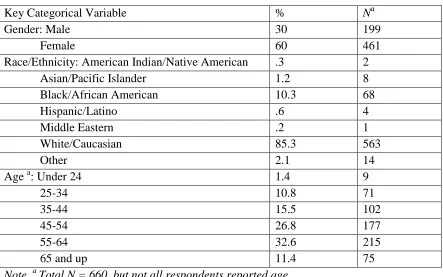
Table 4.1 Descriptive Statistics for Key Demographic Variables ...48
Table 4.2 Descriptive Statistics for Employment, Income and Education ...49
Table 4.3 Connection to the United Way ...50
Table 4.4 Stewardship Item Means with Factor Loadings for Five-Factor Solution ...52
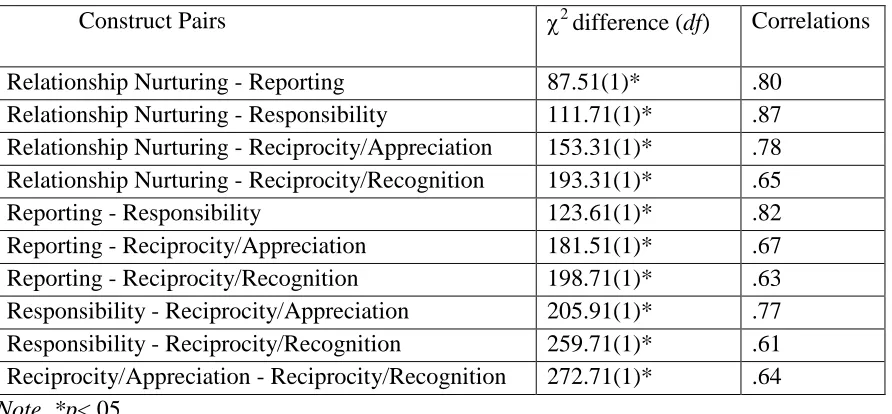
Table 4.5 Discriminate Validity for Stewardship Factors ...58
Table 4.6 Perceptions of Relationship Cultivation Strategies ...59
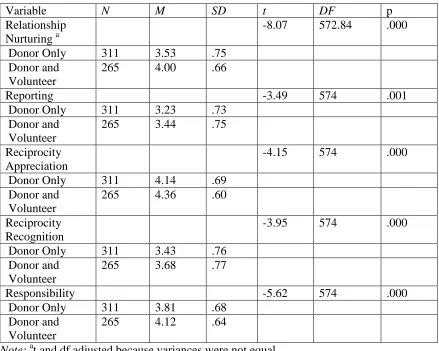
Table 4.7 T-test for Group Differences in Perceptions of Relationship Cultivation Strategies ...61
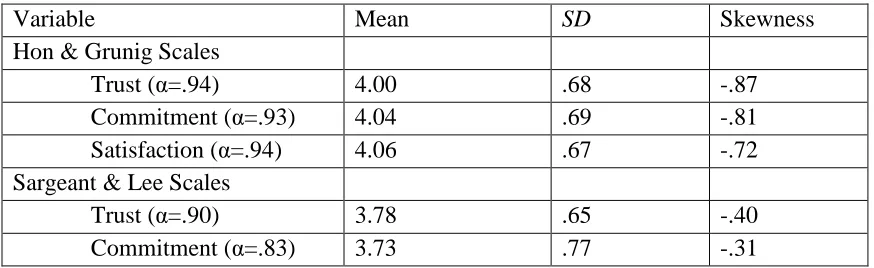
Table 4.8 Relationship Evaluation Descriptive Statistics ...62
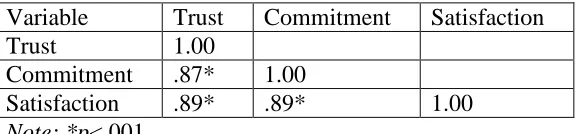
Table 4.9 Correlation Matrix for Relationship Evaluation Variables ...63
Table 4.10 Multiple Regression of Perceptions of Relationship Cultivation as Predictors of Relationship Evaluations ...64
Table 4.11 Multiple Regression of Relationship Cultivation Perceptions Predicting Trust by Stakeholder Type ...66
Table 4.12 Multiple Regression of Relationship Cultivation Perceptions Predicting Satisfaction by Stakeholder Type ...67
Table 4.13 Multiple Regression of Relationship Cultivation Perceptions Predicting Commitment by Stakeholder Type ...68
Table 4.14 Descriptive Statistics for Attitudinal Loyalty ...69
Table 4.17 Multiple Regression for Attitudinal Loyalty as a Predictor of
L
IST OFF
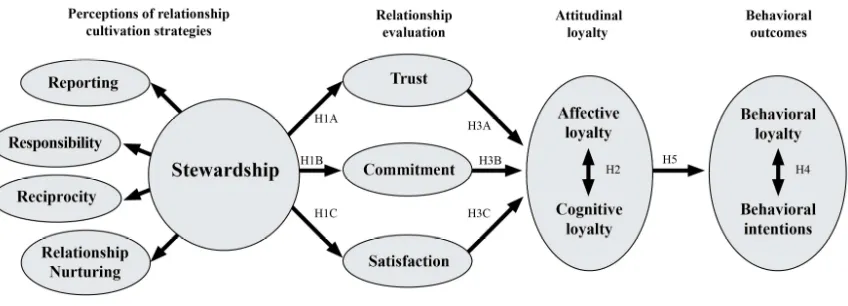
IGURESFigure 2.1 Proposed Structural Model ...25
Figure 4.1 Model of Stewardship with Five-Factor 26 Indicators Solution ...57
Figure 4.2 Structural Model Testing Proposed Hypotheses ...74
C
HAPTER1
I
NTRODUCTIONFor decades, 501(c)3 nonprofit organizations have collectively represented one of the fastest-growing segments of our society. These organizations rely on relationship
management to cultivate partnerships with donors, volunteers, advocates and other important publics to achieve their goals of leveraging improvements in their communities and making positive contributions to solving pressing social issues at home and abroad. Central to the success of these relationship management endeavors is public relations, which has been defined by the Public Relations Society of America (2012) as ‘‘a strategic communication process that builds mutually beneficial relationships between
organizations and their publics.’’
In the nonprofit sector, loyalty is one of the most important attitudinal variables in relationship maintenance (Sargeant & Woodliffe, 2007). Further, despite Ledingham and Bruning’s (1998) assertion that, “organizational involvement in, and support of the community in which it operates, can engender loyalty toward an organization among key publics when that involvement/support is known by key publics,” (p. 63) public relations scholars have yet to embrace this important variable as a relational outcome. For
consumer literature tells us that it is six times more costly to obtain a new customer than to retain a relationship with an existing stakeholder (Barlow & Moller, 1996); and the benefits of reducing attrition can dramatically improve efficiency, service delivery and financial gain (Reichheld & Sasser Jr, 1990). In the nonprofit sector, loyal donors and volunteers, in particular, contribute to the sustainability, efficient operating and viability of an organization.
Despite the significance of loyalty to the nonprofit sector, research in recent years has shown that there is decreasing confidence in the charitable sector because of highly publicized scandals, ineffective governance and increased media attention to social issues (Light, 2008; Salmon, 2002). Concurrent with this decrease in confidence has been an increase in the number of nonprofit organizations in the sector. From 2000 to 2010 alone, the nonprofit sector in the United States experienced a tremendous 24% growth, and as of 2012, there were more than 2.3 million nonprofit organizations operating in the United States (Blackwood, Roeger, & Pettijohn, 2012). This increased competition and decreased trust can lead to stakeholder switching behaviors and increases the
instrumentality of loyalty as an essential measure of relational outcomes in nonprofit public relations research.
One way to enhance stakeholder loyalty to a nonprofit may be through improving perceptions of stewardship. For more than two decades, nonprofit public relations
awards provide evidence that the concept of stewardship is a valued aspect of nonprofit effectiveness (e.g., Brinckerhoff, 2004, 2012; Council on Foundations, 2004; N. C. Center for Nonprofits, 2012). Despite this ubiquitous support for effective demonstration of stewardship, few scholars have yet to systematically investigate the effect of
stewardship.
In their oft-cited “Guidelines for Measuring Relationships in Public Relations,” Hon and Grunig (1999) proposed that stewardship strategies offered a way to maintain relationships with stakeholder publics. In their articulation of measurement for the organization-public relationship, the authors posit that effectiveness of this relationship maintenance strategy is best estimated by positive assessment of outcome variables including trust, commitment and satisfaction. While they did validate a scale for the relationship outcome measures, no such scale was put forward for stewardship. In recent years, a handful of scholars have worked to advance our understanding of the relationship between stewardship and positive relationship outcome evaluations. One study found evidence that positive perceptions of stewardship does, in fact, lead to positive
relationship evaluation in a donor-public relationship model (Waters, 2011a). Building on this work, this study will not only consider other organizational stakeholders (e.g.
volunteers), but also validate a measurement model for the construct of stewardship. This new latent construct will be included as the first stage in a model of organization-public relationships that extends from trust, commitment and satisfaction, to loyalty to the organization and behavioral intentions to support the organization.
(stewardship) intended to cultivate relationships lead to improved organization-public relationship evaluations (trust, commitment, satisfaction), which in turn lead to loyalty to the organization (cognitive, affective, behavioral) and behavioral intentions to support the organization. Survey respondents will be drawn from a population of stakeholders of a nonprofit organization (e.g. volunteers and donors). While drawing respondents from a single organization limits the generalizability of findings, it is anticipated that this research will lay the groundwork for future testing of the proposed model in other organizational contexts.
1.1 THE STATE OF NONPROFIT AMERICA
In recent years, nonprofits accounted for nearly ten percent of all wages and salaries paid in the United States and represented 5.5% of the gross domestic product (Blackwood et al., 2012), demonstrating the sector’s importance to the national economy. Defined as the association of a group of individuals voluntarily bound together in pursuit of a shared objective (Lohmann, 1992), the mission-oriented work of nonprofit
organizations generates social capital, or the attitude and willingness of people to engage in collective action to address issues on the basis of shared values and beliefs (Hall, 2005). These organizations work to positively impact the gamut of social issues ranging from health, human services, arts and culture, education, research and advocacy (National Center for Charitable Statistics, 2012). In fact, since the late 1980s and early 1990s, many services previously provided by government entities have been provided by nonprofit organizations (Boris & Steuerle, 2006; Clemens, 2006).
individual contributions to nonprofit organizations total $217.79 billion, which comprised 73 percent of all financial gifts given to the sector in 2011(Foundation, 2012). Therefore, it is no wonder that recent scholarly research has primarily focused on the
donor-organization relationship. However, it is not only money that Americans contribute to the sustainability of the sector. The Federal Agency for Service and Volunteering (2012) reports that Americans volunteered a total of almost 8 billion hours, at an estimated economic value of roughly $171 billion in 2011. Despite these impressive figures, according to the United States Department of Labor (2013), volunteer rates are on the decline, with barely more than a quarter of Americans volunteering through or for an organization during 2012.
1.2 NONPROFITS AND RELATIONSHIP MANAGEMENT
In the nonprofit sector, public relations plays a critical role in raising money, attracting new members, energizing supporters, cultivating relationships with stakeholders and fulfilling an organization’s mission. In fact, the viability of these organizations often hinges on successfully using public relations strategies to engage a wide array of constituencies (Feinglass, 2005). It is, therefore, not surprising that Communications Consortium Media Center (2004) reported that nonprofits have exponentially increased their investments in communication strategies in an attempt to create awareness, influence behavioral change and increase active engagement in social issues.
One of the most important components of the relationship management process for nonprofit public relations communicators is stewardship (Kelly, 1998). In an
and how these actions affect supportive publics and other organization stakeholders (Jeavons, 1994). In 2001, Kelly first proposed stewardship as a function of public relations models comprised of four strategies: reciprocity, or the demonstration of its gratitude for support; responsibility, defined by actions of a socially responsible manner to those who have supported the organization; reporting, in terms of meeting legal and ethical requirements of accountability; and relationship nurturing, where the organization accepts the importance of supportive publics and keeps them central to the organization’s consciousness (Kelly, 2001). For each of these strategies, providing information and involving publics are imperative to the organization’s work (Hon & Grunig, 1999).
While it is has been posited that the purpose of stewardship is to “establish the means for continued communication that will help to preserve their [stakeholders] interest and attention to the organization” (Greenfield, 1991, p. 148), recent studies investigating nonprofit’s communication of stewardship strategies have focused narrowly on donor publics and the fundraising function (see e.g., Waters, 2008; Waters, 2009b; Worley & Little, 2002) rather than the myriad stakeholders integral to a nonprofit’s success. In an era when nonprofit organizations have come under attack for
mismanagement of funds, ineffective governance, unethical acts, and failing to comply with reporting responsibilities, the strategies of stewardship are becoming increasingly important to assure public trust and support.
(OPR). The specific relationship evaluations that will be measured are trust, commitment and satisfaction. These measures were selected based on their prominence as relational outcome measures in public relations (see e.g., Hon & Grunig, 1999; Huang, 2001a; Ledingham & Bruning, 2001; Waters, 2011a), as well as the work of marketing and nonprofit scholars who have shown these factors are likely antecedents to loyalty (see e.g., Morgan & Hunt, 1994; Sargeant & Lee, 2004; Sargeant & Woodliffe, 2007). OPR variables will be discussed in detail in later chapters.
1.3 THE UNITED WAY
The sample population for the survey is drawn from representative community-based local United Way organizations from one southern state. The United Way was selected because of the diversity of stakeholder audiences, as well as the scope of their mission.
The first United Way organization was founded in 1887 by a group of religious leaders in Denver. Over the 125 year span since its inception, strategic planning; partnerships with groups such as the Atlanta Committee for the Olympic Games, National Football League and CNN; as well as national recognition for not-for-profit ethics and accountability, has resulted in the United Way Worldwide achieving the status of the world’s largest privately-funded nonprofit. Today, the United Way Worldwide serves as the leadership and support organization for a network of nearly 1,800
community-based United Ways in 40 countries and territories (United Way Worldwide, 2013).
community, strengths and assets are assessed to help individuals and groups with specific community interests find ways to contribute their time and talents, support direct service programs and community-change efforts, and advocate public policy changes. While specific programs and advocacy initiatives are determined at the community level, the overarching mission of the organization is to create long-lasting changes in communities by addressing key quality of life indicators including education, income and health. Success in this mission is measured by leveraging resources for community programs, galvanizing all sectors of society and mobilizing individuals to give, advocate and volunteer to improve their community (United Way Worldwide, 2013).
1.4 STUDY SCOPE AND SIGNIFICANCE
Through a survey of stakeholders, this study will explore perceptions of the relationship cultivation strategies of stewardship, how those perceptions might lead to positive relationship evaluations associated with the OPR model (trust, commitment, satisfaction), and more importantly, how these factors might result in stakeholder loyalty and behavioral intentions to support the organization. This work is intended to provide a foundation and guidance for improving communication and relationship cultivation with nonprofit stakeholders through the use of the specific strategies associated with
stewardship. Further, it is the aim of this research to explore and test a new model of communications that integrates the OPR model and extends it to include dimensions of loyalty.
C
HAPTER2
L
ITERATURER
EVIEWNonprofits with limited resources often rely on public relations strategies for relationship cultivation, development and maintenance because these strategies tend to be less costly than traditional advertising campaigns. While many public relations efforts on the part of nonprofit organizations may be focused on gaining new stakeholders, a shared focus on relationship maintenance and cultivation seems an equally important aim and, therefore, is the focus of this study. Maintenance strategies include attempts to manage the relationship through strategic communication efforts. Ki and Hon (2008) referred to these strategies as cultivation strategies and defined them as ‘‘any organizational behavioral efforts that attempt to establish, cultivate, and sustain relationships with strategic publics’’ (p. 5).
2.1 RELATIONSHIP CULTIVATION PERCEPTIONS
Since Ferguson (1984) proposed that the relationship should be a key focal area for theory development in public relations, researchers have evolved from testing specific processes and effects to focusing on relationship-based outcome measures. Recent
Bruning, 1998). This theoretical definition of relationship management formed the basis for the concept of stewardship.
Stewardship and Nonprofits
Scholars have long recognized stewardship as a key component to relationship management for nonprofit organizations. Jeavons (1994) described the concept of stewardship as having ancient (even biblical) roots, and noted that nonprofit
organizations, in particular, have an obligation to be good stewards of their resources because they are entrusted with those resources to benefit the public good. Highlighting the religious roots of the stewardship concept, Robert Payton noted, “The church’s role as the mediating structure between almsgiver and the poor provides a model for the
organization of charity as an institution” (1987).
Perhaps as important as practicing good stewardship is demonstrating that
practice to an organization’s stakeholders. In fact, as public relations theory, research and practice continue to embrace organization-public relationship models, nonprofit public relations practitioners and scholars can only benefit from including stewardship as part of practical and ethical approaches to building relationships and quantifying their
effectiveness.
As Kelly (2001) proposed, stewardship is one of the most important steps in the relationship management process employed by nonprofit organizations. In Kelly’s
cultivation and maintenance is even more important in the current competitive landscape. Further, Ledingham (2003b) expanded his popular process model of relationship
management, with steps of scan, map, action, roll-out, track (SMART PR), to include stewardship as a means for assuring continuity and ethicality in public relations processes. This vital addition of stewardship is comprised of four distinct strategies or dimensions intended to promote ethical behavior by practitioners and their organizations. The strategies associated with the concept of stewardship are responsibility, reporting, reciprocity and relationship-nurturing (Kelly, 1998, 2001).
Building on Kelly’s work, subsequent studies have focused primarily on
stewardship in terms of the management of relationships between nonprofit organizations and their donor publics. Findings from these studies offer further evidence supporting the utility of all four stewardship strategies as part of nonprofit practitioners’ efforts to develop successful donor relationships and fundraising campaigns (e.g., Worley & Little, 2002). For example, studies investigating the role of specific stewardship strategies have found that reciprocity is imperative for sustaining relationships with major donors (Waters, 2009b); that donor expectations and practitioner perspectives vary with respect to the magnitude and importance of stewardship strategies (Waters, 2009ab); and that the four strategies of stewardship can work with other popular concepts in the public
relations literature such as the organization-public relationship (OPR) framework to predict major donations versus annual gifts (Waters, 2011a).
However, these studies primarily focus on a single type of nonprofit organization. One such study found reciprocity and relationship-nurturing to be more prevalent than dimensions of responsibility and reporting on nonprofit health organization websites (Patel & Weberling, 2011). Another qualitative content analysis of email messages from the nonprofit organizations, Susan G. Komen for the Cure and the Komen Advocacy Alliance, reported evidence of all four strategies of stewardship, although the use of the strategies varied, depending on whether the messages took an emotional, informational or political/economic approach (Weberling, 2011). This research stressed the need to
continue exploring the concept of stewardship.
More recently, Waters (2011b) has taken stewardship outside the nonprofit realm and applied the concept to a content analysis of Fortune 100 companies’ websites. He found that, generally, for-profit corporations were most likely to display elements of reporting, followed by reciprocity and responsibility. Evidence of relationship-nurturing, in particular, seemed to be lacking on the Fortune 100 websites.
Defining Stewardship
Importantly, these studies aid in clarifying the definitions of each of the
stewardship strategies and offer indicators to measure the dimensions of the construct. As Chaffee (1991) reminds us, explication links theory, observations and research.
Therefore, an important step in understanding how stewardship can be employed in theory testing and development is defining the four dimensions of stewardship.
The literature focused on nonprofit stewardship has defined responsibility as acting in a socially responsible way, keeping promises to important publics and
1999; Kelly, 2001; Waters, 2009b). The reporting strategy has been defined as conveying information that demonstrates accountability, meeting legal and ethical requirements, providing updates on goal achievement and informing publics about fundraising success (e.g., Hon & Grunig, 1999; Kelly, 2001, Waters, 2009b). An annual report and other financial information are common examples of evidence of this definition of reporting.
Reciprocity includes visible signs of listening to different publics demonstrated by
acknowledgements and appreciation of supportive beliefs and behaviors, such as personalized thank you messages and highlighting donor gifts in mass distributed correspondence(e.g., Hon & Grunig, 1999; Kelly, 2001, Waters, 2009b). Finally,
relationship-nurturing has been defined as initiating and/or participating in dialogues
with various publics (including the use of social media) and expanding current
involvement of individuals or publics into long-term relationships with the organization through solicitations for donations, volunteer recruitment and/or other opportunities to take action to support the organization’s efforts (e.g., Hon & Grunig, 1999; Kelly, 2001, Waters, 2009b). .
Stewardship Beyond the Donor Relationship
relates to stewardship, Leddingham (2003) has asserted that while stewardship is an essential element of relationship management, the industry must disassociate stewardship from being exclusively a fundraising concept. As demonstrated by Waters (2011a), stewardship has the potential to be an important predictor in models investigating the organization-donor relationship. Extending his initial findings in the donor context, this study will also consider group differences between both donors and volunteers. These stakeholder types are central to a nonprofit’s viability and, thus, should be considered equally in research examining the nonprofit organization-public relationship.
2.2 RELATIONSHIP EVALUATIONS
Increasingly, public relations practitioners are called on to demonstrate the relative effectiveness and the value of their programs. Effective relational evaluations help to provide accountability for public relations programs and provide a means for measuring return on investment. Further, relational evaluations provide a more sophisticated and long-term answer to questions of public relations effectiveness than short-term outcome measures such as coverage, exposure, recall or comprehension. The penultimate objective of public relations strategies, tactics and activities is the
enhancement of the organization-public relationship (OPR).
Defining the Organization-Public Relationship
culturally (Ledingham & Bruning, 1998). Yet another often-cited definition focuses on mutual trust, commitment, satisfaction and balance of power between the organization and its publics (Huang, 2001a).
Hon and Grunig (1999) first proposed a set of indices that measured dimensions of relational evaluations an individual may experience within an OPR. Grounded in a 1991 (Stafford & Canary) interpersonal communication study that analyzed antecedents and outcomes of intimate relationships, they proposed relational outcomes focused on trust, commitment, satisfaction and balance of power. To determine the level of trust between an organization and its stakeholders, indicators measure confidence in, and willingness to be open to, the other party and include concepts such as integrity,
dependability, and competence. The relational satisfaction dimension refers to the degree to which both the organization and its publics are mutually satisfied with their
relationship, and it is measured as the degree to which each party perceives that the expected benefits of being in the relationship exceed the costs. The commitment
dimension focuses on lasting compliance and includes measures related to the belief that the relationship is worth maintaining. The control mutuality dimension represents the extent to which parties in the relationship agree as to who is authorized to exercise power and control and how well power is distributed in the relationship.
However, to this researcher’s knowledge, while numerous antecedents have been tested, to date, no other researchers have empirically tested stewardship dimensions in the OPR model at the level of Waters (2011a). Despite the inclusion of stewardship as a
relationship cultivation strategy in the original Hon and Grunig (1999) white paper, most research investigating OPRs has relied on the strategies adapted from interpersonal communication (access, positivity, openness, assurances, networking, sharing of tasks, keeping promises). Perhaps this is due to a lack of a clearly defined measurement model for stewardship or the construct’s particular relevance to the nonprofit sector. This study seeks to fill that gap.
2.3 EXTENSION OF OPR TO BEHAVIORAL OUTCOMES
While numerous studies outlined above have vastly increased our understanding of public and stakeholder perceptions, attention is needed to better understand the
behavioral consequences of the OPR. For this reason, this study seeks to further examine how the variables of trust, commitment and satisfaction might lead to loyalty to an organization, as well as behavioral intentions to continue to be involved with the organization.
Loyalty
relations context due to the increasing competition and highly publicized scandals within the sector that lead to stakeholder switching behaviors. Thus, one aim of this study is to ascertain which components of loyalty are theoretically relevant, and to empirically test how relationship cultivation strategies of stewardship engender trust, commitment and satisfaction, and might be related to the different dimensions of loyalty.
In the business literature, loyalty has been described as “a deeply held commitment to re-buy or re-patronize a preferred product/service consistently in the future, thereby causing repetitive same-brand or same-brand-set purchasing, despite situational influences and marketing efforts having the potential to cause switching behavior” (Oliver, 1999, p. 34). In this context, as well as in the nonprofit sector, trust and commitment have been recognized as key factors in loyalty’s formation (Sargeant & Lee, 2004). For the past 40 years, researchers in advertising and marketing have
To contrast these approaches, Fournier and Yao (1997) investigated attitudinal loyalty by conducting in-depth interviews among coffee-consuming adults and found that the bond between consumer and product is determined by an array of emotion-based relationship factors and attitude strengths. On the other hand, Dekimpe, et al. (1997) studied the behavioral brand loyalty for 21 consumer packaged goods and found that repeat purchase is more stable for market-share leaders than for other brands. Finally, in an experiment with 80 children aged six to nine, Jacoby and Kyner (1973) found that there is more to brand loyalty than simple repeat purchase intentions of a candy bar, and that numerous emotional and attitudinal dynamics factor into the decision making process.
Further, many scholars exploring loyalty have used a continuum approach to loyalty, influenced by the early work of Oliver (1997, 1999). In his conceptualization, loyalty’s formation is a temporal sequence that begins with a cognitive belief, followed by affective loyalty (“I buy because I like it”), leading to conative loyalty (“I’m
committed to buying it”) and finally action loyalty. A number of researchers have adopted this approach (e.g., Harris & Goode, 2004; McMullan & Gilmore, 2003).
The temporal sequence of loyalty has been challenged by more recent research that further modified our understanding of loyalty’s formation. For example, in a
consumer-based study, Jones and Taylor (2007) found that loyalty was a function of two-dimensions, a behavioral element (repurchase intentions), and a combined
order structure with behavioral loyalty as the output, determined directly by attitudinal loyalty and indirectly by cognitive, affective and conative loyalty. In social psychology, Fiske (2009) proposed that loyalty can be defined generally as an attitude (positive or negative evaluation of an object) and identified three different components in the structure: affective, cognitive and behavioral.
Informed by the evolution of the study of loyalty, this research will measure the construct with three factors of cognitive, affective and behavioral loyalty. Marketing literature supports commitment as an antecedent to loyalty and popular definitions of the constructs of commitment and conative loyalty are highly interrelated; therefore this dimension (conative loyalty) has not been included in this particular study. Additionally, given that loyalty studies from other fields have shown behavioral loyalty as an output, with antecedents of cognitive and affective loyalty (Back & Parks, 2003; Harris & Goode, 2004; Yuksel, Yuksel, & Bilim, 2010), it is posited here that cognitive and affective loyalty dimensions are correlated antecedents preceded by trust, commitment and satisfaction.
Behavioral Intentions
According to the theory of reasoned action (Ajzen & Fishbein, 1980; Fishbein & Ajzen, 1975) and the theory of planned behavior (Ajzen, 1985, 1991, 2005), behavioral intentions are an intermediate variable between attitudes and behaviors. Perloff describes behavioral intentions as, “the intentions to perform a particular behavior, a plan to put behavior into effect” (Perloff, 2003, p. 92). Measures of behavioral intentions are
control (Perloff, 2003). Meta-analysis has shown that the theory of planned behavior variables accounted for 39% of variance in intentions, and 27% of the variance in behavior (Armitage & Conner, 2001).
In a study of the relationships students have with a large university, Ki and Hon (2007b) attempted to add to our understanding of how positive relationship evaluations from the OPR model might lead to attitudes and behavioral intentions. Their findings indicate that positive perceptions of OPR measures did, in fact, predict favorable attitudes and, in turn, an intentions to engage in behavior to support the organization. Drawing from this framework, intentions measures have been included in the instrument as a correlate to behavioral loyalty.
2.4 RESEARCH QUESTIONS AND HYPOTHESES
Using the literature as a guide, this study seeks to test hypotheses and answer research questions related to the relationship cultivation strategies of stewardship, and the utility of stewardship in predicting relationship evaluations from the OPR framework. It also proposes a new working model that extends OPR to include behavioral
consequences of loyalty over time. The overarching objective is to better understand and explain how perceptions of relationship cultivation strategies may ultimately result in increased loyalty to a nonprofit organization and intentions to support the organization. The research questions and hypotheses are outlined below; an illustration of the proposed model can be found as Figure 2.1 at the end of this chapter.
move stewardship away from the exclusive domain of fundraising, this study proposes the following two research questions:
RQ1: To what extent do nonprofit stakeholders give the nonprofit organization a
favorable rating on the relationship cultivation strategies of stewardship?
RQ2: What are the group differences between organizational stakeholders with
relation to their perceptions of the relationship cultivation strategies of stewardship?
Previous research on donors has demonstrated a positive relationship between relationship cultivation strategies of stewardship and relationship evaluations in the OPR framework (Waters, 2011b). It is not clear, however, what the relationship is between trust, commitment and satisfaction. This is, in part, due to the fact that these relationship evaluations were considered outcome variables previously. Additionally, marketing literature considers trust and commitment as the exogenous variable in models leading to loyalty (Sargeant & Woodliffe, 2007). This study seeks to add clarity to our
understanding of relationship evaluations, as well as replicate and extend findings from previous work in a new nonprofit context through the following research questions and hypotheses:
RQ3: To what extent do nonprofit stakeholders give the organization favorable
ratings on relationship evaluations of trust, commitment and satisfaction?
RQ4: How are the relationship evaluations of trust, commitment and satisfaction
related?
H1a. The relationship cultivation strategies of stewardship will have a positive
H1b. The relationship cultivation strategies of stewardship will have a positive
relationship to commitment among nonprofit stakeholders.
H1c. The relationship cultivation strategies of stewardship will have a positive
relationship to satisfaction among nonprofit stakeholders.
RQ5: Of the perceptions of relationship cultivation strategies of stewardship,
which are most influential in predicting relationship evaluations of trust, commitment and satisfaction?
Given the donor-centric nature of most nonprofit and public relations research, this study will also build on our understanding of perceptions of communication effectiveness by including volunteers as an important stakeholder type, and thus the following research question is proposed:
RQ6: How are volunteers and donors different in their perceptions of the
strategies of stewardship as it relates to influencing their evaluation of trust, commitment and satisfaction with the nonprofit organization?
In order to extend our understanding of the OPR to include behavioral
H2: Affective and cognitive loyalty will be positively correlated.
H3a: Positive relationship evaluations of trust will predict attitudinal loyalty.
H3b: Positive relationship evaluations of commitment will predict attitudinal
loyalty.
H3c: Positive relationship evaluations of satisfaction will predict attitudinal
loyalty.
RQ7: What are the group differences between organizational stakeholders with
relation to attitudinal loyalty to the nonprofit organization?
Next, considering the literature from marketing, consumer relations and social psychology, it is anticipated that these variables will predict behavioral loyalty and intentions. It is unclear, however, whether different stakeholder types will indicate varying levels of intentions or loyalty, or if the different measures of attitudinal loyalty will have better predictive power for the outcome variables of behavioral loyalty and intentions to support the organization. Provided the similarities in construct domain and definition for behavioral loyalty and behavioral intentions, it is anticipated these variables will be positively correlated. For these reasons, the following hypotheses and research questions are posed:
RQ8: What are the group differences between organizational stakeholders with
relation to behavioral loyalty to the nonprofit organization?
RQ9: What are the group differences between organizational stakeholders with
relation to intentions to support the nonprofit organization?
H4: Attitudinal loyalty will predict behavioral loyalty and intentions to support
H5: Loyalty and behavioral intentions will be positively correlated.
In order to explore these questions and hypotheses, a new working model is proposed (see Figure 1). This model tests previously explored relationships between stewardship variables (using a newly validated scale), and relationship evaluations associated with OPR. Further, it extends OPR by examining, which variables might be most relevant in predicting loyalty and behavioral intentions. As a primary aim, this working model is intended to explore and help us better understand in what ways stewardship motivates nonprofit stakeholder attitudes and behavior, and thus a final research question is posed:
RQ10: To what extent do positive perceptions of relationship cultivation
C
HAPTER3
M
ETHODThis chapter provides details related to the survey research instrument, data collection and data analysis procedures, as well as the study sample. In brief, the aim of this study is first to advance a measurement model for the construct of stewardship, and second to provide a deeper understanding of how this relationship cultivation strategy may lead to positive relationship evaluations, loyalty and behavioral intentions to support a nonprofit organization.
Relating to the second goal of this study, the author tests a structural model that extends beyond relationship evaluations to loyalty, while concurrently considering how these evaluations might predict behavioral intentions. Given the tumultuous landscape that nonprofits are currently working within, it is important not only to assess how stakeholders might evaluate a nonprofit’s strategic communications, but also to consider how these evaluations may lead to intentions to support and demonstrate loyalty to the organization.
This study is strongly guided by theories from public relations, nonprofit and marketing literature. With the exception of stewardship, for which a measurement model will be validated, all other measures are drawn from previously validated scales. The questions and hypotheses posed in the study will address each area of the model in turn, while determining if there are group differences by stakeholder type, new media use and connection to the organization. Research questions related to the ways in which
stakeholders are motivated by stewardship with respect to attitude and behavior will be addressed by testing the proposed model.
3.1 ONLINE SURVEYS
the study aims. Under ideal circumstances, the researcher draws a random sample of the population of interest and, therefore, can generalize findings to the larger population. In the case of this study, neither a random sample of the total population of interest, nor of United Way stakeholders, was feasible. This limitation will be addressed in greater detail in the following sections of this chapter.
Survey research is not without disadvantages. Standardization of questions forces measurement indicators to be constructed in such a way that all respondents might be able to answer them. Such standardization may prevent some distinction between variables or segments of the population to emerge. Other sources of error may include survey non-response bias, respondent fatigue and overrepresentation from select
segments of the population. Additionally, respondents may have difficulty recalling their own behavior or assessing their motivations and attitudes. Later sections of this chapter address steps taken to minimize these concerns.
This study employed an online questionnaire to collect responses from stakeholders of select local United Ways in one southern state. A web-based email distribution plan is supported by research in the past decade that indicates this type of distribution is appropriate for tech-savvy populations (Beck, Yan, & Wang, 2009); is less expensive, faster, has a response rate nearly twice that of mail (Cobanoglu, Warde, & Moreo, 2001); and the quality of responses is just as good as other means of
mode of data collection was preferable to reach the population of interest, with relative ease on the part of the partnering organizations, at little to no cost (particularly compared to other data collection options) and the need for statewide reach (K. B. Wright, 2005). 3.2 DESIGN AND ADMINISTRATION
The design of the study is informed by Quantitative Research Methods in
Communication (Wrench, Thomas-Maddox, Richmond, & McCroskey, 2008) and further
guided by The Tailored Design Method (Dillman, 2000). The study uses a cross-sectional design with fixed responses. Because the model proposed in this study has never been tested, it was deemed appropriate to choose a cross-sectional design over longitudinal study. Once the model has been tested, future theory development work could include longitudinal studies.
The visual presentation and layout format was carefully considered to assure respondents were able to easily read, review and react to items in the study. Because of the survey length, a decision was made to cluster conceptually similar items in order to decrease the potential for respondent confusion. Interval-level data was collected using a Likert-type response format with five levels. This format was chosen following research that indicates the response format allows for maximum variation without overtaxing the respondent (Toepoel, Das, & van Soest, 2009). To further increase the ease for
respondents, all items were presented in linear horizontal format with fully labeled points and a limited number of items per screen. When possible, matrices were used to improve the scannability of the instrument for respondents.
participate via a hyperlink to an online platform where they might respond. Responses are not associated with the respondent’s email address, nor other identifying information, assuring respondent anonymity. Responses are stored in the system and can be
downloaded by the researcher for analysis. In the case of this study, the link to the online questionnaire was provided to partnering local United Ways, which then distributed it with a short message outlining the purpose of the study, incentive for participation and a plea for participation (see Appendix A). Respondents who clicked on the link were taken to a screen providing an introduction to the study and information related to their rights as research subjects (see Appendix B). Respondents were advised that their participation was voluntary, and that if at any point they determined they did not want to continue, their responses to that point would be deleted. After reading this statement, respondents were asked to consent to participation prior to proceeding to the first page of questions.
The questionnaire was distributed by participating local United Ways in three waves as a means to increase response rates. Each wave carried a similar introductory email message and directed respondents to the same online questionnaire. To encourage participation, $1 was donated to each respondent’s local United Way for completing the questionnaire. Funding for this small incentive was provided by members of a
to perform tasks and participate in studies. Research in this context related to small incentives (between $0.50 and $2.00) in web-based data collection found there was, indeed, an increase in responses compared to no incentive (Berinsky, Huber, & Lenz, 2012; Buhrmester, Kwang, & Gosling, 2011; Mason & Suri, 2012)
3.3 SURVEY MEASURES
The questionnaire used in this study combines previously validated scales from public relations, marketing and nonprofit literature with the creation of a new
measurement model for assessing perceptions of stewardship strategies. The indicators adopted from previous studies, in some cases, included slight modifications to more closely represent the nonprofit-stakeholder relationship. As noted above, all scale options were measured on five-point Likert-type scales. As is typical with most surveys, the instrument also collected demographic information including gender, race, age, highest level of education completed, employment status, expected household income for the current year and connection to the United Way. Given the technology-based context of the study, and the United Way’s significant reliance on online communication channels for connecting with stakeholders, questions related to respondents’ preferences for online communication channel and personal online habits were also included. Prior to launching the study, approval was received from the university’s Internal Review Board (see
Appendix C).
Perceptions of Relationship Cultivation Strategies
the latent construct of stewardship is necessary to advance our understanding of how it functions in the relationship management process. Latent constructs are not directly observable and require reflective indicators for meaningfully measurement. Stakeholder perceptions associated with relationship cultivation strategies are no more comprised of single “doubly concrete” measures than the evaluations of these strategies. Therefore, just as the other constructs used in this study require multiple reflective indicators to assess, so do the four stewardship strategies require multiple indicators (Churchill Jr, 1979; Peter, 1979).
Using the procedure first outlined by Churchill (1979) and later refined by Netemeyer et al. (2003), scales were developed to measure latent construct of stewardship. These steps are outlined in greater detail below. The scale refinement process led to the inclusion of 30 items in the final instrument that measure perceptions of relationship cultivation strategies (reciprocity and responsibility measured with eight indicators each; reporting and relationship nurturing measured with seven items each). Stewardship perceptions were measured on five-point Likert-type scales ranging from “Strongly Disagree” (1) to “Strongly Agree” (5). Scales included reverse worded items to decrease extreme response and acquiescence bias (Chronbach, 1950). The process for finalizing the measurement model is discussed in greater detail below.
Relationship Evaluation
explored the role of these latent variables in relationship marketing (see e.g., Doney & Cannon, 1997; Garbarino & Johnson, 1999; Morgan & Hunt, 1994; N. Sharma & Patterson, 1999) and e-commerce (see e.g., Casaló, Flavián, & Guinalíu, 2007; Koufaris & Hampton-Sosa, 2004; Martín & Camarero, 2008; Wu, Chen, & Chung, 2010).
Additionally, nonprofit research focused on donor relations has investigated how these constructs might lead to behavior and loyalty (see e.g., Sargeant & Lee, 2004; Sargeant & Woodliffe, 2007). These areas of scholarship support the assertion that relationship evaluations of trust, commitment and satisfaction are appropriate, and the most important selections in the context of this study.
Two previously validated scales are included. These scales are draw from
published research on trust, commitment and satisfaction in public relations and nonprofit scholarly journals. Each of the following indices was measured on a five-point Likert-type scale ranging from “Strongly Disagree” (1) to “Strongly Agree” (5). Each scale included negatively worded items.
does not fit the diversity of population of interest. Previous studies only considered donor publics. The inclusion of volunteers as stakeholder types in this study limits the
usefulness of the construct, because this stakeholder type is unlikely to be motivated by gaining or sharing control in the organization.
As an additional measure of trust and commitment, the author included a more contemporary scale, validated by Sargeant and Lee in 2004 with research related to donor relations in the U.K. charity sector. The variables include a multidimensional
measurement of trust comprised of relationship investment, mutual influence,
forbearance from opportunism and communication acceptance, as well as measures for relational commitment. It was thought that the inclusion of a scale developed solely for evaluation of relationships in the nonprofit sector might offer additional insight and enhance our understanding of the nomological network for stewardship, or where perceptions of stewardship might lawfully fit in the relationship management paradigm. This measurement model includes 17 indicators to measure the two constructs (three dimensions of trust measured with 14 indicators; relationship commitment measured with three indicators). As an additional measure of satisfaction, the author also included a single question asking respondents to rate their satisfaction with the organization.
Loyalty
scholars have refined our understanding of loyalty. The work of these scholars influence the conceptualization put forward here, with behavioral loyalty measured as an output, preceded by cognitive and affective loyalty (Harris & Goode, 2004; Jones & Taylor, 2007; Li & Petrick, 2008).
Indicators to measure the loyalty dimensions were drawn from recent literature incorporating these dimensions into the evaluation of loyalty (Harris & Goode, 2004; Jones & Taylor, 2007; Li & Petrick, 2008). For the purpose of this study, cognitive loyalty is defined as “the existence of beliefs that (typically) a brand
(company/organization) is preferable to others;” affective loyalty is related to “the
customers (stakeholders) favorable attitude or liking toward the service/provider based on satisfied usage;” and finally, behavioral loyalty is related to “the frequency of repeat or relative volume of same brand-purchase (organizational support),” including the willingness to maintain the same preference over time (Li & Petrick, 2008, p. 72). Measurement of loyalty includes 12 indicators (cognitive, affective and behavioral loyalty dimensions measured with four indicators each).
Behavioral Intentions
Intentions to participate in United Way activities were measured with a series of questions that asked about respondents’ plans to participate in United Way activities. Responses were measured on a five-point Likert-type scale ranging from, “Very
options was developed in conjunction with the state headquarters of the United Way, and reviewed by a small group of local United Way leaders to assure items were
representative of participation opportunities. The final list included nine items associated with common ways to donate, volunteer and advocate for the organization.
A copy of the full research instrument can be found in Appendix D. 3.4 SCALE DEVELOPMENT
Before the perceptions of relationship cultivation strategies were measured, careful consideration was taken to advance a measurement model for assessing stewardship strategies. The steps taken reflect the latent variable estimate procedures outlined by Netemeyer, et al. (2003). In this process, step one was to define the construct and its content domain. Theoretically and practically sound definitions assure the
psychometric properties of the construct are appropriately representative. At this point in the process, it is also important to identify the nomological network for the construct, or what is predicted by the construct and what predicts it (Chronbach & Meehl, 1955; Loevinger, 1957). Careful attention at this step decreases the possibility of construct over-identification and construct invariance.
To this end, the first step in defining the construct of stewardship and its content domain was a careful review of extant literature. As discussed in the literature review, the factors associated with the construct are responsibility, reporting, reciprocity and
attempted to define and measure each of these strategies using both quantitative and qualitative methods (e.g., Patel & Weberling, 2011; Waters, 2009b; Waters, 2011a, 2011b; Worley & Little, 2002). The definitions and indicators used in these studies inform the definitions of each of the dimensions of stewardship included herein.
Further, given the nuanced and circumstance-dependent definitions of each of the dimensions in the literature, steps were taken to assure clarity of the construct and its dimensions both for lay stakeholder audiences, as well as for the practice of nonprofit public relations. To accomplish these ends, practitioner resources such as handbooks, blogs, conference themes, awards and organizational websites were consulted to assure the organizational understanding of the concepts was consistent with the construct and dimension definitions.
Based on these professional resources and existing definitions from extant literature (e.g., Hon & Grunig, 1999; Kelly, 2001, Waters, 2009b), the dimensions of the construct are defined as follows.
Responsibility: acting in a socially responsible way; keeping promises to
important publics; conveying how resources are used to support the organization’s mission; meeting legal and ethical requirements; something organizations do to fulfill their mission and then demonstrate to the public to prove they are good stewards.
Reporting: an organization explaining how organizational assets are used; precise
descriptions or quantifiable statements concerning mission fulfillment and demonstrating accountability; providing updates on goal achievement.
acknowledgement of public support or displays of sincerity and friendship between an organization and its publics.
Relationship nurturing: maintaining regular contact between an organization and
its publics by providing personalized attention; initiating and/or participating in dialogues with various publics; providing stakeholders an opportunity to engage in mission fulfillment; expanding current involvement of individuals or publics into long-term relationships.
In relationship management and development, factors of trust, commitment, satisfaction and loyalty are among the most important evaluations of relationship
cultivation strategies. For this reason, these factors provide the nomological network that stewardship fits into. More specifically, it is proposed that the relationship cultivation strategies of stewardship lead to enhanced levels of trust, commitment and satisfaction, which then lead to increased organizational loyalty and behavioral intentions to support the organization.
Step two in the scale development procedure is the generation of items that tap the domain of the construct and judging the indicators for translational validity. Nearly four decades ago, Selltiz et al. (1976) proposed that one can productively generate items through searches of the literature, experience surveys and examples that stimulate insight. To this end, the author included indicators used in previous stewardship studies, queried nonprofit professionals and consulted scholars who have experience working with the construct.
practitioners, working in various job positions, served as the initial pool of experts. Eleven experts agreed to participate. These experts varied in job title (e.g. executive director, program officer, communications director, volunteer liaison, trustee, donor specialist), as well as type of nonprofit organization they represent (e.g. public benefit, community development, foundation/grantmaking organization, historic preservation, environmental activism).
Data collection from these eleven professionals occurred in two waves. First, each was asked to review the refined definitions of each of the dimensions of stewardship and provide three general examples of how this dimension might manifest itself in their work. Next, item judging took place in order to determine each indicator’s content validity and, thus, viability to be retained as an indicator of the factor. Responses from item generation were then reworded to reduce situational specificity, and indicators used in previous studies published in the extant literature were added. The full list of indicators and the factor definitions were then distributed to the same group of professionals. At this stage, they were asked to review each of the items and identify to which relationship cultivation dimension they are most closely aligned. In order to be over-inclusive at this stage, an a priori decision rule was set to retain items that at least eight experts (73%) properly assigned (Haynes, Richard, & Kubany, 1995). Because responses primarily focused on key tactics for fulfilling each strategy, the researcher drew on insights from relevant literature to collapse, reword and delete redundant statements to assure indicators’ generalizability.
the indicators associated with each dimension. The judges for this stage included five researchers who have published studies using the construct of stewardship. These
scholars provided feedback on item clarity, reading level and response formats. This step assured that nothing happened in the translation of indicators from item pool generation to judging and refinement. See Appendix E for questionnaires used in item generation and judging.
Step three requires that once a list of indicators representative of the domain of the construct is compiled, studies to purify the measures must be developed and conducted. At this stage, the list included eight indicators each for reciprocity and
responsibility, and seven indicators each for relationship nurturing and reporting. Next, a sample for pilot testing the instrument was identified. The sample used for pilot testing was comprised of stakeholders associated with one local United Way (n=1,150) in the state where the study was being conducted. The large pilot sample was selected following literature that recommends judging by a relevant population should include 100-200 respondents (Clark & Watson, 1995; Haynes, Nelson, & Blaine, 1999). Once the collected data was cleaned, statistical tests were performed to test psychometric
properties of the scales. These statistical tests as well as the analysis related to step four, finalizing the scale, are discussed in greater detail in later sections of this chapter. 3.5 SURVEY SAMPLE
Therefore, the population of interest in this study was identified as nonprofit
stakeholders. Further, in order to expand our understanding of how these relationship cultivation strategies might function across stakeholder and nonprofit type, the selection of the respondent pool was given great consideration.
Whereas many nonprofits work within a single mission focus (e.g., healthcare, education, arts), the United Way serves as an intermediary organization, supporting myriad nonprofit types. The organization functions as a charitable coalition builder within communities to address the most pressing quality of life issues facing a given area. For this reason, their work leads them to partner with groups as disparate as
neighborhood associations, the faith community, schools, community development corporations and health focused nonprofits, to name a few. In their work, these local United Ways connect individuals with varying community interests to ways to contribute funds, time and talent in support of community-change efforts. For these reasons, the United Way was thought an ideal population for the study of stakeholder attitudes and motivations as it relates to relationship management.
teleconference to explain the project and followed up with local United Ways that were unable to participate. The researcher then contacted each group individually to determine their interest in participating.
Nine organizations were identified as the initial group of potential partners. If an organization indicated it would not be able to participate, the organization was replaced in the list with a similar organization to assure representativeness. In the end, three organizations declined participation because they already had research instruments in the field or scheduled for release concurrent with the timing of this study. Ultimately, eight organizations with a total of 12,952 stakeholder contacts were confirmed to participate in the full study. One additional organization, with 1,150 stakeholder contacts, was
identified for the pilot. While it would have been ideal to random sample from this population, the leadership of the organizations advised that it would not be feasible for their staff to accommodate such a request. Given the robust population size and careful selection of partner organizations, however, it was believed that limited generalizations are tenable.
3.6 PRE-TEST AND PILOT TEST
questions and ordering of questions. At this point, it was determined the instrument was ready for pilot testing.
In light of the researcher’s desire to develop scales for the measurement of stewardship perceptions, a sufficiently large sample size was needed. On May 3, 2013, the initial pilot test was distributed to the members of one local United Way.
Correspondence asking stakeholders to participate was sent in three waves over a period of 14 days. After a sufficient sample size had accumulated (n=250), the researcher
downloaded the data and began the cleaning process. At this point, the researcher realized there was an inadvertent omission of one block of measurement items. Given the
significance of each block of indicators to scale development and structural model testing, it was deemed necessary to repeat the pilot test with the inclusion of the missing block of indicators.
At this point the researcher identified an additional local United Way for
Further, inter-item correlations were consistently above .35 for each of the indicators within a factor, with the exception of negatively worded items. Additionally, item-to-total statistics demonstrated that the deletion of items did not result in improved reliability. In light of these results, the researcher determined that retaining all indicators for further analysis was the prudent course of action provided the nascent nature of the measurement model development.
3.7 DATA COLLECTION AND ANALYSIS
As mentioned above, data were collected using Qualtrics survey software via an online platform that allowed the researcher to download the data for analysis in SPSS. The first wave of the survey was distributed to partner United Way stakeholder contacts on June 4, 2013. Data collection was completed on June 24. In light of scheduling conflicts, three local United Ways were able to schedule only two waves of stakeholder correspondence within the pre-determined data collection window. Response rates are discussed in the following chapter.
The final sample of participants for the study included 918 respondents. However, 258 respondents did not complete all items in the questionnaire and were thus deleted. This is likely related to the questionnaire length, which took an average of 18 minutes for respondents to complete. Data for the remaining 660 respondents were downloaded and used as the final study sample.
(e.g., frequencies, mean, standard deviation) and review data for skewness, kurtosis, outliers and assure the data are approximately normally distributed.
The first step in the substantive data analysis process related to development of the stewardship measurement model. Extensive analysis was performed to determine item retention, dimensionality, reliability, criterion validity and acceptability of the model. Substantive tests included rerunning principal component exploratory factor analysis to examine item clustering. Inter-item correlations were again evaluated to assess reliability and internal consistency of the factors. To examine dimensionality, item-to-total
correlations were reviewed. Confirmatory factor analysis was then conducted using the covariance matrix to assess criterion validity and model fit.
Table 3.1
Research Questions, Hypotheses and Associated Statistical Tests
Hypotheses and Research Questions Statistical Test
RQ1: To what extent do nonprofit stakeholders give the nonprofit organization a favorable rating on the relationship cultivation strategies of stewardship?
Descriptive Statistics RQ2: What are the group differences between organizational
stakeholders with relation to the perceptions of relationship cultivation strategies of stewardship?
t-test
RQ3: To what extent do organizational stakeholders give the nonprofit organization favorable ratings on relationship evaluations of trust, commitment and satisfaction?
Descriptive Statistics RQ4: How are the relationship evaluations of trust, commitment and
satisfaction related?
Pearson’s r H1a-c. The relationship cultivation strategies of stewardship will
have a positive relationship to trust, commitment and satisfaction in the nonprofit organization.
Multiple regression RQ5: Of the perceptions of relationship cultivation strategies of
stewardship, which are most influential in predicting relationship evaluations of trust, commitment and satisfaction?
Multiple regression RQ6: Do volunteers and donors perceive the strategies of
stewardship differently in terms of influencing their evaluation of trust, commitment and satisfaction with the nonprofit organization?
Multiple regression
H2: Affective and cognitive loyalty will be positively correlated. Pearson’s r H3a-c: Positive relationship evaluations of trust, commitment and
satisfaction will predict attitudinal loyalty.
Multiple regression RQ7: What are the group differences between organizational
stakeholders with relation to attitudinal loyalty to the nonprofit organization?
t-test
RQ8: What are the group differences between organizational stakeholders with relation to behavioral loyalty to the nonprofit organization?
t-test
RQ9: What are the group differences between organizational stakeholders with relation to intentions to support the nonprofit organization?
t-test
H4: Loyalty and behavioral intentions are positively correlated. Pearson’s r H5: Attitudinal loyalty will predict behavioral loyalty and intentions
to support the organization.
Multiple regression RQ10: To what extent do positive perceptions of relationship
cultivation strategies impact relationship evaluations, loyalty and