University of South Carolina
Scholar Commons
Theses and Dissertations
1-1-2013
Prevention of Skin Breakdown In the Pediatric
Intensive Care Unit
Lydia H. Palmer
University of South Carolina
Follow this and additional works at:https://scholarcommons.sc.edu/etd
Part of theNursing Commons
This Open Access Dissertation is brought to you by Scholar Commons. It has been accepted for inclusion in Theses and Dissertations by an authorized administrator of Scholar Commons. For more information, please [email protected].
Recommended Citation
Prevention of Skin Breakdown in the Pediatric Intensive Care Unit
by
Lydia Helmick Palmer
Bachelor of Science
University of South Carolina, 2005
____________________________________________
Submitted in Partial Fulfillment of the Requirements
For the Degree of Doctor of Nursing Practice in
Nursing Practice
College of Nursing
University of South Carolina
2013
Accepted by:
Kathy Scharer, Co-chair of Committee
Laura Hein, Co-chair of Committee
Katherine Chappell, Committee Member
ii
iii
DEDICATION
This project was inspired by my work in the Pediatric Intensive Care Units in both
Columbia, SC and Charlotte, NC. During my time as a PICU nurse, I have been amazed
to witness the strength of my patients and families as well as the caring, intelligence, and
resolve demonstrated by my fellow nurses.
This project was completed in part as a result of the helpful understanding and
accommodation of my family and friends. My parents have always supported and
emphasized education and have served as motivation to move forward with my
ambitions. My husband, CJ, has been a constant source of support throughout this
iv
ACKNOWLEDGMENTS
I gratefully acknowledge the help and support of Dr. Kathy Scharer, Dr. Laura
Hein, and Kate Chappell for all their long hours of editing. This project could not have
v
ABSTRACT
Skin breakdown occurs when one or more layers of the skin have been disrupted
(McLane et al., 2004; National Pressure Ulcer Advisory Panel, 2007). While some
literature uses the terms skin breakdown and pressure ulcer interchangeably, these are
actually two distinct conditions and pressure ulcers are encompassed in the definition of
skin breakdown (Kuller, 2001; Lund, 1999; Suddaby et al., 2006). The consequences of
skin breakdown in the pediatric population can include increased cost of treatment,
infection, increased morbidity and mortality as well as psychological consequences from
resulting alopecia or scarring (Schindler, 2010; Willock & Maylor, 2004). Development
of skin breakdown has also been associated with increased morbidity, increased length of
stay, and higher costs of care (McCord et al., 2004).
Prevention of skin breakdown can be accomplished by the use of barriers and
specialty surfaces. Barrier protection is achieved by the use of preparations, such as zinc
oxide, petrolatum-containing compounds, and alcohol-free barrier films, and also by the
application of transparent film and hydrogel dressings (Atherton, 2004; Atherton, 2005;
Baharestani, 2007; Campbell et al., 2000; Lund et al., 2001). Surfaces can be useful in
the prevention of skin breakdown by aiding in the distribution of pressure and decreasing
moisture, and can also be used to aid in temperature control for some patients (Norton,
Coutts, & Sibbald, 2011). The PICO format question used to guide this project is: For
patients in Pediatric Intensive Care Units, is barrier protection or use of specialty surfaces
vi
TABLE OF CONTENTS
Dedication ... iii
Acknowledgments... iv
Abstract ...v
List of Abbreviations ... viii
Chapter I, Background ...1
Chapter II, Literature Analysis ...17
Chapter III, Guidelines...29
Chapter IV, Conclusions and Recommendations ...45
References ...50
Appendix A, SIGN Criteria ...58
Appendix B, Search Terms and Databases ...59
vii
LIST OF ABBREVIATIONS
Agency for Healthcare Research and Quality ... AHRQ
Cumulative Index for Nursing and Allied Health Literature ... CINAHL
Incontinence Associated Dermatitis ... IAD
Irritant Diaper Dermatitis ... IDD
Liquid Barrier Film ... LBF
Low Birth weight ... LBW
Neonatal Intensive Care Unit ... NICU
No Sting Barrier Film ...NSBF
Pediatric Intensive Care Unit ... PICU
Randomized Controlled Trials ... RCTs
1
CHAPTERI
BACKGROUND
The skin is the largest organ in the body and accounts for approximately 20% of
the body’s weight (Nicol, Huether, & Weber, 2006). The main functions of the skin are
to serve as a barrier from the outside environment against bacteria, chemicals, and
physical forces (Nicol, Huether, & Weber, 2006). It protects the body from invasion by
microorganisms that can lead to infection, damage from ultraviolet rays, the stress of
mechanical forces, and loss of body fluids. The skin also helps in the production of
Vitamin D, which aids in the absorption of calcium and phosphate, and regulates body
temperature (Nicol, Huether, & Weber, 2006). Skin integrity, or skin intactness, is an
important factor is the skin’s ability to perform its functions, especially protecting against
infection (Lio, 2011).
Anatomy of skin
The skin has three layers: the epidermis, the dermis, and the subcutaneous tissue.
The epidermis, the outermost layer of the skin, is composed of basal cells, keratinocytes,
and three types of branched cells: melanocytes, responsible for synthesizing pigment,
Langerhans cells, which are involved in the immune response of the skin, and Merkel
cells, which do not have a clearly defined function. The outermost layer of the epidermis
is the stratum corneum. The dermis is composed of connective tissue and also contains
2
manufacture and release histamine and heparin. Nerve endings which receive signals
translated into sensations of touch and pressure are contained in the dermis and the
subcutaneous tissue. The innermost layer of the skin contains sebaceous and apocrine
glands that produce sweat and cool as well as fat cells that help insulate the body (Habif,
2010).
While the functions of skin remain basically the same over the lifespan, there are
several important structural differences in infant’s and children’s skin that can affect skin
integrity (Lio, 2011). Skin of infants and children has a higher overall water content and
is able to absorb and lose water faster than adult skin, resulting in more fragile skin
surface (Lio, 2011). The increased water content also means that infants especially
absorb topical preparations such as lotions and medications faster than adults, resulting in
the need for more careful consideration when using chemicals that could be potentially
harmful or the need to apply topical preparations at a different frequency than adults to
achieve similar results (Kuller, 2001; Lio, 2011). Neonates and premature infants have a
thinner stratum corneum and fewer fibrils connecting the epidermis to the dermis,
resulting in an increased risk for injury from physical forces (Kuller, 2001).
Overview of Skin Breakdown
Skin breakdown has occurred when one or more layers of the skin have been
disrupted (McLane, Bookout, McCord, McCain, & Jefferson, 2004; National Pressure
Ulcer Advisory Panel, 2007). Skin breakdown has been defined as a “change to intact
skin” and includes all indications of skin disruption including non-blanchable erythema,
abrasion, and mild to extensive wounds (Suddaby, Barnett, & Facteau, 2006, p. 157).
3
these are actually two distinct conditions and pressure ulcers are encompassed in the
definition of skin breakdown (Kuller, 2001; Lund, 1999; Suddaby et al., 2006).
Disruption in skin integrity can lead to infection and injury of underlying structures
(McLane, et al., 2004).
Hospitalization and severity of illness have been identified as two major risk
factors for skin breakdown in children (McLane et al., 2004). Children with severe
illnesses or injuries who are at risk of imminent death have been cared for in a Pediatric
Intensive Care Unit (PICU; Epstein & Brill, 2005; Odetola, Clark, Freed, Bratton, &
Davis, 2005). Typically, PICUs have managed complex care for patients from shortly
after birth to age 18 (Odetola et al., 2005). Emerging as a subspecialty in the 1960s,
PICUs were created as a result of recognition that patient care outcomes are improved
when children are cared for by a specialized team in a separate area from adult patients
(Epstein & Brill, 2005). Following the initiation of Pediatric Intensive Care as a
subspecialty, the creation of PICUs has grown both in the United States and
internationally, with approximately 350 units in the U.S. and hundreds more worldwide
(Odetola et al., 2005). Because of the increased medical complexity and comorbidities,
patients admitted to PICUs have been placed at an increased risk of skin breakdown with
an even greater risk associated with younger age and longer length of stay (Schindler,
2010; Schindler, Mikhailov, Kuhn, Christopher, Conway, Ridling…& Simpson, 2011).
In a prospective cohort study in a PICU, a higher risk of mortality was associated with
4 Types of Skin Breakdown
The literature has identified three major types of skin breakdown– moisture
injury, mechanical injury, and pressure injury (Kuller, 2001; Lund, 1999; McLane et al.,
2004). Because of the structural differences of the skin in infants and children, distinct
differences in the manifestations of skin breakdown in pediatrics as compared to the adult
population have been identified (Baharestani, 2007; McLane et al., 2004).
Moisture injury
Moisture has caused skin breakdown by increasing permeability and decreasing
its barrier function (Zulkowski, 2012). Skin breakdown caused by moisture has most
commonly manifested in children as diaper dermatitis, an inflammation of the skin as a
result of irritation caused in diaper-wearing infants and children (Vernon, Brady, & Starr,
2009). Moisture has also led to skin breakdown in skin folds, such as the neck, especially
when medical devices such as braces or splits have been in place (Baharestani, 2007).
Moisture-related skin breakdown has been classified into two distinct subtypes:
irritant diaper dermatitis (IDD) and breakdown related to medical devices (Atherton,
2004; Noonan, Quigley, & Curley, 2006). Irritant Diaper Dermatitis has been classified
as one of the most common dermatological conditions seen in neonates and children
(Jordan, Lawson, Berg, Franxman, & Marrer, 1986; Noonan et al., 2006). It has occurred
as a result of the wearing of diapers, which has led to skin wetness and an alteration in
the skin pH in the perineal area (Atherton, 2004; Noonan et al., 2006). Prolonged
wetness has resulted in softening, or maceration, of the stratum corneum, leading to
weakening of the integrity of the skin and making it more susceptible to breakdown as a
5
presentation of IDD has included erythema (redness), inflammation, and papules (Jordan
et al., 1986; Vernon et al., 2009). With repeated exposure to moisture and friction and
without intervention, IDD has progressed to skin breakdown and has been complicated
by infection with viral, bacterial, or fungal agents (Habif, 2010; Vernon et al., 2009).
Irritant Diaper Dermatitis has been a very common condition with reported rates among
hospitalized neonates and children of up to 42% (Baharestani, 2007; Noonan et al.,
2006). Risk factors for IDD have included oral antibiotics, an alteration in stool or urine
content or pattern, and gastrointestinal surgical procedures (Jordan et al., 1986; Noonan
et al., 2006; Visscher, 2009). Tactics for prevention of IDD have included increased
frequency of diaper changes, gentle cleansing methods, and the use of barrier creams and
preparations (Baharestani, 2007; Heimall, Storey, Stellar, & Davis, 2012; Jordan et al.,
1986; Lund, 1999; Mack, 2010).
Moisture has also contributed to skin breakdown in other areas on the body other
than the perineum, especially in the presence of medical devices such as cervical collars,
casts, or splints (Black, Buderer, Blaylock, & Hogan, 1998; Webber-Jones, Thomas, &
Bordeaux, 2002). This type of injury has often been classified as a pressure injury
because of the involvement of the medical device and little research has been done on the
role of moisture alone in skin breakdown other than diaper dermatitis.
Mechanical injury
Skin breakdown as a result of trauma from opposing forces has been classified as
mechanical injury. In hospitalized children, this type of injury has most often resulted
from medical intervention (Habif, 2010; McLane et al., 2004; National Pressure Ulcer
6
have been used frequently to secure medical devices such as intravenous catheters,
endotracheal tubes, monitors, and other types of devices (Lund, 1999). Removal of
adhesives without proper precautions has been shown to damage the outermost layer of
the skin and result in skin breakdown (Kuller, 2001; Lund, 1999; Lund, Kuller, Lane,
Lott, Raines, & Thomas., 2001). This type of injury has been classified as epidermal
stripping and has been the primary cause of skin breakdown in Neonatal Intensive Care
Units (NICU; Baharestani, 2007; Gordon & Montgomery, 1996; Kuller, 2001; Lund,
1999).
Epidermal stripping has been seen more often in neonates and infants but can
occur in any age patient. Stripping can lead to discomfort and scarring and has been
associated with an increased risk of morbidity in immuno-compromised or low
birth-weight (LBW) infants (Lund, 1999; Lund et al., 2001). In younger neonates and infants,
skin tears have most often occurred on the extremities, the front and back of the trunk,
and the face, particularly the nose (Lund et al., 2001; Zollo, Gotisha, Berens, Schmidt, &
Weigl, 1996). The prevalence of epidermal stripping as a result of adhesion removal in
hospitalized children has been estimated to be between 8 to 17% in hospitalized children,
although few studies have been done to examine this issue (McLane et al., 2004; Noonan,
et al., 2006).
Prevention of skin tears has been accomplished by using alcohol-free skin barrier
preparations, such as 3M™ No Sting Barrier Film or other pectin-containing compounds
(Campbell, Woodbury, Whittle, Labate, & Hoskin, 2000; Gordon & Montgomery, 1996).
Consistent use of a barrier compound has been demonstrated to help form a protective
7
et al., 2000; Gordon & Montgomery, 1996). In addition, use of a padded surface or
splint, such as an arm board, to secure devices instead of tape has decreased the risk of
epidermal stripping by reducing the use of adhesives (Baharestani, 2007).
Pressure injury
Increased pressure on an area of skin, due to body structure or medical devices,
has resulted in decreased blood or oxygen supply to the skin and has resulted in skin
injury that is called a pressure ulcer (National Pressure Ulcer Advisory Panel, 2007). A
pressure ulcer occurs as a consequence of unrelieved pressure that has resulted in damage
to underlying tissue (Nicol & Huether, 2006).
Pressure ulcers are widely researched topics in the adult population, but emerging
research has shown that these are a concern in the pediatric population as well (Baldwin,
2002; Bernabe, 2012; Butler, 2006; Kottner, Wilborn, & Dassen, 2010). While rates of
pressure ulcers in the pediatric population differ in the literature, some studies have
shown a prevalence of up to 27% in a PICU (Agarwal, Classen, Larsen, Tofil, Hayes,
Sullivan…& Sharek, 2010; Schindler et al., 2010). In children, pressure ulcers have
most often been found in different anatomic areas as compared to adults (Baharestani,
2007; McLane et al., 2004; National Pressure Ulcer Advisory Panel, 2007). Pediatric
patients in the supine position have been most likely to develop pressure ulcers on the
occiput, sacrum, and scapula (Baharestani & Ratliff, 2007; Willock & Maylor, 2004). In
the adult population, pressure ulcers have typically been considered to be a result of
pressure exerted by bony prominences; however, especially in hospitalized children,
pressure injuries have also occurred as a result of compression between medical device,
8
One study has estimated that approximately 50% of all pressure ulcers in hospitalized
neonates and children can be attributed to medical equipment and devices (Willock &
Maylor, 2004). Medical equipment that has been associated with pressure injuries
includes blood pressure cuffs, pulse oximetry probes, tracheostomy securement devices,
nasal cannulas, nasal and mask CPAP devices, arm boards, casts, splints, cochlear
implants, and cervical collars (James, Daniel, Richmond, & Papsin., 2004; Webber-Jones
et al., 2002; Willock & Maylor, 2004; Zollo et al., 1996). Medical devices such as
cervical collars, securement devices, and casts have exerted pressure on the skin and trap
moisture, which has also led to development of pressure ulcers (Webber-Jones et al.,
2002; Willock & Maylor, 2004).
Much research has been done on pressure ulcers in adults; however, it has
consistently been recognized that risk factors for skin breakdown are different in the
pediatric population (Schindler et al., 2011). In the adult population, research has
identified four major factors that contribute to the development of pressure ulcers –
pressure, shearing forces, friction, and moisture (Nicol & Huether, 2006). The most
widely used pressure ulcer risk assessment scale for pediatrics, the Braden Q scale, was
adapted from the adult pressure ulcer risk assessment scale, the Braden scale, in an
attempt to standardize risk assessment in the pediatric population (Quigley & Curley,
1996). While the Braden Q scale identifies risk factors for pressure ulcers occurring as a
result of pressure exerted by bony prominences, the high rate of pressure injuries from
medical devices has necessitated further assessment by the pediatric nurse (Quigley &
Curley, 1996; Willock & Maylor, 2004). Identified risk factors for pressure ulcers in the
9
moisture, and intrinsic factors, such as impaired nutrition, obesity, infection, immobility,
anemia, and decreased perfusion (Baharestani & Ratliff, 2007; Gallagher, 2002).
The risk factors for pressure ulcers have also overlapped with factors that increase
the risk of epidermal stripping and diaper dermatitis – moisture, friction, and pressure.
When considering methods of prevention, the ability and practicality to modify these
basic factors should be considered.
Prevention of Skin Breakdown
Prevention of skin breakdown has been accomplished by the use of barriers and
specialty surfaces. Barrier protection has been achieved by the use of preparations, such
as zinc oxide, petrolatum-containing compounds, and alcohol-free barrier films, and also
by the application of transparent film and hydrogel dressings (Atherton, 2004; Atherton,
2005; Baharestani, 2007; Campbell et al., 2000; Lund et al., 2001). The goal of applying
barrier preparations has been to reduce friction on the skin by providing an extra layer
between the skin and the offending substance, such as adhesives or urine and feces in
incontinent patients (Atherton, 2004; Atherton, 2005; Gordon & Montgomery, 1996).
Barrier preparations come in several different forms. Traditionally, barrier preparations
containing zinc or titanium oxide have been used to treat and prevent IDD; however,
many of these preparations have been shown to not provide an effective barrier
(Atherton, 2004; Atherton, 2005). Talcum powder, also a product traditionally used to
prevent IDD, has been demonstrated to offer no protection to the skin and can be
extremely abrasive (Atherton, 2004).
The use of alcohol-free pectin barrier preparations has been demonstrated to
10
and infant populations (Baharestani, 2007; Campbell et al., 2000; Gordon &
Montgomery, 1996; Lund et al., 2001). Products such as 3M™ Cavilon No Sting Barrier
Film (NSBF), Skin Prep® (Smith & Nephew United Inc), and Liquid Barrier Film®
(LBF) ‘no-sting’ barrier wipes have been made in both liquid form and as a
single-package wipe (Admiraal & Baatenburg de Jong, 2004; Campbell et al., 2000; Lund et al.,
2001; Voegeli, 2007). In two randomized trials, both zinc oxide oil and 3M™ Barrier
Film were shown to be effective in preventing and treating skin breakdown in incontinent
adult patients; however, due to a decreased frequency of administration and nursing time
involved, the 3M™ Film was shown to be more cost effective (Admiraal & Baatenburg
de Jong, 2004; Bliss, Zehrer, Savik, Smith, & Hedblom, 2007). The effectiveness of zinc
oxide has also been demonstrated in a randomized clinical trial in the adult population.
In this study, zinc oxide was combined with a petrolatum-based formulation and was
administered via a disposable diaper with the product being embedded in the fibers of the
diaper (Baldwin, Odio, Haines, O’Connor, Englehart, & Lane, 2001).
Transparent dressings, such as tegaderm™, and hydrogel dressings have also been
used to prevent skin breakdown by decreasing friction on specific areas of the body
(Quigley & Curley, 1996). Transparent dressings have often been used in the
management of Stage I pressure ulcers to prevent further damage, and Stage II ulcers are
often managed with hydrocolloid dressings (Quigley & Curley, 1996). Overall, barrier
preparations have been shown to be effective in preventing epidermal stripping, diaper
dermatitis, and pressure injuries in the pediatric population (Admiraal & Baatenburg de
11
Specialty surfaces have been an important adjunct in the prevention of skin
breakdown. Surfaces have been useful in the prevention of skin breakdown by aiding in
the distribution of pressure and decreasing moisture, and have also been used to aid in
temperature control for some patients (Norton, Coutts, & Sibbald, 2011). The National
Pressure Ulcer Advisory Panel has defined a support surface as “a specialized device for
pressure redistribution designed or management of tissue loads, micro-climate, and/or
other therapeutic functions” (National Pressure Ulcer Advisory Panel Support Surface
Standards Initiative, 2007, p. 1). Many different types of specialty surfaces have been
used, including reactive and active support surfaces that have the capability to change
load distribution properties, non-powered or powered surfaces, overlays, and mattresses
(National Pressure Ulcer Advisory Panel Support Surface Standards Initiative, 2007).
The goals of using a therapeutic specialty surface have been reducing moisture by
increasing airflow, reducing friction and shearing, and reducing or relieving pressure on
body surfaces (Butler, 2006; National Pressure Ulcer Advisory Panel Support Surface
Standards Initiative, 2007). Therefore, use of specialty surfaces has been useful in
preventing all types of skin breakdown – mechanical, moisture-related, and pressure
injuries – because moisture and pressure have been identified as risk factors for all types
of breakdown. While it has been well-documented that proper positioning has played a
role in the prevention of skin breakdown as a result of pressure injury, studies have found
that even with correct positioning methods, a specialty surface may still be needed to
prevent injury (McCord, McElvain, Sachdeva, Schwartz, & Jefferson, 2004; Norton et
al., 2011). In addition, some unstable and critically ill patients have been unable to be
12
decrease pressure on bony prominences (Butler, 2006; Curley, Quigley & Lin, 2003;
Curley, Thompson, & Arnold, 2000).
A task force at Children’s Hospital, Boston, has evaluated pressure reduction and
pressure relief mattress overlays and has determined that pressure ulcers were either
prevented or improved in patients using the devices (Quigley & Curley, 1996). There are
many products available, but the majority of these surfaces have been designed for adult
use and are ill-suited for the pediatric population (Willock & Maylor, 2004). Limited
research has been available for the pediatric population, but studies that have been
completed have shown encouraging results for the use of specialty surfaces in the
prevention of skin breakdown (Butler, 2006; Curley et al., 2003; Garvin, 1997; Quigley
& Curley, 1996).
Significance of the Problem
As established by the American Nursing Association, skin care has been a nurse
sensitive outcome measure (Montalvo, 2007). Statistics related to skin care have been
reported in the National Database of Nursing Quality Indicators, and many regulating
bodies have recognized the need for consistently excellent skin care, including the Joint
Commission and the Institute for Healthcare Improvement (National Pressure Ulcer
Advisory Panel, 2007; U.S. Department of Health and Human Services, Agency for
Healthcare Research and Quality, 2010; U.S. Department of Health and Human Services,
National Institutes of Health, Centers for Medicare & Medicaid Services, 2012).
The consequences of skin breakdown in the pediatric population have included
increased cost of treatment, infection, increased morbidity and mortality as well as
13
Willock & Maylor, 2004). Development of skin breakdown has also been associated
with increased morbidity, increased length of stay, and higher costs of care (McCord et
al., 2004). While the cost per episode of skin breakdown has been difficult to quantify
due to the paucity of research on the topic, experts have estimated that annual costs
related to diaper dermatitis in the United States at approximately 10 million dollars, and
the cost of a single pressure ulcer in an adult patient can exceed $70,000 (McLane et al.,
2004; U.S. Department of Health and Human Services, Agency for Healthcare Research
and Quality, 2010).
In 2011, pressure ulcers in the pediatric population were named a composite
quality indicator by the Agency for Healthcare Research and Quality (AHRQ), and were
identified as a safety indicator starting in 2006. Quality indicators composed by the
AHRQ have been used to monitor healthcare quality over time in regions and nationally
(U.S. Department of Health and Human Services, Agency for Healthcare Research and
Quality, 2010). The AHRQ has been recognized as a leader in pediatric patient safety
and is a federal authority in patient safety and quality of care (Lacey, Smith, & Cox,
2008). The Centers for Medicare & Medicaid Services have defined pressure ulcers as
hospital-acquired conditions, an indication that pressure ulcers “could reasonably have
been prevented through the application of evidence-based guidelines” and ulcers
categorized as stage III or higher are a non-reimbursable healthcare condition because
they are deemed to be a result of negligent care (U.S. Department of Health and Human
Services, National Institutes of Health, Centers for Medicare & Medicaid Services,
14 Purpose
The purposes of this project are to (1) review the scientific literature concerning
skin breakdown in pediatric patients, particularly in acutely ill, hospitalized children, (2)
analyze the literature regarding the use of barrier protection and specialty surfaces as they
relate to the prevention of skin breakdown, (3) determine the most effective method of
preventing skin breakdown in the critically ill pediatric population, and (4) determine the
best practice protocol for the prevention of skin breakdown in critically ill pediatric
patients.
PICO Question and Definitions
The PICO format question used to guide this project is: For patients in PICUs, is
barrier protection or use of specialty surfaces more effective at preventing skin
breakdown? The definitions used for this project are as follows.
1. Patients: An individual ages 1 day to 21 years receiving medical care or
treatment in a Pediatric Intensive Care Unit (Patients, 2012).
2. Pediatric Intensive Care Unit (PICU): A high-acuity unit in the hospital
typically caring for patients ages 1 day to 21 years that manages care for
individuals with critical injuries or illnesses who are at risk of imminent death
(Agarwal et al., 2010; Epstein & Brill, 2005; Odetola, et al., 2005)
3. Skin breakdown: a change to intact skin and includes all indications of skin
disruption including non-blanchable erythema, abrasion, and mild to extensive
wounds (Suddaby et al., 2006). Essentially, skin breakdown is a disruption in
15
4. Skin integrity: Intactness of the integumentary system. Skin integrity allows
unimpeded function of the skin to serve as a barrier from the outside
environment against bacteria, chemicals, and physical forces (Nicol, Huether,
& Weber, 2006).
5. Epidermal stripping: A type of skin breakdown resulting from mechanical
trauma. Most often occurs as a result of removal of adhesives without proper
precautions which can damage the outermost layer of the skin (Kuller, 2001;
Lund, 1999; Lund et al., 2001).
6. Irritant Diaper Dermatitis (IDD): A type of skin breakdown occurring as a
result of the wearing of diapers and incontinence, which lead to skin wetness
and an alteration in the skin pH in the perineal area. Prolonged wetness
results in softening, or maceration, of the stratum corneum, which can lead to
weakening of the integrity of the skin, making it more susceptible to
breakdown as a result of friction and local irritants (Atherton, 2004; Noonan
et al., 2006).
7. Pressure ulcer: Skin breakdown resulting from a decrease in blood flow and
tissue perfusion that occurs as a consequence of unrelieved pressure and
results in damage to underlying tissue (Nicol & Huether, 2006).
8. Barrier protection: A method of preventing skin breakdown accomplished by
the use of preparations, such as zinc oxide, petrolatum-containing compounds,
and alcohol-free barrier films, and also by the application of transparent film
and hydrogel dressings (Atherton, 2004; Atherton, 2005; Baharestani, 2007;
16
preparations is to reduce friction on the skin by providing an extra layer
between the skin and the offending substance, such as adhesives or urine or
feces in incontinent patients (Atherton, 2004; Atherton, 2005).
9. Specialty Support Surfaces: The National Pressure Ulcer Advisory Panel
defines a support surface as “a specialized device for pressure redistribution
designed for management of tissue loads, micro-climate, and/or therapeutic
functions” (National Pressure Ulcer Advisory Panel Support Surface
Standards Initiative, 2007, p.1). A method of preventing skin breakdown by
reducing or relieving pressure on the skin. The goals of using a therapeutic
specialty surface, such as a mattress, overlay pad, padded arm board, or gel
pad, are to reduce moisture by increasing airflow, reduce friction and
shearing, and reduce or relieve pressure on body surfaces (Butler, 2006;
National Pressure Ulcer Advisory Panel Support Surface Standards Initiative,
2007).
Summary
Skin breakdown has been a prevalent condition in the acutely ill pediatric
population. While the terms skin breakdown and pressure ulcers have historically been
interchangeable, skin breakdown encompasses several distinct types of injury (Kuller,
2001; Lund, 1999; Suddaby et al., 2006). Little research has been done on the critically
ill pediatric population to determine risk factors and effective prevention tactics, and
current protocols used for assessment, prevention, and treatment rely on extrapolated data
from the adult population (Baharestani & Ratliff, 2007; Gallagher, 2002). The
17
stay, and higher costs of care as well as psychological consequences for the patient from
scarring or alopecia (McCord et al., 2004). Barrier protection and specialty surfaces have
been two categories of prevention that have shown promise in preventing the occurrence
of skin breakdown (Atherton, 2004; Atherton, 2005; Baharestani, 2007; Baharestani &
Ratliff, 2007; Butler, 2006; Campbell et al., 2000; Lund et al., 2001). The outcome of
this project is to determine the best practice protocol for the prevention of skin
18 CHAPTER II
LITERATURE ANALYSIS
This chapter describes the process of developing the search criteria, searching the
literature, and then the development of the evidence table. The final section of the chapter
presents the literature analysis.
The Search Process
The initial literature search used to formulate the PICO question for this project
was completed using the search terms “pediatric skin breakdown” and “pediatric skin
care” in abstracts. After completing a primary search and formulating the PICO question,
additional searches were completed using numerous databases and a variety of search
terms to ensure completeness of results. A full explanation of terms and databases is
shown in Appendix B. All terms are presented with the total number of results first
followed by the number of relevant results (results/relevant).
Limits were set on all searches to select literature published in the English
language because I am unable to read other languages. Several articles were chosen that
were translated from other languages. The date range selected for this project was 1995
to 2013. This range was selected to attempt to encompass all modern literature related to
the topic and because few articles were identified in the primary search with a publication
19
The Cumulative Index for Nursing and Allied Health Literature (CINAHL)
database, the Cochrane Library database, PubMed, the Joanna Briggs Institute, and the
National Guideline Clearinghouse were searched using multiple combinations of search
terms. In both the CINAHL and PubMed databases, searches were limited to terms found
in the abstract of the paper in order to yield the most relevant results. No relevant results
were identified from the Cochrane Library database or from the Joanna Briggs Institute.
The National Guideline Clearinghouse, which has been compiled by the US
Department of Health and Human Services, was searched to identify any guidelines
currently in place that are related to the study topic. Two possible resources were
identified from this database, but further examination of the guidelines led to exclusion of
both. One guideline dealt exclusively with the neonatal population with limited potential
for extraction of results to the general pediatric population (Association of Women’s
Health, Obstetric, and Neonatal Nurses, 2007). The other guideline discussed pressure
ulcer prevention and treatment and provided general recommendations based on a broad
population. After reviewing the resource, the majority of the recommendations proposed
dealt with the adult population and results were not appropriate to generalize to the
pediatric population (Institute for Clinical Systems Improvement, 2010).
Literature was selected for use by evaluating its relevance to skin breakdown in
hospitalized pediatric patients. Abstracts were used to evaluate whether articles were
related to the study topic. Articles were excluded based on not being relevant to the
target population (pediatrics) or not being related to one of the study topics (barriers or
surfaces). After an initial scan of the abstract, ninety-five articles were selected for
20
adult population were excluded because research has shown many differences in
adequacy of surfaces for pediatric patients. Because pediatric patients have different
weight distributions and lower body mass, surfaces designed for adult use have been
shown to be inadequate for pressure reduction in this population (Bostrom, Mechanic,
Michelson, Grant, & Nomura, 1996; Brown, 2001; García-Molina, Balaguer-López,
Torra i Bou, Alvarez-Ordales, Quesada-Ramos, & Verdú-Sariano, 2012; Hardin, Cronin,
& Cahil, 2000). Articles on barrier protection in both the adult and pediatric population
were included for analysis, although it is unclear whether all of the barrier protection
methods will be useful in the younger neonatal and pediatric populations (Admiraal &
Baatenburg de Jong, 2004; Campbell et al., 2000; Hoggarth, Waring, Alexander,
Greenwood, & Callaghan et al., 2005). Studies that exclusively examined incontinence
associated dermatitis (IAD) were excluded because this term deals exclusively with
diaper dermatitis in the adult and geriatric population, and there are numerous differences
between the skin structures of the pediatric population versus the geriatric population
(Atherton, 2004; Baharestani, 2007; Baldwin et al., 2001; Heimall et al., 2012; Nield &
Kamat, 2007). Studies pertaining to the development of atopic dermatitis (eczema) were
also excluded because this condition is thought to be genetically based and, therefore,
does not affect the general pediatric population (Cork & Danby, 2009). From the original
articles selected for secondary examination, eighteen were considered to be strongly
related to the study topic and were selected for analysis.
Analysis
This section discusses the method for analysis used in this study. Literature was
21
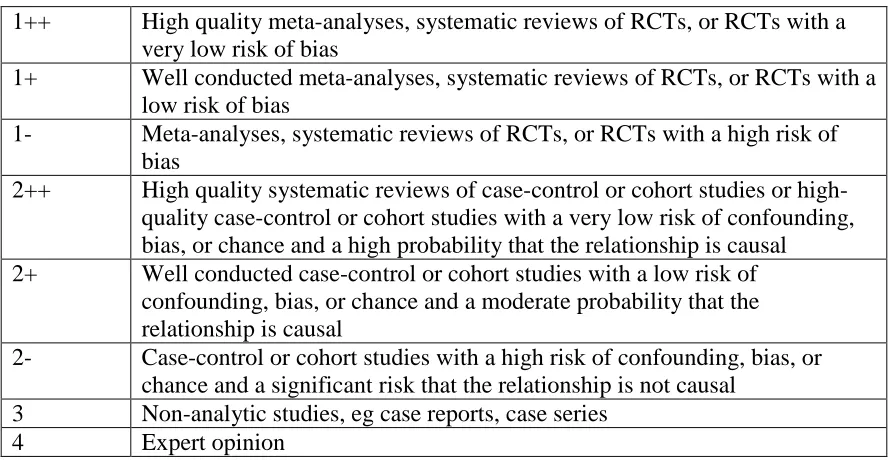
Guidelines Network (SIGN; Scottish Intercollegiate Guidelines Network, 2011). The
SIGN criteria have been adopted for use in this study, and a summary of the SIGN
guidelines are presented in Appendix Aof this paper. The hierarchy ratings and general
summaries, limitations, and conclusions are presented in an evidence table format. A
summary of each article selected for inclusion can be found in Appendix C.
Rating of the Literature
Three studies were rated as 1+ according to the SIGN criteria -- two randomized
controlled trials (RCTs) and one systematic review of RCTs (Baldwin et al., 2001;
Heimall et al., 2012; Hoggarth et al., 2005). In study by Baldwin et al. (2001), three
separate independent, blinded, randomized clinical trials were conducted to determine the
benefits of a disposable diaper designed to continuously deliver a zinc oxide and
petrolatum-based formulation to the skin. This study was considered to be high quality
because of the multiple randomized trials conducted by the researchers (Baldwin et al.,
2001).
In a systematic review of literature and synthesis, Heimall et al. (2012) presented
recommendations for the standardization of the treatment and prevention of IDD.
Heimall et al. (2012) used the rating criteria described by Melnyk and Fineout-Overholt
(2011) to analyze 82 articles dealing with IDD. Following this analysis, the authors were
able to determine an evidence-based practice guideline that was then implemented at their
hospital (Heimall et al., 2012). After implementation of the new guidelines, prevalence
rates of IDD were reassessed dropped from 24% to 11% of inpatient pediatric patients
22
The final article that was rated as 1+ was a study by Hoggarth et al. (2005) in
which a team of researchers examined the barrier and skin hydration properties of six
skin protectants in a controlled, three-phase study conducted at a research facility. The
study included both a positive (glycerin) and negative control (bare skin). While there
was a small sample size (N=18), the high amount of control and objective testing done by
the research team earned this study a grade of 1+ (Hoggarth et al., 2005).
Three studies were rated as 2+ according to the SIGN criteria. In a study by
Admiraal & Baatenburg de Jong (2004), a prospective randomized study compared the
use of either 3M™ Cavilon NSBF versus zinc oxide oil in patients with moderate skin
damage from incontinence. While it was a randomized trial, the limitations of the study
included small sample size (N=40), isolated clinical location, and possible sample bias
since all patients selected for the study already had moderate skin damage (Admiraal &
Baatenburg de Jong, 2004).
In another study also rated as 2+, an evaluation of 3M™ NSBF was completed to
determine if the barrier film reduced redness, prevented or reduced maceration, assisted
in dressing adhesion, and/or had any adverse effects on the patient (Campbell et al.,
2000). Selection of patients to receive the 3M™ NSBF was not random and was done by
using an algorithm developed by the researchers. The 3M™ NBSF was not compared to
any other products in this study (Campbell et al., 2000).
The final study that was rated as 2+ was a descriptive multisite study with a large
sample (N=5346). The goal of this study by Schindler et al. (2011) was to determine the
incidence of pressure ulcers in PICU patients and the characteristics of patients who
23
sample size, all data was collected by the bedside nurse, and there was no information
given about experience level or previous education about pressure ulcers. Additionally,
data on specific treatment modalities that impact other areas of care, such as use of
sedation, modes of ventilation, or nutritional status, were not collected (Schindler et al.,
2011).
One study was rated as 2- according to the SIGN criteria. This study, by
García-Molina et al. (2012), assessed the effect of two different pediatric-specific low-pressure
mattresses on the incidence of pressure ulcers in a PICU. This was a prospective
longitudinal study, and patients were selected for participation because they were
determined to be high risk for skin breakdown according to their Braden Q or Neonatal
Skin Risk Assessment score (García-Molina et al., 2012). Both mattresses showed a
significant decrease in the incidence of pressure ulcers with only one participant (3.3%)
who developed a non-device related occipital pressure ulcer (García-Molina et al., 2012).
Two studies were rated as level 3 (Lund et al., 2001; Quigley & Curley, 1996).
Lund et al. (2001) developed and evaluated an evidence-based practice guideline for the
assessment and care of neonatal skin. The guideline was presented to NICUs,
special-care, and well-baby nurseries and was implemented by 51 sites (Lund et al., 2001).
While the extensive sites that implemented the guideline represented a large sample size,
there was the potential for significant variation between the study sites. Both the
subjective nature of the study and variation in data collection led to a high risk of bias
(Lund et al., 2001).
A study by Quigley & Curley (1996) evaluated a three-pronged approach to
24
Braden Q scale, which was modeled after the Braden Scale for pressure ulcer risk
assessment. Use of the Braden Q scale was intended to standardize practice for pediatric
risk assessment, and the Braden Q scale has been widely adopted since this study’s
publication (Quigley & Curley, 1996). The authors discussed methods of prevention for
pediatric pressure ulcers and recommended that all at-risk patients should be placed on a
pressure reducing surface, the heels should be suspended off the bed, lifting devices
should be used to reduce friction, and assessment of nutritional intake should be done to
maximize adequate nutritional support. Patients on bed rest should be turned and
repositioned every two hours and transparent dressings should be used to reduce friction
on susceptible body surfaces. Use of a pressure ulcer algorithm was helpful in attaining
consistent staging and in selecting appropriate treatment regimens (Quigley & Curley,
1996).
The majority of the evidence was rated as level 4, and most were non-analytic
literature reviews. Atherton (2004) and Nield & Kamat (2007) reviewed the
pathophysiology, prevention, and treatment of IDD but mentioned that limited clinical
data is available to determine the effectiveness of specific barrier preparations to prevent
IDD. Baharestani (2007), Butler (2006), and Kuller (2001) summarized and reviewed
neonatal and pediatric wound types, physiology, prevention, and treatment. Bernabe
(2012) and Willock & Maylor (2004) summarized current practices for the prevention
and treatment of pressure ulcers in children. Garvin (1997) discussed the etiology,
assessment, and prevention of skin breakdown in the PICU population. All of these
studies mentioned the limited research available on the pediatric population on skin
25
best practice guidelines for assessment, prevention, and treatment of skin breakdown
(Atherton, 2004; Baharestani, 2007; Baharestani & Ratliff, 2007; Bernabe, 2012; Butler,
2006; Garvin, 1997; Kuller, 2001; Willock & Maylor, 2004).
Application to Practice
Following rating of the literature according to the SIGN criteria, literature was
organized according to the specific intervention discussed – barriers or specialty surfaces.
Studies that included both interventions were discussed in both sections according to the
findings presented.
Barriers
Barrier preparations and protective barrier products can be used to prevent and
treat moisture-related and mechanical skin injuries and can play a role in the reduction of
shearing forces that can exacerbate pressure injuries. Several different barrier
preparations were mentioned in the literature. To prevent and treat IDD, it was
recommended that barrier preparations be applied with every diaper change (Atherton,
2004; Kuller, 2001; Nield & Kamat, 2007). Some authors felt that there was not enough
evidence to recommend a specific type of barrier preparation (Atherton, 2004) while
others recommended the use of petrolatum (Kuller, 2001; Nield & Kamat, 2007).
Petrolatum, also called petroleum jelly or Vaseline™, showed some effectiveness
at providing a moisture barrier and improving skin condition in several different studies.
In one study, the delivery of a zinc oxide/petrolatum (ZnO/Pet) formulation administered
by a disposable diaper was tested in three separate independent, randomized clinical
trials. The continuous delivery of the ZnO/Pet resulted in improved skin condition with
26
2001). Petrolatum was also shown to be effective in a systematic review of literature by
Heimall et al. (2012). Using petrolatum as a standard of care with all diapered pediatric
patients was recommended by the authors as part of an evidence-based approach to
prevention of diaper dermatitis (Heimall et al., 2012). In a laboratory trial of six skin
protectants, Vaseline™ was the only product that provided an effective barrier against
irritation while also hydrating skin (Hoggarth et al., 2005). Zinc oxide was effective
against irritants but did not provide the same skin hydration (Hoggarth et al., 2005).
Barrier preparations are also useful in the prevention of epidermal stripping.
A clinical evaluation of 3M™ NSBF was conducted to determine its effectiveness at
reducing redness and maceration. While the 3M™ NSBF was not compared to a control
or other products, it was shown to increase dressing adhesion as well as reduce redness
and maceration (Campbell et al., 2000). A prospective, randomized study compared the
3M™ NSBF to zinc oxide oil and found that, while both preparations improved skin
condition, the 3M™ NSBF was more cost effective (Admiraal & Baatenburg de Jong,
2004).
Epidermal stripping and adhesion-related injuries were also discussed with the
recommendations to use alcohol-free liquid skin barriers prior to application of dressings,
and limit use of tape and other adhesives (Baharestani, 2007; Kuller, 2001). Careful
removal of adhesives with water or adhesive solvent and limiting the force used to
remove adhesives was also discussed (Baharestani, 2007; Kuller, 2001).
Appropriate use of protective barrier products such as hydrocolloids, silicone
dressings, clear adhesive dressings, or foam dressings was shown to help protect skin
27
on those body surfaces most likely to experience shearing forces, such as elbows, the
back of the hips and/or buttocks, and heels (Baharestani, 2007). Care should be taken to
apply and remove dressings carefully to limit the risk of epidermal stripping or further
injury resulting from the use of the dressing (Baharestani, 2007).
Specialty Surfaces
With the selection of a specialty surface, several important factors were identified
by the literature. Selection of a surface should take into account the patient’s size,
stability, and pressure reduction needs (Butler, 2006). Determination of risk factors for
pressure ulcer development and actual incidence of pressure ulcers was felt to be an
important aspect of prevention strategies by Schindler et al. (2011). Prevention strategies
included pressure reducing surfaces, moisture reducing strategies, and positioning
devices (Schindler et al., 2011).
Specialty surfaces such as pressure-relieving mattresses, gel pillows, foam
overlays, sheepskins, or egg-crate overlays were suggested for all pediatric patients at
risk for pressure injury (Baharestani, 2007; Baharestani & Ratliff, 2007; Bernabe, 2012;
Butler, 2006; García-Molina et al., 2012; Kuller, 2001; Quigley & Curley, 1996).
Because the weight distribution of infants and children places them at an increased risk
for occipital pressure ulcers, several studies advocated for the use of a gel pillow with all
high-risk patients (Baharestani & Ratliff, 2007; Butler, 2006). As with adults, frequent
turning and repositioning at least every two hours for patients with reduced mobility is
also suggested to aid in the prevention of pressure injuries (Quigley & Curley, 1996).
While little research has been done on most of the conventional pressure
28
pediatric facility assessed the effectiveness of two pediatric-specific low-pressure
mattresses. Only one patient (N=40) developed a pressure ulcer, resulting in an overall
incidence rate of 3.3% which is lower than the previous pressure rate incidence of 20%
for the same facility (García-Molina et al., 2012).
The risk of pressure injury from medical devices appears to be increased in the
pediatric population, possibly as a result of the need to secure devices, immobility, and
smaller body surface area (Baharestani & Ratliff, 2007). Specialty surfaces designed to
help secure medical devices, such as pediatric appropriate arm boards with Velcro straps,
were identified as a method to help reduce the risk of pressure injury (Baharestani &
Ratliff, 2007).
Conclusion
Comprehensive skin care for patients in the PICU involves early and frequent
assessment, selection of proper methods for prevention of injury, appropriate treatment
for existing problems, and frequent reevaluation of prevention and treatment techniques.
In addition to the use of barriers and specialty surfaces, several reviews advocated for a
careful and thorough assessment of all skin surfaces on admission and at frequent
intervals throughout the day (Baharestani, 2007; Bernabe, 2012; Quigley & Curley,
1996). The development of a multidisciplinary skin care team in a PICU was evaluated
by Bernabe (2012) and was useful in educating staff about methods to prevent pressure
ulcers. At Children’s Hospital, Boston, a skin care task force created to examine the use
of specialty mattress surfaces for pediatric patients led to the development of a risk
assessment algorithm (Quigley & Curley, 1996). The task force developed the Braden Q
29
extensively validated (Quigley & Curley, 1996). The use of the Braden Q scale for
pressure ulcer prevention was mentioned by several authors (Baharestani, 2007; Bernabe,
2012; Lund et al., 2001; Quigley & Curley, 1996). The evaluation of an interdisciplinary
team to standardize prevention and treatment for diaper dermatitis was also discussed in
the article by Heimall et al. (2012). Challenges to implementation of skin care teams
include reliance on buy-in from staff and caregivers, (Heimall et al., 2012; Quigley &
Curley, 1996). Standardization of assessment with the use of a validated algorithm was
also emphasized by Butler (2006) as part of a guideline for pediatric skin care.
The dearth of research on pediatric skin care issues including pressure ulcers was
mentioned numerous times in the literature and continues to be a source of frustration for
healthcare providers (Atherton, 2004; Baharestani, 2007; Baharestani & Ratliff, 2007;
Bernabe, 2012; Butler, 2006; Heimall et al., 2012; Kuller, 2001; Nield & Kamat, 2007).
The lack of concise and specific guidelines has led to variation in treatment and
prevention tactics for skin injuries (Bernabe, 2012; Lund et al., 2001; Quigley & Curley,
1996). Both barriers and specialty surfaces have been shown to be useful in the
prevention of skin breakdown in pediatric patients (Atherton, 2004; Baharestani, 2007;
Baharestani & Ratliff, 2007; Bernabe, 2012; Butler, 2006; Heimall et al., 2012; Kuller,
2001; Nield & Kamat, 2007; Quigley & Curley, 1996). Appropriate use of these
adjunctive strategies is an important step towards prevention of skin breakdown in PICU
patients. By standardizing the approach to prevention and treatment of skin breakdown,
consistent and evidence-based care can be given to children in PICUs who are at higher
30
CHAPTERIII
GUIDELINES
Recommendations
The purpose of this chapter is to outline the recommended guidelines based on the
literature analysis. The strength of each guideline has been rated according to the SIGN
criteria on a scale of A through D, with A representing a high level of evidence used to
create the guideline and D representing a lower level of evidence. The specific criteria
for the assignment of grades can be seen in Appendix A. General recommendations for
pediatric skin care and assessment are presented, and then recommendations for specific
types of interventions (barriers or specialty surfaces) are given.
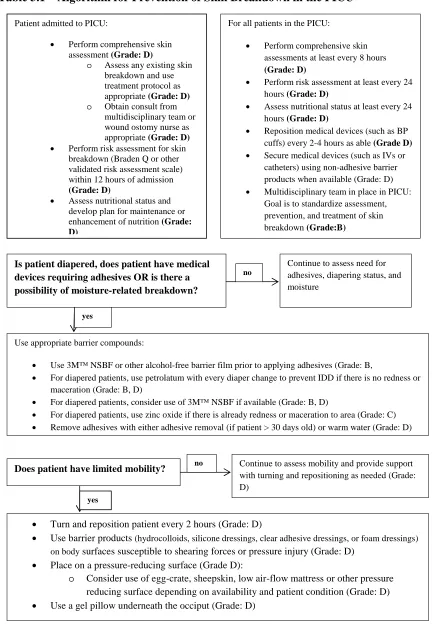
A concise, one-page guideline is presented at the end of the chapter (Table 3.1). Use
of the guideline will provide a standardized approach to prevention of skin breakdown in
the PICU.
General Recommendations
1. A comprehensive approach to skin breakdown prevention includes the use of
both barriers and specialty surfaces. Grade of recommendation – C.
The evidence used to formulate this recommendation includes a few
studies ranked 1+, 2+, and 2-, but mostly includes studies ranked level 3 or 4.
Results from the higher ranked studies were not all directly applicable to the
pediatric population (Admiraal & Baatenburg de Jong, 2004; Atherton, 2004;
31
2012; Butler, 2006; Campbell et al., 2000; García-Molina et al., 2012; Garvin,
1997; Heimall et al, 2012; Hoggarth et al., 2005; Kuller, 2001; Lund et al., 2001;
Nield & Kamat, 2007; Quigley & Curley, 1996; Schindler et al., 2011; Willock &
Maylor, 2004). In order to provide the most complete care for pediatric patients,
interventions aimed at the prevention of skin breakdown should be aimed at
addressing the individual patient’s risk factors. To adequately address these
factors, consideration should be given to the use of both barriers and specialty
surfaces.
2. A comprehensive skin assessment should be conducted on admission to the
PICU and at frequent intervals (at least every 8 hours). Grade of
recommendations – D.
Assessment is an important step in the prevention and proper treatment of
skin breakdown (Baharestani, 2007; Bernabe, 2012; Butler, 2006; Lund et al.,
2001; Quigley & Curley, 1996; Schindler et al., 2011). Skin assessments should
include objective, specific information and a complete visual inspection of the
skin should occur daily (Baharestani, 2007; Butler, 2006; Schindler et al., 2011).
With the exception of the Schindler et al. (2011) study that is rated as 2+, all of
the other evidence is level 3 or 4. While use of a standardized, comprehensive
skin assessment was repeatedly mentioned in the literature, none of the studies
included for analysis cited any meta-analyses or randomized controlled trials as
justification for this recommendation (Baharestani, 2007; Bernabe, 2012; Butler,
2006; Lund et al., 2001; Quigley & Curley, 1996; Schindler et al., 2011). The
32
will help identify potential areas of concern and, therefore, enhance efforts at
prevention (Baharestani, 2007; Bernabe, 2012; Butler, 2006; Lund et al., 2001;
Schindler et al., 2011).
3. A multidisciplinary team is useful in helping to standardize assessment,
prevention, and treatment of skin breakdown. Grade of recommendation –
B.
The body of evidence for this recommendation includes one study by
Heimall et al. (2012) that is rated as a level 1+, two studies by Lund et al. (2001)
and Quigley & Curley (1996) rated as level 3, and one study by Bernabe (2012)
that was rated as level 4. The multidisciplinary team will work with staff to
standardize charting and will reinforce the importance of skin breakdown and its
relationship to the outcomes of patients in the unit (Bernabe, 2012; Heimall et al.,
2012; Lund et al., 2001; Quigley & Curley, 1996). The team will not only
provide a reminder to staff members to complete assessments and use prevention
tactics to aid in the management of skin breakdown, but will also allow them to
have an informal avenue for education (Bernabe, 2012; Heimall et al., 2012; Lund
et al., 2001).
4. The multidisciplinary team should provide staff education about the
prevention of skin breakdown. Grade of recommendation – B.
The body of evidence for this recommendation includes one study by
Heimall et al. (2012) that is rated as a level 1+, two studies by Lund et al. (2001)
and Quigley & Curley (1996) rated as level 3, and one study by Bernabe (2012)
33
prevention of skin breakdown in the pediatric population as well as interventions
necessary when skin breakdown does occur. The multidisciplinary team will be
responsible for disseminating findings from the literature and determining the
specific guidelines for skin care in their facility.
5. Use a validated risk assessment scale for skin breakdown tailored for the
pediatric population. Risk assessment should be performed on admission
(within twelve hours) and at regular intervals no less than once daily. Grade
of recommendation – D.
The evidence used to support this guideline is rated as level 3 or 4
(Baharestani, 2007; Bernabe, 2012; Garvin, 1997; Lund et al., 2001; Quigley &
Curley, 1996). While there are several risk assessment scales available, the most
widely used pediatric scale in the United States is the Braden Q scale
(Baharestani, 2007; Quigley & Curley, 1996). The adult version of this scale, the
Braden scale, has been widely researched and validated; however, the pediatric
Braden Q scale has not had as many studies to verify its usefulness (Baharestani,
2007; Bernabe, 2012). The importance of the type of scale used to categorize
patients according to their level of risk for skin breakdown does not seem to be as
important as using a standardized instrument across the facility and recognizing
the interventions that need to be taken for a patients who is placed in the high risk
category (Baharestani, 2007; Bernabe, 2012; Lund et al., 2001).
6. Assess and maintain adequate nutritional support to help prevent skin
breakdown. Perform nutritional assessment on admission (within twelve
34
The studies included in this analysis that support this recommendation are
all level 3 or 4 (Baharestani, 2007; Butler, 2006; Garvin, 1997; Quigley & Curley,
1996). As identified by the Braden Q scale, proper nutritional support is
paramount in the prevention of skin breakdown and impaired nutrition is
recognized as a risk factor for the development of pressure ulcers and wounds
(Garvin, 1997; Quigley & Curley, 1996). Patients in the PICU are under stressed
conditions and therefore require more nutritional and caloric support than those
children under normal conditions (Freeman & Hampsey, 2012; Garvin, 1997). In
addition, nutritional intake is affected by the use of sedatives, surgeries requiring
gastric rest, pain, immobility, and many other factors related to a patient’s illness
that may affect the ability to feed through normal means (Butler, 2006; Freeman
& Hampsey, 2012). Nutritional status not only affects a patient’s risk assessment
for skin breakdown, but it also has an impact on wound healing once breakdown
has occurred (Baharestani, 2007; Butler, 2006; Garvin, 1997).
7. Turn and reposition pediatric patients on bed rest at least every two hours.
Grade of recommendation – D.
With the exception of the study by García-Molina et al. (2012), all of the
evidence is a level 4 (Baharestani & Ratliff, 2007; Bernabe, 2012; Butler, 2006;
Quigley & Curley, 1996; Schindler et al., 2011; Willock & Maylor, 2004).
Extensive research has been completed on the need for frequent repositioning in
bedridden adult and geriatric patients, and repositioning every two hours has been
shown to be effective in preventing pressure ulcers in that population (Baharestani
35
principle is true for pediatric patients, no studies were identified that focused on
this intervention as a tool for prevention of skin breakdown and pressure ulcers
(Baharestani & Ratliff, 2007; Bernabe, 2012; Butler, 2006; Quigley & Curley,
1996; Schindler et al., 2011; Willock & Maylor, 2004). Pediatric patients are
susceptible to pressure ulcers on different anatomical areas than adults, so
interventions that aim to reduce pressure should take into account these different
pressure points. For example, repositioning of the head every two hours is of
utmost importance in infants and toddlers because of their disproportionate weight
distribution and propensity for the development of occipital pressure ulcers
(Baharestani & Ratliff, 2007; Bernabe, 2012; Butler, 2006; Willock & Maylor,
2004). Using foam wedges, pillows, blanket rolls, or other positioning devices is
suggested to help off-load areas of high pressure (Schindler et al., 2011).
8. Use a pressure ulcer algorithm to consistently document pressure ulcers and
to help in selecting the proper treatment regimen for existing pressure
injuries. Grade of recommendation – D.
All the relevant studies in this analysis were evidence level 4 (Butler,
2006; Garvin, 1997; Quigley & Curley, 1996). The pressure ulcer staging tool
suggested in the literature was developed by the National Pressure Ulcer Advisory
Panel (2007) and is included in Appendix E. Consistent use of a clear, concise
guideline is helpful in standardizing both documentation and treatment of any
areas of concern (Butler, 2006; Garvin, 1997; Quigley & Curley, 1996).
9. Consult a wound ostomy nurse for the care and treatment of any areas of
36
Data was extrapolated from the literature and all the relevant studies in
this analysis were evidence level 4 (Baharestani, 2007; Bernabe, 2012; Lund et
al., 2001). The literature discussed wound care in the neonatal and pediatric
populations and advocated for standardizing treatment guidelines. By using a
specialty nurse to help standardize treatment, patient outcomes can be monitored
effectively.
10. Frequently reposition all medical devices that can be moved, such as pulse
oximeters and blood pressure cuffs. Grade of recommendation – D.
Two studies used to formulate this guideline, by Baharestani & Ratliff
(2007) and Willock & Maylor (2004), were rated as level 4 and one study, by
Schindler et al. (2011) was rated level 2+. Medical devices are a risk factor for
skin breakdown, especially in the pediatric population. Baharestani & Ratliff
(2007) discussed the need for frequent reassessment of medical devices and
Schindler et al. (2011) discussed the role of medical devices in the development
of skin breakdown. Willock & Maylor (2004) advocated for the importance of
protection from equipment that could cause skin injury.
Recommendations for Barrier Preparations
1. Use barrier preparations to prevent moisture-related and mechanical skin
breakdown. Grade of recommendation – B.
Overall, the literature used to support this guideline includes three studies
rated as 1+ (Baldwin et al., 2001; Heimall et al., 2012; Hoggarth et al., 2005).
Two of these studies, Baldwin et al. (2001) and Heimall et al. (2012) were
37
study population. The remaining study that was rated 1+ was completed in a
laboratory setting, but the results were achieved using a randomized study design
(Hoggarth et al., 2005). Use of a barrier preparation to prevent IDD was
mentioned repeatedly in the literature and helps to prevent skin breakdown as a
result of moisture and friction in that sensitive area (Atherton, 2004; Baldwin et
al., 2001; Garvin, 1997; Heimall et al., 2012; Kuller, 2001; Nield & Kamat,
2007). The prevalence of diapering, especially in the younger pediatric
population, makes this an important step in the overall prevention of skin
breakdown (Atherton, 2004; Heimall et al., 2012).
a. Use barrier preparations with each diaper change to prevent IDD.
Grade of recommendation – D. All three studies used to develop this
guideline are rated as level 4 (Atherton, 2004; Kuller, 2001; Nield &
Kamat, 2007). While use of barrier preparations was a major topic of
discussion for the prevention of IDD, frequency of application was a topic
that was specifically researched. Several authors advocate for application
of barrier preparation with each diaper change to ensure maximum
coverage and, presumably, maximum prevention of breakdown.
2. Using petrolatum (also called petroleum jelly or Vaseline™) provides a
barrier to moisture and is helpful in the prevention of IDD. Grade of
recommendation – B.
Overall, the evidence included several studies rated 1+ as well as
lower-ranked studies (Baldwin et al., 2001; Heimall et al., 2012; Hoggarth et al., 2005;